Surviving the Pashmina plateau

Nomadic Changpa pastoralists and their goats give us the rare Pashmina wool. Today, they brave icy temperatures—and climate change

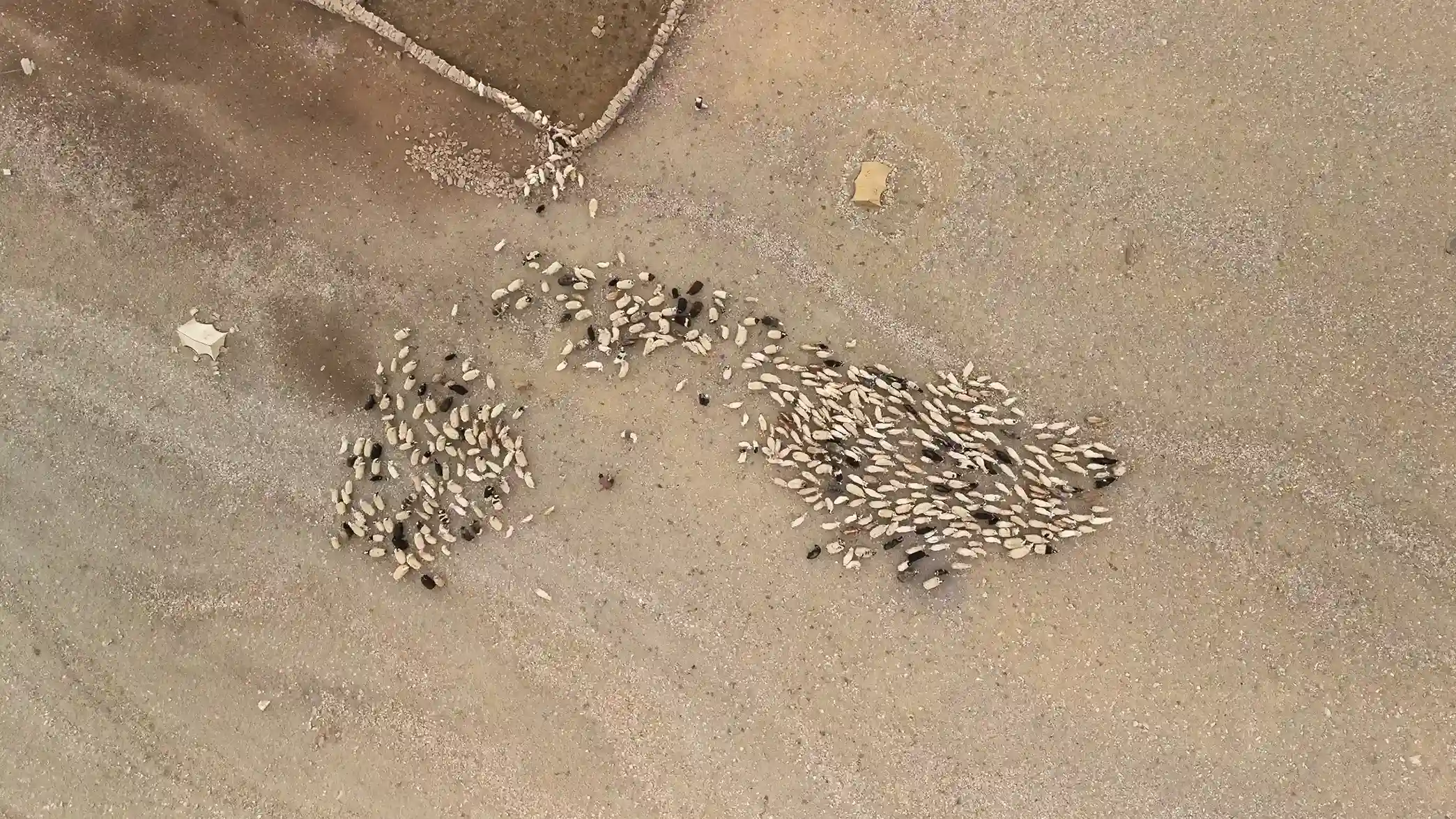
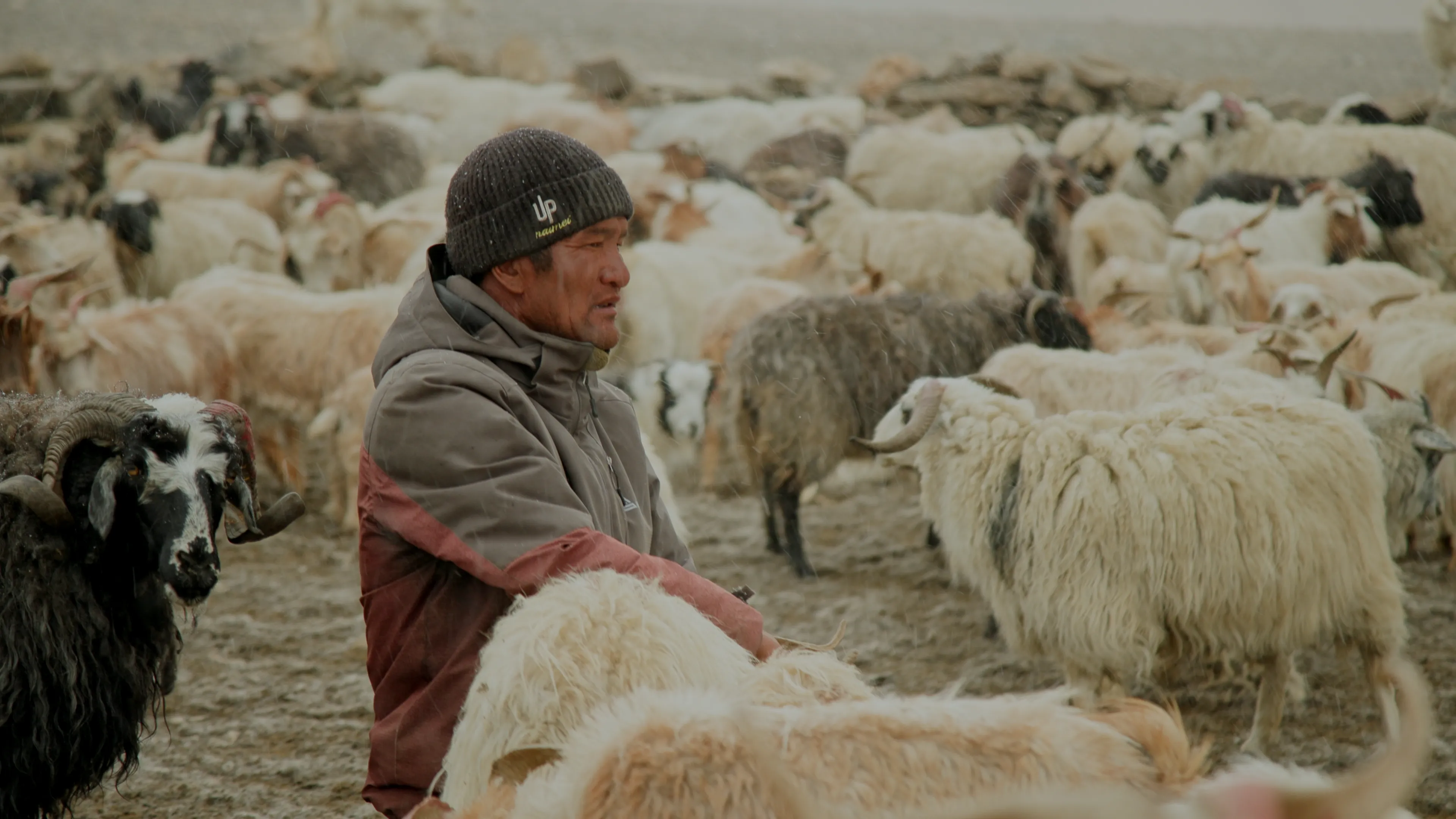
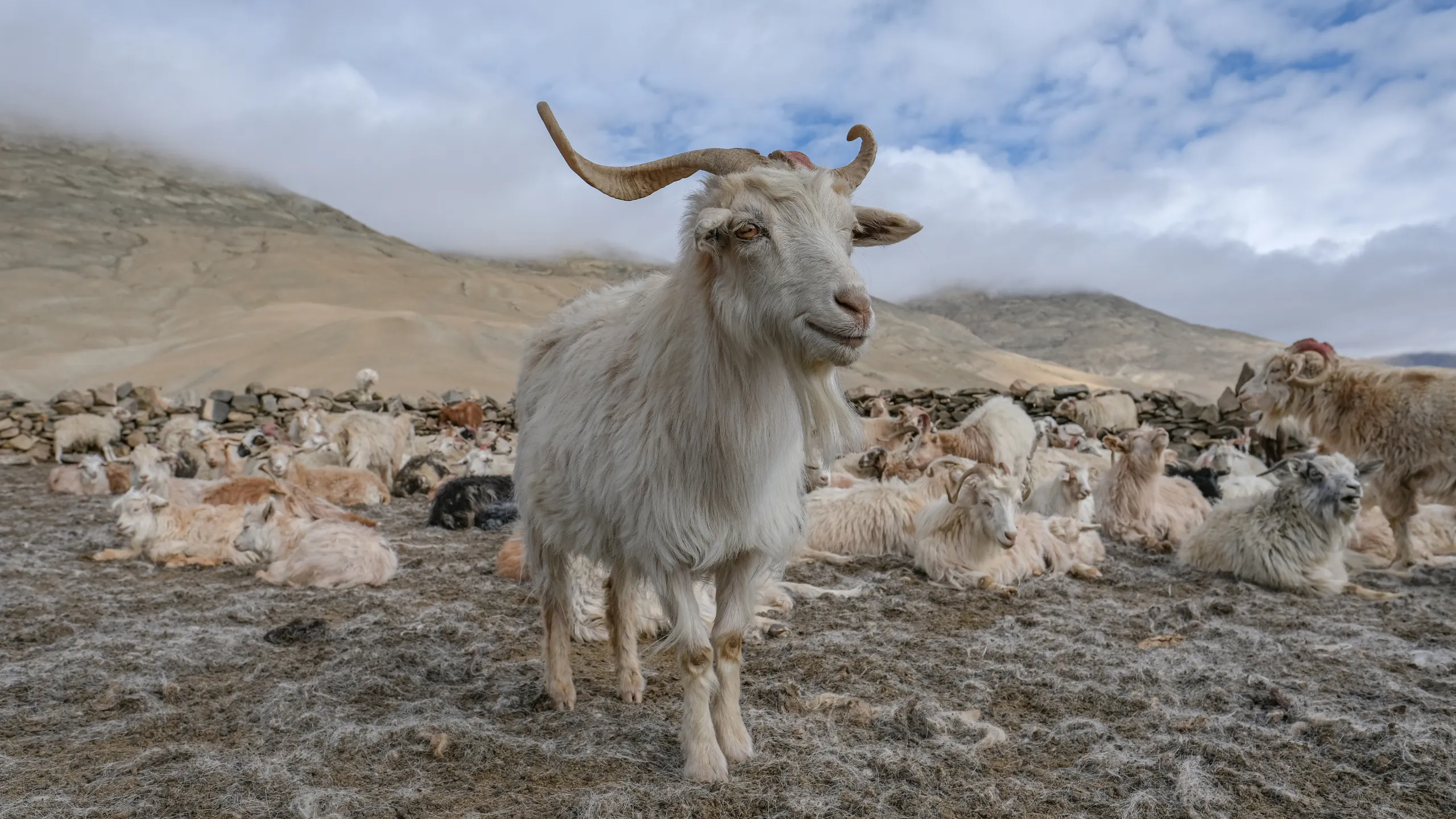
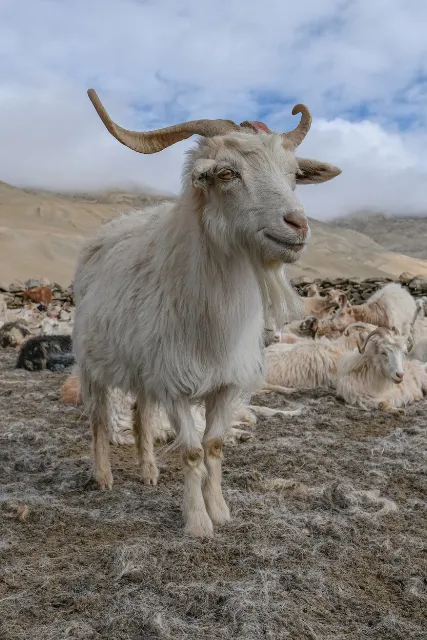
Straddled between Tibet and Ladakh is the cold and bare Changthang plateau, where not much grows except grass and wheat. Its inhabitants, the Changpa tribe, sustain themselves by rearing the Changthangi mountain goats.

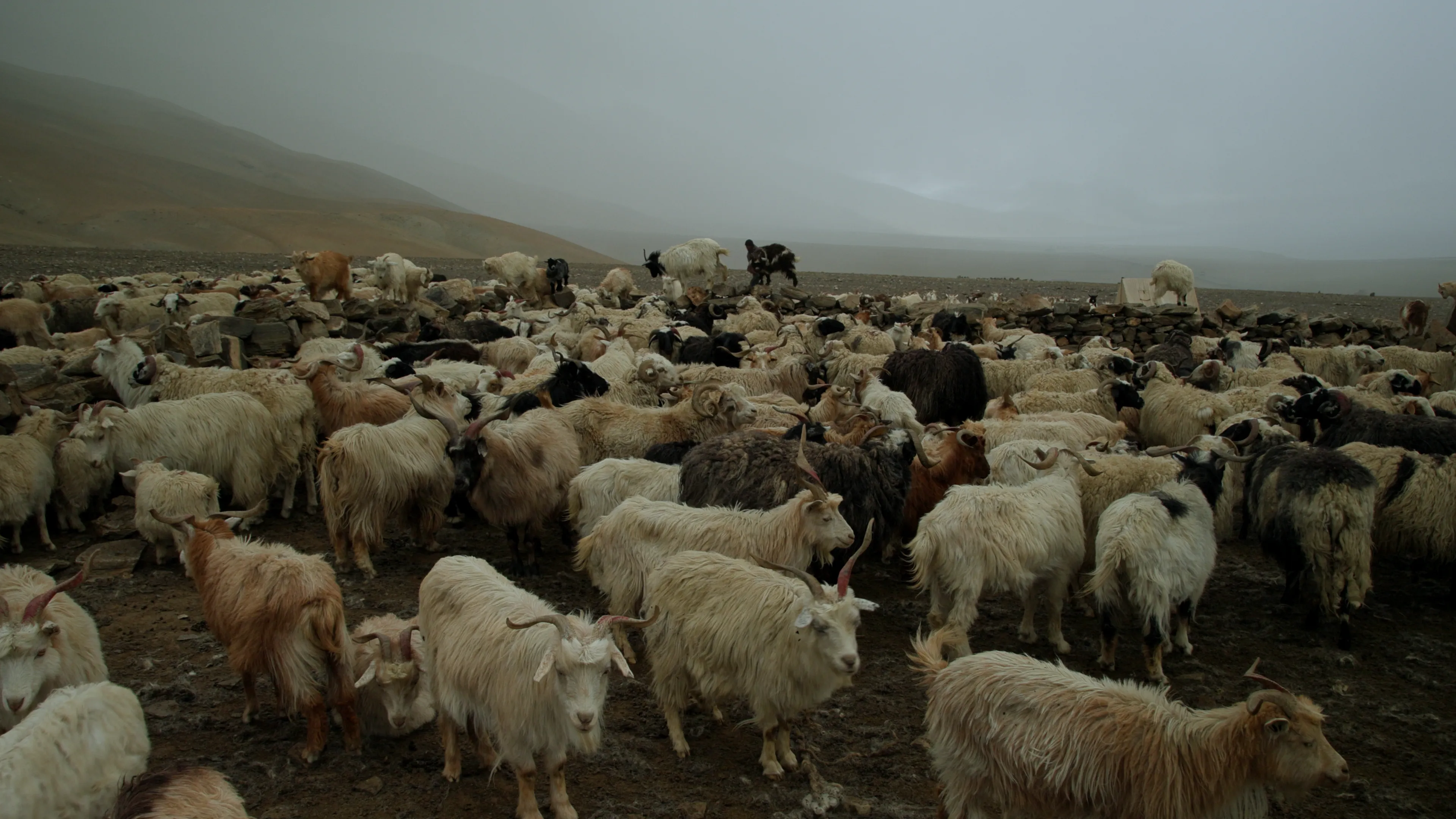
These goats survive Ladakh’s freezing temperatures by growing a thick undercoat. Come summer, they shed it, and a finely-combed version of this undercoat is what we know as pashmina. The goats are the Changpas’ lifeline: pashmina sales from the summer sustain families through the year, as does a steady supply of milk. 

The tribe has spent generations herding these nimble-footed goats, moving seasonally to places with greener pastures. Now, they find their way of life threatened: snow and rain have become more erratic, affecting the herd’s nutrition, health, and wool production. The Changpas say their life is easier than that of their ancestors, but the underlying tension is rife in their voice. Without access to education, healthcare, or alternative employment, they have no other choice but to continue as herders.

The goats are the Changpas’ lifeline: pashmina sales from the summer sustain families through the year, as does a steady supply of milk.
No items found.
No items found.
01
/
12
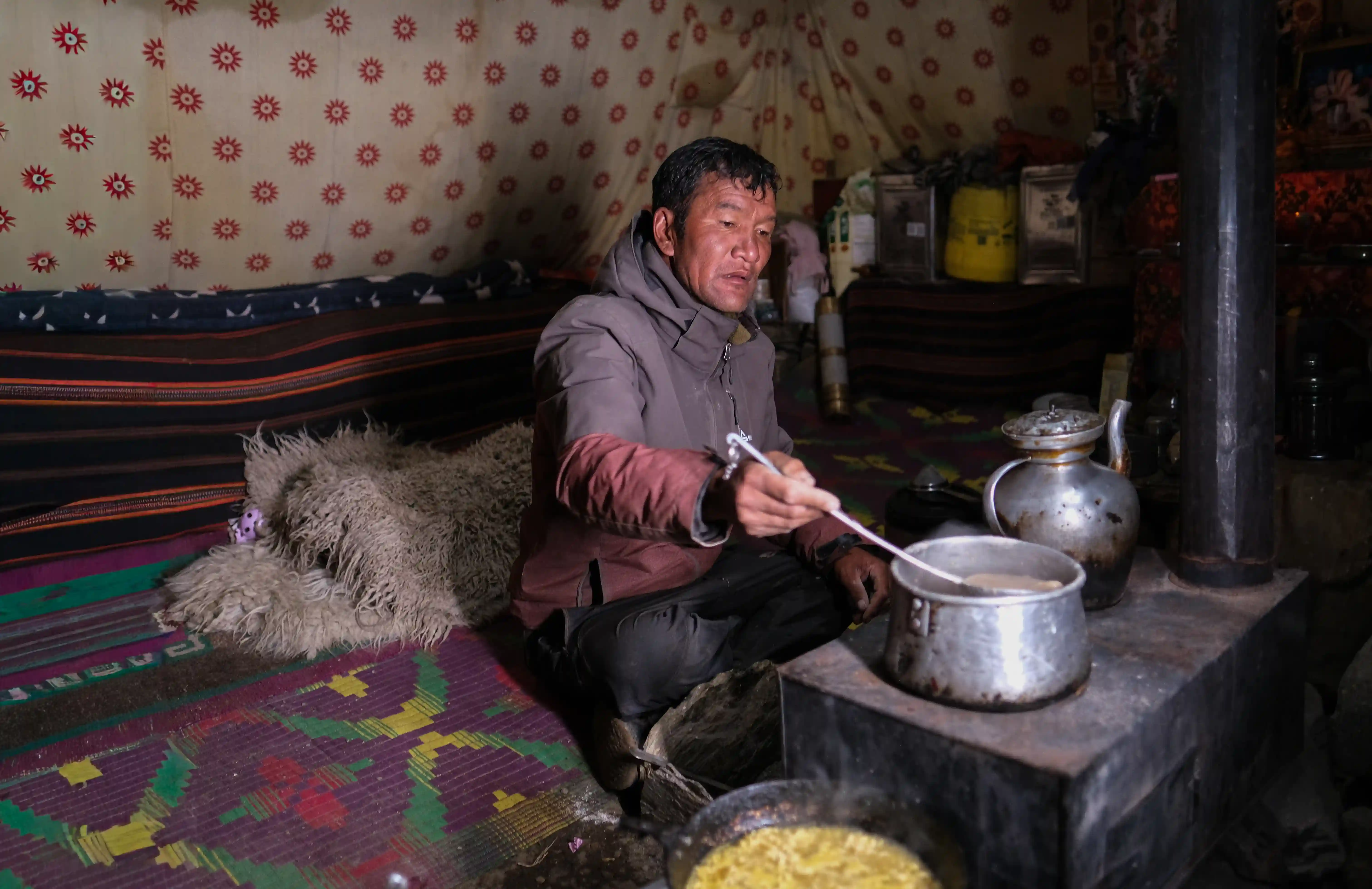
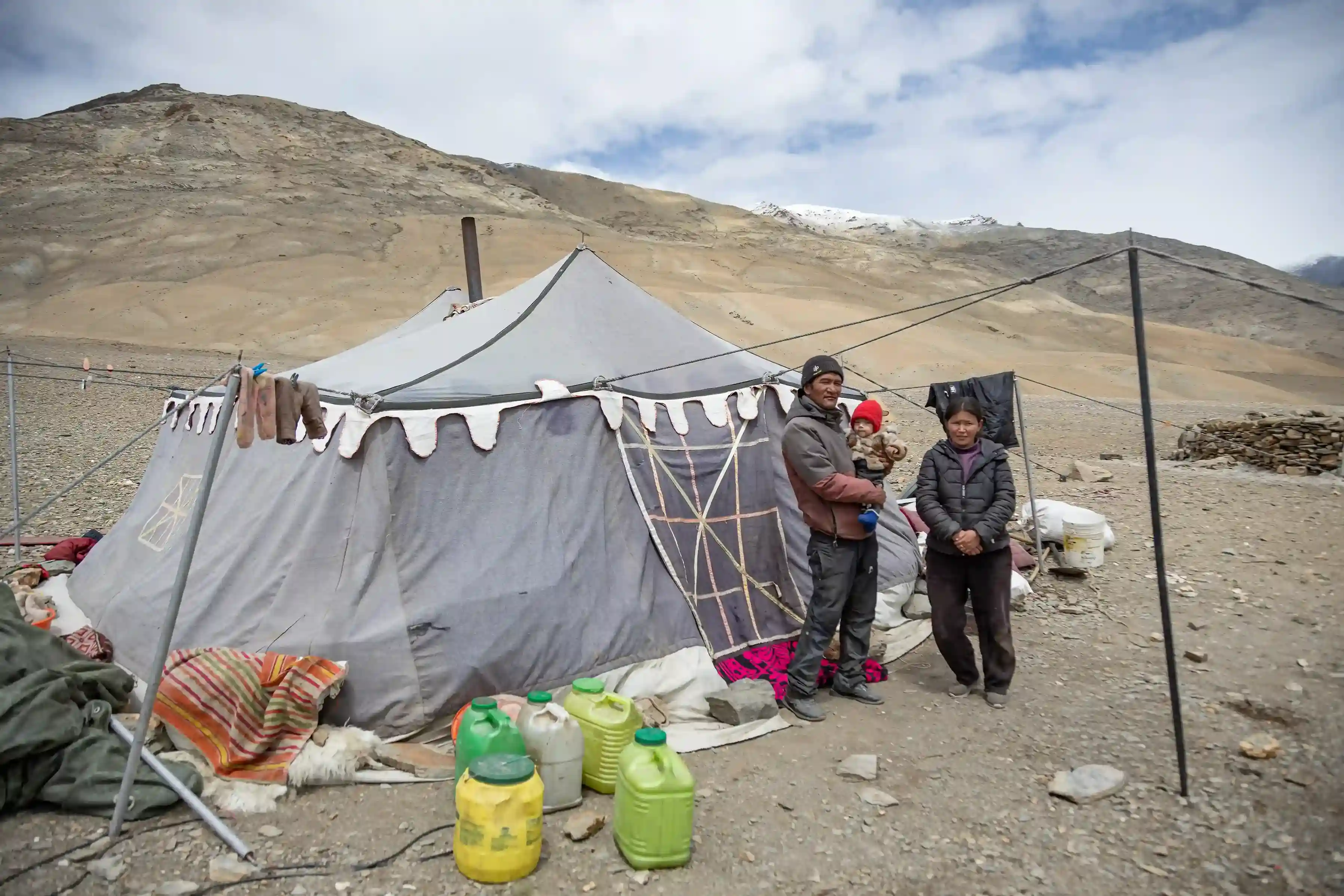
Kasang Gurmet and his wife Thinlas Dolma are Changpas, a nomadic pastoralist tribe that seasonally migrates within the Changthang Plateau.
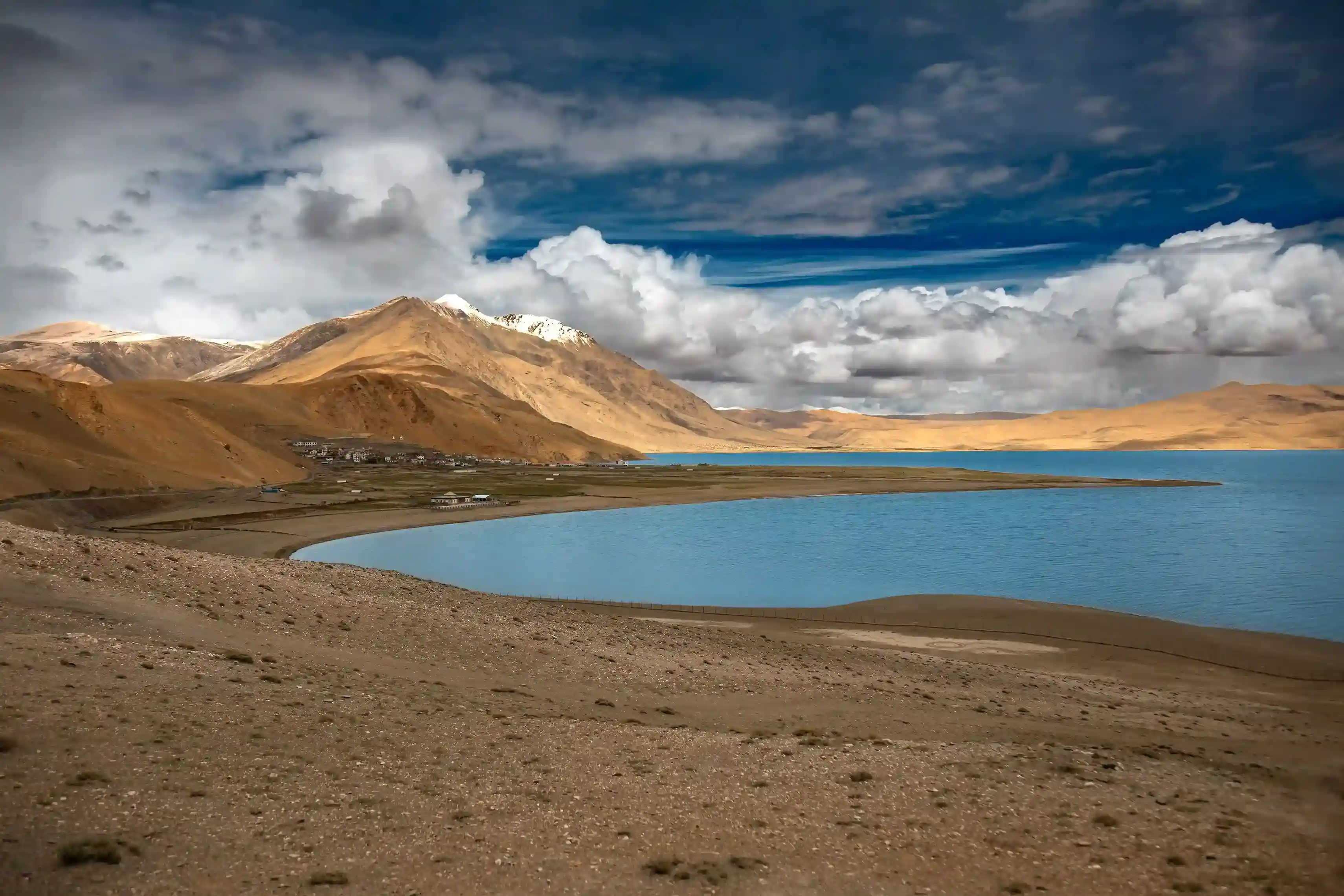
Currently, their tent is set up near the Tso Moriri lake, one of the largest high-altitude lakes in Ladakh’s Trans-Himalayan region.
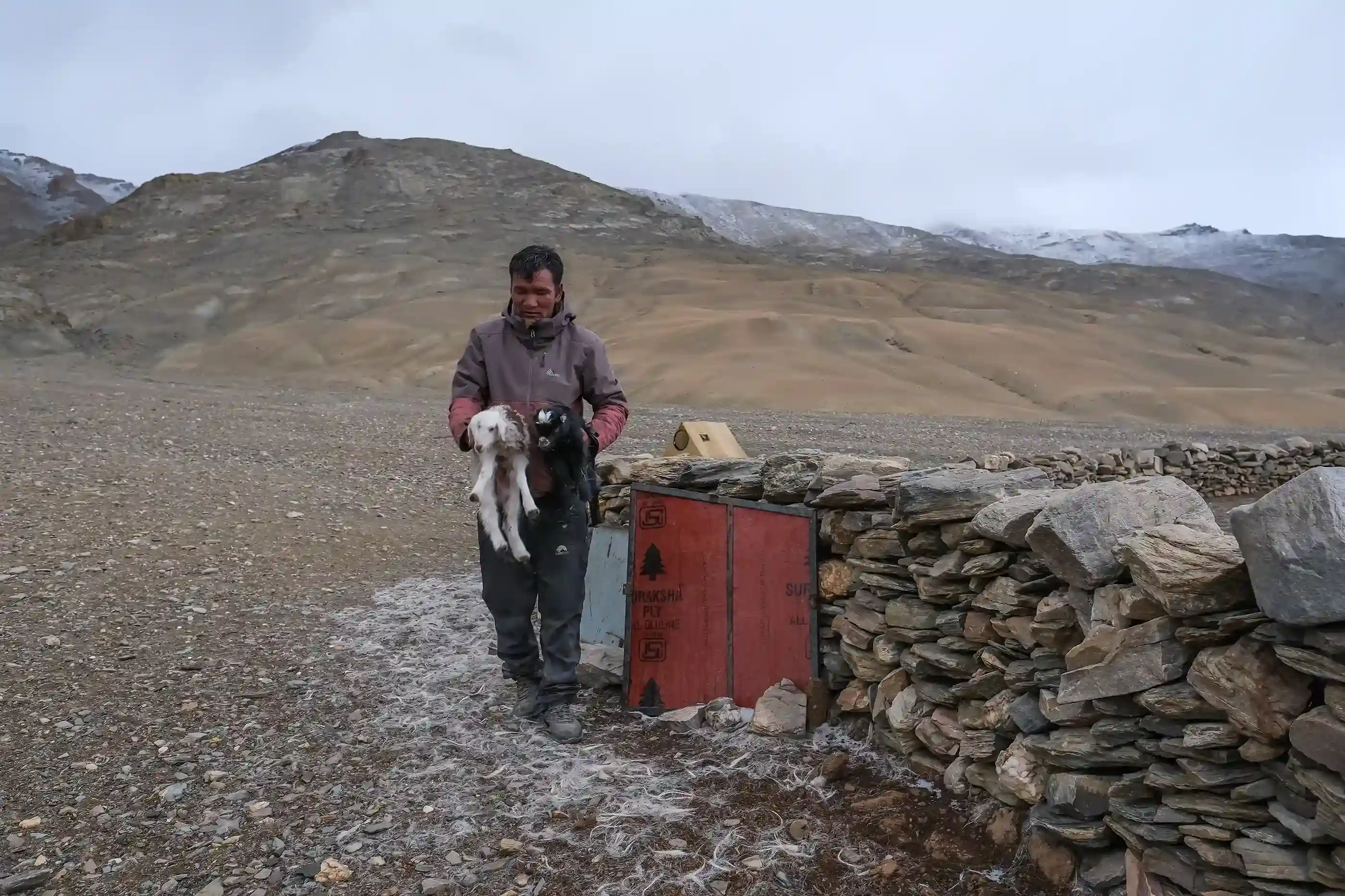
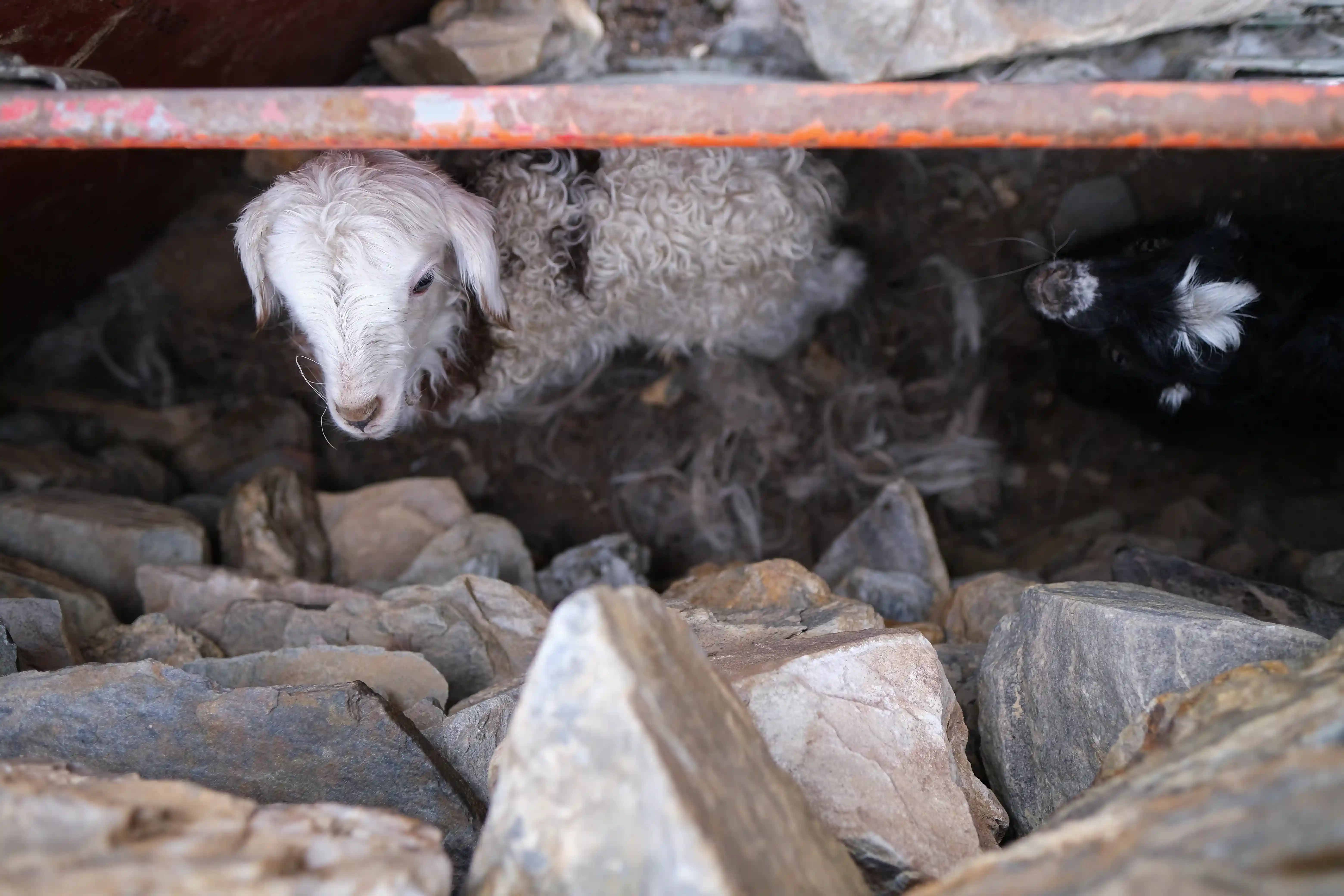
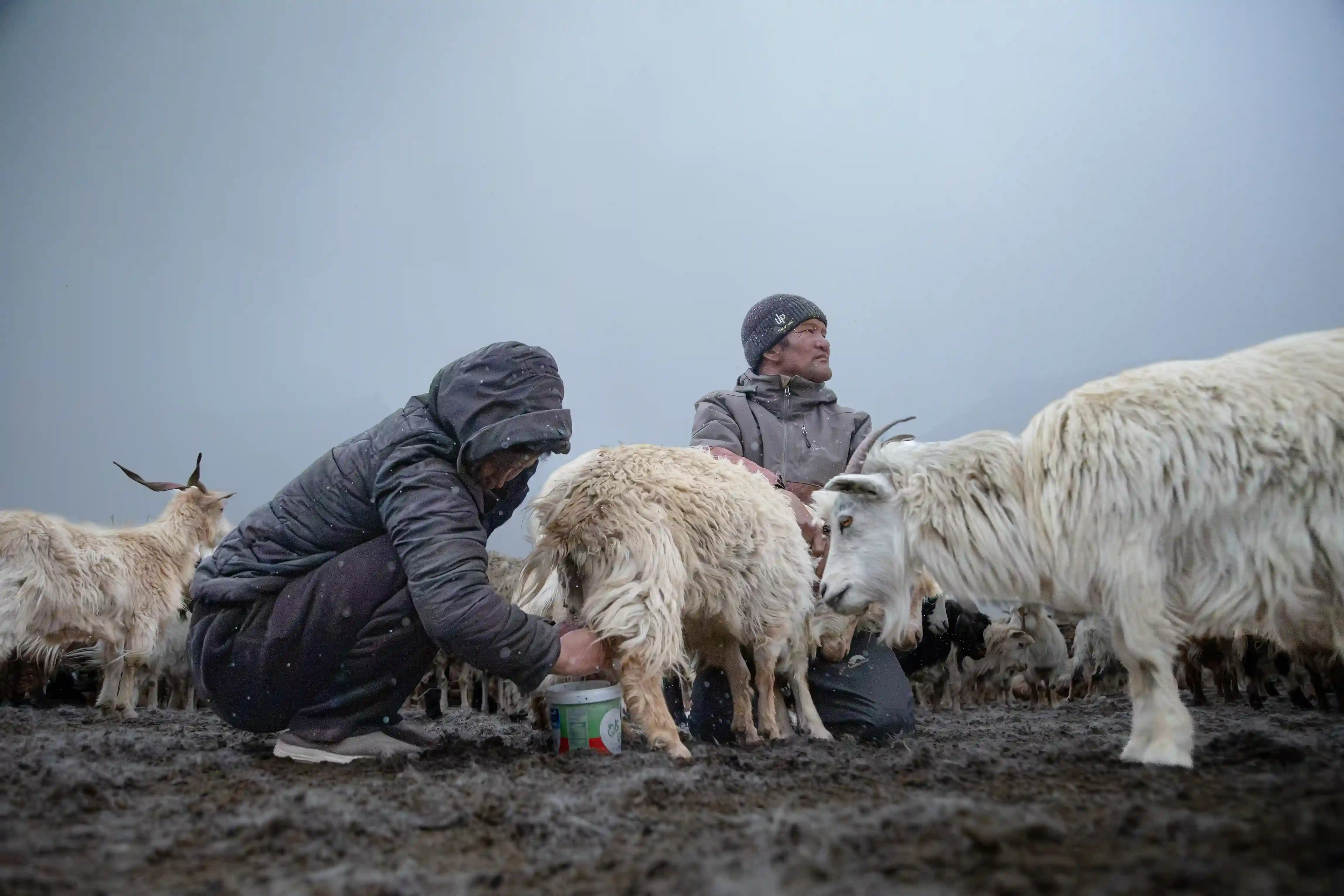
Though the Changpas also herd sheep and yak, their most prized livestock are the Changthangi goats. Here, Gurmet is holding two newborn goats.
These goats grow a thick undercoat in the winter to keep warm in -35°C weather. In the summer, they shed it off.
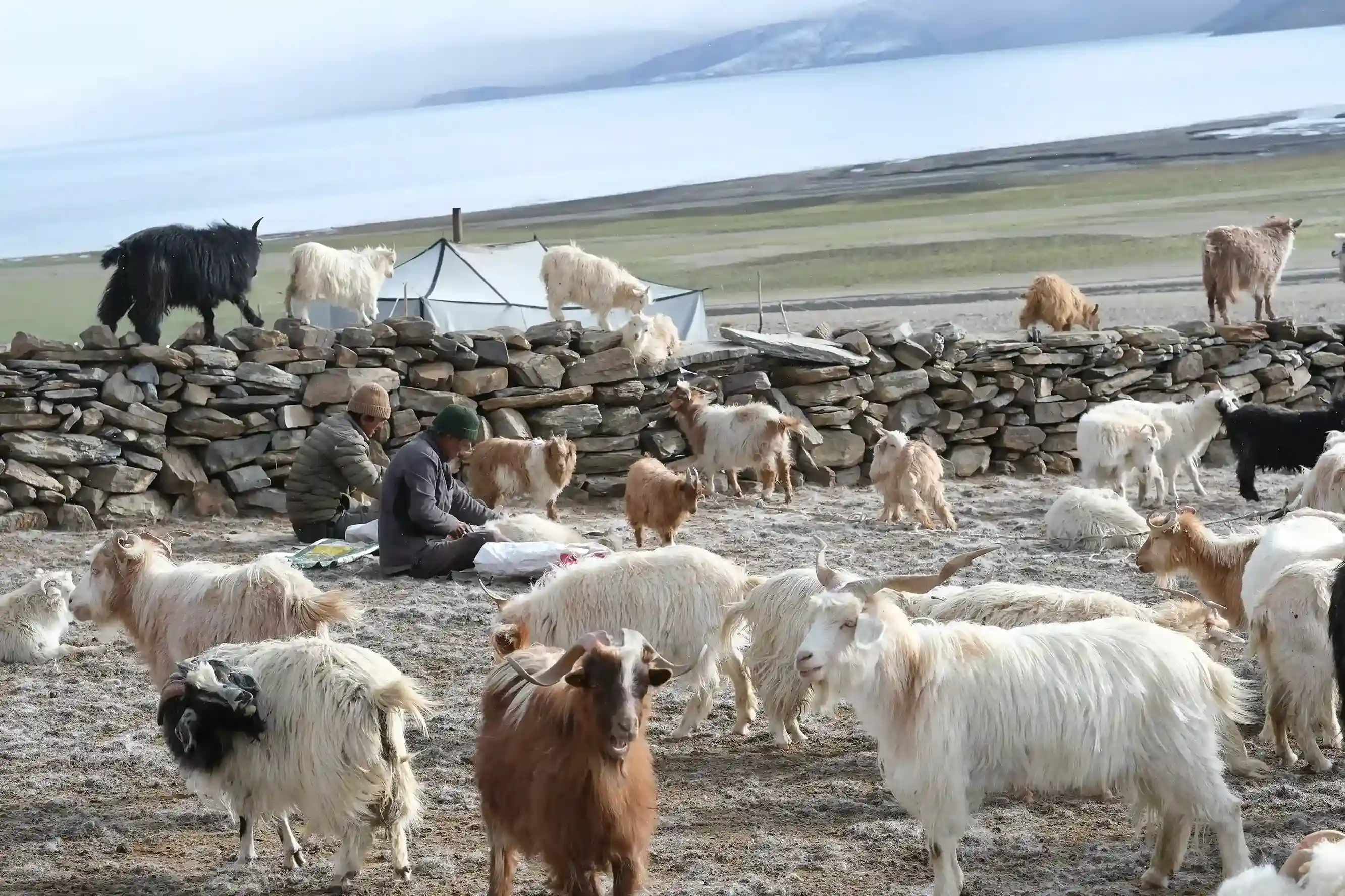
Since the goats shed the fibre naturally, it just has to be gently combed off by hand, rather than sheared. This fibre, called pashmina, is only 12-16 micrometres in diameter, making it one of the softest wools.
Each goat sheds very little pashmina, but the wool fetches up to Rs. 4,500 per kg, as opposed to Rs. 300-400 per kg for sheep wool.
But this way of life is hard. Climate change directly affects rainfall, reducing how much grass grows in the plateau. Too much snowfall in the winter can, similarly, cut off their goats’ access to grass. These grazing-related realities directly affect pashmina yield.
The Changpas’ diets are similarly sparse, put together using the few ingredients available to them. Rice, breads made out of roasted native barley like timok and kholak, noodle soup, and rice form the base of their diet.
The goats and sheep also provide milk, which is converted into less perishable dairy products like butter and cheese.
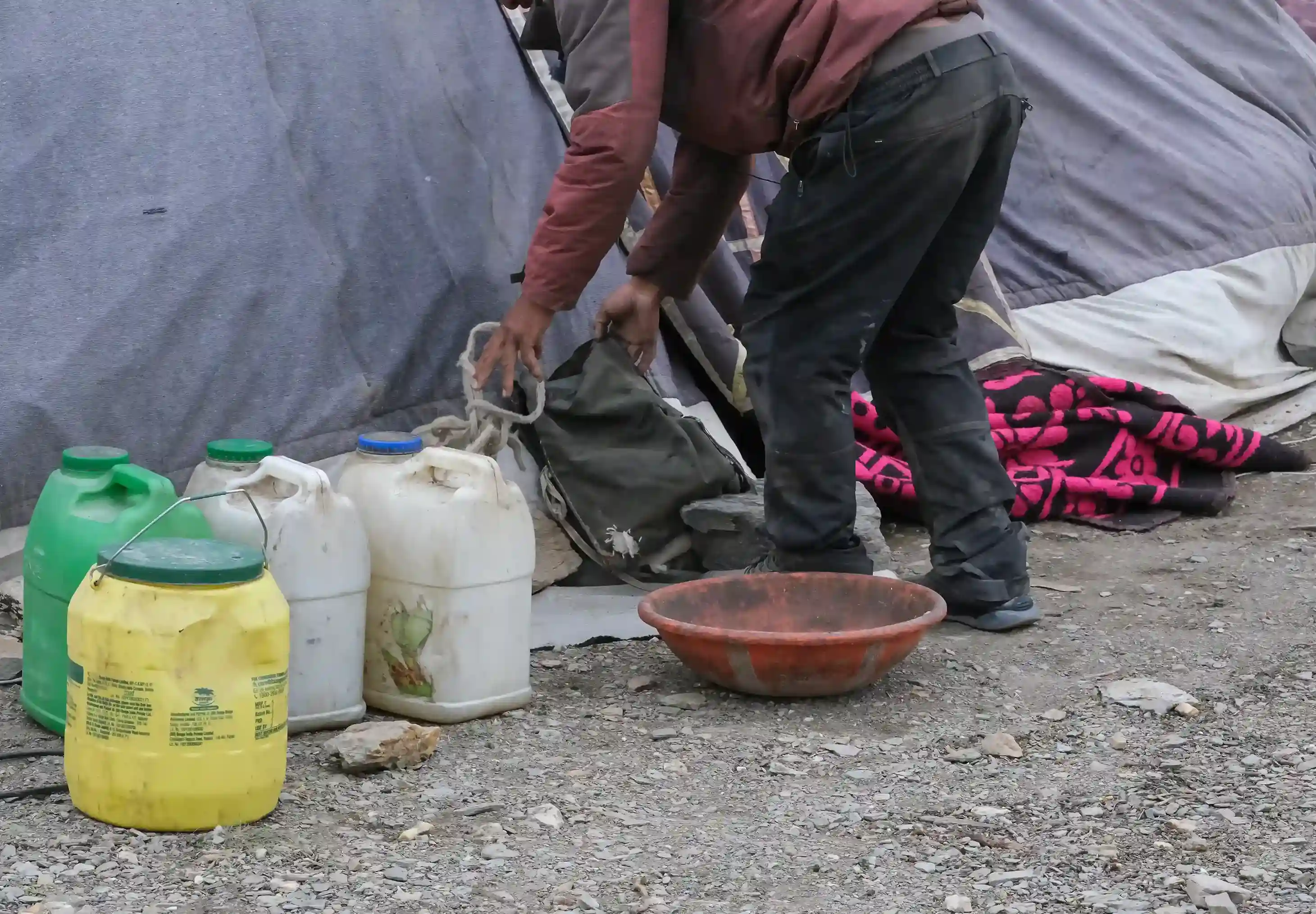
The Changpas live without electricity, education, or healthcare. The closest water source is 2 km away. For supplies, they have to visit Leh every few months.
Their way of life is under threat. Without education, no other occupation is within their reach. And without support, it is harder for them to sustain the life they have led traditionally.

You might also like

See all
Is your food nutritious or only fast?
Are there heavy metals in your vegetables?
Does your food contain Microplastics?
Are your food habits disrupting the ecological balance?
Nibble right, Save the PLANET'S MIGHT!
Is your food nutritious or only fast?
Are there heavy metals in your vegetables?
Does your food contain Microplastics?
Are your food habits disrupting the ecological balance?
Nibble right, Save the PLANET'S MIGHT!