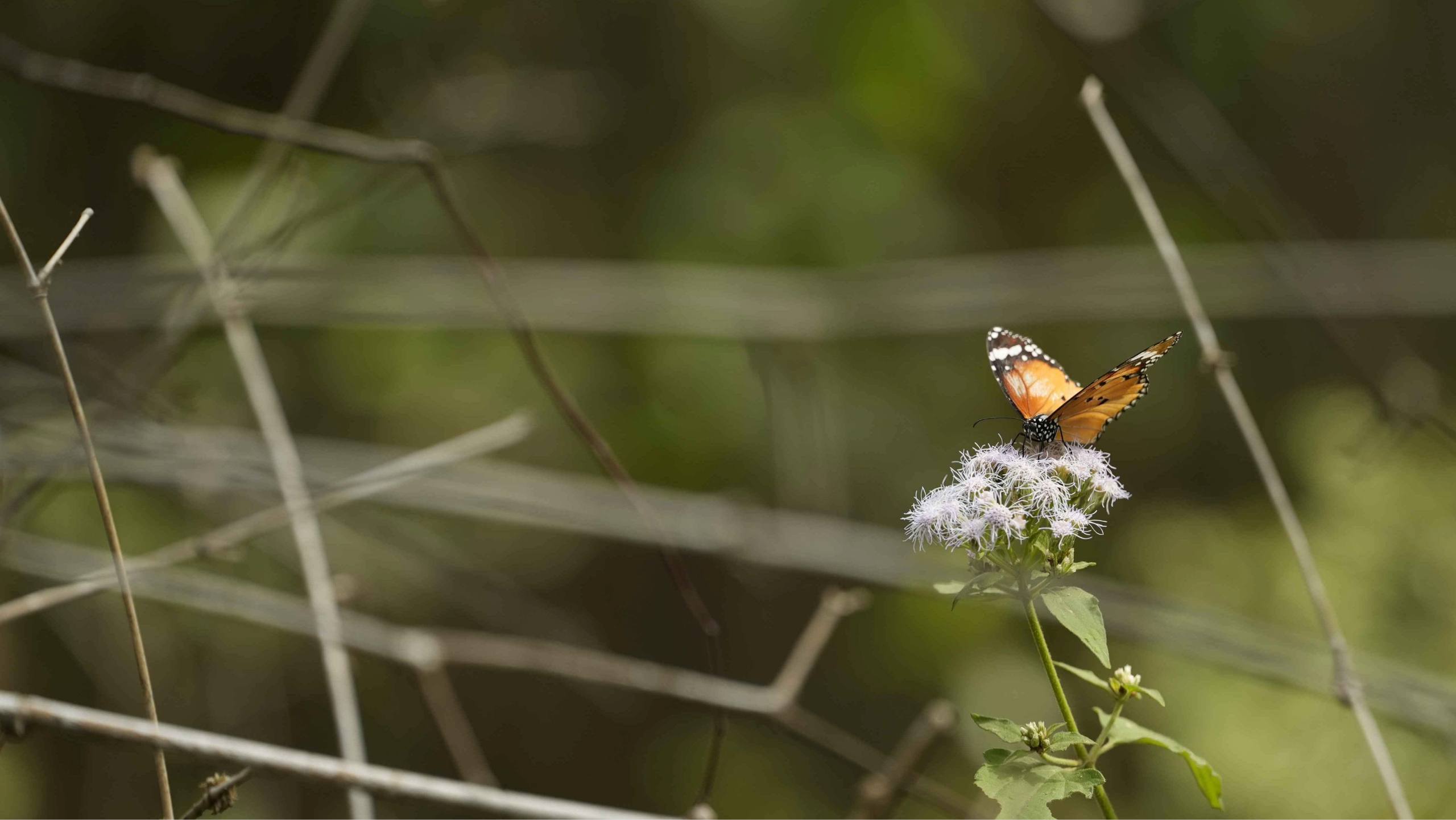
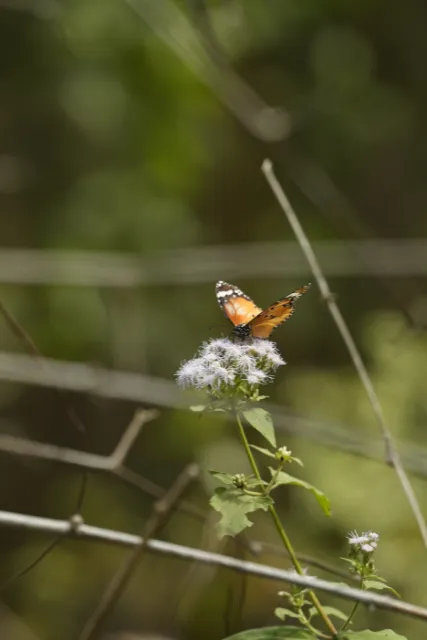
Flight club
On a walk in the Doresanipalya Reserve Forest, a ‘butterfly census’ draws attention to the winged insects’ behaviour and migration patterns
January 6, 2026
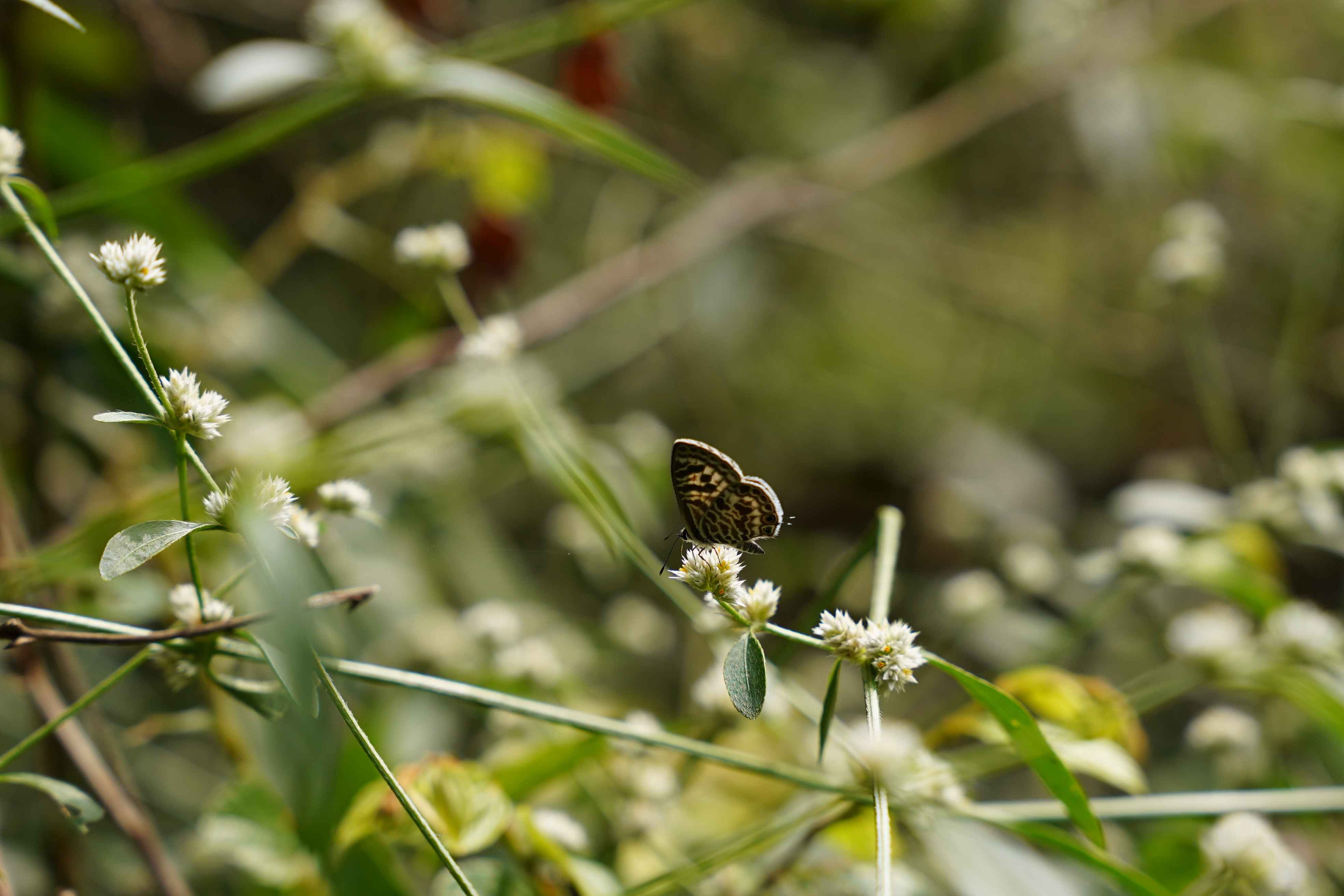
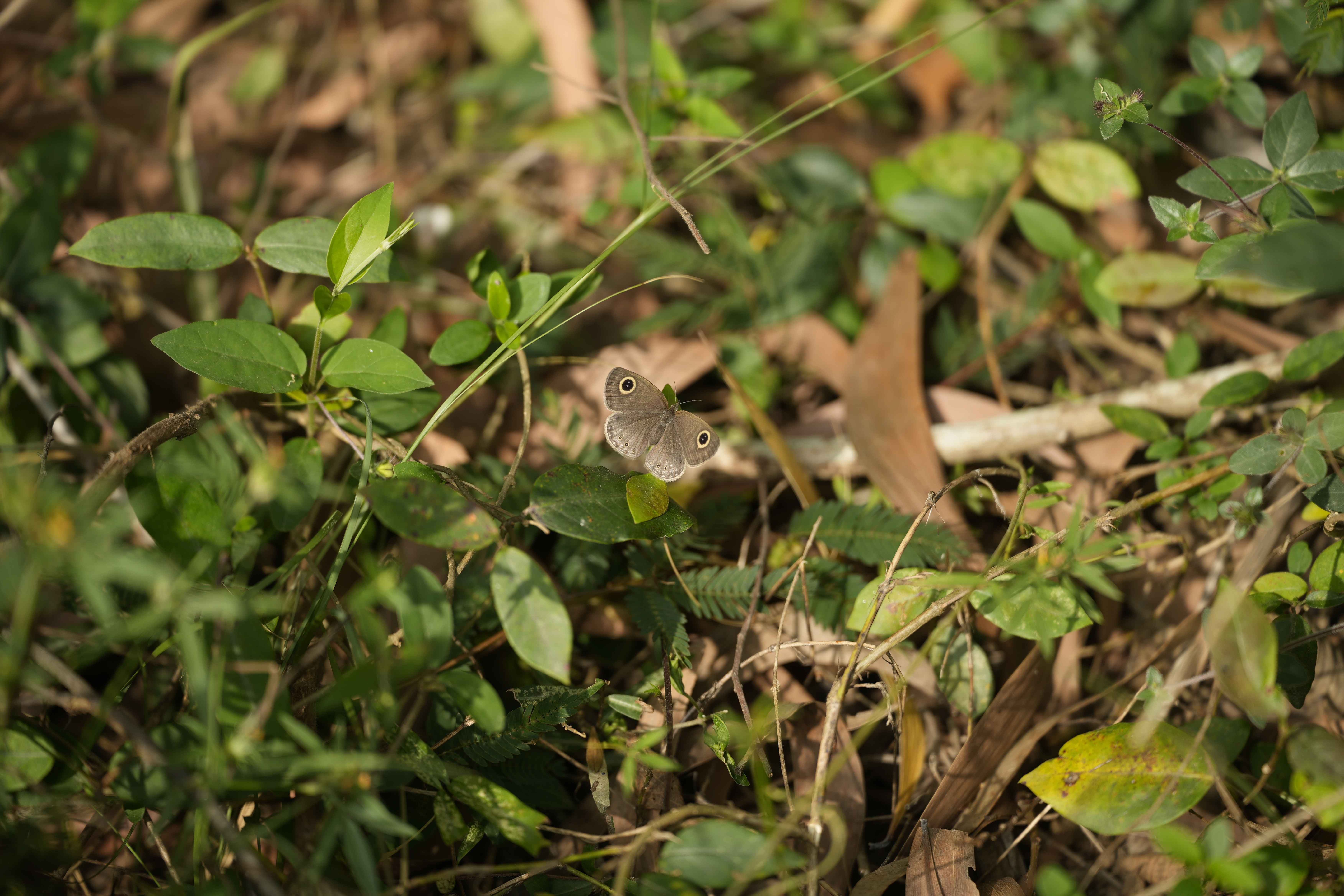
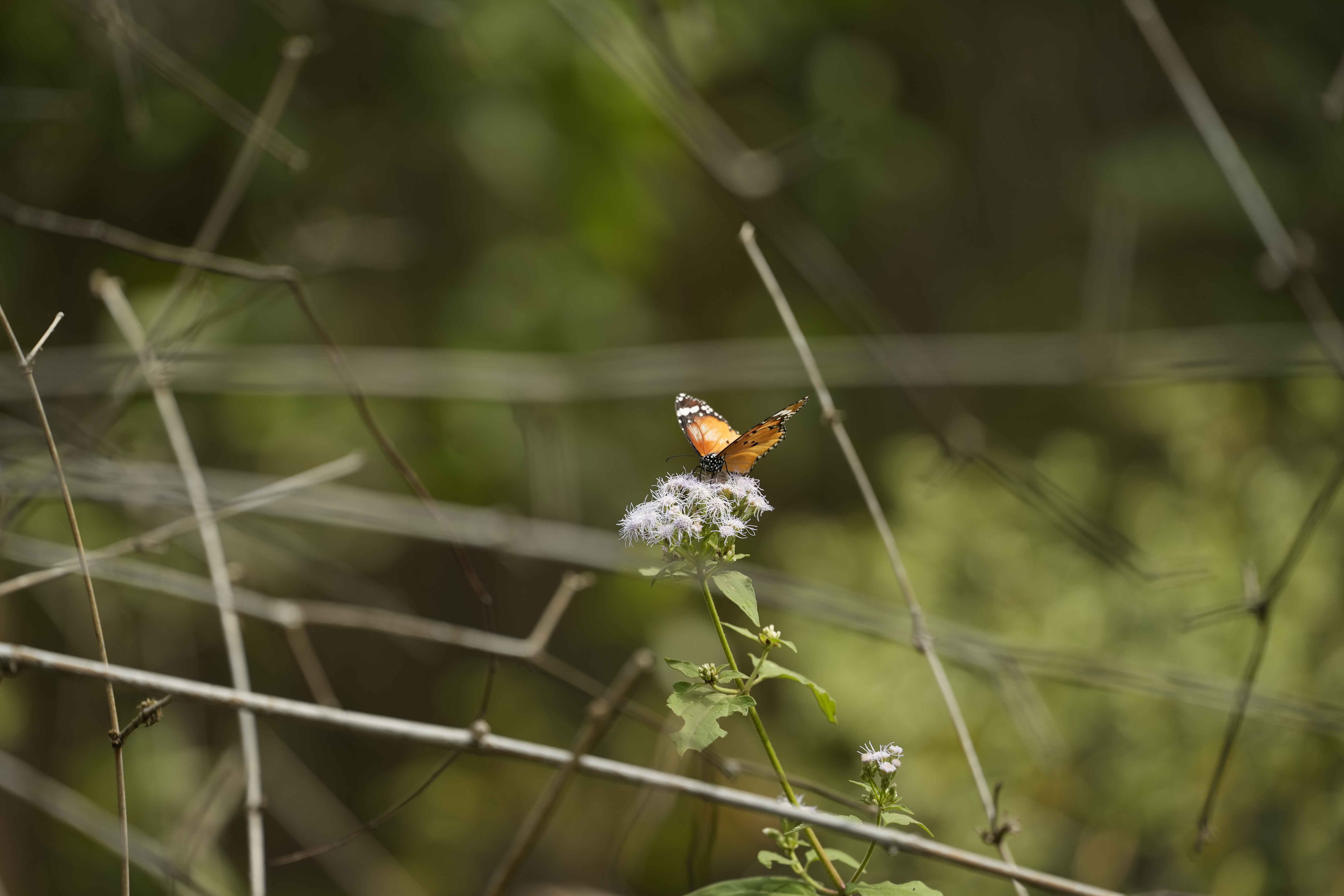
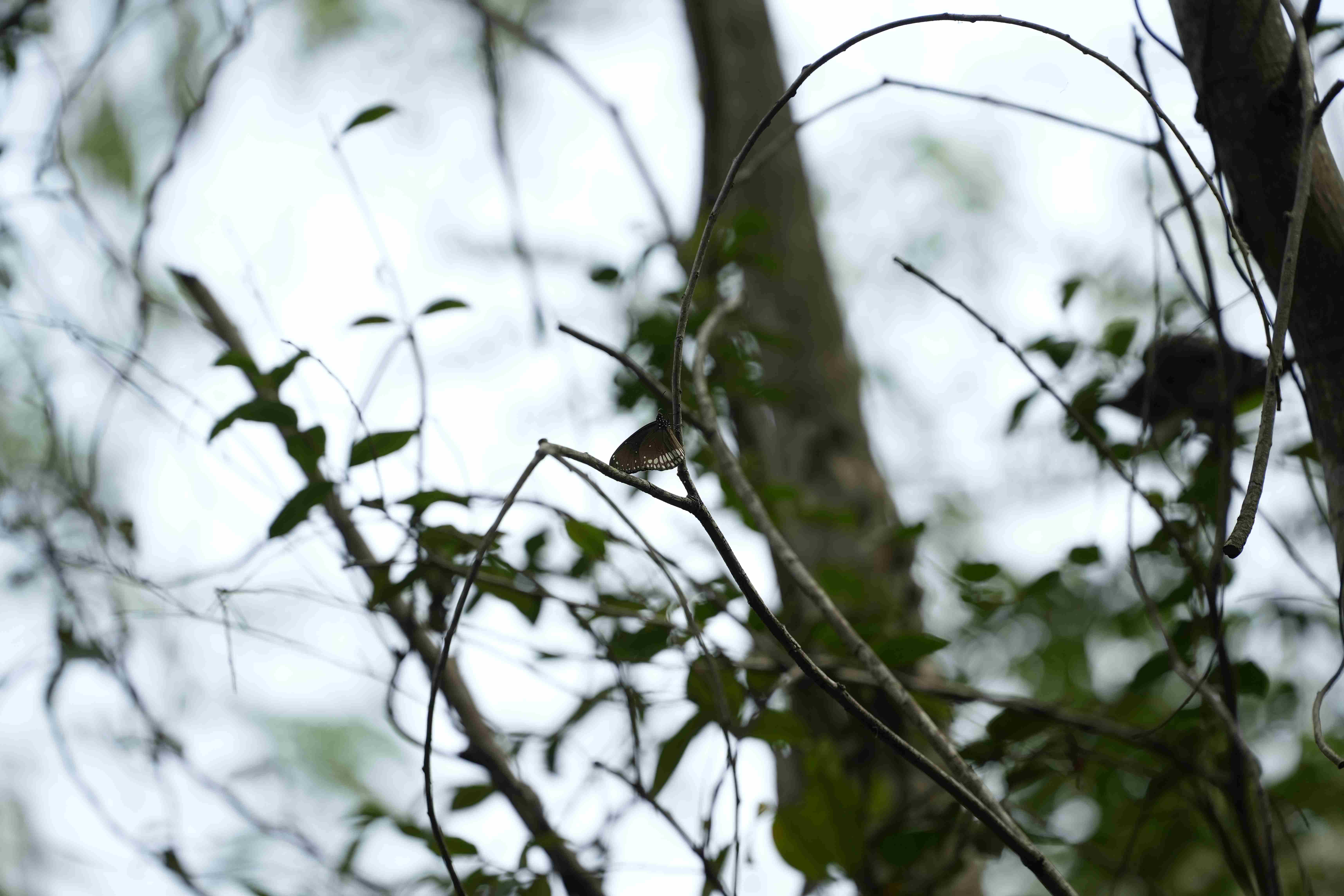
Every alternate Sunday, a group of expert and amateur butterfly enthusiasts gather at the nursery of the Doresanipalya Reserve Forest, on the outskirts of Bengaluru, to begin a three-hour-long butterfly census. The forest’s rich biodiversity speaks for itself. Even in the post-monsoon dry season, when butterfly populations fall, 280 butterflies belonging to 49 species were documented just this morning.
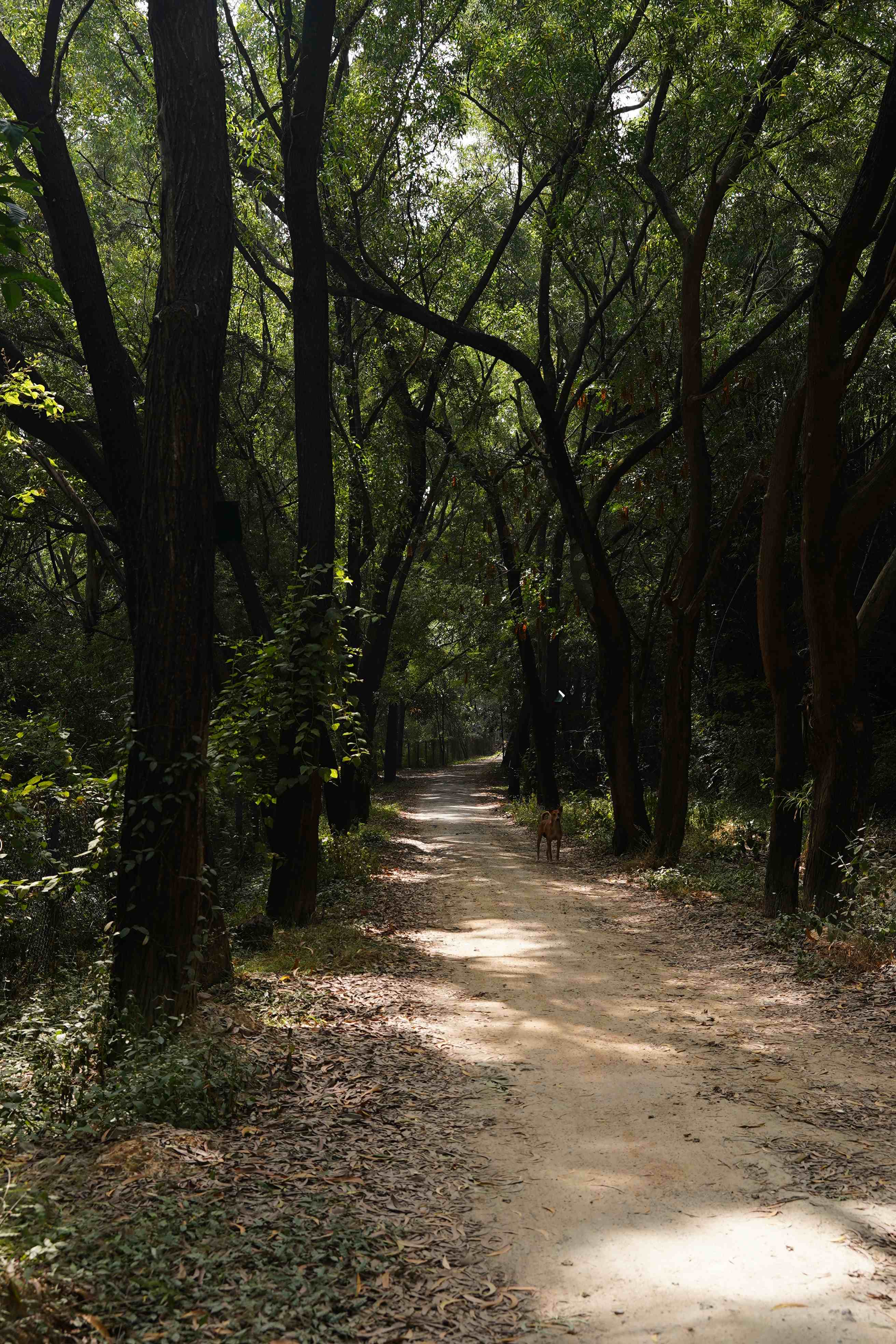
Divided into six half-hour slots, the walk’s route meanders through the forest—into the woods, to a butterfly garden, and ends back at the nursery. It is led by scientists associated with the National Centre for Biological Sciences (NCBS) who have been diligently conducting fortnightly butterfly counts in the reserve forest for the past 14 years. The beauty of this initiative is in its design: the inclusion of experts makes the count invaluable for scholars wanting to study butterflies. That it welcomes lay citizens is key to enabling budding citizen scientists and nature enthusiasts to develop their passions, and grasp zoology and conservation science in accessible ways.
Text by Durga Sreenivasan
The Bengaluru Butterfly Club’s walks have perfected how to simultaneously cater to scholarly research and mould citizen scientists.
You might also like


.jpg)