In Punjab’s fields, a prawn cocktail brews

How a landlocked state embraced shrimp farming, turning waterlogged saline land into aquaculture ventures

January 2, 2026

Punjab is etched into India’s imagination as a land of wheat and water—endless fields, heavy ears of grain, the promise of abundance coaxed from the soil. For decades, this promise has been upheld by canals and tube wells, and the steady hum of pumps drawing water upward to keep crops alive. 

In central Punjab, the heavy extraction of groundwater has lowered the water table and flushed salts downward into the earth. But in the state’s southwestern districts like Muktsar, Fazilka, Ferozepur, Bathinda, Faridkot and Mansa, groundwater is naturally saline. Unfit for irrigating crops like rice and wheat, this water was extracted far less, allowing the water table to remain high. Over time, soils became waterlogged, salt accumulated, and once-productive fields turned non-arable.

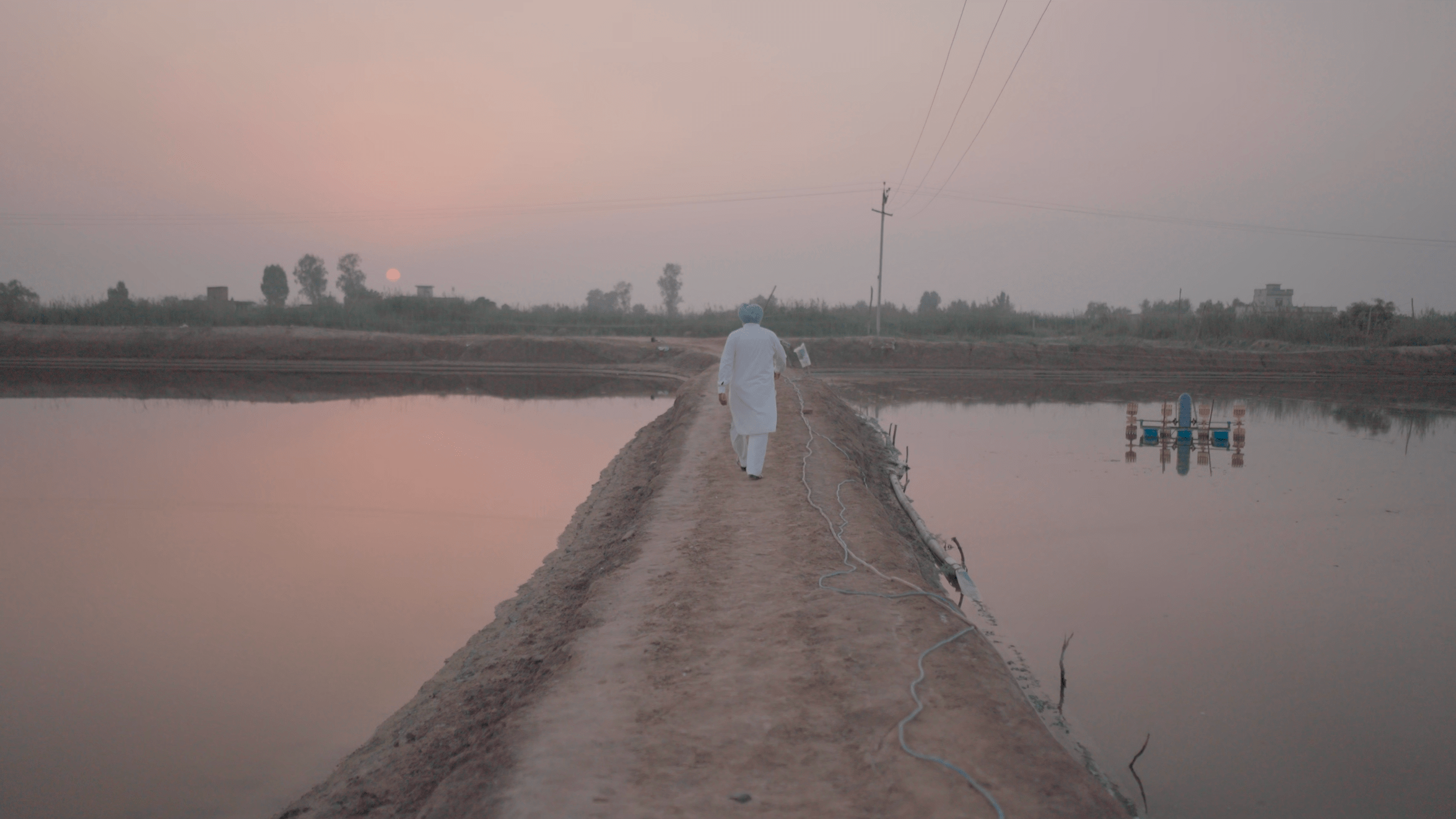
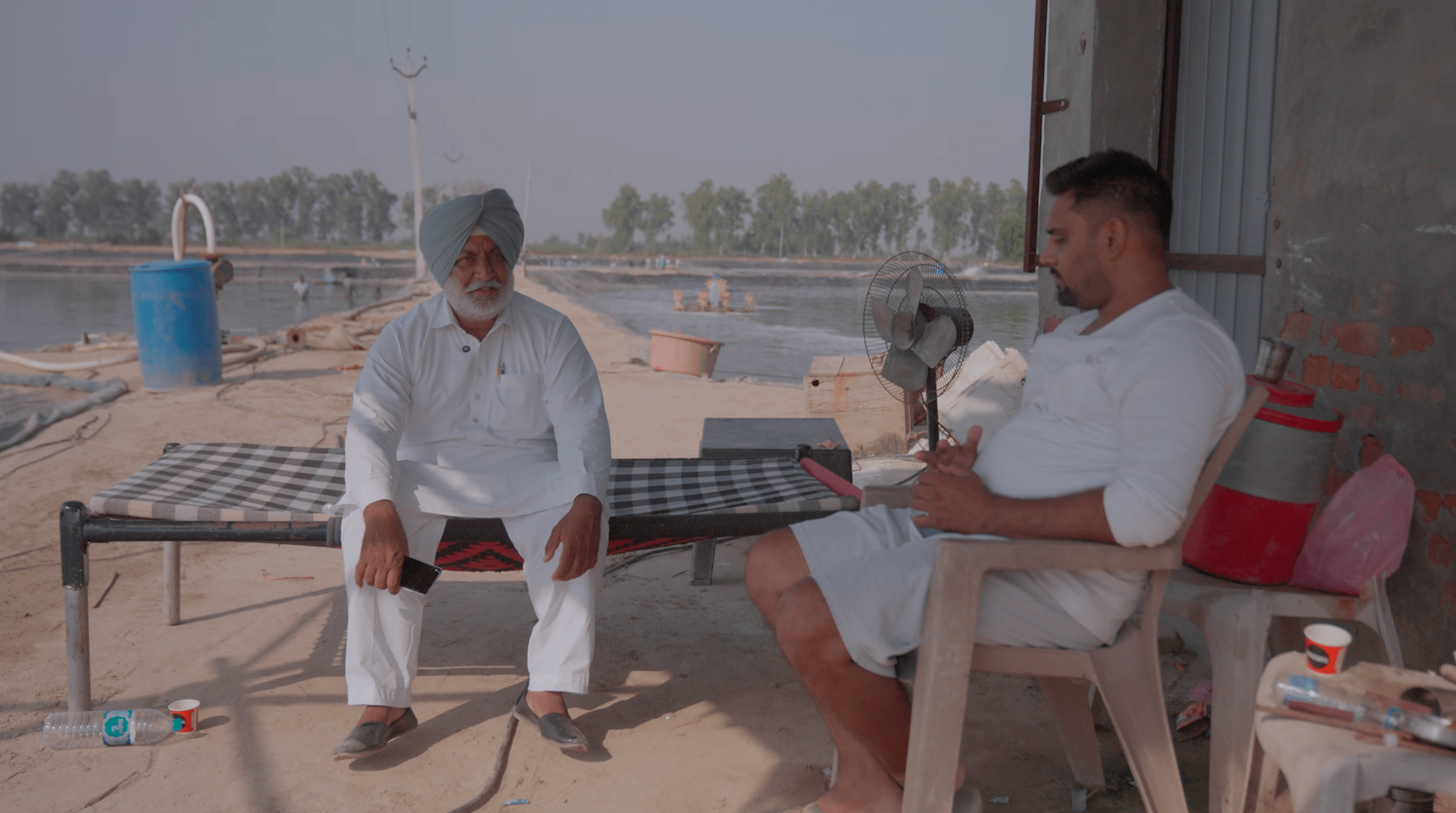
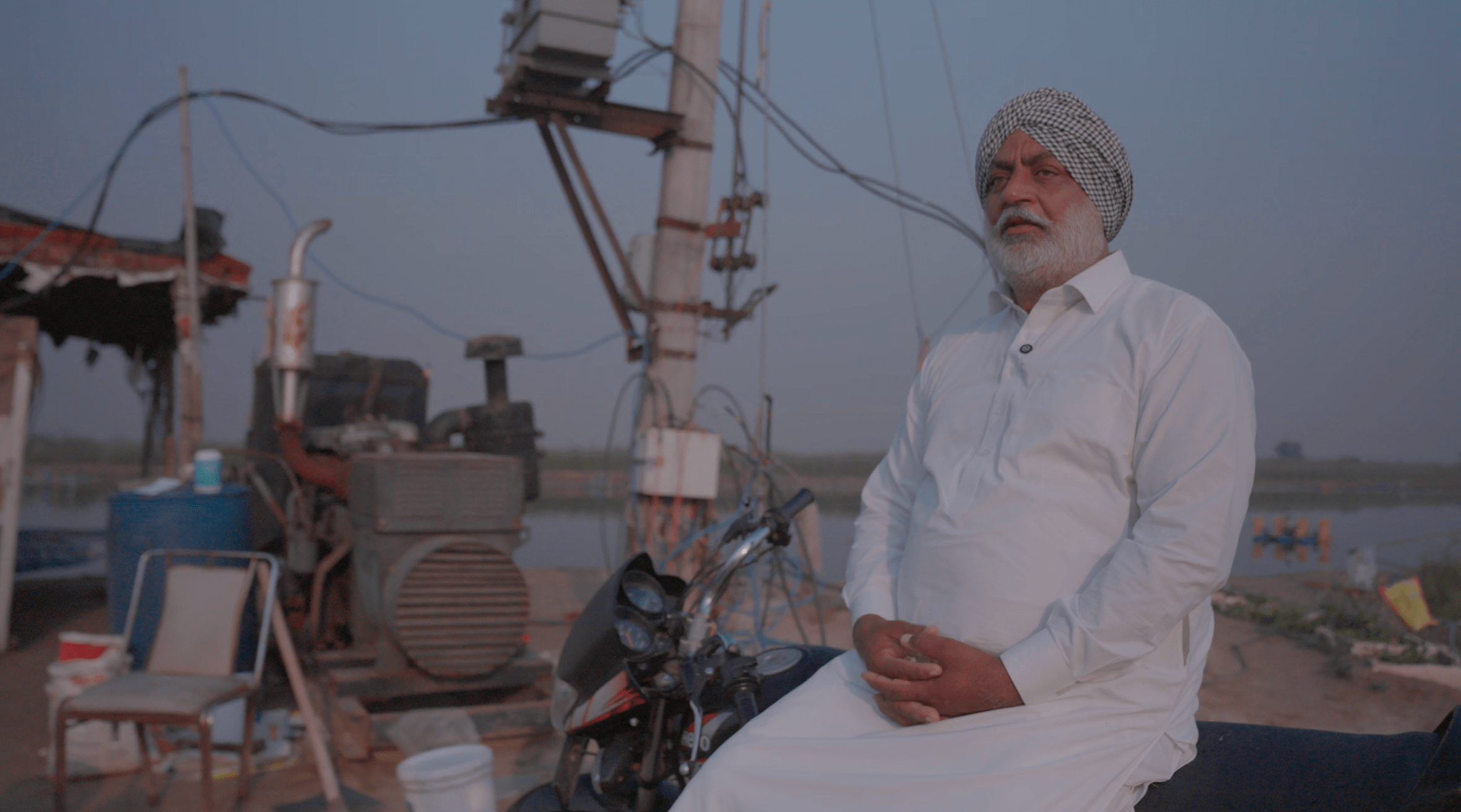
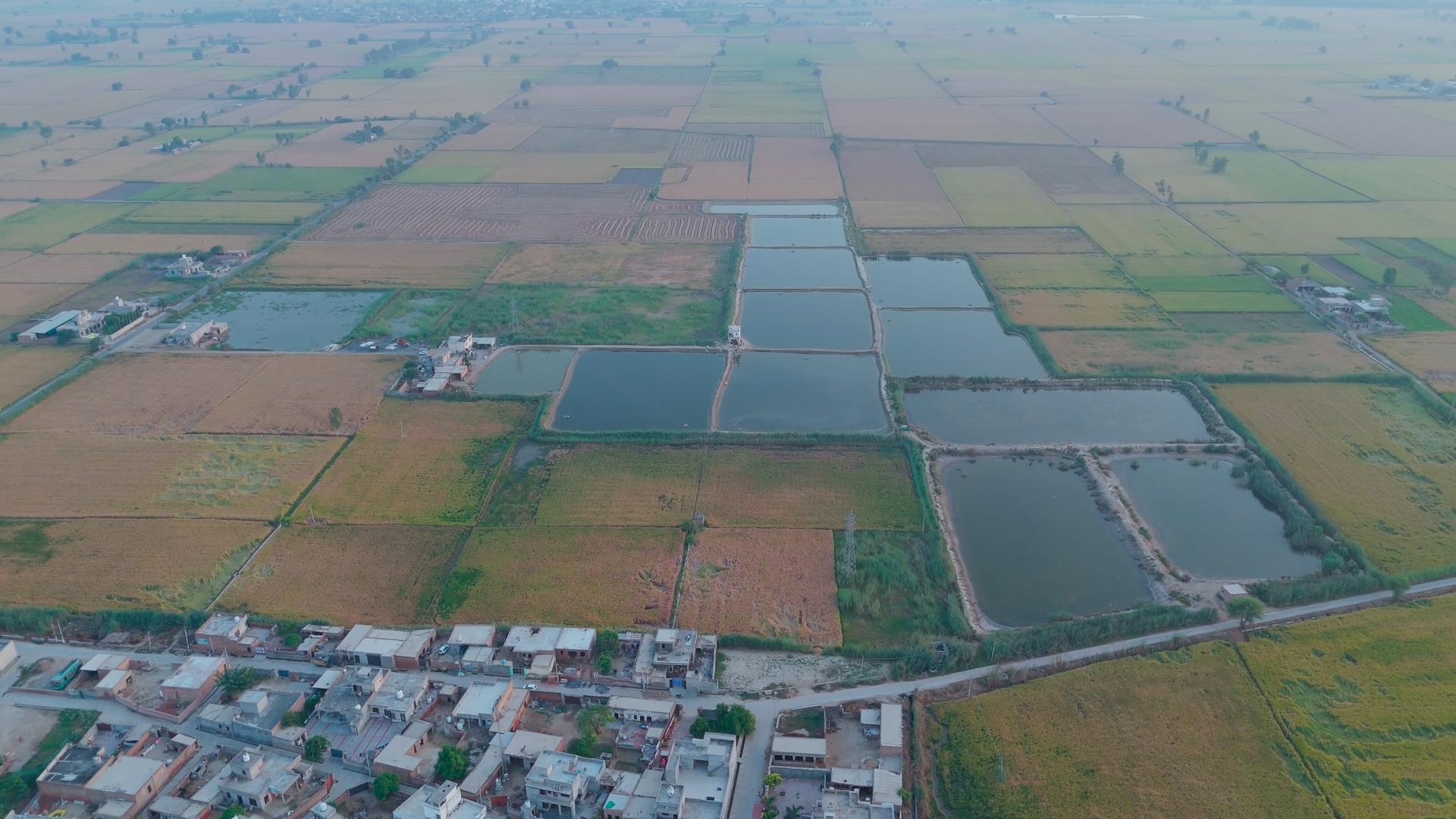
But farmers in Punjab are now finding pride in practising an innovative kind of farming on land once written off as barren—aquaculture. Lakhwinder Singh from Malout in the Muktsar district was the state’s first farmer to cultivate shrimp in a landlocked state. What started as one farmer's experiment now occupies over a thousand acres of blue shrimp ponds in inland Punjab.

Text by Harshita Kale

“Shrimp farming in Punjab is smartly utilising saline land—which would otherwise fetch no income—as a medium to cultivate a profitable aquaculture product.”
No items found.
No items found.
01
/
12
Lakhwinder Singh tried to rear many kinds of fish, but they yielded only about 500-600g per species because of the dearth of freshwater. Eventually, he trained at Rohtak and decided to cultivate shrimp which would thrive in saline environments.
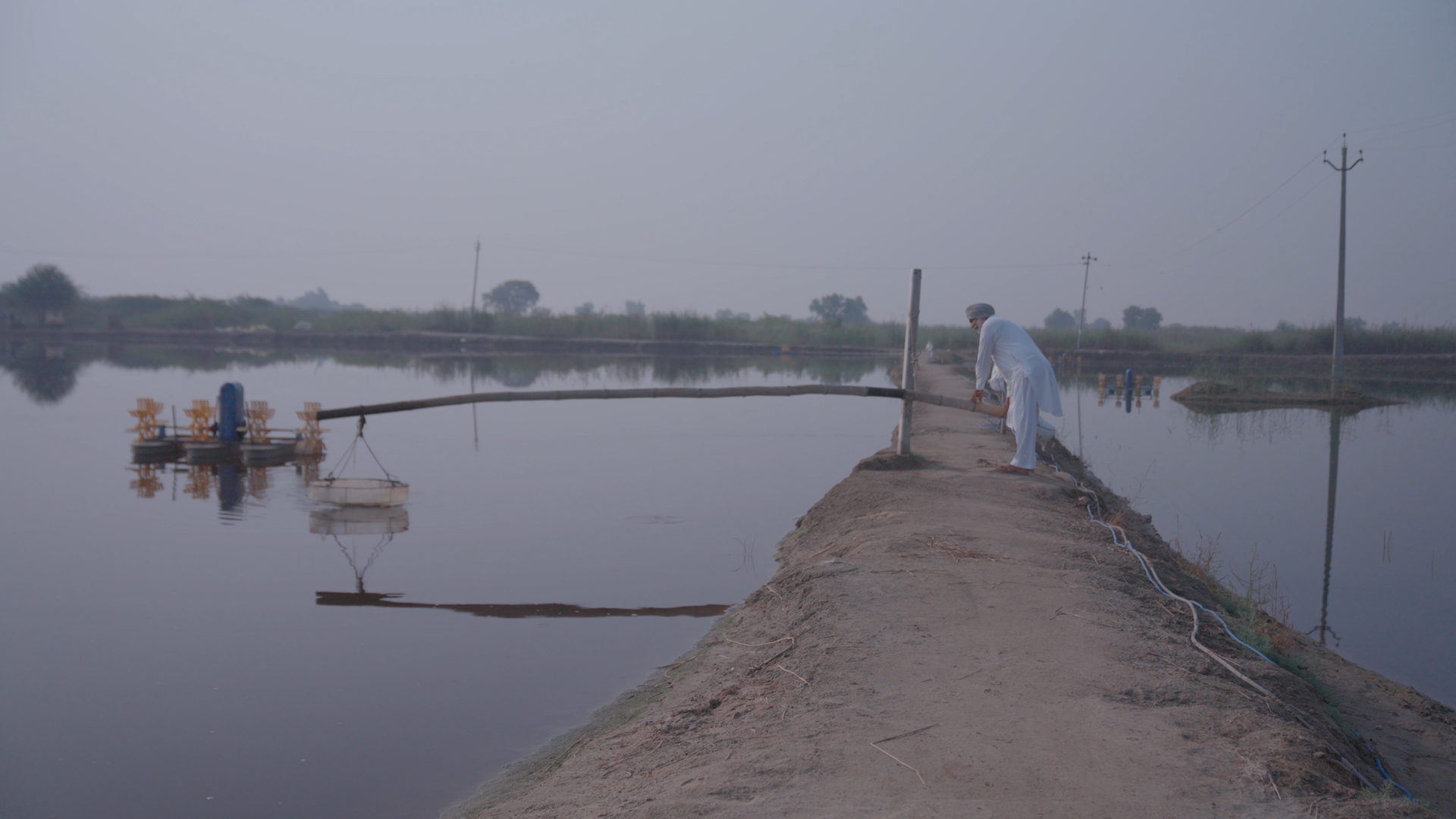
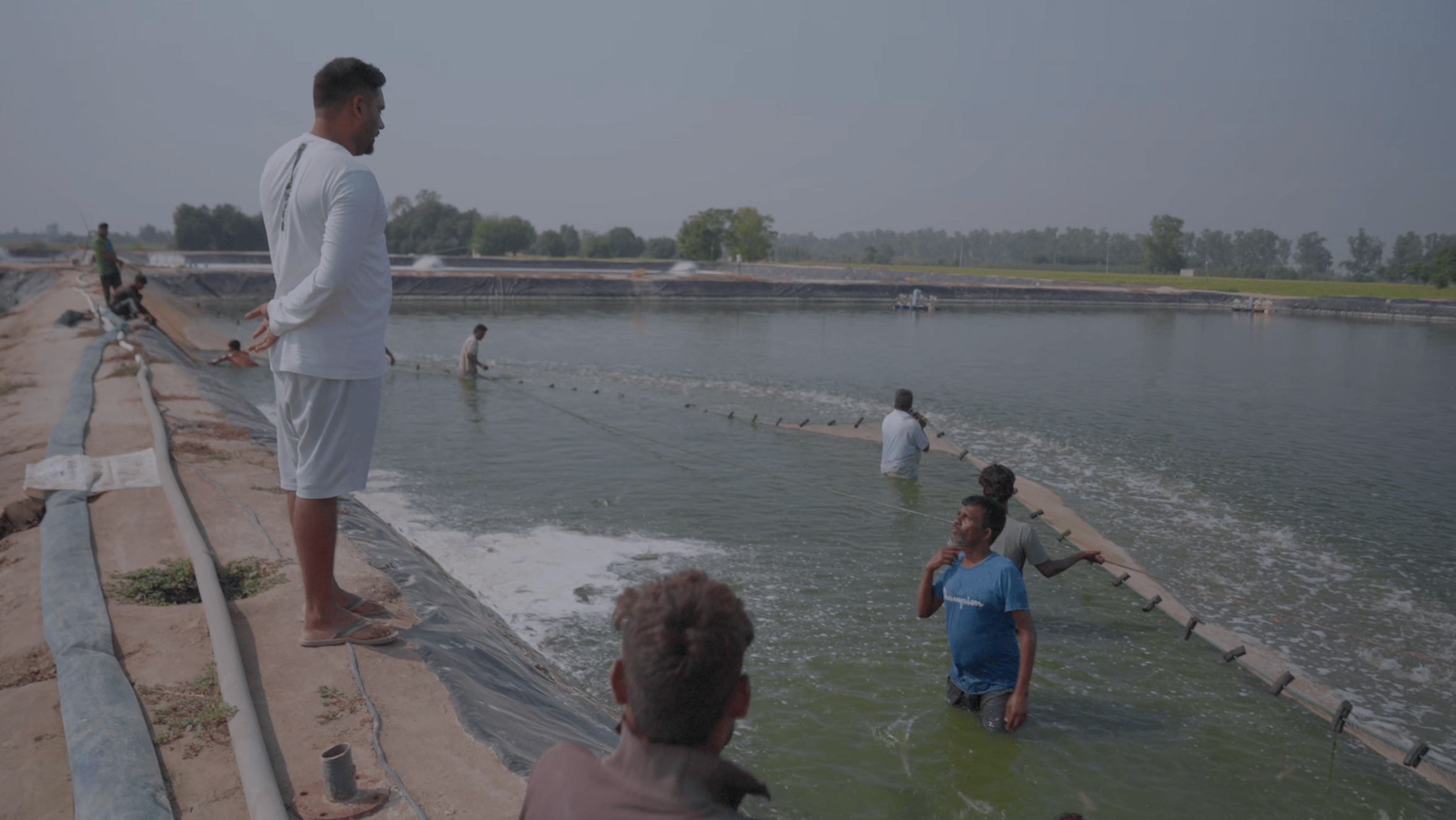
Farmers excavate ponds on saline land, and then use tubewells to pump in groundwater. The water table in southwest Punjab is already high, making this easier.
Once the ponds fill up, farmers do periodic salinity checks and maintain water and maintain oxygen levels by using aerators.
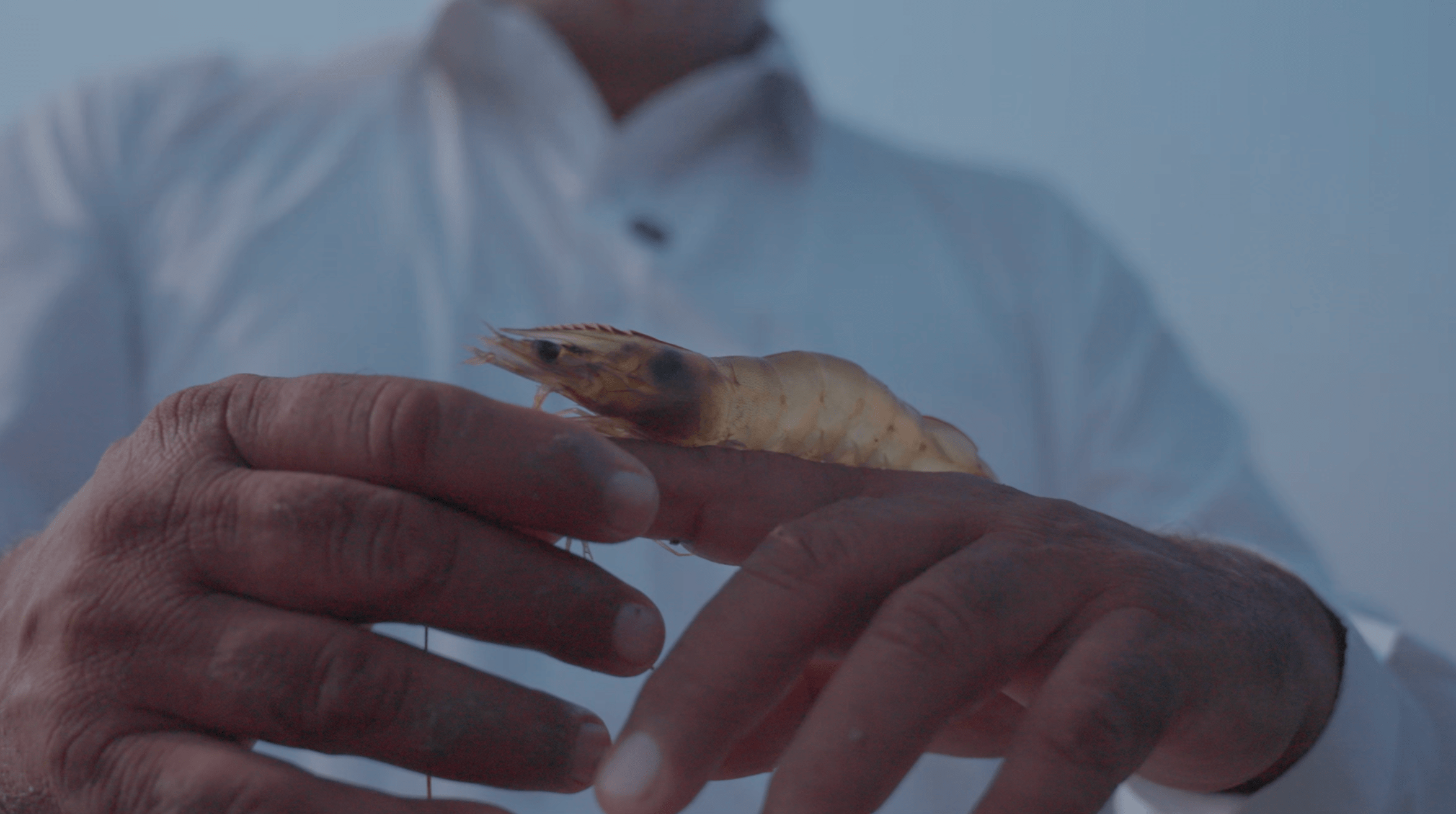
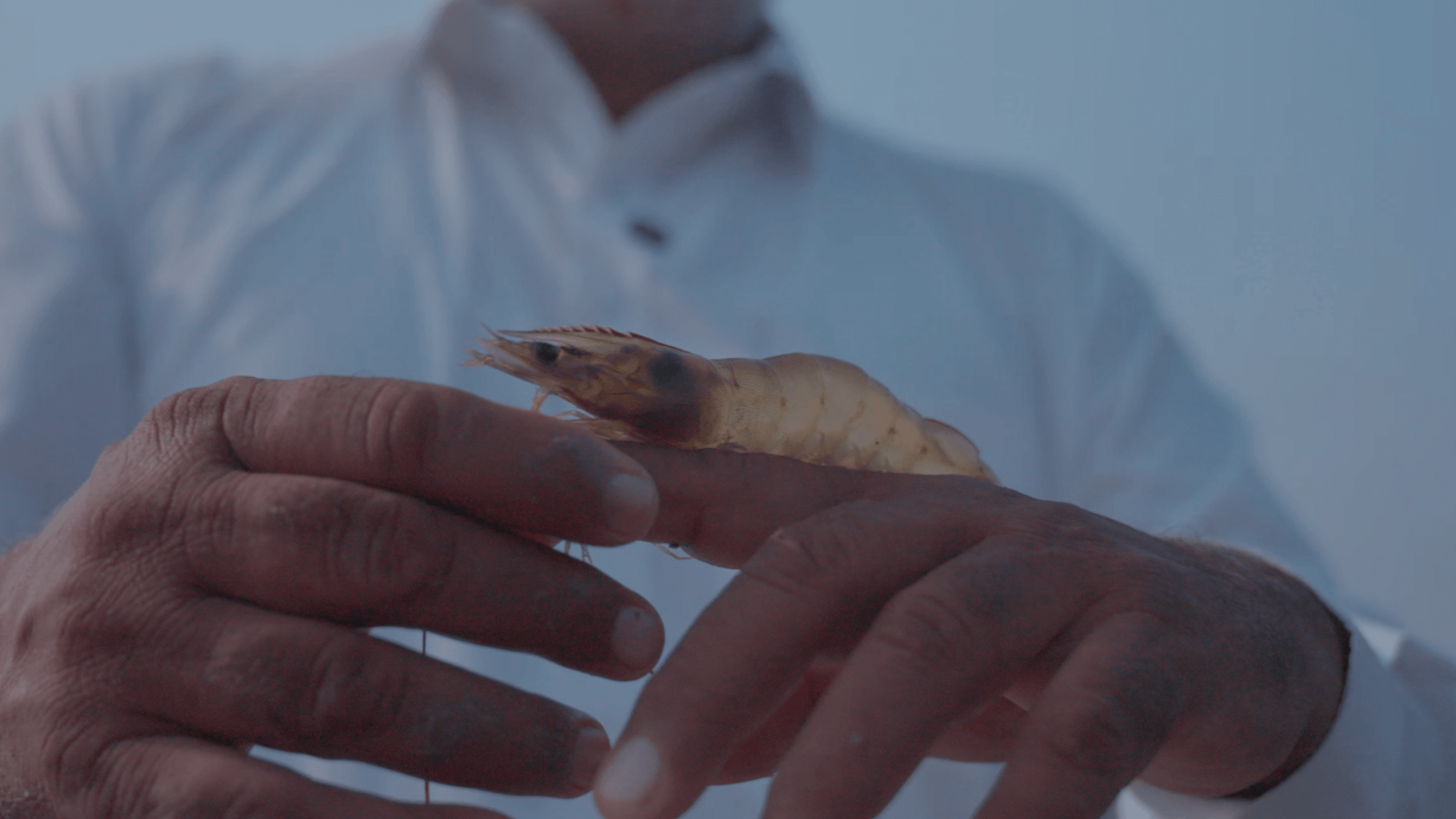
When Lakhwinder Singh first started farming shrimp, he realised the seeds were barely visible to the naked eye, appearing only as tiny black dots. Even though other kinds of aquaculture like fish rearing had not been viable, “at least the fishlings were visible!” Singh remarks. Over the course of the day, when he monitored the depths of the pond again, he could notice a visible growth in the shrimp seed, which encouraged him.
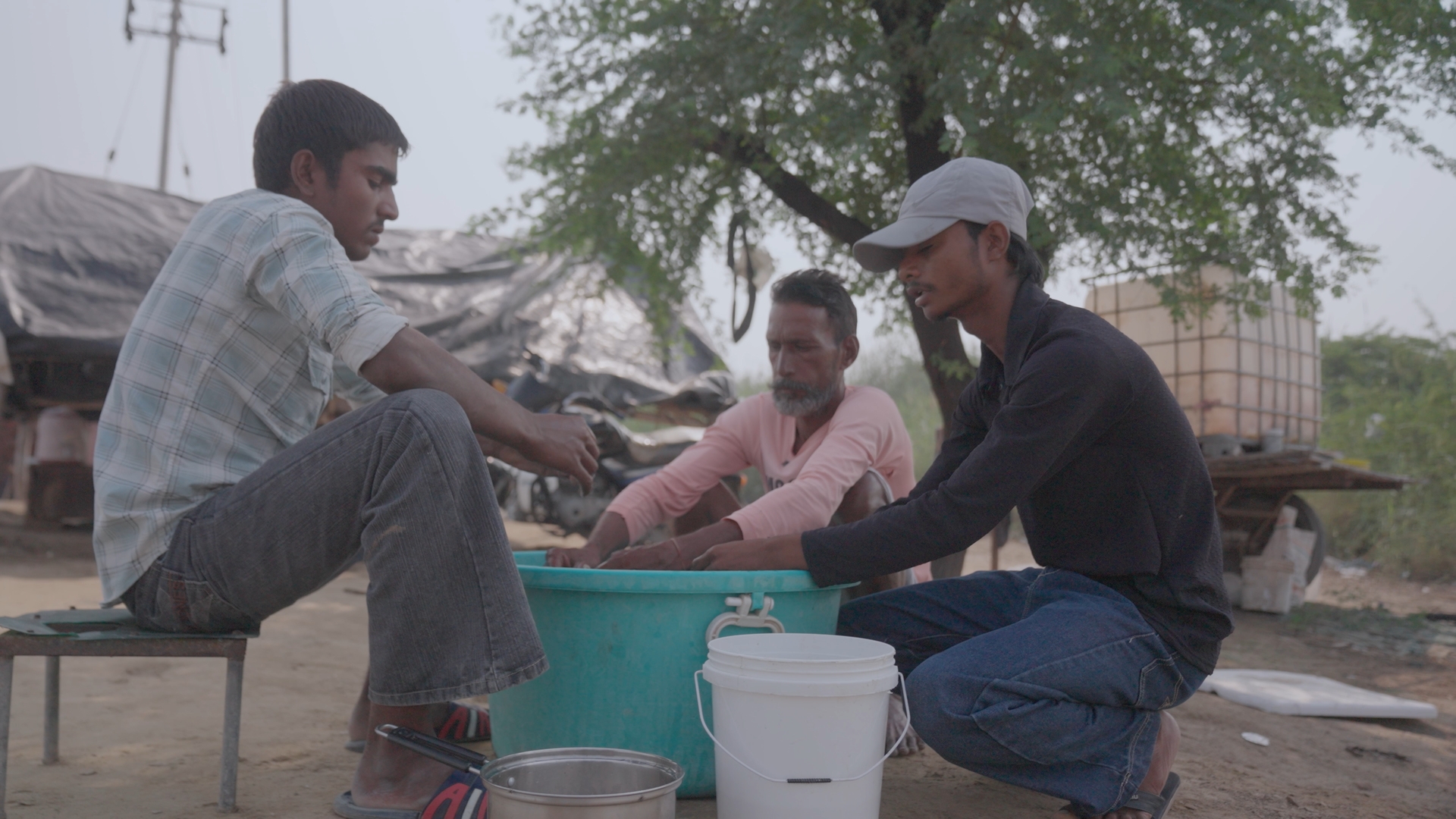
This line of farming has enabled Singh to make Rs 1,16,00,000 in the first year itself. He is also able to employ young people from his village, initiating them into aquaculture. They live together, and are like family.
These boys keep watch in shifts at all times on Singh’s ponds. The shrimp are like their babies, they say. They feed them four times a day, add minerals to the water, give medicines upon detecting illness, and closely monitor oxygen levels, observing if any shrimp float to the top.
Shrimp farming has given the wheat belt of Punjab a new lease of life. Many farmers, who want to deviate from conventional agricultural practices and are looking to play big, are following in Singh’s stead.
One of them is Jagmeet Singh. He has been farming since 2020, and has introduced new techniques like polylining, which reduce water seepage.
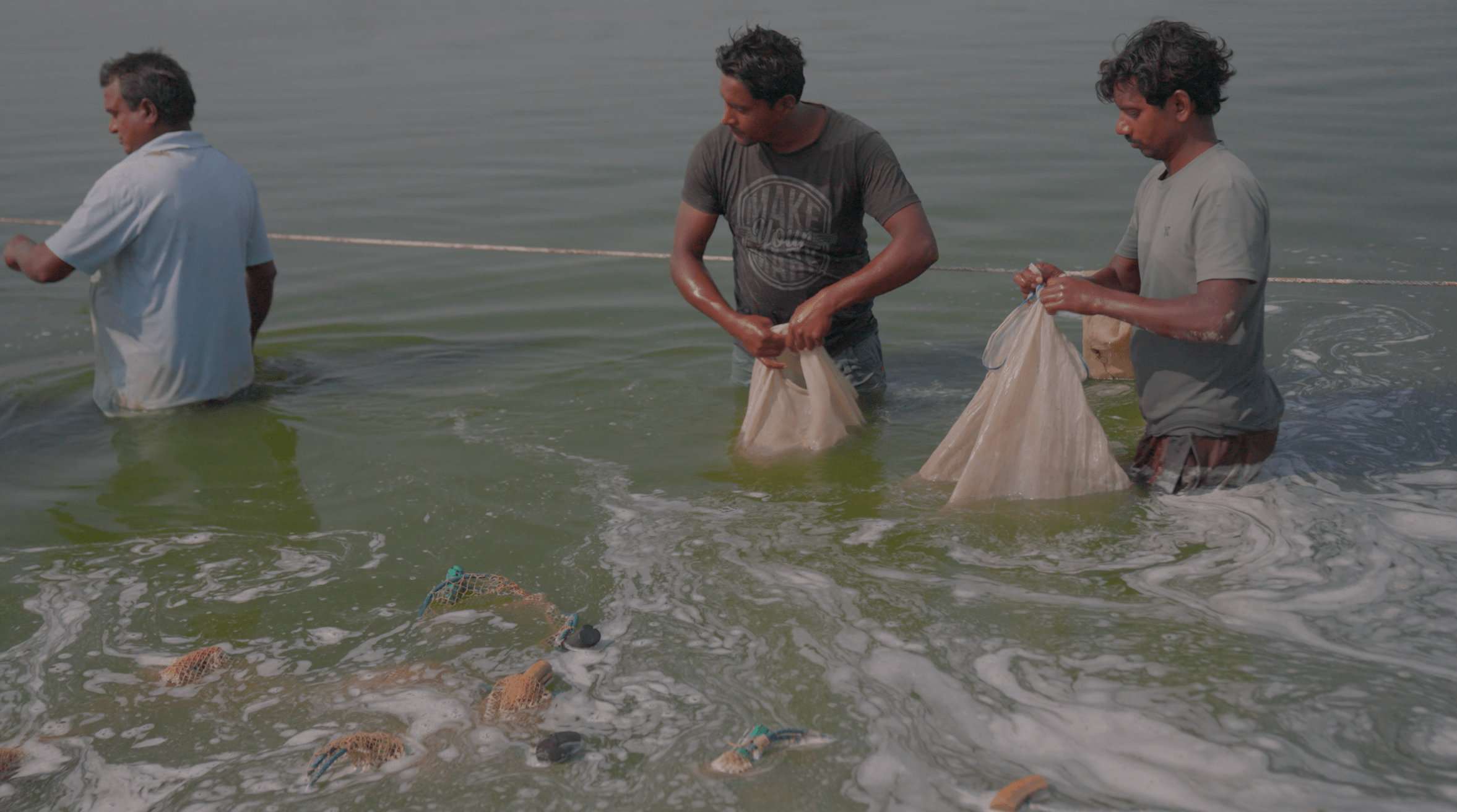
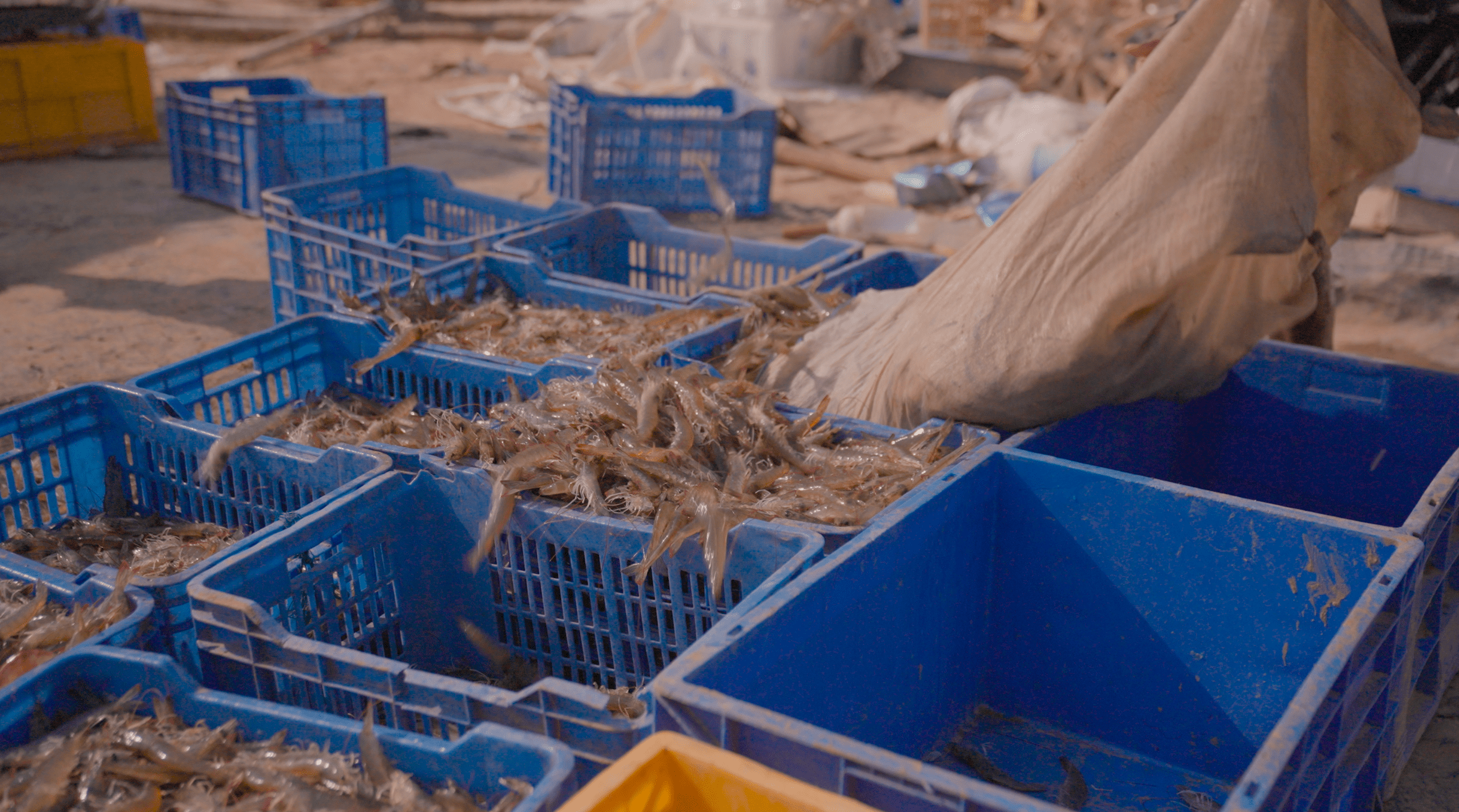
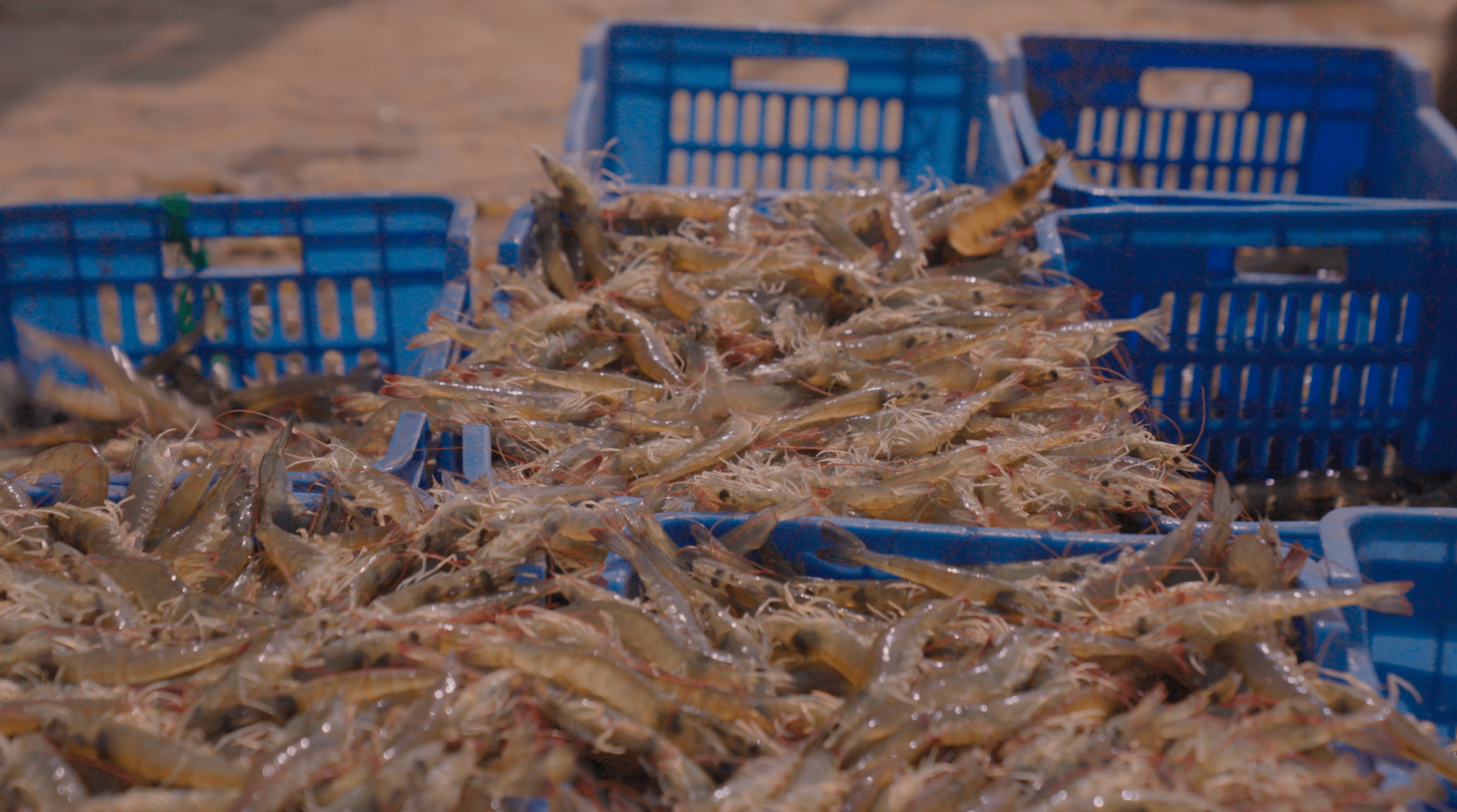
The entire cycle from seed to harvest takes about 3–4 months. Professional harvesters collect the catch in nets and coax them towards the banks.
In inland Punjab, the shrimp farming belt is only beginning to take shape. It’s also turned into a lucrative business, receiving steady demand domestically and internationally—from countries in the Middle East, USA and China. However, fluctuating prices and sudden tariffs hurt farmers and middlemen, continuing to cause tumult.
As Lakhwinder Singh says, shrimp farming is a high-risk but remunerative endeavour if one understands the complexities of cultivation and global trade. Disease can strike overnight, leading to losses. “But if one isn’t greedy, and breeds shrimp at an optimum level, and discusses difficulties with others in the community, one will definitely see returns.”

You might also like

See all
Is your food nutritious or only fast?
Are there heavy metals in your vegetables?
Does your food contain Microplastics?
Are your food habits disrupting the ecological balance?
Nibble right, Save the PLANET'S MIGHT!
Is your food nutritious or only fast?
Are there heavy metals in your vegetables?
Does your food contain Microplastics?
Are your food habits disrupting the ecological balance?
Nibble right, Save the PLANET'S MIGHT!