Abdul Kareem’s forest homecoming

Since childhood, the forest called out to Abdul Kareem. In 1977, he started growing one from scratch

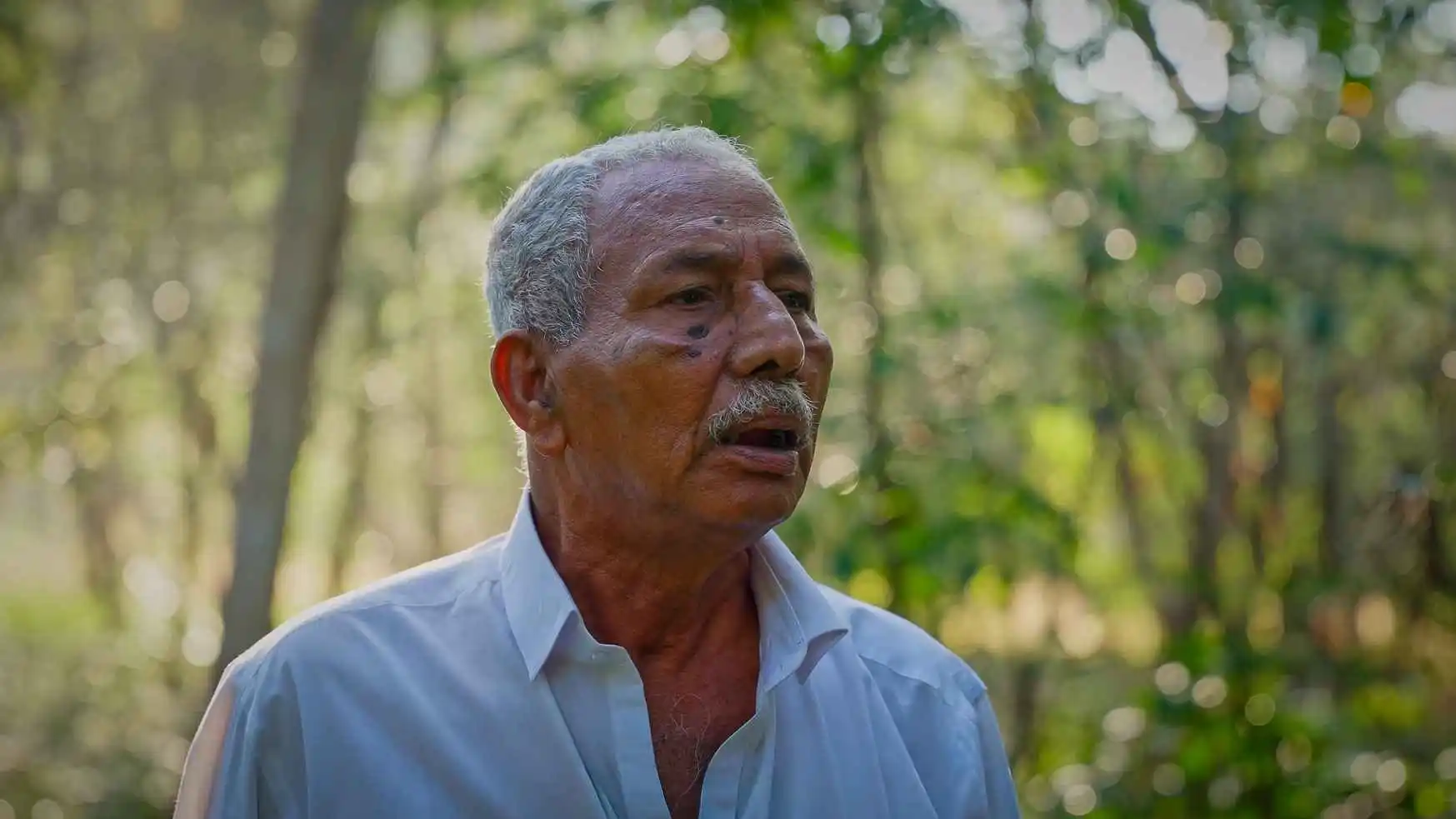
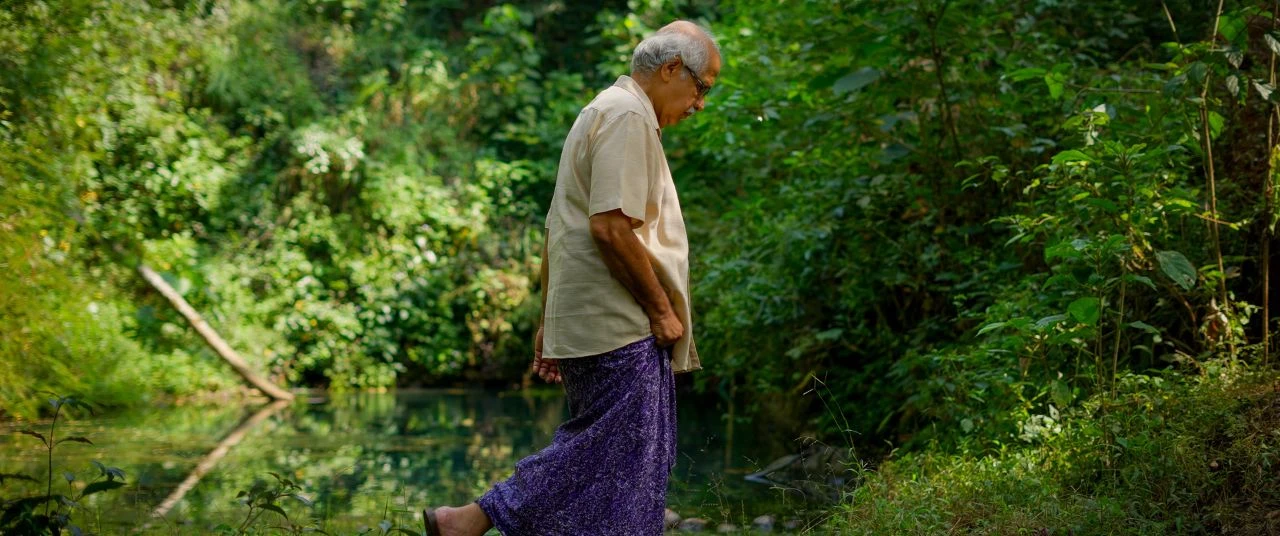
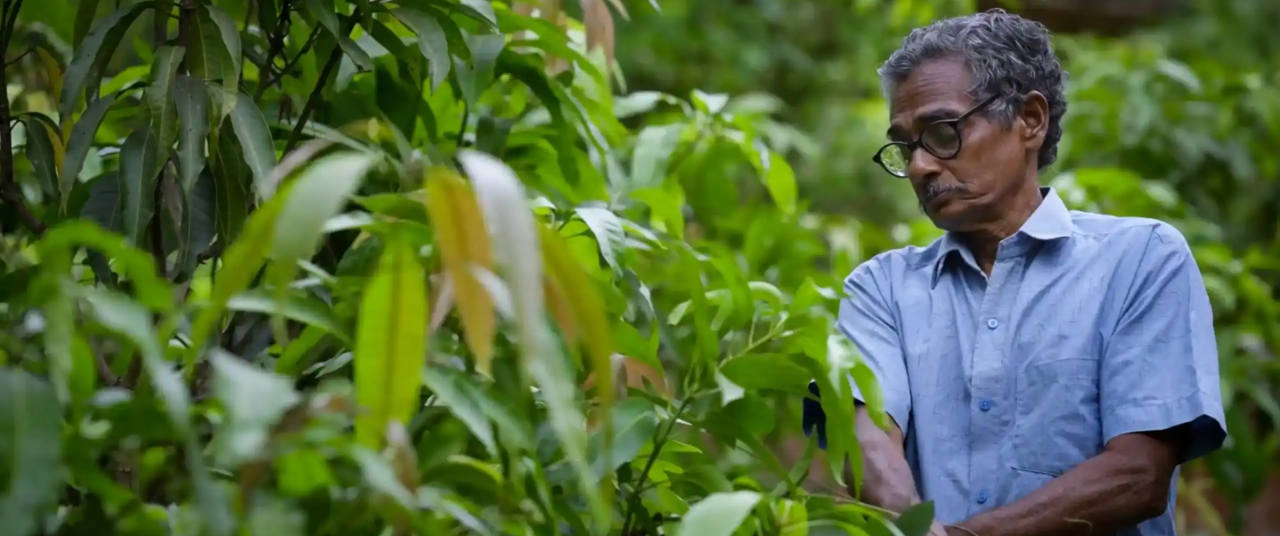
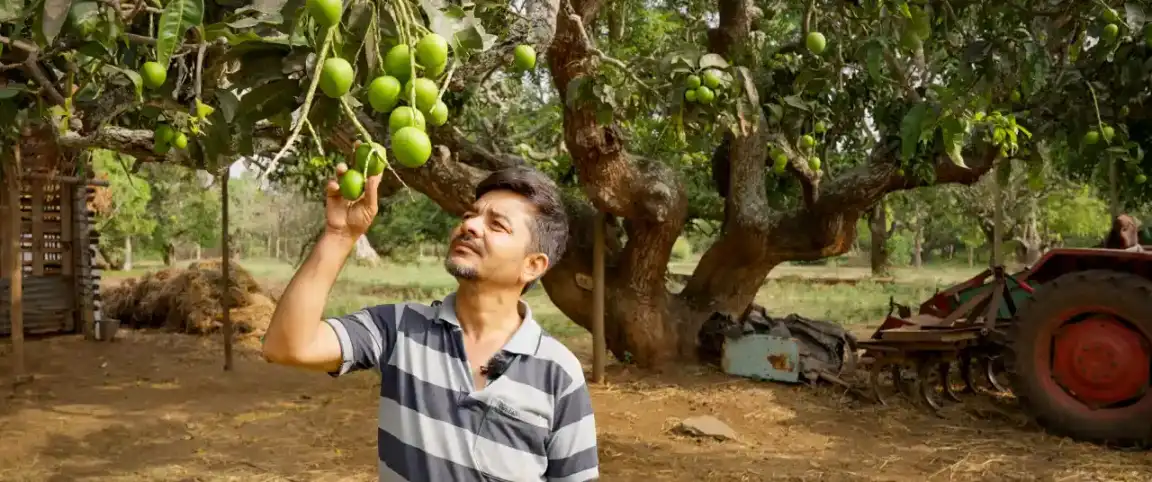
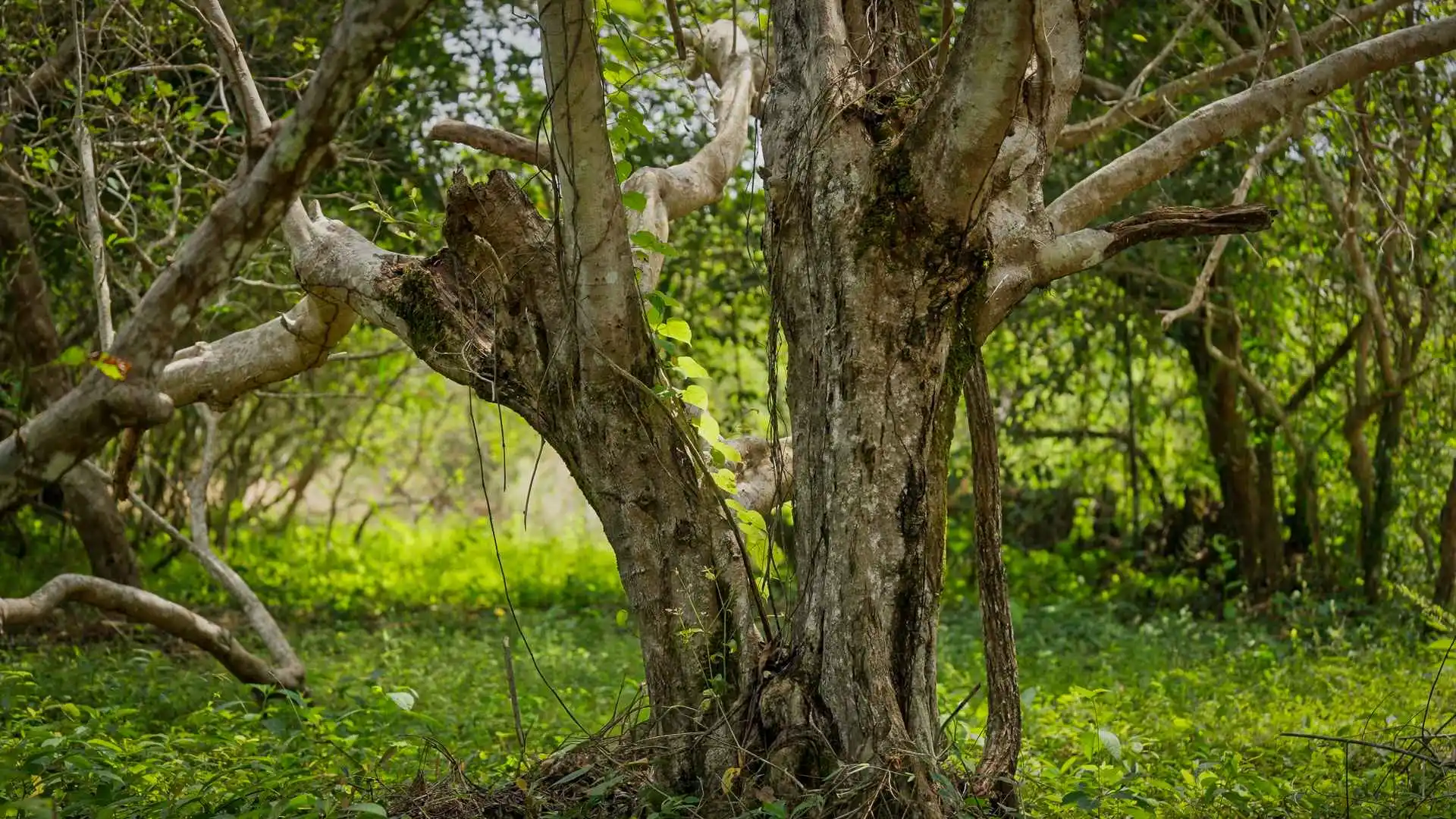
Abdul Kareem did not start out as an environmentalist. His decision to buy and restore a five acre plot of bare, rocky land in Kerala’s Kasargod was not intentionally made to increase the region’s water table, cool the local climate, and make it a biodiversity haven—although it did result in all of that. For Kareem, it was a personal act; he simply wanted to recreate the kaavu or sacred grove that had been special to him as a child. 

Though he spent his childhood being drawn towards birds, trees, and mountains, education and employment took him out of the forest’s embrace. But Kareem’s time in Mumbai and the Gulf only strengthened his longing to have a home away from the city, in the middle of a tranquil forest. 

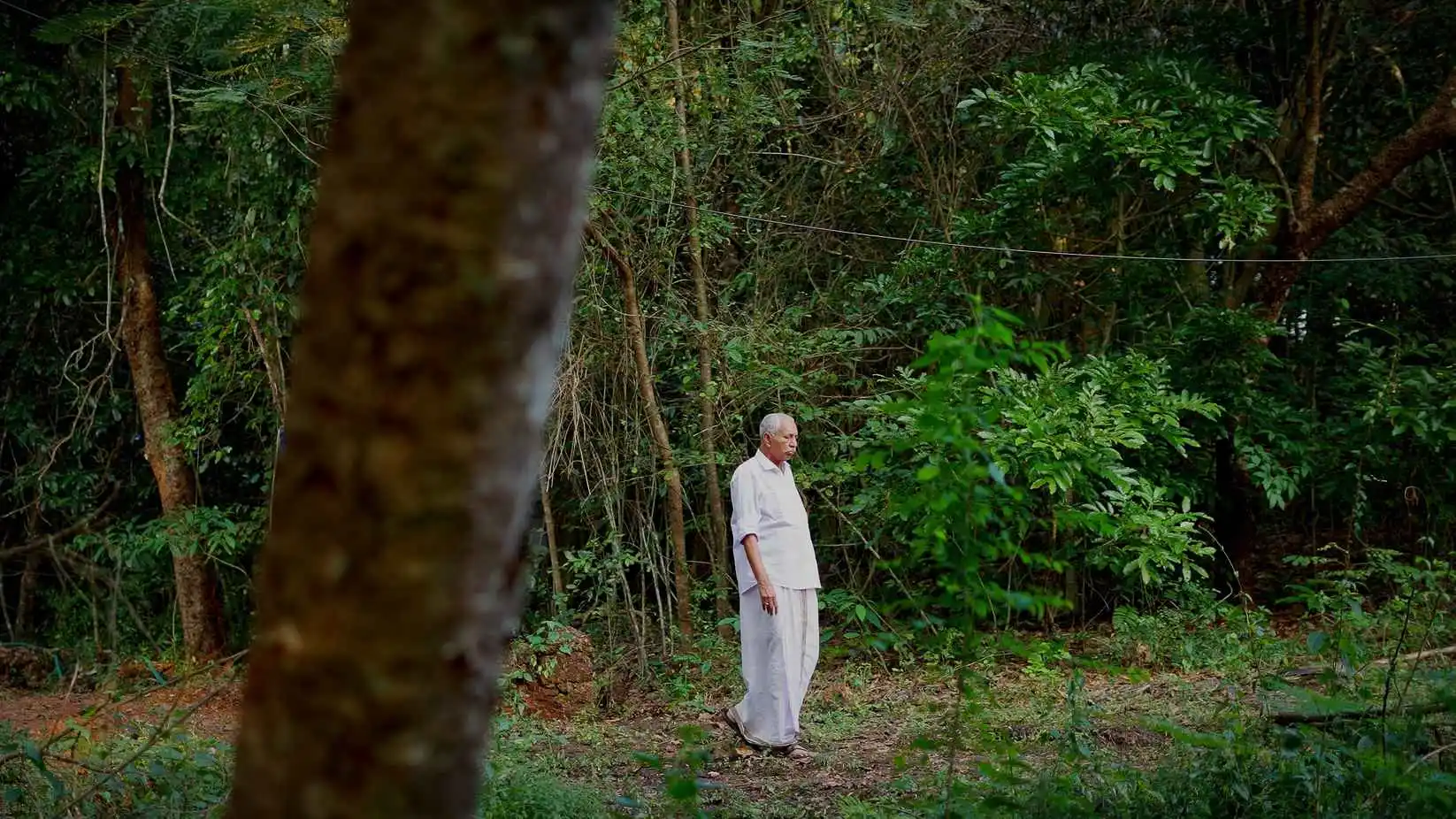
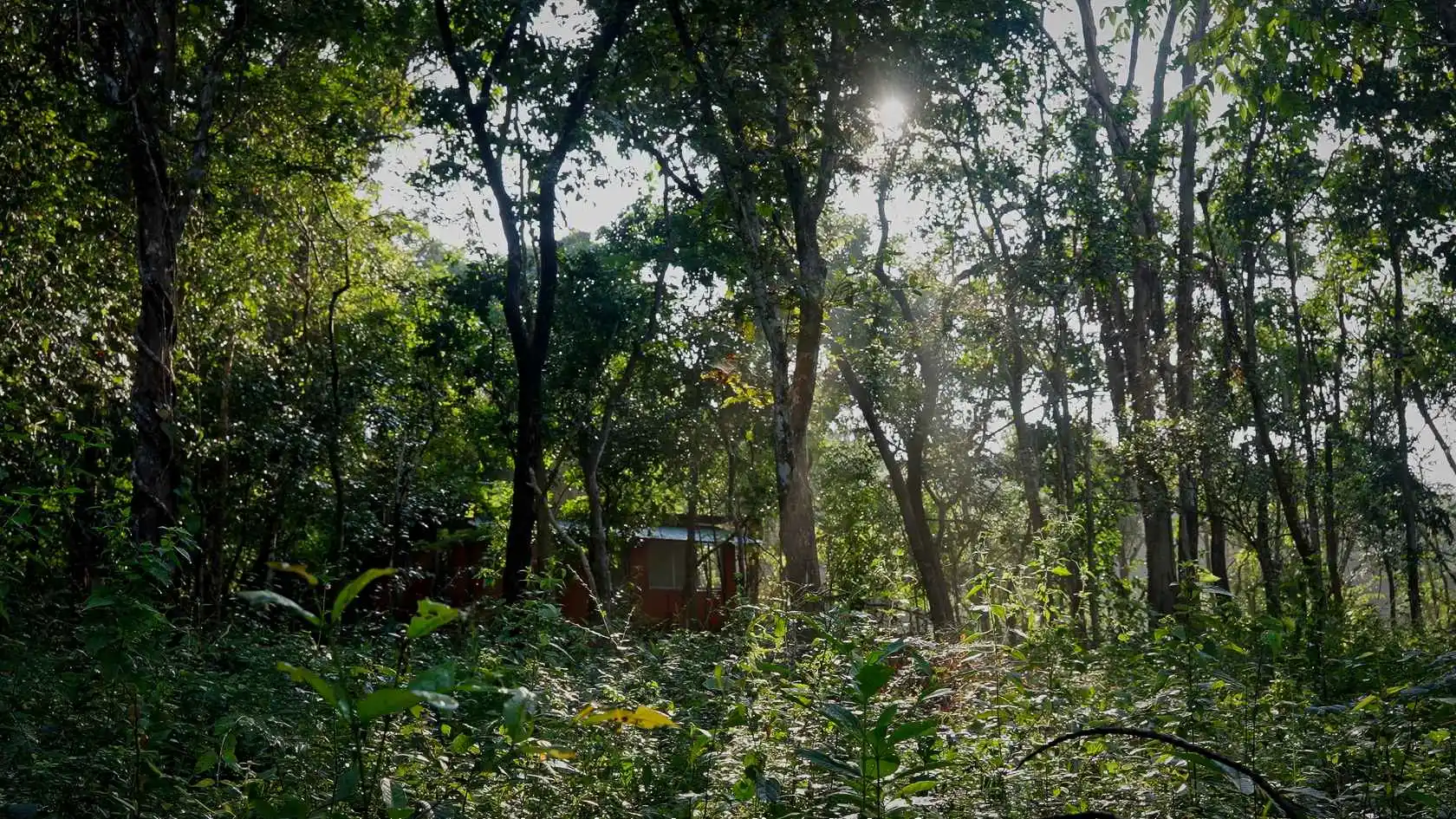
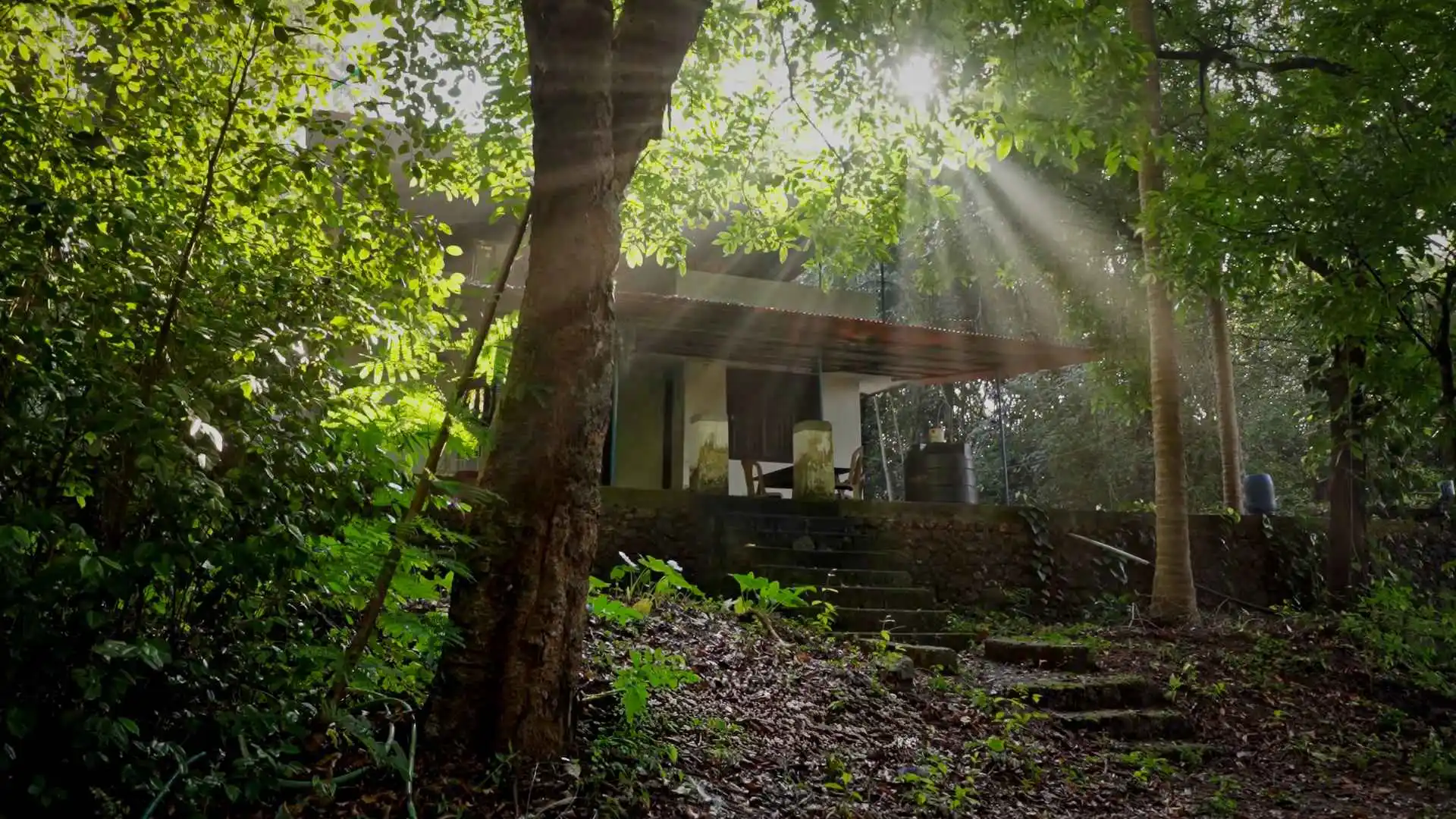
At first, the land which Kareem bought to pursue this dream was so bare that there was not even a tree to park his bike under. The region received plenty of rainfall but struggled to store that water, facing water shortages frequently. Kareem's persistent efforts in planting, maintaining, and expanding the forest slowly replenished the soil's capacity to store water. Now, he lives in a simple house in the middle of his 30 acre forest. Sometimes, protecting the earth requires love and a return to one’s land, more than anything else. 

- Text by Durga Sreenivasan

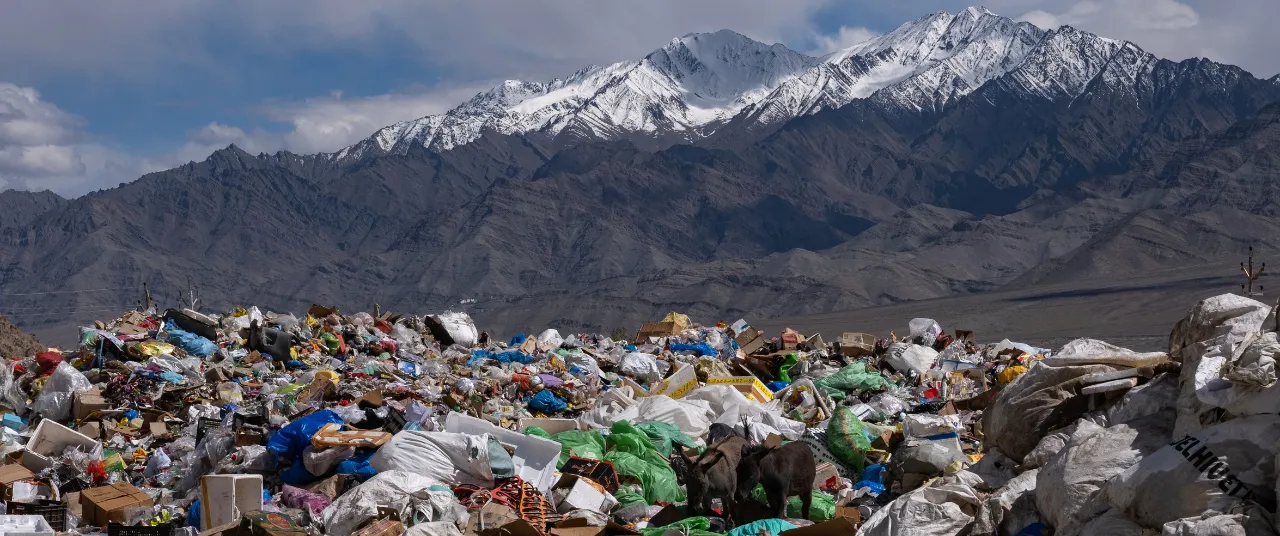
The time that Kareem spends nurturing the forest makes him continually confront the ways in which humans are encroaching on the natural world.
No items found.
No items found.
01
/
12
As a child, Kareem loved the forest. His favourite escape would be the kaavu, or sacred grove where he would stare at the trees and birds with wonder.As a child, Kareem loved the forest. His favourite escape would be the kaavu, or sacred grove where he would stare at the trees and birds with wonder.
Now, the kaavu has shrunk, yielding space to a growing town. But it had already planted a dream within Kareem: to have a home surrounded by trees, like he remembered from his childhood.
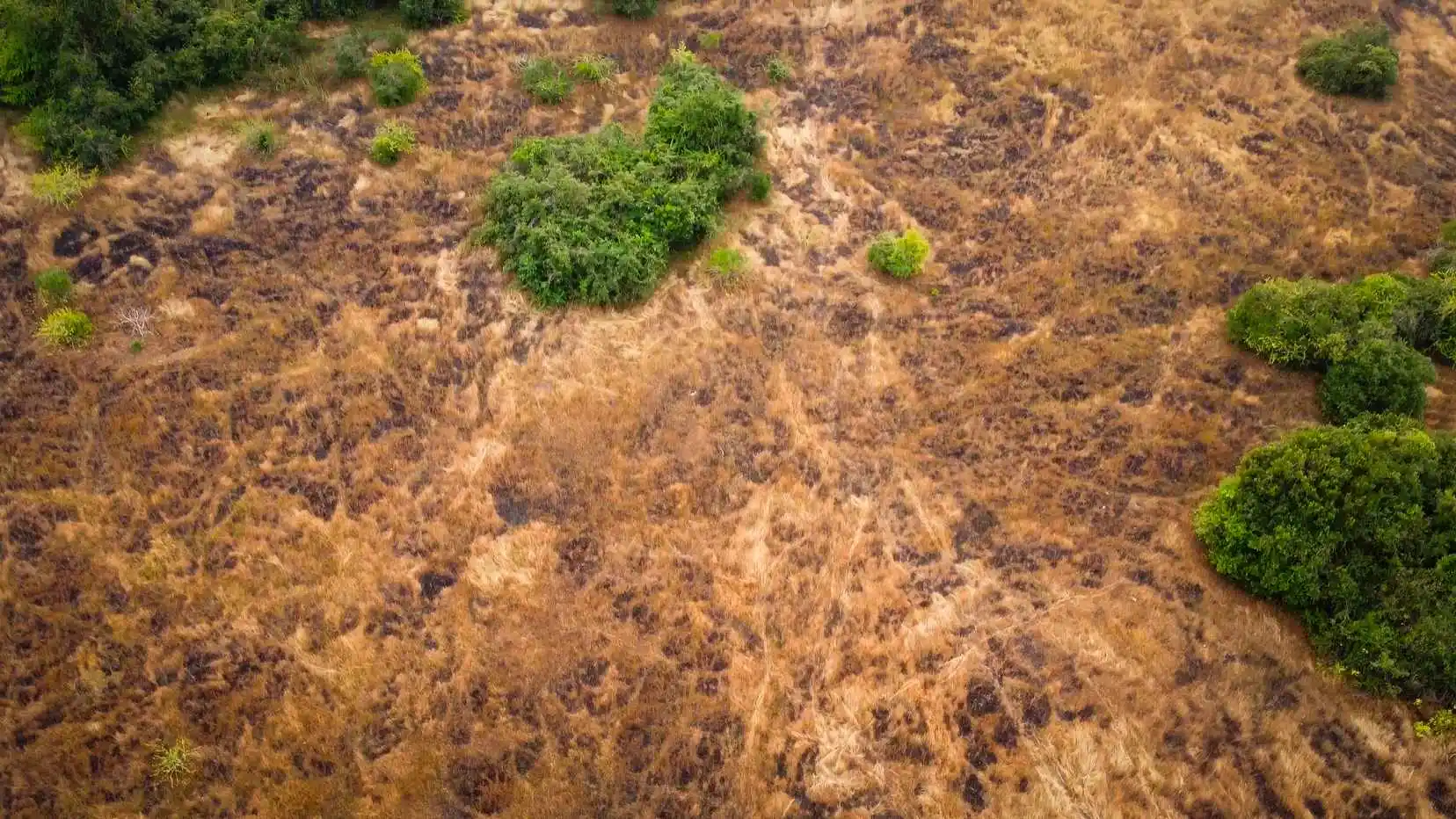
After years of working in the Gulf, he returned home and purchased a five acre plot of land. It was as far as it could be from his dreams—no birds, no trees, not a drop of water.
This sight would have stumped someone else, but Kareem had a vision, so he planted a host of forest trees. In the first year, only one Arjun tree survived. His neighbours found his actions absurd. Undeterred, Kareem trudged on, and the next year, many more trees came alive.
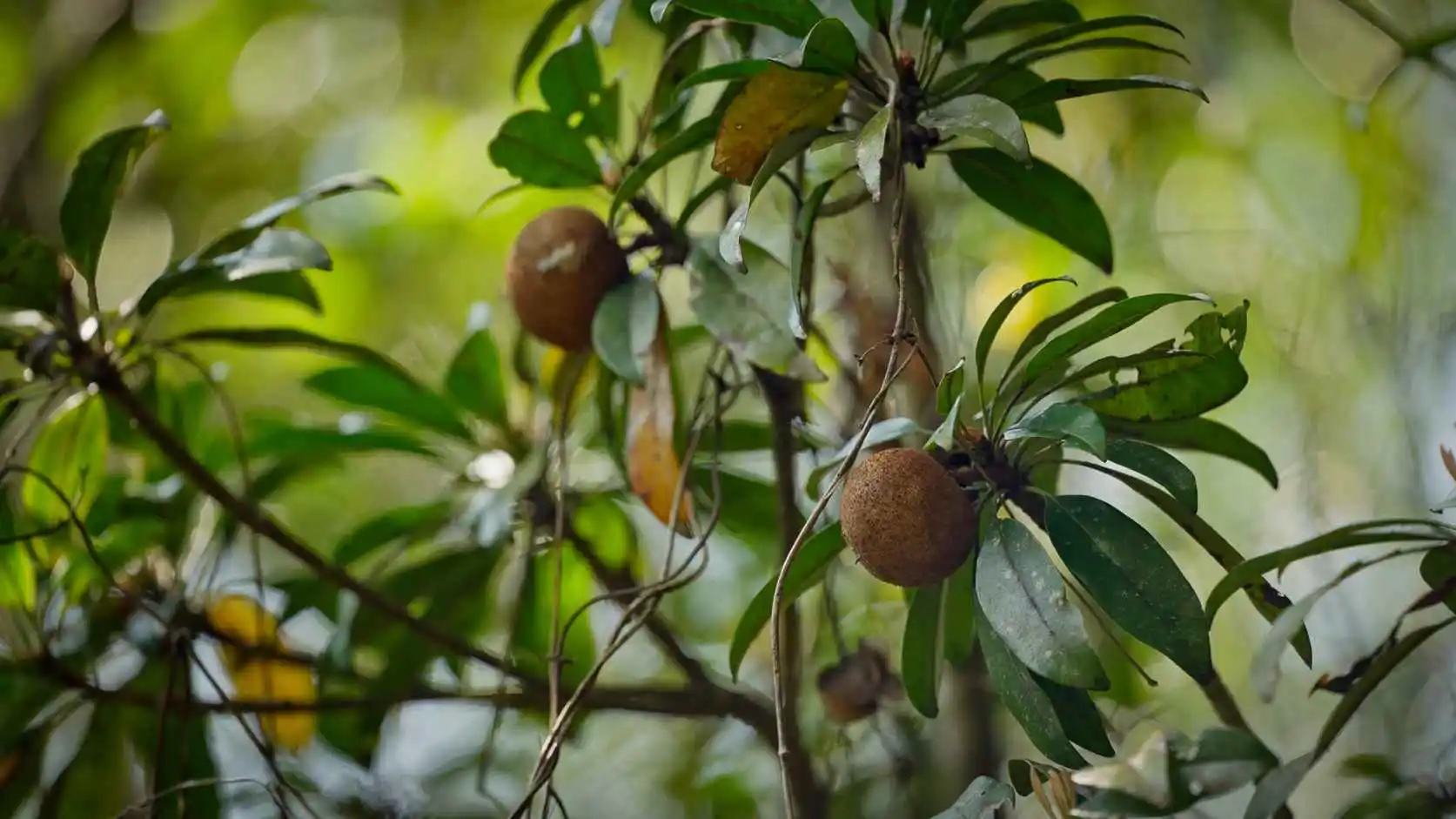
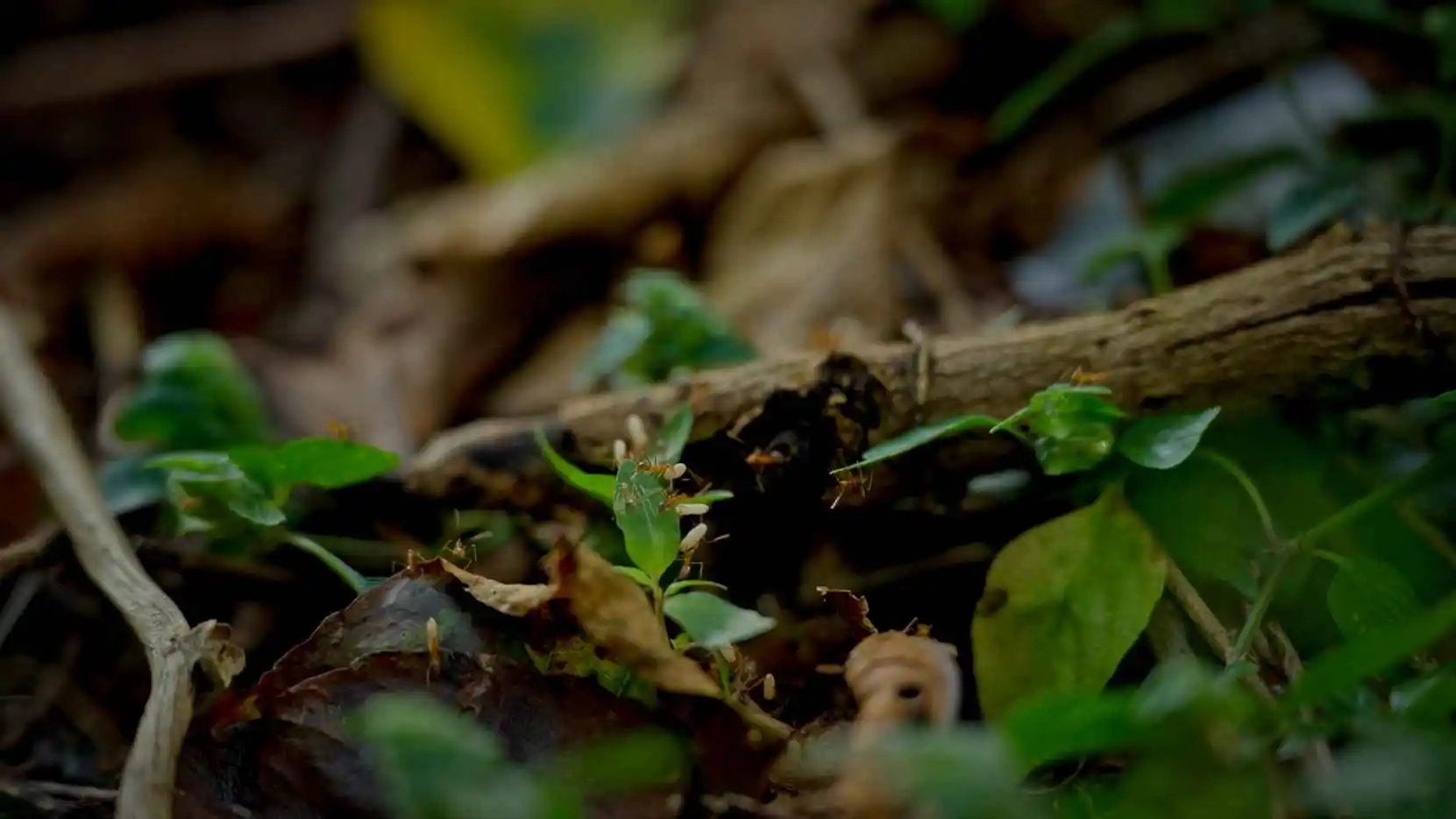
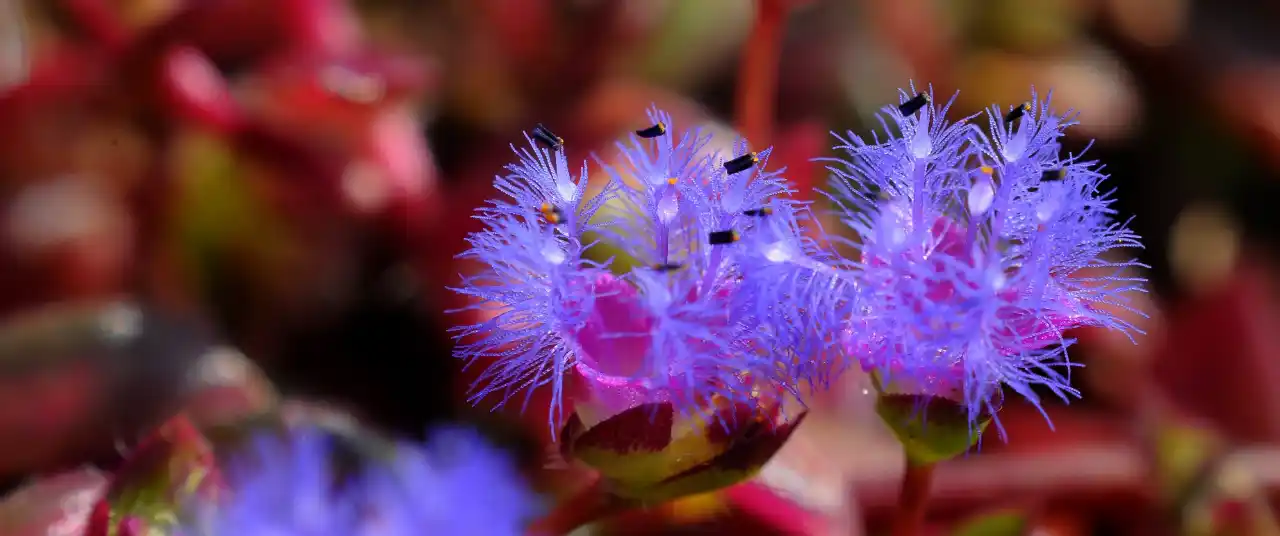
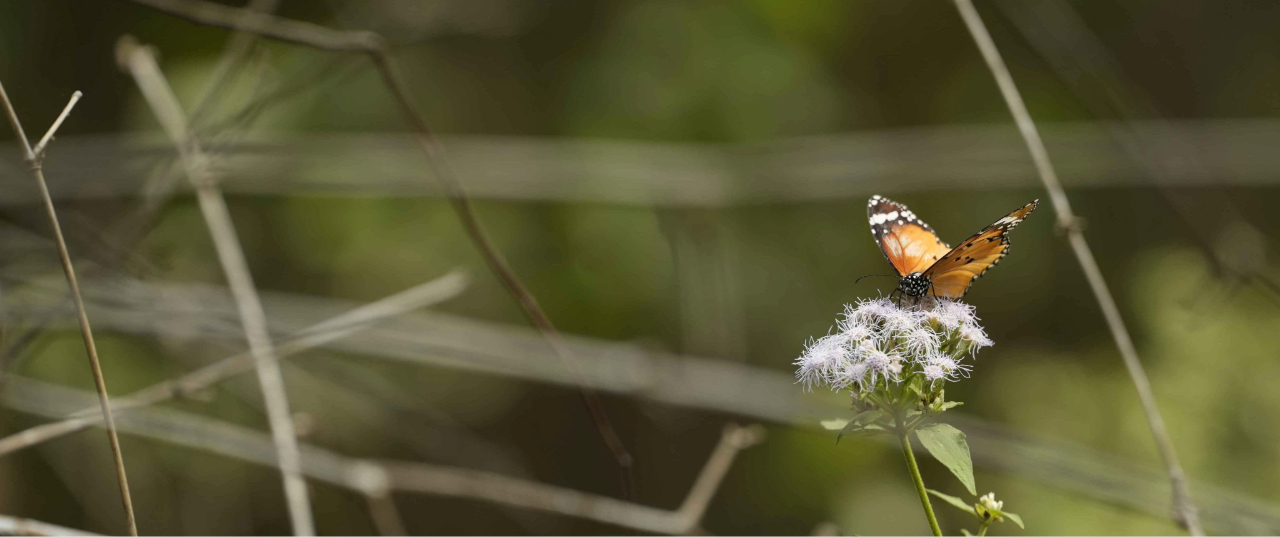
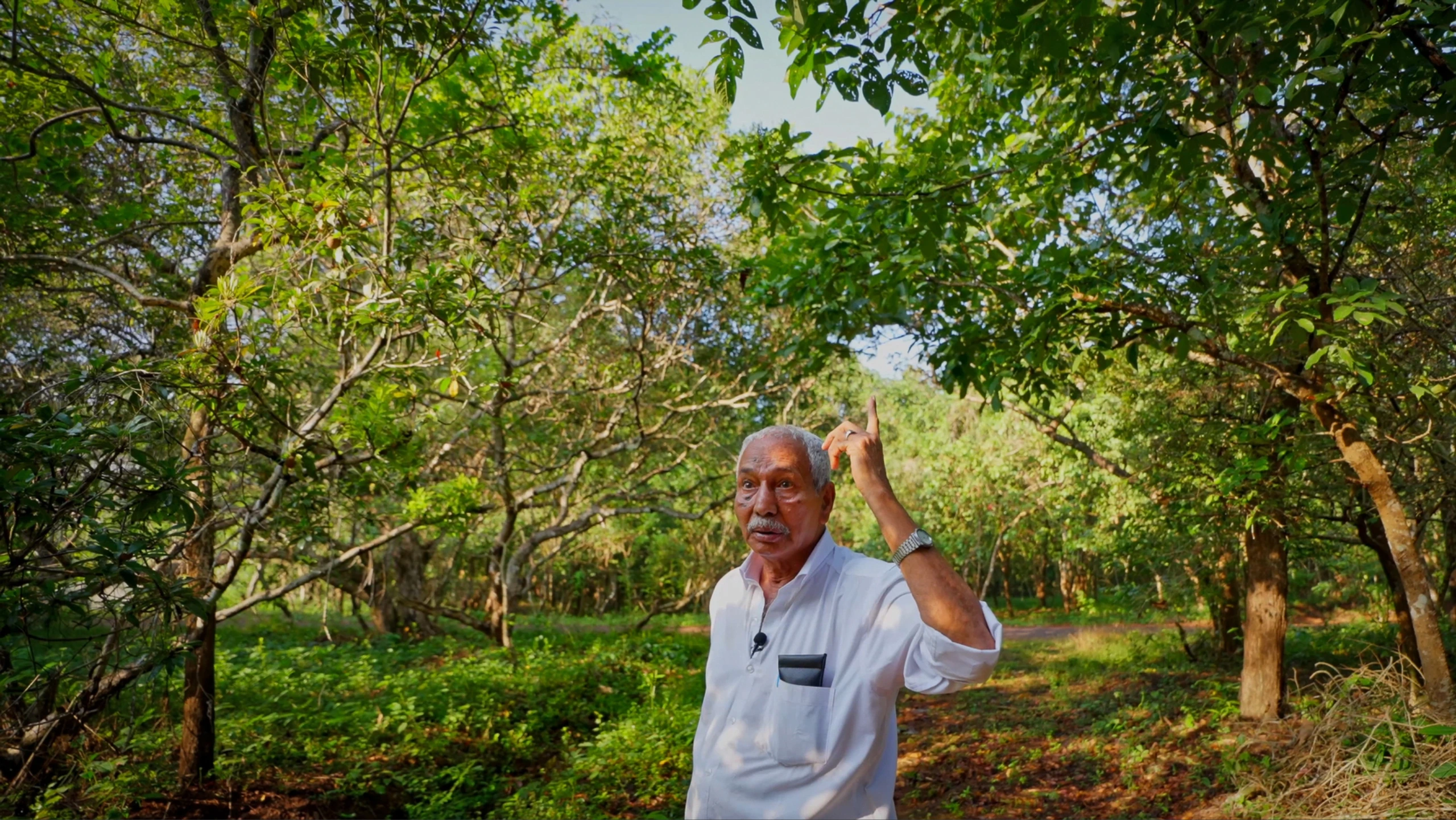
Slowly, the forest came to life. It has become the home of 300 varieties of trees, herbs, shrubs, creepers and rare fruits. Insects, hornbills, peacocks, monkeys, and even jackals found their way to Kareem’s forest.
Standing in his thriving forest, Kareem maintains that all he did was create a conducive space for nature to take over. This is not a farm or a plantation demanding water or deweeding. He simply lets it exist, and it rewards him with its beauty and abundance.
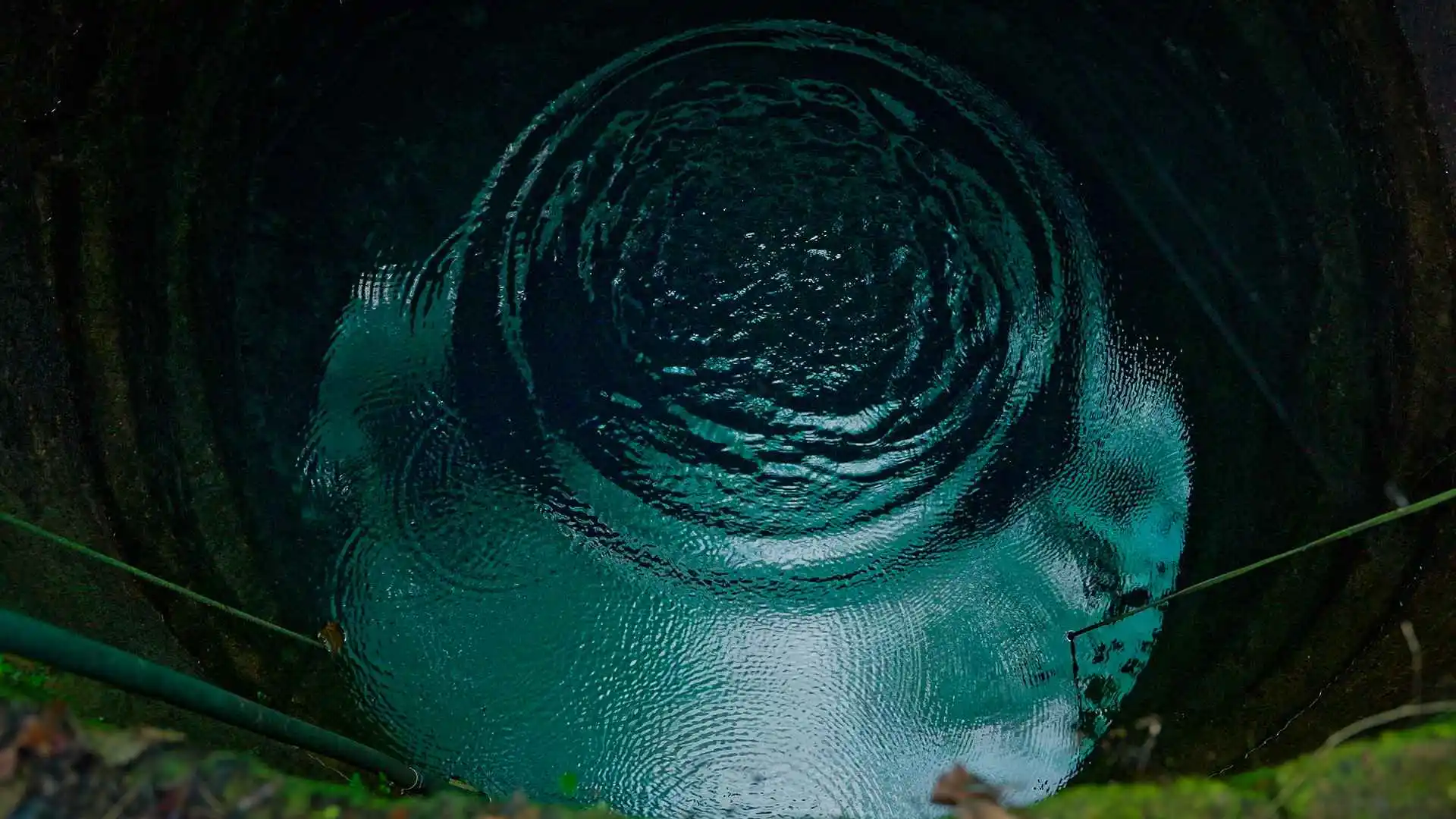
The well that was defunct when Kareem purchased that land has gone from holding 500 litres of water to 10,000 litres of water on a peak summer day. Not only his own land, all the surrounding areas have become more water-secure thanks to Kareem’s labour of love.
Kareem’s childhood fascination for birds is also part of this chapter of his life: he lovingly keeps water out for them, and they gather around him to drink it, filling the air with their chirping. If he goes away for even 2-3 days, they miss him dearly and get agitated.
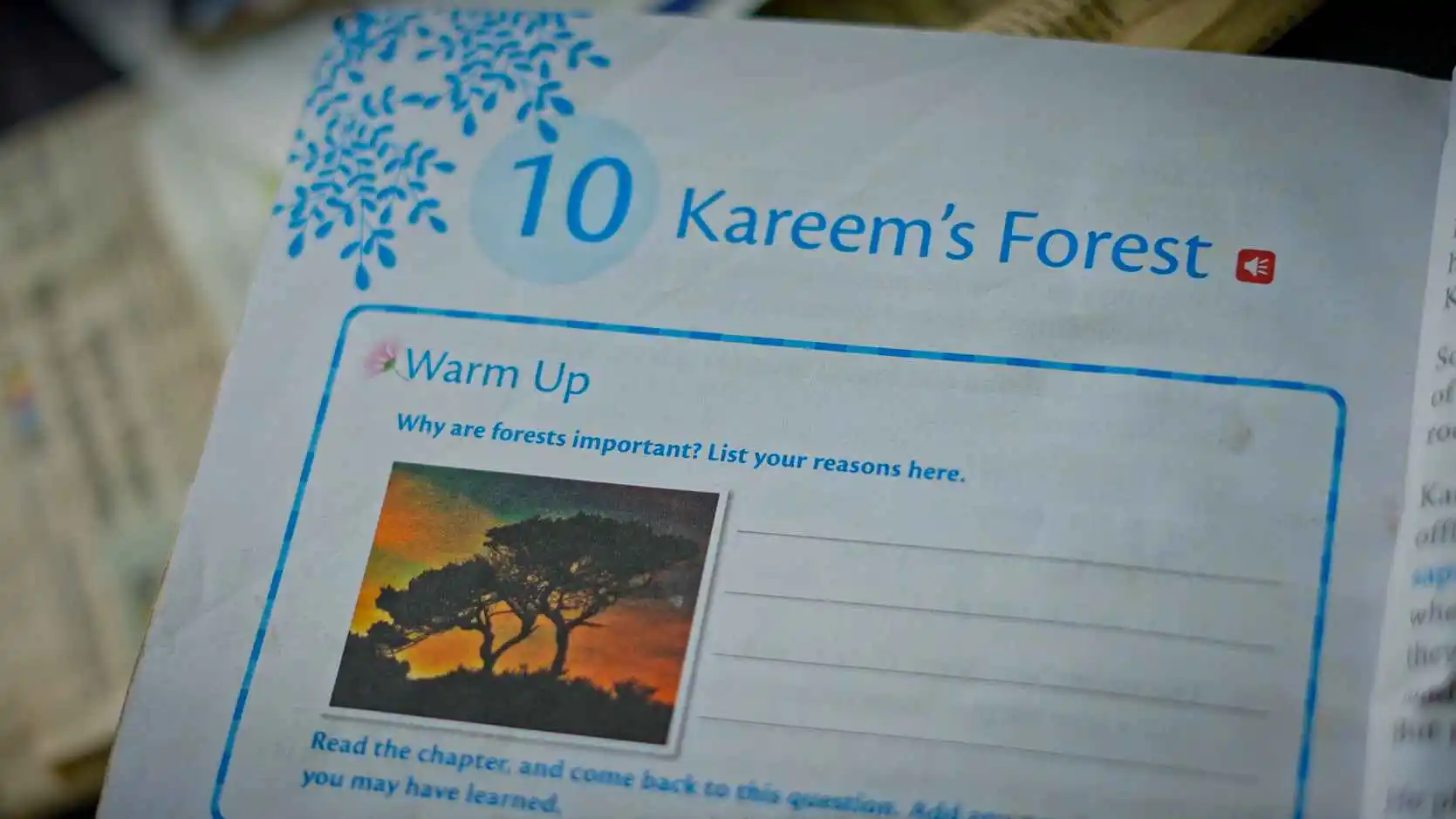
Over the years, his work has been recognised by scientists, governments, journalists, and been included in school curricula.
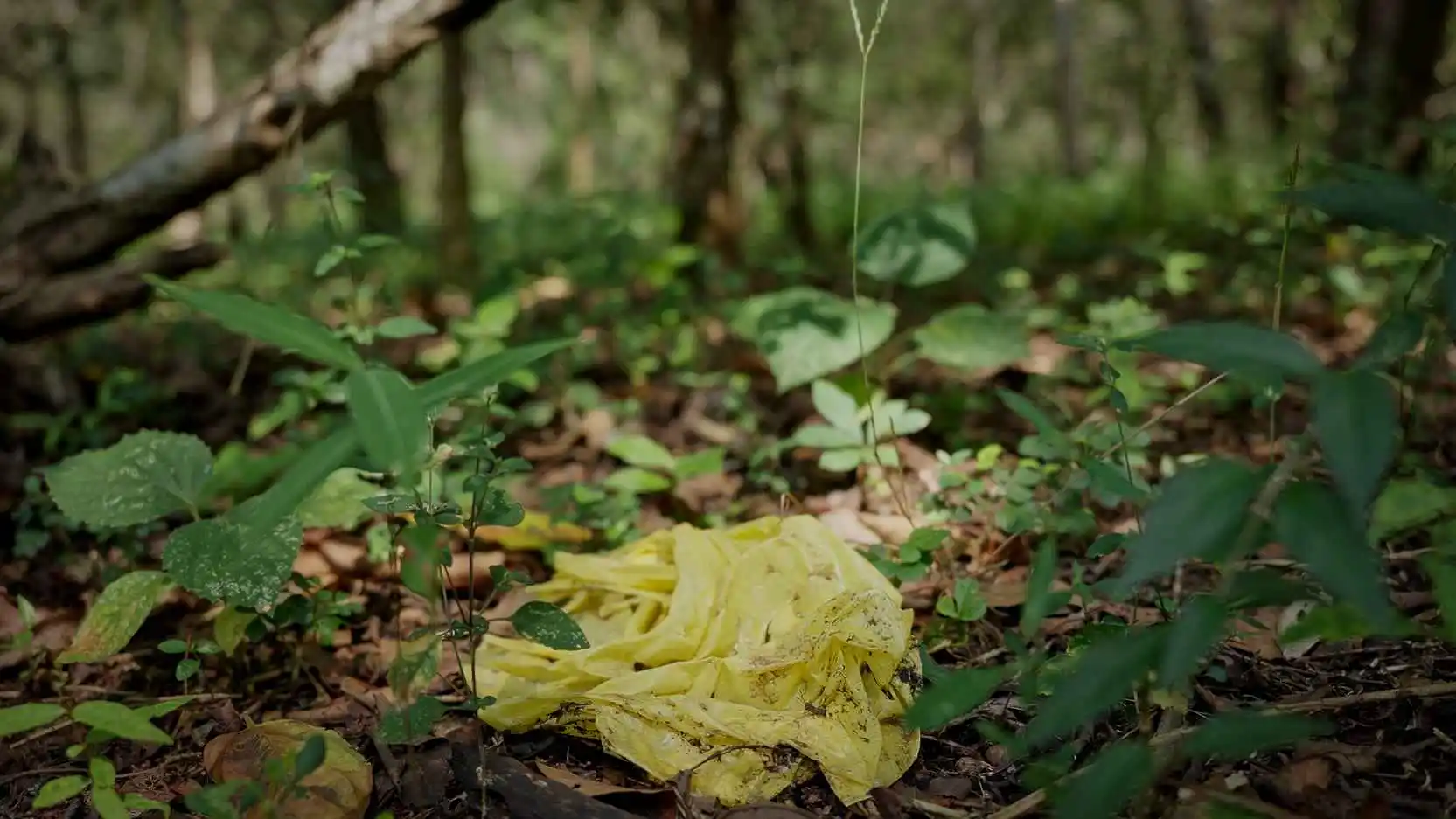
He recalls the death of a two-year-old calf on his farm, and the discovery of a lump of plastic within its body. He still sees discarded plastic bags and bottles around his forest, despite a ‘Plastics are strictly prohibited’ sign.
He makes one plea to the younger generation: ‘Please save our dear planet.’ Kareem's monumental work is a reminder of what’s possible when one person decides to make a change—slowly, steadily, and with love.

You might also like

See all
Is your food nutritious or only fast?
Are there heavy metals in your vegetables?
Does your food contain Microplastics?
Are your food habits disrupting the ecological balance?
Nibble right, Save the PLANET'S MIGHT!
Is your food nutritious or only fast?
Are there heavy metals in your vegetables?
Does your food contain Microplastics?
Are your food habits disrupting the ecological balance?
Nibble right, Save the PLANET'S MIGHT!