Quenching Kolar’s thirst

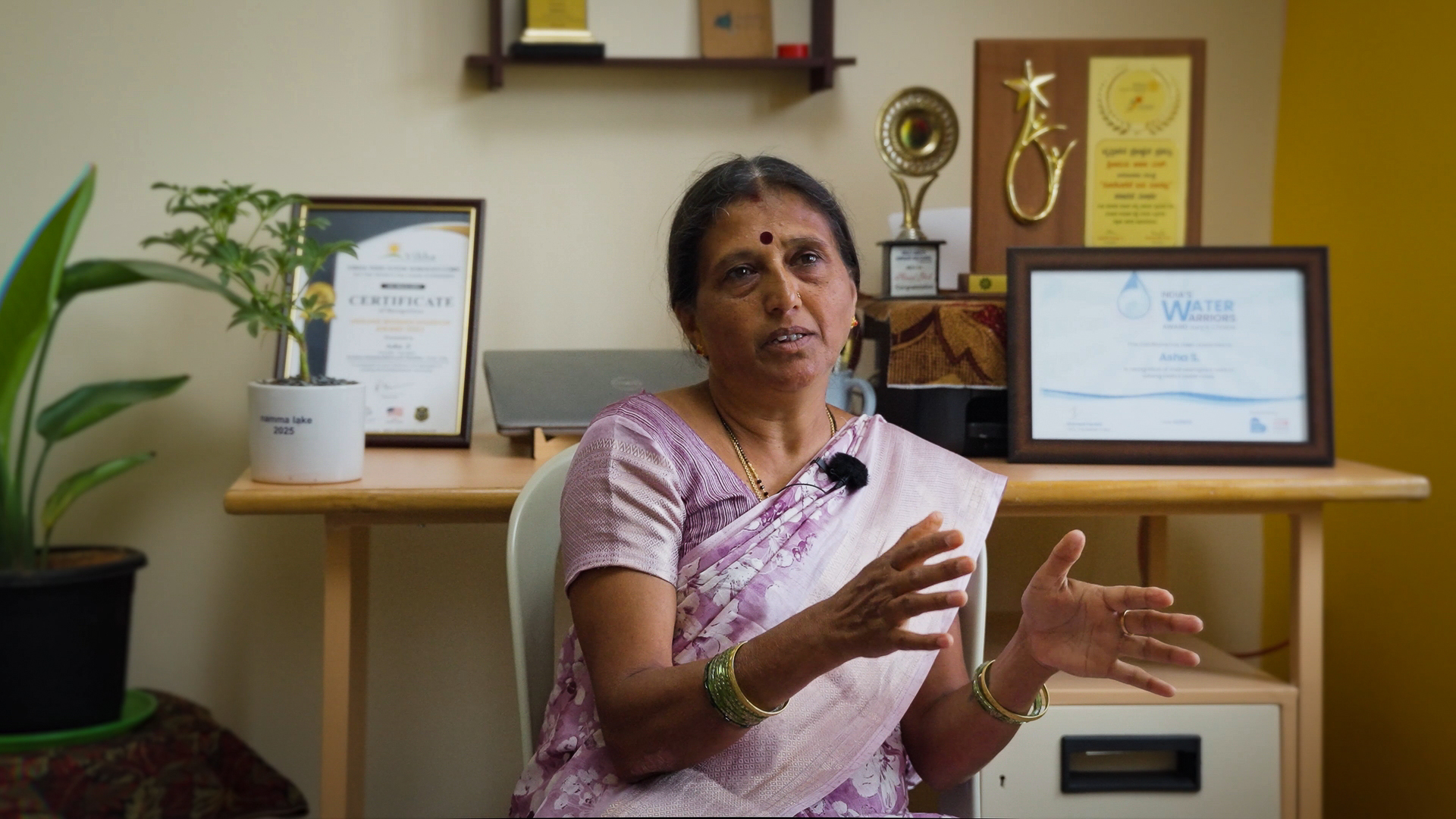
Arohana, a women-led NGO helmed by Asha S., is revitalising lakes in Karnataka, making the region food-secure

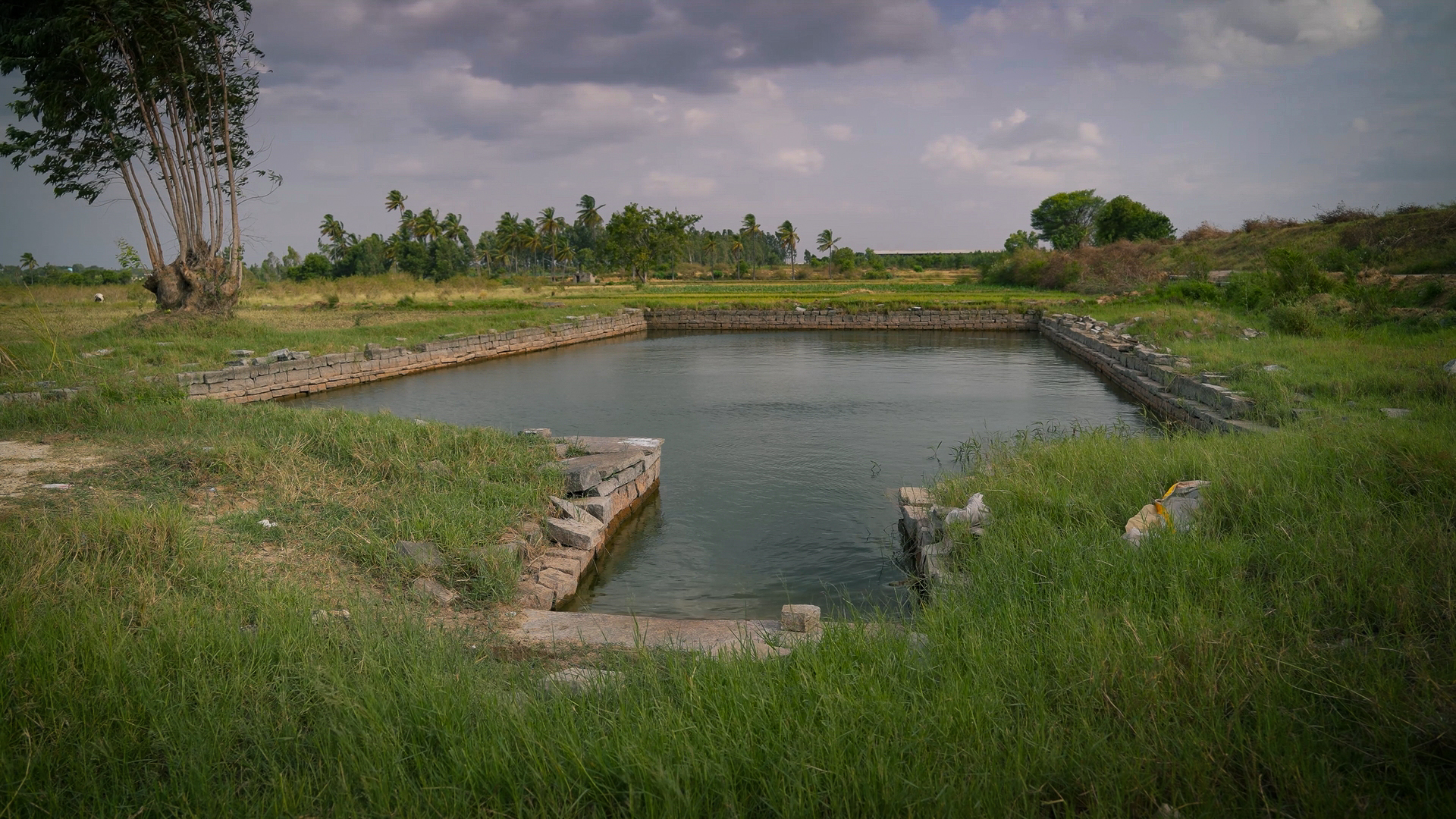
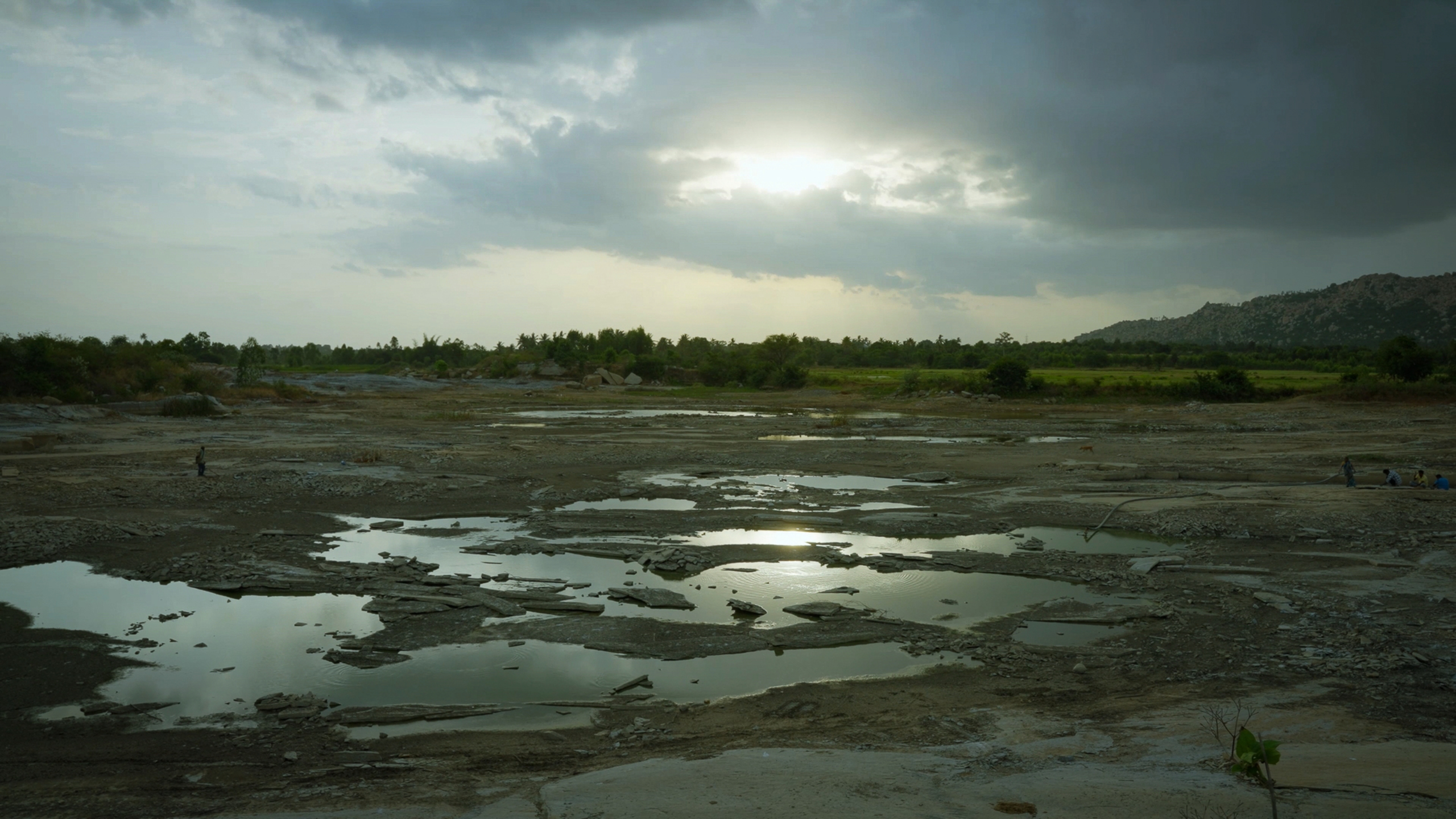
Kolar, a district close to Bengaluru, once known for its gold mines, has now become equally infamous for its acute water scarcity. No perennial river flows through Kolar; the district has historically relied on tanks and lake systems for water supply. With the introduction of piped municipal water supply, rural surface water resources have been neglected, and groundwater, overextracted. The result? A district which suffered a decade-long drought pre-COVID-19, and still remains vulnerable to a water crisis. 

Its lakes run so dry, and its wells so defunct that the government is shipping Bengaluru’s treated wastewater to the district to recharge its groundwater levels. While this solution remains under debate, a more urgent question emerges: is there another way to fix Kolar’s water problem? Social worker Asha S. proposes a promising one—an integrated restoration of ancient tank systems. Through her NGO Arohana, Asha is employing a desilting-to-farm model that is ensuring water access to local communities and supporting livelihoods. 

-Text by Durga Sreenivasan

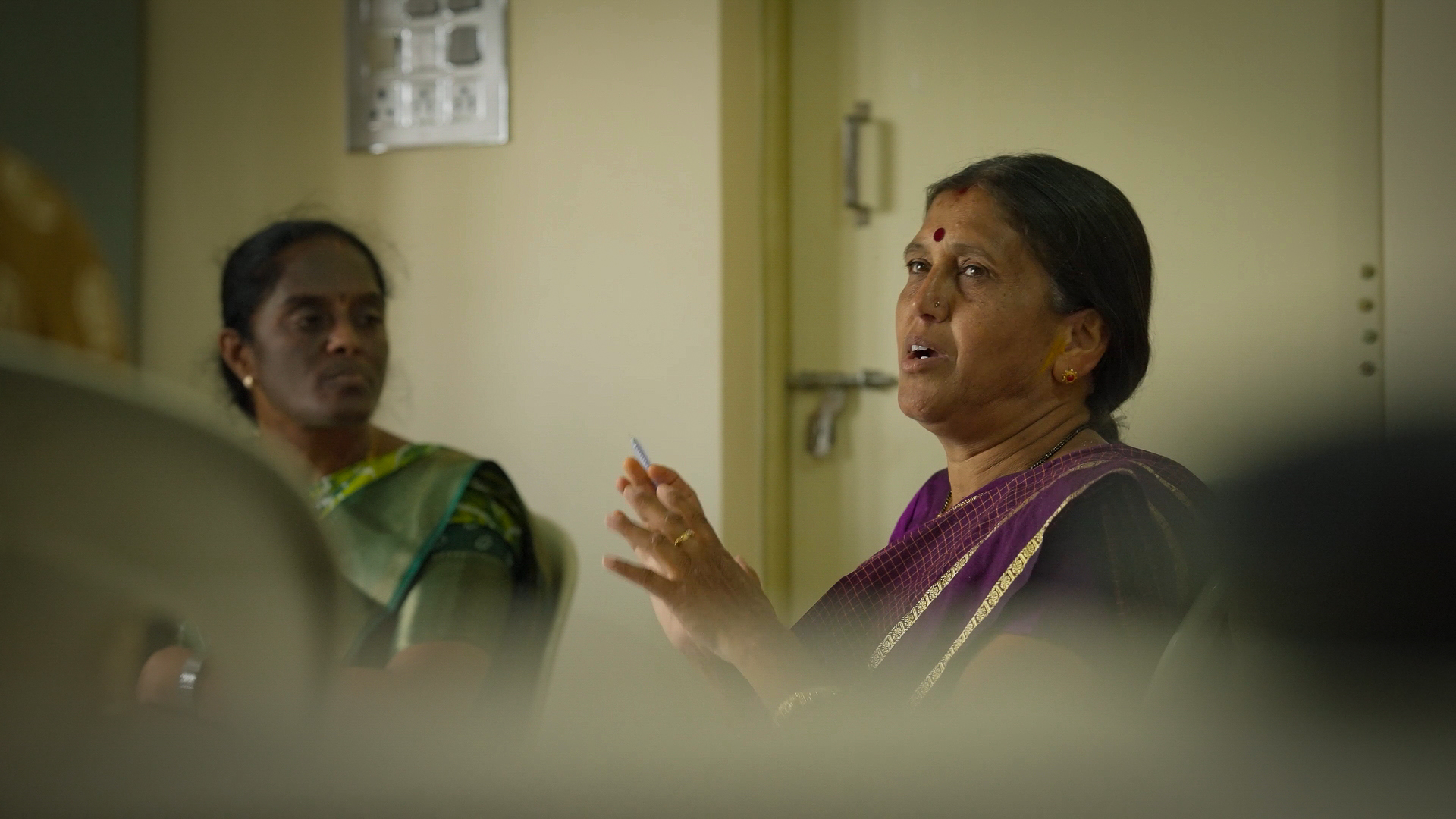
Asha’s work demonstrates how people-powered action can spur transformation, and nourish their relationship with the land.

No items found.
No items found.
01
/
12
Asha S. grew up in Thirthahalli taluka of Karnataka’s Shivamogga district. Since childhood, she was inclined towards social service. Her parents’ philosophy of giving back to the land inspired her to work for the environment, and specifically work for water and soil health, and afforestation.
A friend’s recommendation took her to Kolar’s Grama Vikas Kendra as a field facilitator. This role familiarised her with the water scarcity in the region. She understood that unchecked borewell digging and groundwater extraction was exacerbating the drought-prone region’s water scarcity.
She decided to channel her knowledge of Kolar’s water issues into action by desilting lakes and restoring defunct water bodies. On 17 December 2018, she registered her NGO Arohana with 7 Board Directors, all women. The organisation focuses on community engagement to develop a shared sense of responsibility over these commons.
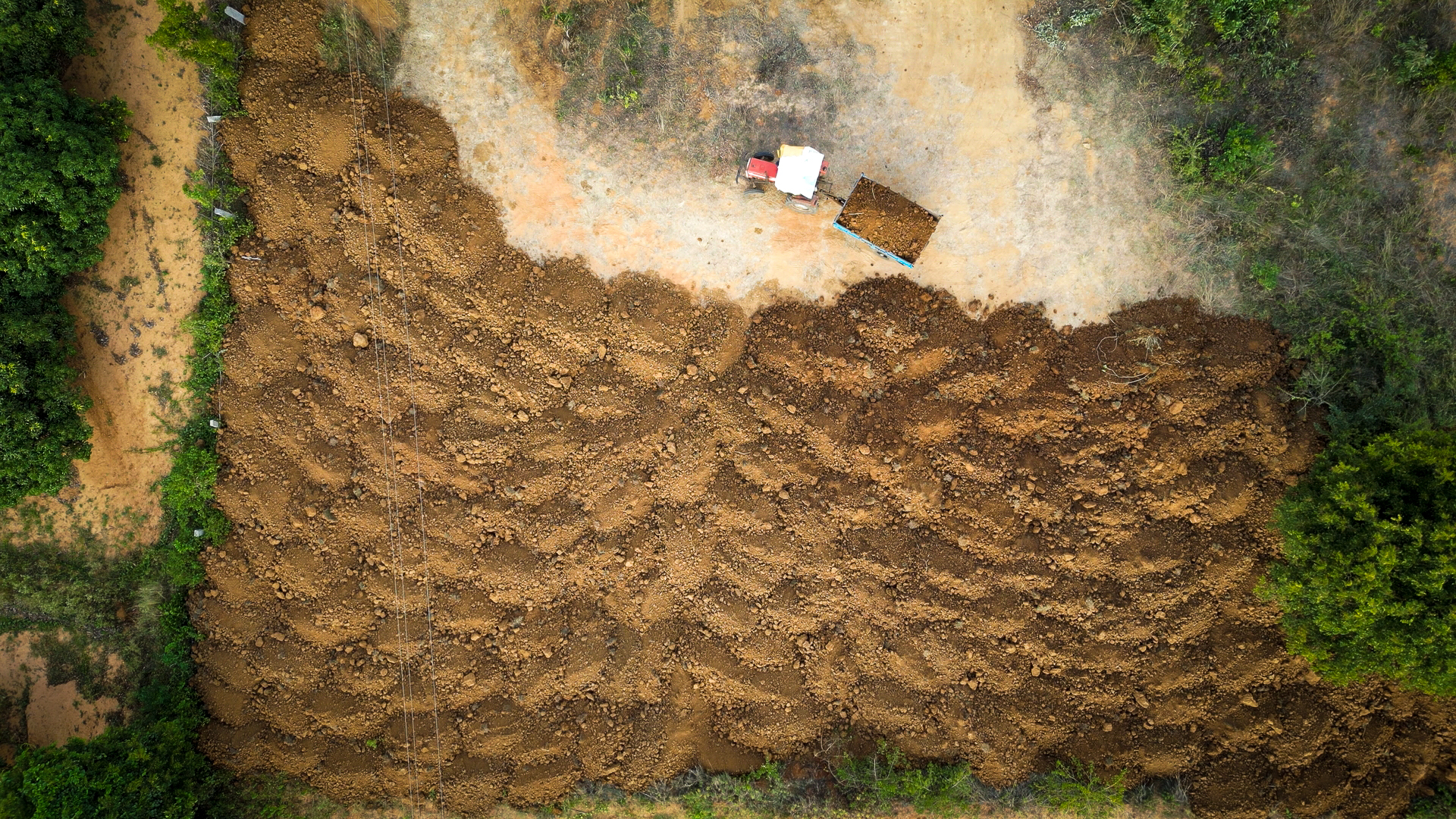
Silt washes into lakes along with flowing water and collects at the bottom, reducing their water-holding capacity, causing wastage and flooding. Similarly, silt clogs the channels through which water flows between lakes. Desilting these channels is one of the major tasks undertaken by Arohana.
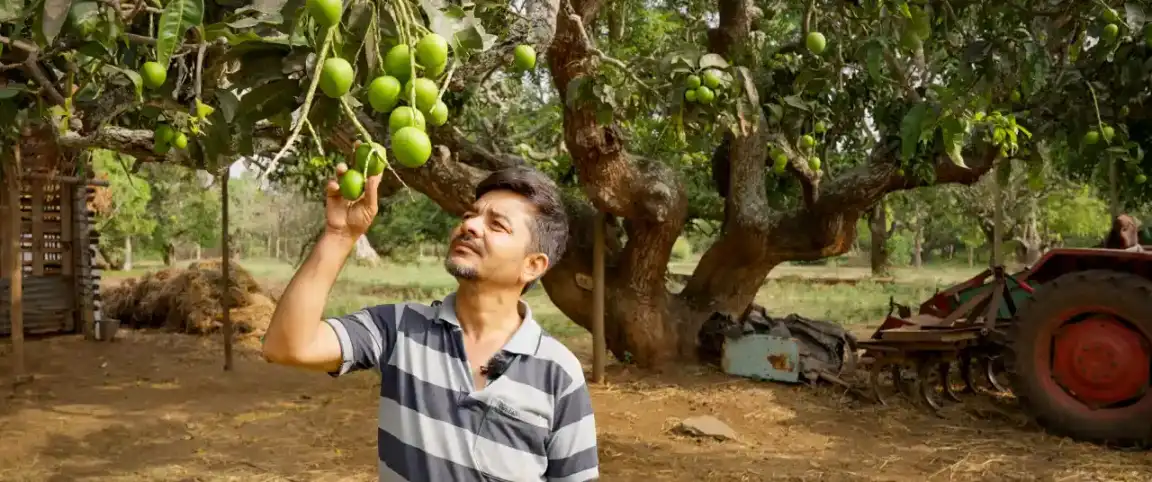
This silt is rich in organic matter and substitutes chemical fertilisers effortlessly. Arohana sells this silt to farmers, many of whom claim that a one-time application lasts 3 years without any additional fertilisers.
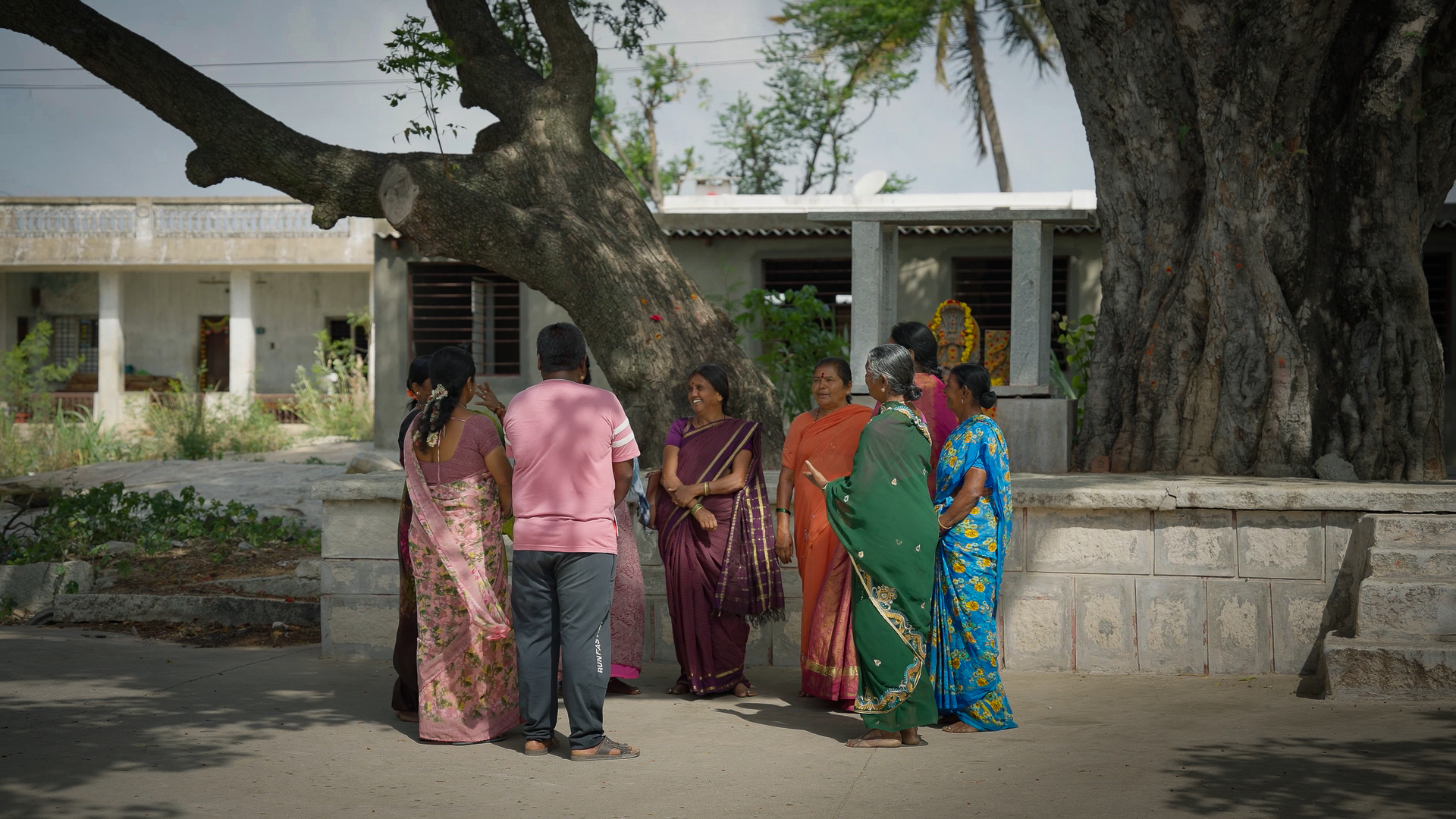
Asha’s approach is to involve the people of the village in reviving the lake. This actively makes them stakeholders in the process, reinstating the water body’s status as a collectively owned and managed resource.
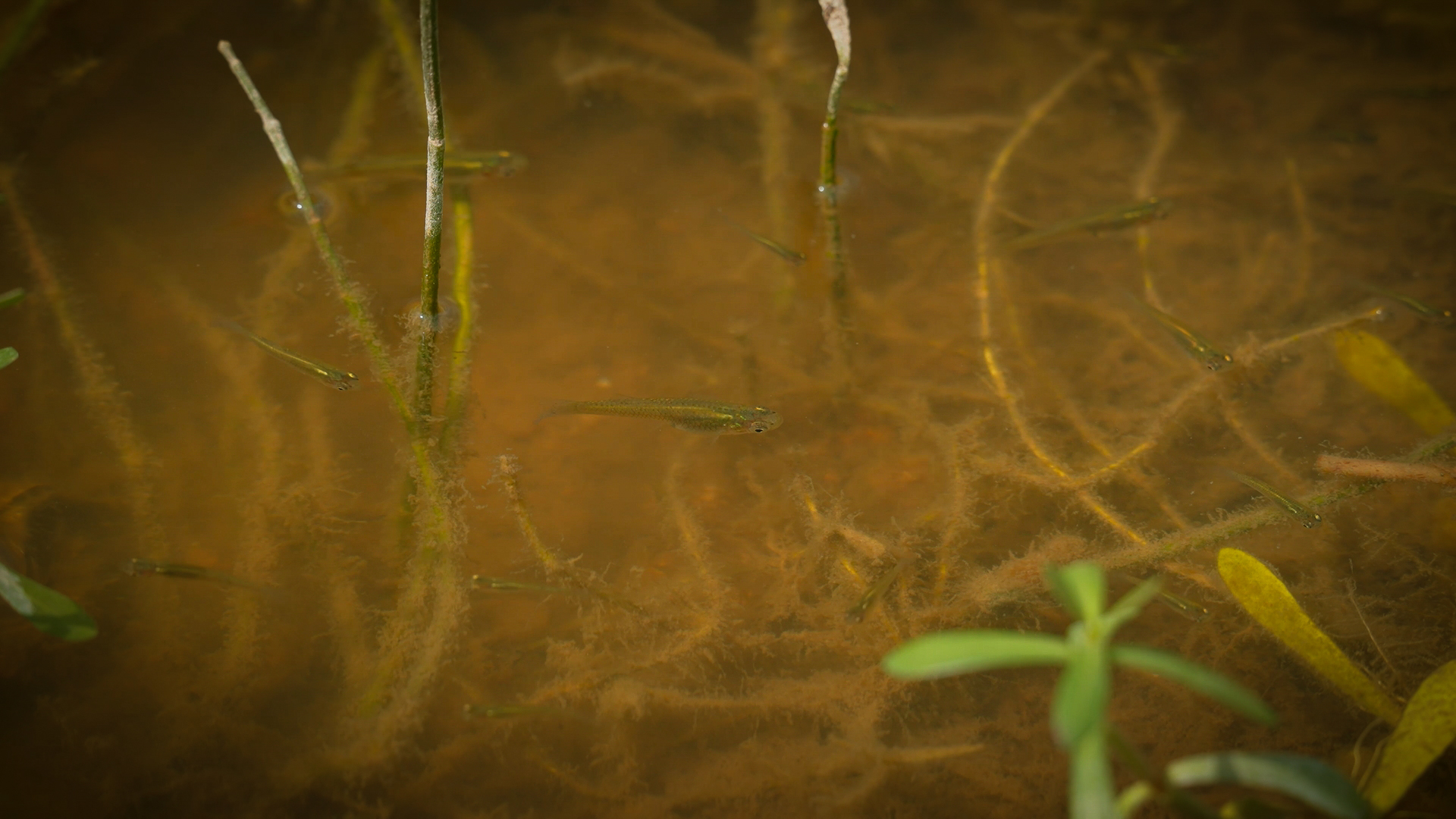
So far, Arohana has rejuvenated 13 lakes, 5 wells, and 2 kalyanis (stepped wells). For every cubic metre of silt removed, 1000 litres of water can be stored. Arohana has removed over 1.3 lakh cubic metres of silt so far. The restored lakes are teeming with life again.
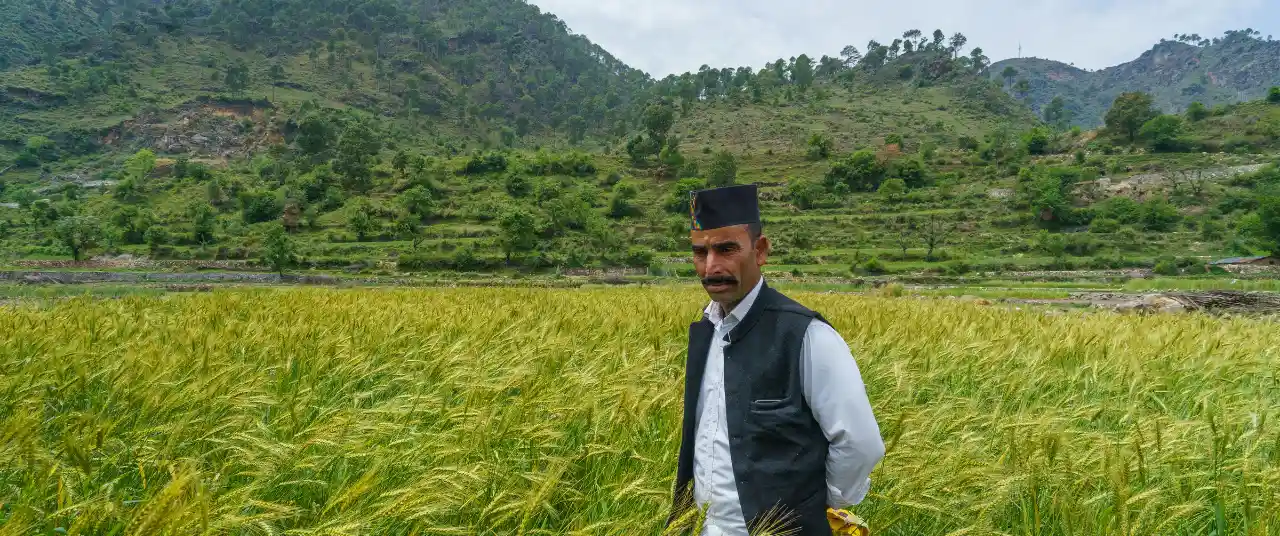
Asha’s work also supports rural agriculture. Kolar is central to Bengaluru’s milk and vegetable supply, but its water crisis is driving farmers away from the fields. Steady water supply enables them to practice farming and animal husbandry sustainably.
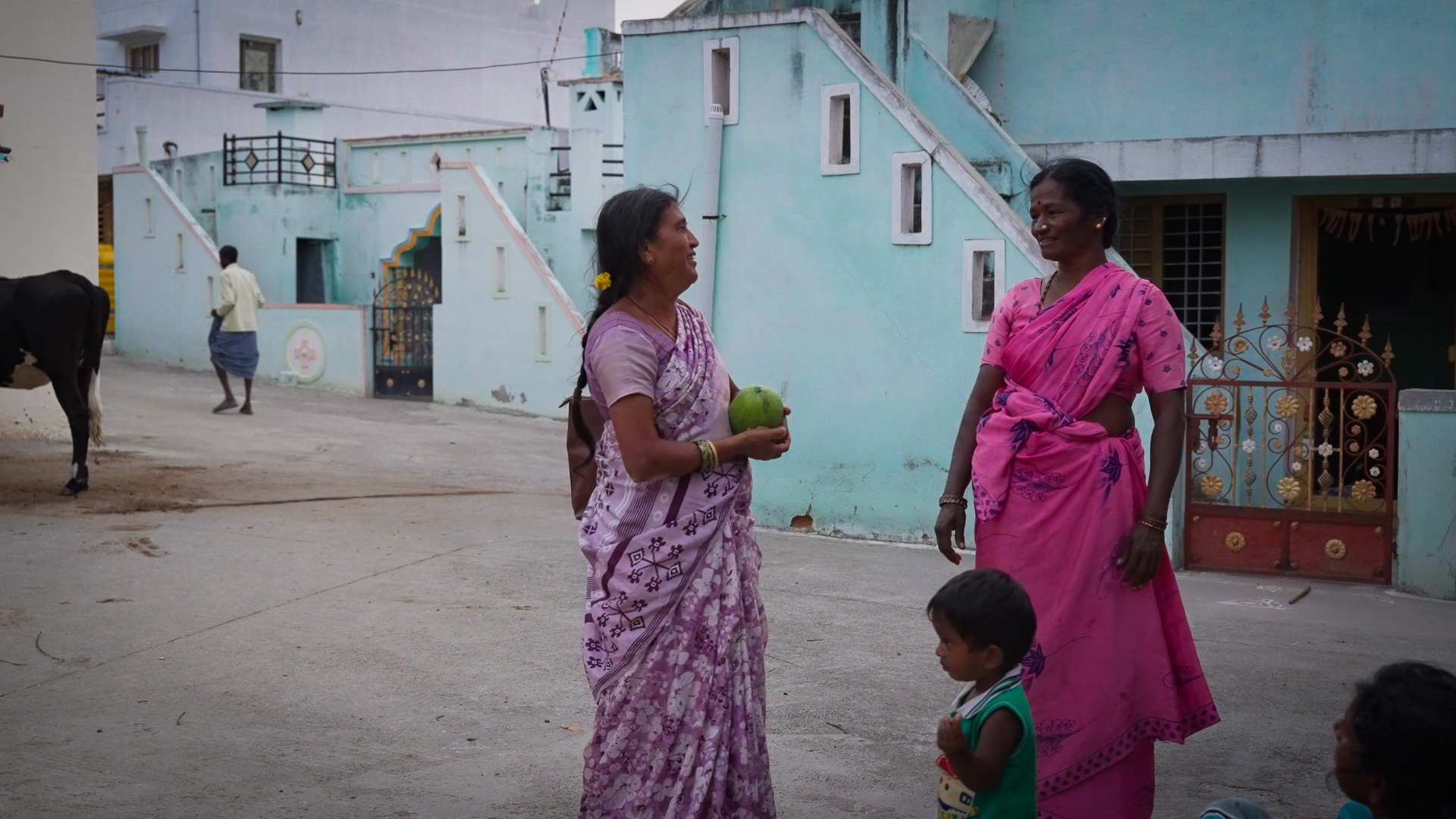
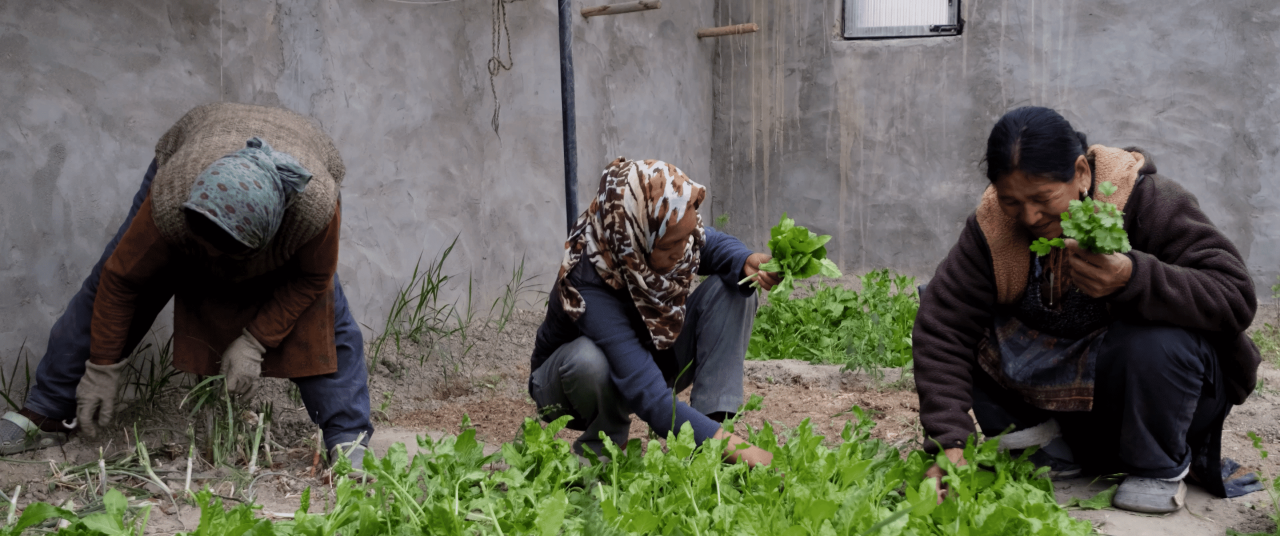
Arohana is a pioneering example of women-led environmental stewardship. Most men demand a higher wage, but women work eagerly and undertake most of the rejuvenation work. Asha has seen how women thrive at their work and find empowerment in the financial independence that it gives them. They are likelier to invest the money earned into household maintenance, education, and health.

You might also like
See all
Is your food nutritious or only fast?
Are there heavy metals in your vegetables?
Does your food contain Microplastics?
Are your food habits disrupting the ecological balance?
Nibble right, Save the PLANET'S MIGHT!
Is your food nutritious or only fast?
Are there heavy metals in your vegetables?
Does your food contain Microplastics?
Are your food habits disrupting the ecological balance?
Nibble right, Save the PLANET'S MIGHT!