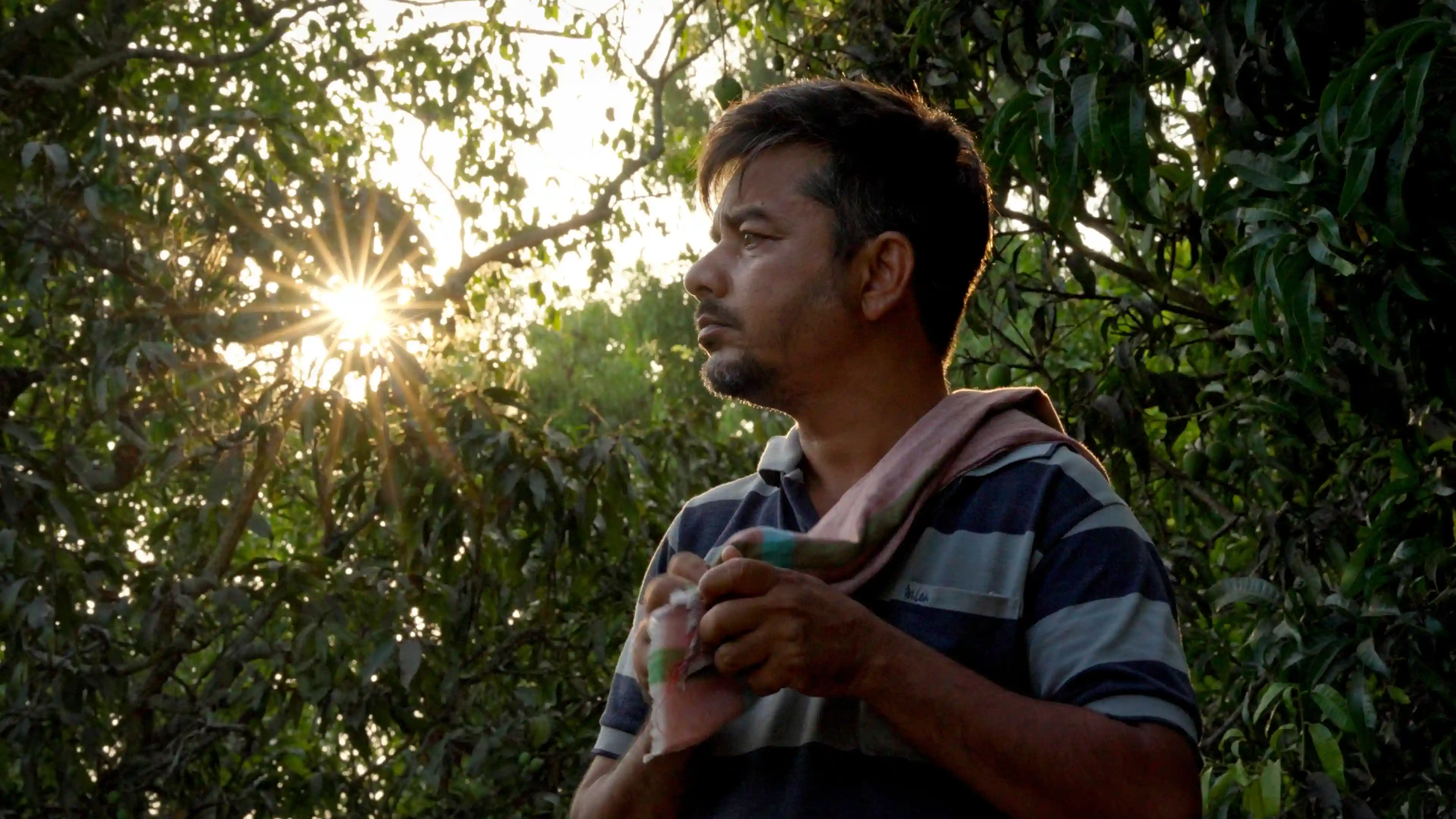
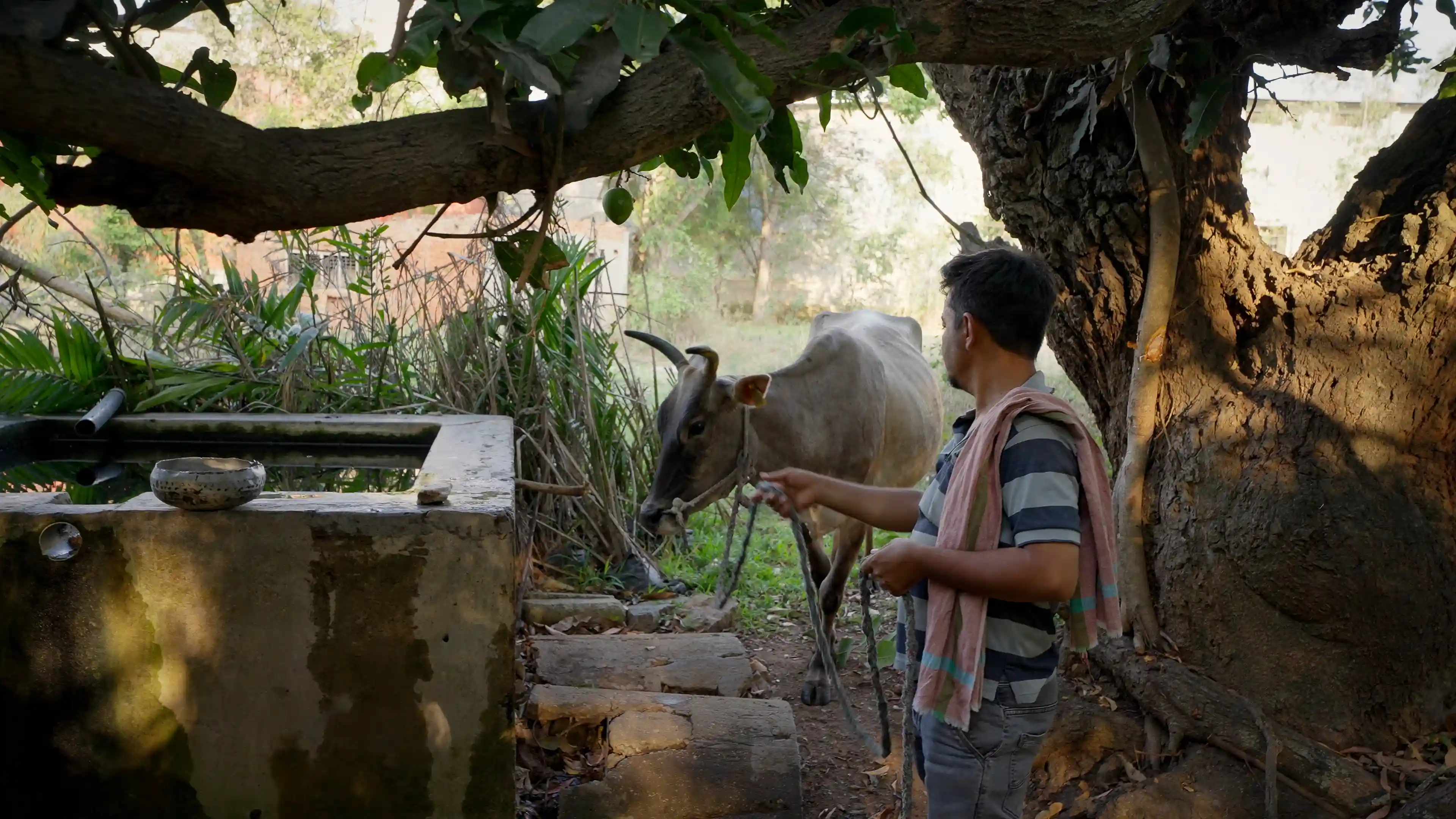
Khan’s earliest memories of getting his hands dirty in the soil are from his school days, when he used to help plant vegetables. Though he graduated in museology, he returned to his family’s traditional occupation of cultivating paddy in 1994.
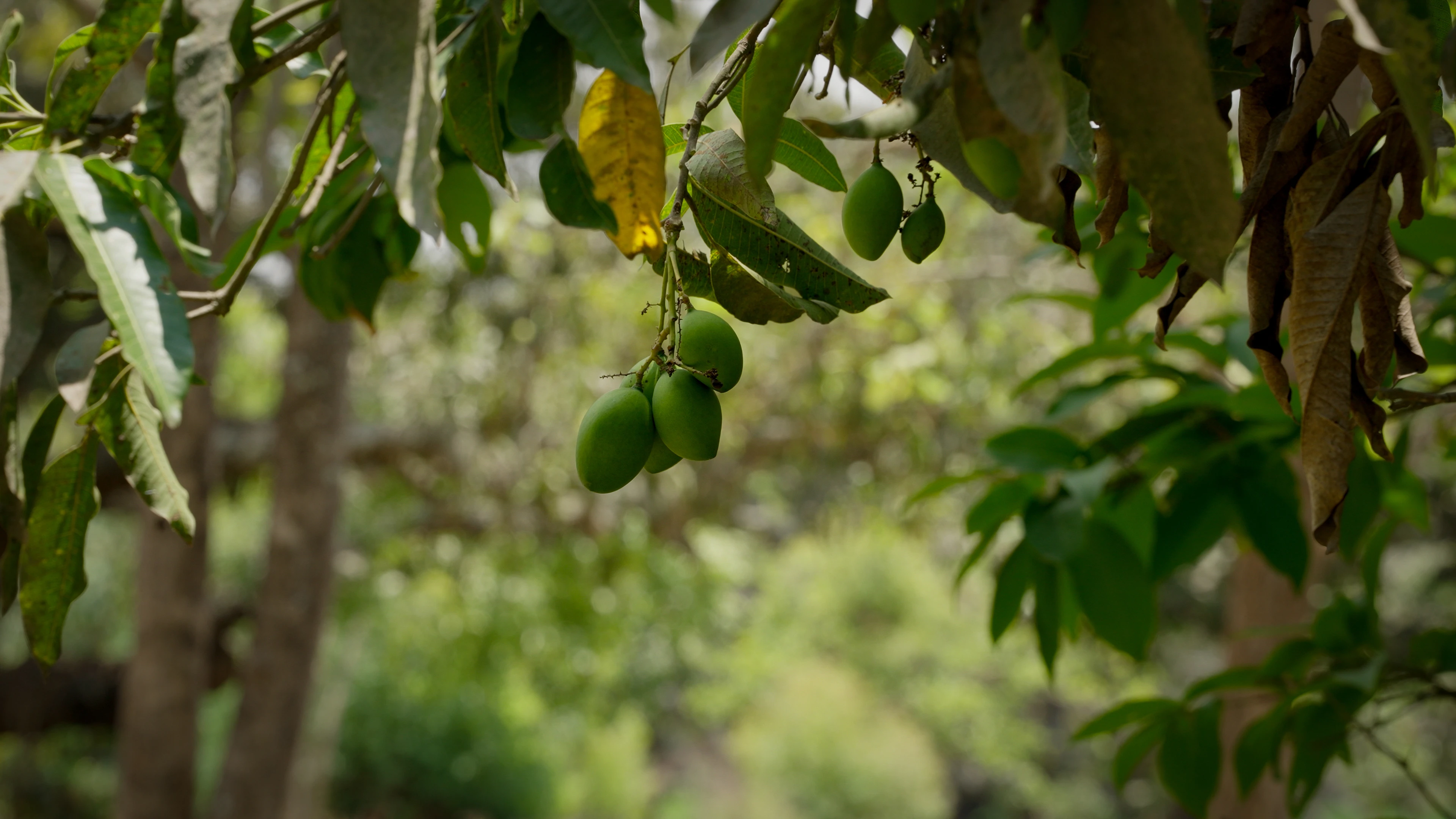
Despite the region’s diversity of rare mango species in the past,, the construction of the Krishna Raja Sagara (KRS) dam on the Cauvery river in 1931 saw many farmers shift towards cultivating paddy. Many mango trees were felled for cultivation and to build brick kilns.
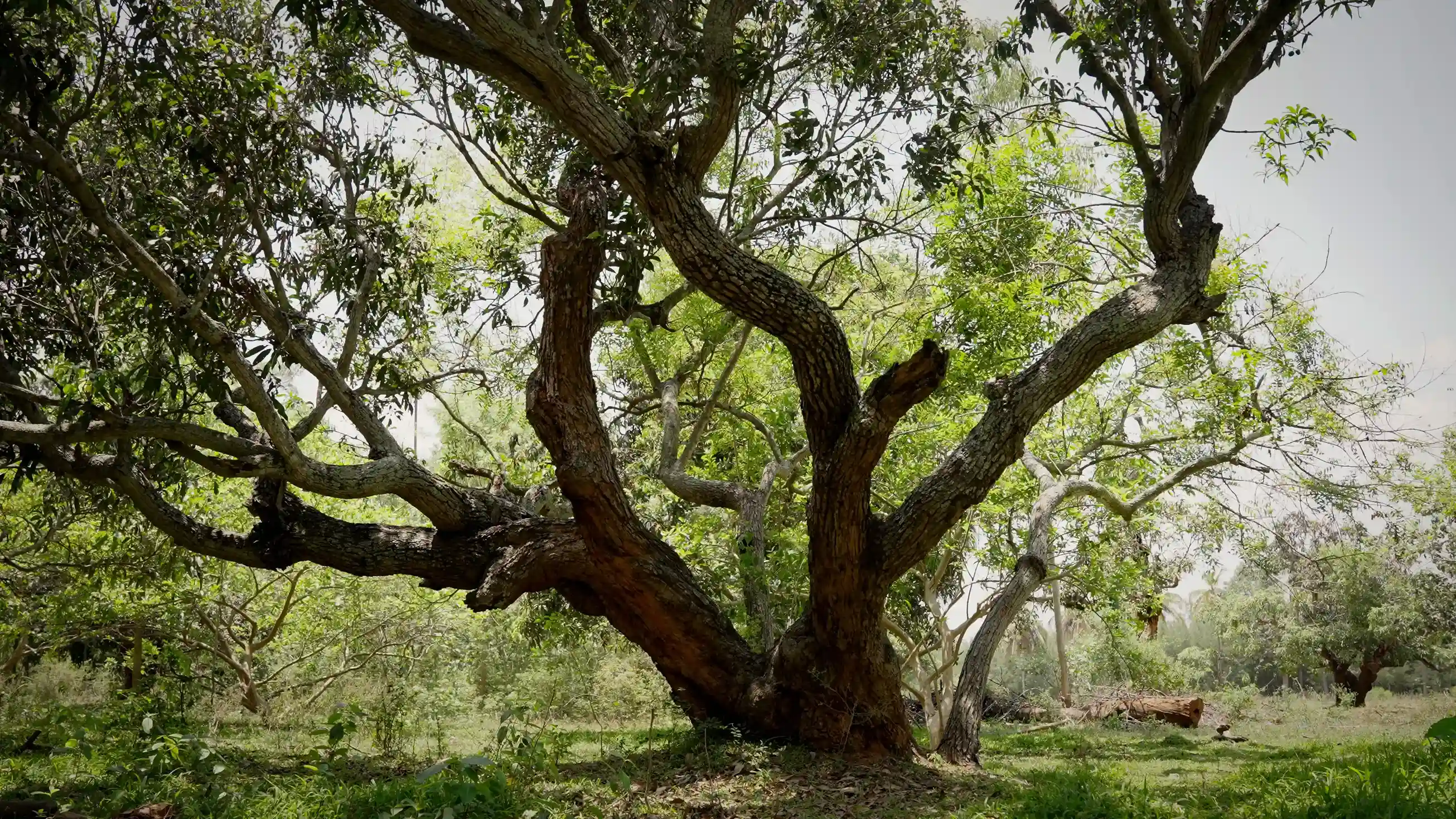
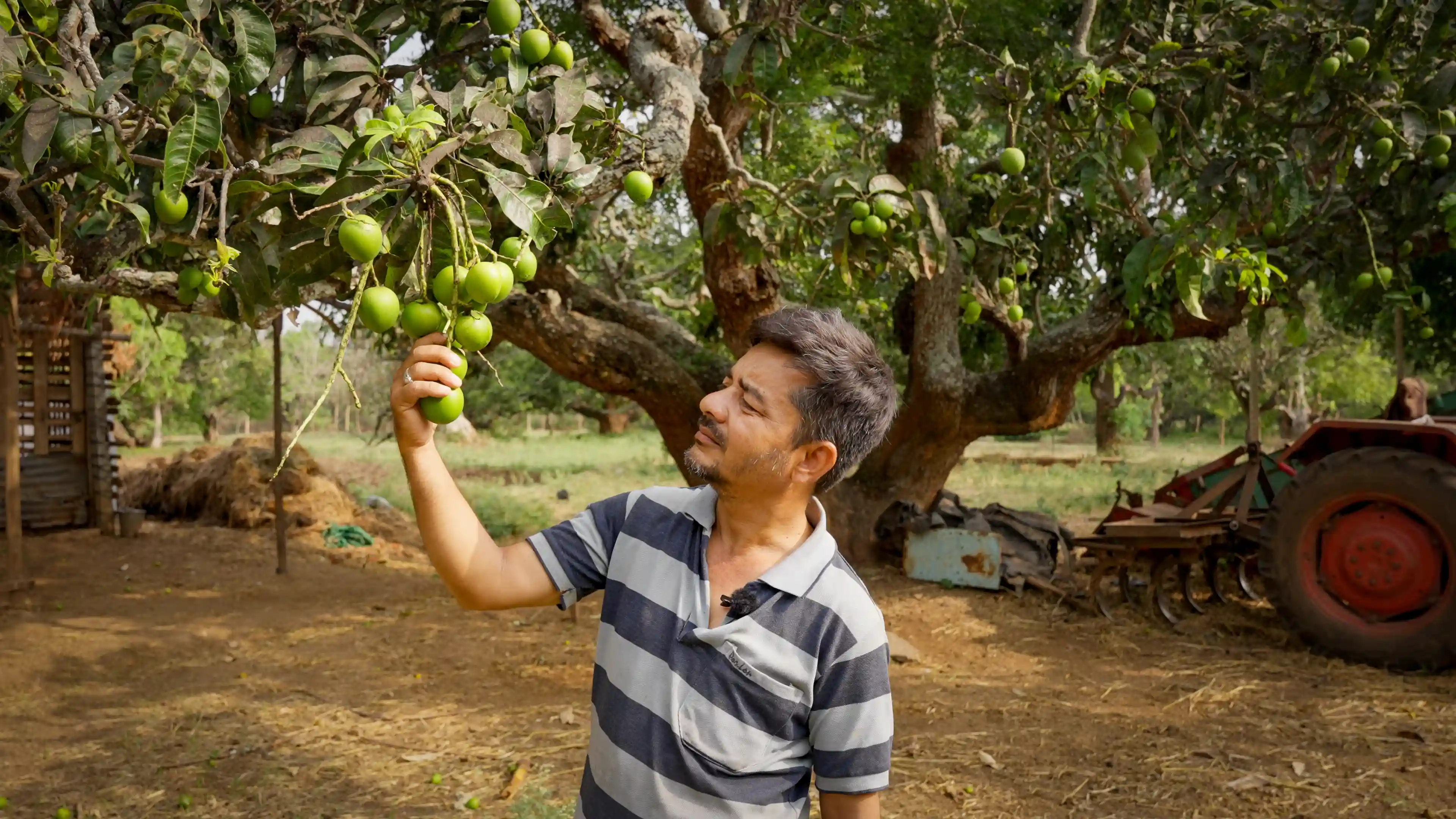
Khan’s family however, was insistent on carrying the lineage of mangoes forward—making it an outlier in Mandya’s paddy-lined landscape. Such was his grandmother’s affinity to the Amini tree in particular, that it is said to have fallen of its own volition the afternoon she died.
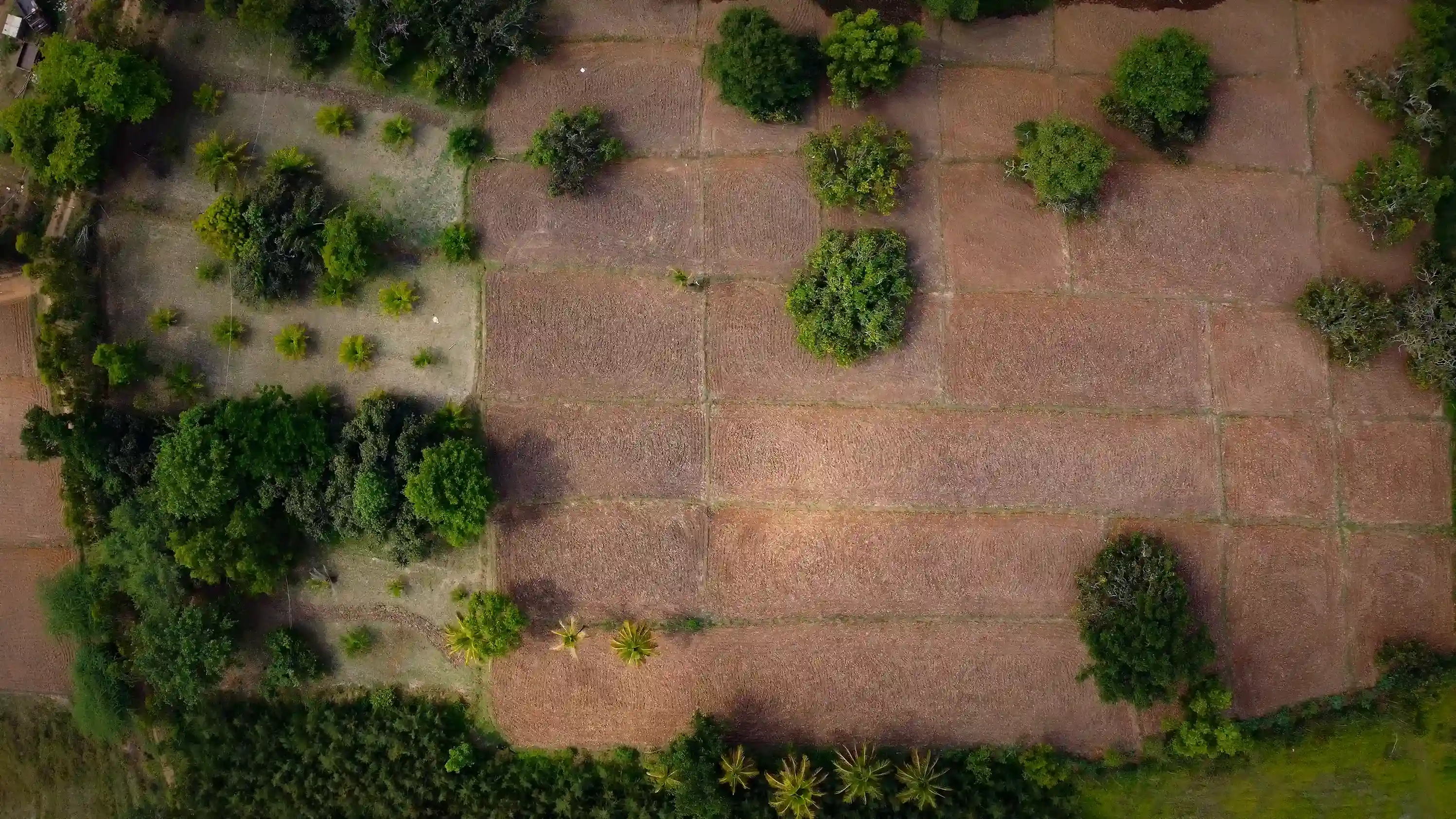
In 1999, on a day when he was spraying pesticides on his farm, Khan felt dizzy. This experience convinced him to switch to organic farming. He converted his land, gunta by gunta, over the course of five years. Now, the manure he mixes for his paddy nourishes the mango trees too.
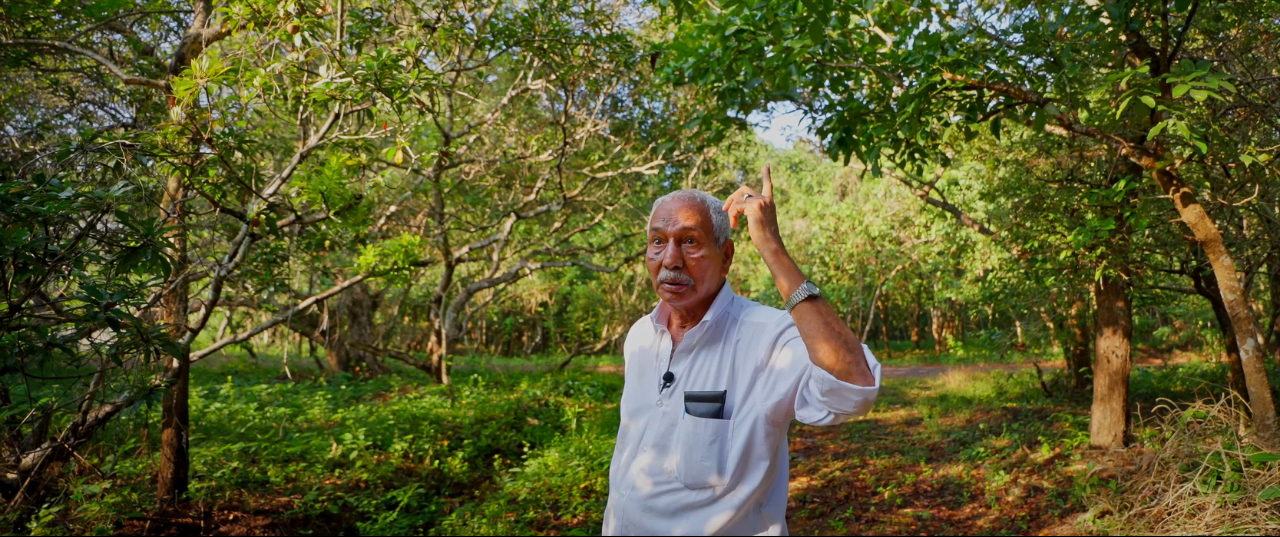
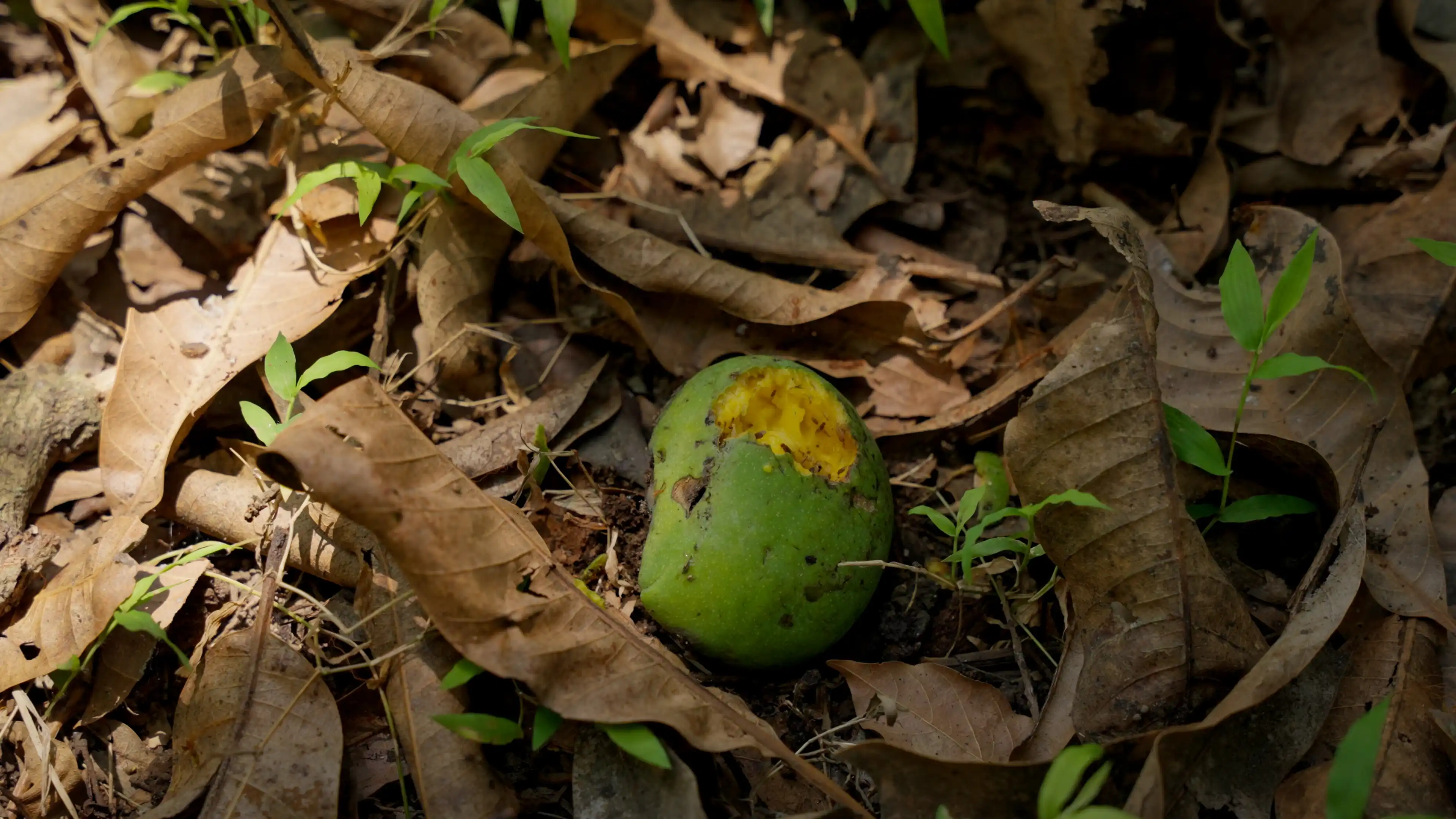
Dry leaves litter the ground under tree canopies. Khan leaves this land unploughed, so that the leaves turn into biomass over a period of time. “This also nurtures various insects and earthworms that aerate the soil,” he says. The aim is to grow a forest with minimal human intervention.
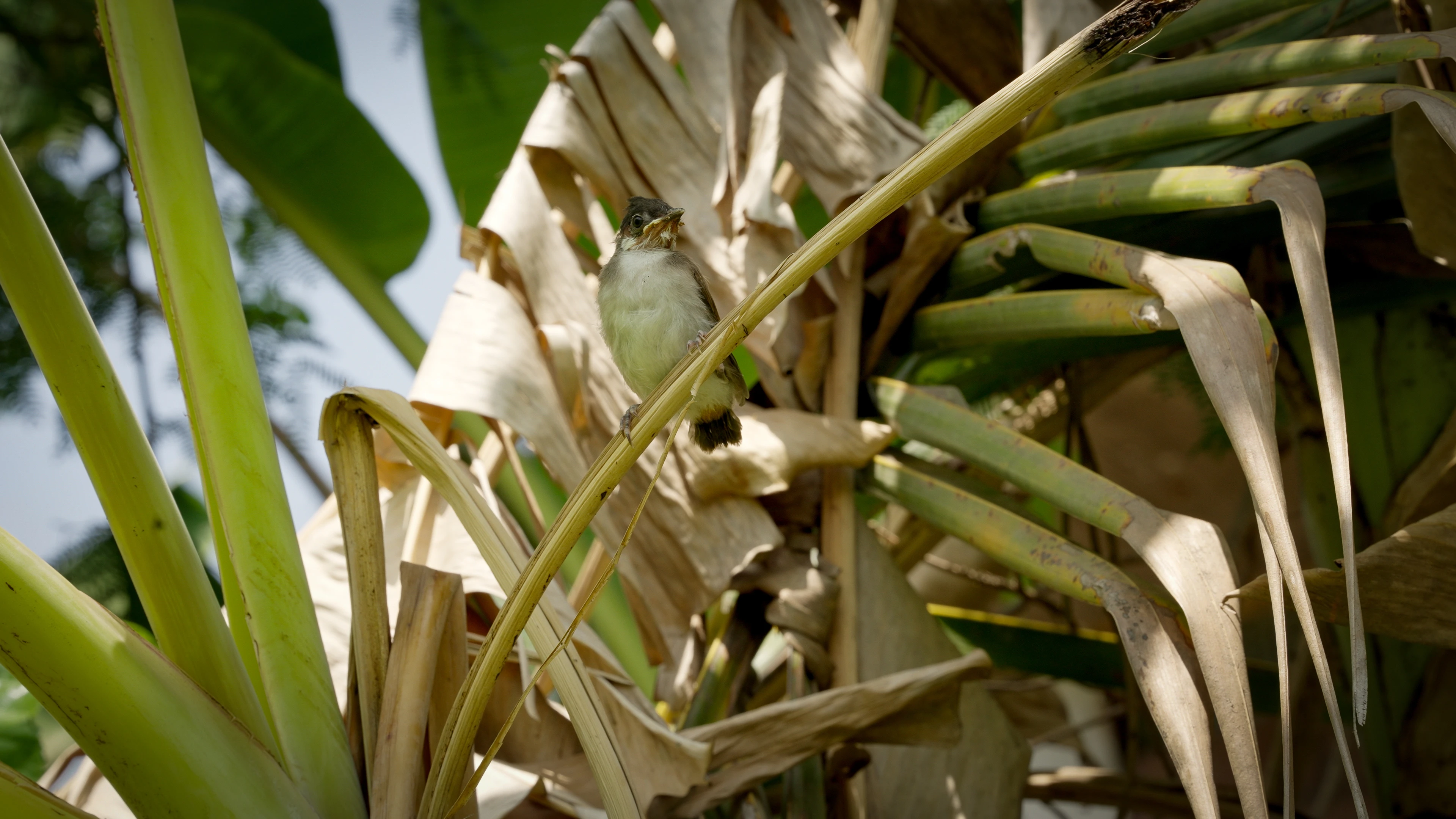
Many birds and animals picnic in Bada Bagh, including deer, rabbits, Indian brown hornbills and peacocks. These birds are natural pollinators, dispersing seeds in the trunks of mango trees, and interspersing wild fig, neem, and banyan in the orchard.
When Khan initially took over the farm, he wasn’t well-versed with how to tend to or conserve rare species. It was only in 2006, after connecting with organic farming collective Sahaja Samruddha, that his journey began gaining momentum.
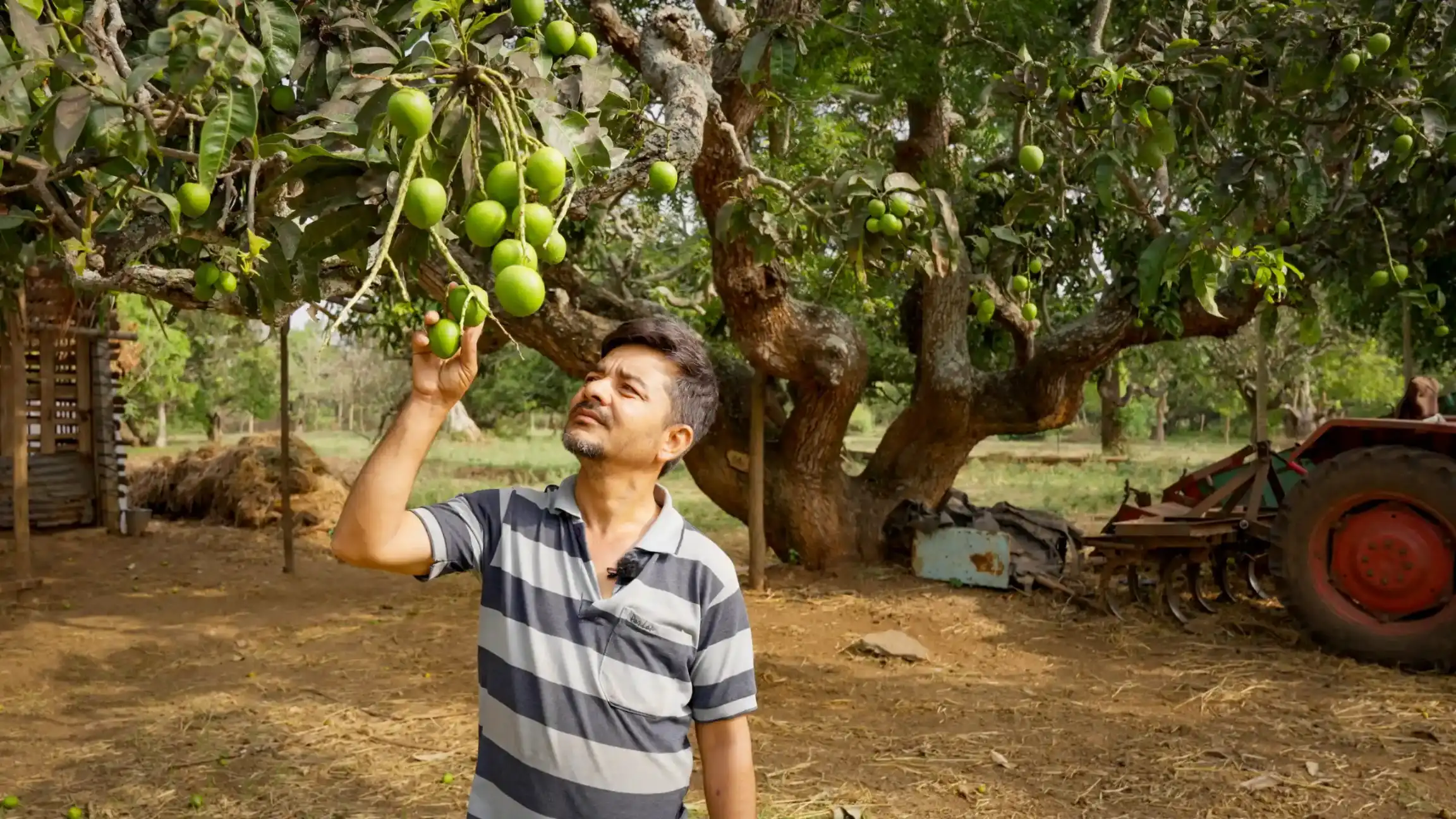
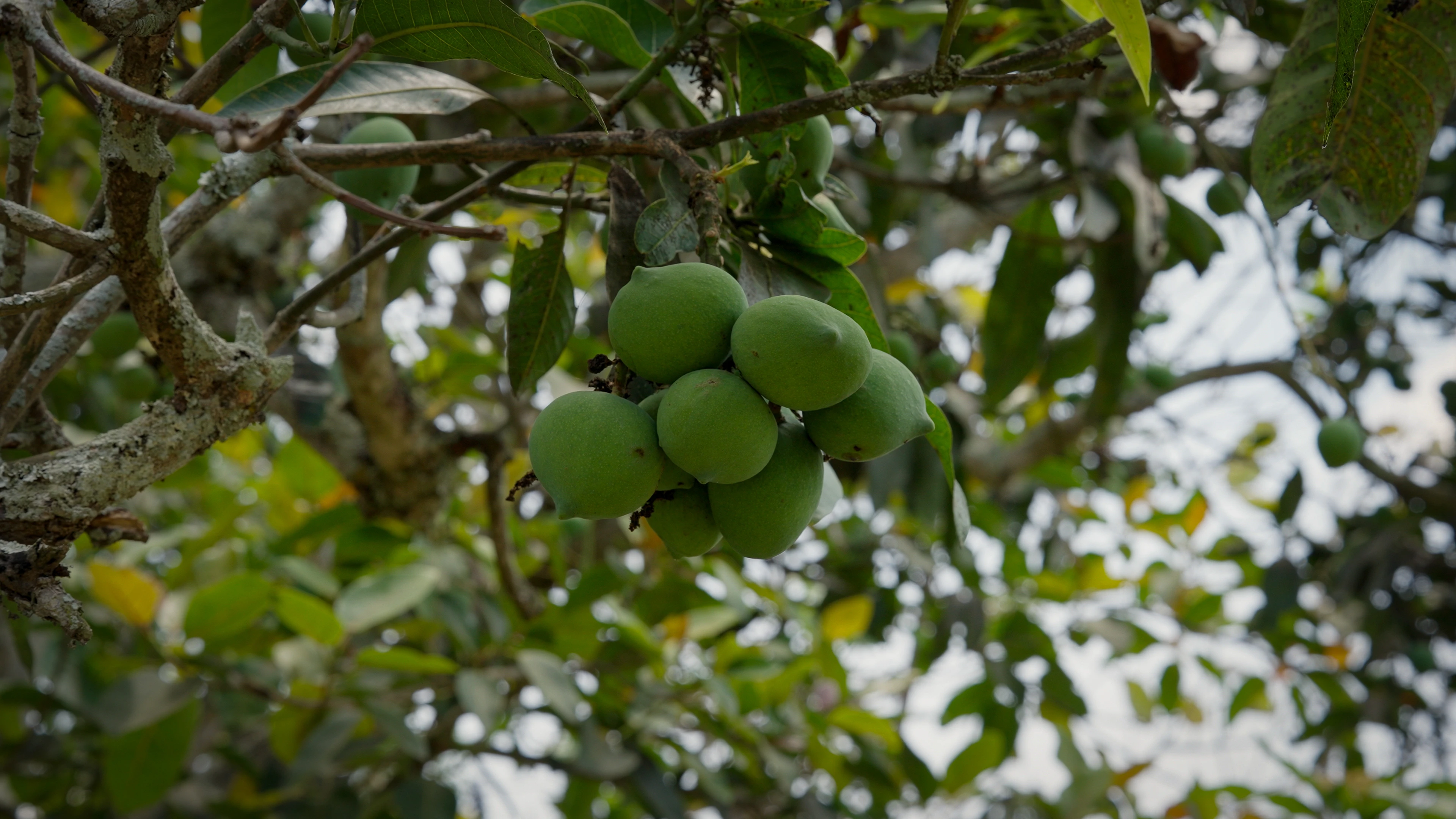
Though the local names of many mangoes were lost with the death of Khan’s grandmother, he recalls a few. For instance, when the ‘kauva pasand’ variety ripens, crows flock to the trees, lending the fruit its name. His own favourite is ‘manjhe bi pasand’, a saccharine mango that shrinks with time.
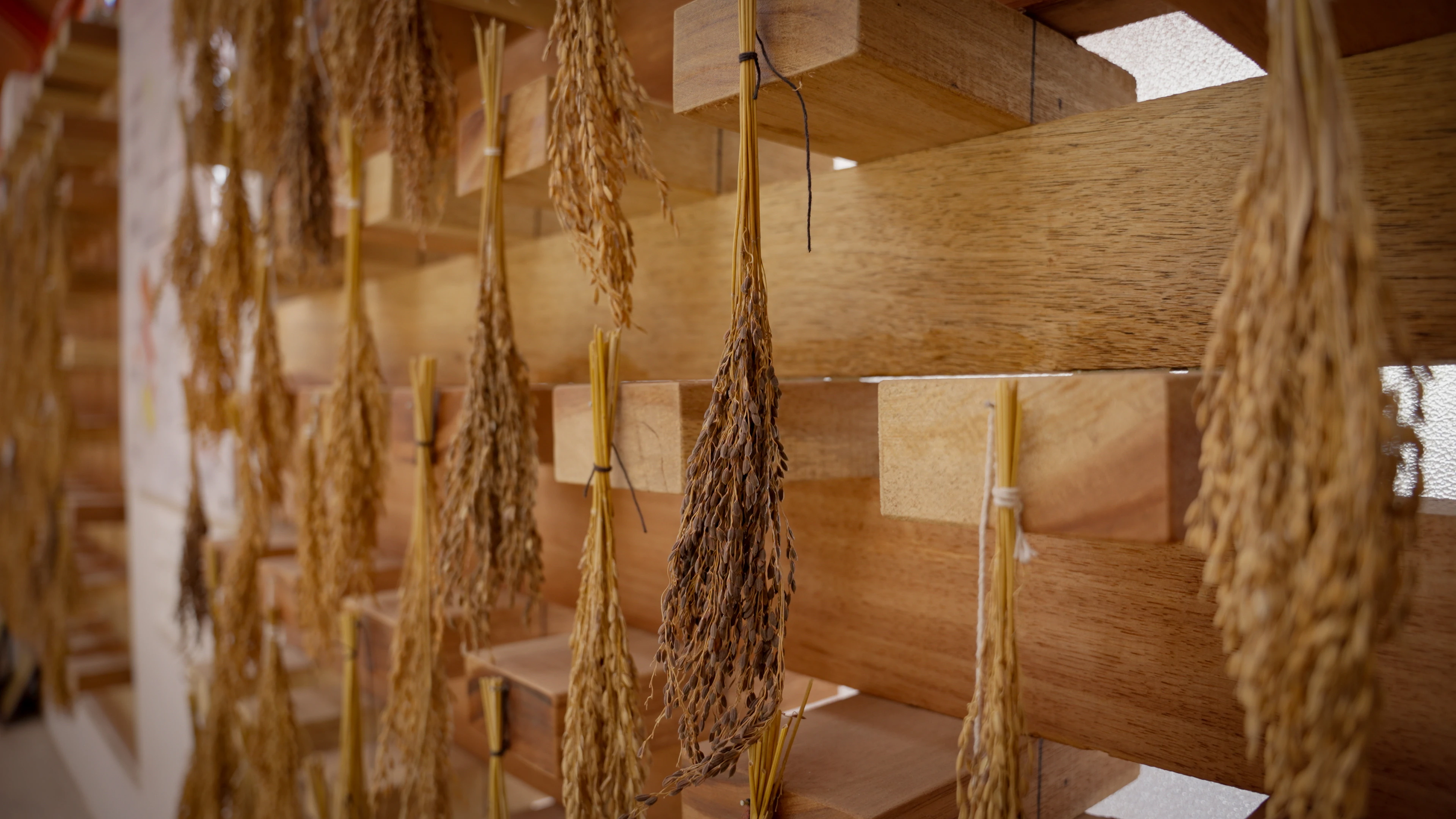
Many curious visitors, including farmers, students, and teachers, visit Bada Bagh and his rice museum. Khan helps farmers understand how they can grow and conserve mango varieties. His seed bank is a living archive which will ensure future generations are food-secure and can inherit ancestral agricultural knowledge.
Khan has been able to market his mangoes in cities like Bengaluru with the help of the Sahaja Samruddha, and they have been an instant hit. One variety, farha, which matches the Alphonso in taste and pulp quality, is especially popular.
Khan was also ahead of his times in recognising that hybrid varieties demanded heavy inputs of chemicals, fertilisers, and water in exchange for high yields.
.jpg)