In Ladakh’s cold desert, sisterhood and polyhouses thrive

The use of polyhouses to grow vegetables has made the diets of women in the Kesar village more nutritionally secure

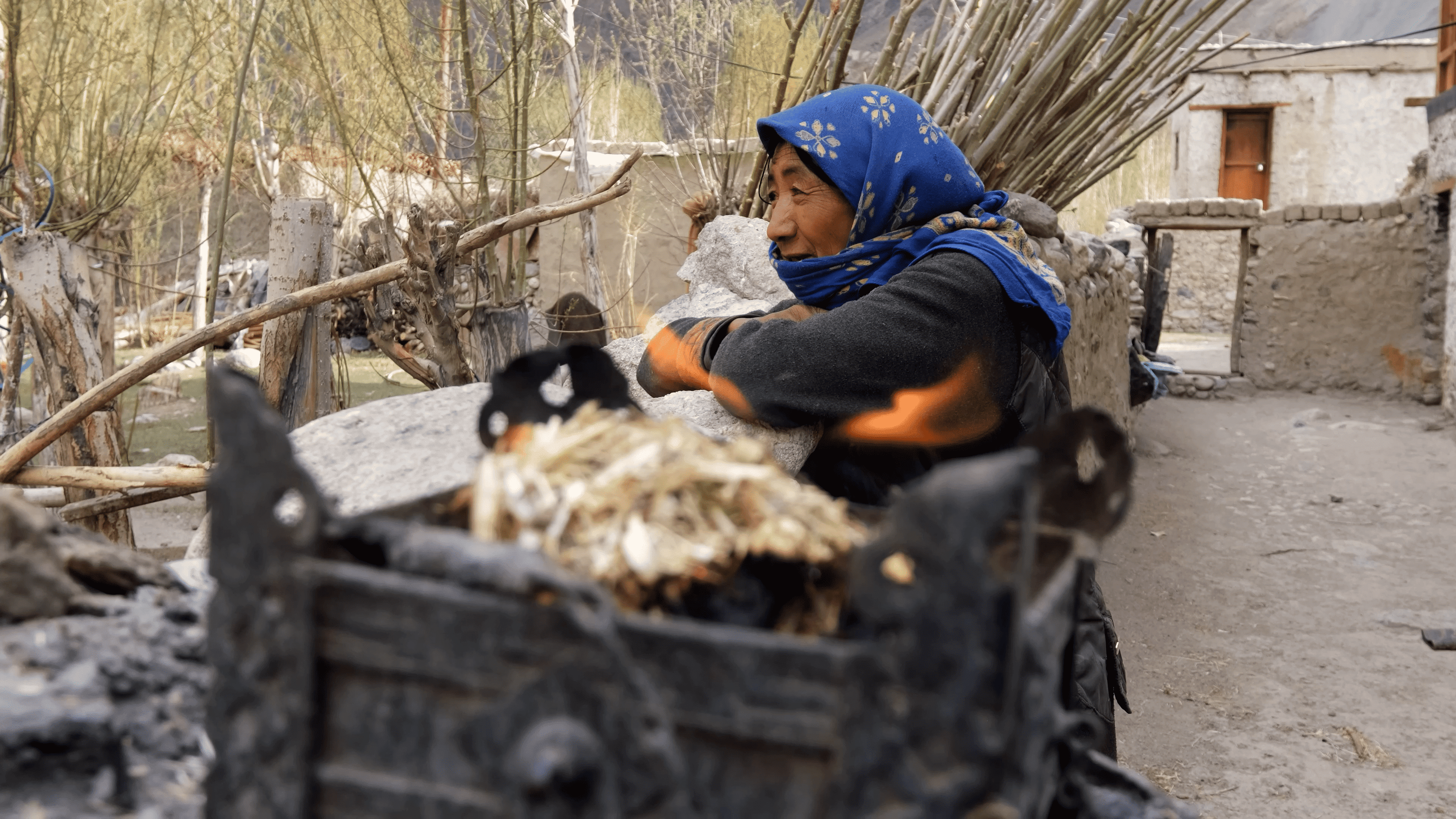
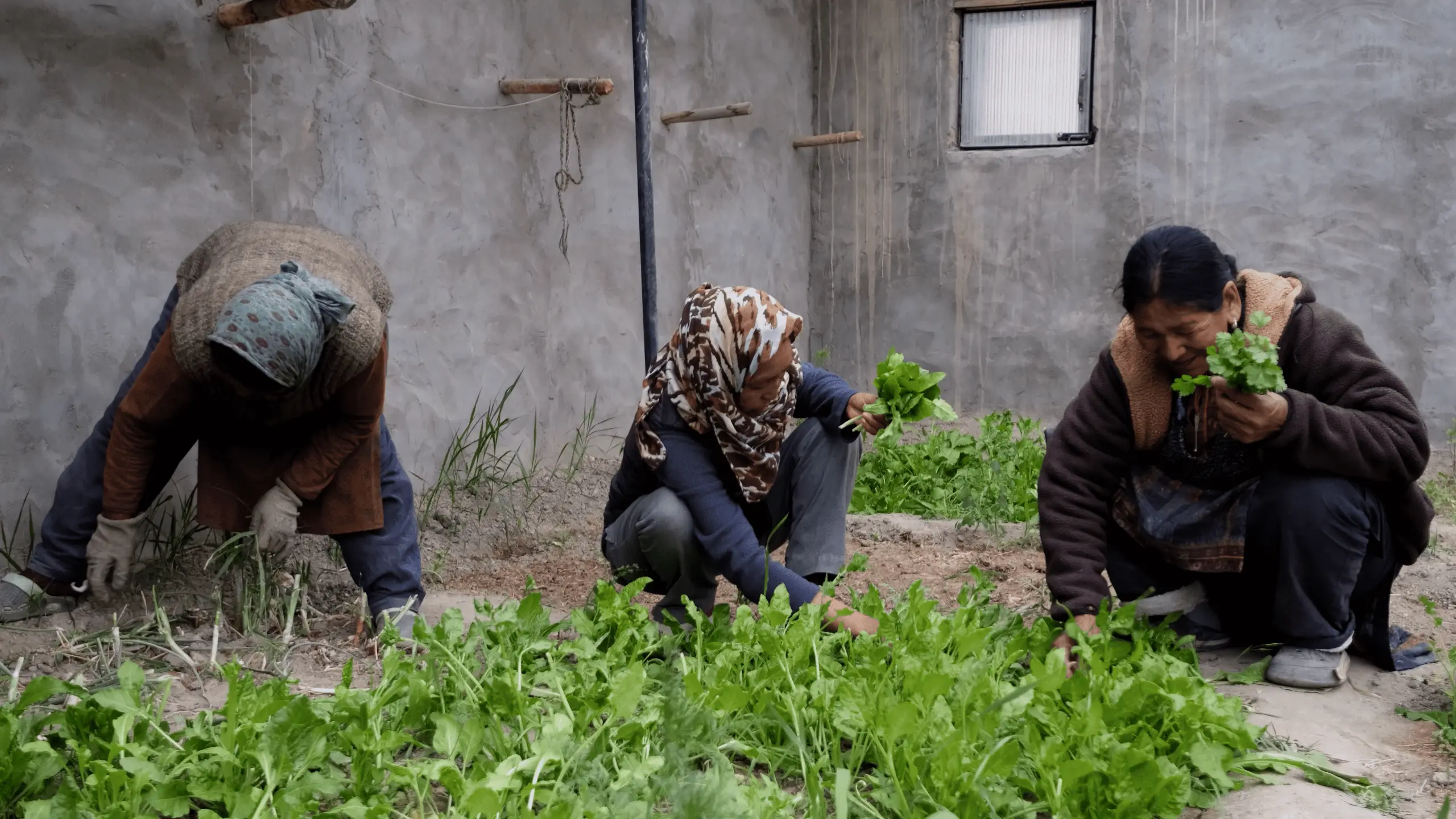
In Ladakh’s Changthang Plateau, silence hangs heavy in the air. Winter temperatures plummet to –30°C, making even survival challenging, and farming near impossible. In many villages, women are left alone to battle these conditions, since men are drawn away to cities in search of employment.

The wheat, barley, and potatoes they grow during the warmer period from May to September have to last through the year. In the past, any other vegetables they opted for were expensive, since they had to be bought from Leh and could only be accessed by taking a weekly bus to the city. This resulted in a very precarious diet—one that was sparse even in the best of times, and vulnerable to the vagaries of the weather at its worst.

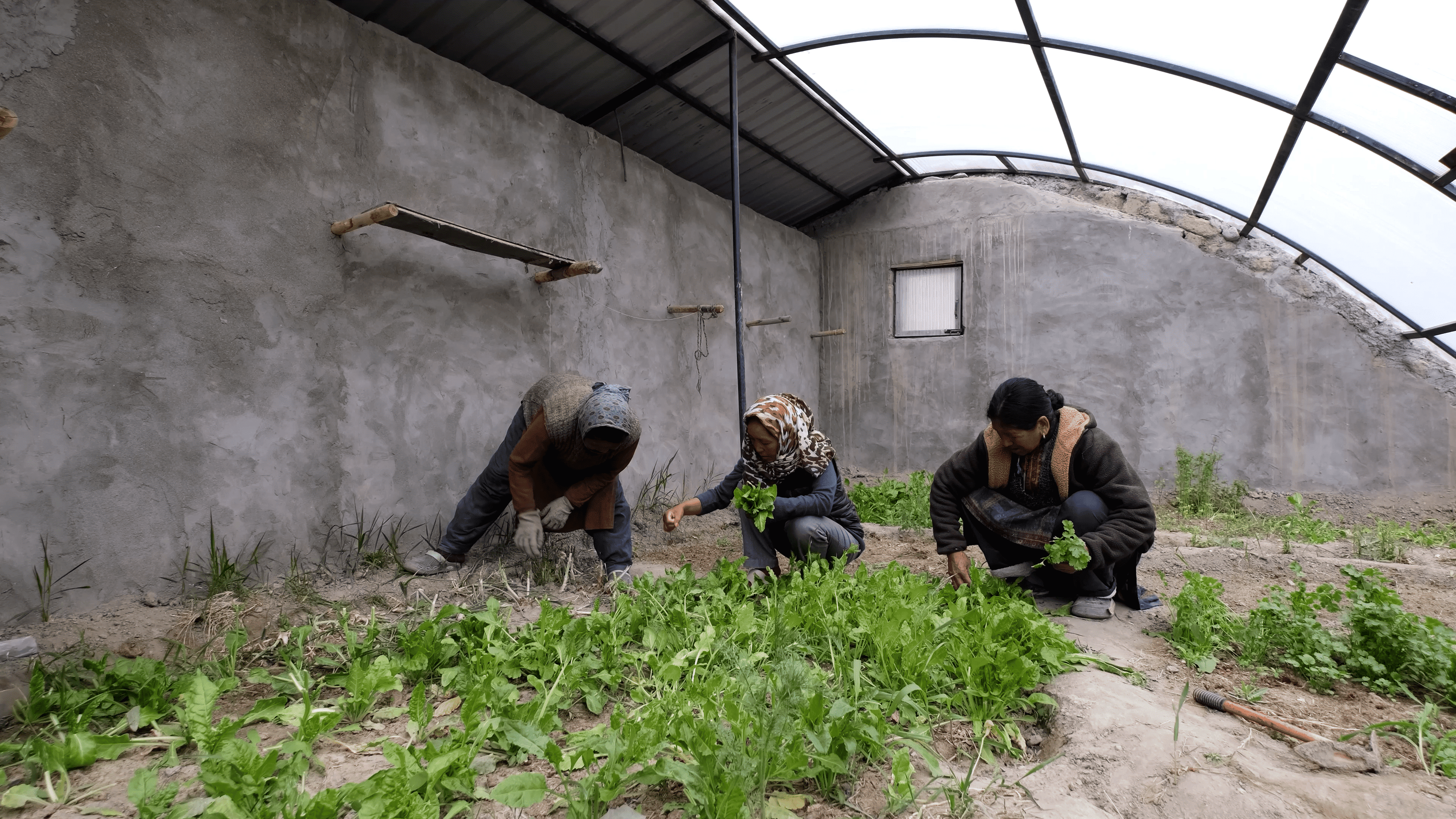
In 2023, the Sher-e-Kashmir University of Agricultural Sciences and Technology–Jammu introduced polyhouses—an advanced form of greenhouses—to the Kesar village, which is home to all of 17 women. The polyhouses allow them to grow vegetables irrespective of how cold it is outside, and have transformed their lives in more ways than one. 

–Text by Durga Sreenivasan

Polyhouse farming has enabled women to grow their own produce and nourish themselves in the cold desert.

No items found.
No items found.
01
/
12
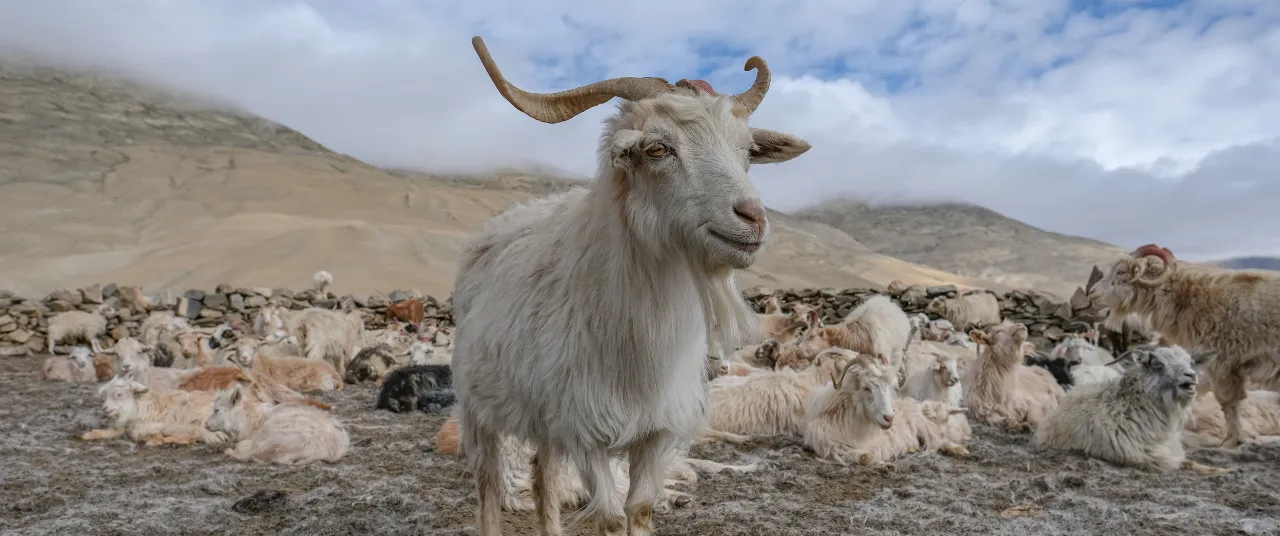
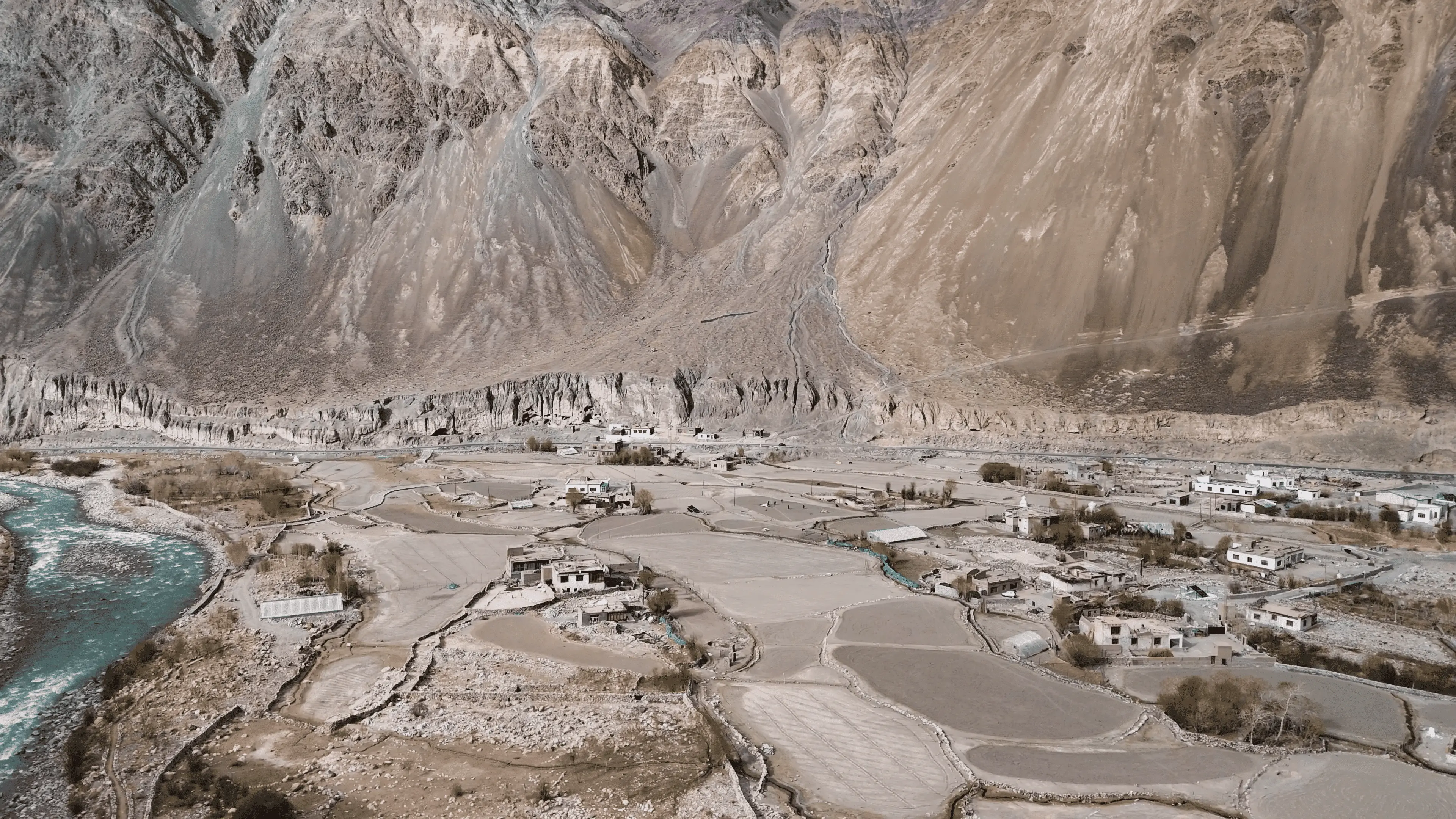
Ladakh is a breathtaking expanse of plateaus and valleys, all conforming to the mute palette of brown and grey. Located almost 4000 m above sea level, the region is unforgivingly cold, with temperatures falling to –30°C in winters.
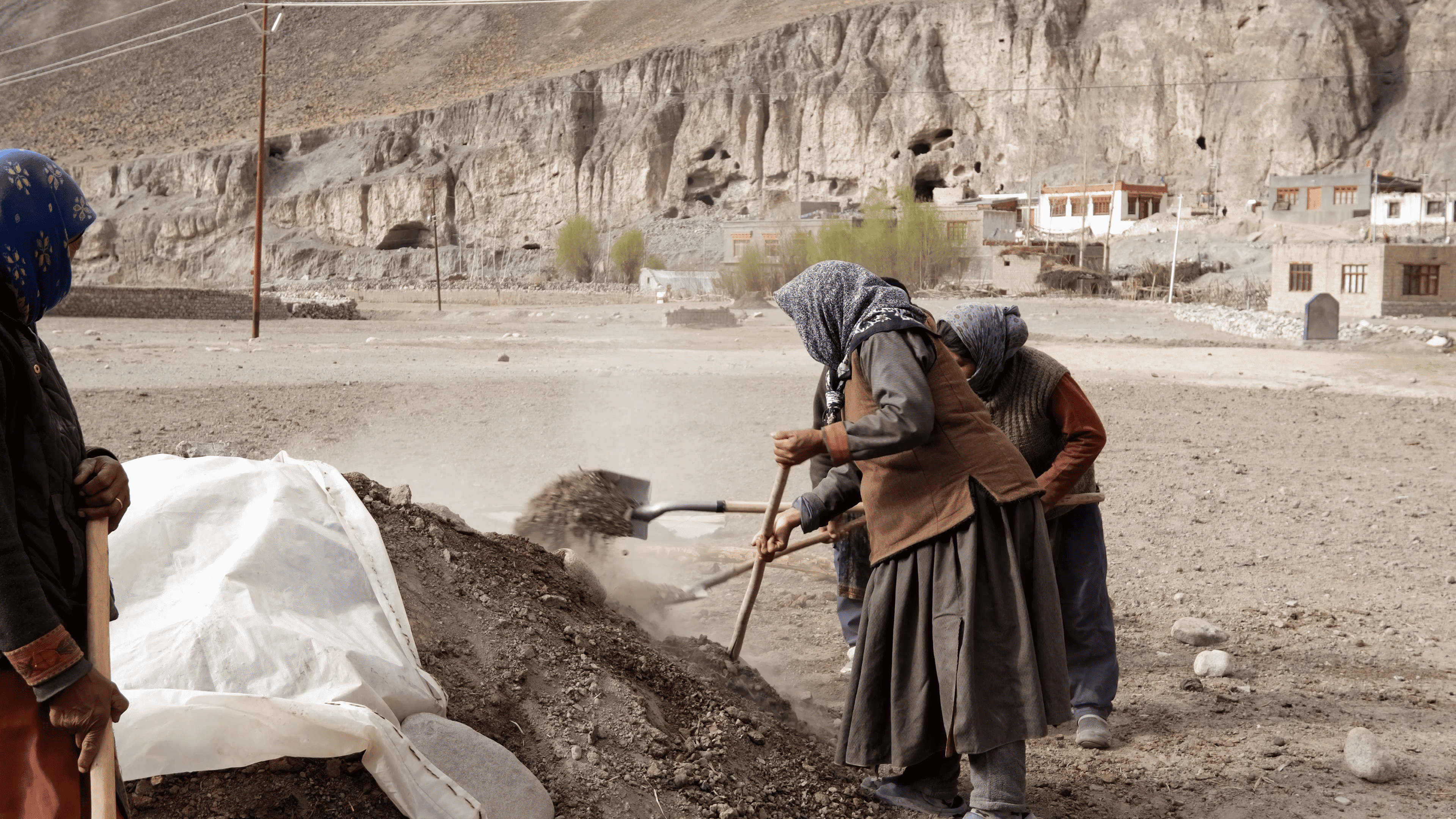
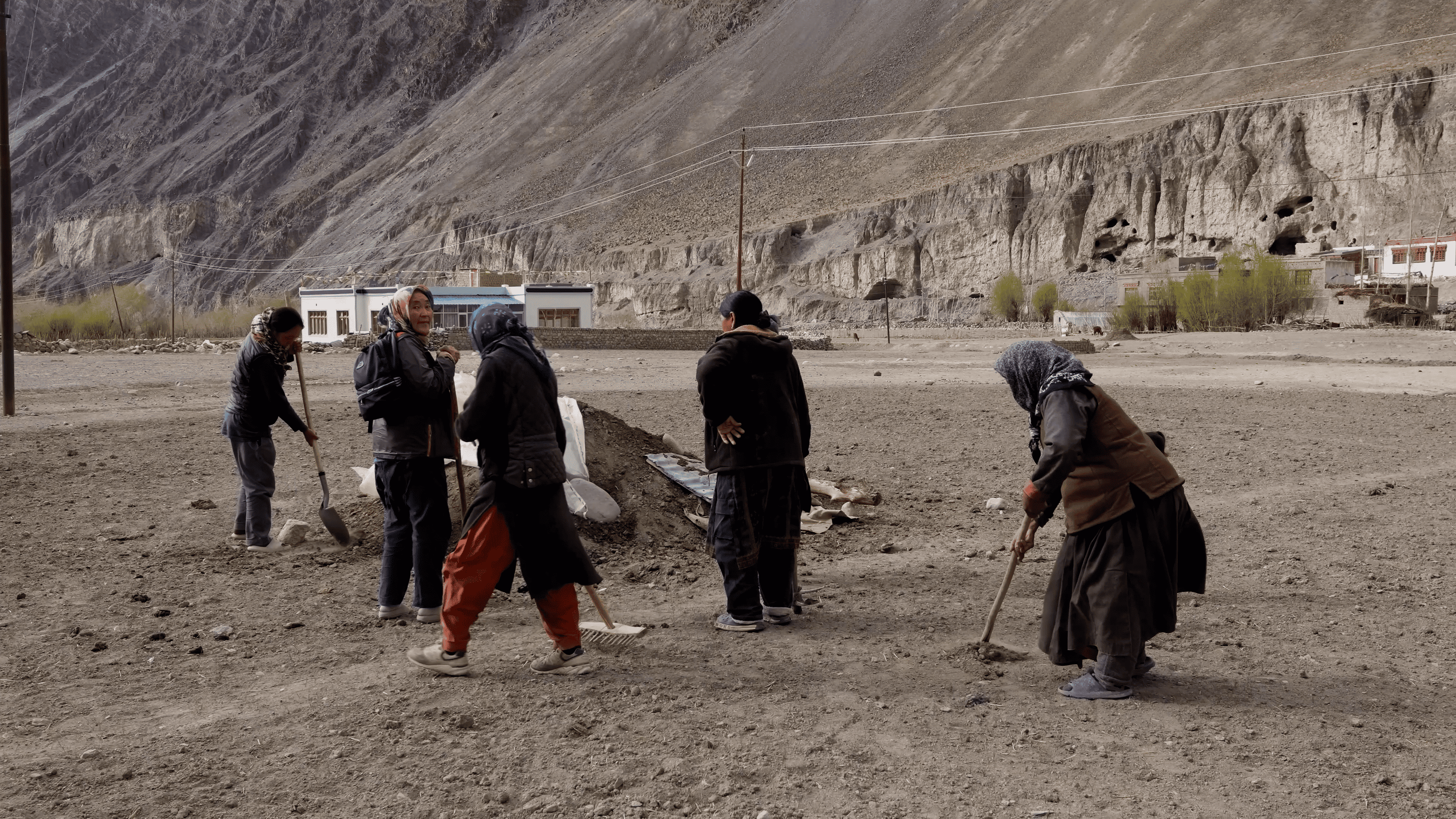
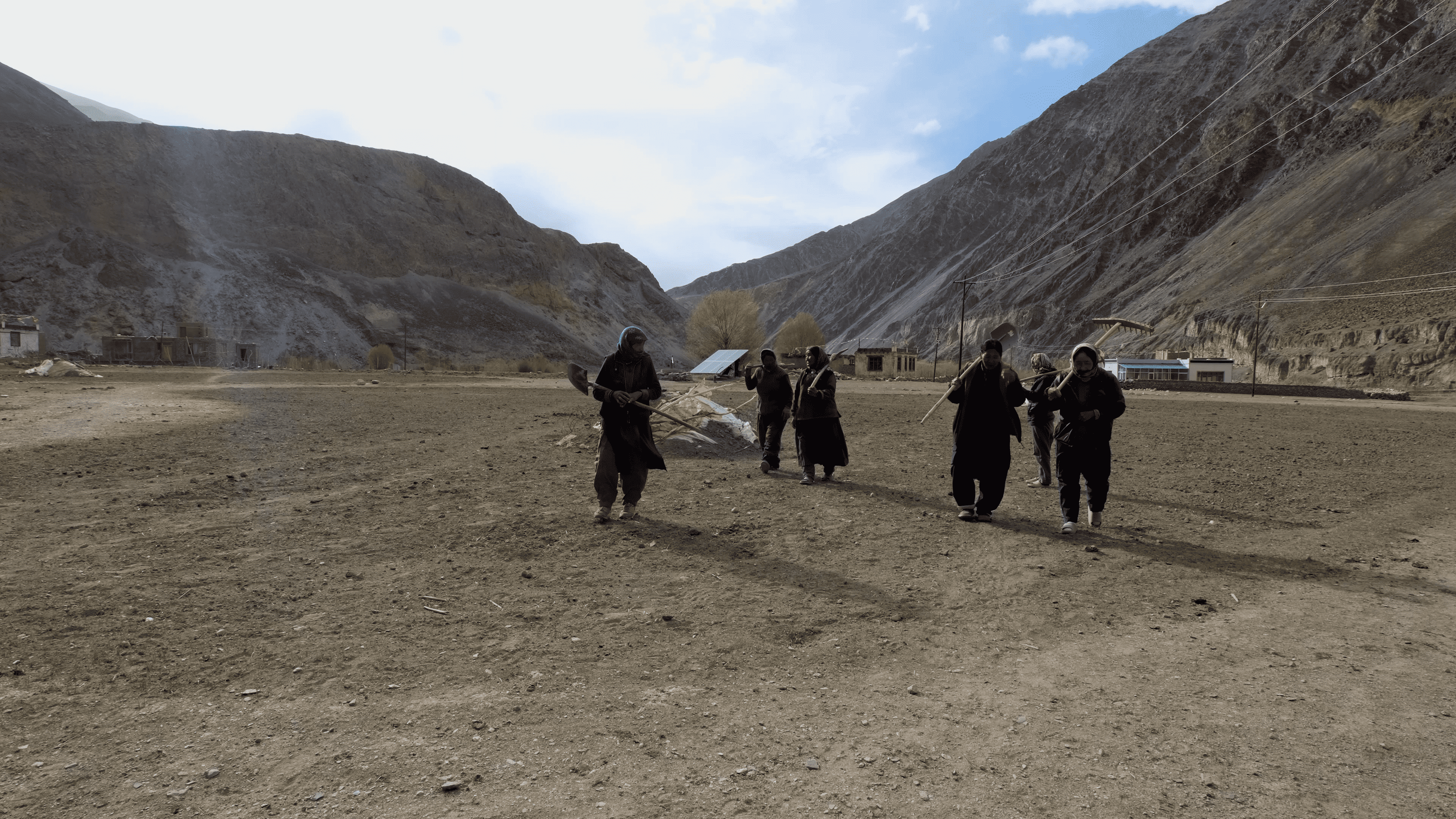
Situated 180 km away from the administrative capital of Leh lies Kesar village, whose landscape features a handful of households and bare, sandy fields.
With opportunities for employment in the village being slim, the men migrate to far-off cities like Leh in search of work. The women stay behind to raise the children and keep the village alive.
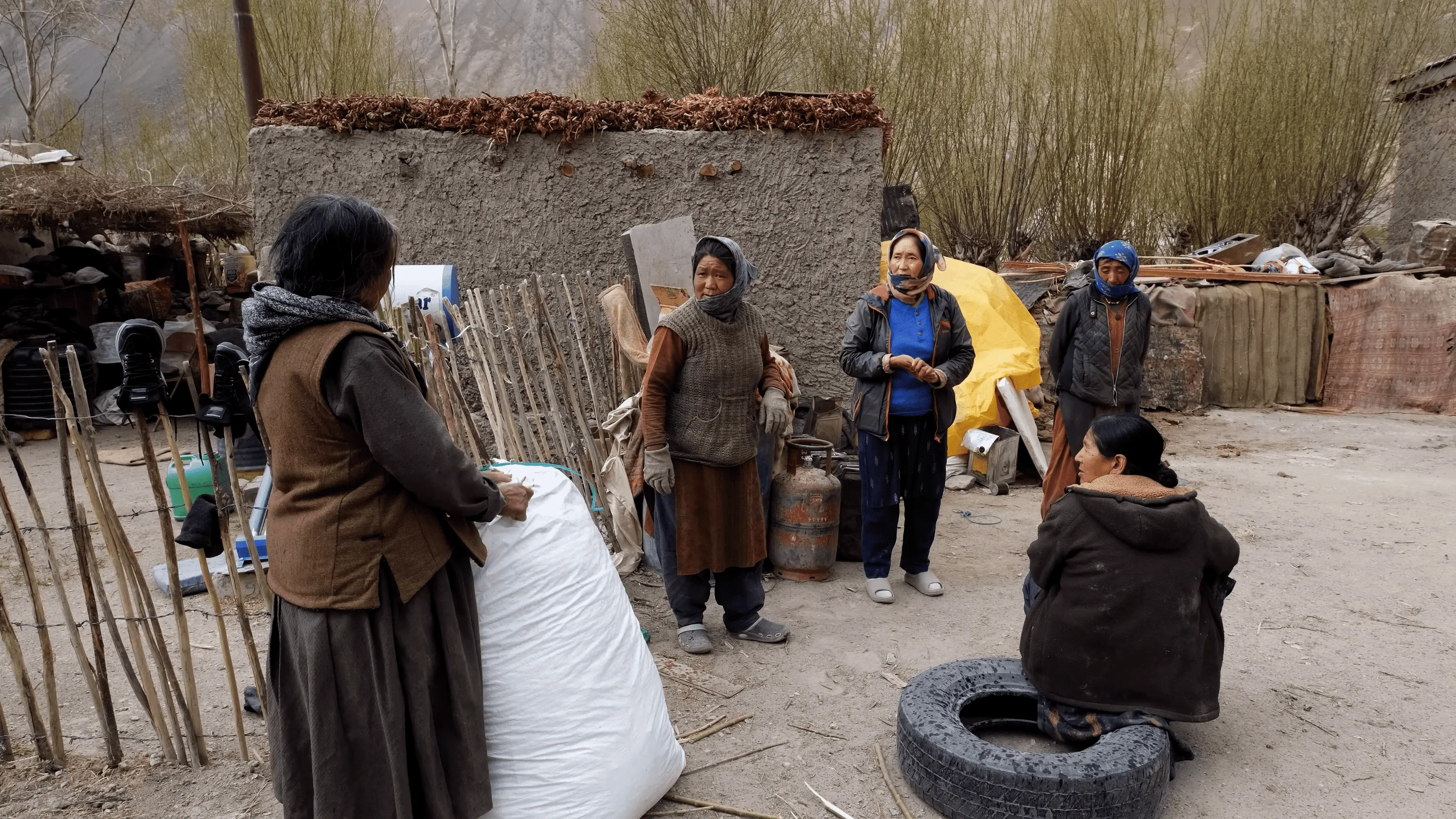
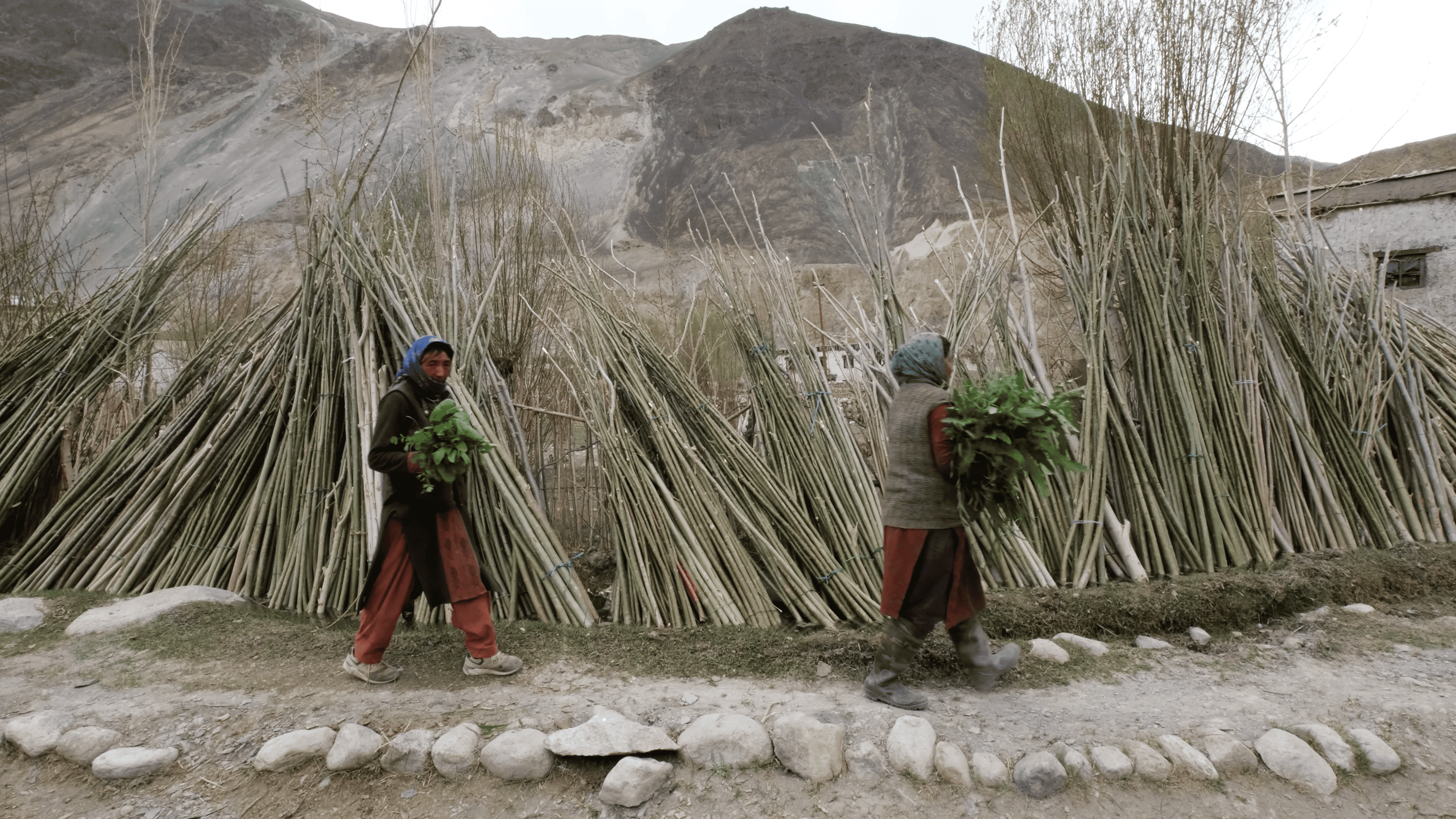
A sisterhood emerges from this enforced loneliness. The women sow and harvest crops together, cook and eat together, and sleep over at each other’s homes.
But in that harsh terrain, all they could grow for themselves is wheat and barley. Everything else, be it lentils or vegetables, had to be bought from Leh at wallet-pinching prices.
It was this problem of food security that Sher-e-Kashmir University of Agricultural Sciences and Technology (SKUAST, Jammu) aimed to solve by introducing polyhouse farming to the village in 2023.
Polyhouses function as advanced greenhouses made of brick walls and plastic roofs; they trap solar radiation and maintain warmth to allow for year-round cultivation of vegetables.
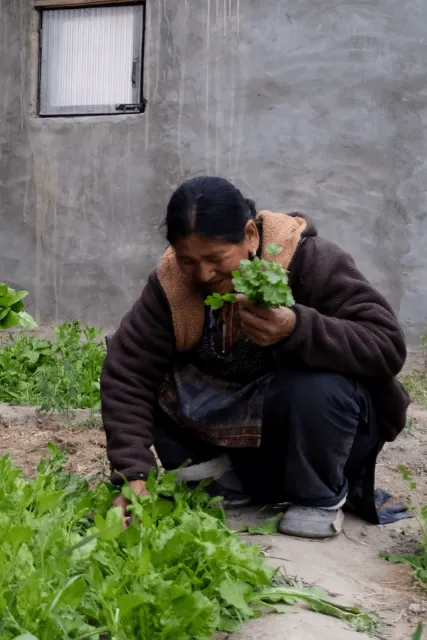
The women have enthusiastically picked up on the fundamentals of this new technology. Kesar village’s polyhouses now thrive with lettuce, cucumbers, potatoes, and even small watermelons! “As we get more familiar, we’ll try different things!” they smile and say.
This intervention infuses purpose into their daily lives. The women look forward to experimenting with growing new vegetables in the polyhouse, and then preparing them in new dishes to accompany their staple food of rotis and sattu.
In freezing temperatures, the incorporation of a handful of vegetables in their diets has been transformative. They bring nutrition and hope to a sisterhood that anchors itself with an admirable warmth of spirit.

You might also like

See all
Is your food nutritious or only fast?
Are there heavy metals in your vegetables?
Does your food contain Microplastics?
Are your food habits disrupting the ecological balance?
Nibble right, Save the PLANET'S MIGHT!
Is your food nutritious or only fast?
Are there heavy metals in your vegetables?
Does your food contain Microplastics?
Are your food habits disrupting the ecological balance?
Nibble right, Save the PLANET'S MIGHT!