King of fruits
Palakkad farmer Shankaran Namboothiri has conserved over 700 species of mangoes in an attempt to create a gene bank
May 7, 2025
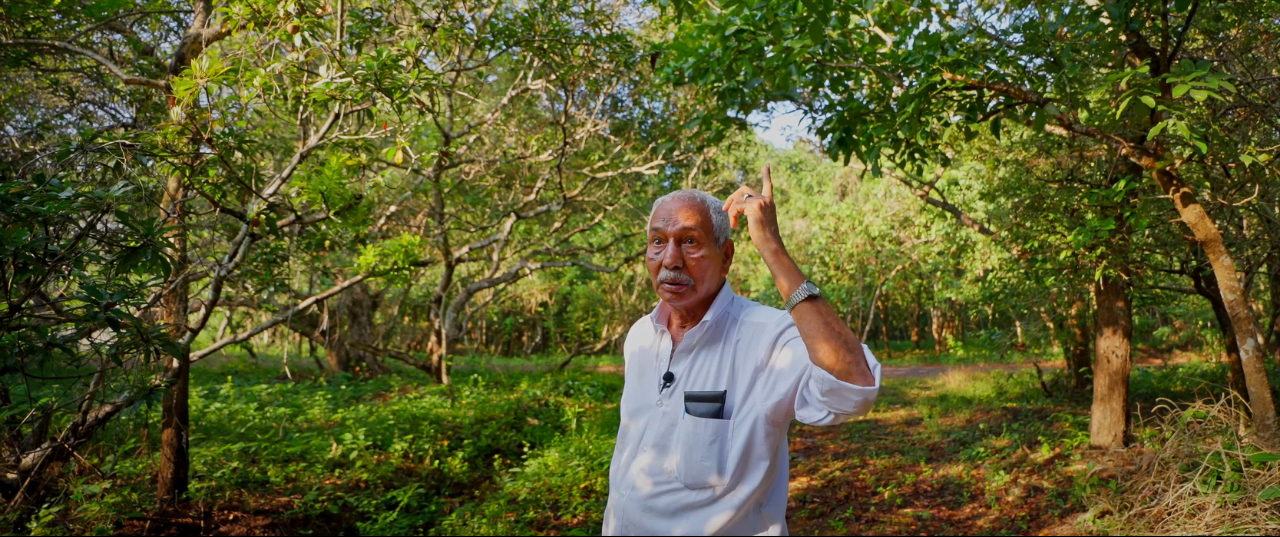
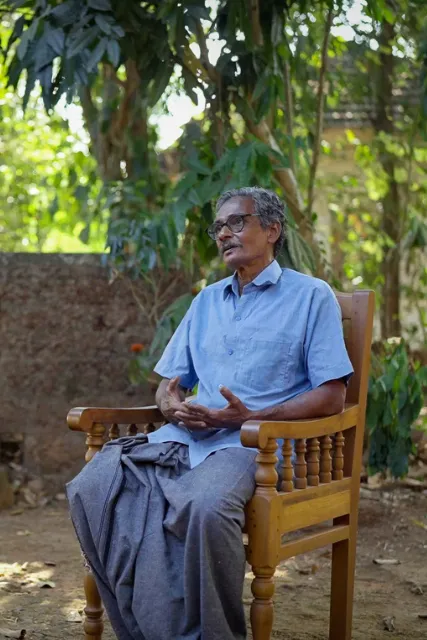
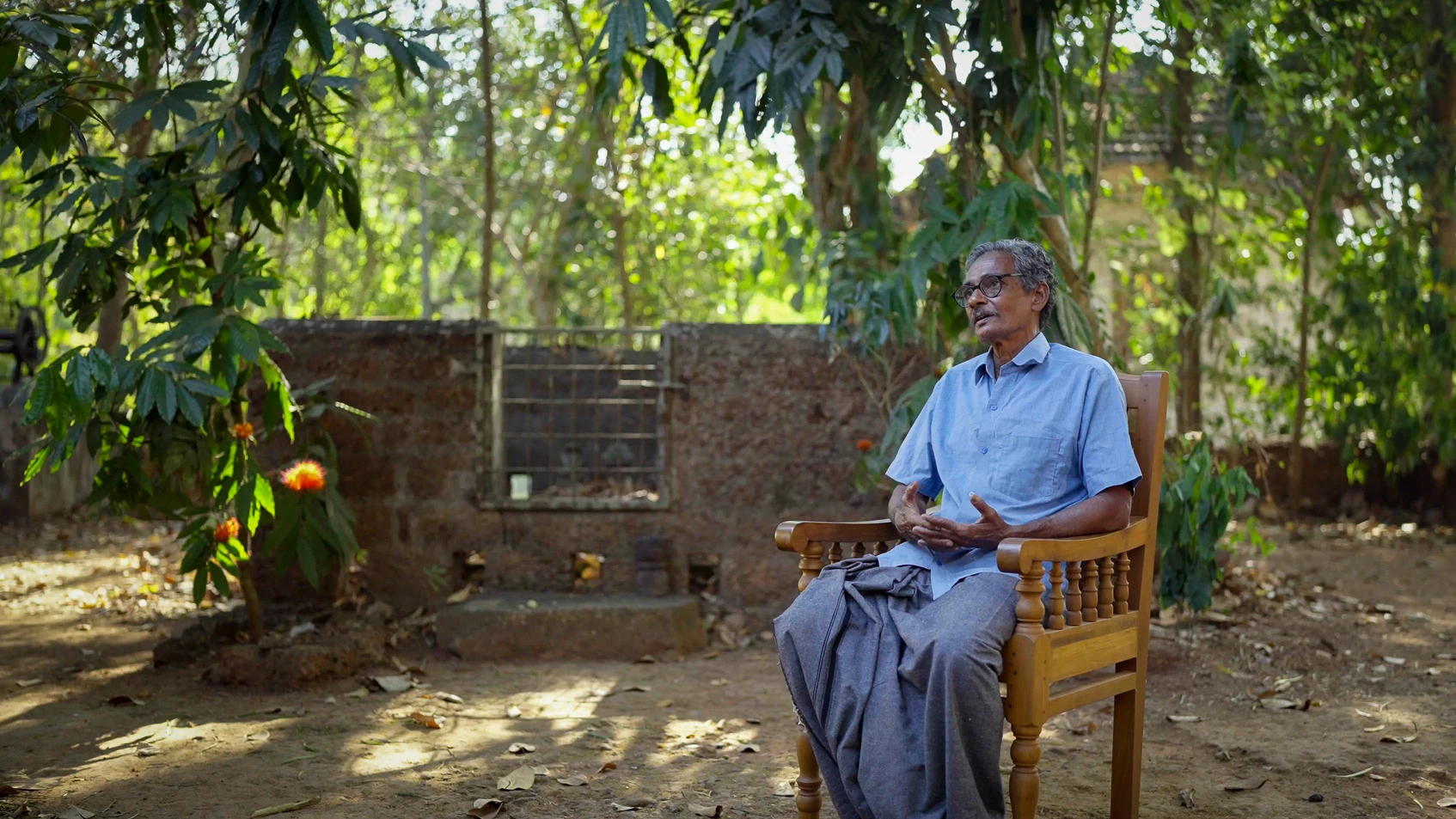
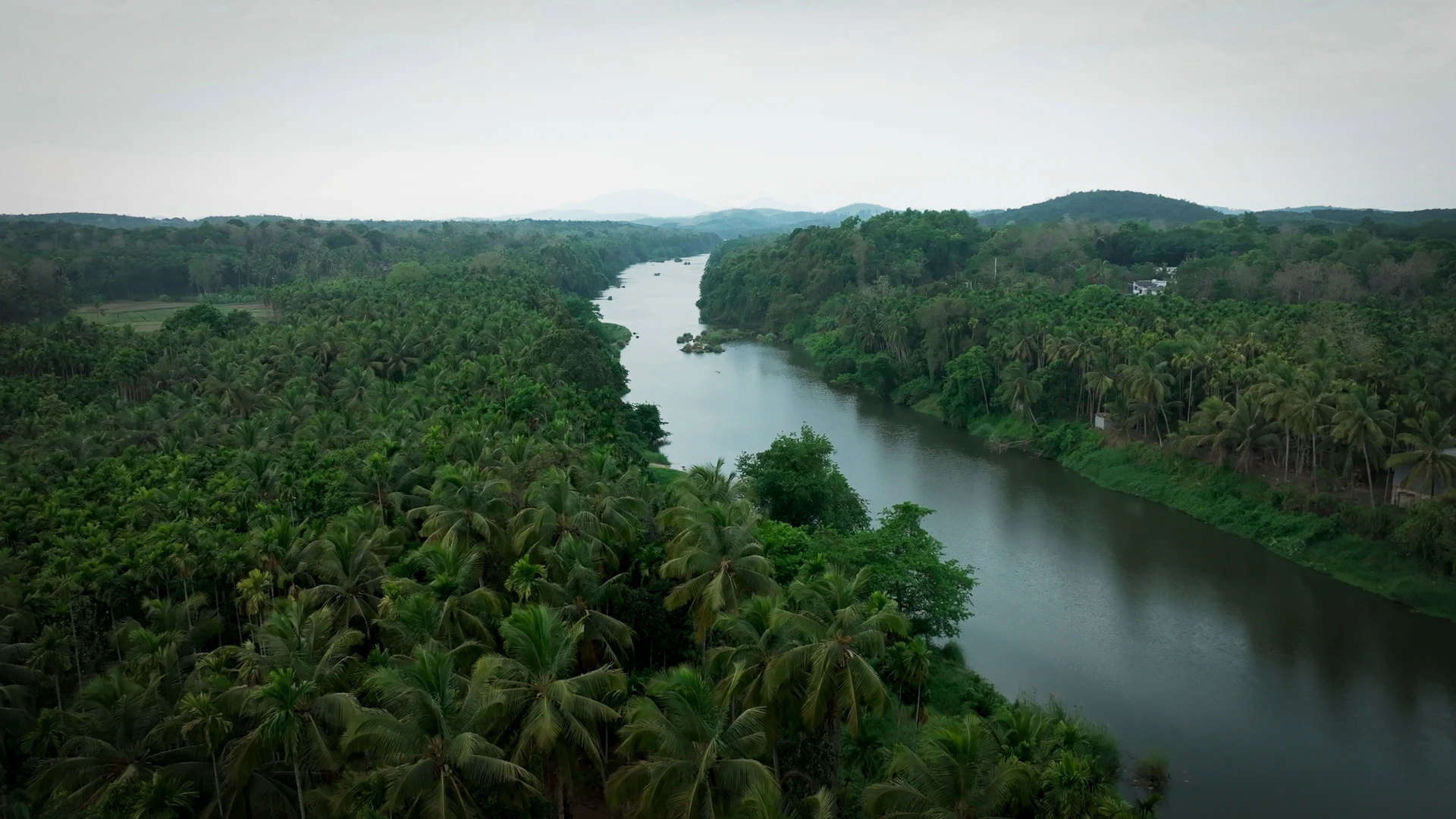
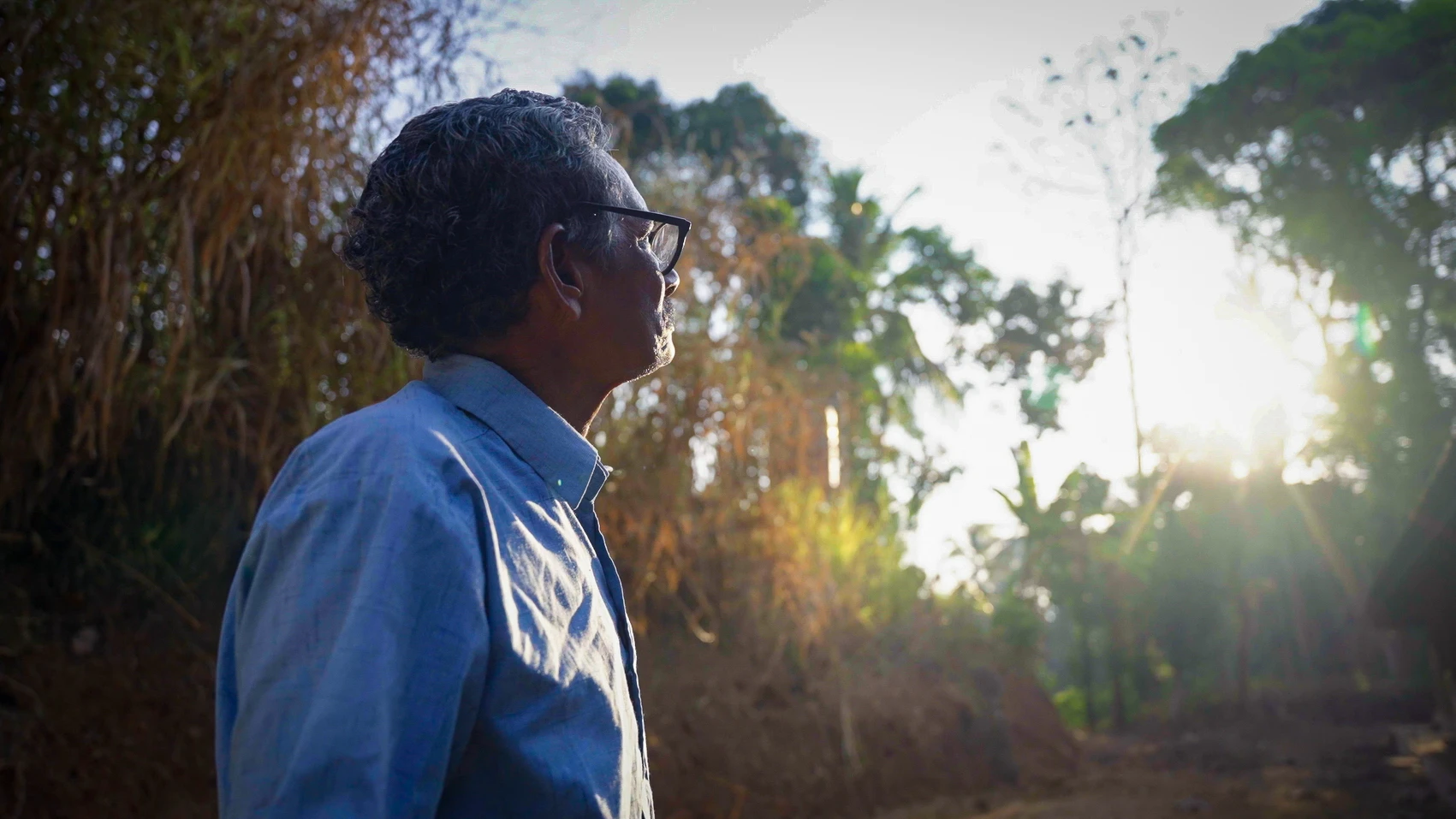
Palakkad, the largest paddy growing district in Kerala, is considered its rice bowl. Despite this reputation, for many farmers, cultivating paddy has become synonymous with dwindling returns and parched soil. As disillusionment about rice varieties began to take root, Shankaran Namboothiri realised that growing them was not economically sustainable. Born into a farming family, he undertook a radical mission: to cultivate sustainable practices and restore ecological balance.
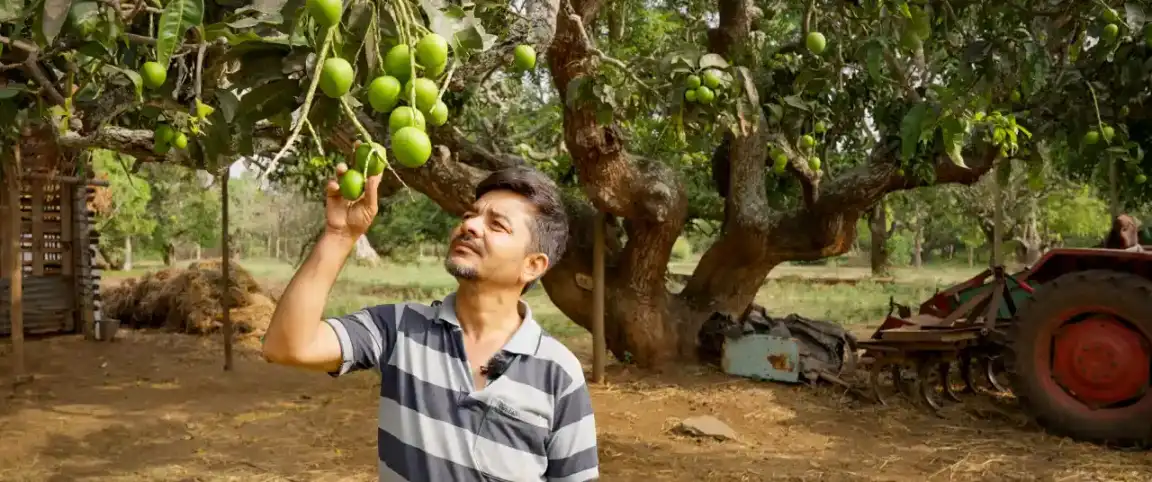
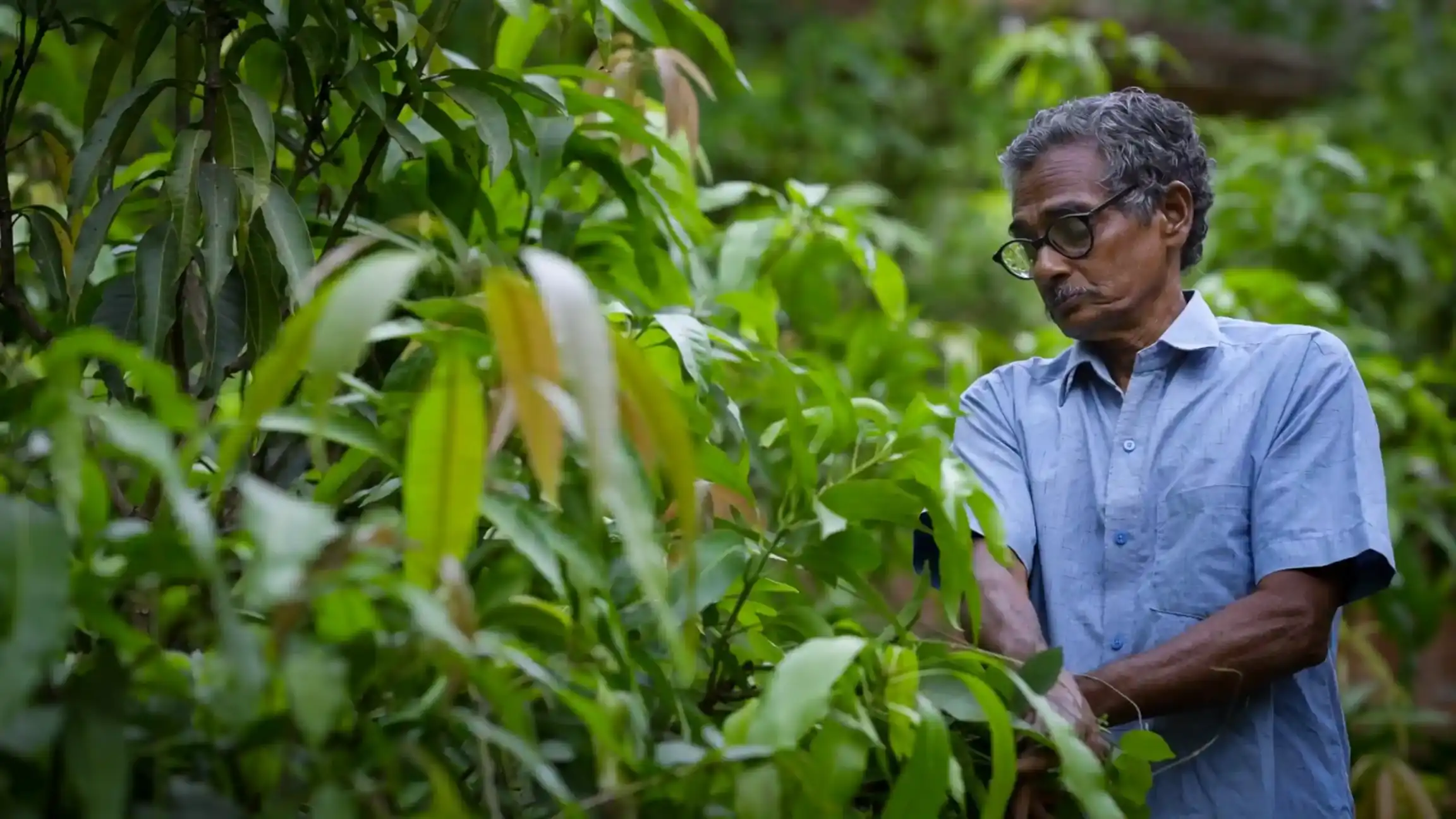
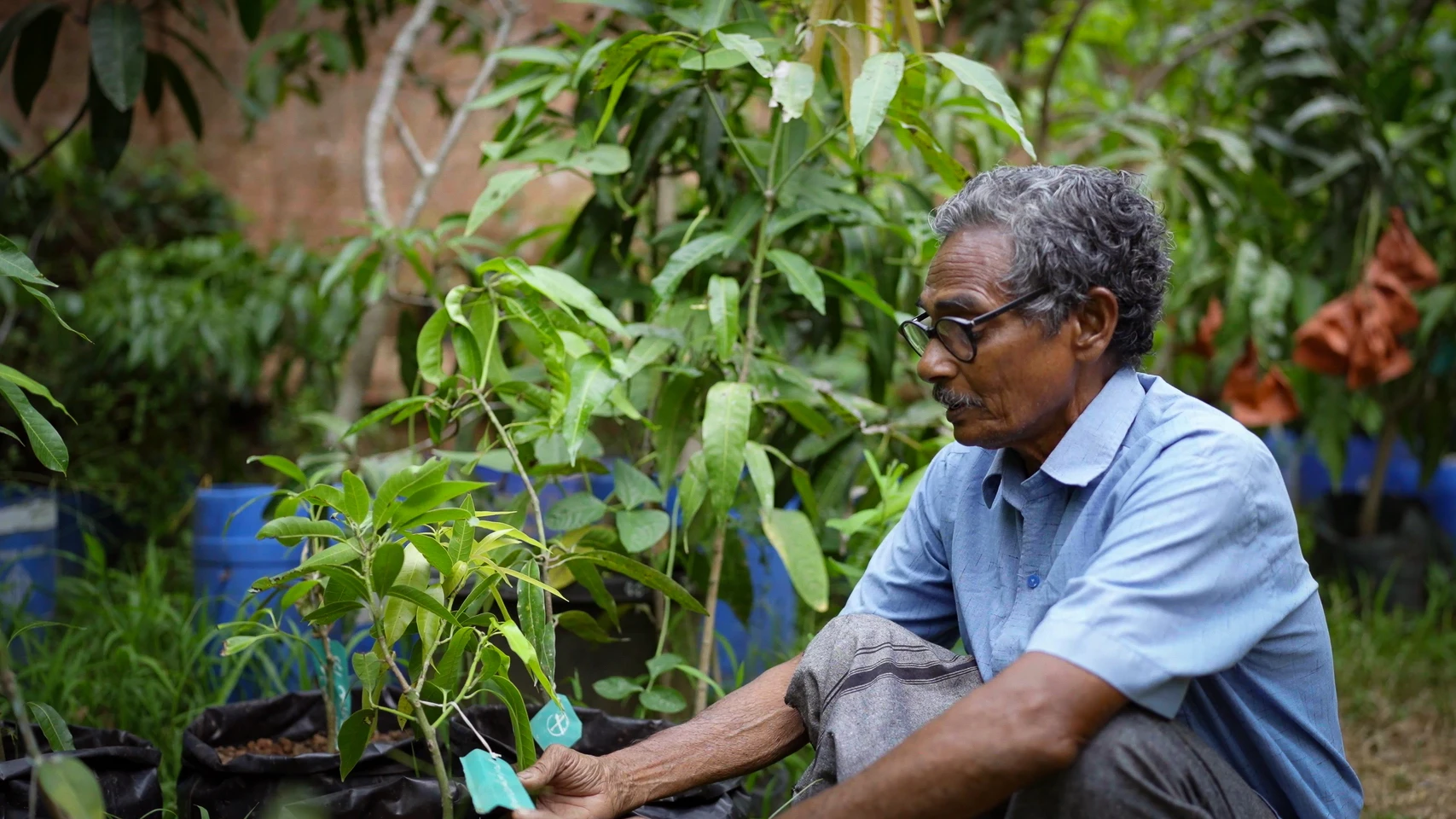
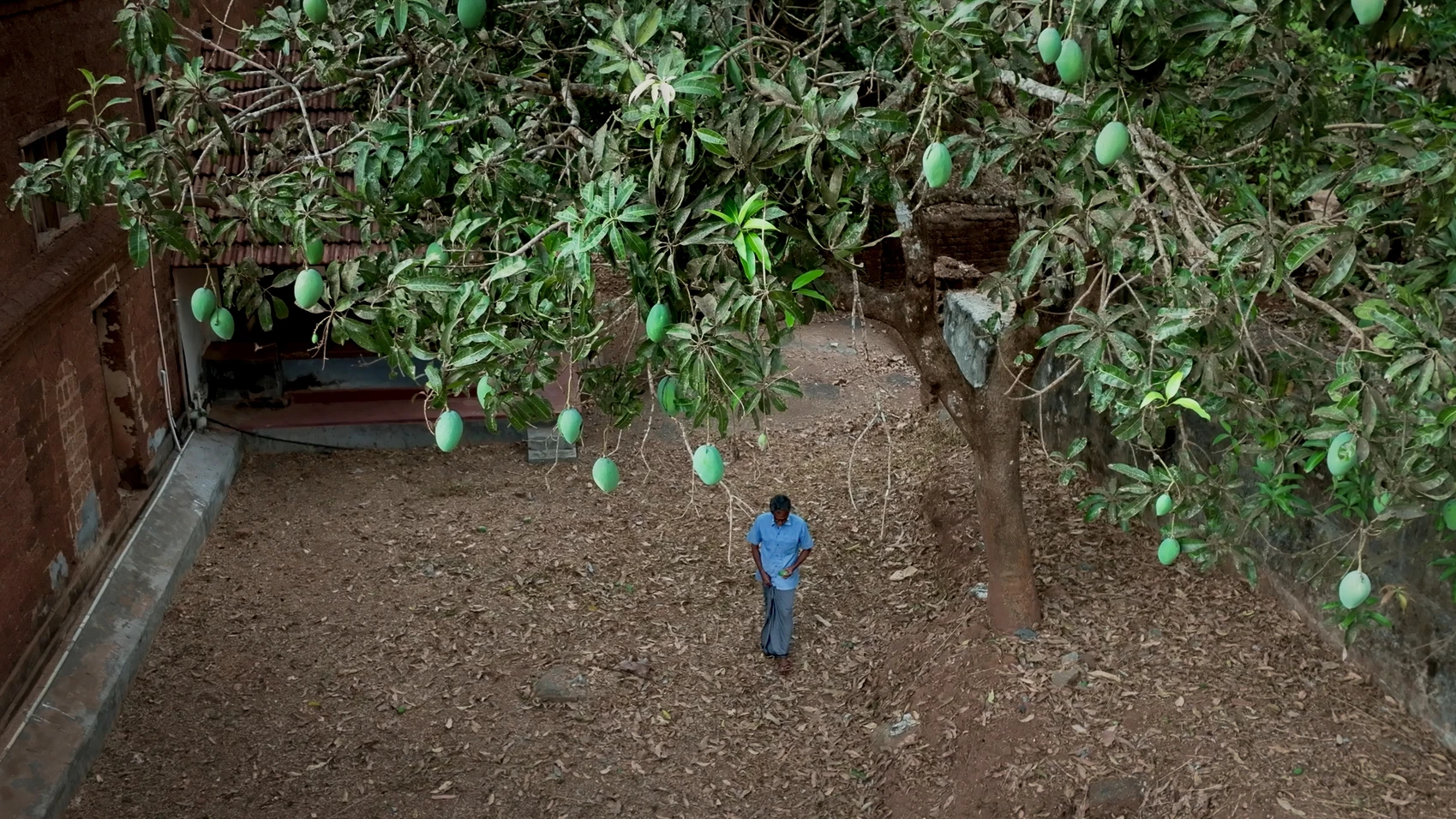
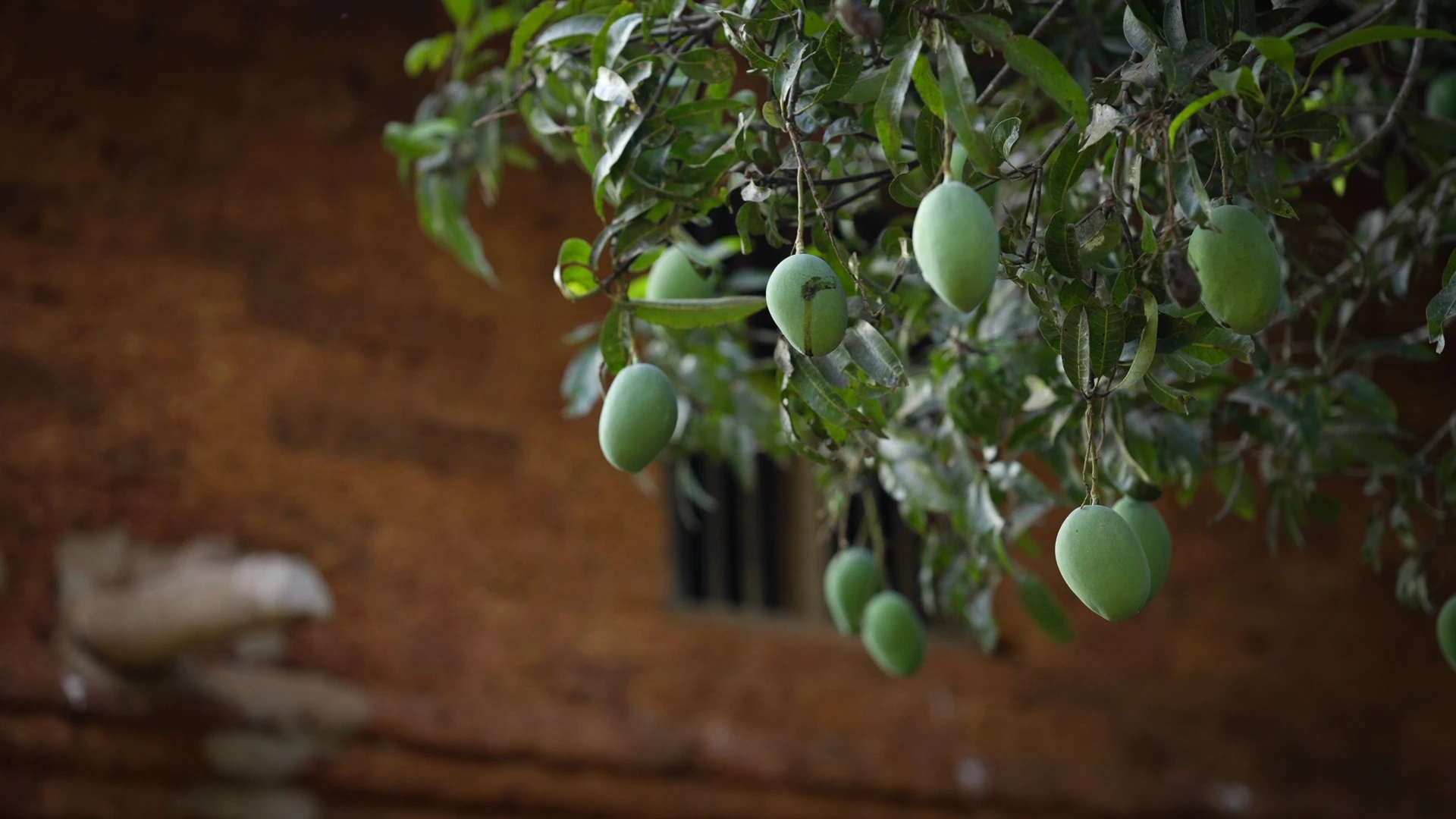
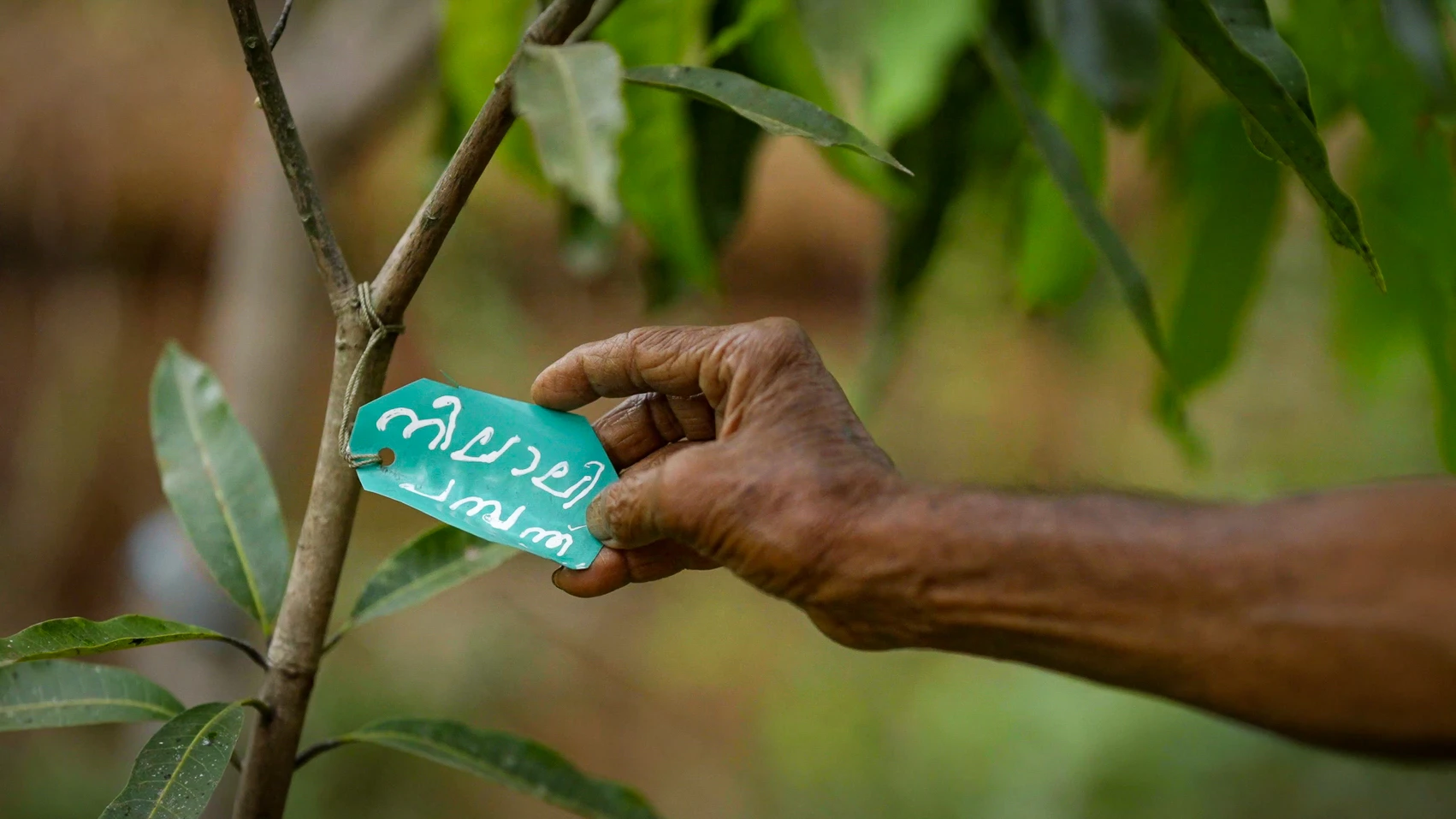
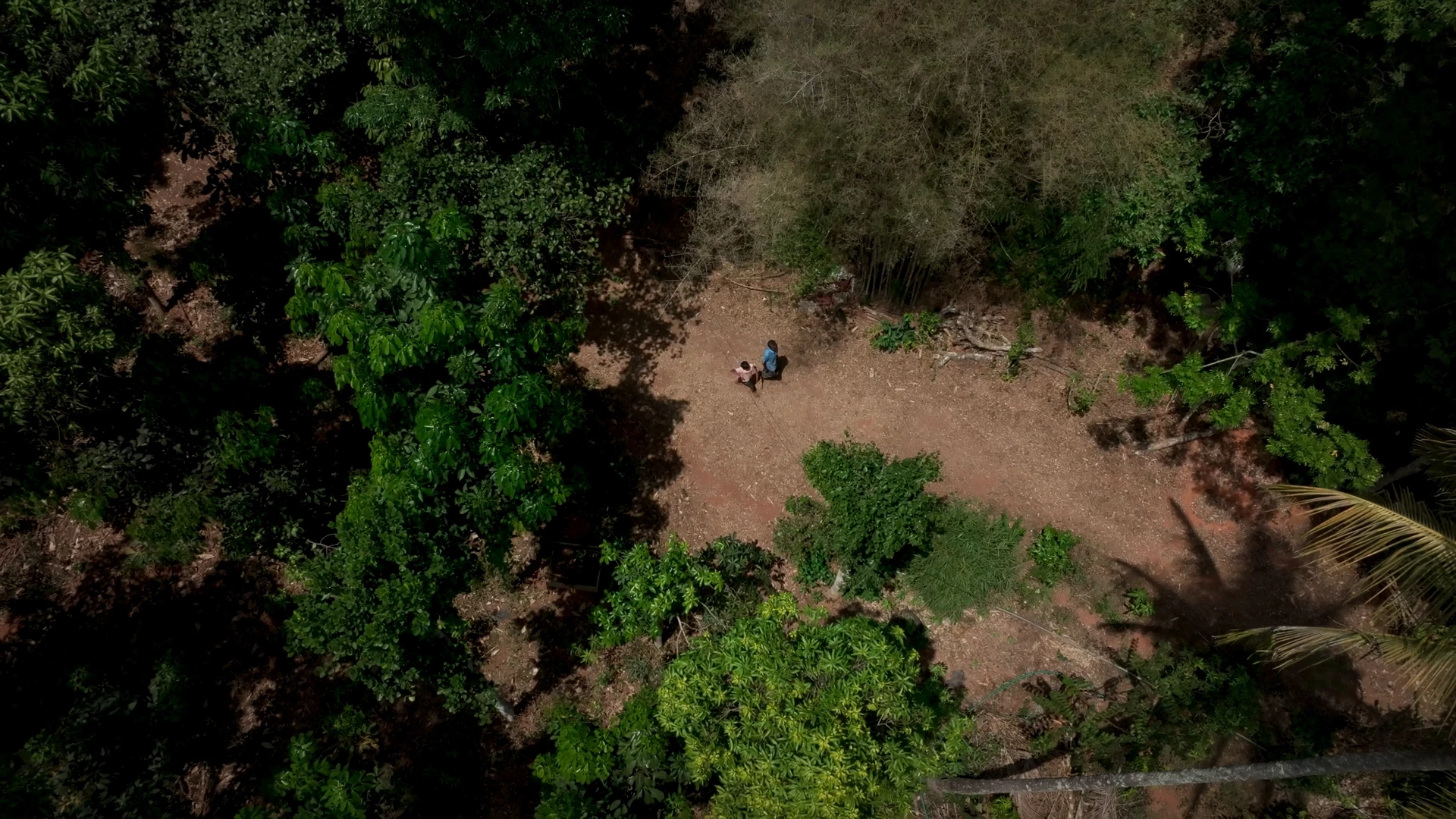
When he began farming, Namboothiri turned to the mango, a crop that demanded patience but offered resilience, biodiversity, and better economic returns. Mango trees, with their deep roots and long life cycles, allowed him to think beyond seasonal harvests and toward ecological restoration. He began with just ten saplings. Initially, the laterite soil was unyielding, but he patiently nourished it. Over the years, he went beyond local varieties and embraced rare ones from across the globe, too. Out of India’s 22 GI-tagged mangoes, 17 thrive on his farm. He continues his quest to acquire the rest of them.
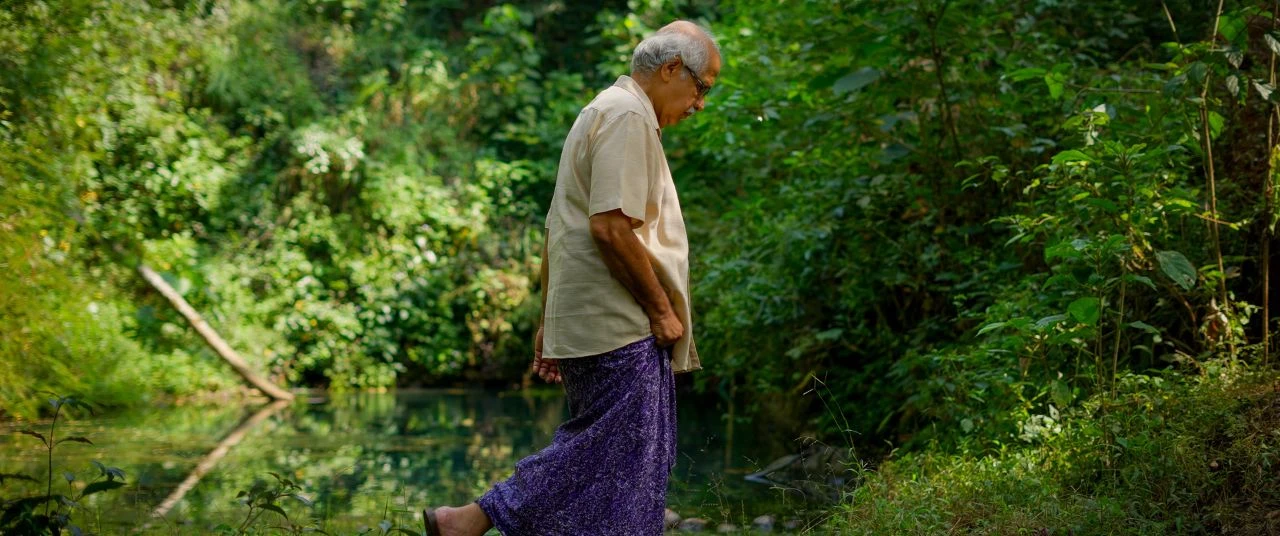
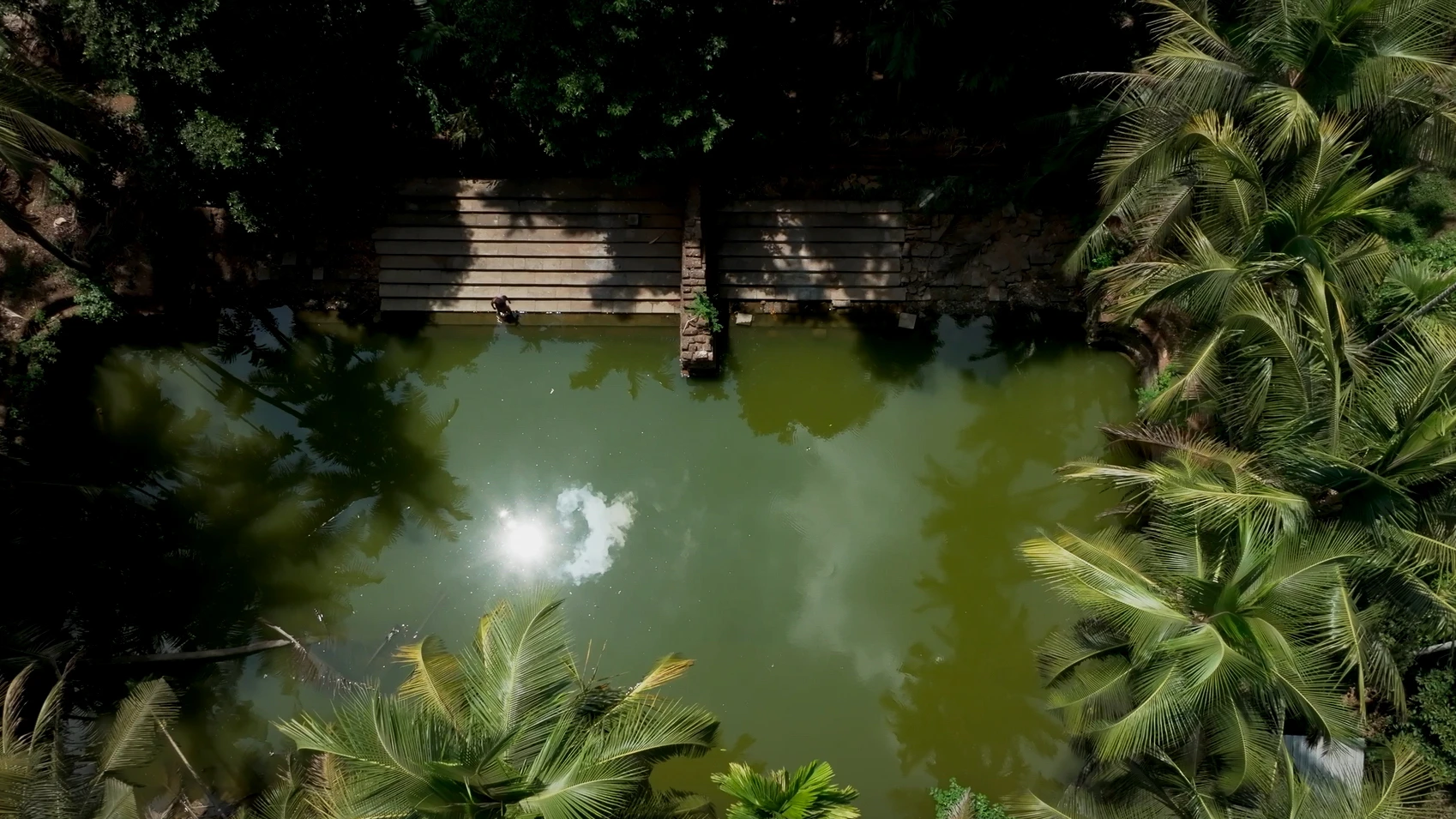
In the absence of formal training and institutional backing, Namboothiri taught himself through observation and experimentation. His life’s work is testament to this: his natural tank harvests rainwater, and his open nalukettu-like house built with unplastered laterite bricks reflects his commitment to living lightly on the land.
–Text by Harshita Kale
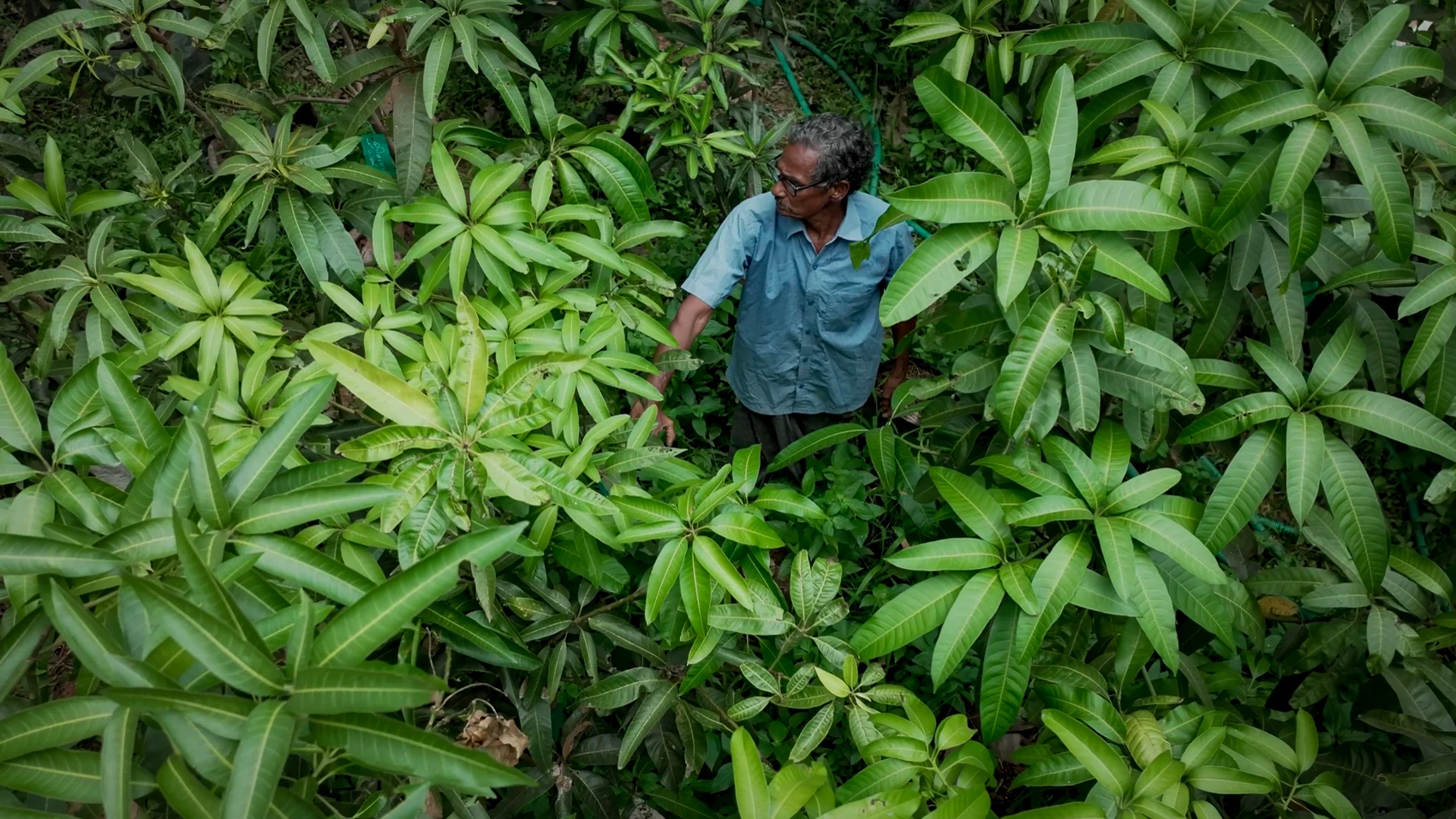
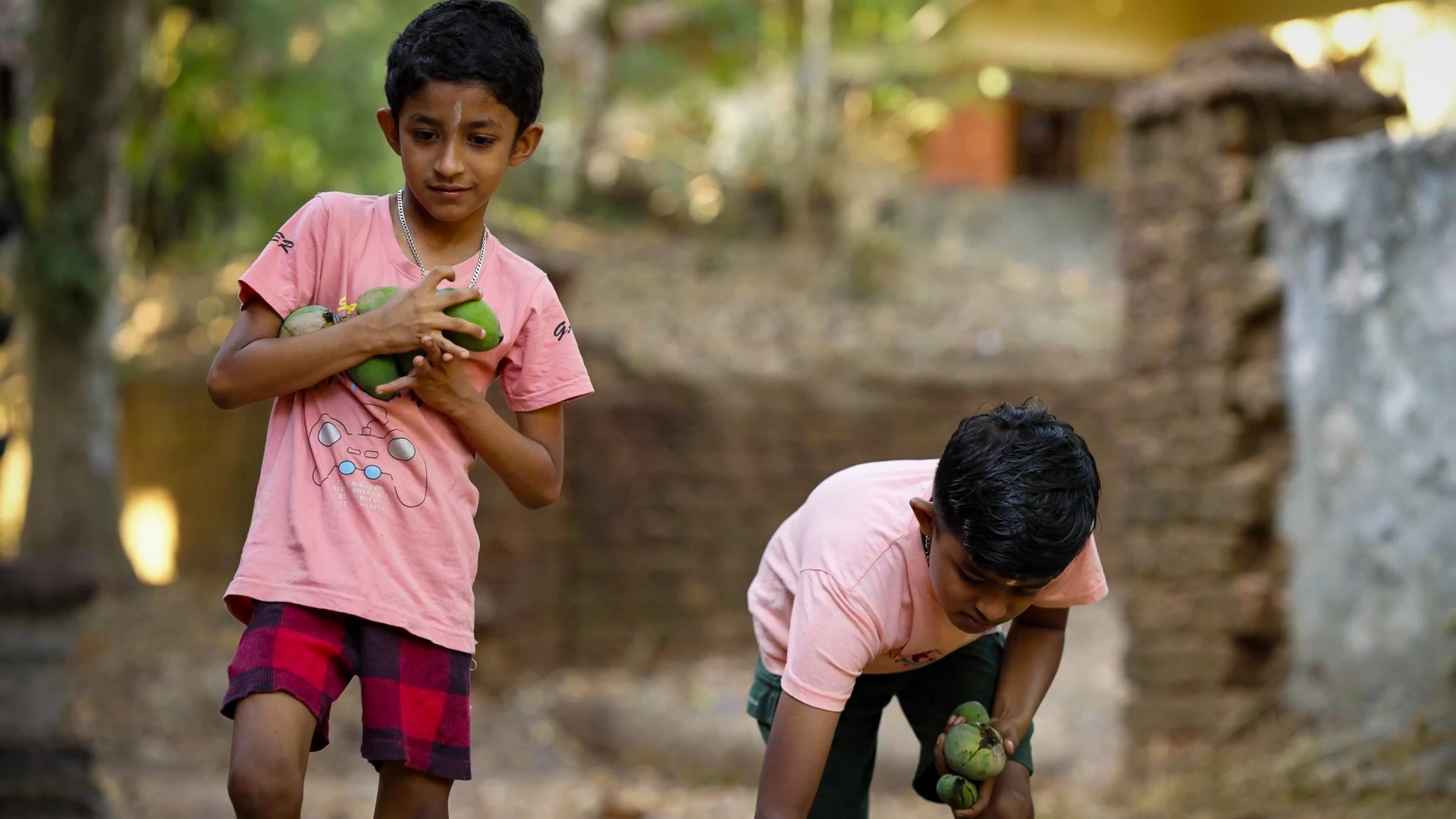
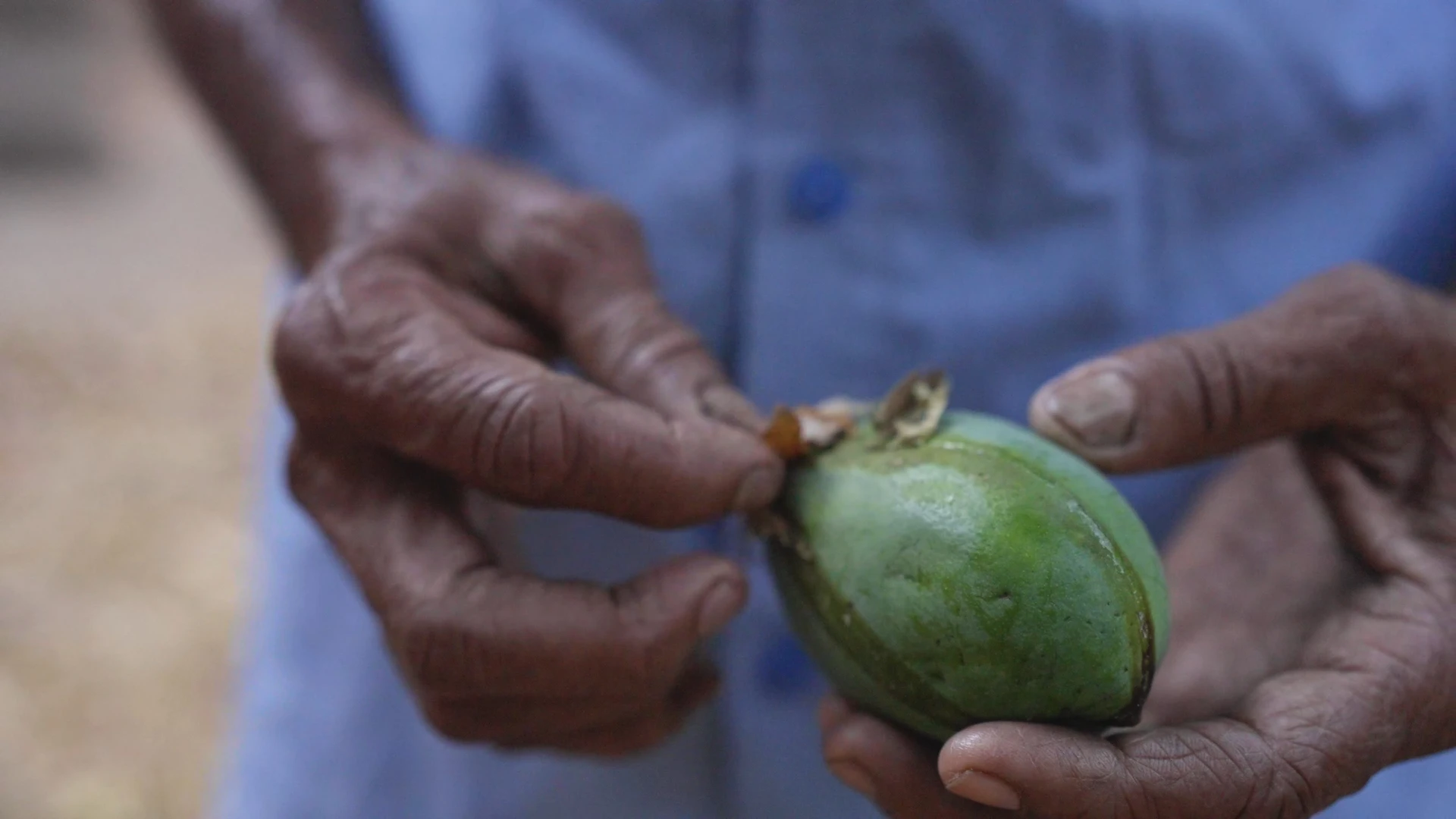
Namboothiri has carefully preserved over 700 varieties of mangoes from around the world, driven by a vision to create a gene bank to save them from extinction.
You might also like
.jpg)