The parched nectar

An audit of the crisis that threatens to swallow Uttarakhand’s red rice, and the river system that nourishes it

May 8, 2026

The Yamuna is one of India’s most revered rivers. It is a sacred geological artery. For centuries, glacial melt and natural streams from the Himalayan highlands served as natural sources in the Yamuna basin, delivering mineral-rich water to the high-altitude terraces of Uttarakhand’s Purola and Barkot.

Today, the pulse of that artery is irregular. The nectar is parched. Consecutive snow droughts in the winters have triggered a break in the seasonal melt cycle. Without a consistent snowpack (an accumulation of snowfall in a compressed form in high altitude regions), traditional irrigation channels run low or dry in April and May—precisely when the state’s heritage lal chawal (red rice) requires its first, life-giving bath.

When the grain was awarded a Geographical Indication (GI) tag in 2023, farmers reported receiving worthy rates for their produce, and things looked hopeful. However, the increased volatility in weather patterns makes this success fragile. Not only are irrigation channels failing, farmers are observing an abrupt increase in infestation and a decrease in production. The cold chain—the natural supply of cool water that shields these heritage seeds from pests—is slowly collapsing. “In desperation, some farmers have started to rely on chemicals to protect their red rice crops, which were traditionally grown organically,” says Balveer Singh, a farmer and a retired teacher from Purola’s Kandiyal village. 

What emerges is a portrait of a landscape undergoing a forced re-engineering. As the glaciers retreat and the river systems fracture, the food sovereignty of the Yamuna basin faces an irreversible degradation. This is no longer a seasonal fluctuation; it is a systemic collapse of the mountain’s architecture.

As river systems fracture, the food sovereignty of the Yamuna basin faces an irreversible degradation

No items found.
No items found.
01
/
12
The Yamuna river originates in the Yamunotri glacier, located near the Bandarpunch peaks around 6387 m above sea level.
Kharsali, located 2,600 m above sea level, is the settlement that formed closest to the glacier. Though traditionally engaged in farming, its residents are now gravitating towards the tourism industry.
Those who continue practicing farming grow the GI tagged Uttarakhand lal chawal, as seen in these fields in Netri village, near Barkot.
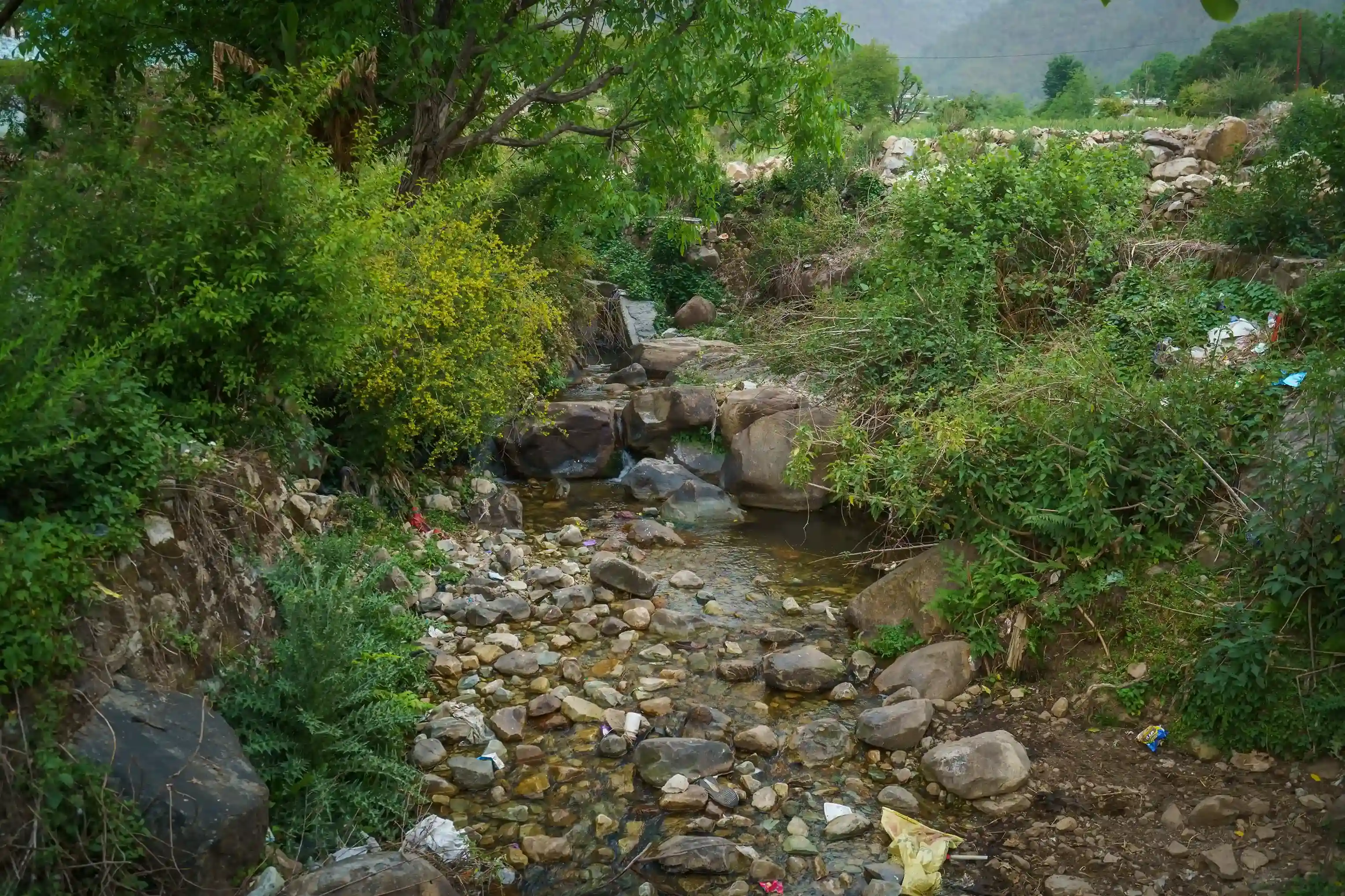
As climate change takes hold, cultivation is becoming challenging. The basin of the Kamal Ganga river, a tributary of the Yamuna, is believed to be the place where the best quality of red rice is grown. This summer, it is a shadow of its past self.
Since the river itself does not have much water, the natural streams it feeds run low on water too.
Balveer Singh, a farmer and retired teacher, spreads manure to prepare the field for sowing.
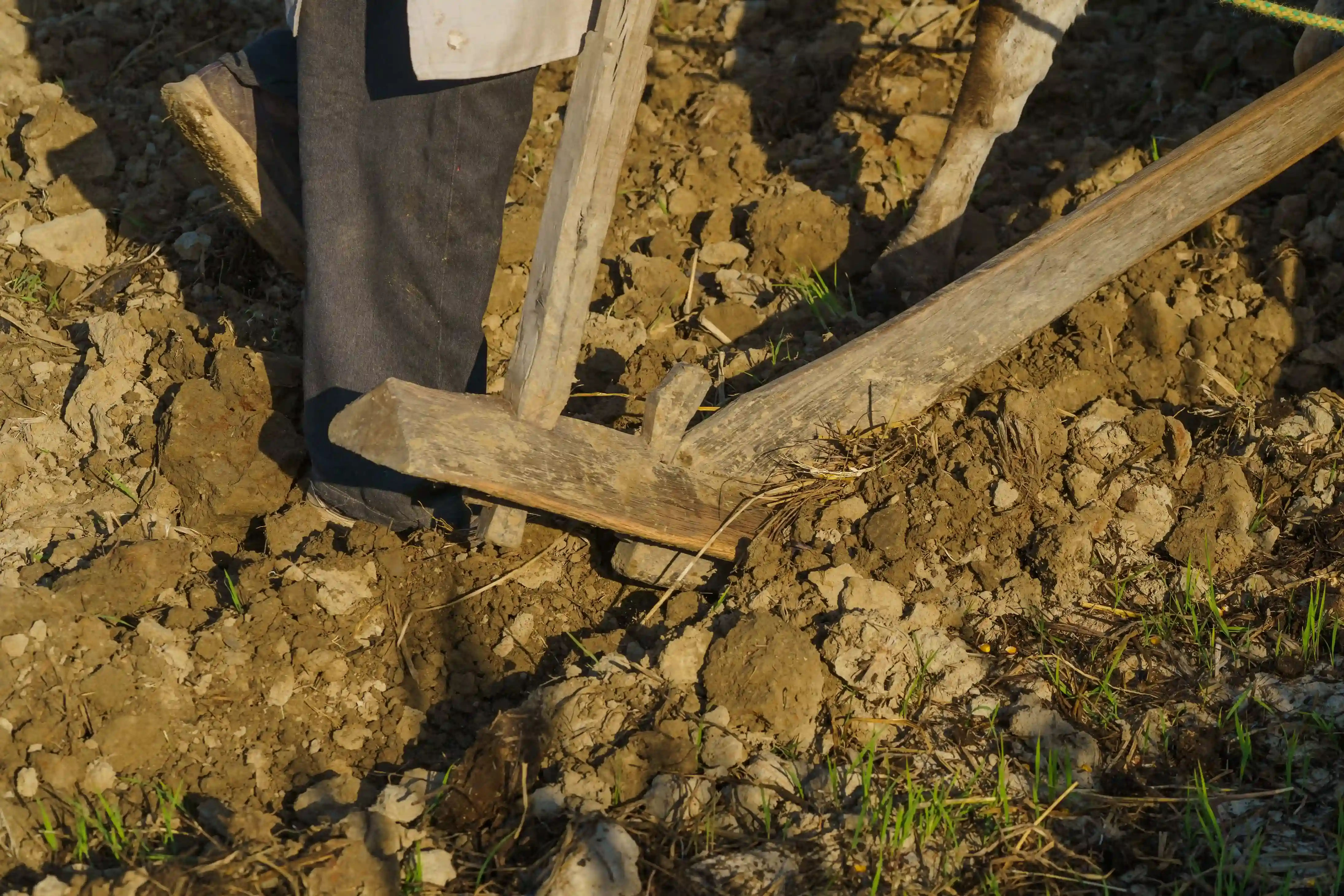
The lack of snowfall in winters leaves the soil dry, making ploughing harder and more tiring.
While oxen are used to plough the land, big lumps of soil have to be broken using hand tools. Gokla Devi, who has been farming red rice since her childhood, is seen here engaged in the process.
Swatantri Bandhani, known locally as the ‘Red Rice Lady’, is credited with reviving its cultivation in the hills of Uttarakhand. Her focus on community building and sustainable farming practices has ensured that livelihoods and ecology both benefit.
After harvesting, grains of red rice are spread out and sundried, so that they can be stored for longer.
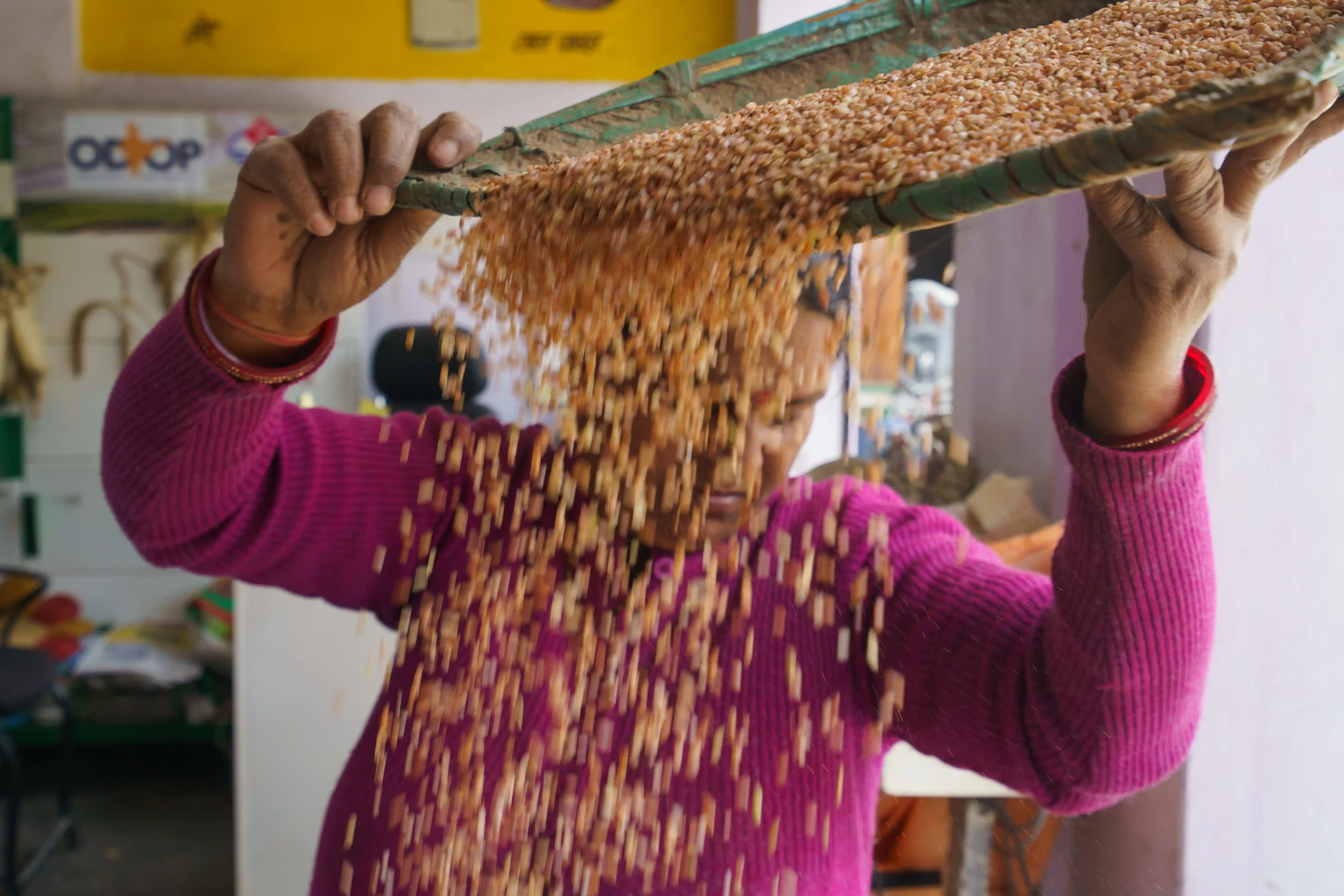
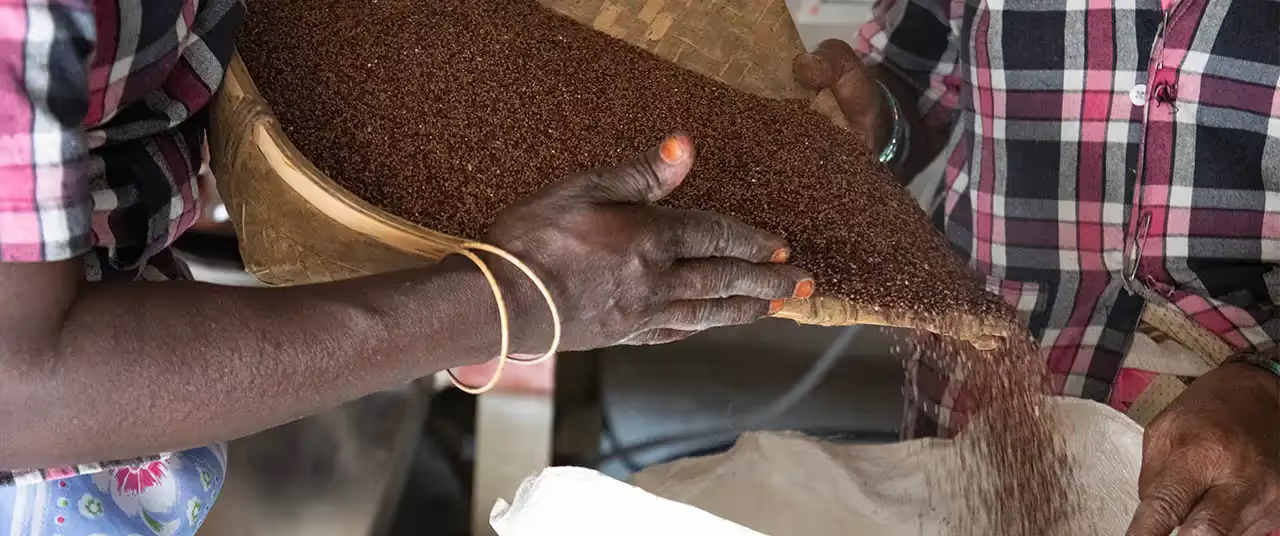
Once the grains are dried, the rice is winnowed and then packed.
Despite reporting lower yields and an increased incidence of pest attacks, farmers remain committed to the rice’s cultivation. The GI tag has ensured that they receive Rs. 130 per kg of produce, as compared to the meagre Rs. 30 of the past.
But if the Yamuna keeps running dry, the protected paddy variety and those who depend on it for a livelihood find themselves at risk.

You might also like

See all
Is your food nutritious or only fast?
Are there heavy metals in your vegetables?
Does your food contain Microplastics?
Are your food habits disrupting the ecological balance?
Nibble right, Save the PLANET'S MIGHT!
Is your food nutritious or only fast?
Are there heavy metals in your vegetables?
Does your food contain Microplastics?
Are your food habits disrupting the ecological balance?
Nibble right, Save the PLANET'S MIGHT!