Doon's fading fragrance
Urban expansion and the contamination of traditional irrigation sources are pushing Dehraduni Basmati towards extinction
November 20, 2026
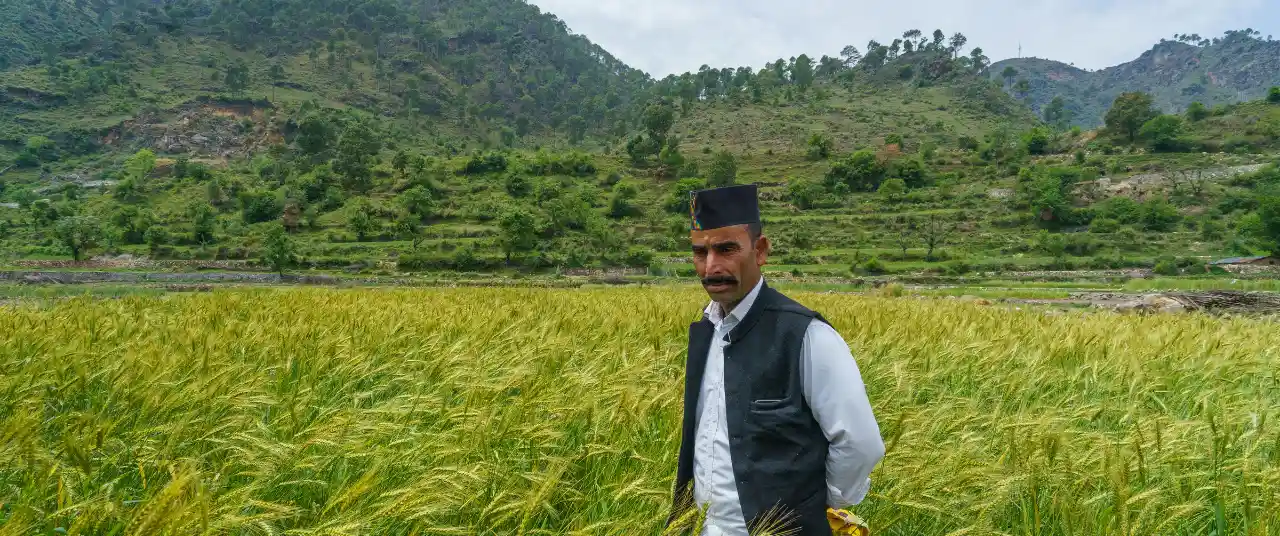
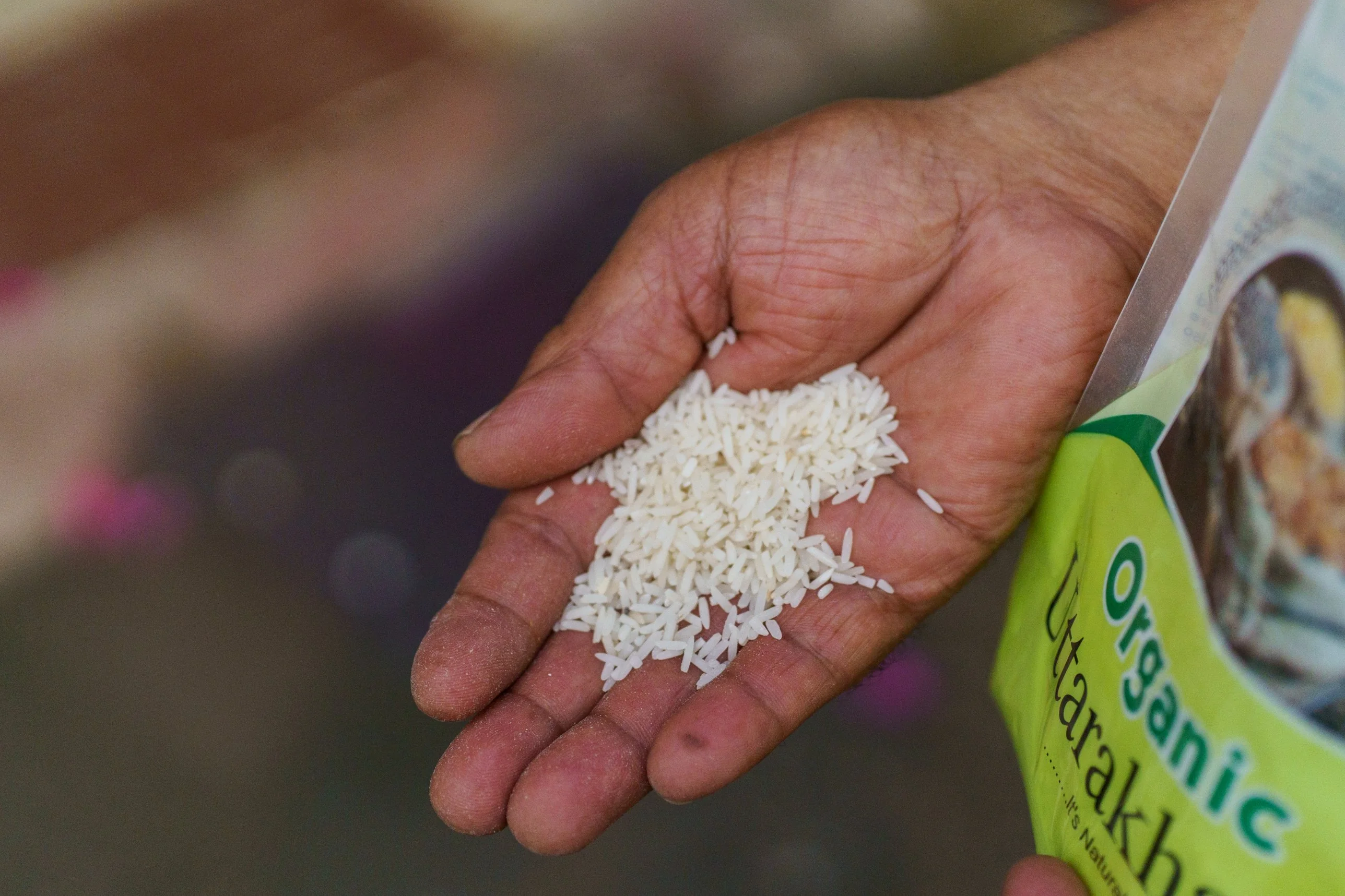
Dehradun, the capital of Uttarakhand, once boasted of lush fields that were fragrant with a rice variety that put the city on the world map—the Dehraduni basmati. Cradled between the Ganga and the Yamuna, the Doon Valley is rich in alluvial soil, which birthed a distinct basmati variety that became a defining characteristic of the region’s heritage.
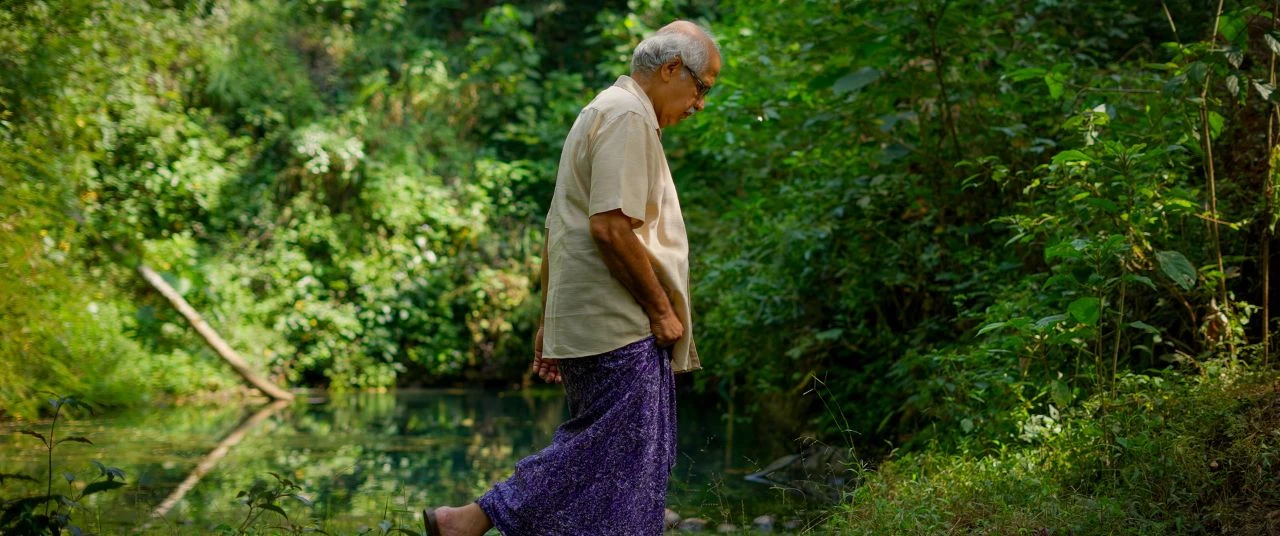
The Dehraduni basmati requires a steady course of natural water. Its cultivation was sustained by the city’s cool microclimate, and the Himalayan runoff which fed the numerous pristine, calcium-rich streams that threaded the valley.
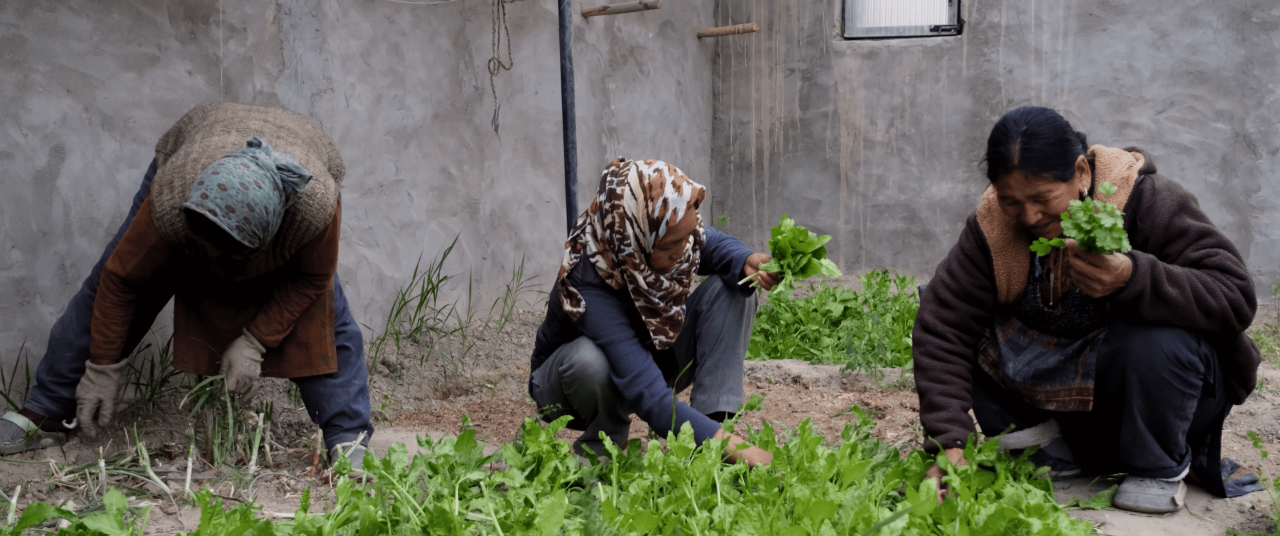
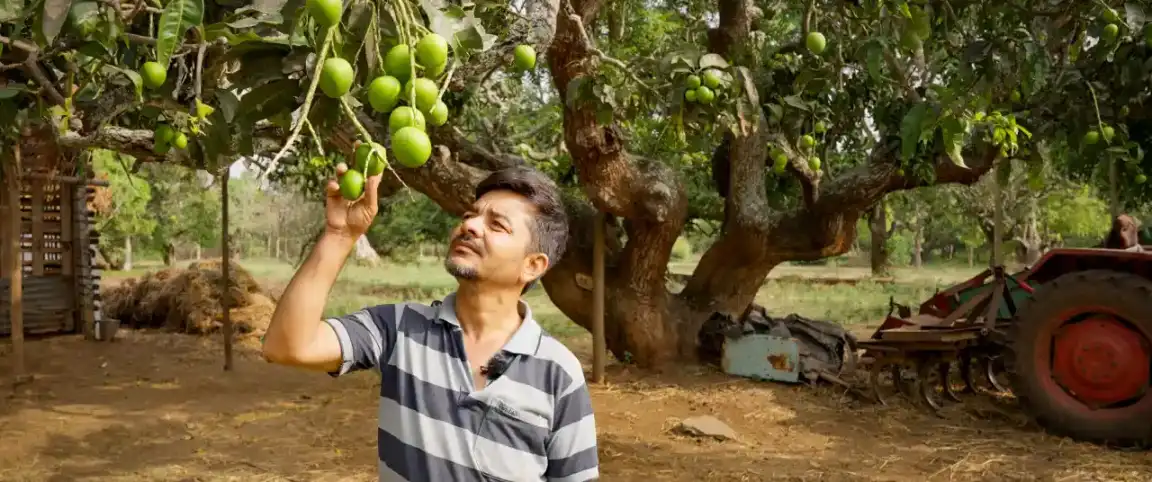
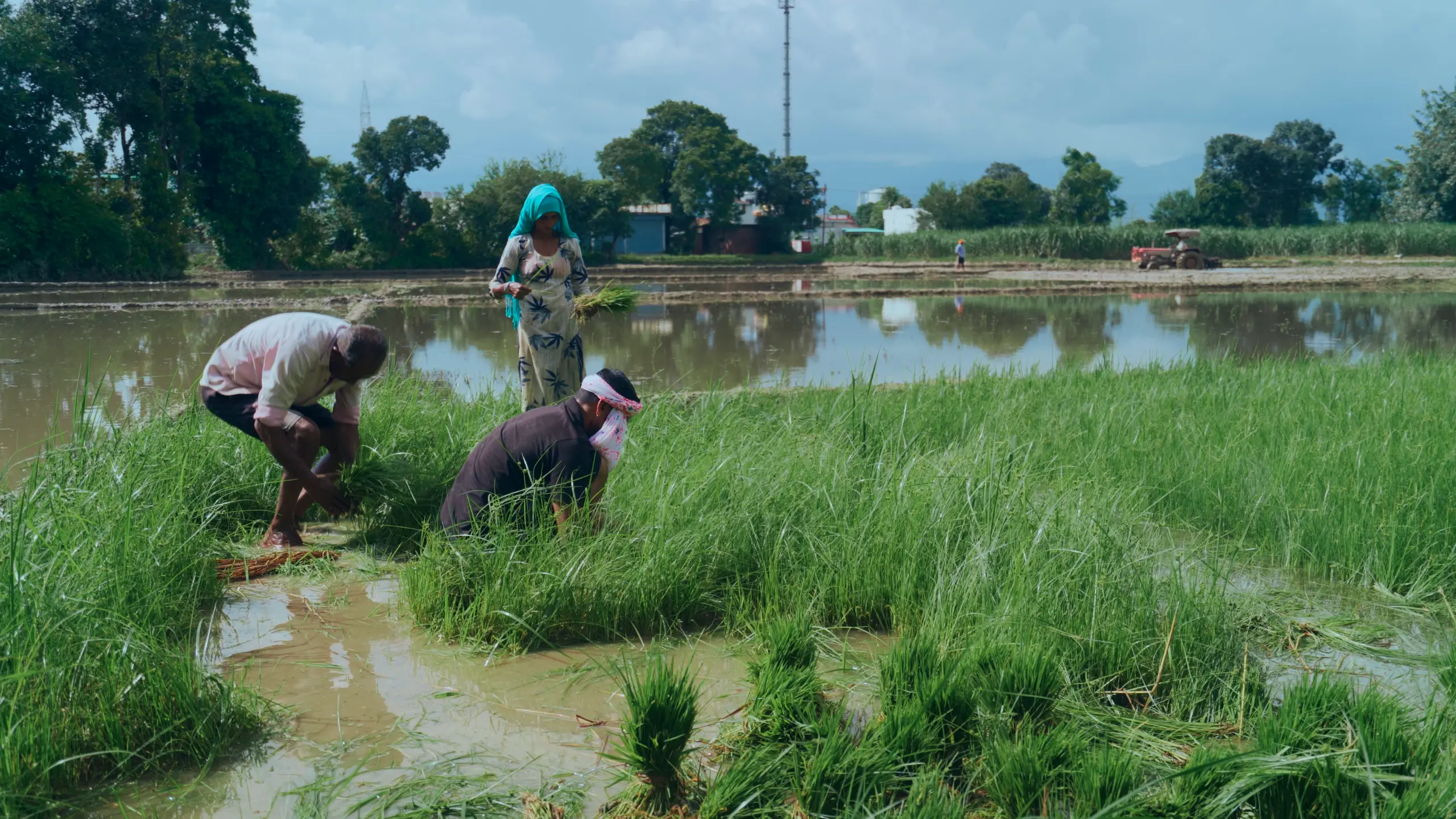
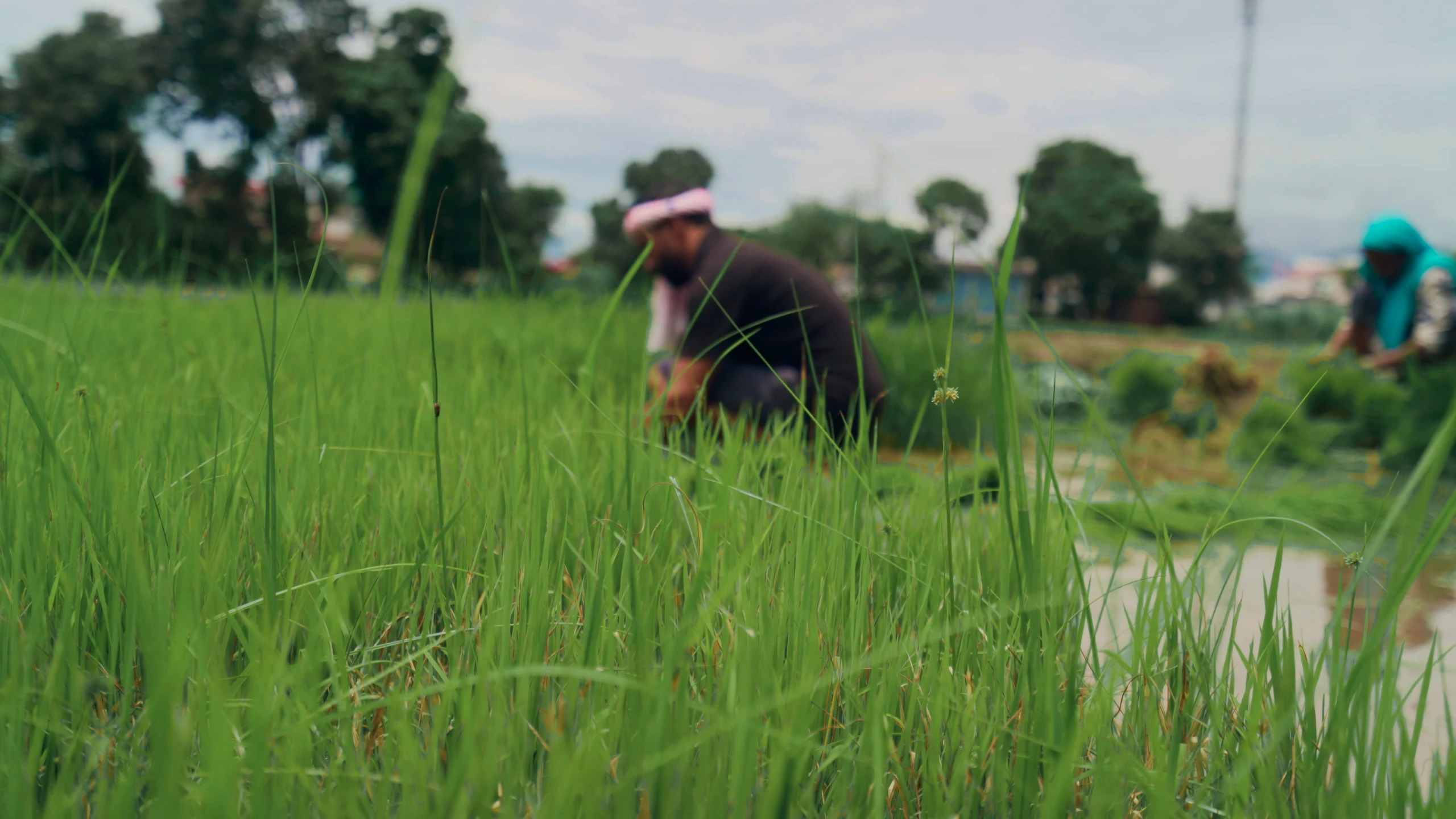
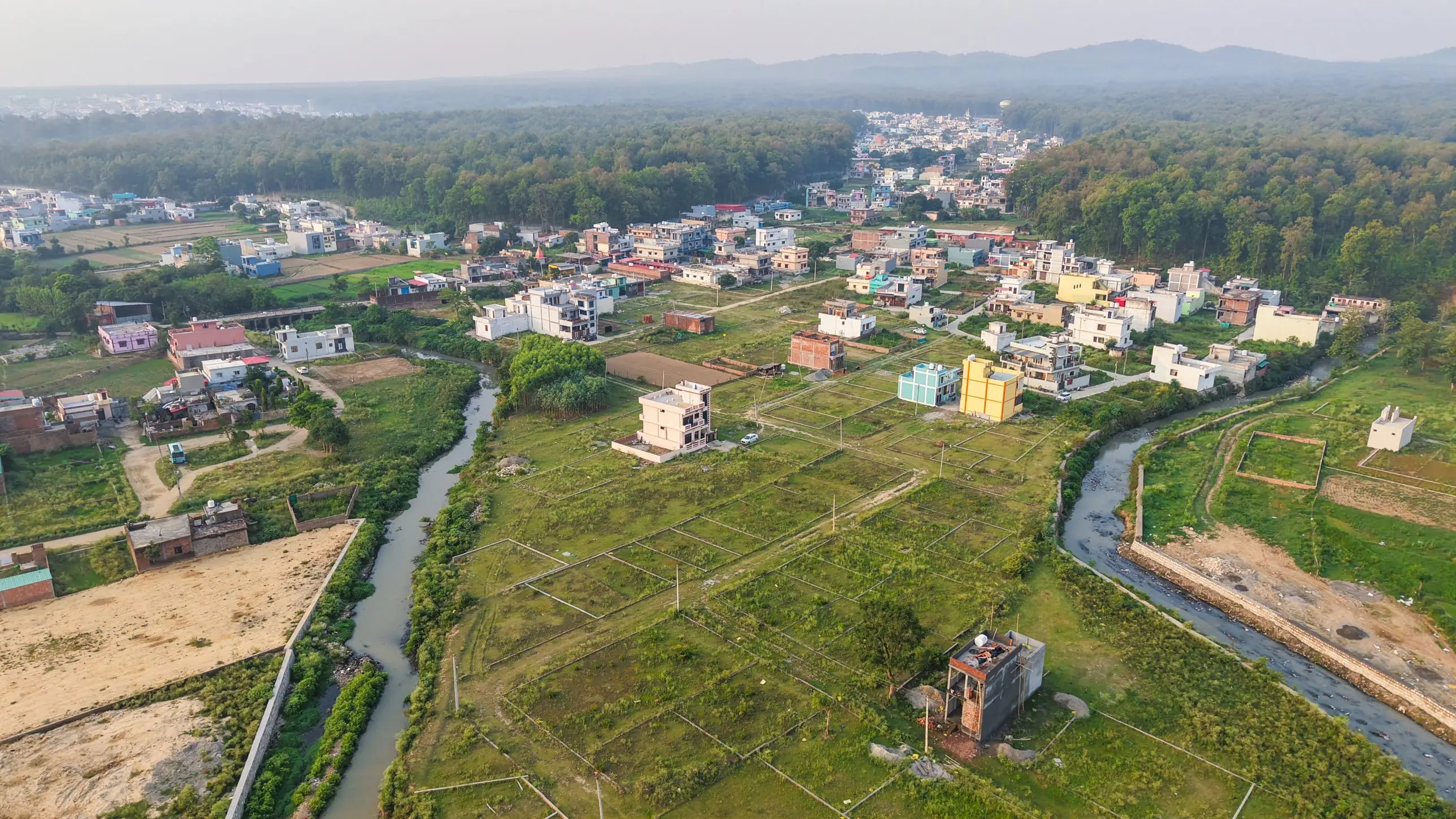
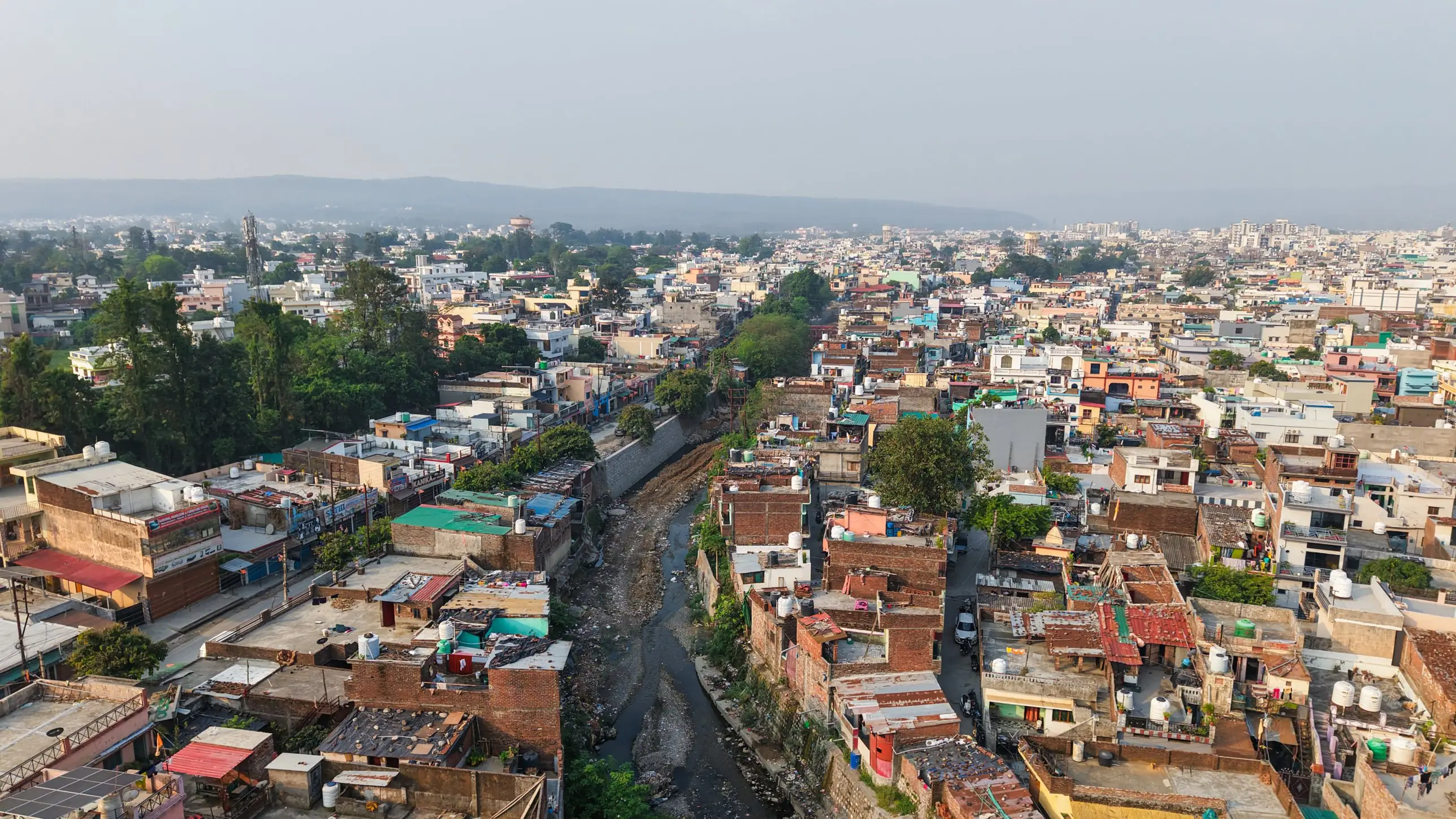
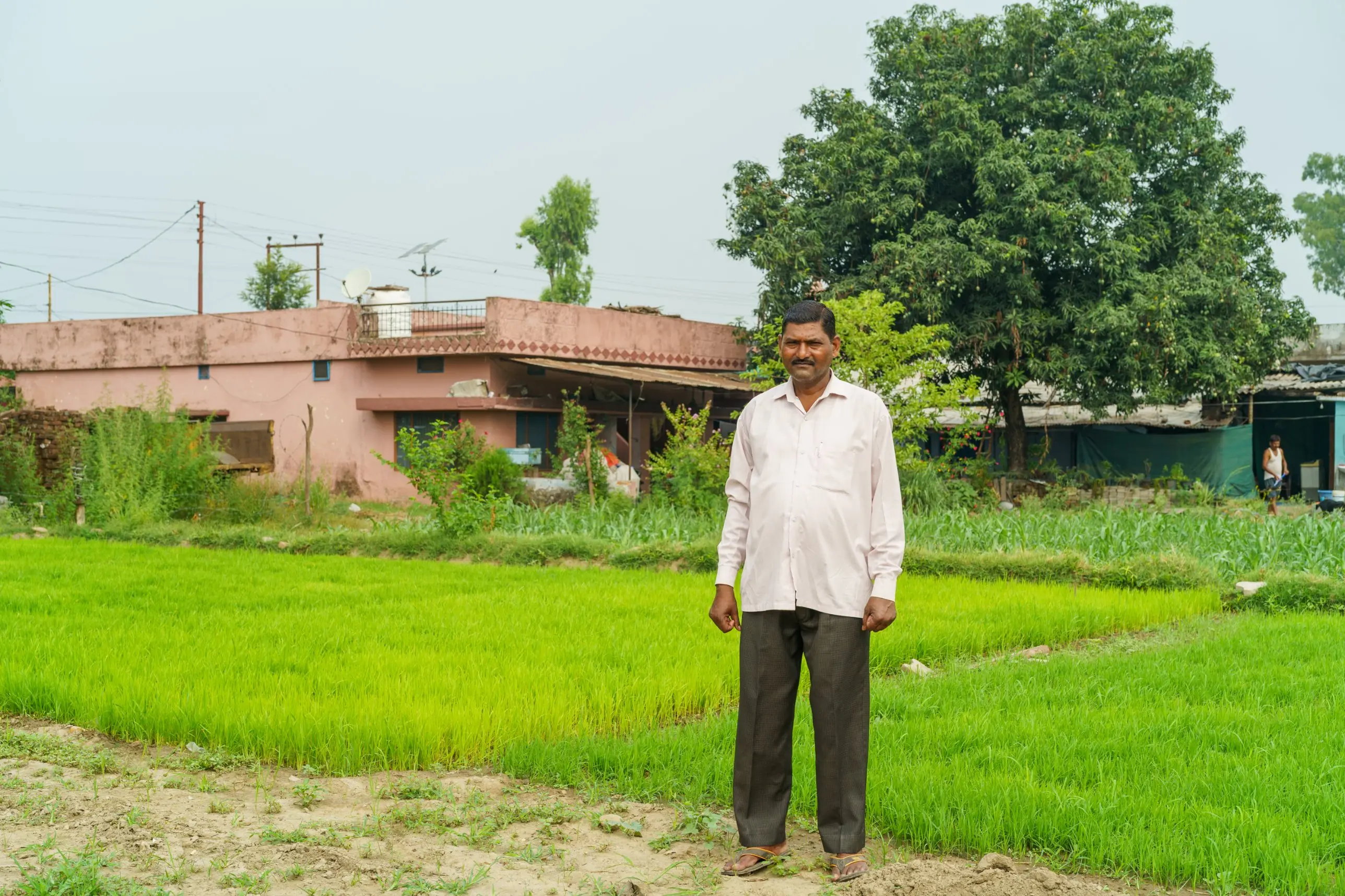
However, these fields, and the variety’s unique features such as its aroma, and short-grained, non-glutinous nature are fast vanishing. Unchecked urbanisation has encroached upon Dehradun’s historical canal system that carried river waters through the fields. The contamination of source water coupled with a booming population, changing climate and rising real estate prices have prompted farmers to switch to other higher-yielding varieties or sell their farms.
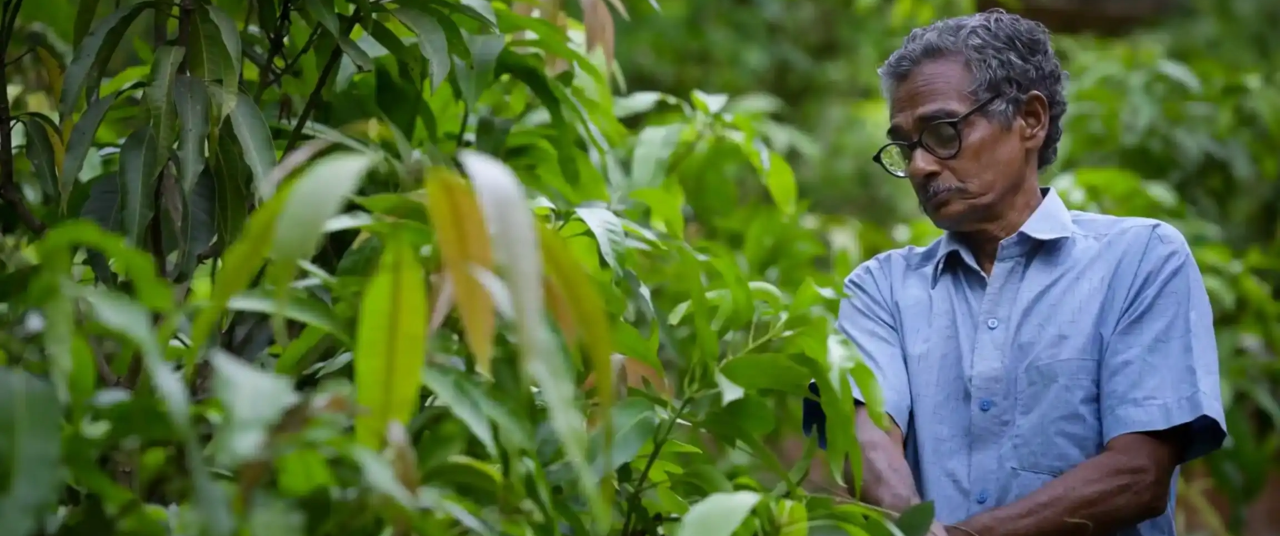
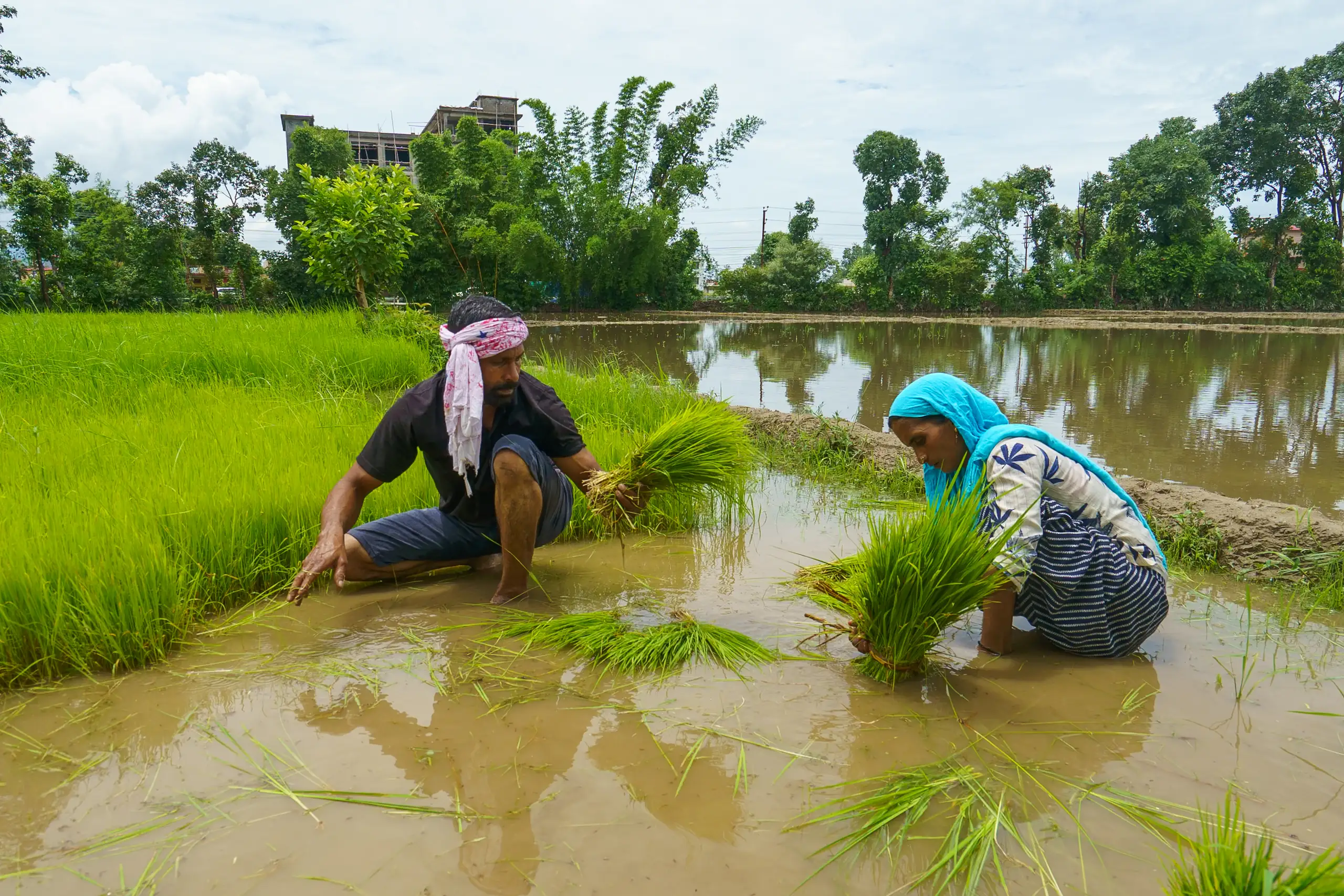
Data from the Uttarakhand Biodiversity Board shows that the area under cultivation of Dehraduni basmati fell by 62% between 2018 and 2022. Efforts to rejuvenate it are underway. A handful of farmers are still growing the seed organically to preserve the legacy of this rice rooted in the valley. The Uttarakhand government and Dehradun district administration have begun a revival programme under the Rashtriya Krishi Vikas Yojana, bringing 160 farmers across 45 villages into the initiative in 2026. But reviving the rice will take more than expanding acreage. It will mean protecting farmlands from urbanisation, restoring traditional irrigation networks, ensuring clean water supply and making farming economically viable.
Additional inputs by Uttarakhand Biodiversity Board
A rice variety that travelled to India serendipitously now faces an active threat with rising temperatures, unchecked urbanisation and the river waters which once fed its fields fast disappearing.



You might also like