Plastic is key to food packaging. Who should bear its responsibility?
Even a miracle material like plastic comes at a cost. It's time consumers and producers split the bill fairly


Think about the bottle of water you grab on a day out, or the bar of chocolate you buy on a bad day. In fact, think of what’s currently on your grocery list and in your refrigerator. The thing that ties these products together—and envelops them too—is plastic that none of us sought out or asked for, but that which we must accept anyway.
Nowhere is plastic deployed in greater quantities than packaging. More than 41% percent of all packaging in India is plastic, and the material makes up 55.92% of all food and beverage packaging. Of all of plastic’s uses, packaging is the most concerning because it tends to be single-use by design. Single-use packaging carries a greater guarantee of hygiene, but the use of thinner, lighter plastic is also based on calculations of cost.
You are urged to think of your consumeristic tendencies, but seldom is it acknowledged that you exist within a system that incentivises use-and-throw consumerism.
How much of it gets recycled? The data is hazy: government records quote percentages ranging from 13% to 60%; all the while, how these varying numbers were arrived at has not been explained. The chances of plastic packaging getting recycled are made worse thanks to contamination from leftover bits and traces of food.
Meanwhile, the conscientious consumer who tries to cut down their plastic consumption discovers in their endeavour a current that they are pushing against: everything—from the atta packet to the ice cream wrapper—has plastic. You are urged to think of your consumeristic tendencies, but seldom is it acknowledged that you exist within a system that incentivises use-and-throw consumerism. How does one exist as a modern consumer and understand plastic for more than its reputation as 'evil'?
A permanent dependence?
The first fully synthetic plastic was invented in 1907 in the US. Plastics are deeply linked with petroleum refineries, since by-products of oil refining like ethane are critical to their manufacture. A flourishing petroleum industry has played no small role in how much plastic global markets have encountered in the decades since its invention.
India had started producing plastics by 1947. By 1957, it had made its first foray into thermoplastics—a type that can be melted and remoulded repeatedly. This versatility in shape and thickness meant that plastic could metamorphose into all kinds of consumer goods, from buckets to biscuit packets.
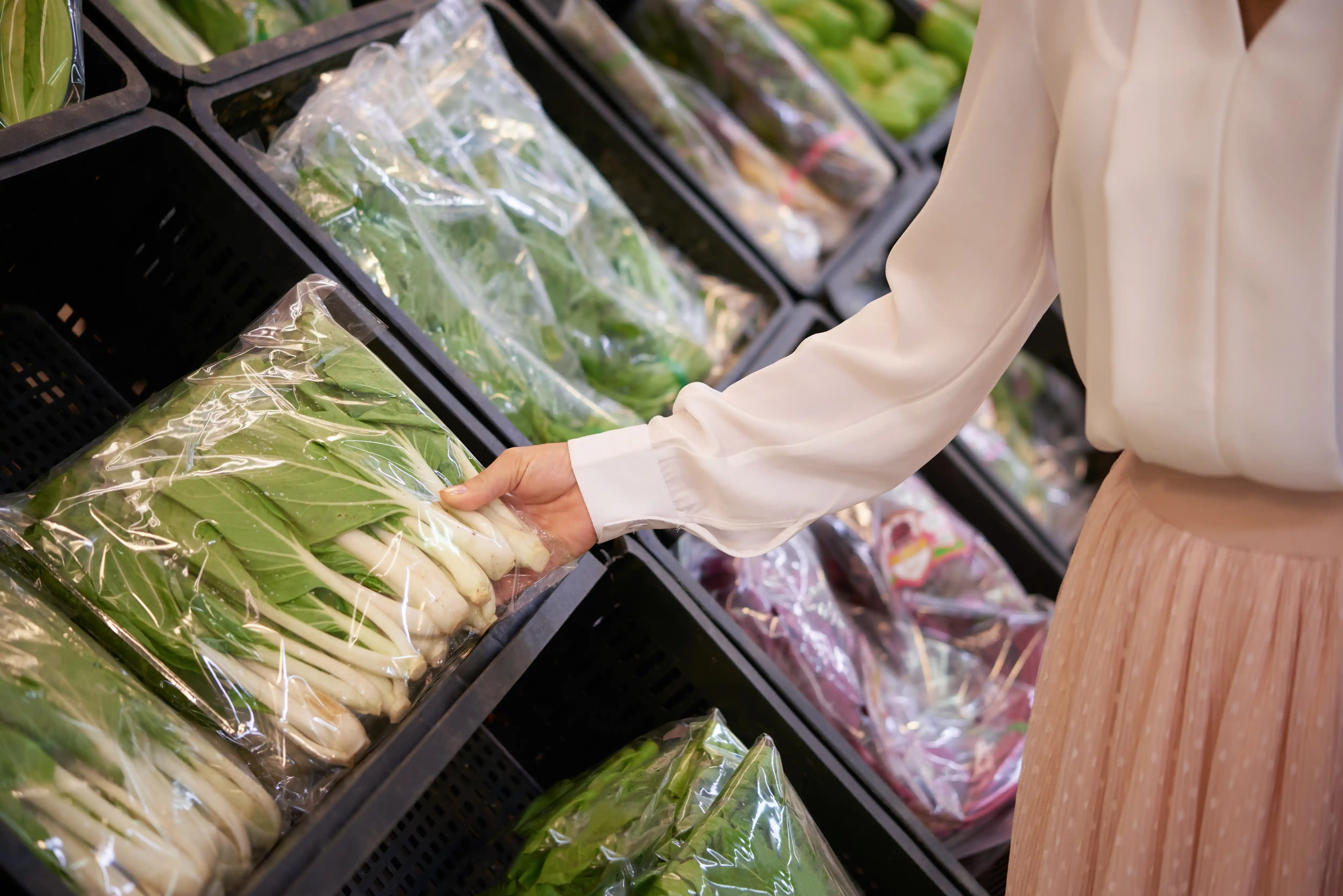
Any packaging expert today, especially those designing food packaging, considers it a boon. It is cheap, lightweight, versatile, and most importantly, safeguards food from spoilage and contamination. The concept is simple: the more external factors (like air and moisture) food is exposed to, the faster it perishes. Plastic blocks moisture and gases from escaping into and from products. For instance, in a packet of masala, plastic prevents moisture and oxygen from entering and causing spoilage, but it also prevents aromatic compounds—which give the spice its distinctive smell—from escaping. Considerations of transparency, thickness, flexibility, and the specific strength of that plastic (like thermal resistance or oxygen barrier properties) together decide what type gets used in food packaging.
In its early years, plastic was heralded for its contributions to food safety and reducing food waste. The increase in shelf life it enabled also gained importance, as cities and towns became more and more distant from the centres of agriculture and food production. Food needs to be protected and kept fresh as it makes its journey to us.
As many ineffectively implemented bans will testify, plastic has created a dependence that is hard to disengage from.
Many continue to argue, even today, that plastic manufacturing has a lower carbon footprint than some of its more eco-friendly counterparts, like glass and cardboard. The big problem with plastic, of course, is that it cannot return to the earth the way glass can. (Glass is made from melting sand, and gradually erodes till it becomes sand again.) Even hundreds of years later, when plastic is broken down from sheet to particle, it becomes harmful micro- or nanoplastic, and remains indestructible precisely because it does not come from nature.
But there is no easy, quick replacement for plastics in food packaging as of now. As many ineffectively implemented bans will testify, plastic has created a dependence that is hard to disengage from. What can help perhaps, is to stop seeing plastic as a monolith.
Also read: Life with plastic, not all fantastic: The paradox of a transformative material
The many faces of plastic
Not all plastics are equal. This is intuitive knowledge, in some ways; we know that the material of a bottle of mineral water is different from its cap, which in turn is different from a pouch of milk. These differences are formalised in Resin Identification Codes (RIC), numbered 1 to 7, which categorise plastics by their polymer type. All plastics are made up of polymers, which are long chains of carbon and hydrogen, and derive their unique properties from differences in polymer arrangement. Naturally, there are hundreds of possible arrangements, and hence hundreds of plastics. The codes enumerate the six kinds of polymers most commonly found in consumer goods, with a seventh code for categorising miscellaneous kinds.
This number is usually found nestled within the triangular recycling symbol, which can be a bit misleading, since it doesn't signify recyclability. Why check this number then? First, it can indicate the likelihood of that plastic getting recycled, and second it is a good indicator of food safety. RIC 01, 02, 04, and 05 are most common in food packaging since they carry the least risk of leaching chemicals into food, though RIC 07 is also quite prevalent.
The same category of plastic can feature varied manifestations. For example, bread packets and cup noodles containers, though different in their thickness, transparency and rigidity, are made of the same plastic (RIC 05, or PP). This variety stems from a sort of selfishness, where the producer plies one type of plastic into materials of different thicknesses, flexibility, and colours, resulting in a diversity that recyclers are left to deal with. Businesses account for many factors while choosing plastic packaging, including its safety and shelf life, but never pause to ask: 'what will happen after all this becomes waste?'
One of the easiest ways of improving recyclability is to not use multiple materials in packaging.
Plastic engineer-turned-solid waste management expert Dhanya Narayanan explains that in theory, all six non-miscellaneous kinds of plastics are recyclable, since they share a similar backbone of carbon-hydrogen chains. However, recycled plastic often has deteriorating value, especially if it is thinner or blends different plastics. Most of these recycled plastics, with the exception of PET plastic, are also not cleared for food packaging since their safety hasn't been established yet, Dhanya explains. This means that food packaging continues to rely on virgin plastic.
RIC 01, 02, and 05 are highly recyclable, especially if food remnants have been cleaned out before disposal. RIC 04 is usually not recycled due to infrastructural constraints. A vast number of fast food items—from chocolate and biscuit wrappers to noodle packets—are RIC 07, or miscellaneous. Plastic permeated into Indian households first through the rise in supermarket chains, but the rise of quick commerce and food delivery has made the use of low-value, contaminated, and difficult-to-process plastics far more common. These are almost never recycled, and usually go straight to the landfill. If they are lucky, they may be chosen for alternate uses like plywood-making or waste-to-energy plants. Economic considerations mean that certain types of plastic, like the PET bottles in which cold drinks are packaged, have a much higher recycling rate.
Dhanya explains that a lot depends on the value chain built around a material. "In India, PET recycling is almost established," she shares. "A scrap collector will willingly pay you something for the bottle. The recycler knows that there is a demand for granules, rPET bottles, or even yarns." Plastic is melted either into granules (small pellets) that can be moulded into a variety of everyday plastic items, or yarns (thread) that can become clothing.
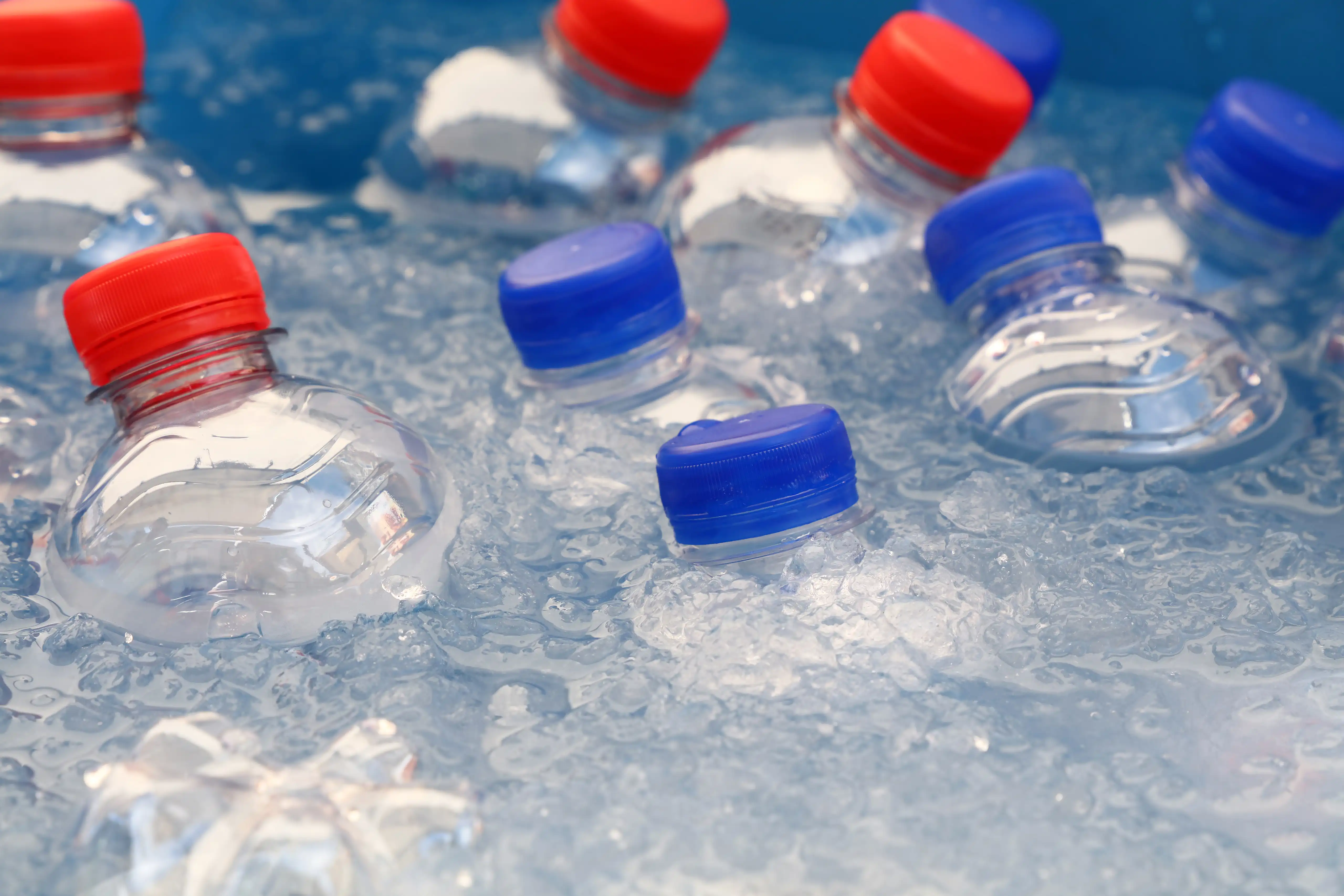
The establishment of a dependable value chain is crucial for recycling rates to increase, and seeps into the preferences of waste dealers, segregators, and collectors. A 2022 study conducted in Delhi-NCR found that plastic water bottles, thicker plastic jugs, and disposable cutlery are some of the most preferred products among collectors. Milk packets and plastic wrappers are far less popular, but collected nonetheless. Three major categories were found to have almost no recycling value: multi-layered packaging, small pouches, and noodle packets.
Noodles packets are too poor in quality to be preferred by recyclers. Small pouches of ketchups and pickles similarly have no takers. Though also used elsewhere, much of the consumer base for these small-sized packets are the rural and urban poor, who also do not have access to waste management systems—meaning the pollution caused by improper waste disposal is heightened.
Multi-layered packaging (MLP) is commonly used for FMCG products and involves using layers of aluminium foil and paper and/or plastic. Chocolate and biscuit wrappers, namkeen packets, and even fruit juice cartons utilise multi-layered packaging. MLP packaging is light and easy to print graphics on, but hard to separate back into its constituent layers of plastic, paper, and aluminium. As a result, it hardly gets recycled. Like most food packaging, it also tends to be disposed of after one use, but has escaped being categorised as a single-use plastic under Indian law. One of the easiest ways of improving recyclability is to not use multiple materials in packaging.
Regulations can specify the permitted ways of manufacturing PET bottles, or LDPE packets, such that the permutations and combinations of plastics a recycler has to deal with reduces.
To Siddharth Ghanshyam Singh, a plastic waste management expert at the Centre for Science and Environment, Delhi, regularising the packaging industry is our best chance to enhance recyclability without rejecting the material altogether. "Everybody is using different resins, colourings, and additives. All of this can be standardised," he says. Regulations can specify the permitted ways of manufacturing PET bottles, or LDPE packets, such that the permutations and combinations of plastics a recycler has to deal with reduces.
"With standardisation, the acceptance of these materials at the end of their lives becomes better, because a recycler will also invest in equipment based on the kind of feedstock they receive." This allows plastic to retain its functions of protecting food, conveying product information, and marketing while giving a thrust to recycling. Siddharth points out that much stands between the idea and its implementation. "Such standardisation comes only with regulation, and at a cost to the polluter," he notes. This brings us to the question: what responsibility does a plastic producer have towards the plastic that enters the market, and later environment, because of them?
Also read: Fine print nation: Do nutrition labels meaningfully inform Indian consumers?
Where the law stands
In August 2021, a ban was notified on a number of single-use plastics. Most FMCG products were kept out of its purview because of the soon-to-come Extended Producer Responsibility (EPR) guidelines, which apply specifically to packaging waste.
As per the guidelines, plastic manufacturers (including producers, importers, and brand owners) have to meet certain recycling targets based on the volume and type of plastic they introduce into the market. They usually outsource the recycling to authorised recyclers, and purchase certifications. Siddharth describes the rules by three defining characteristics: brand-agnostic, geography-agnostic, and category-specific.
Essentially, this means that the plastic the brand recycles doesn't need to be restricted to its own products; it can be from any other brand, and even any part of the country as long as it is the same kind of plastic that the company puts into the market. Under EPR, plastic is categorised not by its resin identification code, but into five broader categories: rigid packaging, flexible packaging, MLPs, compostable, and biodegradable plastics.
The rules come with the right intentions: they acknowledge that recycling is not the first solution to consider with plastic; reducing usage is what we should aim for. By making compliance expensive, they hope to nudge companies into reducing plastic consumption and investing in research on alternative materials. But the rules have drawbacks. For one, the geographic agnosticity means that a company can send plastic into Leh while collecting and recycling waste from Delhi. This fails to capture that the cost of collecting waste differs with location, as does the harm it causes to the local environment.
More importantly, as various stakeholders parse the law for loopholes, policymakers and reactors have failed to respond proactively. "Regulators are not able to keep pace with how a market-based mechanism changes the entire implementation of a certain rule," says Siddharth. From manufacturers replacing metal layers with spray paint in their MLP packaging, to recyclers selling certificates for 300 times their declared recycling capacity, the oversight has been egregious. "It is difficult to go back and reverse what has happened," he adds.
Plastic is not one single material, it is 50 unique materials clubbed under one. How does a consumer learn to dispose of plastic correctly?
But the heart of the issue, to Siddharth, is the unfair onus on the consumer: "The choice of packaging was decided by the business. As a consumer, I have absolutely nothing to do with the packaging. But at the end of its life, safe disposal becomes a burden on the consumer." Reducing consumption, similarly, becomes a burden on consumers because non-plastic packaged products are often inaccessible and unaffordably expensive. This burden is not abstract; both the Solid Waste Management Rules and Plastic Waste Management Rules consider it the consumer's responsibility to segregate.
At first glance, this might seem like a fair ask. As consumers and end users, we do have a certain responsibility towards disposal. But plastic is not one single material, it is 50 unique materials clubbed under one. Siddharth asks: how does a consumer learn to dispose of plastic correctly? Whose responsibility should it be to ensure that this happens? When the consumer doesn't segregate and the burden instead falls on a labourer, whose responsibility is it to ensure their safety and teach them segregation? "All that burden eventually falls on local governments which are running on public money," Siddharth says.
Companies are currently spoilt for choice while choosing packaging. Their decisions are made to protect food, yes, but also to protect profit. There is no need to villainise these choices, but one must recognise that even a miracle material comes at a cost. It's time we split the bill fairly.
Cover art by Pratik Bhide
Also read: Traceability in Indian food supply chains: Complicated by costs, lack of incentive
{{quiz}}
.avif)

.avif)
Explore other topics
References