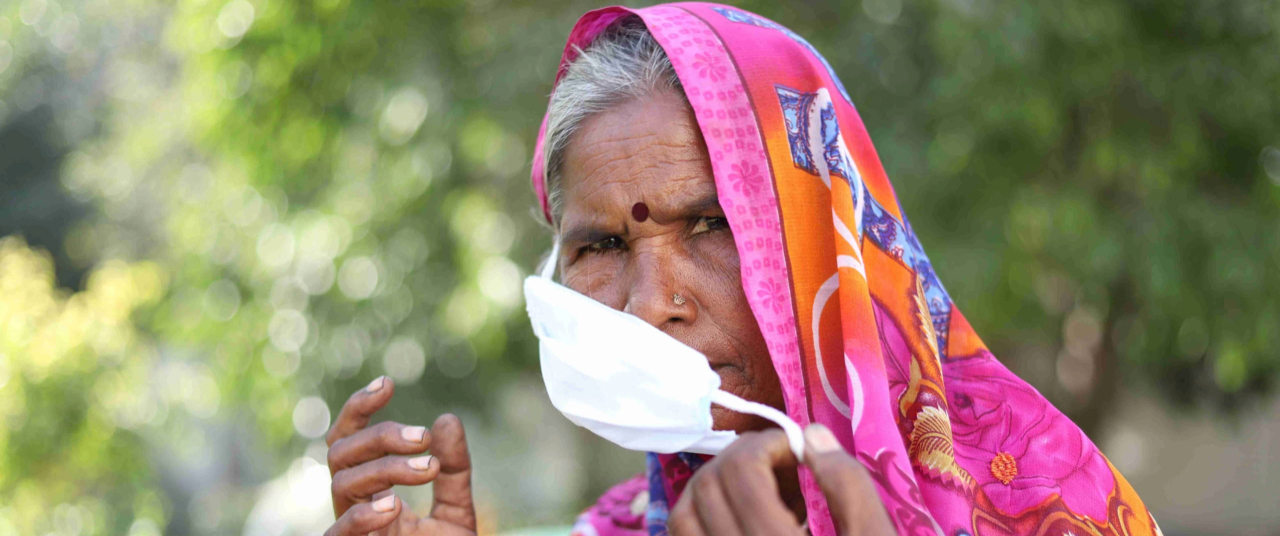
Menstrual health beyond hygiene: Why nutrition matters too
Existing programmes on menstrual health place the onus of nutritional responsibility on the individual, rather than addressing systemic gaps


Nutrition is often framed as a result of individual choices: eating a balanced meal, consuming more protein-rich food, including more leafy vegetables in one’s diet. But in many societies, including India, the presence of a particular food item in a household does not necessarily mean that every family member has equal access to it. Gender, age and one’s position in the household often determine who eats first, who is served larger portions, and who is expected to sacrifice when food is scarce.
Women frequently eat after other family members, satiate their appetite with leftovers, or reduce their intake so that children and other male relatives have enough to eat—treating their own needs as an afterthought. Women who eat well, demand one more serving, and don’t willingly sacrifice are seen through a lens of shame, making nutritional availability a gendered issue. Worse still, owing to prevalent social/religious beliefs, a menstruating family member may be forbidden from consuming certain nutrient-rich foods, such as eggs. Demanding dietary improvements from women proves futile when the food on their plate is beyond their control.
Demanding dietary improvements from women proves futile when the food on their plate is beyond their control.
The human body is not immune to the impacts of such everyday adjustments and sacrifices. “Nutrition also depends on whether you are having your meals at the right time, in the right quantities, and the way you’re having them—if you’re eating too fast, if you’re having very little of everything, or eating something that barely qualifies as a meal,” says Dr. Kaavya Sreedhar, a Gurgaon-based gynaecologist, currently practicing at Manipal Hospital. Consuming enough calories, in diets dominated by carbohydrates and fats, may not translate into a nutritious meal. When it comes to menstrual health, fullness or satiety is not a guarantee of positive outcomes—especially in urban contexts, where diets include inexpensive, energy-dense ultraprocessed foods, one can consume enough or more calories while still falling short on essential micronutrients.
UNICEF notes that poor nutrition among adolescent girls and women can have consequences across the course of life and contribute to intergenerational cycles of malnutrition. The National Family Health Survey-5 (2019-2021) found that around 57% of women aged 15-49 in India were anaemic, including 59.1% of those between 15-19 years. This reality is particularly harsh for adolescents, because puberty and menarche—the first menstrual cycle—are accompanied by rapid bodily growth and changes.
Also read: In an age of food abundance, why does 'hidden hunger' hold India back?
While the NFHS-6 (2023-24) shows a decrease in Body Mass Index (BMI), indicating a rise in malnutrition and undernutrition, the survey has excluded estimates of anaemia along with other significant population-level indicators, including mortality rates and sex ratio. Public health experts have raised concerns about anaemia’s omission, since the NFHS has, in the past, provided critical evidence to assess whether government interventions were effective in tackling iron deficiency. The government cites the inaccuracy of the finger-prick blood testing method used in previous surveys as a reason for the removal of the metric. In a response to Parliament in July this year, the Ministry of Health and Family Welfare said that the Indian Council of Medical Research (ICMR) will provide the replacement data based on blood samples sourced through the venous method (blood drawn from the veins), though it has not publicised a timeline/deadline.
The National Family Health Survey-5 (2019-2021) found that around 57% of women aged 15-49 in India were anaemic, including 59.1% of those between 15-19 years.
Disconnected policies and outcomes
Various policies, including the Scheme for Adolescent Girls (SAG) and the Rashtriya Kishor Swasthya Karyakram (RKSK), have made considerable progress in improving menstrual hygiene and awareness. The nationwide Menstrual Hygiene Scheme focuses on increasing awareness, enhancing accessibility to sanitary napkins, and promoting sustainable disposal facilities among girls in the age group of 10-19, alongside educating and sensitising school teachers, Auxiliary Nurse Midwives (ANM), Accredited Social Health Activists (ASHA) and Anganwadi workers.
But nutrition becomes a loosely integrated thread within these policies, and this is not for a lack of focused schemes; India has extensive frameworks to address anaemia and malnutrition, including the Anaemia Mukt Bharat and the Weekly Iron Folic Acid Supplementation (WIFS) that has a special emphasis on the menstruating population. India has also successfully implemented programs like Integrated Child Development Services Scheme (ICDS) and Poshan Abhiyan to improve the nutritional goals of school-going children. However, there are no programs linking menstrual health and nutrition. Dr. Sreedhar observes, “Any kind of conversation about nutrition, in and around puberty or menstrual cycle, is completely absent.”
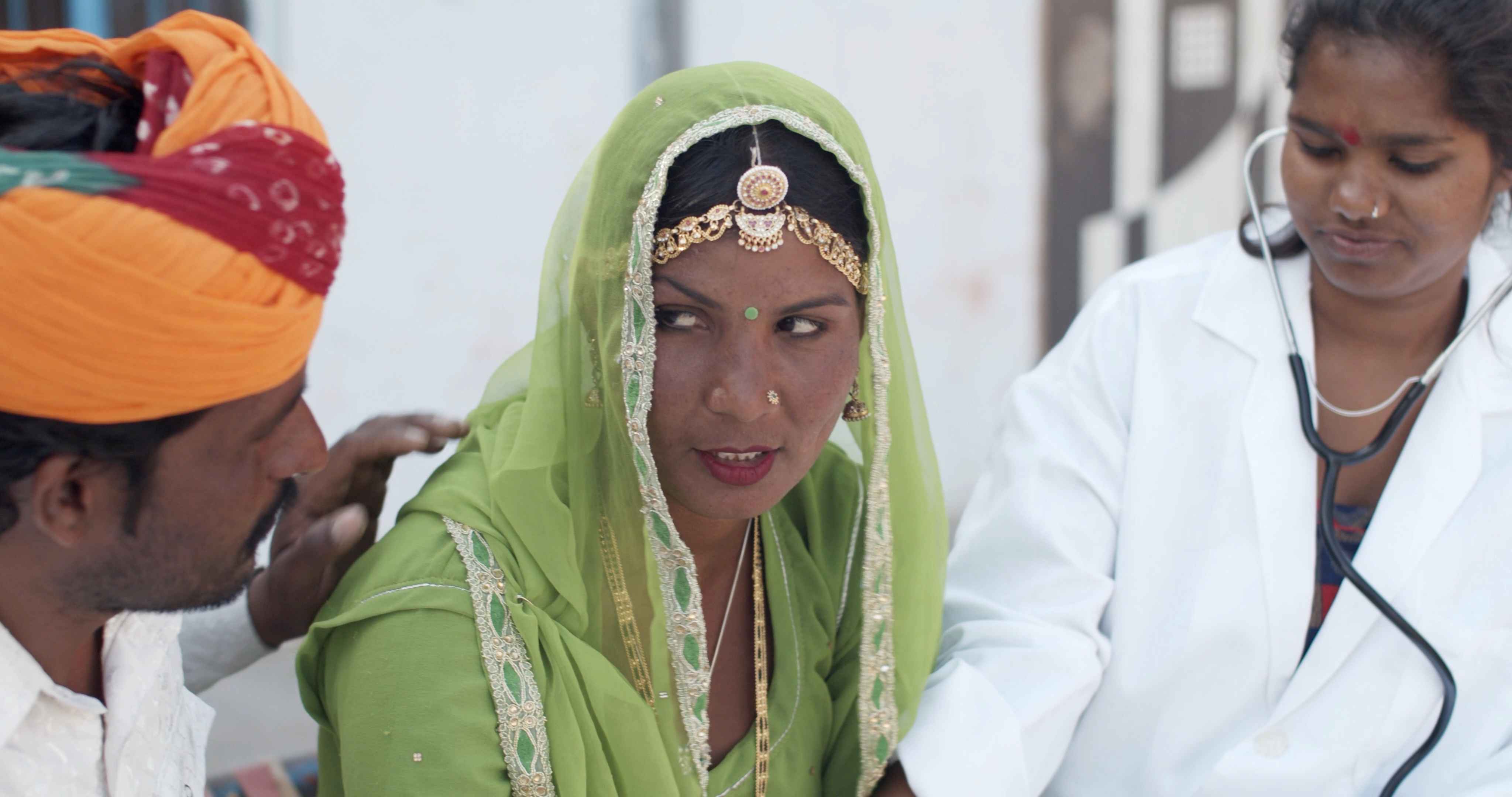
Most menstrual hygiene interventions at the government policy-level assign schools as the sites of action. This approach has made significant progress, but it also excludes girls who are out of school– those who work as child labourers, and those who drop out early due to poverty or early marriage. Dr. Arundati Muralidharan, co-founder of the think tank Menstrual Health Action for Impact (MHAi), explains: “The minute you are out of school, there is no menstrual health or hygiene intervention. For an adult woman, for the next 30 years of your menstruation, you don’t exist unless you are pregnant or have given birth. We fall out of the health system altogether.”
When household resources are limited, spending on menstrual products, healthcare or nutritious food tends to compete with other essential expenditures. According to NFHS-6 data, the percentage of Indian women in the age group of 15-24, who use ‘hygienic methods of protection’ during periods, has seen a minuscule rise from 77.6% to 79.2%. Food insecurity and menstrual health can reinforce one another as manifestations of existing socioeconomic gaps.
Also read: PCOS, now PMOS: A name change to alter a disorder's perception
Expanding the conversation beyond hygiene
India has come a long way in the context of menstrual hygiene, from rolling out a Menstrual Hygiene Scheme in 2011—making it one of the earliest countries to do so across the world—to declaring menstrual health and hygiene as a fundamental right this year. Despite being introduced as an all-inclusive policy, the Menstrual Hygiene Scheme has been limited in its scope and has not been further developed to accommodate the varied needs of the population. Most of these programs proceed to treat malnutrition through a diagnostic approach, which tests and treats the issue through supplements. This often ignores the fact that in India, food is something that is invisibly governed. Further, current awareness programs place the onus of nutritional responsibility on the menstruating individual rather than addressing systemic gaps.
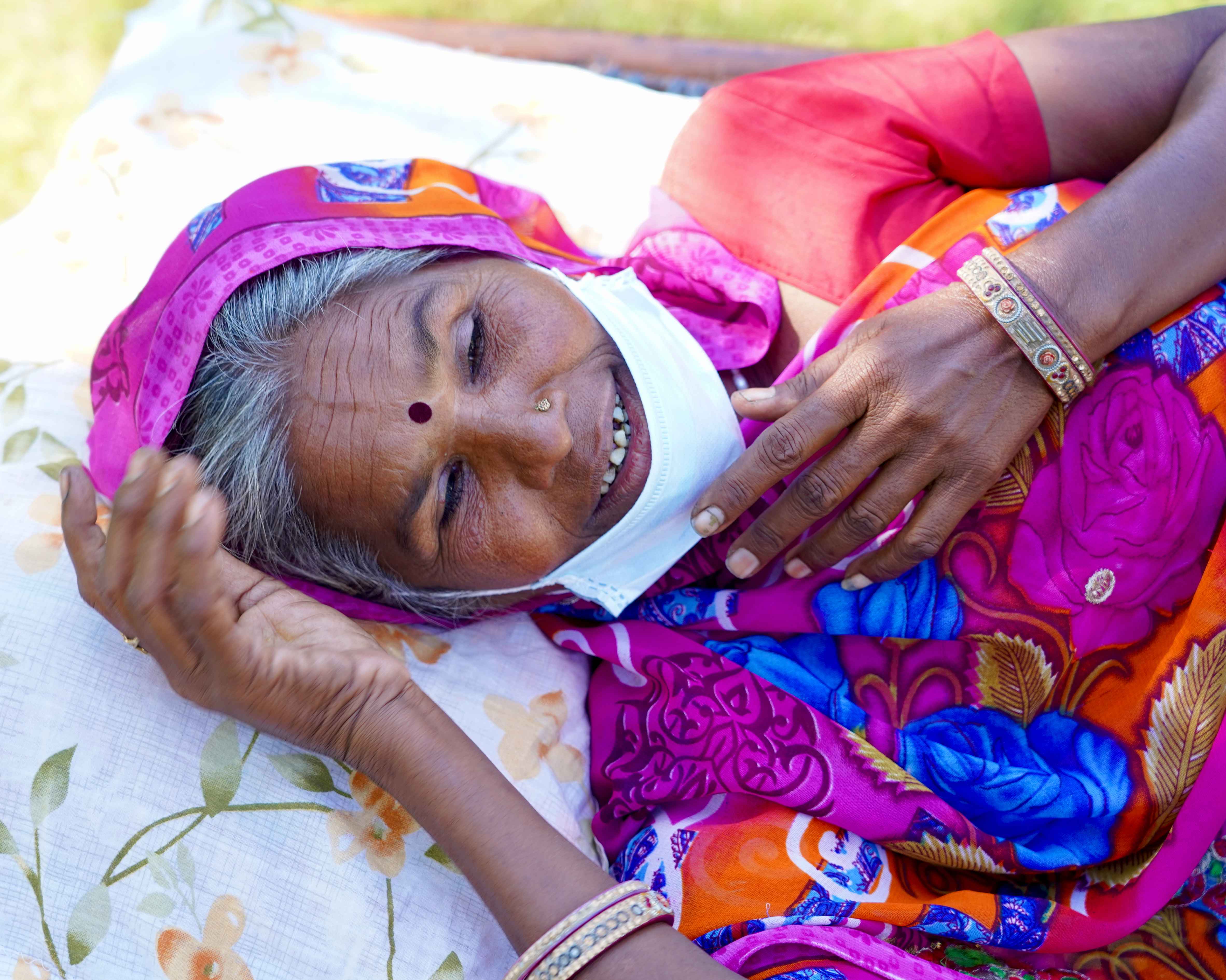
According to Dr. Karan Babbar, who teaches Economics at the Xavier School of Management, Jamshedpur, “Indian policies have traditionally approached menstrual hygiene, adolescent health, maternal nutrition and anaemia through somewhat different programme structures. There is value in having specialised programmes, but the danger is that we end up with vertical programmes addressing interconnected problems separately.” Thus, envisioning conceptually complementary policies does not guarantee an integrated approach on the ground. These services ought to be presented as a package.
Most of these programs proceed to treat malnutrition through a diagnostic approach, which tests and treats the issue through supplements.
“A nutrition-sensitive menstrual health approach would recognise that the nutritional needs of a 12-year-old adolescent, a woman in her reproductive years, a pregnant woman and a woman approaching menopause are not identical,” adds Dr. Babbar, whose work lies at the intersection of gender, health and development.
The way forward
Effective utilisation of the mid-day meal scheme in Anganwadis and schools, by catering to region-specific nutritional needs, can be an effective way to ensure these needs are met, says Dr. Muralidharan. However, this cannot be a substitute for household food security. She notes that nutritional levels can be tracked at the local level with the help of ASHA and Anganwadi workers. Local self-help groups, who are in constant touch with communities, are also helpful sources, as they are involved in grassroots-level implementation of health and nutrition schemes, especially in rural areas. However, it is unrealistic to depend on them to implement a coherent plan without allocating proper time, training, resources and adequate monetary incentives.
A nutrition-sensitive menstrual health approach would recognise that the nutritional needs of a 12-year-old adolescent, a woman in her reproductive years, a pregnant woman and a woman approaching menopause are not identical.
The most efficient way to tackle this issue is to bring together various departments, including Health and Family Welfare, Women and Child Development, and Food and Public Distribution. Until policy gaps are fixed, nutrition will continue to be an overlooked factor in the discussion on menstrual health.
Also read: Menopause: The seen and unseen toll on women's bodies
Cover Art by Pratik Bhide


Explore other topics
References