Menopause: The seen and unseen toll on women’s bodies
Symptoms as varied as tinnitus and joint pains must be treated holistically, say doctors


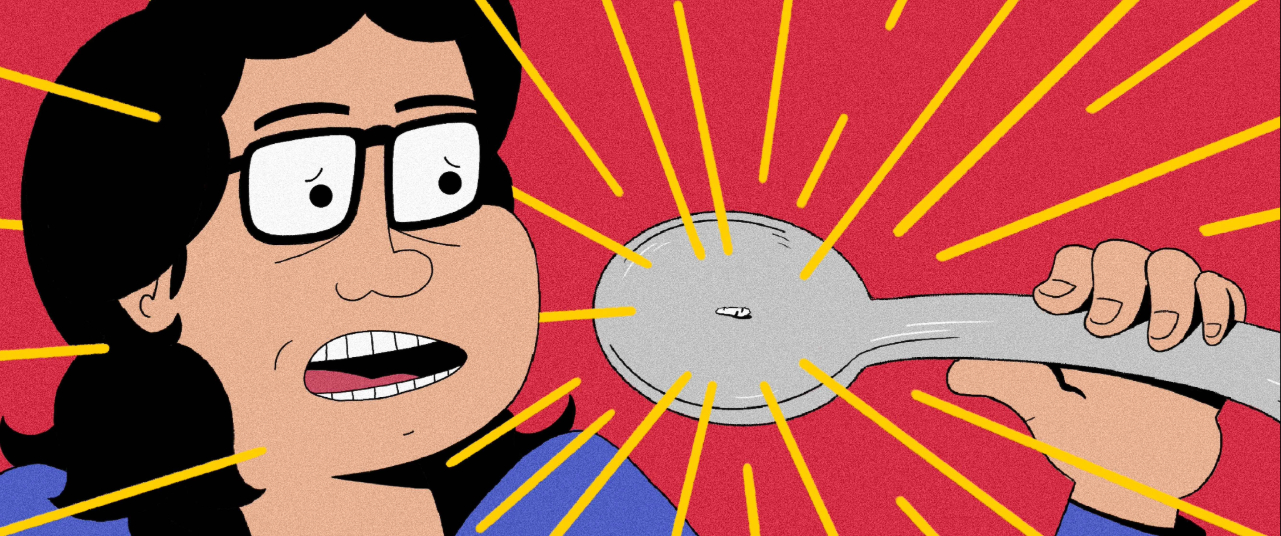
Andrea Pinto, a librarian in Mumbai, felt as if she was “possessed by an alien” when she started experiencing menopause at 55. Besieged by aches and pains, fatigue, bouts of crying and insomnia, she hardly recognised herself anymore.
Pinto’s experience is not an exception: despite the outlandish symptoms it arrives with, there’s little conversation about this drastic bodily change, rues gynaecologist Dr. Tanaaz Bhatt. It is not merely a transition from a reproductive to a non-reproductive phase, as it also has deep social and emotional impacts. “It's like you've never felt this way before, ever in your life. Everybody pays so much emphasis to puberty and pregnancy. But no one talks about perimenopause or menopause,” says Dr. Bhatt, who practices in Mumbai.
While in the West, women hit menopause around 52 to 54 years of age, in India, the age is typically between 45 to 50.
The menopausal population in India was projected to reach 103 million by 2026. Studies also show that Indian women experience menopause earlier. While in the West, women hit menopause around 52 to 54 years of age, in India, the age is typically between 45 to 50, says Dr. Bhatt.
Not a predictable, straight line
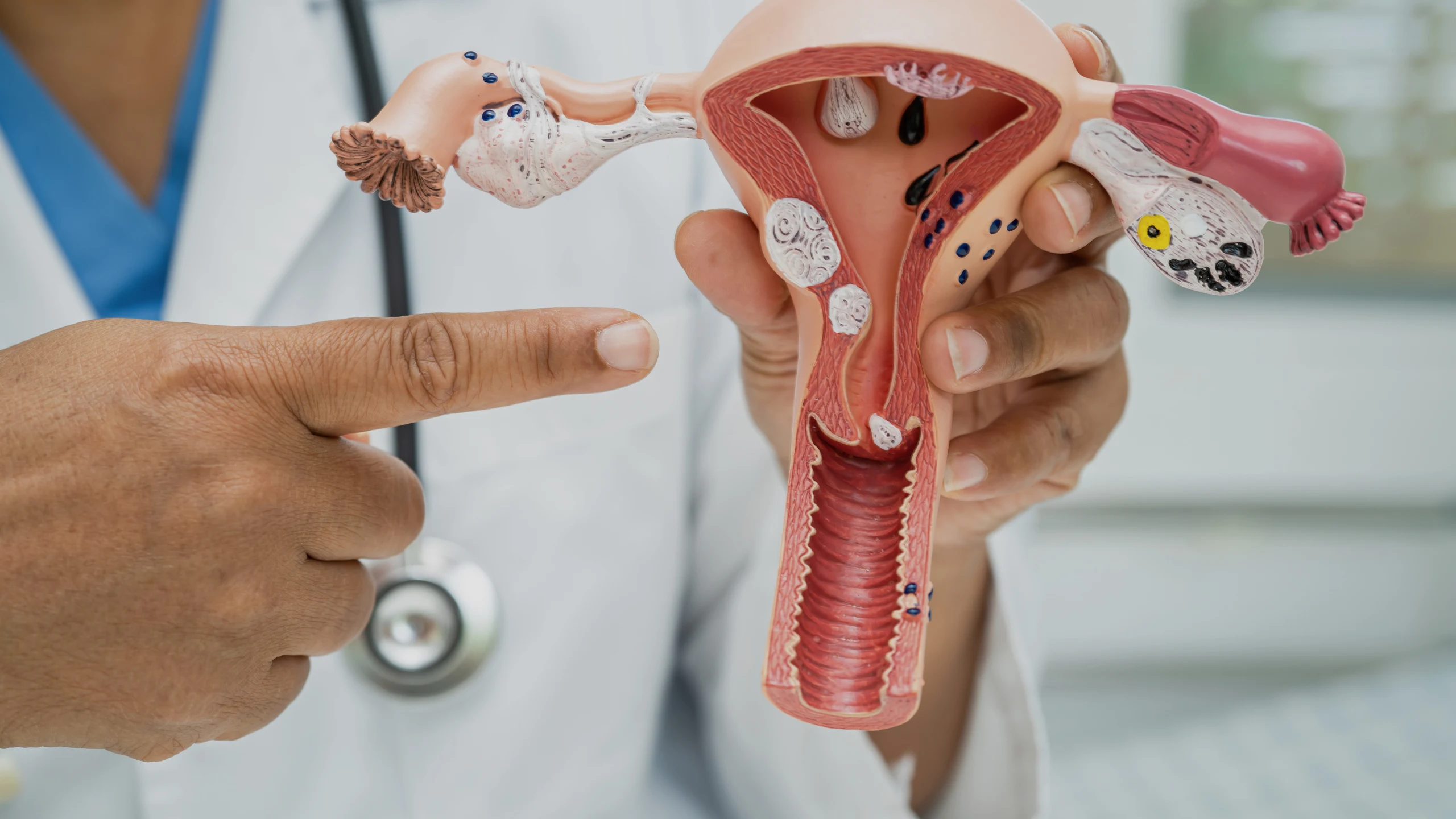
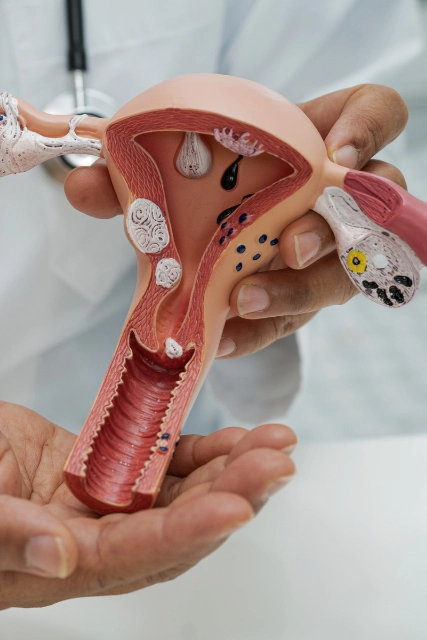
Menopause sets in when a woman has had 12 months of no menstruation, including any spotting. Endocrinologist Dr. Roshani Sanghani explains that this happens when the secretion of two hormones from the ovaries—oestrogen and progesterone—drops to menopausal levels.
But before menopause comes the tumultuous period of perimenopause, when there is a gradual and variable decline in the ovarian hormones. The pituitary gland pumps more FSH (follicle-stimulating hormone) into the system, to try to get the ovaries to respond more, leading to fluctuations. The age of perimenopause can vary, and Dr. Sanghani advises tracking symptoms to check if you are perimenopausal.
There are some women who experience premature menopause, too, between 30 and 35.
Women could be perimenopausal even when they’re observing what looks like a regular, monthly period.
Dr. Sanghani says about perimenopause, “Female hormones don't fall in a straight line. They start fluctuating wildly, going low some months, high some months, which makes it difficult to predict or even catch that a woman is going into perimenopause, because every month does not feel the same.”
This means that women could be perimenopausal even when they’re observing what looks like a regular, monthly period–and this could go on for 5 to 8 years.
Also read: PCOS, now PMOS: A name change to alter a disorder’s perception
Oestrogen, the master controller
Nearly all organs in our bodies have oestrogen receptors. Oestrogen, like all hormones, is a chemical messenger. Released into the bloodstream it travels to various organs which have a protein called oestrogen receptors. It binds to the receptor, and prompts a particular action. Oestrogen governs our moods, bone health, cardiovascular health, digestive systems, memory, and even energy levels. When oestrogen secretion is in a flux, every aspect of life is impacted, making it difficult to navigate the choppy seas of perimenopause.
Women can develop a range of symptoms, including ‘a menopause belly’. Dr. Bhatt says, “Even though a woman exercises or she eats the same food she has had all her life in an effort to be healthy, she may put on a lot of weight.” She explains that this is a result of erratic metabolism, which leads to the loss of muscle mass in the body. With a decreased ability to burn calories naturally, menopausing women are more likely to gain weight, despite exercising.
With a decreased ability to burn calories naturally, menopausing women are more likely to gain weight, despite exercising.
Hormonal fluctuation can lead to crying spells, mood swings, irritability, anger, recurrent urinary tract infections, bladder issues, joint pains, ringing in the ear (tinnitus), vertigo, impaired decision-making, change in heat or cold tolerance, and even change in cognition. A woman may enter a room, or open a cupboard, only to pause and wonder why she did that. This feeling is commonly known as brain fog.
“It feels like the body is slowly disintegrating along with the mind, and you're not in control,” says Ujalaa Chaudhuri, a 45-year old media professional from Mumbai, who began experiencing perimenopausal symptoms a few months ago. Her menstrual bleeding began seesawing between heavy and light, she started to feel sudden flashes of rage and mood swings. Sleep has become elusive, with insomnia and anxiety occupying her nights and days. She also experiences tingling in her feet, and stiffness in her joints.
Pinto also went through myriad symptoms. Her tolerance for spice went down drastically, and acidity became a frequent occurrence. She found herself unable to stay home by herself for long periods, and different parts of her body started paining. She, too, suffered from insomnia, like Chaudhuri.
On the other hand, Dr. Charuta Mandke, a 49-year-old ophthalmologist in Mumbai–who recently took an online test to examine her experience–is not experiencing severe perimenopausal symptoms.
That is the tricky part about menopause and perimenopause—symptoms can vary widely, and so can their severity. Dr. Sanghani says that one starts noticing these changes during perimenopause, but they need to be looked at as a whole, instead of assessing them piecemeal. She illustrates this through an example: a woman may go to an ENT specialist for tinnitus and vertigo if she experiences them in her early 40s. But an ENT may not make note of the other symptoms, which could otherwise lead to a diagnosis of perimenopause. “It's about looking at a cluster of symptoms and the patient as a whole,” she adds. She suggests that women keep a symptom diary, so the doctor can take a holistic view of their experiences. Dr. Bhatt also urges that women see a gynaecologist regularly after they turn 35.
Also read: Insulin, explained: The lock-and-key mechanism controlling blood sugar
Medical interventions
There are clinical options which can help women during this stormy period. A treatment which has gained widespread application is the Menopausal Hormonal Treatment (MHT), formerly called HRT. It affords the protection that oestrogen and progesterone offer even after menopause. For a long time, both doctors and patients were wary of this treatment. A study conducted by the National Institutes of Health (NIH) in the US as a part of the Women’s Health Initiative trial, warned that MHT could lead to breast cancer, endometrial cancer, strokes, and other conditions. The study ended in 2002. “But now many studies are coming up, which have shown beyond a doubt that HRT can help,” says Dr. Bhatt.
In administering MHT, the depleting hormones in the body are replaced by external, bioidentical hormones. Oestrogen may be taken orally or applied topically (directly to the skin, body, or vaginal area). Dr. Sanghani adds that women who have not undergone hysterectomies need to take progesterone along with the oestrogen. MHT typically costs upwards of Rs. 1,200 to 2,000 a month in India–this is for the hormones alone.
The treatment is tailored to the individual patient’s conditions, including starting with getting tested to determine if it is safe and appropriate for the patient. It is crucial to discuss the possible risks and side effects with the doctor before making a decision. It should be taken only under medical guidance, stresses Dr. Mandke, who is considering MHT for herself.
In administering MHT, the depleting hormones in the body are replaced by external, bioidentical hormones.
Dr. Sanghani adds that we now have long-term data of women who've been on the treatment for 10 to 20 years, and there's been no signal to show that it's potentially dangerous. In fact, the FDA has already removed the black box warning (the most stringent safety notice the U.S. Food and Drug Administration requires a prescription drug to state) from MHT, so that doctors now prescribe it with more confidence.
Shaista Vaishnav, an advertising professional, noticed a change in her menstrual pattern when she was 36. She went into perimenopause by 38. Initially, her doctor put her on birth control pills, but also suggested she see a gynaecologist who was an expert in perimenopause and menopause—who further recommended MHT. She has been on MHT for around eight months now, using an oestrogen gel and an orally administered progesterone tablet.
But before she began this treatment, she had in-depth conversations with her doctor, read extensively, and even completed short courses on the subject. Her doctor told her about potential risks—blood clots, and the possibility of a stroke for smokers or people with a sedentary lifestyle. She was also asked to get a yearly sonography and mammography done. Though aware of these risks, she opted for it as her doctor advised that for her, the benefits outweigh the risks, especially due to her early menopause.
Lifestyle changes
But not everyone chooses MHT, and nor can everyone afford to. Pinto was sure she didn't want to seek medical interventions such as MHT or anti-depressants to treat her symptoms, insteading choosing modalities like naturopathy and homeopathy. In her case, Pinto started experiencing menopausal symptoms during the COVID-19 pandemic, which compounded its effects. What helped was a book called The Change by Germaine Greer, which listed the symptoms she was experiencing–accurately–and made her feel seen and comforted. This was especially important because the older women she had spoken to had dismissed her concerns. She also comforted herself with art, reading, crossword puzzles, and by talking to friends and family.
Melody D’Souza’s perimenopause, too, coincided with a particularly stressful event in her life. It brought on drastic weight loss, hair fall, body aches, and allergies. She also chose lifestyle changes to cope with it, cutting out white sugar completely as it gave her extreme highs alternating with crashes. Next, she stopped stimulants like tea, coffee and other caffeinated foods. She also diversified her diet, adding different kinds of proteins, millets, and fermented foods. For joint and muscle relief, she practised fascia release techniques, which work on connective tissue.
Also read: India is the world’s pharmacy. How did it become a superbug hotspot?
Mental and physical health
Doctors warn of bone loss and weakening muscles during perimenopause and menopause. Dr. Bhatt cautions that MHT is not enough without regular exercise and a healthy diet. “Muscles are the new brain,” she adds. Strength training is strongly recommended to prevent muscle loss. Experts are increasingly using the term Musculoskeletal Syndrome of Menopause (MSM) to describe these symptoms. A 2024 review found that over 70% of women experience musculoskeletal symptoms during the menopause transition, with 25% disabled by them. Dr. Bhatt puts the risk of osteoporosis in post-menopausal women even higher, at one in two women.
An oft-neglected part of this period of sea change is mental health. “All women need to be told how to prepare for this much before it even starts,” says Dr. Syeda Ruksheda, a Mumbai-based psychiatrist.
A 2024 review found that over 70% of women experience musculoskeletal symptoms during the menopause transition, with 25% disabled by them.
She says that the oestrogen dip can lead to psychiatric symptoms: for instance, a pre-existing condition such as borderline anxiety can get exaggerated. Even women with no underlying conditions may develop symptoms, most commonly of depression and anxiety, necessitating intervention, she adds. PMS symptoms also get exaggerated during perimenopause.
She emphasises adopting a healthy lifestyle with adequate sleep, a nutritious diet, and stress management. She also advises women not to ignore symptoms and get them tested, lest they get amplified and affect their quality of life.
The role of family and friends cannot be stressed enough. The menopausal woman is undergoing changes such as tooth and hair loss, pigmentation, weight gain, and even reduced libido and painful intercourse. The family needs to be aware of this, so that they can empathise with her instead of being dismissive, and ensure she gets enough rest. Perhaps the most important part of this journey is acceptance. As Chaudhuri says, “I think there's so much taboo and shame still about these conversations… in truth, there is nothing to be ashamed of.” This milestone needs to be not just accepted, but celebrated.
{{quiz}}


.avif)
Explore other topics
References