
What's lurking in our food?
Our dinner plates now carry the accumulated chemical burden of decades of systemic lapses, while cleaner, safer food—a basic right—comes at a premium.


Editor's Note: The planet we inherited as children is not the planet we will someday bid goodbye to. The orchestral call of cicadas in the evenings, the coinciding arrival of the monsoon with the start of the school year, and the predictability of natural cycles—things we thought to be unchanging are now at risk. An altered climate, declining biodiversity and warming oceans aren’t distant realities presented in news headlines; they affect us all in seen and unseen ways. In ‘Converging Currents’, marine conservationist and science communicator Phalguni Ranjan explores how the fine threads connecting people and nature are transforming with a changing planet.
As a country where the cuisine morphs every few hundred kilometres, our relationship with food is not merely one of necessity and survival; it transcends an entire spectrum of emotional, cultural, and sensory experiences. Most of us enjoy the rich diversity of flavours that Indian cuisines offer us, but do we know what is really on our plates?
Every bite holds the entire journey of every single thing that it is made of, and made from: the ingredients, soil, water, air, farm animals, decades of chemistry, and centuries of culinary magic and culture—and unfortunately, contaminants. Washing, cooking, and processing can eliminate a significant number of the surface chemicals, impurities, and microbes that come along with our food. However, contaminants like heavy metals, legacy organochlorine pesticides, and veterinary antibiotics can persist in our food despite our best efforts.
This includes the notorious ‘forever chemicals’ per- and polyfluoroalkyl substances (PFAS), which can take hundreds of years to degrade, and whose traces are still found in food globally.
Two chemical properties explain why many of these contaminants stick around in the environment, food, and even in living beings: lipophilicity (being fat-loving) and persistence. Fat-soluble pesticides and industrial chemicals make their way into fatty tissue where they are stored rather than being broken down or excreted. Their molecular structures also resist chemical and microbial breakdown, so they remain intact for years, moving slowly from soil to plant (to animal fat in the case of animal products) to the human diet.
‘Forever chemicals’
For most of human history, food contamination was accidental and local: smoke residues from fires, naturally occurring plant toxins, spoilage, poor storage, or naturally occurring soil pathogens. In the 19th and 20th centuries, the industrial revolution, rapid urbanisation, mechanised agriculture, and the rise of chemical inputs very quickly altered how food was grown, preserved, processed, and transported.
In the mid- to late-20th century, the Green Revolution brought in high-yield crop varieties and hybrids to boost the agro-economy across the world. Realising this vision required intensive inputs of fertilisers, irrigation, and pesticides, increasing chemical dependence to boost yields. Globally and domestically, food production rose dramatically, but so did the chemical load within agroecosystems, most detrimental of which are persistent organic pollutants (POPs)—pesticides and fertilisers so resistant to degradation that traces exist to date. This includes the notorious ‘forever chemicals’ per- and polyfluoroalkyl substances (PFAS), which can take hundreds of years to degrade, and whose traces are still found in food globally.
Driven by this very need for yield, around the same time, antibiotics were made mainstream in animal husbandry globally, without stringent regulations monitoring their usage. This laid the groundwork for antimicrobial resistance, with drug-resistant bacterial genes now living on in the environment, making it difficult to treat infections.
While high levels of all these contaminants can cause severe acute side effects when consumed, there are also effects that compound over time, silently. Chronic low-level exposure can cause a range of neurological, cardiovascular, developmental, metabolic, and endocrine complications in addition to organ damage, cancers, reproductive dysfunctions, severe allergies, and even affect the brain. Microbial exposure can result in chronic gastro-intestinal disorders, the permanent impacts of which can cause recurring future infections. Pregnant women, the elderly, immuno-compromised people, and children are especially vulnerable, as low-level chronic exposure is typically only detected when there are clear symptoms, sometimes too late.
The concept of food safety addresses the effects of these contaminants on people as they pose a public health challenge. However, the issue of environmental impacts and animal suffering tends to fall through the cracks. Excessive, long-term pesticide use also negatively impacts the environment in general, including soil fertility and quality. Through runoff and waterways, these chemicals ultimately reach water bodies and the oceans where they affect aquatic life. Heavy metals and legacy pesticides now pass on from mothers to young ones with toxic effects, fish show gill deformities, reproductive cycles are disrupted, and navigation and behaviour are impacted.
Even tiny concentrations can disrupt how bees navigate, feed, and move; and how birds reproduce, communicate, and grow. Most pesticides also cause endocrine (hormonal) issues, resulting in reproductive and physical deformities in animals, from small frogs to large polar bears.
Also read: Bugging out: Why declining insect populations in India spell doom for agriculture
Pathways to the dinner plate
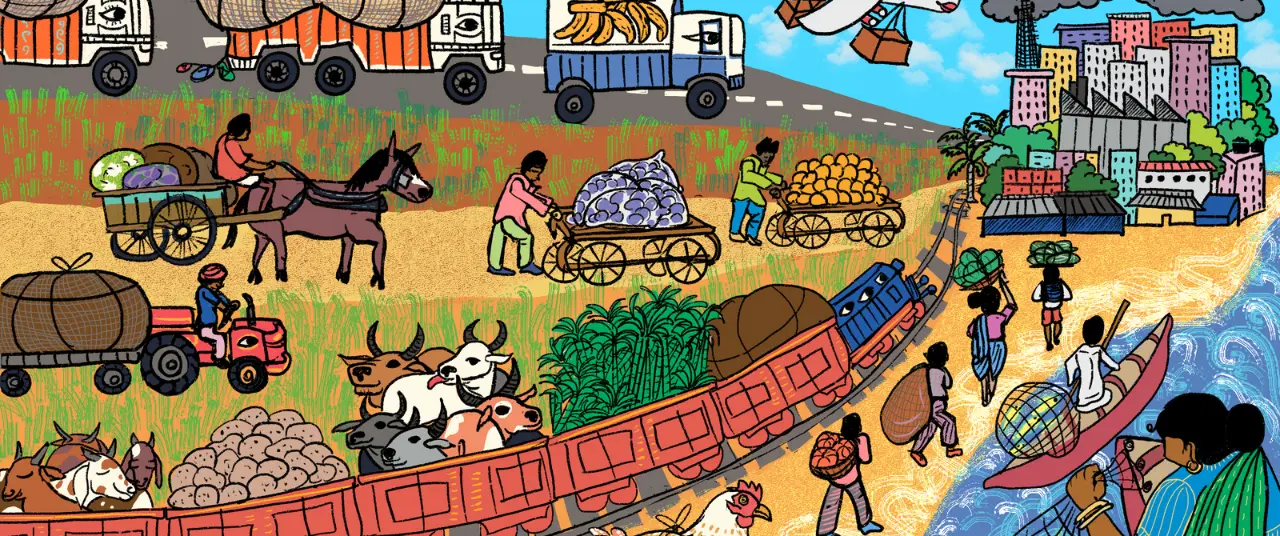
The entry of contaminants into food arises at multiple points in the farm produce-to-dining-table continuum. Airborne emissions settle onto farmlands, contaminated water irrigates crops, residues persist in soil year after year. Plants absorb what is available, animals eat the plants, and we humans consume both.
Soil and water are the most direct routes for contaminants to enter the food chain. Industrial emissions, mining, fertilisers, pesticides, mismanaged sewage, and wastewater release lead, cadmium, arsenic and other heavy metals into agricultural soils, waterways, and the air. Plants take up a share of these heavy metals through their roots, and leafy vegetables often show the highest concentrations. Pesticide sprays settle on leaves and fruits, and some systemic insecticides move throughout a plant’s body to deposit in edible tissues.
Antibiotics given to livestock can leave residues in meat, eggs, and milk when withdrawal periods—mandatory waiting time after administering a drug before animal produce is safe for consumption—are not observed. In principle, regulatory checks should prevent significant residues, but lapses in compliance or weak enforcement mean residues reach the consumer’s plate.

The absorption of chemicals and heavy metals into fats results in biomagnification as the food web progresses. Plants and small animals absorb them, larger animals feeding on them accumulate higher levels, and we ingest a disproportionately larger share when we consume fatty meats, plants (nuts, seeds), or dairy. The same happens in edible fish and shellfish which accumulate contaminants released into marine and freshwater environments; these typically include mercury and toxic persistent industrial chemicals such as polychlorinated biphenyls and perfluoroalkyl substances.
Food processing and packaging can also introduce contaminants along the chain. Milling rice, refining oils, or drying spices may reduce contaminant level, but can inadvertently introduce others. Contact with plastic packaging introduces compounds such as bisphenols, phthalates, microplastics, and perfluorinated chemicals into food, especially in canned or high-fat products. These substances, much like the other contaminants, are widely associated with neurological, hormonal, cardiac, respiratory, and metabolic side effects.
Heavy metals
Heavy metals such as lead, cadmium, mercury, and arsenic are among the most concerning and common food contaminants because they accumulate without degrading. However, their presence in food can be due to the geology of the region (unavoidable) and industrial activity (uncontrolled), rather than agricultural practice alone.
Plants and small animals absorb them, larger animals feeding on them accumulate higher levels, and we ingest a disproportionately larger share when we consume fatty meats, plants (nuts, seeds), or dairy.
Arsenic, for example, occurs naturally in certain soils and groundwater. High levels in groundwater have been reported from several Indian states including West Bengal, Bihar and Uttar Pradesh, while traces have also been found in rice grown under flooded conditions, making it a significant concern in Southeast Asia.
Industrial processes such as mining, smelting, and fossil fuel combustion, combined with sewage sludge being used as manure, release toxic metals. Once in the soil, they are taken up by leafy vegetables, root crops, and grains, or enter aquatic food webs, ultimately accumulating in foods we eat. Urban and peri-urban agriculture is equally vulnerable due to contamination from traffic emissions, wastewater mismanagement, and industrial emissions.
Also read: Home gardens enrich the soul. Can they improve urban biodiversity too?
Pesticides and legacy chemicals
Pesticides and herbicides improve yields and reduce pest damage, but toxic residues persist in the crop despite processing. During the Green Revolution, agriculture relied heavily on organochlorines like DDT, lindane, and dieldrin, a group of pesticides so persistent that they remain detectable in soils and sediments even now, decades after their ban. Many of these pesticides were recognised later—perhaps too late—as toxic and potentially carcinogenic to humans, wildlife, or both.
DDT was also, until recently, hailed and abused as a miracle against vector-borne diseases like Malaria. India, once the largest user of the chemical, now remains its sole manufacturer since 2008, even as authorities talk about phase-out plans.
Today, pesticide chemistry has shifted to marginally better formulations. While many are less ‘immortal’, they are still associated with neurodevelopmental, organ-related, metabolic, hormonal, developmental deformities, and other side effects associated with chronic low-level exposure. Farmers and their families, with the highest exposure risks, tend to suffer disproportionately more.

Veterinary drugs
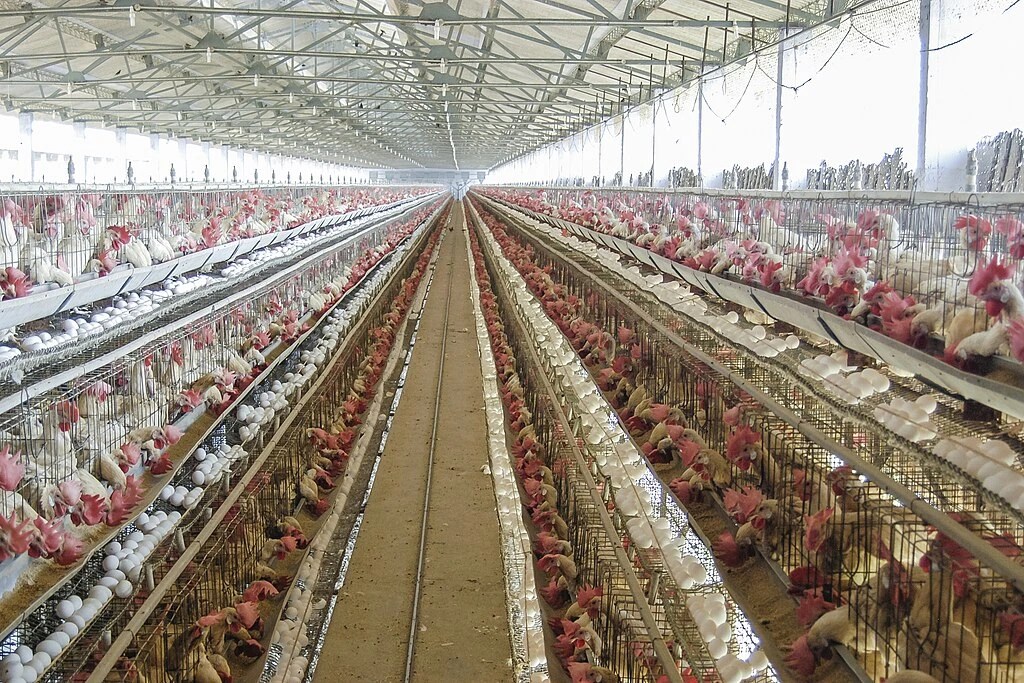
The indiscriminate use of antibiotics in livestock and poultry is a hotly debated topic. Shifting diets and increasing demand for animal protein have driven up production; resultantly, the cramped and unhygienic conditions of large-scale poultry farms often result in disease outbreaks. Antibiotics and anti-parasitic drugs are frequently administered not only to treat disease but preventatively—a practice that has been critiqued extensively, but one that continues, regardless.
Antibiotics and anti-parasitic drugs are frequently administered not only to treat disease but preventatively—a practice that has been critiqued extensively, but one that continues, regardless.
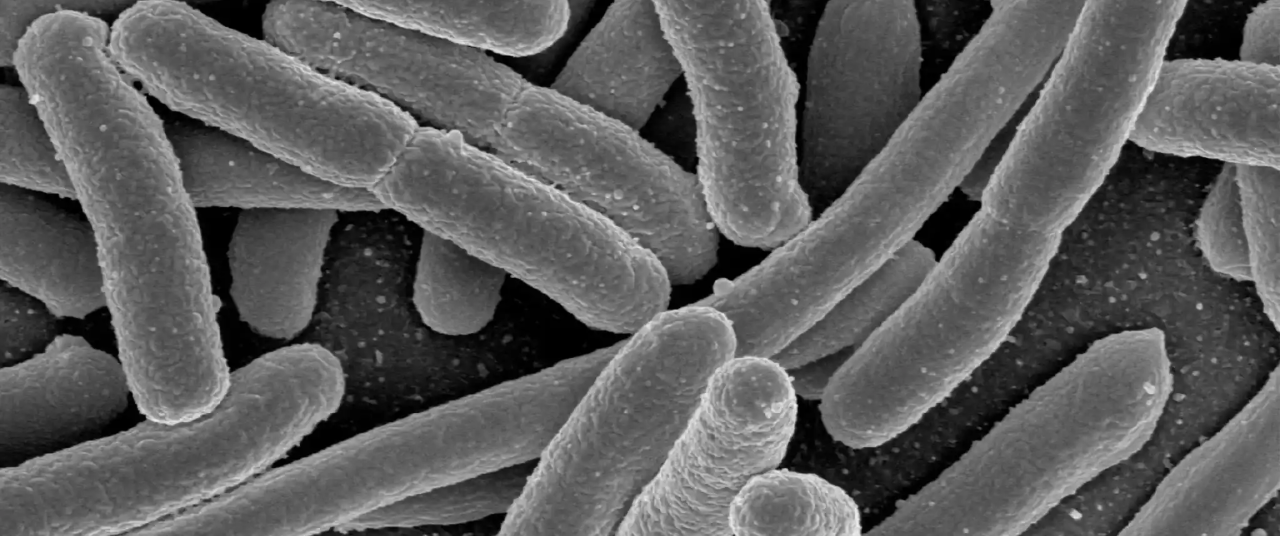
While some countries tightly regulate these practices, drug residues can still find their way into meat, milk, and eggs. Residues in food, even below regulatory limits, can selectively make some pathogens immune to them, reducing the effectiveness of life-saving medicines, as is being increasingly observed in emerging strains of drug-resistant diseases. The implications extend beyond just exposure: the broader global public health crisis of antimicrobial resistance (AMR) is a cause for concern, and now affects wildlife as well, making it more difficult to treat infections.
Indian realities
From smallholder farms to intensive dairy operations, India’s food system is vast and diverse, and the pathways for contaminants are just as numerous and unevenly distributed. Traces of heavy metals like lead, cadmium, and iron in vegetables and leafy greens are regularly reported from multiple parts of the country, especially industrialised and urbanised regions, at concentrations far exceeding permissible levels.
A very recent analysis of vegetable and soil samples from Bengaluru found toxic levels of lead in amounts that are 5-20 times higher than permissible limits. 26% of the vegetable samples—some that claimed to be organic—and over 85% of the soil samples from source farms were found to be significantly contaminated.
Whether it is recent reports of potentially carcinogenic nitrofurans detected in eggs, coliform bacteria in milk and curd, fake or analogue paneer doing the rounds, or even adulterated honey, the problem is not new.
A seven-year-long observation (2013 to 2020) of vegetables across Northern and Western India found residues of 56 pesticides in 40% of the vegetable samples including capsicum, brinjal, gourds, and tomato. While the levels mostly fall within permissible non-toxic limits, and a similar trend is reflected internationally, chronic low-level exposure remains a critical concern.
Organochlorine pesticides have been routinely detected in ghee and butter for decades now, while adulteration of milk, spices and condiments have been a widely accepted reality for just as long. Despite reiterated bans and regulations, antibiotic residues in meat and poultry are also routinely detected at levels especially harmful for children.
Whether it is recent reports of potentially carcinogenic nitrofurans detected in eggs, coliform bacteria in milk and curd, fake or analogue paneer doing the rounds, or even adulterated honey, the problem is not new.
The issue lies not with our dietary choices of vegetables, dairy, or meat, but rather, with the regulatory and processing chains. While it is not easy to feed the world’s most populous nation, the kind of economic forces that drive our markets push for quantity over quality, and profits over safety. The global story mirrors India’s, with legacy pollutants, antibiotic residues, and resistance genes sparking concerns. However, that cannot be an excuse to brush domestic issues under the carpet in what is most certainly a systemic failure.
For consumers, transparency through clear labelling and traceability can empower informed choices. However, addressing food contamination requires shifting focus from end-point testing to upstream prevention and improving safety standards and regulation. Quality monitoring needs to become routine rather than reactive. For example, the Food Safety and Standards Authority of India (FSSAI) was recently spurred into action after reports of contaminants in eggs surfaced, prompting a sudden flurry of widespread and deeper testing of eggs while routine monitoring seems to be largely absent.
Improving the processing chain and plugging in the gaps by integrating robust data and technology into food systems, and improving screening, sampling, reporting, accountability, and emergency responses are other areas that need focus. However, the driving of holistic solutions on ground also needs to involve stakeholder collaborations for widespread, equitable, and sustainable adoption.
A persistent burden for whom?
The bottom line is that modern agriculture, evolving technology, better awareness, and food processing have not eliminated the problem of chemical residues. In fact, unfortunately, some of the sources arise from compulsions to meet demands: intensive agriculture prioritises high yields and protection from pests and infections; untreated or partially treated wastewater is the only alternative in water-scarce regions.
Products from multiple big, ‘trusted’ brands continue to fail independent third-party quality testing, and these brands—and regulatory bodies—only spur into action to address claims instead of proactively stepping up.
What is equally concerning is the socio-economic divide in access to ‘better’ and perhaps ‘safer’.
What should be working and evolving is the regulatory framework and accountability.
It is widely accepted that screening and enforcement is uneven, not just in informal markets and among smallholder farmers who may lack access to safe inputs or proper training, but among the big, moneyed players. As a result, chemicals and drugs meant to protect crops and animals continue to flow into diets, putting millions at risk.
In some ways, these contaminants are not merely chemical intrusions, they are indicators of how we have shaped our environment in the pursuit of ‘more’.
What is equally concerning is the socio-economic divide in access to ‘better’ and perhaps ‘safer’. Foods with a guarantee of being cleaner, safer, and better regulated are now priced at a premium for what should be a basic standard. How much of India’s population would understand contamination or product recalls in the first place? How many are able to pay double for a safer label to feed a family, or pay a premium for a tub of curd when the low cost alternatives carry contaminants?
I cannot think of any foolproof solutions to this, nor do I know if the ‘safer’ choices I’m inclined to pick are even safe—trust is a precious yet fragile thing brands tend to exploit. I do recognise that I have the immense privilege of choice, and access to ‘better’. But what about those who do not? When did it become okay to pay a hefty premium for cleaner, safer, healthier food—something that should be a given?
Also read: Climate change in my cup: Why India’s cocoa and coffee production is at risk
Cover art by Pratik Bhide
{{quiz}}
.jpg)

.avif)
Explore other topics
References