Climate change in my cup: Why India’s cocoa and coffee production is at risk
Erratic rain and rising temperatures affect yield, bean quality and farmers’ willingness to invest


Editor's Note: The planet we inherited as children is not the planet we will someday bid goodbye to. The orchestral call of cicadas in the evenings, the coinciding arrival of the monsoon with the start of the school year, and the predictability of natural cycles—things we thought to be unchanging are now at risk. An altered climate, declining biodiversity and warming oceans aren’t distant realities presented in news headlines; they affect us all in seen and unseen ways. In ‘Converging Currents’, marine conservationist and science communicator Phalguni Ranjan explores how the fine threads connecting people and nature are transforming with a changing planet.
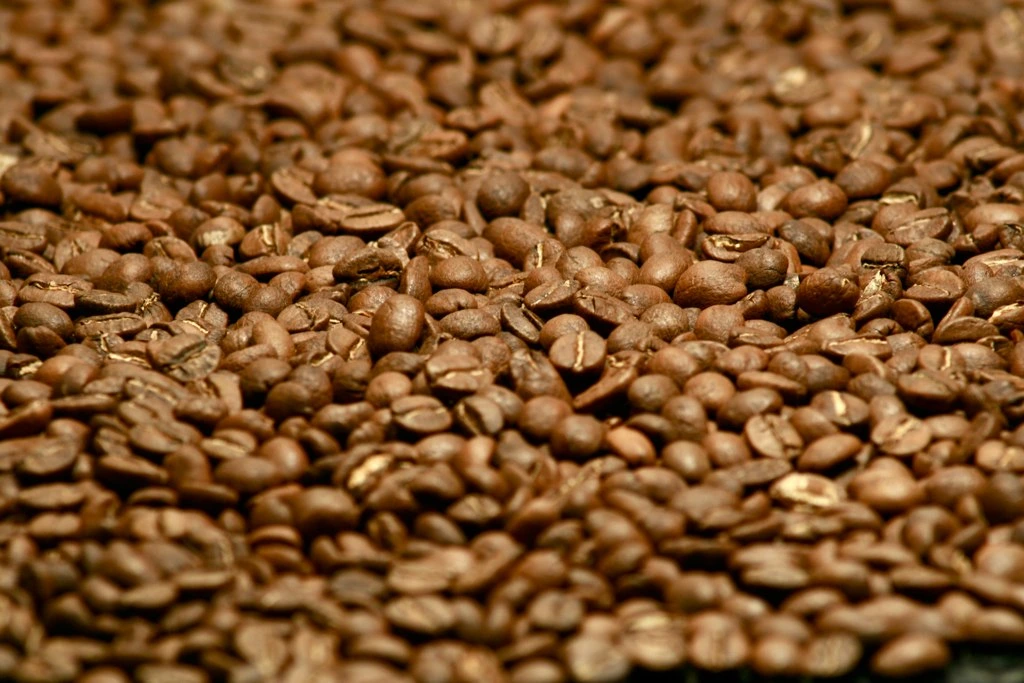
Few aromas are as universally comforting as the scent of freshly brewed coffee, or that of freshly baked chocolate goodies. From filter coffee to fudgy brownies, two beans—coffee from Coffea arabica and C. canephora (robusta), and cocoa from Theobroma cacao—are woven into our daily rituals, cuisines, and cultures.
Yet, beneath their familiar flavours lies a sobering truth: climate change touches everything.
From ancient rituals to global culture
The story of coffee begins around 850 CE in the Ethiopian plateau, where bushes of arabica coffee grew wild. Legend holds that at this time, a goat-herd named Kaldi noticed that his flock grew unusually energetic after feeding on certain red berries. Curious, he tried them himself. Kaldi experienced a new sort of exhilaration–a high–and he shared his discovery with local monks, who began roasting and brewing these mystery beans to stay awake during long prayers through the night.
It is believed that a Sufi saint by the name of Baba Budan smuggled raw beans from Mokha in Yemen and planted them in the hill slopes of present-day Chikkamagaluru, Karnataka
By the 15th century, coffee had crossed the Red Sea into present-day Yemen (whose trading port city, Mokha, still remains the namesake for the chocolatey version of the coffee we drink), eventually journeying into Europe over the next 200 years. From there, the Dutch brought coffee to the East Indies, while French and British colonists carried it to Martinique, Jamaica, India, and Brazil (now a global coffee giant). Around the same time, it is believed that a Sufi saint by the name of Baba Budan smuggled raw beans from Mokha in Yemen and planted them in the hill slopes of present-day Chikkamagaluru, Karnataka—now known as the Baba Budangiri hills. Under colonial influence, commercial plantations of coffee flourished across Karnataka, Kerala, and Tamil Nadu in the 19th century.
Over time, coffee developed a distinct cultural identity here, and continues to be drunk in many forms; a classic example that persists is the beloved South Indian filter coffee (or kaapi), made by combining a strong coffee decoction with frothy milk and sugar.
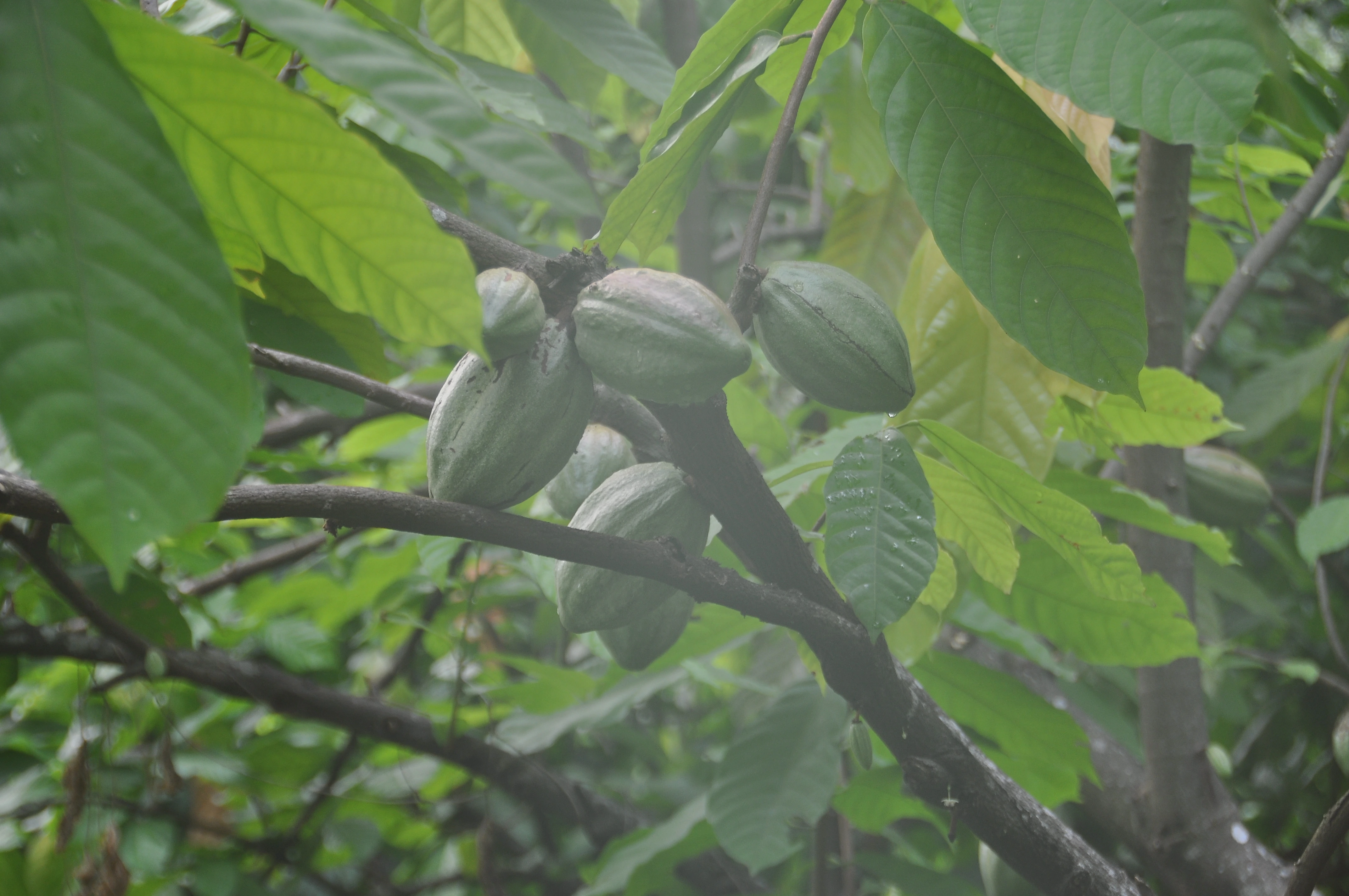
Cocoa’s lineage, too, is ancient and deeply entwined with human culture, although admittedly more bitter. The tropical cocoa tree Theobroma cacao—meaning ‘food of the gods’ in Greek—was first cultivated in the Ecuadorian Amazon around 5,300 years ago. It then spread across Mesoamerica (present day Guatemala, Honduras, Mexico, and El Salvador) before Europeans (hello, Columbus) chanced upon it.
As the Spanish colonised the continent in the 1500s, the ceremonial drink of the Aztec nobles—chocolatl—caught their eye. Thereafter began a reign of exploitation and coerced cultivation to expand production, which eventually extended to plantations in West Africa, another enslaved colony.
Cocoa’s history in India is relatively recent, but also colonial in origin. Introduced by the British in the late 1700s, cacao trees were mostly planted in gardens. Large-scale cocoa farming only took off in South India in the 1960s and 1970s when Cadbury established a demonstration cocoa farm in Wayanad, Kerala. Over subsequent decades, cultivation spread across Andhra Pradesh, Kerala, Karnataka, and Tamil Nadu, bringing together India’s cocoa and craft chocolate belts.
Cultivating cocoa and coffee in India
In southern India’s shaded hills, coffee and cocoa thrive under delicately balanced conditions.
Coffee planters cultivate two different varieties: arabica and robusta. As a consumer, the difference in taste emerges when you notice that arabica is smoother, has more fruity, floral notes, and a complex, bright aroma. Robusta is usually a bit stronger with a higher caffeine content, more bitter, and has more woody notes. The agricultural differences are clear: while arabica prefers the cool highland slopes at 1,000–1,500 m elevation with milder temperatures, high humidity and rainfall, robusta grows lower down between 500-1,000 m, where it’s warmer and even more humid.
This intercropping system allows smallholders (farmers with small-scale lands less than five hectares) to combine climate-sensitive, cash-generating cocoa and coffee with stable, year-round tree crops.
Cocoa loves similar tropical comforts of warm temperatures, high humidity and rainfall, and is grown in a mixed or intercropping system; the crop is cultivated under shade in coconut and areca-nut plantations, where the tall palms act as natural umbrellas. This process shares a similarity with Indian coffee farms, which also typically use agroforestry systems with two-tier shade canopies—a lower or temporary canopy, and a higher or permanent one—of silver oak, dadap, Indian walnut, red cedar, Indian rosewood, or ficus trees to protect the plants and maintain a moist and cool microclimate.
This intercropping system allows smallholders (farmers with small-scale lands less than five hectares) to combine climate-sensitive, cash-generating cocoa and coffee with stable, year-round tree crops. It offers them a diversification of income sources and a buffer in lean seasons.
However, this is not enough to combat the challenges posed by erratic weather.
The cost of an altered climate
Globally, the cocoa and coffee sectors are both grappling with serious climate-driven setbacks and shrinking suitable areas for production.
Arabica makes up around 60% of global coffee production, and just for context: an estimated 2.25 billion cups of coffee are consumed each day worldwide! Coffee contributes to the economies of over 70 tropical nations, supporting more than 125 million people globally across over 12 million farms; 95% of these are held by smallholders. Cocoa, similarly, is cultivated by about 6 million farmers globally, 90% of them being smallholders.
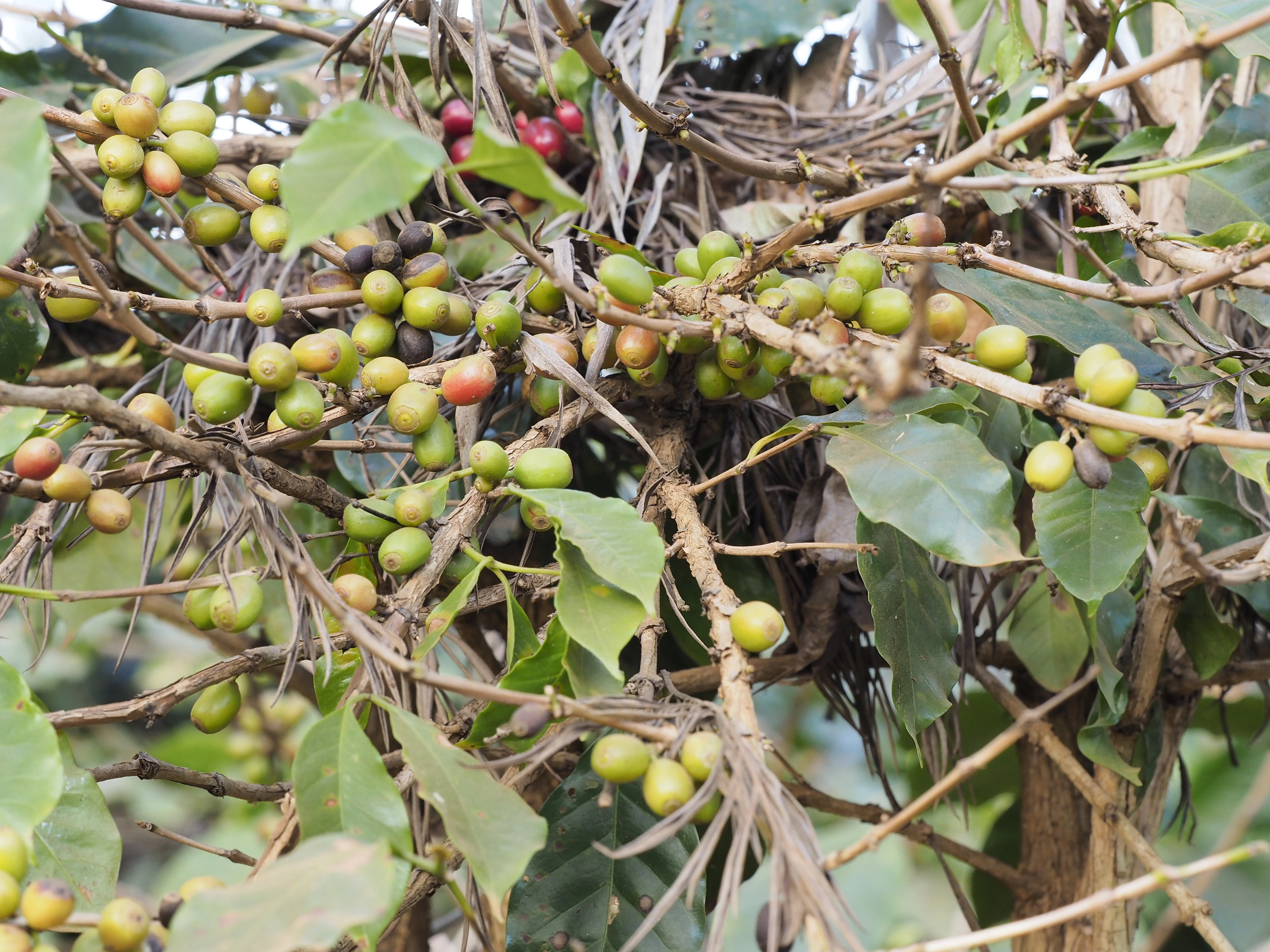
Climate change, increased temperatures, and erratic rainfall are already affecting growth and yields for both coffee and cocoa. Declining global yields of coffee—around 20% in Vietnam and 16.5% in Indonesia, both key producer countries—and cocoa (13%) inflated the prices of both commodities to an all-time high in 2024—high rates that could still not make up for the losses incurred by growers.
Projections show that by 2050, regions climatically most suitable for growing cocoa (like the Ivory Coast that supplies 45% of the world’s cocoa) and coffee (key hotspots in Africa) could both shrink by 50% because of unprecedented climactic patterns. In this scenario, cultivation could benefit from a shift to higher altitudes and away from the tropics as the minimum temperatures in these cooler areas increases. Indeed, in parts of the world, farmers are already taking arabica cultivation to higher altitudes to avoid heat-related losses.
Robusta, being the more robust variety as the name suggests, is emerging as an attractive alternative to the more climate-sensitive arabica—for both farmers and companies. However, historically assumed to withstand a broader and higher temperature range than arabica, robusta has recently been found to be more temperature-sensitive than previously thought. With a narrow optimal range somewhat similar to that of arabica, every 1°C increase in temperature beyond the range can result in yield declines by around 14%—significantly diminishing the temperature advantage. It is also more sensitive to lower temperatures outside this range. Furthermore, while robusta is drought-tolerant (not resistant), prolonged and severe droughts have resulted in farmers in Vietnam shifting to cultivating fruits for survival. So, while it is definitely a more resilient option, robusta is not immune to climate change and market dynamics in the long run.
Robusta, being the more robust variety as the name suggests, is emerging as an attractive alternative to the more climate-sensitive arabica—for both farmers and companies.
Market viability is another challenge. Arabica is preferred for its milder, less bitter, nuttier flavour profile, often the only component of specialty and premium coffees. Robusta, with its bitter, woodier and stronger flavour profile finds fewer takers and is considered of lower quality, posing a potential challenge for its mainstream adoption.
Similarly, cocoa yields suffered significantly with prices hitting an all-time high in 2024, highlighting a concerning reality that could make chocolate unaffordable. Non-cocoa alternatives that replicate the texture and flavour of cocoa have existed for a while, but the incentive to switch to them has only cropped up in recent years. Substitutes like chicory roots and carob, a legume touted for its nutritional benefits, are already being used to reduce or replace cocoa. While this alters the flavour profile of the chocolate, the differences are barely noticeable by many—a fact trumped by the many health benefits offered by carob, along with its affordability. Indeed, carob could well be the ‘robusta’ of the cacao world, potentially facing the same challenges of perception and mainstream acceptance.

Also read: Omega-3 fatty acids: The hidden costs of ‘health’ to our seas
The Indian scenario
Climate change is exerting multifaceted pressure on India’s coffee and cocoa sectors as well, especially across the Western Ghats.
Coffee is especially susceptible to rainfall variability during the flowering and post-flowering stages, and irregular or heavy rains damage flowers and fruit set (formation of fruit from the flower). Significant fluctuations in yield have been recorded over the past three decades across India’s coffee belt already. Long-term observations confirm that unpredictable monsoons can upset the delicate synchronisation of flowering and pollination, and ultimately impact yield and quality of coffee berries. In fact, local case studies report that extreme rainfall events—such as 30 inches of rainfall in a single day—have caused up to 50% losses in some coffee areas across southern India. Coffee planters in this belt identify erratic weather and climate change as the biggest challenges, followed by water scarcity (for irrigation) and increased pest attacks.
Though the two-tier agroforestry system reduces heat stress and stabilises microclimates, it cannot offset large-scale warming. Yields at agroforestry coffee farms in Karnataka and Kerala were found to decline sharply due to rising maximum temperatures and erratic rainfall. Moreover, they are projected to further drop by another 10–20% if global average temperatures rise by 2°C above pre-industrial levels—a reality that is not far off, since we are already dangerously close to breaching the 1.5°C average.
Climate change is not always quantifiable or linear. A seasoned farmer’s keen eye observes subtle changes not evident to us.
Largely confined to the same southern belt in India, cocoa also depends on consistent rainfall, high humidity, and moderate temperatures. Climate change is not always quantifiable or linear. A seasoned farmer’s keen eye observes subtle changes not evident to us. Over time, cocoa farmers in Pollachi, Tamil Nadu observed rising temperatures, erratic and declining rainfall; shortened monsoon periods translated directly into falling yields and deteriorating cocoa bean quality. Warmer temperatures and prolonged dry spells are known to cause moisture stress and a drop in flowers. They also lead to smaller pods (fruits) and beans—because of accelerated development—and variations in the fat content of the cocoa bean, which can further affect the flavour profile. Additionally, increased heat and higher exposure to light can negatively affect the concentrations of secondary metabolites in coffee that determine its quality (and thus, economic value), causing a shift in sensory characters like acidity, aroma, flavour, and ‘balance’.
For both crops, erratic climate has also made pests and disease outbreaks more frequent and severe, with emerging outbreaks of newer diseases. Outbreaks of swollen shoot virus and black pod fungus in cacao, and fruit, stalk, and root rot and borers in coffee further affect productivity, driving up prices due to falling yields.
Not just a crop problem
The problem extends beyond just the crop. Socioeconomic challenges plague farmers, especially those who operate smallholdings with limited irrigation infrastructure and funds. While some farmers have responded with local adaptation strategies such as shade management, mulching, and adjusted irrigation, these efforts are fragmented and insufficient. Few have access to training or technical guidance on climate adaptation, and institutional support does not reach all those who need it.
For many small-scale growers in southern India, coffee and cocoa are vital sources of livelihood. India’s total coffee production currently stands at 4,03,000 tonnes (1 tonne = 1000 kg), with Karnataka leading the way, contributing roughly 70% of this output. India exports around 80% of the coffee it grows—a major source of revenue for the smallholders in the sector.
The clear downward trend in income from cocoa and coffee cultivation has also resulted in some smallholders considering transitioning to other crops like coconut or areca-nut, fruits, or pepper.
By comparison, cocoa production is around 27,000 tonnes, but India is set to capitalise on that sector. The global 2024 cocoa price surge, driven partly by climate shocks in West Africa, has somewhat benefitted Indian growers in the short term. However, the very factors that caused massive crop losses in West Africa threaten India’s cocoa belt as well, in the long term.
As rainfall becomes less predictable, irrigation and labour requirements rise—increasing production costs in both sectors. At the same time, input costs for fertilisers and pesticides to combat increasing infestations are rapidly soaring, further compressing farmer margins. Export-dependent coffee, being a larger commodity, has been hit harder. Increasing debt, erratic weather and failing yields have driven coffee farmers to either abandon their farms or die by suicide.
The clear downward trend in income from cocoa and coffee cultivation has also resulted in some smallholders considering transitioning to other crops like coconut or areca-nut, fruits, or pepper. These are perceived to be less climate-sensitive and resource-intensive—and thus, financially more viable in these changing times.
Also read: Bugging out: Why declining insect populations in India spell doom for agriculture
Resilience, adaptation—and hope
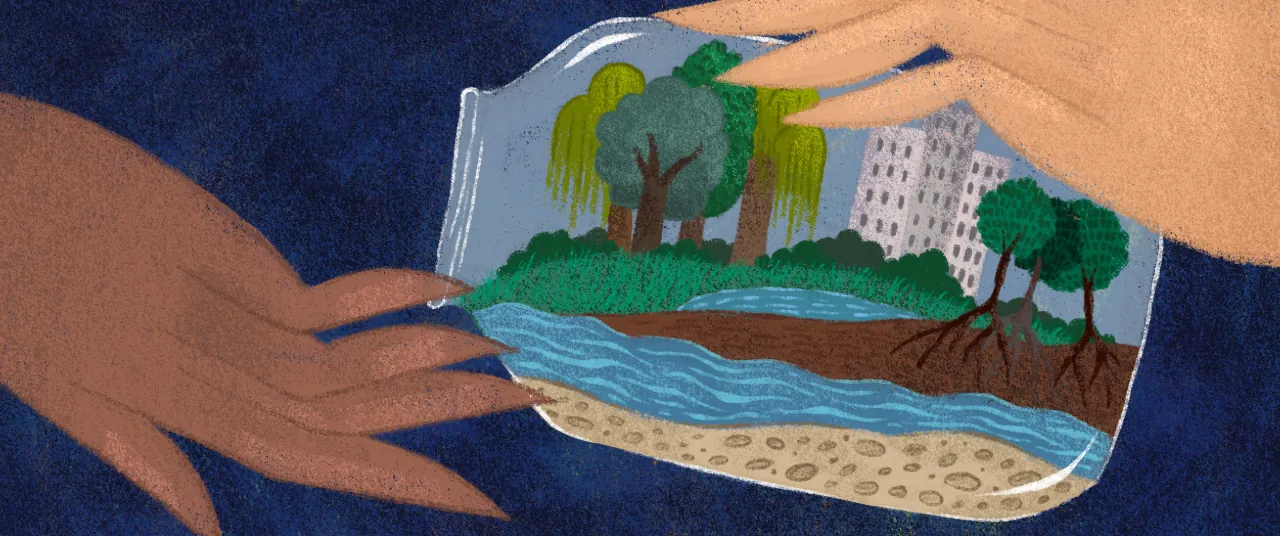
Agroforestry—the practice of cultivating coffee or cocoa beneath taller shade trees—remains one of the most effective strategies to buffer these crops against climate extremes. Shade canopies moderate soil temperature, reduce evapotranspiration, and improve soil organic matter, while providing secondary income from timber, fruit, or inter-crops such as pepper and cardamom. These strategies are already widely practiced in the cocoa-coffee belt. In fact, agroforestry systems are like small ecosystems on their own: the diverse, native shade trees offer refuge to birds, small animals, and multiple insects. Even as this system is not completely resistant to climate change-induced problems, it remains the best of a small pool of potential strategies.
Government-run crop improvement programmes are developing resilient coffee and cocoa varieties and hybrids. This year, the Central Coffee Research Institute (CCRI) is introducing new pest-resistant coffee varieties to improve yield and pest resistance, while the Kerala Agricultural University (KAU) has been working on developing stress-resilient (drought, heat) cocoa hybrids and providing farmer training for decades. Notably, the Cadbury-KAU Co-operative Cocoa Research Project set up in 1987 is believed to be the first true public-private partnership in India.
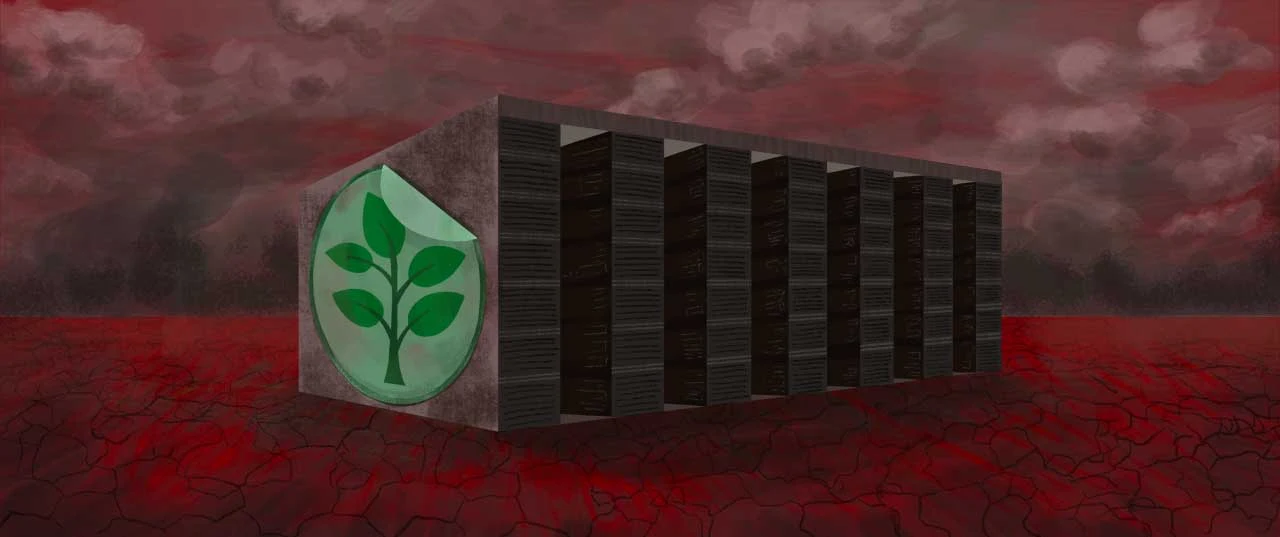
Market mechanisms like Fairtrade, pledges of climate-smart and net-zero production by companies, and public–private partnerships to support farmers and the sectors have begun offering support and technical assistance to Indian smallholders, but these are still in early stages. Fairtrade certifications seek to make farming more equitable and sustainable through training and support, enforcing threshold environmental standards, and empowering farmers through market access. Scaling these models across India’s many, many small farms would require a systemic overhaul. Sustained gains will depend on integrating resilient varieties, better irrigation management, expanded agroforestry, farmer training and education, a supportive infrastructure for farmers, and policy incentives that link research institutions with cooperatives and credit systems. Until that change comes about proactively, many smallholders will continue to face rising uncertainty, and the consumer will eventually have to accept a cup of much bitter (and stronger) robusta coffee in the face of declining arabica.
Each bean represents the labour and legacy of farming communities whose future now depends on ecological stability. But this is somehow lost behind a brand label, its various certifications and proclamations, as well as our own habits and proclivities.
Coffee and cocoa are far more than commodities; they are cultural bridges connecting India’s tropical hills to cafés and kitchens across the country. Coffee and chocolate are emotional experiences, and marketed as such. For the more refined palate, brands are happy to offer specialty coffees and single-origin, artisanal dark chocolates at a premium. For occasions, there are assorted gift boxes and curated tasting experiences.
Each bean represents the labour and legacy of farming communities whose future now depends on ecological stability. But this is somehow lost behind a brand label, its various certifications and proclamations, as well as our own habits and proclivities.
A case in point: as I wrote this over many days, I sipped on several coffees and enjoyed some 75% dark chocolate as well as chocolate cookies. All of this, I take for granted daily (or did). For me, it is ridiculously simple: come rain, hail, or drought, there will always be comforting coffee at home, and there will always be chocolate in the stores. But, pausing and realising that in the face of erratic climate, our farmers have no guarantee of the healthy yield they need (to give me the products I want) makes me appreciate every glass of piping hot filter coffee so much more, burnt tongues and all.
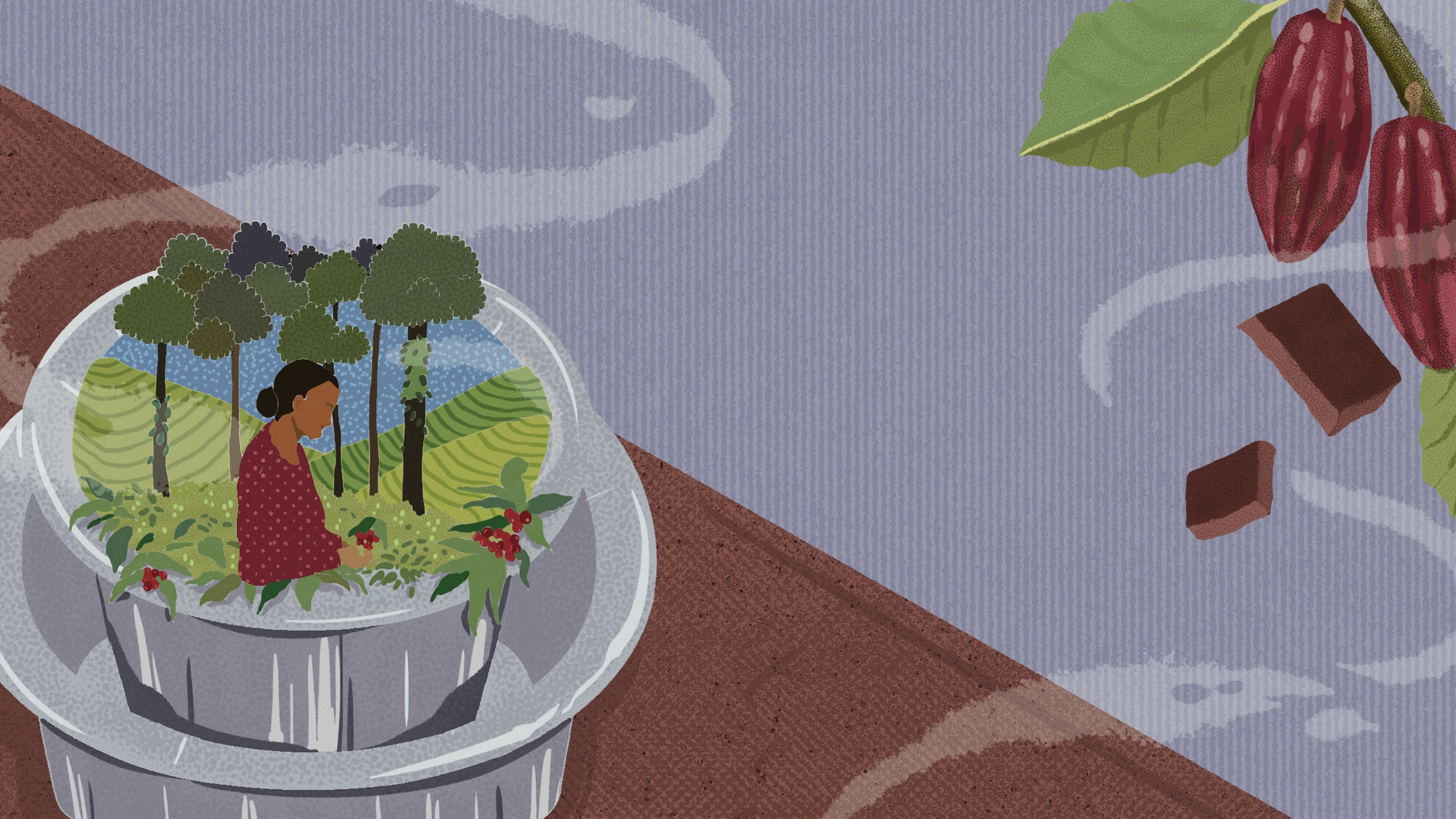
Artwork by Radha Pennathur, Communication Designer & Illustrator
{{quiz}}
.jpg)

.avif)
Explore other topics
References

.jpg)


.jpg)