Home gardens enrich the soul. Can they improve urban biodiversity too?
Features like tidy lawns may be aesthetically pleasing, but they narrow the sustainability and full potential of urban gardens


Editor's Note: The planet we inherited as children is not the planet we will someday bid goodbye to. The orchestral call of cicadas in the evenings, the coinciding arrival of the monsoon with the start of the school year, and the predictability of natural cycles—things we thought to be unchanging are now at risk. An altered climate, declining biodiversity and warming oceans aren’t distant realities presented in news headlines; they affect us all in seen and unseen ways. In ‘Converging Currents’, marine conservationist and science communicator Phalguni Ranjan explores how the fine threads connecting people and nature are transforming with a changing planet.
Gardens are wonderful little spaces. They offer tranquillity, fragrance, shade, a visual delight, and a patch of green relief from a world of asphalt, concrete, and honking horns—in short, a quiet retreat.
But they do so much more than that.
These green spaces can quietly nudge the trajectory of urban biodiversity, sometimes towards resilience, sometimes towards decline. Urban gardens—be they home gardens, community parks, or botanical gardens—also provide critical ecosystem services.
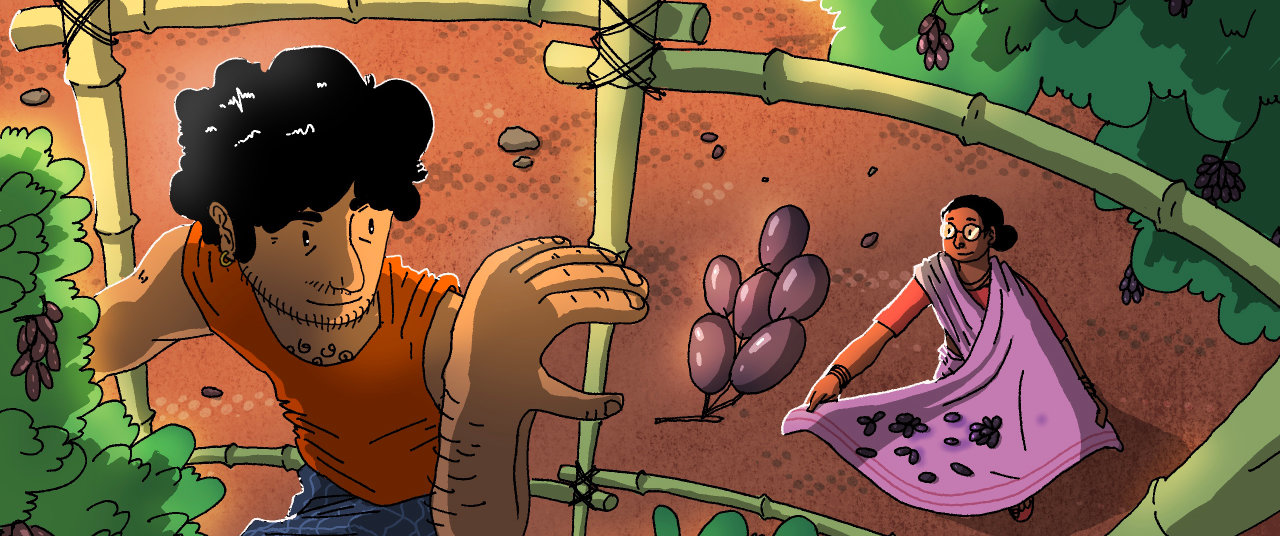
Home gardens, or domestic gardens, make up a significant component of urban green spaces. They have been an integral part of household farming, animal rearing, and local food systems for centuries: used to rear and manage livestock, grow food for family consumption, and provide food security during and after crisis situations. More recently, they have become integral parts of city homes, taking root on balconies, terraces, in buckets and bags, and on windowsills. Their size, location, and purpose have evolved over time, but their ecological relevance persists—now, more than ever.
The origins: Practicality and ecological soundness
Home gardens are believed to be one of the oldest forms of cultivation alongside shifting cultivation. In fact, growing food on small, home-adjacent plots of land is believed to be how organised cultivation started, a practice once widespread across the tropics. Possibly the oldest evidence of this dates back to the 7th millennium BCE. Records from Kerala trace back 4,000 years, with significant mentions from southern India, particularly in the 1800s.
For centuries, they served as repositories of plant genetic diversity,and food security.
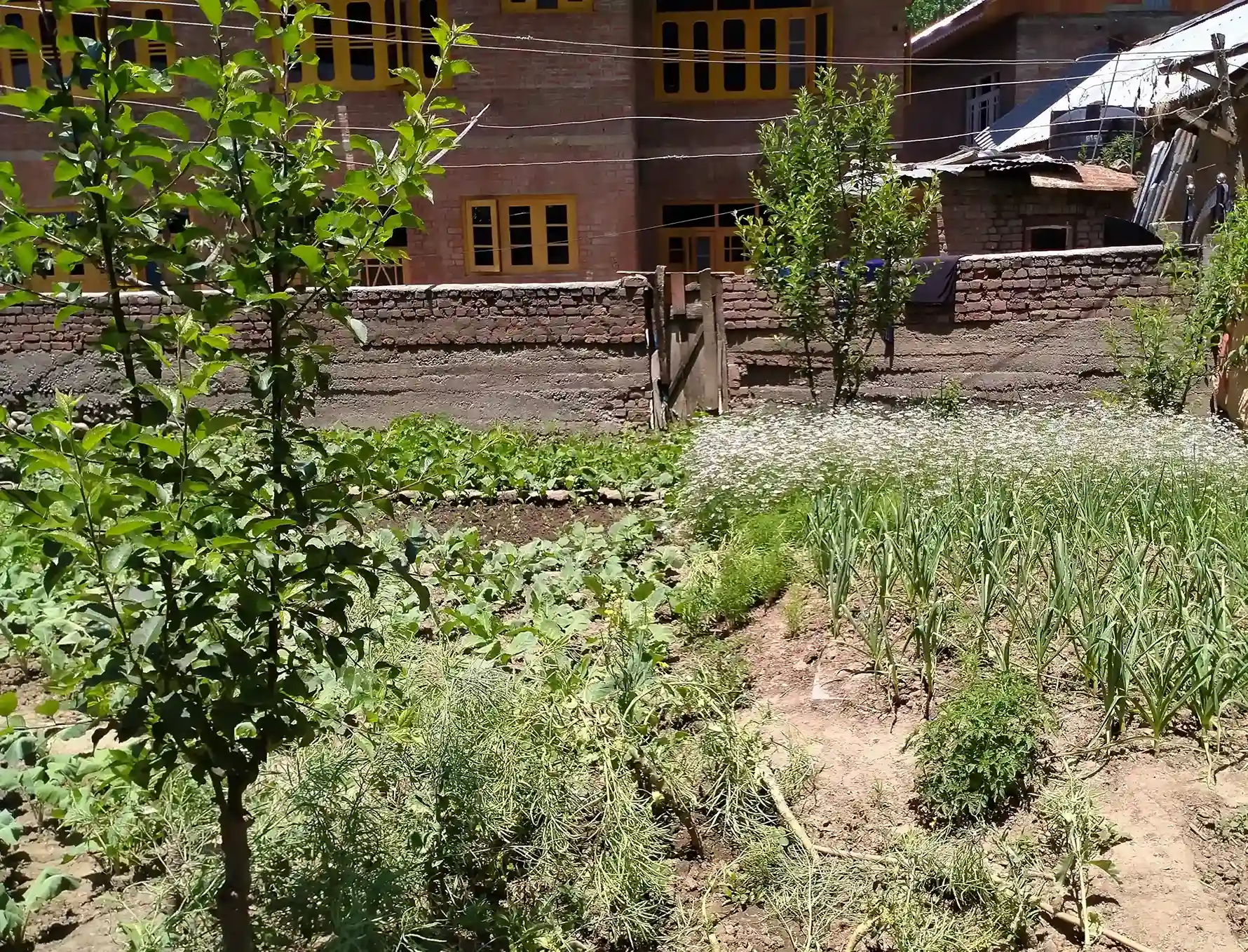
Traditional home gardens were—and still are—defined by the vertical stratification of trees, shrubs, crops, and herbs: the tall canopy of timber trees like teak blended into a mid-height layer of fruit-bearing trees like jackfruit and mango, followed by a ground layer of medicinal herbs and vegetables that sustained families and livestock.
This well-thought out, minimally managed, holistic, crop-tree-livestock system fit quite well within the rural farming setup, much before commercial monoculture farming took root in the country. One would assume ‘agriculture’ to be a rural concept involving large farms, but today’s home gardens are a prominent form of urban agriculture—kitchen, terrace, windowsill or otherwise—fuelled by hobby and a desire to eat clean.
Historically, in India and the tropical world, gardens were practical, intimate spaces close to home: supplementary, utilitarian, and deeply entangled with daily life. For centuries, they served as repositories of plant genetic diversity, and food security. They were a haven for pollinators, slowly allowing the adaptation, domestication, and diversification of plants to local ecological conditions.
These ecologically sound units sustained their own water cycles and pest control through complex species interactions, in a unique way that only naturally propagated systems can. Families, relying on generations of traditional ecological knowledge, closely managed this well-balanced system with minimal input; cultivating vegetables, fruit trees, herbs, medicinal plants, and flowers that fed and supported people and biodiversity, and reflected local climate and culture.
Also read: Climate change in my cup: Why India’s cocoa and coffee production is at risk
From home gardens to ornamental lawns
Plants are green, but not all greenery behaves the same way, ecologically speaking.
Worldwide, the shift from food-bearing native home gardens to clipped lawns and ornamental beds has reshaped how flora, fauna, and people coexist. While cities desperately need green patches for pollinators, clean air, and cooler temperatures, some gardens—specifically politely mowed lawns with sculpted hedges and ornamental plants—may be working against the very ecological health they appear to support.
Traditional home gardens did not disappear overnight. Their gradual decline can be tied to a multitude of factors compounding over the last couple of centuries or so.
Functional diversity quietly gave way to visual appeal as ‘tidy’ became the cultural norm—form over function, aesthetics over sustainability.
Globally, industrialisation and urbanisation changed lifestyles, aspirations, and economic situations. Over time, increased access to cities, education, media, and the internet reshaped aspirations, especially among the youth, resulting in smaller rural households, reduced home food production, and a preference for purchased food and non-farm livelihoods. Socio-cultural influences within a changing society increased investment in gardens: introducing new species and techniques to make them more ‘aesthetic’. But this also caused a loss of traditional knowledge, reduced use of medicinal plants, declining interest in tending to vegetable gardens, and an ageing population unable to manage these spaces.
Rapid urbanisation and the growing demand for intensive, large-scale agriculture further reduced available plot sizes, detaching homes from cultivable land. As cities expanded vertically and horizontally, space once used for vegetables and herbs was replaced by buildings, parking, or decorative green patches.
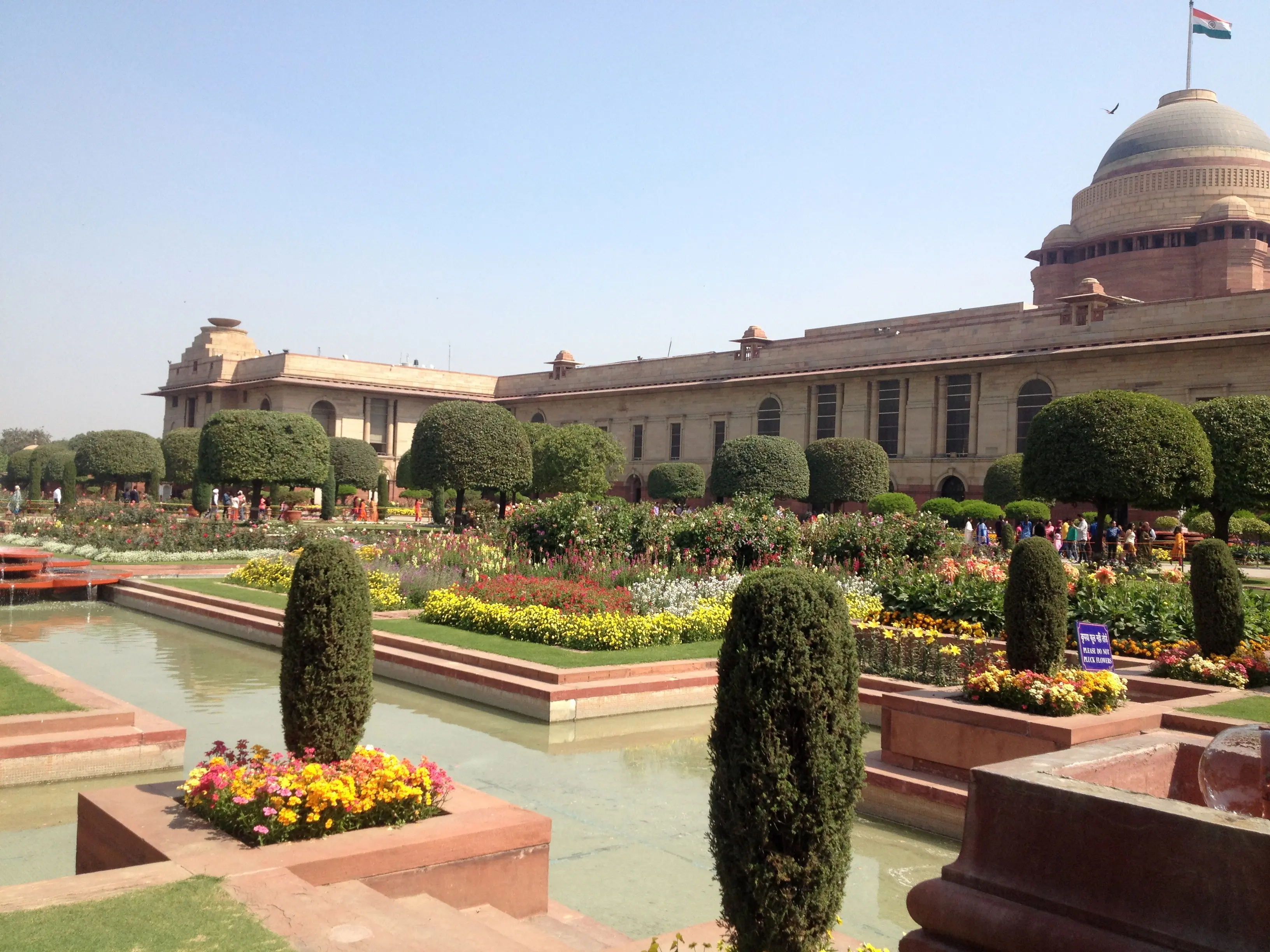
Globally, under Western influence, gardens increasingly became markers of leisure and status. In 17th century France, manicured lawns became symbols of political power and control over nature. Neatly trimmed lawns, hedges, and exotic ornamentals signalled beauty, tidiness, and affluence in England—as only the wealthy could afford labour to keep the grass appropriately prim and trimmed.
At this time in India, many gardens still reflected the Mughal concept of the four-sectioned gardens (charbagh). These elite gardens combined architectural elements like water fountains and canals with shade-giving trees to create cool microclimates symbolising rest, leisure, and luxury.
Eventually, the British transplanted their lawns in India as an extended projection of affluence, sophistication, and control. The grasses brought in were unsuited to this climate and ecology, and to this day, continue to soak up large quantities of water while offering minimal ecological function.
Functional diversity quietly gave way to visual appeal as ‘tidy’ became the cultural norm—form over function, aesthetics over sustainability. Recreational public parks and botanical gardens expanded, and native grasslands and gardens faded away.
The British left, but the legacy of the lawns continued.
Also read: Omega-3 fatty acids: The hidden costs of ‘health’ to our seas
Ecological, social, and economic benefits
Cultivated and managed largely without chemical inputs, home gardens, with diverse trees, shrubs, herbs, and crops closely resembled natural forest patches in structure and function. Their benefits were manifold: crops fed families and livestock, livestock provided manure and products like dairy or wool, Non-Timber Forest Products (NTFP) from trees and medicinal herbs supplemented income, and timber and fuelwood supplemented domestic requirements. Surplus from the fruit trees was shared socially, strengthening community ties and larger home gardens also offered seasonal employment opportunities.
This agroforestry system required minimal financial investment, making it accessible for most people. Still prevalent in several parts of India today, including Kerala and parts of northeast India, contemporary home gardens also offer multiple benefits like tranquil spaces to connect with nature, carbon sequestration, groundwater recharge, conserving a genetic diversity of plants, and a good old serotonin boost.
Home gardens can support homes and families significantly—contributing 25-85% to household food needs in Ethiopia, 55-79 kg of vegetables per person annually in Bangladesh, and upto 24% of the monthly income in parts of Indonesia—highlighting their potential role in achieving food, economic, and nutritional security. An average-sized home garden can provide economic benefits of more than Rs. 18,000 annually through yield, with even small gardens sequestering significant amounts of carbon in the soil and plant biomass.
An average-sized home garden can provide economic benefits of more than Rs. 18,000 annually through yield, with even small gardens sequestering significant amounts of carbon in the soil and plant biomass.
Studies state that home gardens can also contribute towards six of the 17 UN Sustainable Development Goals (UN SDGs), including 1 (No Poverty), 2 (Zero Hunger), 3 (Good Health and Well-being), 11 (Sustainable Cities and Communities), 13 (Climate Action) and 15 (Life on Land).
Urban green spaces or gardens—comprising home gardens, parks, or forests within a city—provide substantial ecosystem services, contributing significantly to air purification and climate regulation. These green patches can also supplement green corridors within a city. Green corridors—connected patches of natural vegetation and greenery—allow movement and genetic exchange between wildlife populations, and provide crucial support for pollinators. They could be interconnected networks of tree-lined streets and walkways, parks, gardens, and any other patches of greenery that act as ‘stepping stones’ to connect larger green areas.
Even if this ‘corridor’ is spaced out by infrastructure, the patches can still act as critical connectivity points for pollinators; a bit like pitstops for refuelling. They can also help mitigate the Urban Heat Island (UHI) effect, where cities experience warmer temperatures than surrounding rural areas, mainly due to low green cover and more heat-absorbing materials like concrete.
Also read: Bugging out: Why declining insect populations in India spell doom for agriculture
Gardening in the city
Urbanisation disrupts the natural environment, introducing stressors like heat, pollution and fragmentation of green spaces, ultimately disrupting the interaction between pollinators and plants: impacting their behaviour, biology, and evolutionary pathways. Around 87% of the world’s flowering plants, and many major crops are pollinated by animals, and pollinator declines can threaten food security and biodiversity.
However, green spaces within cities can help offset this; they can harbour and support a greater and healthier diversity of pollinators than intensively-managed agricultural lands. As heavily managed agricultural plots are often chemically managed and focus on one key crop (monoculture), the fields lack the plant diversity pollinators need to thrive.
How we manage our home gardens affects soil characteristics, invertebrate interactions, and overall ecosystem function. Frequent and intensive mowing can negatively affect the presence of bees, ants, wasps, cicadas, butterflies, wasps, and other bugs, especially winged insects (many, pollinators) while creating favourable conditions for common pests to thrive.
It turns out, grass-free gardens with predominantly native species can actually host a healthier number and diversity of insects than grassy lawns.
The solution? Mow only the surface layer, and no more than twice or thrice a year—a concept echoed by multiple studies. A significant reduction in mowing improves plant diversity in gardens. Allowing plants to grow to variable heights provides structural complexity and space for insects to live, feed, thrive in; structure otherwise lost in uniformly mowed lawns. Higher plant diversity further contributes towards healthier soil: biological activity, moisture, and organic and microbial carbon content. It supports associated fauna like earthworms that need varied root structures, nutrients, rich organic content, and healthy microhabitats within the soil to thrive.
Weeds are another component of this complex system: unwanted by definition and often rooted out. However, it is possible that de-weeding gardens may do more harm than good, though there is limited evidence on this. Weeds can offer organic content for the soil, contain rhizobacteria that can help improve the nutrient profile of the soil, and exhibit pest-controlling properties. Even despite the thin evidence in this regard, there is no denying that traditional home gardens did have weeds growing alongside everything else. Interestingly, several medicinal plants commonly used in local herbal medicine and Ayurveda are conventionally weeds that grow almost everywhere.
Now, you might wonder: how will a small balcony garden of potted plants support all this biodiversity? It turns out, grass-free gardens with predominantly native species can actually host a healthier number and diversity of insects than grassy lawns. Furthermore, the grasses in circulation today are not all native to India; many were introduced here, some have been around long enough to become naturalised—able to grow and spread on their own in the local environment—and they consume large quantities of water.
Native vs invasive vs exotic
Native plants belong to the region, while non-native or ‘introduced’ plants are introduced from elsewhere. Invasive species are non-native species that out-compete native species, cause harm, and spread aggressively (like Lantana). However, an exotic species is typically harmless, but still has an edge in terms of survival and propagation. Many of the ornamental indoor plants we find in nurseries today are exotic.
If done right, residential gardens can serve as pollinator hotspots, contributing significantly towards urban biodiversity. Native plants attract and support more pollinator species—more ‘specialist’ and native insects—than exotic plants do. Native herbivorous insects also show a clear preference for native plants to feed on.
Exotic flowers, on the other hand, are visited by generalist pollinators—those without a plant preference—and also contribute towards overall green cover, providing alternatives for some pollinators especially in the temporary absence of native flowers.
However, some exotic plants can compete with native species as they are hardier and more robust, and do not easily succumb to urban pressures of heat, pollution, water scarcity, and habitat isolation the way native species might.
However, some exotic plants can compete with native species as they are hardier and more robust, and do not easily succumb to urban pressures of heat, pollution, water scarcity, and habitat isolation the way native species might. Pollinators, smaller animals and other plants associated with native flora are put at risk when the native plants are replaced completely, upsetting a delicate balance that is critical for the ecosystem. However, it is important to note that while pollinators may not visit exotic flowers as much, these plants still do offer services: nesting and shelter spots, and green cover. A native-exotic cluster could also be more resilient, with the hardier exotics buffering the natives against environmental extremes.
However, in an environment where exotic species already exist because of us, the exotic vs native debate is rendered moot. We did this perhaps unknowingly, and—ironically, continue doing it—often, somewhat knowingly.

What does the future hold?
India is home to an estimated 45,000 known plant species, making up around 7% of the world’s known plant species, of which approximately 28% are endemic—i.e., found only here.
According to Ministry of Environment, Forest and Climate Change (MoEFCC) estimates, urban green cover has decreased by 23% over the past decade, and green spaces only make up around 2% of all urban land area.
The Urban Regional Development Plans Formulation and Implementation (URDPFI) guidelines, 2014 recommend 10-12 m² of open space per person in cities, including green spaces. The World Health Organization recommends at least 9 m² and ideally 50 m² of green space per person as an indicator for sustainable cities. Sadly (and predictably), many of our major Indian cities fall dramatically short of that.
Chennai offers only 0.81 m² of open public space per person, Kolkata offers 0.67 m2, and Ahmedabad a mere 0.5 m2. One might argue that these cities boast large landmark gardens and parks, but their area relative to the population and the city’s area is insufficient to meet the URDPFI or WHO standards.
India’s population is expected to double by 2050, with 50% of us living in urban areas. Whether cities adapt to become biodiversity refuges or concrete deserts depends, to an extent, on choices we make today.
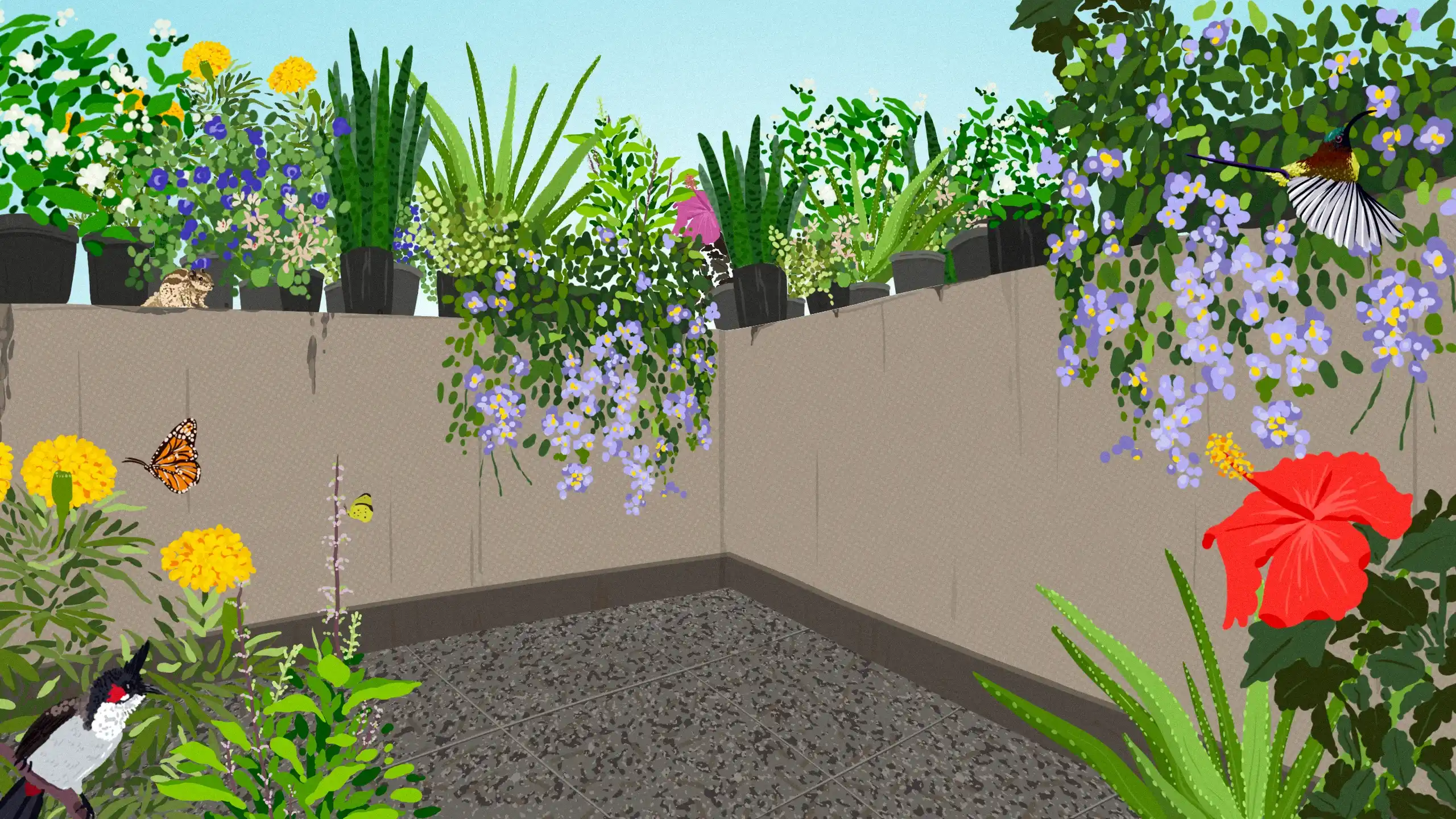
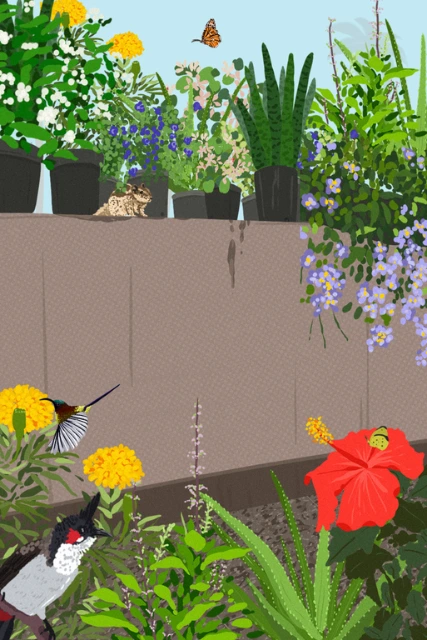
Yes, popular indoor plants are easier and low maintenance, but in the long term, planting marigolds,aparajita(butterfly pea), native hibiscus, and jasmine could be more fufilling, with the colours, fragrance, and the birds that come in along with the buzzing bugs.
Rising food prices, environmental concerns, and health awareness have sparked a modest revival of urban kitchen and terrace gardening in large cities. Terrace farming (urban agriculture) is catching on now, and some estimates suggest that converting even 5-10% of a city (i.e. rooftops, terraces, gardens etc.) to grow produce could supplement the vegetable requirements of the people.
While most urban development plans take into consideration public parks, botanical gardens, and other green spaces, the role of home gardens is largely neglected. Even a small balcony can function as a productive, biodiverse haven if done right. Reimagining home gardens as ‘stepping stones’ in a larger ecological corridor could help establish green connectivity in cities, contributing towards biodiversity conservation and urban sustainability.
Is cultivating a complex balcony garden logistically feasible? Not really.
But, is it impossible? Not in this age of innovative solutions and quintessential Indian jugaad.
***
Many of my preferred ‘low maintenance’ balcony plants are exotic, and almost none are flowering plants—a realisation that stumped me. Peace lilies, spider plants, Birkin (Philodendron), and some varieties of the pretty aglaonema and the never-dying (this should have been a clue) money plant (Epipremnum sp. or Pothos) are not native to India!
Nurseries supply these plants abundantly: they are cheap, easier to maintain than flowering natives, and so many of us choose this convenience—because, let’s face it, gardening takes time and ‘low maintenance’ plants fit in with our busy lives.
But, at the home-level, small changes like incorporating more native flowering plants, planting some vegetables, and reducing chemical inputs can help support more biodiversity. It boils down to choice, as this is one of those few good-for-the-environment things that can also be an absolute delight for the soul; something that needs us to build and nurture rather than reduce (like energy, water usage) to benefit the environment.
Yes, popular indoor plants are easier and low maintenance, but in the long term, planting marigolds, aparajita (butterfly pea), native hibiscus, and jasmine could be more fufilling, with the colours, fragrance, and the birds that come in along with the buzzing bugs.
So, let some of those weeds and native flora creep back in, and let your garden grow just a little wild (in looks and function), as it was always meant to—enough for it to support the bugs, birds, and biodiversity.
Some lists and additional information: lists of common invasives, invasives of Kerala, succulents of India, flowers of India, native plants of India.
Edited by Anushka Mukherjee and Neerja Deodhar
Artwork by Radha Pennathur, Communication Designer & Illustrator
{{quiz}}
.jpg)

Explore other topics
References