Raised by nature: Bonds with farms, forests help children grow holistically
Safe spaces, outlets for creativity and curiosity, and a connection to the Earth—nature can mean many things to kids


Editor’s note: To know Rama Ranee is to learn about the power of regenerative practices. The yoga therapist, author and biodynamic farmer spent three decades restoring land in Karnataka, envisioning it as a forest farm in harmony with nature. In ‘The Anemane Dispatch’, a monthly column, she shares tales from the fields, reflections on the realities of farming in an unusual terrain, and stories about local ecology gathered through observation, bird watching—and being.
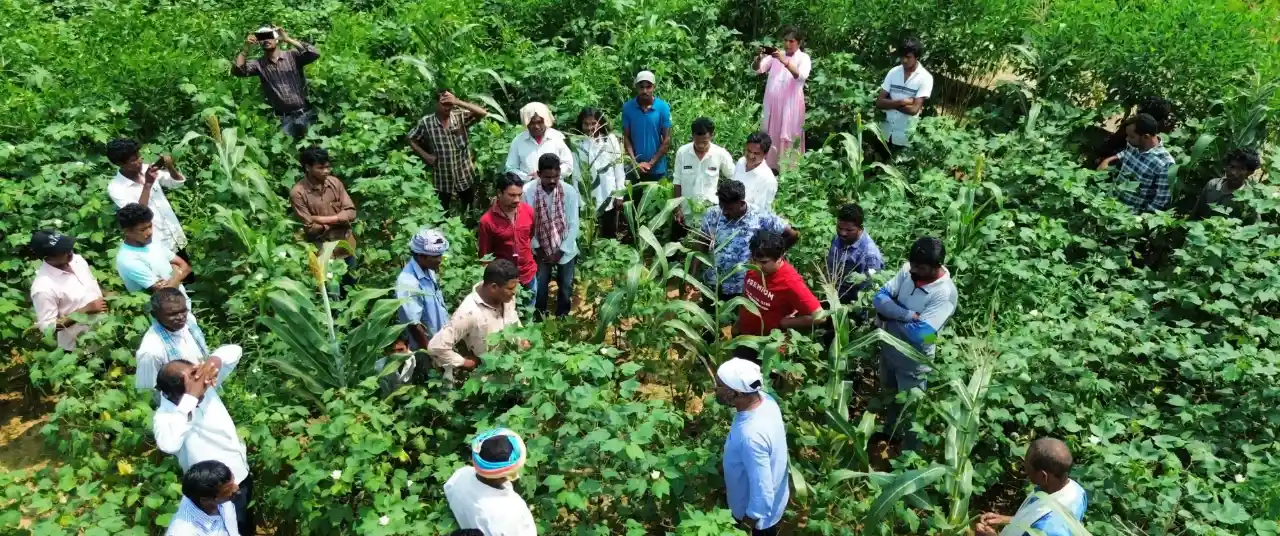
To Ananda, our farmhand Rajappa’s son, herding cows in the forest was familiar territory—like it was for many others from villages bordering Karnataka’s Bannerghatta National Park. Trees were sparse in the area, but there were grasses and shrubs. When he was about 12, he set off with his neighbours to graze the family’s 20 heads of cattle. Like a bolt from the blue, a leopard leapt at one of the heifers, latching on to the jugular vein. Her mother, a tall cow with formidable horns, charged at the leopard and tossed it aside. Ananda and companions warded off further attacks, screaming and shouting on top of their voices.
While all the other cows surrounded the injured calf, a jersey sounded the alarm, bellowing till the menfolk came from the fields. The leopard escaped, but the calf did not survive. Ananda continued to herd during his spare time from school—where encounters with the wild were commonplace: a sleeping python, a sunbathing crocodile, and all the learning that came with them.
Such a job appears to be fraught with risks. By necessity, children and women are often tasked with herding, but it is a community effort with many herders getting together for security and convenience, offering unique learning opportunities. The knowledge of medicinal and edible wild plants was passed down to the youth from more experienced herders, who were also foragers, like Ananda’s own grandmother.
Ananda does not herd cows anymore; he works at a mall, but the chord that connects him with the land is still visible, though frayed. Such connections with nature are becoming rare as we hurtle towards rapid urbanisation—a real, palpable loss because children who bond with nature are likely to value and care for it. Enjoying nature is not the same as living in connection with it. There is no objectification in connection, only a certainty of belonging—a harmony that is felt.
Enjoying nature is not the same as living in connection with it.
Also read: In forest bathing, an invitation to heal by being one with nature
The cost of being away from nature
The development of a child is a marvel. An infant who seemed no different to others, who goes through the same patterns of movement and stages of growth, has a unique personality by the age of 3! What we witness is the unfolding of inner potential, from birth to adulthood, through a process of neurological maturation. The early years are crucial because organs like the brain and nervous system are still undergoing changes and adaptations, transforming well into adolescence.
Though genetics are a major determinant, the environment within which a child is raised provides a powerful stimulus for growth. The home environment influences major domains of development, from the linguistic and motor, to the cognitive and socio-behavioural functions. A connectedness to nature during childhood has positive effects on kids’ physical and psychological health and well-being. Conversely, a degradation of nature could have a negative effect.
Nature Deficit Disorder (NDD), a term coined by journalist and author Richard Louv, refers to the combined psychological, physical, and cognitive costs that children in the vulnerable years of development suffer due to alienation from nature. It lists diminished use of the senses, difficulties with attention, and higher rates of physical and emotional illnesses such as depression as possible consequences. NDD can affect individuals as well as families and entire communities.
Growing physical inactivity in children has been identified as a serious public health concern, as it has multiple ramifications. Increased obesity, metabolic risks, cardiovascular diseases, and Type 2 diabetes are on the rise, especially among school-going adolescent children. Inadequate access to playgrounds and green spaces in urban areas, compounded by sedentary habits, contribute to these conditions. Studies support the theory that green spaces enhance both physical activity and emotional well-being.
The lost ‘garden’ of childhood
The introduction to a wider world outside the home begins with an early education system: Kindergarten, a half-way house between home and school. ‘Kinder-garden’ as it is colloquially called here, was meant to be a ‘garden of children’, designed to nurture them much like plants are by skilled gardeners. Established by the German educator Friedrich Fröbel in 1840 in Prussia, it prioritised interactions with nature, including growing plants and observing them, to introduce young minds to the unity of and diversity within the natural world.
Here, learning happens through guided play, songs, and artistic activities, amid peers and friendly adults in a safe and beautiful environment. The process allows the child’s own faculties to unfurl like a plant, as nature intended, prompted by an inner impulse. The changes that occur are biological and social, impacting the child’s ability to act in the world and live an enriched, harmonious life.
Fröbel’s proposition is an idyllic situation, a far cry from reality. In most Indian cities, including smaller ones, education has engulfed the child even before his or her faculties are ready for academic learning. Schooling starts at 2+ years in institutions where ‘gardens’ have given way to enclosed spaces, with undue emphasis on competitive accomplishments; where structured instruction is the norm, and creativity is confined to art sessions and mandatory staged performances on ‘school annual day’.
The process allows the child’s own faculties to unfurl like a plant, as nature intended, prompted by an inner impulse.
To facilitate learning within nature in cities is not impossible. A daily visit to a park or a little terrace, or backyard gardening with the added attraction of birding, could brighten the child’s day—and perhaps his or her future, too. The experience with my own sons at Anemane taught me invaluable lessons in early education which I later applied in my work as a therapist with other children.
Also read: Friends of the soil: A farmer's key allies hide backstage and underground
Getting one’s hands dirty
There was a boy of four
Who was out of the door
In the garden or on the stair
Lighting fire, catching frogs, everywhere
But never, ever, in his chair.
There was a Rose Apple tree in the backyard which hosted squirrels, mynas, bats, and a family of cats—a happening place! I told my son that we’d be doing something very exciting in its shade, excavating a pit like archaeologists to discover ancient buried things. The branch displayed a board that said ‘Laboratree.’ The excavation yielded tea cup shards, rusty shaving blades, a pen, and many other things which were carefully removed and observed. Experiments that rivalled an alchemist’s carried on, as fluids were boiled, a magnifying glass was put to good use to singe leaves or watch worms, and the seeds of a precious Ashoka tree were sown in repurposed cans. The seedlings were strong and deep-rooted.
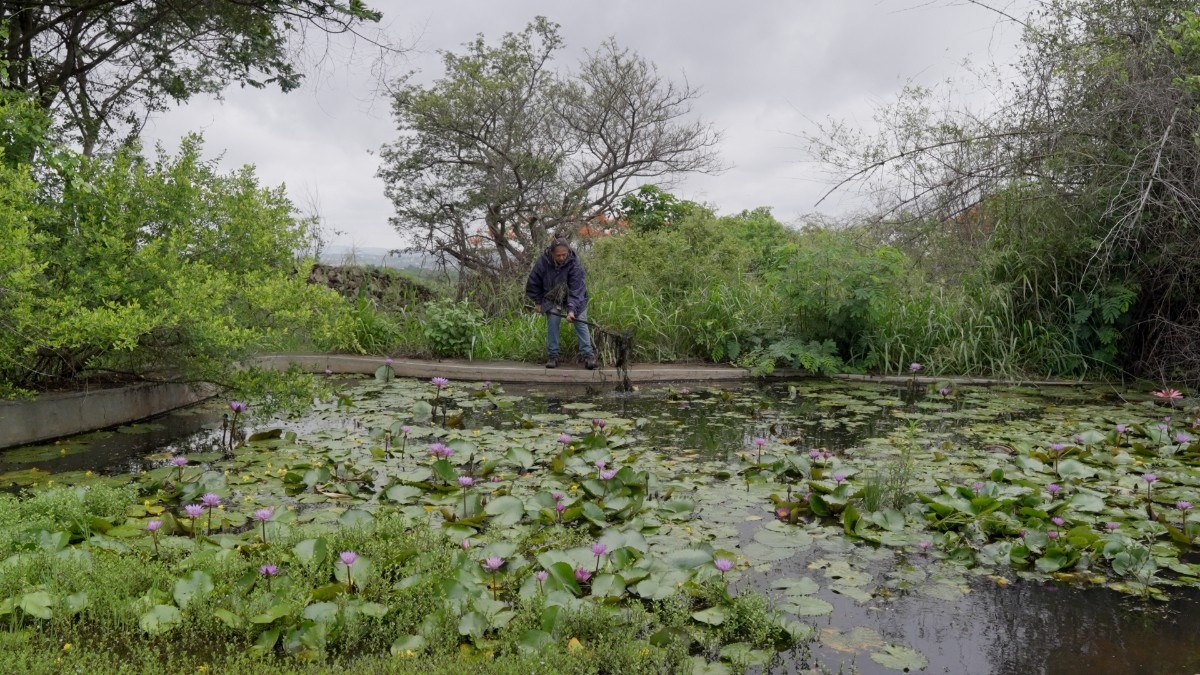
When he entered school, he gifted them to the garden on campus. He found his roots, too, in the forests enveloping the school, exploring, working with his hands, undertaking carpentry, sculpting under the canopies, and discovering a rhythm that resonated in the dholak—free-flowing, but centered in an intuitive way.
Now, three decades later, he reflected upon the most significant learning of that phase: a sense of security and belonging in wild spaces, keen senses, self-reliance, fearlessness, and physical endurance. These are attributes which shaped his personality.
Learning to be on one’s own
Imagination is the foundation for original, independent thought, and natural environments contain boundless opportunities for the stimulation of a child’s curiosity and channelling of his or her creativity. The sounds, sights and feel of things, such as the drifting of clouds, the flow of water, and wind blowing through the branches, widen the young mind. When experiences are absorbed and internalised, they become the building blocks of knowledge.
A world of make-believe offers infinite possibilities. When my younger son was a little over 2, we went to the park to play. With watchful eyes, he saw a row of tall, thin trees, swaying in the breeze. One day he found smooth, oval pellets on the ground. With wonderment he picked one up, cradling it in the palm of his hand. Was it a bug or a seed? It was a ‘Tossy-bug’—a name he gave to the seed, which he believed was also a bug, interchangeable, animate. From then on, ‘Tossy-bugs’ were everywhere: in his colourful paintings, conversations and fantasies.
The sounds, sights and feel of things, such as the drifting of clouds, the flow of water, and wind blowing through the branches, widen the young mind. When experiences are absorbed and internalised, they become the building blocks of knowledge.
Today, he is an environmental management professional who says that the seeds entirely altered his mindset. “Even now when I doodle, I only doodle Tossy-bugs, birds, and hills. It opens up an entire alternate dimension of nature, and shapes one’s imagination and ability to not feel alone or afraid while on one's own in forests, because it feels like there are friends and friendly beings all around.”
Starting them early
Young children aged 6 to 12 tend to be more deeply connected with nature, but it is never too early to introduce a child to its mysteries. On a warm day, as birds leapt out of the golden yellow grass, Sriyu dangled his feet in his carrier against his mother’s belly while we walked listening to bird songs. All of 16 months and yet to articulate with words, he gesticulated, directing our attention towards the object of his interest. Released from his carrier, he toddled—looking for twigs, leaves, and anything else he could find, oblivious to scratches and falls. He finally squatted at a stone, placing his findings on it.
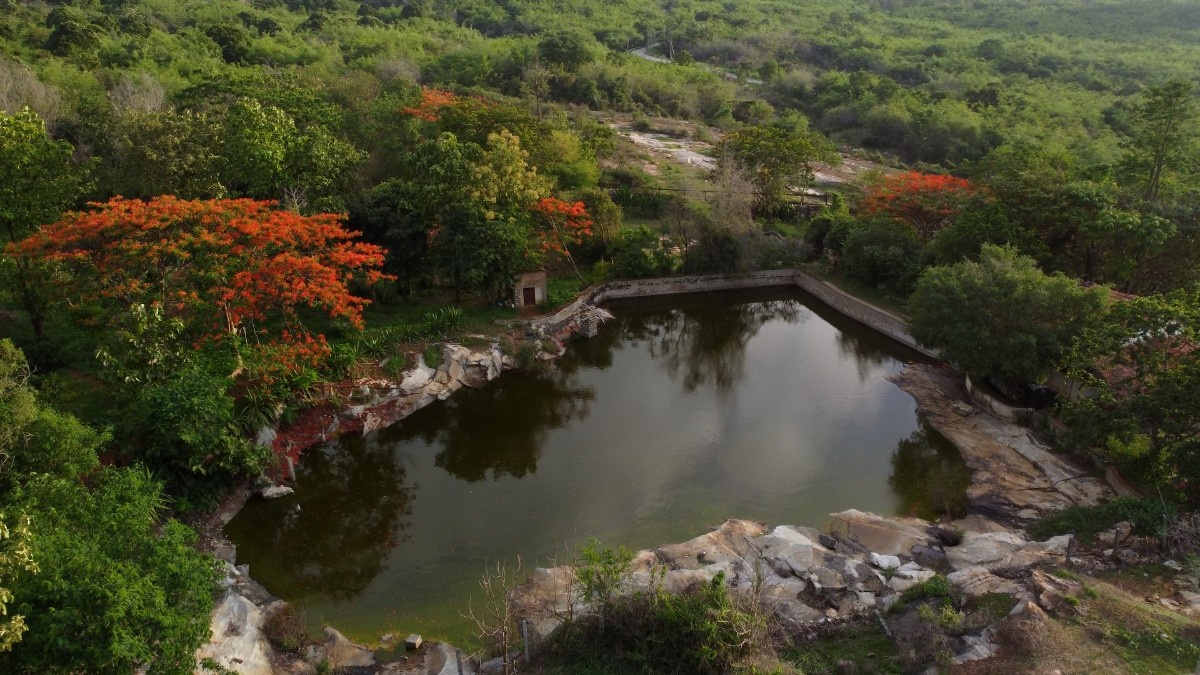
A seasoned traveler, he was happy to narrate his experiences through sounds–the roar of a tiger, a tigress with cubs (the two sounds were distinct), the family sighted in a tiger sanctuary, birds, and our cow. His parents believe in bringing him up as close to nature as possible, having themselves benefitted from childhoods amid rambling gardens with large trees and forests. Owing to professional compulsions, they are based in the city, but their hearts remain in the wilderness. Since the age of four months, their baby has witnessed forests, mountains, and the sea. When he met the full-bloomed version of a rare flower and smiled at it, his communion with nature had begun.
What Sriyu’s parents wish the most for their child is clean air, pure water, a green Earth and a life free of pollution. In their view, affluence alone does not ensure happiness or the ability to deal with the vicissitudes of life. Proximity to nature builds resilience and detoxes oneself.
They can already notice the impact of nature on their child, who enjoys long, restful, and timely sleep unlike the disturbed sleep rhythms in the city. They also see how he engages with the surroundings, and the building of his acute observation skills. At Anemane, when Sriyu’s gaze followed the stream of water dazzling in the sunlight, I felt in my bones a hope that all is not lost for the planet.
Also read: Farming under the elephant's nose: Lessons in crop choices
An unbreakable bond
For neurodivergent children, especially those on the autism spectrum, natural environments are therapeutic. The gentle sensory stimuli, a rough terrain and the demands and challenges of outdoor and farm life offer opportunities for movement and coordination with their own rhythmic patterns—quite different to a controlled, manmade environment. Internal bodily rhythms such as sleep and wakefulness are regulated, as they are influenced by nature’s forces like the sun and moon.
Gradually, the foundation for the inner core that we call the self or individual is built from where the child feels secure enough to step out into the world. This could well be the preparation for formal learning and social engagement that current systems do not address.
Aadir, a neurodivergent child and my yoga student of eight years, has matured into a sensitive adolescent who attends a regular school, but loves gardening and music, too. His mother recalls that he loved playing with water and mud. Then he began to take an interest in insects and birds, which elicited emotional responses—a difficult thing for him. Baby fish moved him to pity, and the sea evoked awe as if he is touching ‘the ancient water of Earth’.
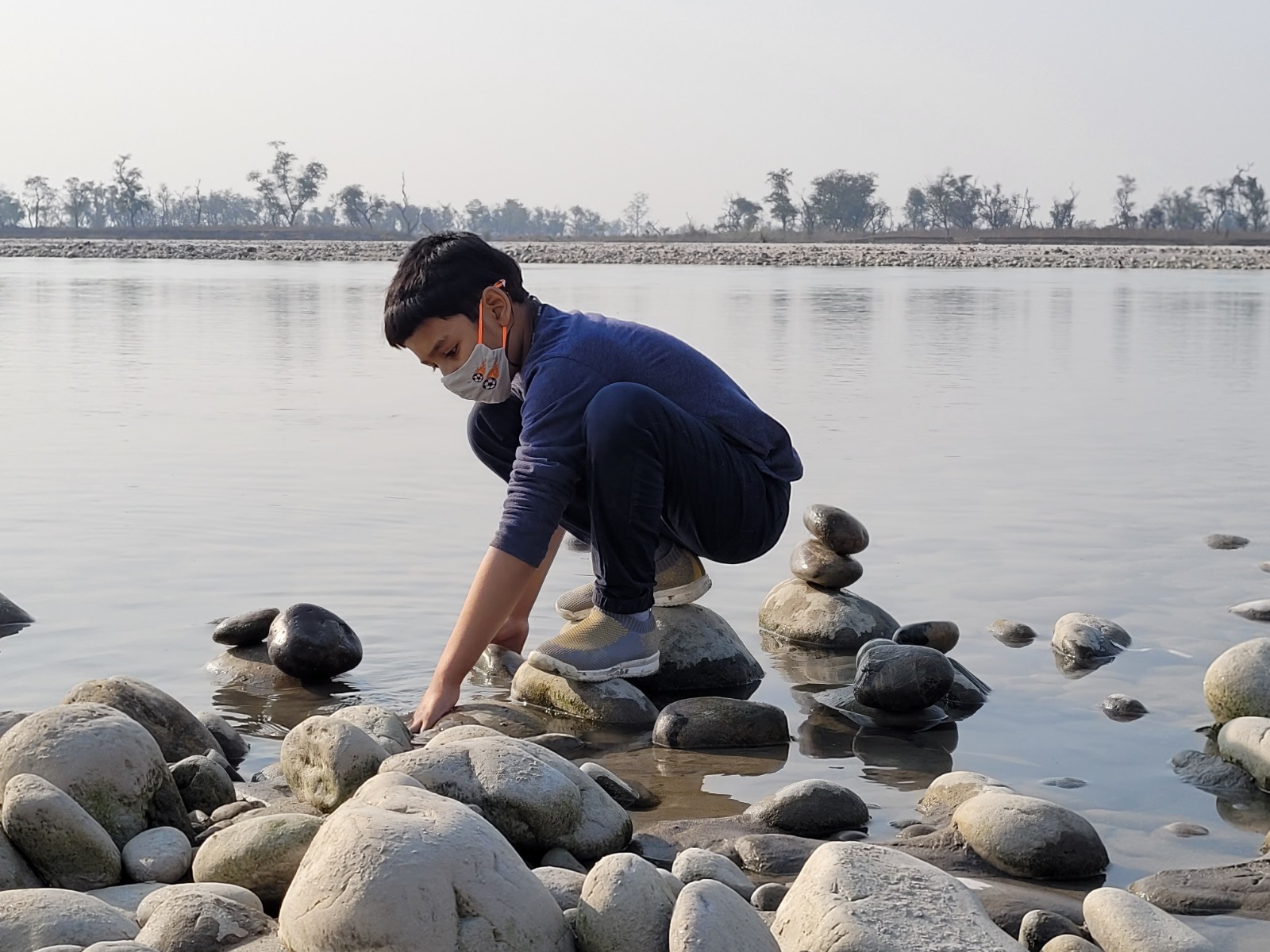
Gardening vegetables like okra, onion, and pumpkin engaged his hands and gave him a sense of responsibility. “His feelings have gradually developed over the years, and we are blessed to have the garden. I see a deepening of interest in the living environment. I believe it marks a significant turn in his development as an individual… Every time he spends time connecting with nature, I find him a little more connected to himself. He is more responsive to our emotions, too,” says his mother. Other vital changes that nature induced in Aadir were calmness, relaxation, and sleep regulation.
The way to save the environment is to rescue the child and offer him or her the woods—and these woods could be a garden in the city, too!
Not everyone who experiences this connectedness probably depends on it for a living, or wishes to become a professional in related fields. However, the bond will go on to determine many life choices—especially those that compel one to protect nature and nurture it. The way to save the environment is to rescue the child and offer him or her the woods—and these woods could be a garden in the city, too!
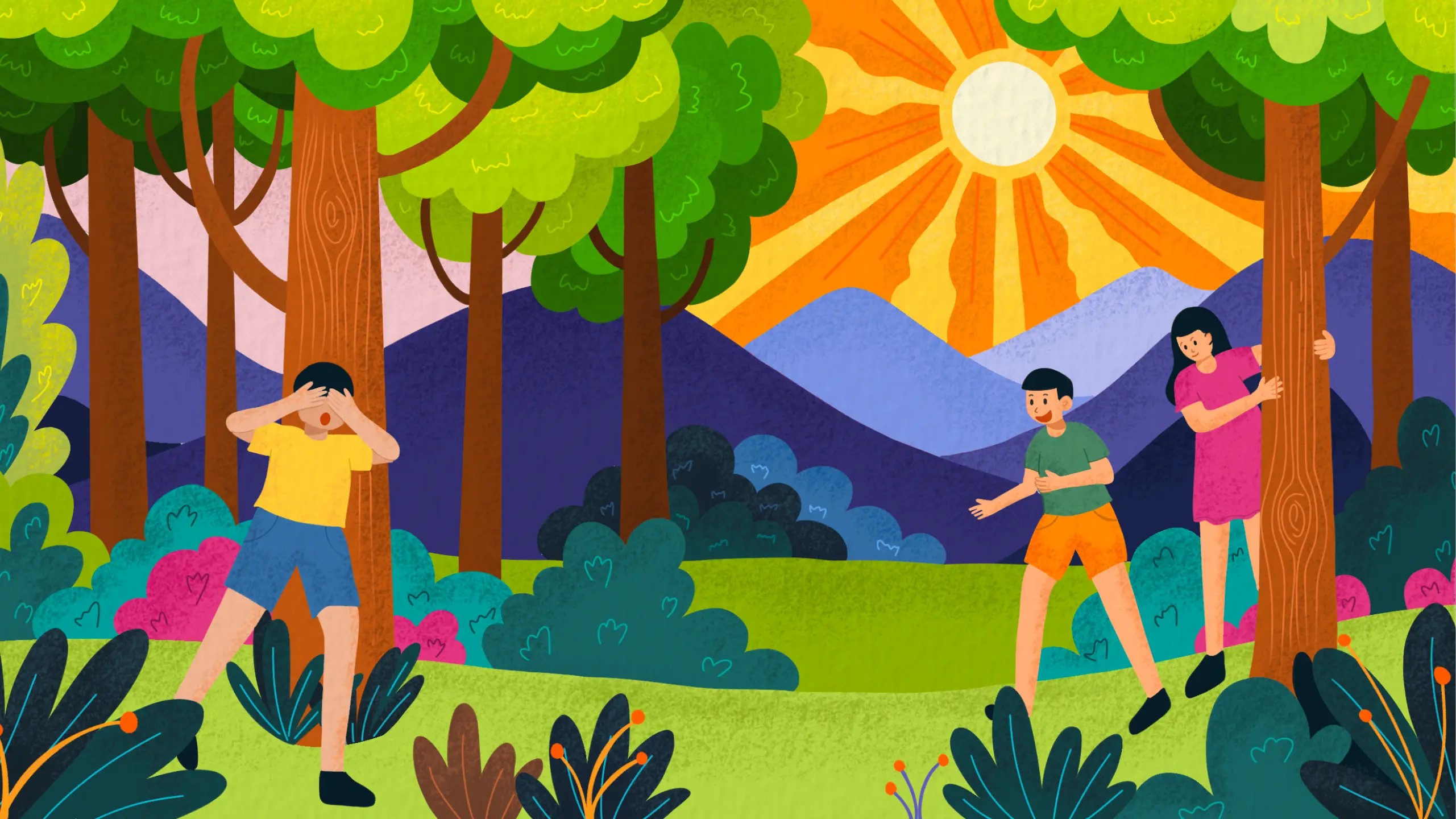
Artwork by Khyati K
{{quiz}}
.jpg)

.avif)
Explore other topics
References