Protein for the elderly: How our needs change with age
Falling appetite and hormone changes make it harder to eat healthy and retain mobility


Editor's Note: From grocery lists, to fitness priorities, and even healthy snacking, protein is everywhere—but do we truly understand it? In this series, the Good Food Movement breaks down the science behind this vital macronutrient and its value to the human body.
What does it mean to age? Is it just the wrinkles, strands of grey hair, and constant back pain? These are just glimpses of the larger slowing down of the grand, complex machine that is the human body. Behind the scenes, cells grow old and tired, and the body is not able to send newer cells to relieve them. Organs that have served the body for decades take longer and need more support to execute the same functions. The body retains adequate functionality to keep us afloat, but stressors like injuries or disorders can rock the boat uncomfortably.
It can feel very helpless and frightening to watch a strong body falter like this. Some of that helplessness is reasonable, but your diet and physical exercise levels influence how deeply this wear and tear impacts your body. India's elderly population (aged 60 and above) has increased four-fold over the past 50 years. In 2019, of the estimated 136.6 crore population of India, the number of aged population (>65 years) was 8.7 crores, and by 2050, it is expected to reach 22.5 crores. This makes it crucial that we understand nutrition for the elderly.
Food without feelings
As you age, your body is dealing with two problems at once: you are struggling to absorb nutrients the way you used to, and your body needs them more desperately than before. Why exactly does ageing make it harder to access nutrition?
Firstly, your body's systems to pick up on hunger signals get disrupted. Biological factors like reduced production of hormones and slowing stomach digestion make up one part of this. Additionally, vision, smell, and taste slowly start deteriorating sometime in mid-life (between 40 and 60 years of age). Though not directly related to digestion, these three senses are core to how we experience food. Without them, how can one look forward to mealtime? The very act of eating becomes bereft of joy, and caloric intake falls. Common dental issues like decreased saliva production, difficulty in chewing, and loss of teeth can further interfere with how appetising meals are. At the same time, you are exercising lesser, and your resting metabolic rate (basic energy expenditure for keeping organs functional) is falling—thus reducing your caloric needs. Energy levels fall too, and people have little motivation to spend it on preparing food. Together, this makes it hard for older folks to eat well.
While their appetite suffers, so does the absorption of nutrients. Stomach acid levels fall, digestive enzyme production slows, the composition of the gut microbiome changes which specifically make it harder to absorb vitamins, minerals, and proteins. Intestinal motility, or the intestine’s ability to contract and dilate, also weakens with age, and slows down the transport of digested nutrients. Decreased functioning of the proteins that are responsible for amino acid transportation decreases the efficiency with which the body is able to absorb it. Older people also run a higher risk of developing gastrointestinal disorders that affect digestive processes and bioavailability of nutrients.
Also read: The science behind bodily protein: What are complete and incomplete sources?
Estrogen estrangement
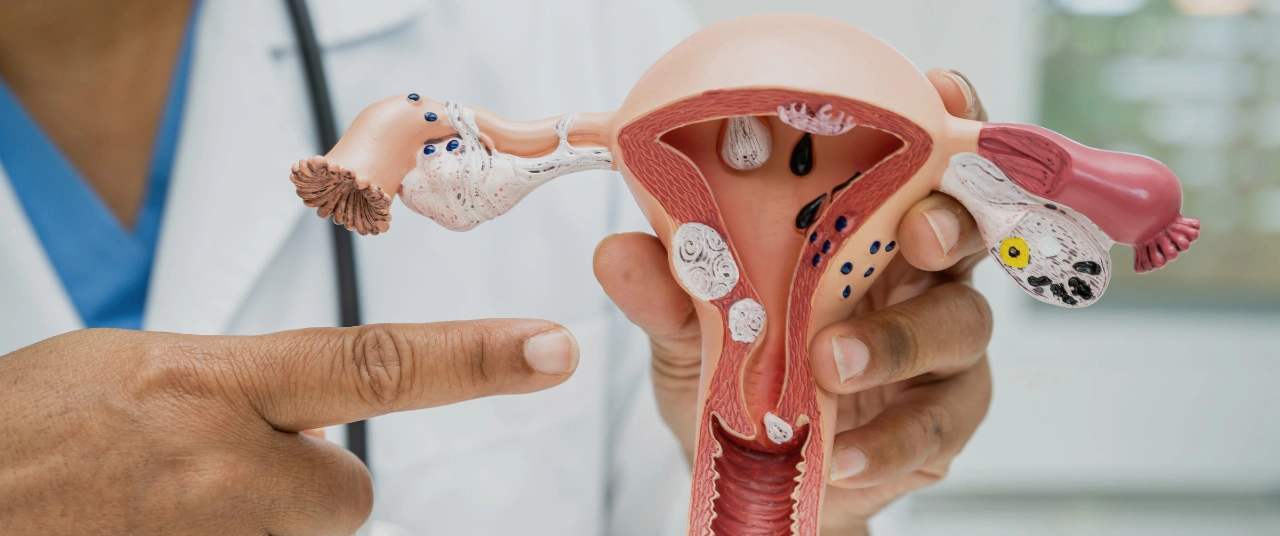
For women, age also marks an important shift: menopause. Almost an entire life of periods can predispose anyone to celebrate their end, but menopause brings its own troubles. Throughout menopause, which usually starts in the 40s and can last for up to a decade, estrogen levels fluctuate until they fall and plateau. Estrogen regulates not just the menstrual cycle, but also appetite. The sudden reduction in the production of estrogen, as happens during menopause, is associated with an increase in abdominal fat. It also speeds up the loss of bone density in women. These losses come from a higher rate of breakdown compared to synthesis in muscles. Protein is crucial to reducing the imbalance between the two, and reducing the net breakdown of muscle and bone mineral mass. In these ways, protein is all the more crucial for women as they enter menopause.
Also read: Protein traceability: Why knowing where your milk and pulses come from matters
The challenge
The fundamental rules of good nutrition stay the same with the elderly—but reduced appetite makes it harder to ensure they get it, and the results of a deficiency have greater ramifications.
Older folks are especially prone to developing a protein deficiency. Not only is digestion and absorption affected, difficulty in chewing and swallowing also restrict access to rich sources of complete protein like meats. They are also less responsive to anabolic (muscle synthesis) stimuli when the amino acid levels are low, i.e. they need a larger dose of protein to get the same results as younger adults.
How this increased need is expressed changes. Some express it as a Recommended Daily Allowance (RDA) of 1.2-2g per kg of body weight. However, the RDA was calculated by a methodology that estimated how much protein is required to ensure the body does not lose nitrogen, rather than through a focus on how protein is impacting bodily strength and functions. In its place, protein intake can be measured in terms of the Acceptable Macronutrient Distribution Range (AMDR). AMDR expresses nutrient intake as a percentage of total energy intake, and recommends 10-35% of the total energy for protein. AMDR is especially useful while discussing the nutrient needs of older adults, because their total caloric intake falls with age, and focusing on a percentage can help ensure that an adequate proportion of their diet is including protein. At the same time, it is advised that around 55% of caloric intake be carbohydrates to prevent the body from breaking down protein for energy.
One of the major impacts of a protein deficiency is an acceleration of age-related muscle mass loss (sarcopenia) and bone density loss (osteopenia). It leads to a drop in strength and functionality, and has a direct relation to loss of independence and mobility among elderly adults. It is also associated with frailty, an increased risk of injury, and longer recovery times.
Adequate protein is thus central to retaining functionality as we age, and to work best, it must be paired with exercise. Studies have shown that even five days of bed rest reduces muscle protein synthesis in the elderly—a worrying sign of what an injury or hospital visit can mean for muscle breakdown. In contrast, any form of physical activity has benefits, and can help reverse mobility functions that have been lost. High-intensity strength training is recommended for those prone to muscle loss and frailty.
Regular exercise and a balanced diet become all the more important with age because the body’s failing systems make it harder, both physically and emotionally, to take care of ourselves. Moreover, the body’s disposition to lose muscle mass and to get injured make protein a crucial nutrient to ensure strength and recovery. Ensuring that an elderly adult gets the protein they need involves some planning, but with it comes a satisfying reward: true independence, well into old age.
Also read: The ‘right time’ to eat protein: Little and often, rather than in one meal
{{quiz}}
.avif)

.avif)
References