Protein for children: From babies’ needs to teenagers’ health
While breastmilk is essential for newborn infants, toddlers benefit from a balanced diet


Parenting can be an endless creativity contest—beetroots disguised into cutlets, spinach blended into a parantha, and vegetables shrouded in sauce and wrapped into a roll. All to serve one purpose: providing a child with adequate nutrition in a world where intense marketing and easy access to ultra-processed foods do their best to lead them astray.
The world, and India, is seeing an unprecedented rise in the number of obese children. In the span of 15 years, India has witnessed a 127% increase in the number of obese children under 5 years, and a 125% and 288% increase in the number of obese adolescent girls and boys respectively.
Given this current scenario, while kids may be tempted by fast food, conscientious parents may get influenced by the health food marketer’s current favourite: protein. How much protein do our kids really need as they grow up?
Infant nutrition
A child’s nutritional journey begins before their first breath. Pregnant women are advised to have an additional 350 calories daily during their second and third trimesters. These additional calories should include a supplementary 8g of protein during the second trimester and 18g of protein during the third trimester. This additional protein is crucial for foetal growth, reducing the risk of stillbirth and low birth weight. Any protein supplementation should not cross more than 20% of the total calories consumed, to prevent adverse effects like restricted foetal growth.
Any protein supplementation should not cross more than 20% of the total calories consumed, to prevent adverse effects like restricted foetal growth.
These needs augment to an additional 600 calories of energy and 13.6g of proteins during the first six months postpartum. In the next six months, the requirements drop to an additional 520 calories of energy and 10.6g of protein. This additional consumption helps not only with optimum breast milk production, but also with maintaining the mother’s health.
For the first six months, exclusive breastfeeding can meet all the nutritional needs of the infant. In fact, not even water should be given during this time. In the next 6 months, the baby’s caloric needs are 650-720 kcal/ day (with 9-10.5g of protein), while breastmilk provides only 500 kcal/day (with 5g of protein). To bridge the gap, complementary foods should be incorporated two to three times a day alongside breastfeeding. In the initial 3 months, it should be food with a paste-like consistency, such as a fruit purée. Nine to 12- month-old babies can slowly progress to grated vegetables, and by the time they turn 1, they can start having more solid foods like khichdi and boiled eggs. While it is advised that mothers continue to breastfeed for the first two years, formula milk is a reality in India for a myriad reasons.
But in today’s context of mixed feeding, a baby consuming formula beyond their first month is likely having more protein than they need.
For any parent supplementing their child’s diet with formula, it is important to understand the chosen formula’s protein content. Unlike human milk, the protein concentration of formula is constant, and is designed to meet the needs of infants at all times, including the first month when protein needs are highest. The formulation errs on the side of excess because formula milk was created as a life-saving substitute for breast milk, specifically for mothers who couldn’t breastfeed. But in today’s context of mixed feeding, a baby consuming formula beyond their first month is likely having more protein than they need.
Also read: India’s first meal crisis: Is the rise of formula threatening breastfeeding?
Puberty and protein
In their toddler years, children continue to require more protein than adults in absolute terms: a 3 year old is advised to have 0.97 g per kg of bodyweight daily compared to the approximate 0.83 g per kg of bodyweight for the average adult. However, a balanced diet is enough to meet these needs for one simple reason: children weigh much less, and thus the actual net protein intake recommended for them might not even equal the recommended intake for an adult. Small inclusions in the diet can easily cover these needs: a cup of milk or half a cup of lentils contain 8g of protein, an egg or one slice of cheese has around 6g of protein, and 100g of greek yoghurt or 40g of chicken contains 10g of protein.
Also read: The science behind high-protein milk: How it differs from whey powder
Children have the same protein requirements regardless of gender until puberty. Thereafter, boys are recommended more grams of protein for the same body weight, owing to a higher metabolic rate and a higher muscle mass.
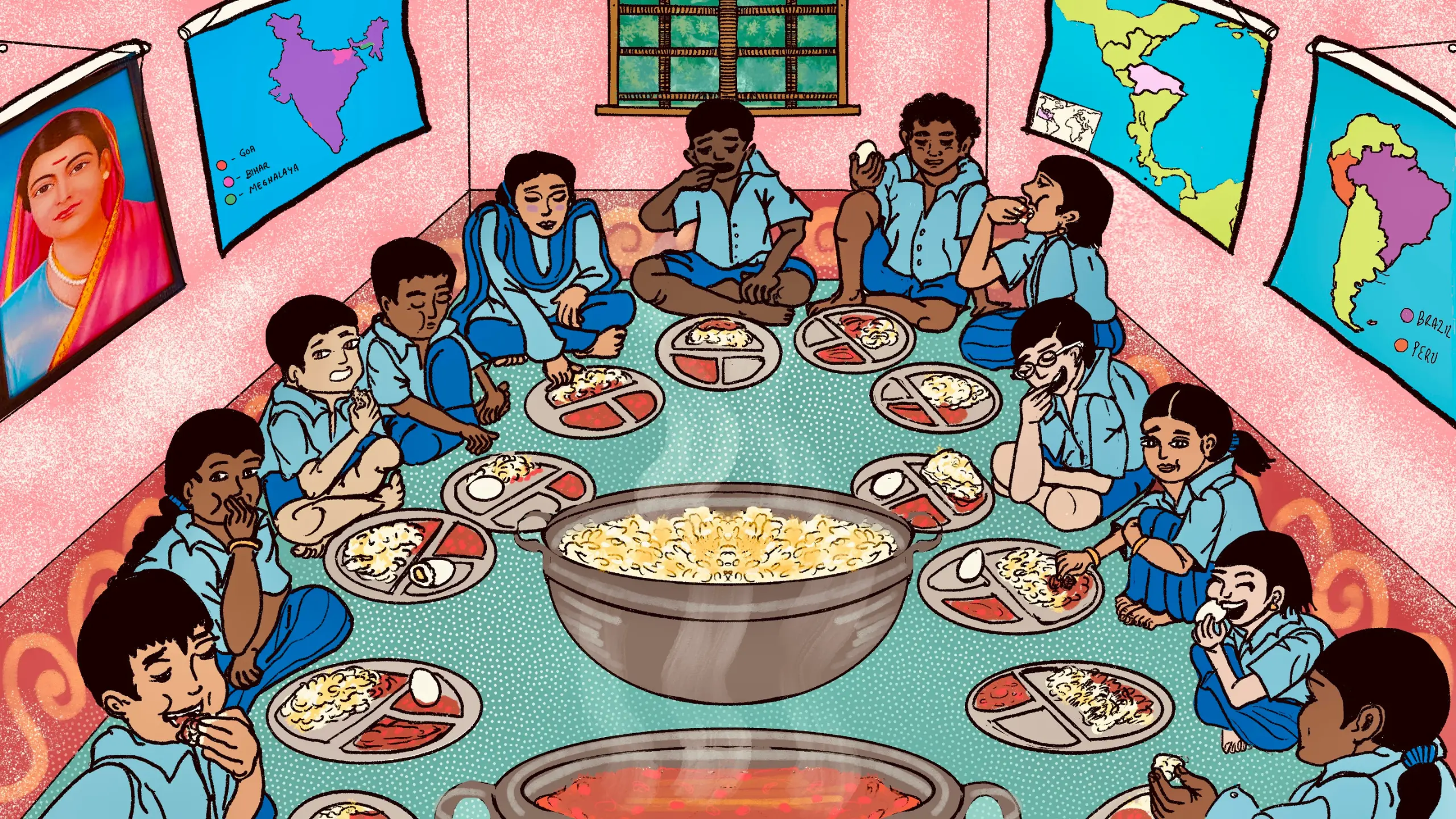
Historically, a lot of recommendations on child nutrition have been based on detailed studies of breastfed infants and grown adults, with interpolations made for the intervening ages. A part of this research deficit is explained by the ethical considerations of conducting research on children. Regardless, this leaves a lot of questions unanswered about a child’s protein needs, including how activity levels and gender influence the recommended intake.
The beneficial impact of helping a child build a good relationship with their food will last much longer than any single meal plan can.
Throughout their childhood, but especially through these early years, protein is undoubtedly important for children. It is not without reason that the macronutrient is crowned as the building block of life: it plays crucial roles in growth, brain development, neurotransmitter production, nutrient transport, and immune response. That said, it would not help to err on the side of excess either: some papers have linked excess protein intake in children with an increased risk of obesity later in life.
Also read: Mess on my plate: India’s students are fixing their college diets
While research will emerge as the years pass and give us a more granular understanding of a child’s nutritional needs, the wisdom surrounding it stays constant. Childhood is when eating habits form. Rather than obsessing over any single nutrient, what will help is to build healthy eating habits, and develop the child’s taste for wholesome food. The beneficial impact of helping a child build a good relationship with their food will last much longer than any single meal plan can.
Artwork by Alia Sinha
{{quiz}}
.avif)

.avif)
References