The protein divide: Should you pick whole-food sources or isolates?
While isolates offer concentrated, easily absorbable protein, whole foods deliver it alongside a diverse set of nutrients


Editor's Note: From grocery lists, to fitness priorities, and even healthy snacking, protein is everywhere—but do we truly understand it? In this series, the Good Food Movement breaks down the science behind this vital macronutrient and its value to the human body.
Protein is a trendy, marketing currency in today’s nutrition landscape, added to snacks, drinks, bars, cereals, and even desserts. Much of this protein content comes from isolated protein ingredients like whey, soy or pea protein.
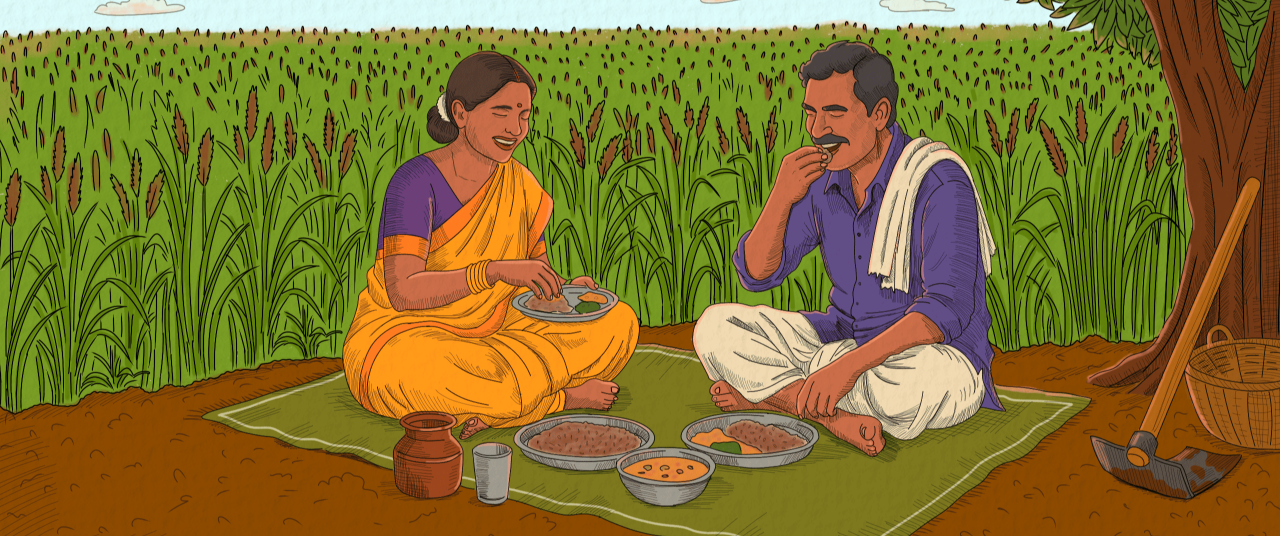
Trendy snacking aside, most Indians actually continue to get their protein from whole foods like dals, pulses, eggs, milk, nuts, meat, and grains. Both these categories make for beneficial sources, but they are not the same. The body processes them in very different ways, influencing digestion, nutrient delivery and overall health.
What is whole-food protein?
Whole-food protein refers to protein which is part of the natural, intact structure of a natural, whole food—also known as the food matrix. In milk, for instance, protein co-exists with natural fats, lactose, minerals, and enzymes. In dals, protein is surrounded by fibre, resistant starch and phytochemicals (naturally occurring plant compounds, which lend them their colour, scent, and flavour). In eggs, protein is embedded within a natural balance of fats, micronutrients, and water.
Studies on the ‘food matrix effect' consistently show that this structure influences protein digestibility, how long you stay full, and the absorption of other nutrients. Because whole foods carry multiple nutrients, they also deliver iron, zinc, calcium, B vitamins, phytonutrients and healthy fats together with protein—supporting metabolism beyond muscle repair.

Also read: The science behind bodily protein: What are complete and incomplete sources?
What are protein isolates?
Protein isolates, by contrast, are highly processed ingredients created by extracting and purifying protein from a whole food, and then consumed as an isolated nutrient. Through filtration, precipitation, and other biochemical treatments, most fats, carbs, fibre, and moisture are removed. What remains is either a concentrated protein (containing about 70% protein) or a stronger protein isolate (containing about 90% protein). Whey isolate, soy isolate, pea isolate and rice isolate are some of the most common forms used in packaged ‘high-protein’ foods.
Because whole foods carry multiple nutrients, they also deliver iron, zinc, calcium, B vitamins, phytonutrients and healthy fats together with protein—supporting metabolism beyond muscle repair.
Because isolates are stripped of the food matrix, they digest quickly and raise blood amino acid levels much faster than whole foods like milk, yoghurt, or pulses. This rapid absorption is well-documented in sports nutrition research, especially for whey. Isolates, therefore, serve a different purpose: they provide high-density, fast-acting protein in small volumes, which can be helpful for athletes, older adults with low appetites or people with specific clinical needs.
Also read: Is there an ‘ideal’ amount of protein that must be consumed?
How whole foods vs. isolates fare in the body
The key scientific distinction is how the body encounters these two categories of proteins. Whole foods, because of their intact matrix, release amino acids gradually. Fibre slows the emptying of the stomach, which means that nutrients reach and are absorbed in the small intestine in a staggered manner, leading to slower glucose spikes and longer satiety. Natural fats moderate digestion, and the physical structure of the food requires more breakdown. This is why the protein in dals or millets takes longer to digest, and why milk delivers a steady trickle of amino acids, thanks to its natural blend of slow-digesting casein and fast-digesting whey protein.
Isolates, therefore, serve a different purpose: they provide high-density, fast-acting protein in small volumes.
Protein isolates behave differently. Without fibre or fat to slow them down, they pass through the stomach more quickly and cause a sharp rise in circulating amino acids. This can be useful in situations where rapid availability is beneficial, but does not replicate the long, steady absorption pattern of whole foods.
Whole-food proteins involve minimal processing: soaking, fermenting, cooking or boiling. Isolates are the product of extensive industrial processing that removes everything except protein. This does not make them unsafe, but it does make them nutritionally narrower. Emerging research on ultra-processed foods suggests that foods built primarily from isolated ingredients may influence satiety, digestion and long-term eating patterns differently than whole foods, even when they contain comparable macronutrients.
Neither category is inherently superior, they simply serve different functions.
Neither category is inherently superior, they simply serve different functions. Whole foods provide protein within a nutrient-rich package that supports broader metabolic outcomes—satiety, digestion, and overall dietary balance. This is why organisations like the ICMR, FAO, and WHO recommend meeting protein requirements primarily from whole foods. On the other hand, isolates offer precision and efficiency. They allow people to add large amounts of protein without adding much fibre, fat, or calories.
For those with high daily requirements, limited appetite, or time-restricted diets, isolates can be a useful supplement. But they contribute little beyond protein itself, and relying on them heavily may compromise diet diversification. For most people, whole-food protein should form the foundation of the diet, with isolates used selectively to bridge gaps rather than define the meal.
Also read: More isn’t always better: Are you overdosing on protein?
{{quiz}}


.avif)
References