The meagre morsels swallowed by Assam’s tea workers
The hands that bring us India’s favourite beverage are under-nourished as they battle anaemia and rely on foraged produce for their health


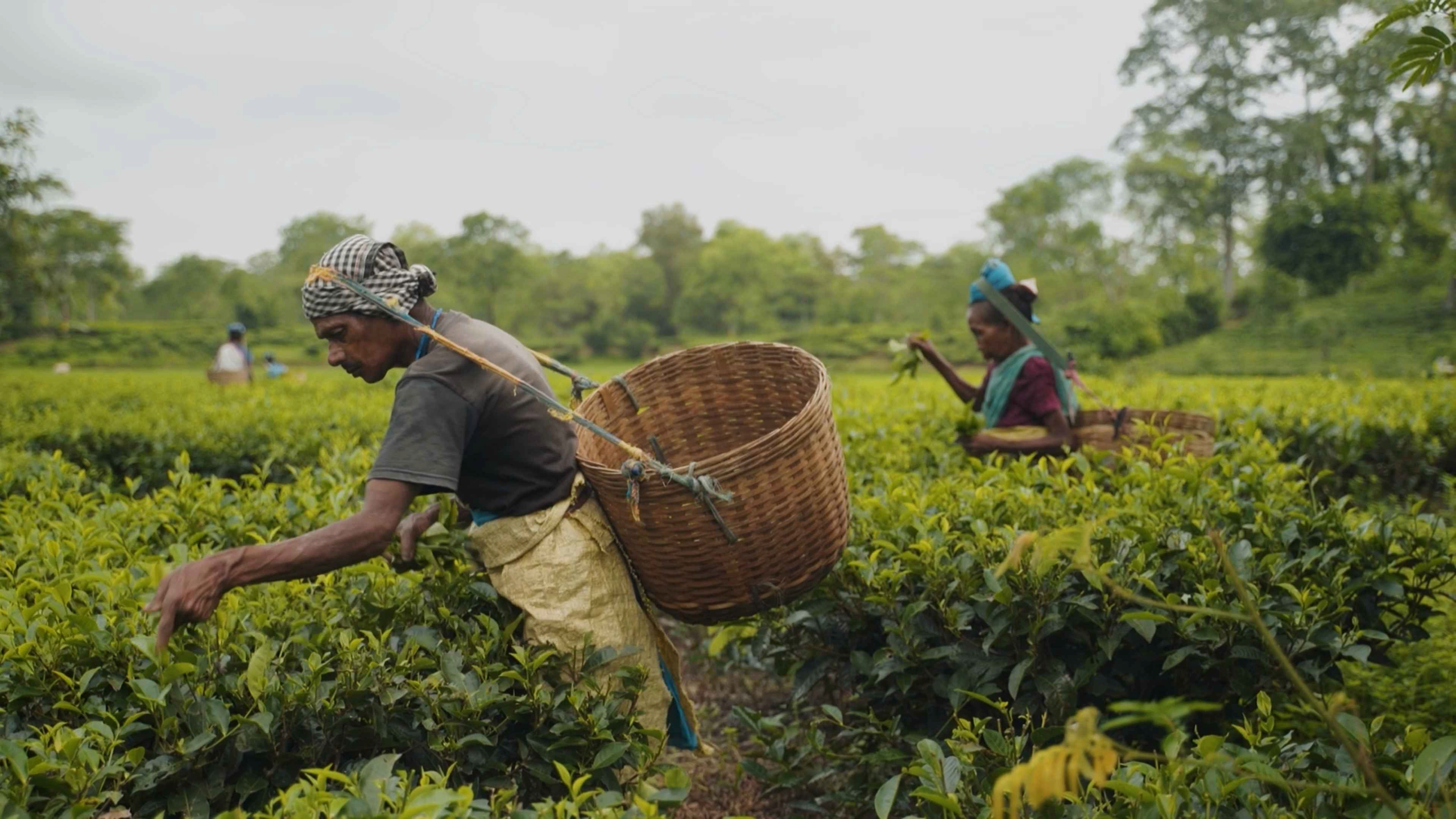
Whether they’re sweating it out in the harsh summer–with the humidity hovering above 80%–or standing tall in a heavy downpour, a tea garden worker in Assam has a set target. They are expected to pluck at least 25 kg of tea leaves each day, for a daily wage of around Rs. 200. This reality persists across 800 or so plantations throughout the state. The same tea leaves easily fetch Rs. 50,000 in private auctions after they’ve been processed. The chasm between pay and price only gets wider in the case of specialty tea: In 2022, a single tea estate set a record when it sold the rare, valued Manohari gold tea from the Dibrugarh district at the rate of Rs 1.15 lakh per kg.
What sustains these workers, who pluck some of the costliest tea leaves in the world, to work eight-hour shifts in extreme weather with only an hour’s break for lunch? The answer, tragically, is very little. Our research threw up some uncomfortable truths: Out of 14 lunch-and-dinner meals in a week, most families consumed only two meals with adequate nutrients. Across Assam’s estates, more women are engaged in tea plucking than men. Endless studies highlight the alarming rates of anaemia in these women; prominently, a sample study from the UNICEF finds that 95% of women working in tea gardens are anaemic. The data is grim. Conditions like anaemia can be the result of various factors, but a reigning influence is nutrition.
There are no easy answers to be found to questions about what their daily diets consist of. But the history of Assam’s tea estates is a good place to start.
The indenturing of the ‘tea tribes’
Assam’s tryst with tea started with the advent of the East India Company’s stronghold in the region in the early 19th century. The Treaty of Yandaboo in 1826 initiated British rule in northeastern India, setting up solid territorial boundaries for the first time. All of this was happening against the backdrop of a race between the British and the Dutch to control tea production in parts of eastern India.
For a long time, almost all the world’s tea came from China–while the British and Dutch raced frantically to establish some hold over the production and export of this highly demanded commodity. All of this changed when Robert Bruce, a British merchant, discovered indigenous tea plants growing in the Brahmaputra Valley. The moist evergreen rainforests of Assam and Bengal had always been home to wild tea trees, which were harvested by native communities on the backs of elephants. Much like the ancient Chinese, these communities revered tea leaves for their healing properties. When the British confirmed that these leaves could be commercially cultivated across the perfect slopes of these regions, they set up an entire industry.
In its early years, Assam’s tea industry had plenty of demand globally, but not enough local, skilled labour to work in the plantations. As a result, several tea estates suffered losses and were forced to shut down. Working on a tea estate was an extremely labour-intensive job, and Chinese workers who were brought in from across the border demanded a fair wage for their skill.
Over a century, as these amalgamated tribes toiled hard in the tea estates, they could hold on to very little of what they brought from their ancestral lands, in terms of their diverse culture, food or even languages.
Instead of giving in to their demands, British tea estate owners employed a network of agents (called arkuttis) who travelled to neighbouring states, found men and women who were desperate for a means to survive, and promised Assam to them as a land of opportunity. However, the compensation and treatment of these workers, once they travelled to Assam, was no less than that meted out to bonded labourers.
Also read: For Assam's Mising community, this fish paste represents tradition and food security
The British indentured mostly Adivasi people from Central India, who belonged to communities like the Oraon, Munda, Ghasi, Santhal, Tanti, Bhumij, Karmakar, Lohar and Sahu. By 1901, over 7 lakh skilled workers had migrated to Assam to work in tea gardens, with over 5 lakh of them from the Bengal Presidency alone.
The amalgamation of these communities in the tea-growing districts gave birth to what is colloquially called as Baganiya culture (roughly, the garden culture). The Baganiya culture soon gave birth to the Baganiya creole, borrowing words from Central Indian tribal languages. The descendents of these migrated labourers in Assam are now often called ‘tea tribes.’
Over a century, as these amalgamated tribes toiled hard in the tea estates, they could hold on to very little of what they brought from their ancestral lands, in terms of their diverse culture, food or even languages. Assam became their new home.
{{marquee}}
Stark inequities
We met Renu Oraon (name changed to protect identity), a fulltime worker in a large estate in eastern Assam’s Golaghat district. A part of the organised workforce of the tea industry–protected by a labour union–Oraon earns around Rs. 1,200 for six days of work that start as early as 4 am on some days. We followed her through an exhausting 24 hours: Typically, her shift begins at 8 am and is broken into two by a 45-minute lunch break. She can only attend to chores at home after 5 pm. Her routine is arduous and takes a massive physical toll; Oraon can only sleep after 9 pm.
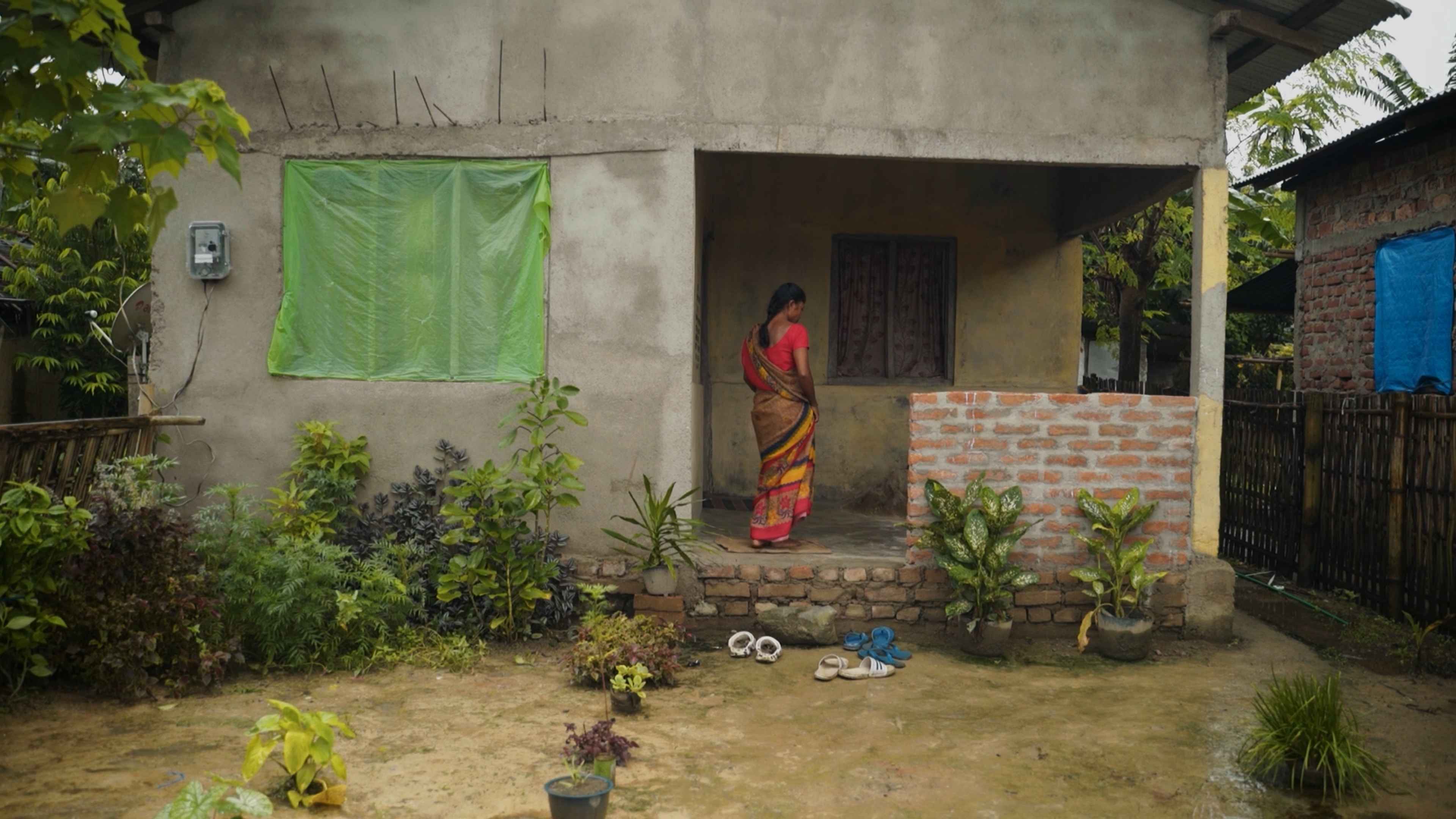
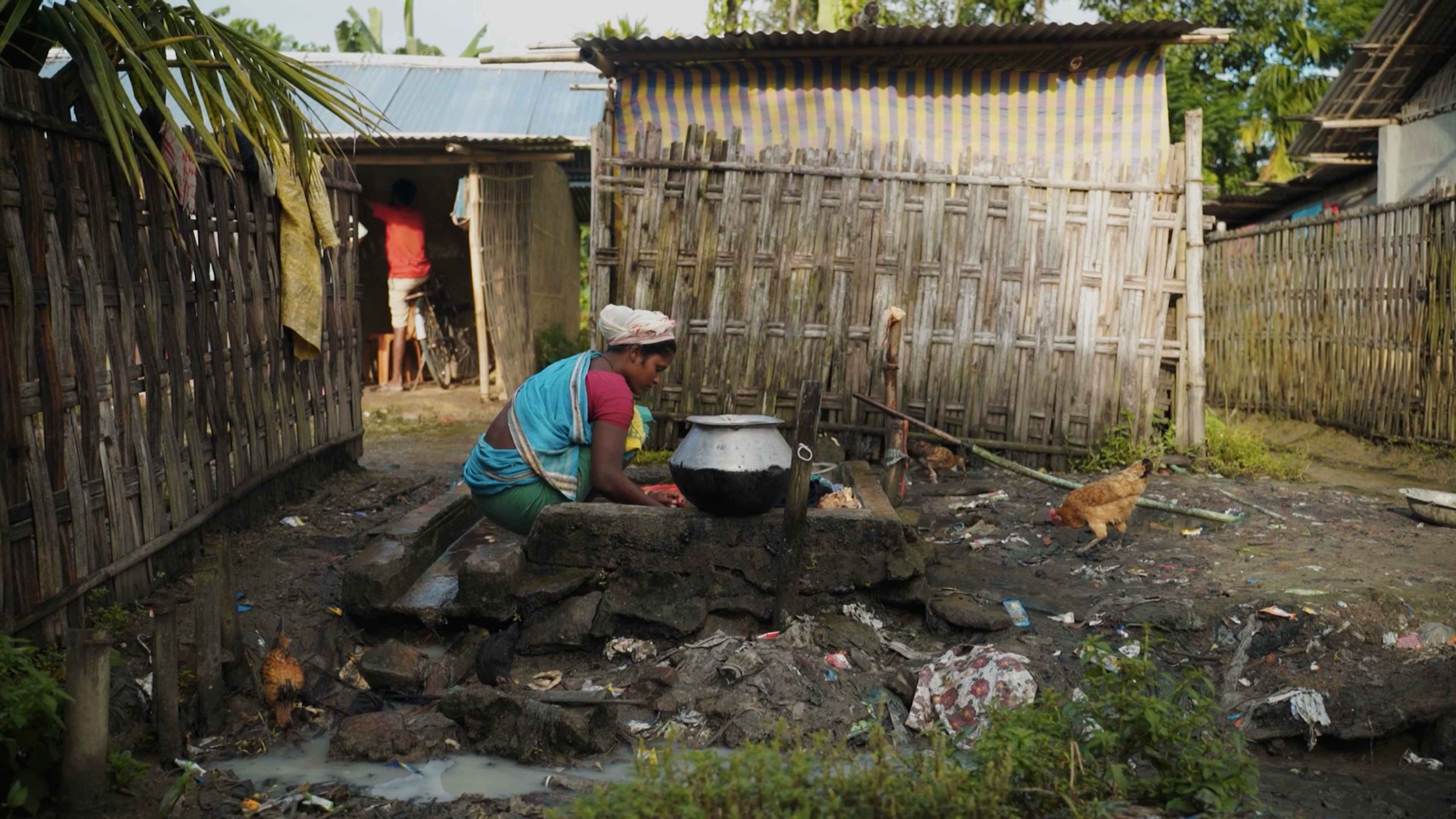
Workers reside in the ‘labour lines’: rows of two-room houses—barely 25 sq. feet—provided to them by the estates. Oraon says that 22 houses in the labour line, including her own, do not have permanent toilets. These houses receive water erratically from two taps situated in a common space that is shared by all the families. A 2022 study by the UNICEF found that most households in these lines depend on tubewells, but about 15% of the houses have piped water that is supplied by tea estates.
The diet on regular, non-festive days comprises rice, rotis, greens based on their ability, sometimes lentils, and a strong reliance on potatoes and onions as they are cheaper than other vegetables.
“The executive staff members received five times more water per day than the labour lines, while the Managers' bungalows were endowed with 25-35 times more water than the labour lines,” the study notes. Oraon remains hopeful that the conditions in the labour lines will improve in the future, and that she can finally own the house she and her family resides in.
Irrespective of her shift timings, Oraon is up early to prepare the day’s meals, including the lunch that she will carry to her workplace. The diet on regular, non-festive days comprises rice, rotis, greens based on their ability, sometimes lentils, and a strong reliance on potatoes and onions as they are cheaper than other vegetables. Snacks remain elusive owing to the lack of time to prepare them, as does fruit, because of prices.

“We do not have the luxury of time to think about meals. Come rain or shine, we have to fulfil the target to get the full day’s wage. In my case, I am the only one in my family employed in the tea garden. I have to work all six days,” she adds, while grinding white mustard seeds and a ghost chilly to a paste on a grindstone. She also throws a few cloves of garlic onto the stone.
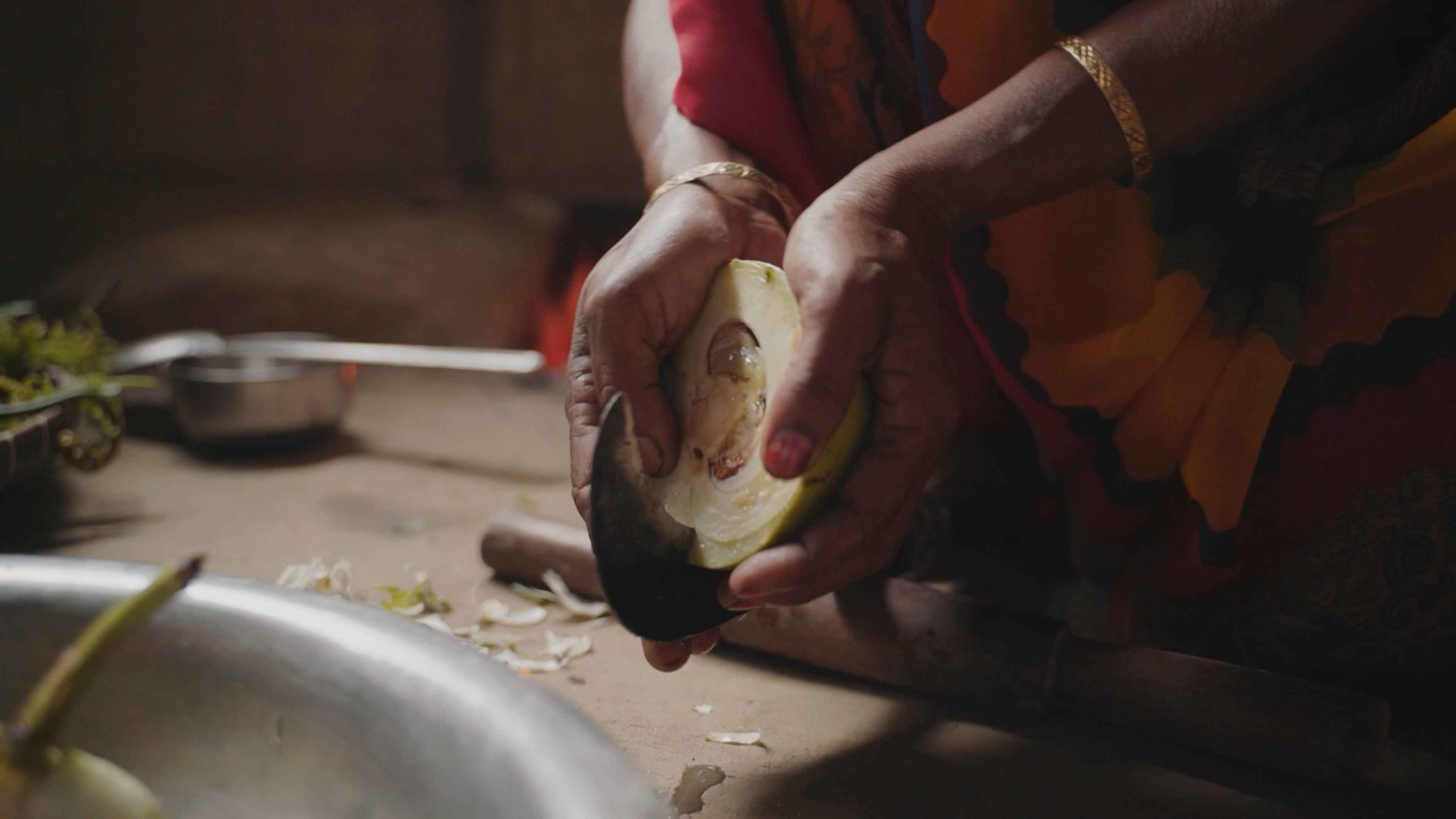
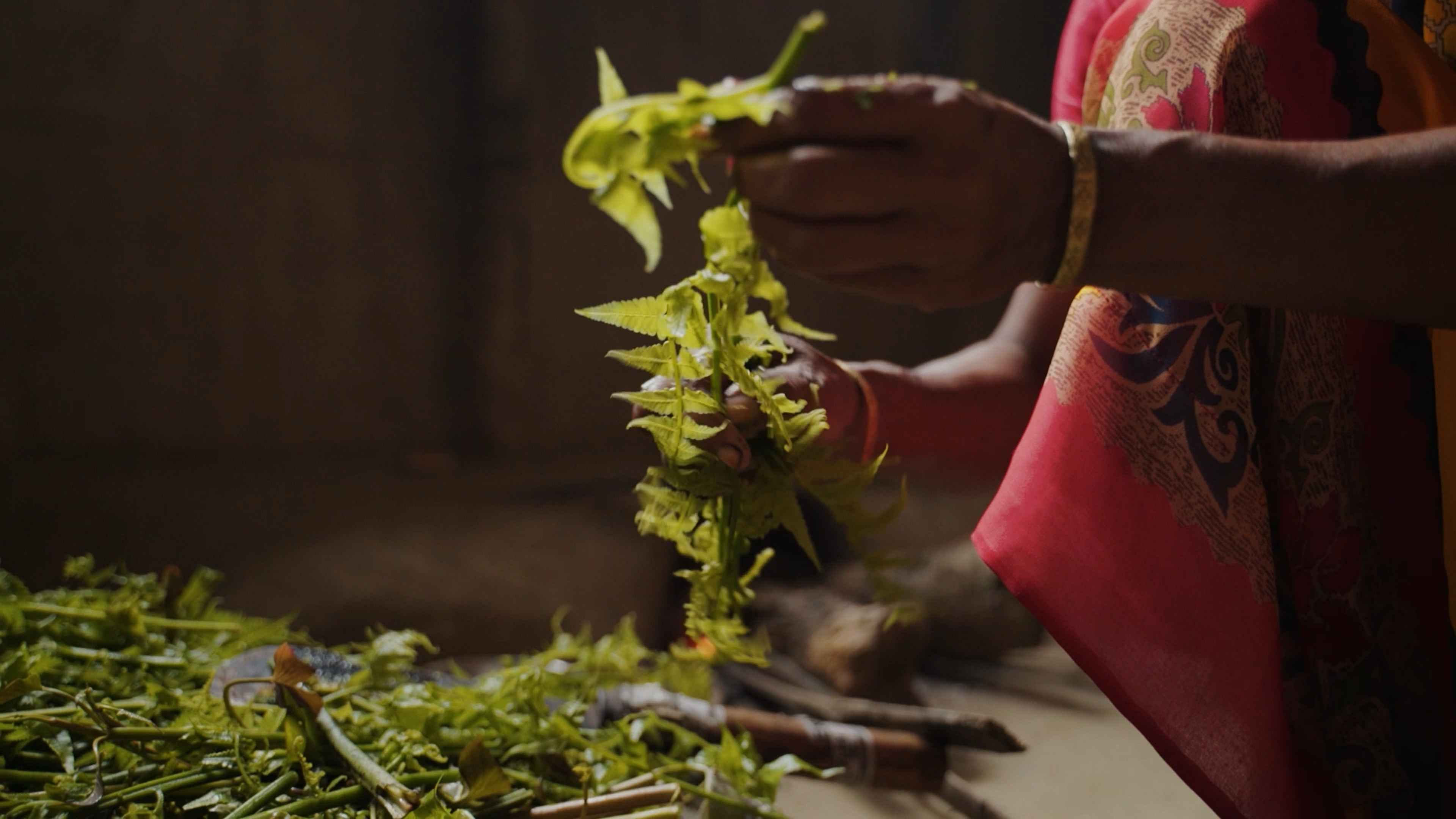
Oraon also chopped up pieces of an elephant apple (Dillenia indica) she foraged while returning from her shift, along with some local ferns and herbs. She starts sauteing them with the paste she prepared. “Foraging is an integral part of our identity. Our grandparents learnt it from their parents, who passed down this knowledge about various edible plants and fruits to us. This produce provides relief to the body. I make sure that my children eat it over all the unhealthy fast food that we find here,” Oraon says as she packs her lunch. She sets off, with her box of chapatis, chillies, onions and the sauteed elephant apple fry.
Also read: Mumbai's mill-era 'khanavals' fuelled a workforce with affordable, homely meals
The understated value of foraging
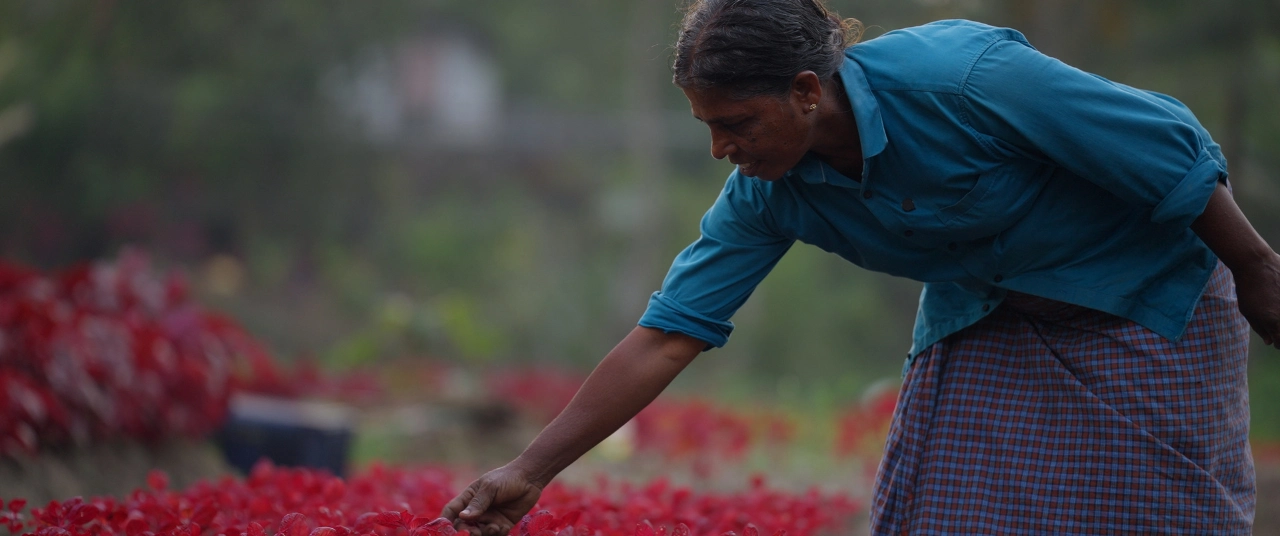
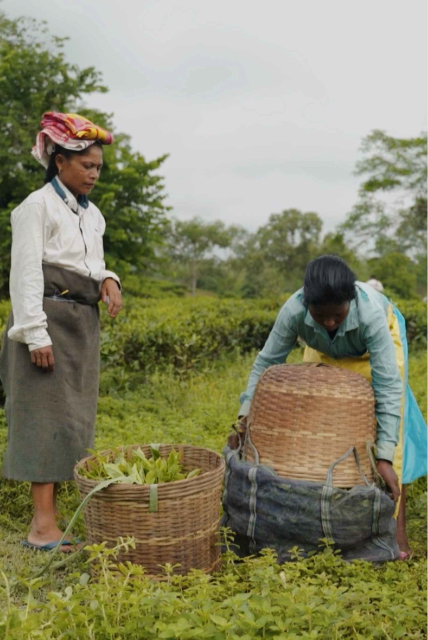
Tea workers get assigned across different sections of the estate, which could easily be a 2 to 3 km trek through an undulating terrain teeming with surprises. “The company provides us with tarpaulins and umbrellas to wade through these leech-infested gardens for our safety. However, we stay out in the sun or heavy rains, which takes a huge toll on our bodies.” Oraon prays to the tea bush with folded hands, before quickly plucking a handful of leaves from the plant, depositing them in a conical basket. “We are supposed to weigh the produce thrice in the day. Clocking 28 to 30 kg of raw tea leaves every day is not an easy task,” Oraon explains, emptying her basket. She sings a few lines from her favourite song as her hands move deftly through the plants.
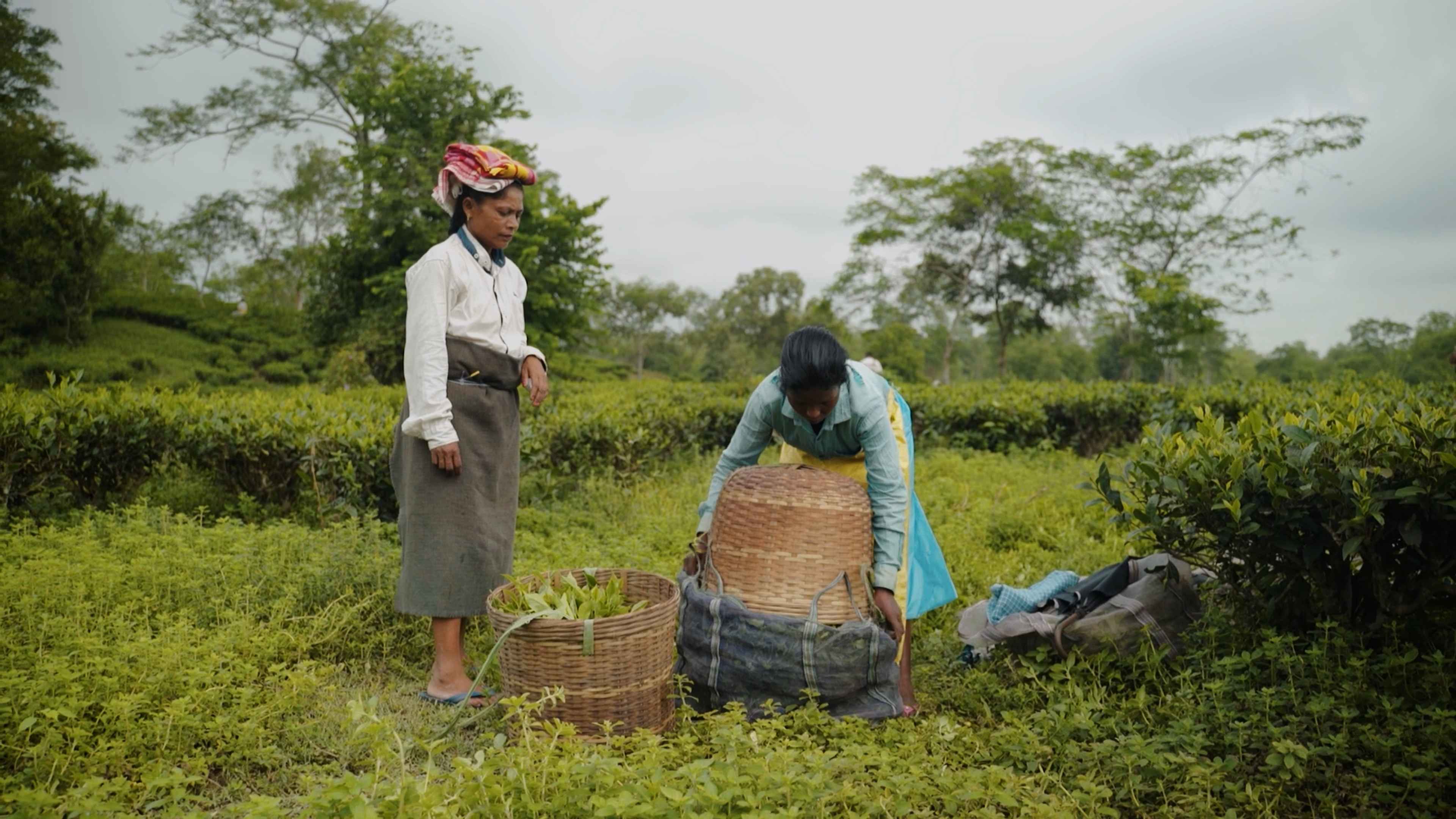
By lunch, the sky is overcast. Within minutes, Oraon and others start moving the produce. Carefully avoiding slippery patches of slush and muddy slopes, the workers carry their leaves to the weighing scale under the shed. A few women start filling up their bottles with a red-brown liquid, called ‘chai pani’ or salty water boiled with tea leaves—a practice foisted on tea workers since colonial times, as a means to tackle the serious dehydration they face. The consumption of chai pani over time has been detrimental to tea workers’ health; the excess sodium has resulted in an increase in cases of hypertension and heart and kidney ailments. Additionally, excess tannin–which is a major component of tea–is known to decrease iron absorption; for the many anaemic women in the estate, this salted tea is greatly damaging.
‘Chai pani’ or salty water boiled with tea leaves—a practice foisted on tea workers since colonial times, as a means to tackle the serious dehydration they face. The consumption of excess sodium and tannins has been detrimental to their health.
Although many tea gardens across Assam are supported by globally-aided non-profits working for improved living conditions and better nutrition, such efforts have barely had any impact on the public distribution system that is responsible for providing the workers with food rations once in a week. “We get 1.5 kgs of rice and flour per person, as well as tea leaves as rations. We have to buy vegetables, lentils, oil, sugar and salt from the markets,” Oraon says. Many of these initiatives talk about the importance of consuming protein and fortified foods, while the practice of foraging wild herbs and locally growing fruits remains understated as a source of nutrition.
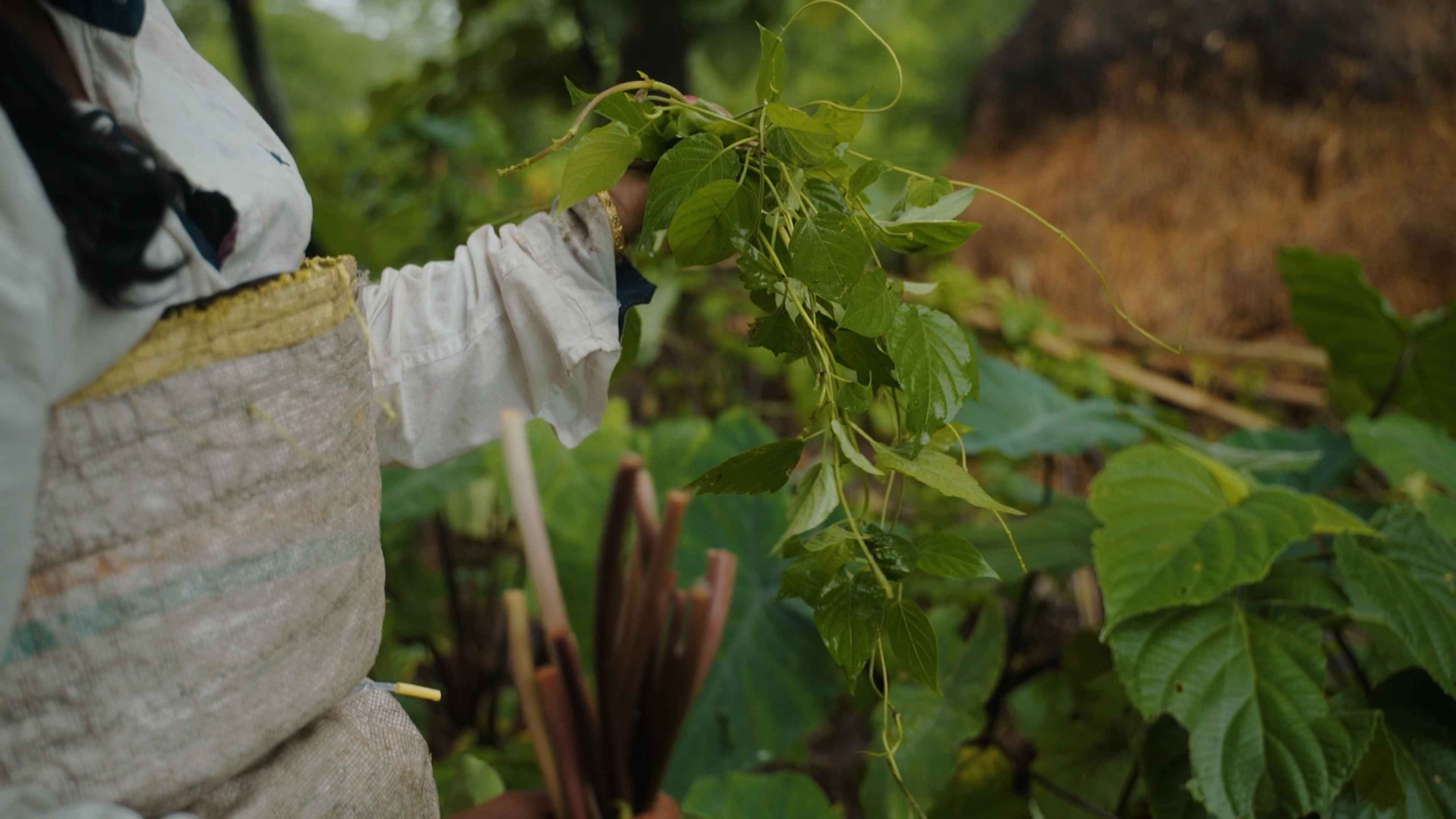
To observe foraging first hand, we follow Oraon and her comrades, who lead us to a stream that flows swollen from this afternoon’s heavy downpour. She tells us that the freshwater stream also provides the communities with crab and small fish. The women burst into laughter while separating a skunk vine (Paederia foetida) from the undergrowth. “We call it Padra Paat because of its peculiar flatulence-like smell,” she laughs. Across Assam, various communities consider skunk vine as a source of anti-diarrheal properties. Oraon explains that for anyone suffering from stomach ache or indigestion, the medicine is simple: fritters made from skunk vines, mashed into boiled rice.
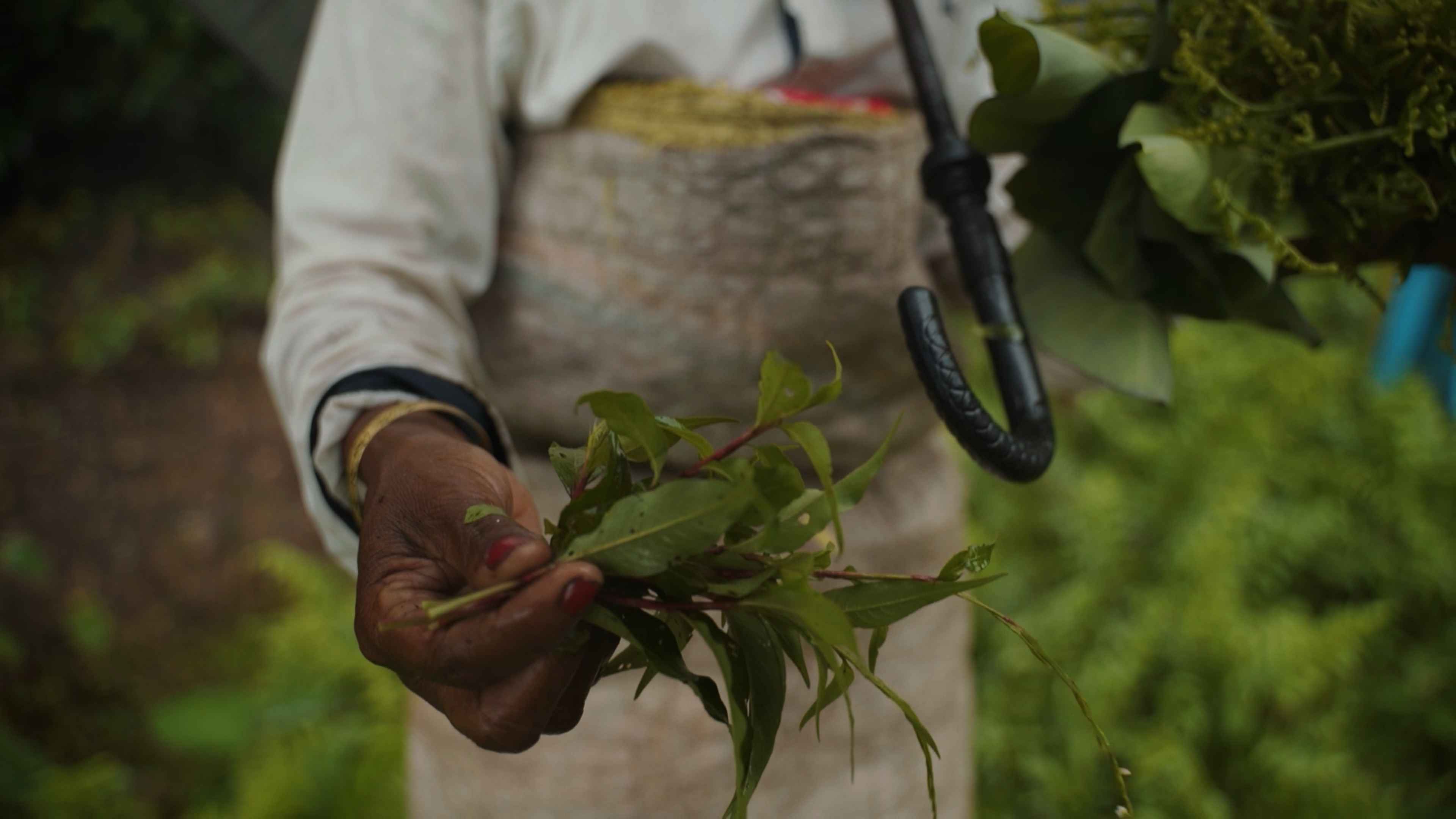
Within a few metres around the gushing stream, Oraon and others collect ferns, taro leaves, Moringa leaves (Moringa oleifera), Laksa leaf or Vietnamese coriander (Persicaria odorata) and elephant apple. The women relay the health benefits of their harvest–ranging from an antidote to aches and pain, to improving digestion, and acting as effective anti-diabetic medicine.
This traditional knowledge of herbs among the tea workers has also been studied by agricultural scientists from Assam Agricultural University (AAU). In a 2020 study conducted in Dibrugarh district, the researchers counted as many as 20 plants used by tea workers in Assam as medicinal herbs. While pharmacological investigations are yet to be conducted on many of these plants, some of the well-known ones such taro and moringa leaves are considered as superfoods, rich in micronutrients. Yet, Oraon and others caution against eating these plants growing right next to the tea gardens. “We usually do not forage inside the tea gardens because the management uses pesticides and other chemicals to protect the tea. Since the gardens are close to forests and hill slopes, we find our plants there,” Oraon adds
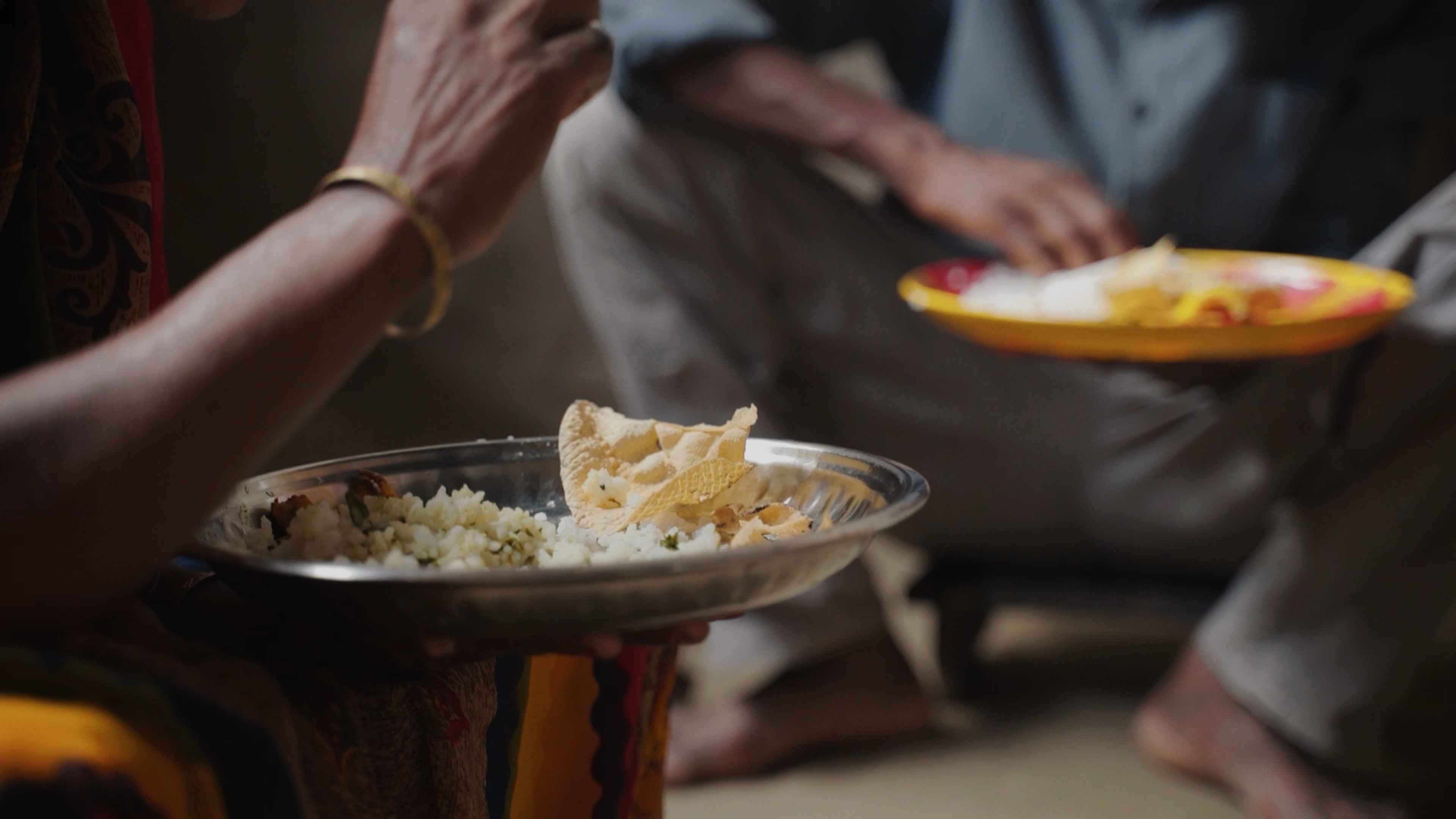
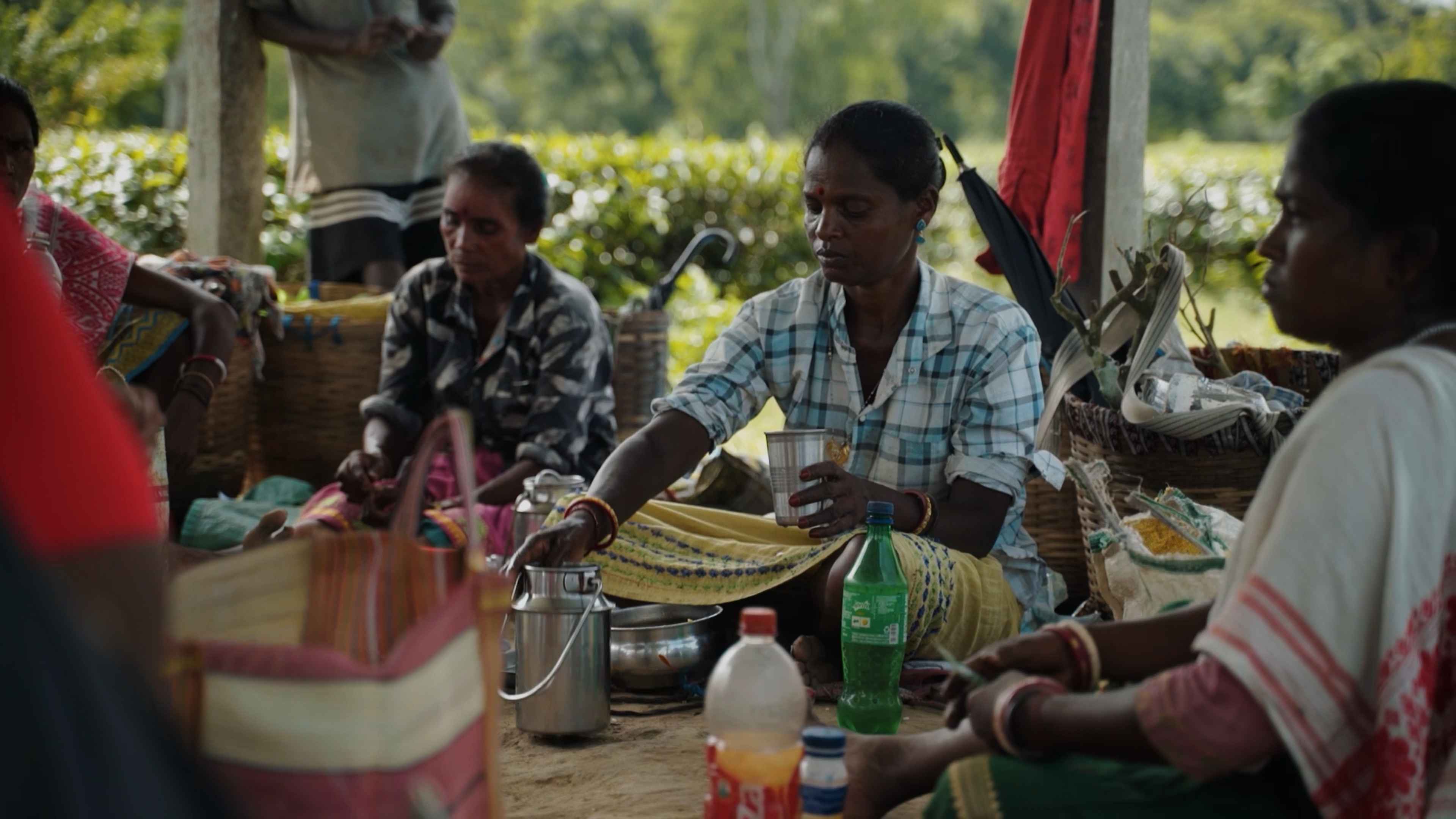
Later, during the lunch break, Oraon and other workers share meals from their ‘tiffin boxes’. “We get about 20-30 minutes to finish lunch. There is enough for everyone as we share our meals, and in between these meals, we poke fun at each other or find a shoulder to lean on when we are upset,” says Oraon. Most workers bring vegetables, ferns and lentils. Oraon eagerly awaits the clock turning 4, when her shift can finally be over.
Surrounded by the warmth of the hearth in her home, Oraon explains the core of what sustains her and others in the labour lines. “For us, our job as permanent tea workers is an asset. One of the family members has to be employed in the tea garden so that we get housing provided by the tea company. We are told that now we will be able to own the land and the house. We want the house to our name. It should happen soon,” Oraon hopes.
In the last few years, the Assam tea industry has witnessed a historic revival; after a period of 25 fallow years, Assam noted an increase in its exports by 40 million kg. The losses in production are owed in significant part to factors of climate change. In June of last year, production fell by 12% entirely due to a 50% rainfall deficit in the tea garden regions. Workers and their livelihoods, thus, are also highly vulnerable to these extreme weather conditions. Oraon and thousands like her continue their fight for better wages and rights over their own land–the land that they tamed for the tea industry to thrive.
Also read: Protecting place and power, not people: The trouble with GI tags
Edited by Anushka Mukherjee and Neerja Deodhar
{{quiz}}


Explore other topics
References

How much is a plantation worker expected to harvest on a daily basis?