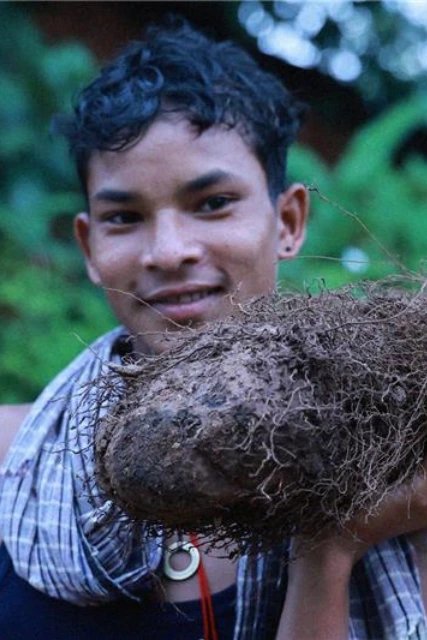
In rural Odisha, Adivasi youth are ensuring traditional produce lives on—in fields and plates
Changing dietary choices owing to out-migration are being challenged by genuine interest and pride in indigenous crops


The last few months have been a time of discovery for 24-year-old Saraswati Majhi, who hails from the Gond community and lives in Odisha’s Kalamidadar village. As part of a quiet, rural movement comprising two hundred young individuals, Majhi has been learning and re-learning about traditional, indigenous varieties of crops grown in her district. The factor that prompted the rise of this movement? The gradual disappearance over the last decade of varieties nurtured by Adivasi elders and forefathers for generations. “These native crops and traditional foods are part of who we are—because we are what we eat,” Majhi says, in reflection.
From the remotest corners of the Nuapada and Malkangiri districts, young adults from the Gond, Paroja, Kotia, Kondh, Chutkia Bhunjia and Paharia communities have undertaken this ambitious effort which goes far beyond learning and acquainting oneself with an agricultural past and present; it is also to reclaim and revive food systems rich in diversity, resilience, and nutrition.
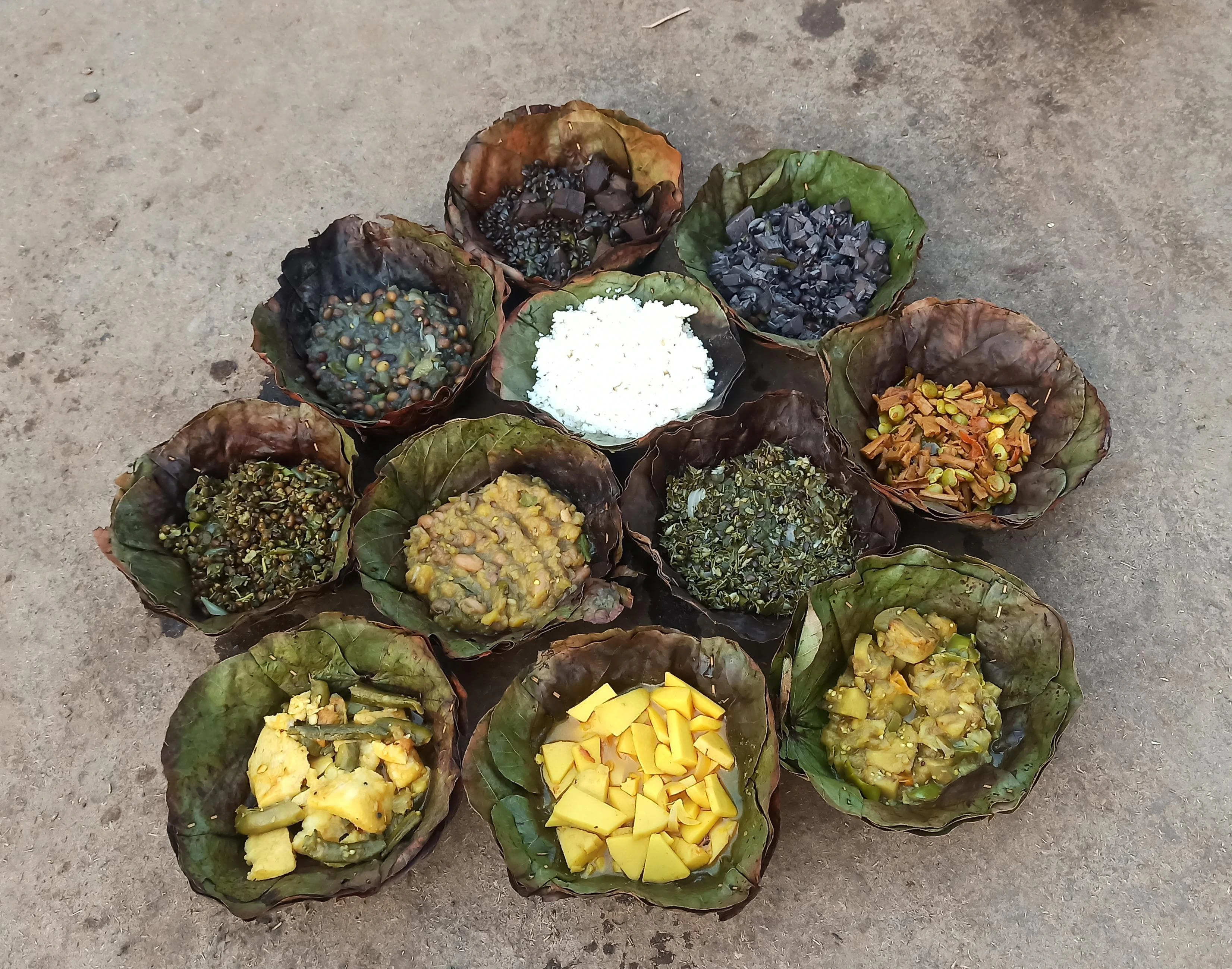
Launched in 2023-24 by the Department of Agriculture and Farmers’ Empowerment (DA&FE), Government of Odisha, the Forgotten Food Pilot Project aims to restore neglected and underutilised crops to local fields and plates. These include heirloom varieties of tubers, pulses, cereals, oilseeds, leafy greens, and vegetables—foods once central to Adivasi diets, but now on the verge of extinction.
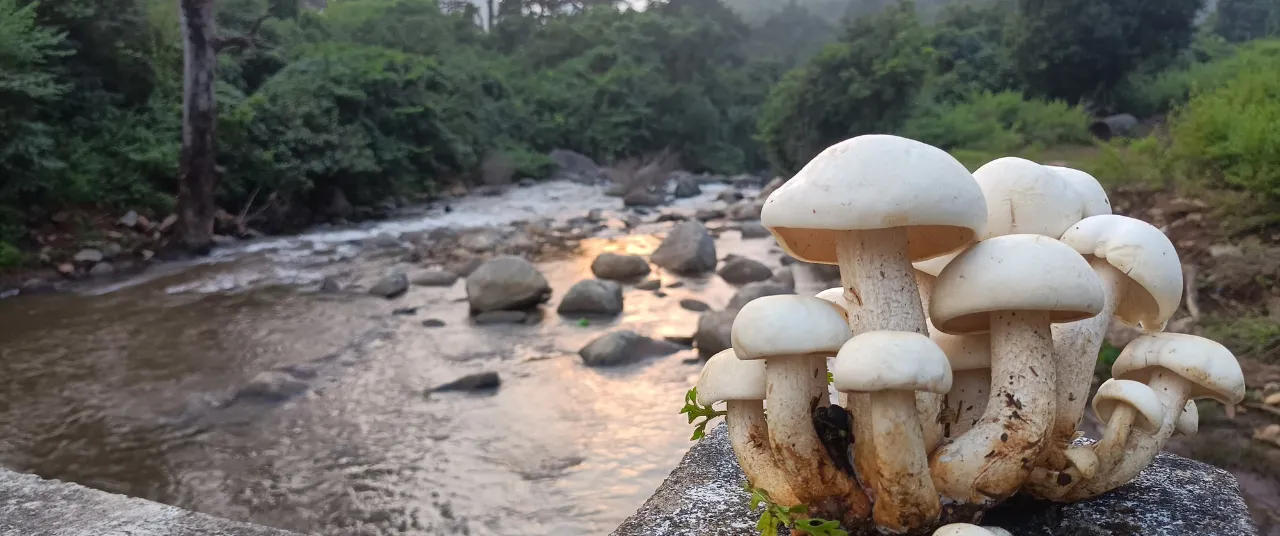
The youth also documented a wealth of wild edibles—tubers, roots, fruits, berries, mushrooms, and leafy greens—still foraged from nearby forests and woven into daily meals.
Facilitated by the Watershed Support Services and Activities Network (WASSAN), a non-profit organisation working with rain-fed agricultural communities in Odisha, the initiative places Adivasi youth at its heart. They have been instrumental in identifying, documenting, conserving, and promoting the sustainable use of traditional crops. For this new generation, the question of indigenous crops has much to do with identity, cultural assimilation, and conflicting feelings of pride and loss. Kalamidadar resident Deolal Bhunjia, who is from the Chuktia Bhunjia community, says, “I feel proud knowing the richness of what our community once grew and ate. But it’s also saddening that much of this knowledge is not recorded anywhere, and is barely recognised outside our villages.”
To bridge gaps between ancestral wisdom and present-day practice, youth volunteers organised a series of focused group discussions across villages in the Chitrakonda, Malkangiri, and Nuapada and Komna blocks. Elders—both men and women—came forward to share inter-generational indigenous knowledge, recounting local crop varieties, traditional farming methods, and seasonal dietary habits. From these discussions, detailed crop calendars were developed, mapping cultivation patterns by season and month, and linking them to cultural rituals and community life. The youth also documented a wealth of wild edibles—tubers, roots, fruits, berries, mushrooms, and leafy greens—still foraged from nearby forests and woven into daily meals. Through this intergenerational collaboration, Adivasi youth are not just preserving seeds, they’re reviving a living heritage of food, culture, and climate resilience.
{{marquee}}
Documentation with the goal of official recognition
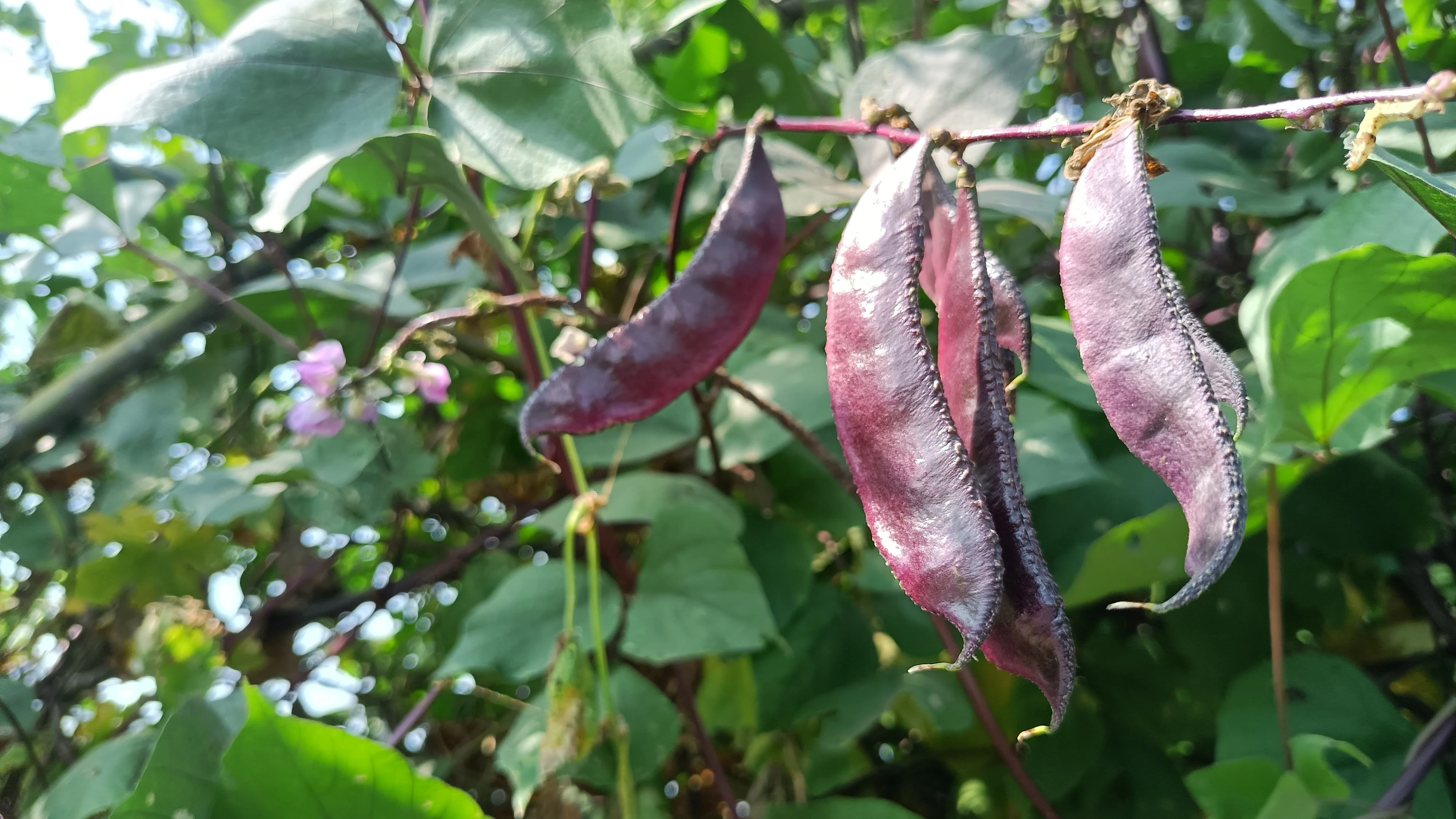
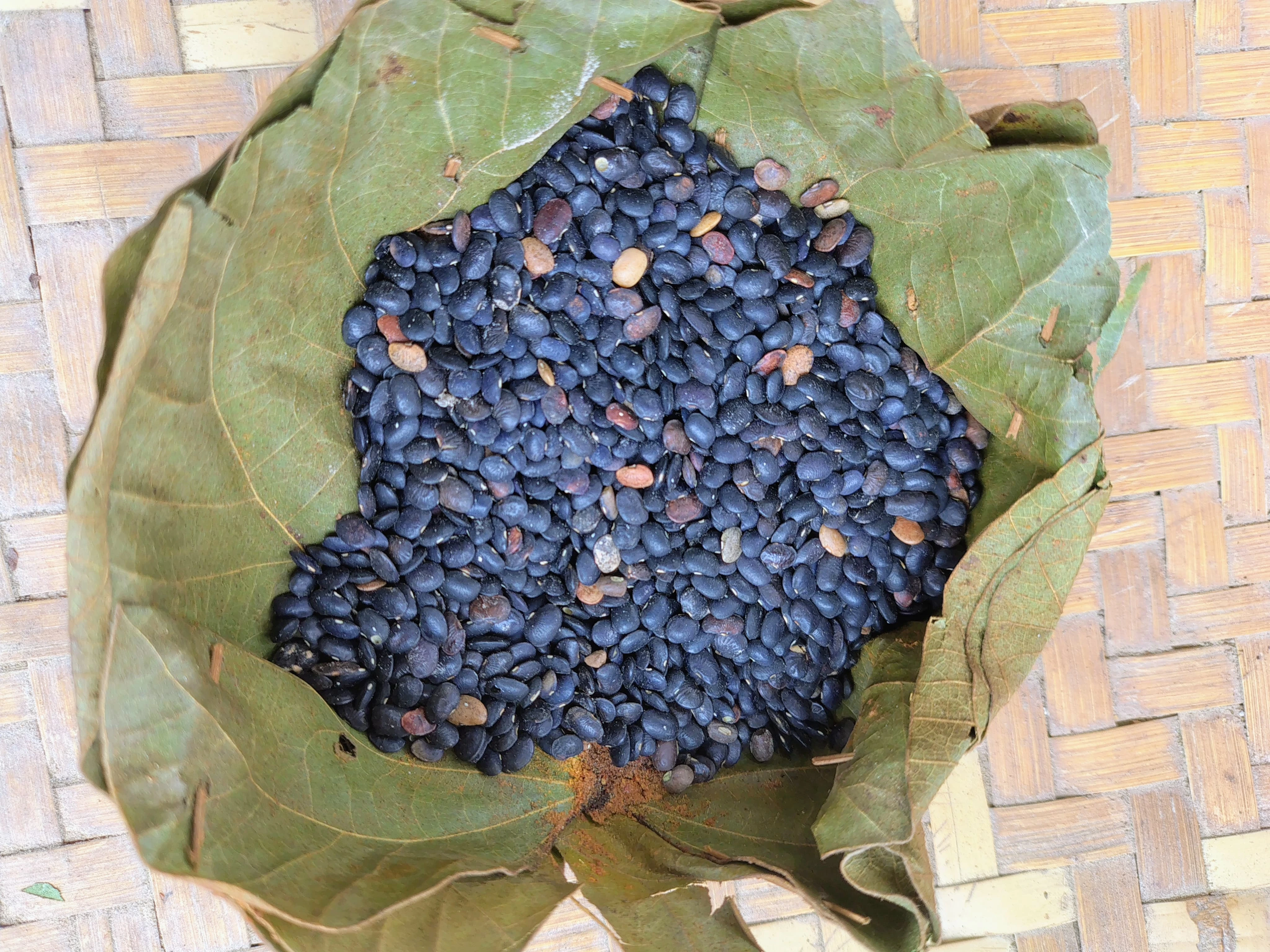
In the Nuapada and Komna blocks, Adivasi youth have meticulously identified and documented a wide range of traditional crop varieties that once thrived in their villages. Among pulses, they recorded indigenous types such as laha biri (black gram), tola biri (black gram), jhain mung (green gram), chikni mung (green gram), khabra ranj semi (bean), dhab ranj semi (bean), ranj jhudanga (cowpea beans), khabra kandula (red gram), ranj kandula (red gram), and choto kandula (red gram). In the process, they have also rediscovered heirloom maize varieties, such as white and red maize, which are still grown by a few elderly farmers.
To ensure community-wide engagement, the youth leading these documentation drives have shared the health and nutritional benefits of traditional foods with friends, relatives, and neighbours—a fulfilling exercise.
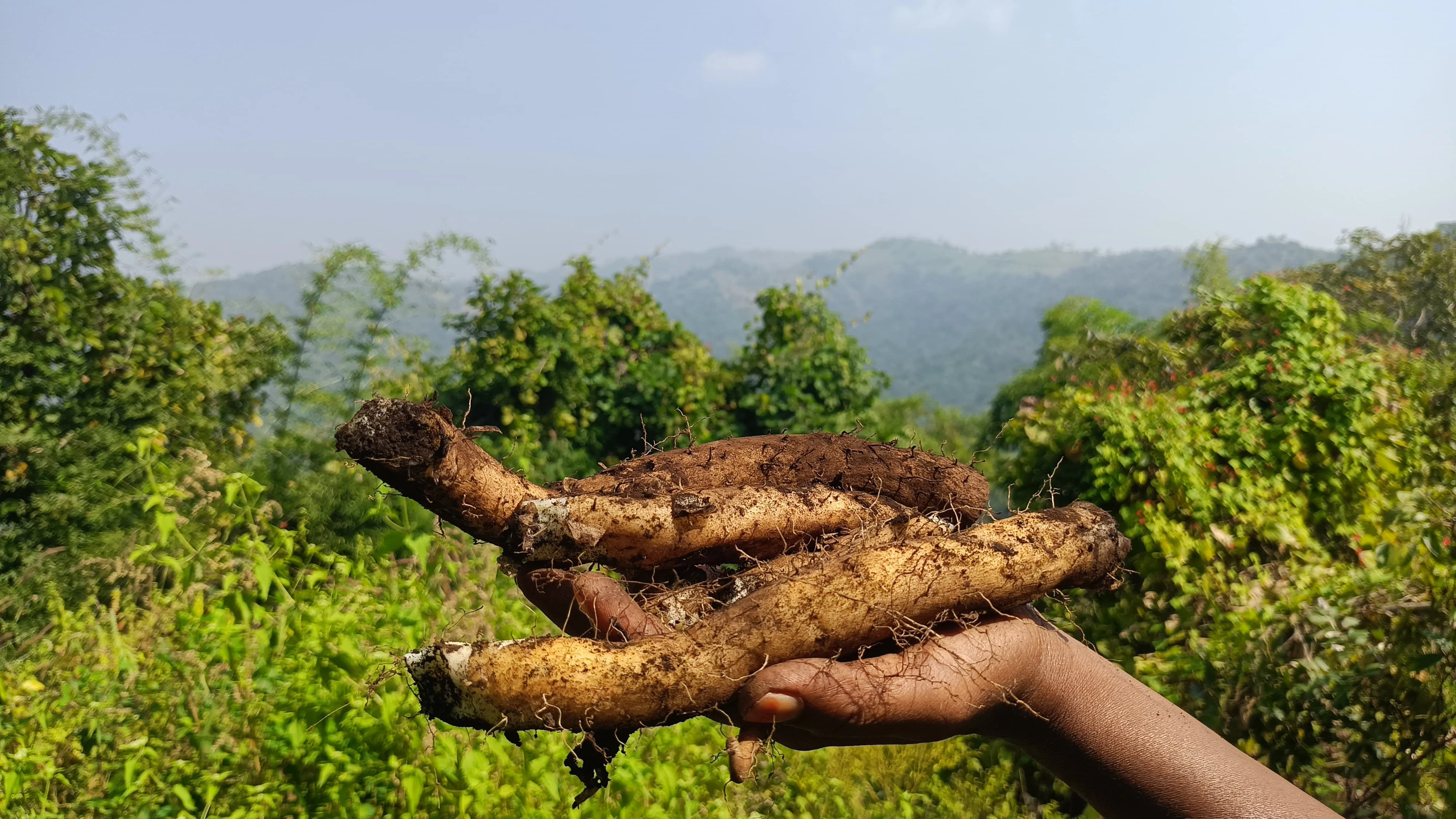
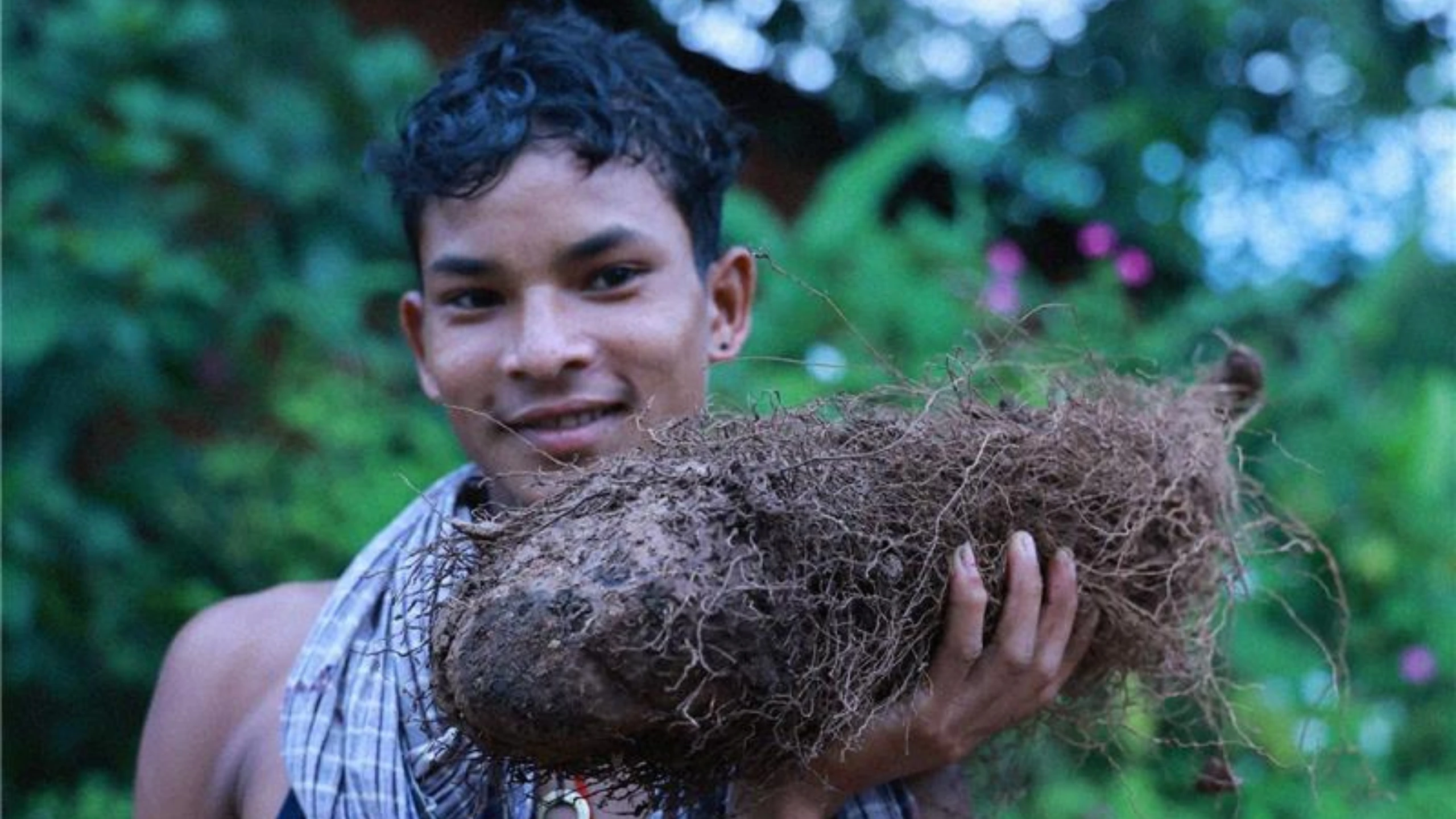
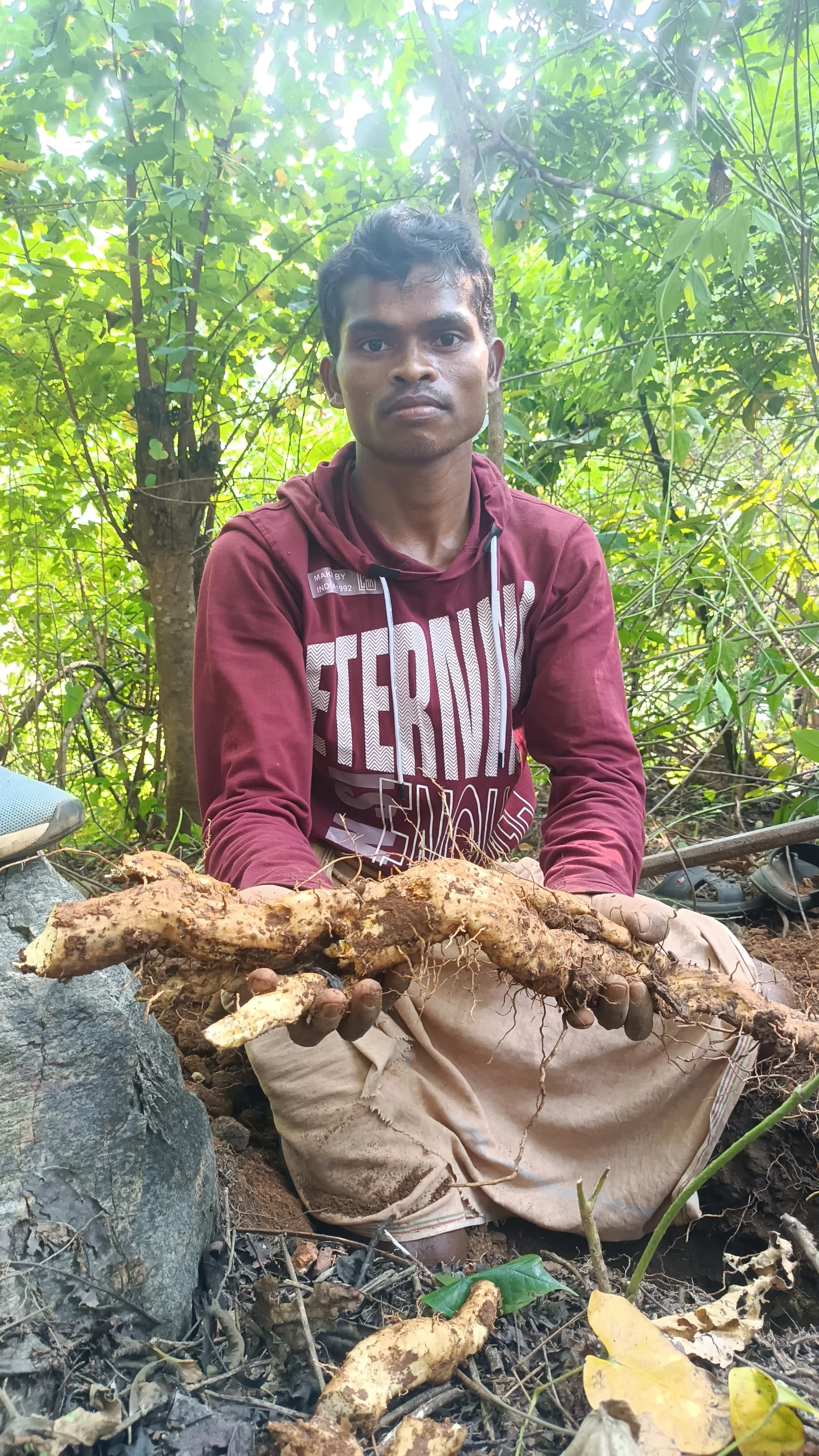
This documentation effort extends beyond fields, as the youth turn their eyes to forests. Several wild tubers—kochei konda (taro root), pita konda (air potato), and sap saru (elephant foot yam)—have been listed. Also documented are traditional vegetables such as bhejri tomato (cherry tomato), kanta baigan (thorny brinjal), dhala baigan (white brinjal), katei bhendi (red colour okra), satapatria bhendi (small-size okra that starts flowering after seven leaves), gol lau (round shape bottle gourd), jhumki torei (cluster ridge gourd), and chikni torei (loofah gourd).
In each variety is a story of taste, resilience, and the deep relationship between people and their land. For instance, among the Gond and Chutkia Bhunjia communities, pregnant women traditionally eat katei bhendi, satapatria bhendi and gol lau for their nutritional value and cooling properties.
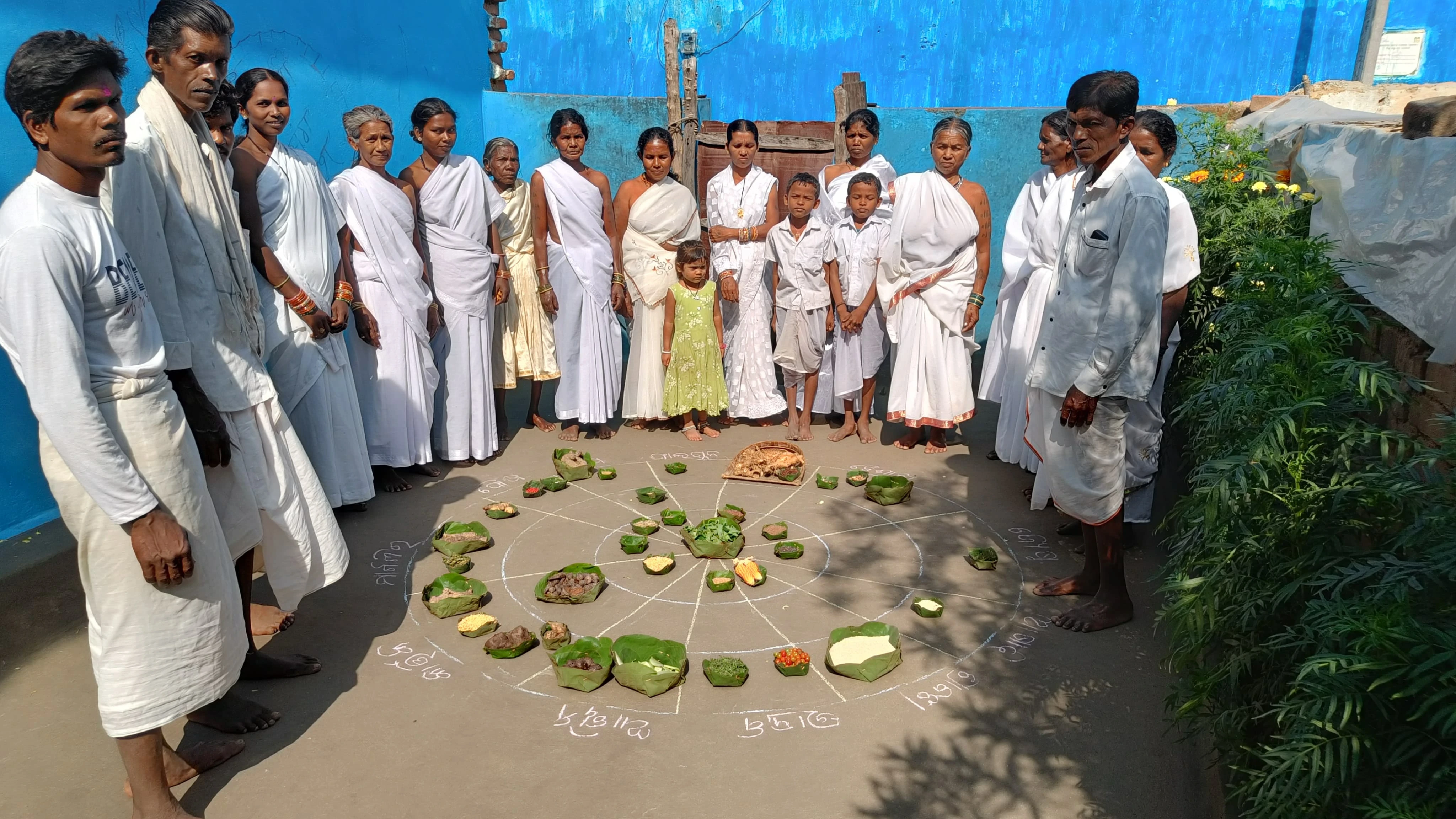
Similarly, in the Chitrakonda block of Malkangiri district, several lesser-known wild fruits and berries have been identified, along with their harvesting periods. These include char koli (cuddapah almond), sindhi koli (dwarf date palm), kusum (ceylon oak), bana bhalia (marking nut tree), ambada (Indian hog plum), podai (drooping fig), and futfutedi (wild tomatillo). Among the Paroja community, the seasonal consumption of these forest fruits and berries has long been valued for boosting immunity and maintaining good health. Several varieties of wild tubers have been documented, such as chereng konda (Wallich's Yam), kasa konda (Dioscorea puber), targei konda (hairy yam), ful sarenda konda (five-leaved yam), and sika konda (mountain yam).
“Having witnessed the diversity of our forests and fields, I feel a sense of pride,” adds Tulu Pangi, 24, from Purulubandha village. “But they ought to be recognised as cultural heritage.”
Change takes root
To ensure community-wide engagement, the youth leading these documentation drives have shared the health and nutritional benefits of traditional foods with friends, relatives, and neighbours—a fulfilling exercise. As Madhav Tangul, 24, of Purulubandha village, says, “It’s not merely about farming, it’s about teaching our friends and families to value the foods that have kept our communities healthy for generations.”
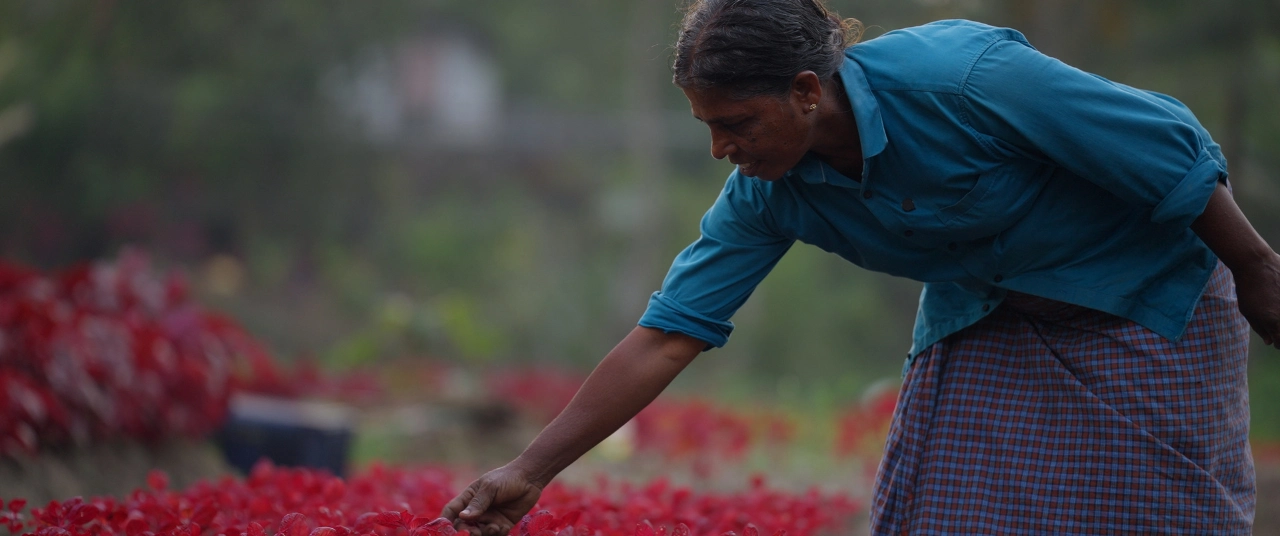
Youth-led initiatives have also inspired practical changes. Those with upland plots began cultivating diverse crops, while backyard kitchen gardens bloomed with more vegetables and fruits. Over a year, the diversity of crops in kitchen gardens increased from two to three varieties to six to eight, and previously fallow paddy fields were now used for pulse cultivation, making the most of residual soil moisture. “Earlier, we grew only a few crops—paddy, ragi, mustard, and maize,” explains Bimala Gollari, 22, from the Mutluguda village. “Now, households are growing nine to eleven varieties, including little millet, foxtail millet, and a range of tubers and vegetables. It’s incredible to see our plates becoming so colourful and nutritious”.
Also read: How sitafals delivered fairer pay and livelihoods for Adivasi women
A culinary homecoming
The necessary urgency of the youth’s work and interventions is evidenced by the recent shifts in Adivasi diets in the region—especially among the younger generation—from a diverse, nutrient-rich palate to a one that is cereal-centric and carbohydrate-heavy. “These days, the younger generation is fond of rice, potatoes, and fried foods,” says Lilambar Majhi, a 65-year-old Gond farmer from Pethiapalli village. He explains that the widespread distribution of rice at subsidised rates under the Public Distribution System (PDS) has gradually changed food habits and reduced dietary diversity.
Another key cause is the increasing rates of migration among Adivasi youth. With limited sources of livelihood in their villages, many young people from Nuapada and Malkangiri districts migrate seasonally to cities and industrial hubs in states like Telangana, Andhra Pradesh, and Tamil Nadu to supplement household incomes. While migration helps families meet their financial needs, it is also bringing subtle but profound cultural changes—especially in what people eat.
“After going to Hyderabad for work, I started eating more rice and spicy curries,” says Gurubai Bhunjia, 23, from Kalamidadar village. “We don’t get millets or wild edibles there. Even when we return home, we crave and miss those flavours and continue eating like we do in the city.”
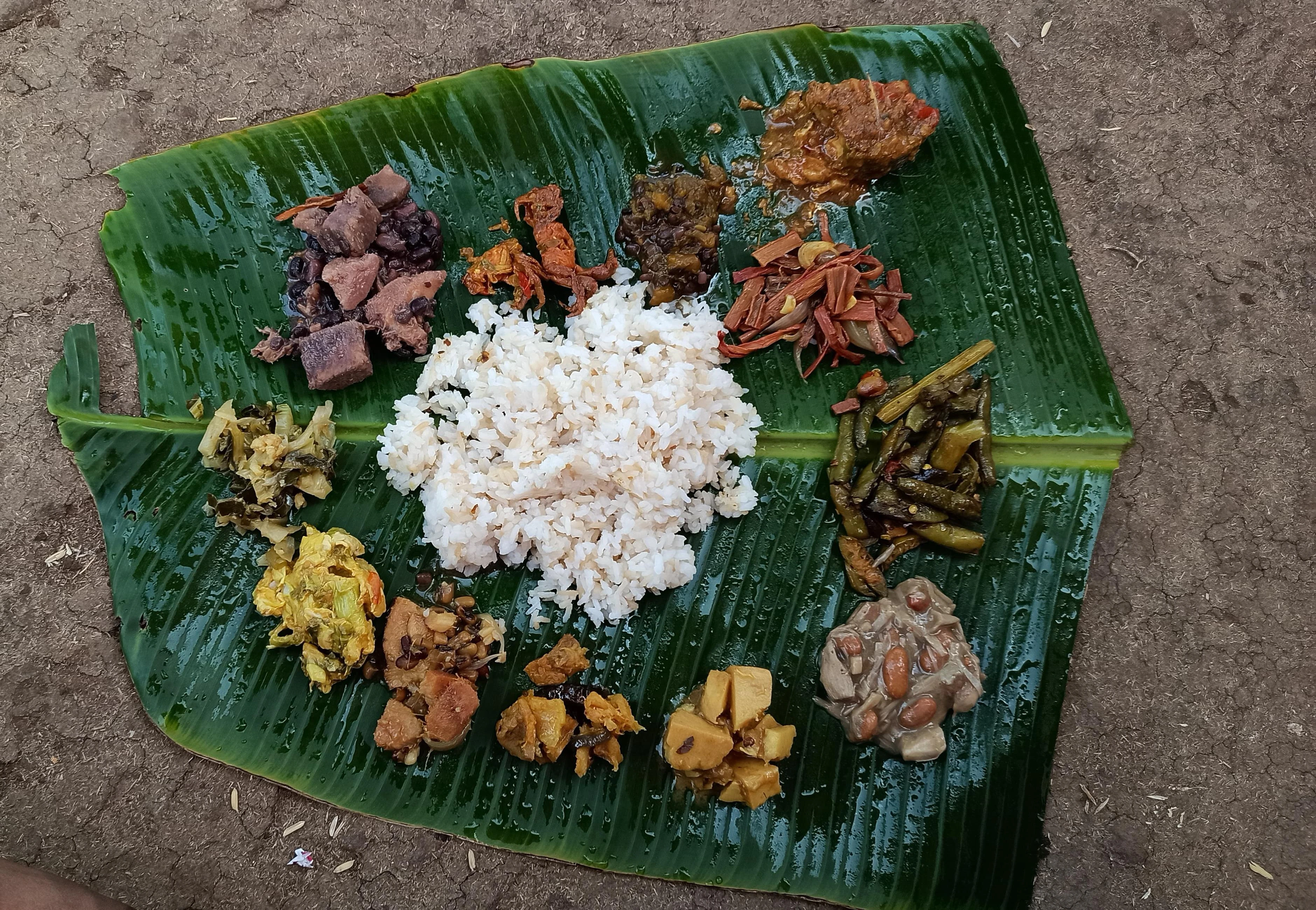
For many, exposure to urban food cultures has created new preferences that are slowly replacing traditional diets rich in millets, pulses, and foraged foods. “In the cities, we mostly eat what is cheap and filling—rice or chapati,” says Naven Gallori, 26, from Jantapai village. “When I come back home, my mother still cooks ragi porridge and leafy vegetables, but my younger siblings now prefer packaged snacks.”
Yet, amid this change, some young people are beginning to reflect on what they have already lost—and stand to lose in the future. “In the city, we eat fast, but never feel full, unlike when we ate mandia (ragi) or foxtail millet rice at home,” says Dhanu Khillo, 25, who works in a brick kiln in Hyderabad. “Now I realise those foods gave us strength. I want to grow them again in our fields.”
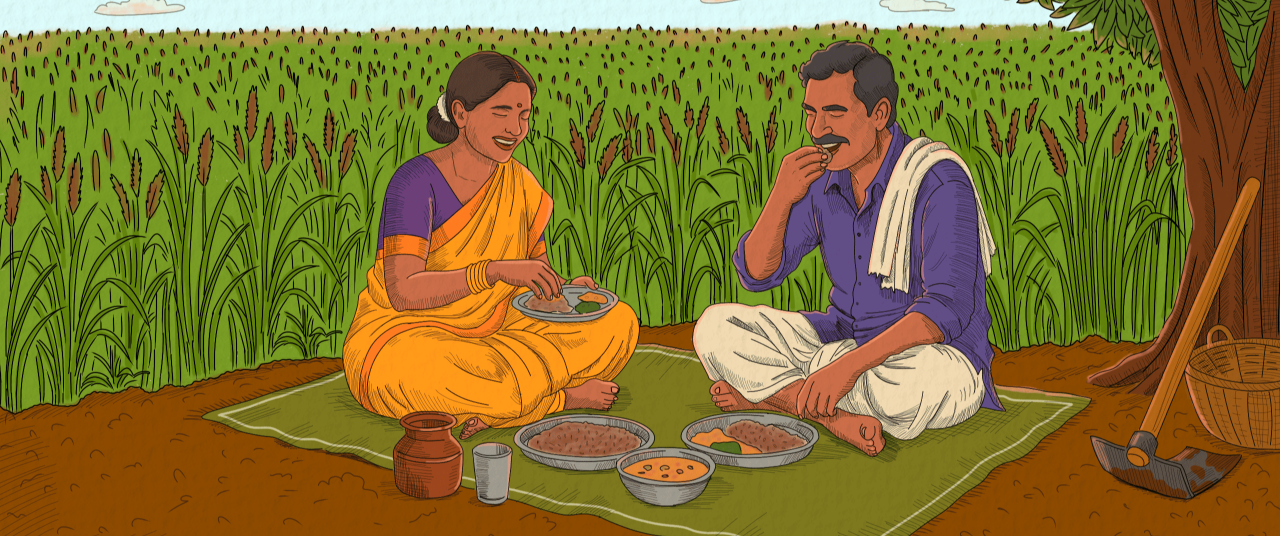
For many, migration has also brought an uncomfortable realisation: that their traditional foods are often viewed with prejudice. In big metropolises, millet-based dishes, wild greens, or tubers are sometimes dismissed as “poor people’s food” or “Adivasi food”. This stigma has made some young migrants hesitant to embrace their culinary heritage. “When I carried mandia pej, a porridge made from finger millet flour, rice, and maize for lunch at the construction site, my co-workers laughed and called it Adivasi food,” recalls Arjun Khillo, 23, from Purulubandha. “After that, I started eating rice and curry like everyone else.”
For many, exposure to urban food cultures has created new preferences that are slowly replacing traditional diets rich in millets, pulses, and foraged foods.
The pressure to fit into city life has distanced many from the food that once nourished them. “When I tell them I miss eating boiled tubers and leafy greens from home, they joke that it’s food for the poor. It hurts, because that’s the food that kept our ancestors healthy,” says 22-year-old Sanjita Jani, who is pursuing her college education in Bhubaneswar.
But some young people are beginning to see indigenous produce in a new light—as a source of pride rather than embarrassment. “Now I realise our foods are healthy and natural,” says Keshav Majhi, 23, who works as a construction labourer in Visakhapatnam. “In the city, everything feels artificial. When I go back home, eating mandia pej and wild mushrooms makes me feel alive again.”
Also read: For Odisha’s Chuktia Bhunjias, preservation by drying is tradition—and sustenance
Resonance in policy
Odisha is home to 64 Scheduled Tribes and 13 Particularly Vulnerable Tribal Groups, which comprise over 22% of the state’s population combined. For these communities, indigenous crops and wild foods play a crucial role in ensuring food sovereignty and self-sufficiency.
The state’s rich food heritage faces mounting challenges from an environmental perspective, too: depleting natural resources and the changing climate threaten future generations’ access to nutritious food. According to the Food and Agriculture Organization (FAO), there are over 30,000 edible plant species globally, of which 6,000–7,000 have been historically used as food. Experts argue that the future of food security may well depend on the neglected crops and forgotten foods that Adivasis express concern for.
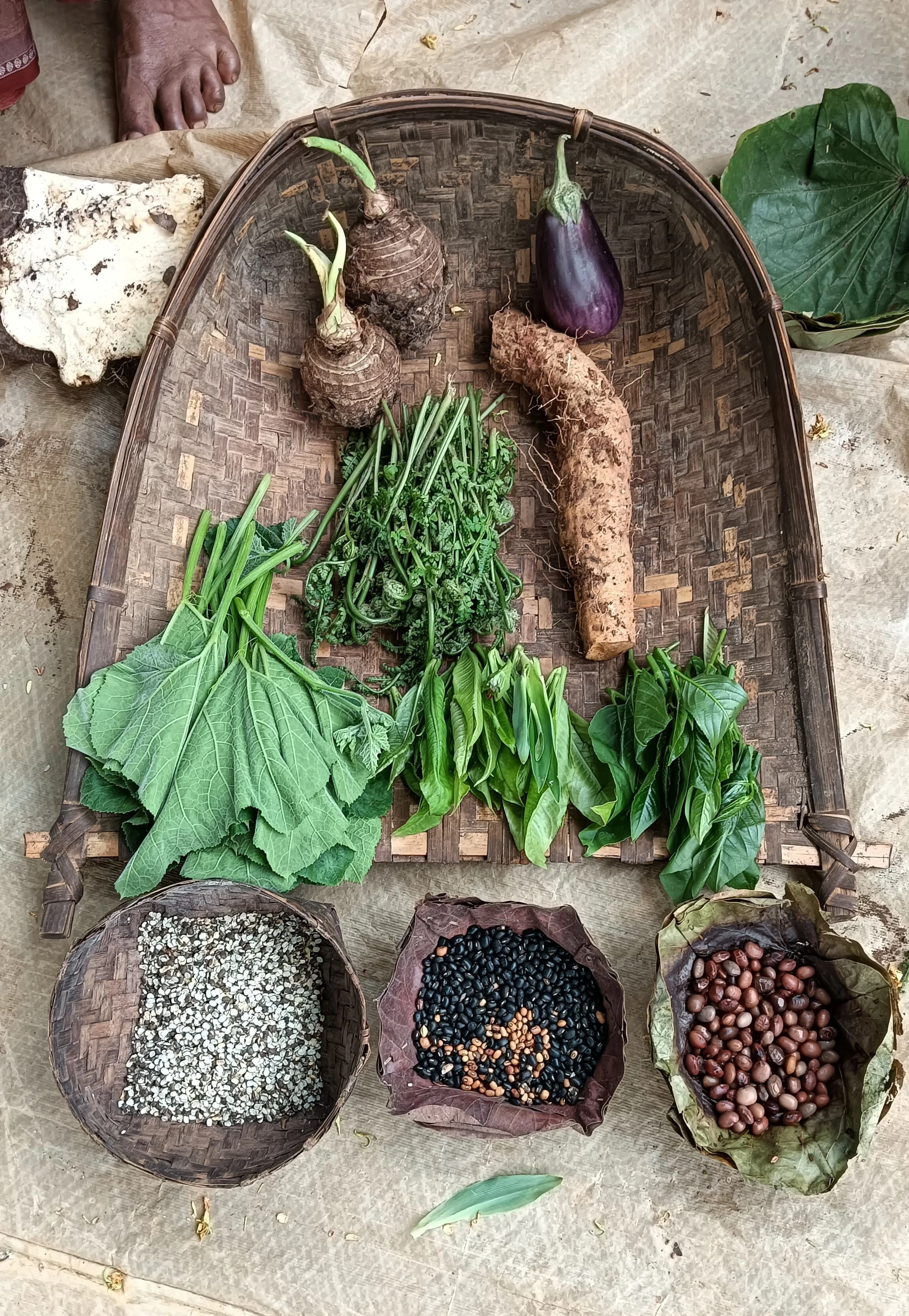
Recognising this, the DA&FE, government of Odisha, has launched the scheme ‘Revival and Sustainable Intensification of Forgotten Food & Neglected Crops in Odisha’ in 2025. The initiative aims to restore the state’s traditional crop and food culture, with a strong focus on the conservation, value addition, and marketing of such produce. Over the next five years (2025-2030), the programme will be implemented across 25 blocks in 15 districts, and will reportedly directly benefit around 60,000 farmers. “Food is more than nutrition—it carries culture and knowledge passed down through generations,” says Nivedita Varshneya, South Asia Regional Adviser at Welthungerhilfe, New Delhi. “We need policies that nourish tribal food systems and protect the wisdom embedded in them.”
Also read: The Chitlapakkam Rising story: How a Chennai community saved a lake
{{quiz}}


Explore other topics
References

When did the Odisha government launch the Forgotten Food Pilot Project