For Assam’s Mising community, this fish paste represents tradition, food security
Pungent, fermented Namsing, made in flood-prone regions surrounding Kaziranga, is a reliable protein source even in the bleakest times


Across India’s northeast, fermented foods are considered not just delicacies, but also vital sources of nutrition. Indigenous communities in the region source foods from the fragile, biodiverse surroundings, and use their traditional knowledge to preserve produce for years—ensuring food security during even the most precarious times. As many as 250 different fermented foods are prepared and consumed by these communities.
Holding up these food cultures are traditional knowledge systems that protect those who defer to them as well as their way of life. The communities’ intimate understanding of their surroundings is the basis and foundation of these traditional knowledge systems.
One example of such fermented foods is Namsing, prepared by the Mising community, which is primarily native to the regions of upper Assam. Namsing is a fermented fish paste that emerges from the age-old wisdom of preserving different kinds of foods through smoking; this process of fermentation makes the paste easily last for two years.
Nets are cast right at the doorstep of homes, and yet, there is enough fish to last an entire month.
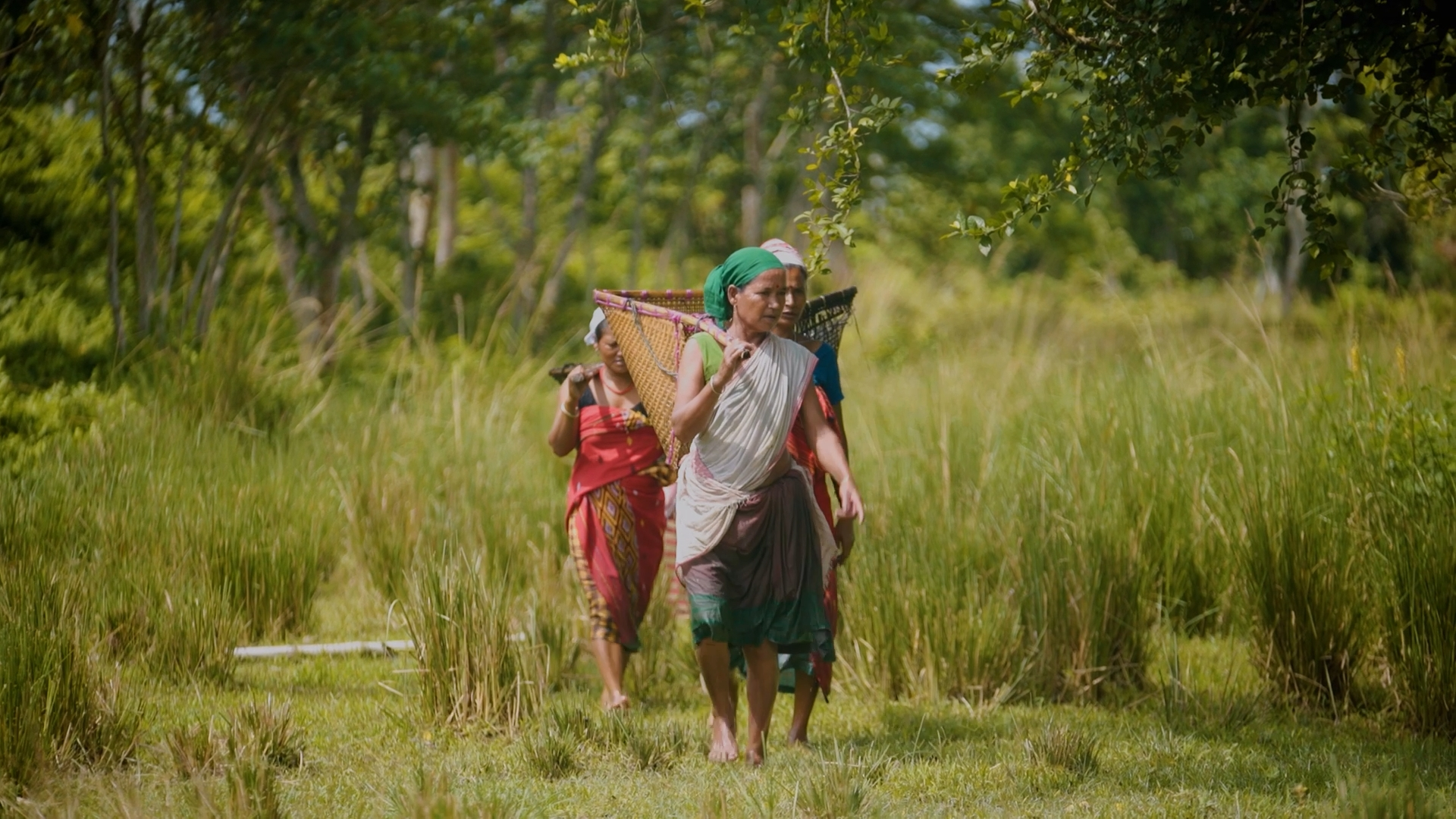
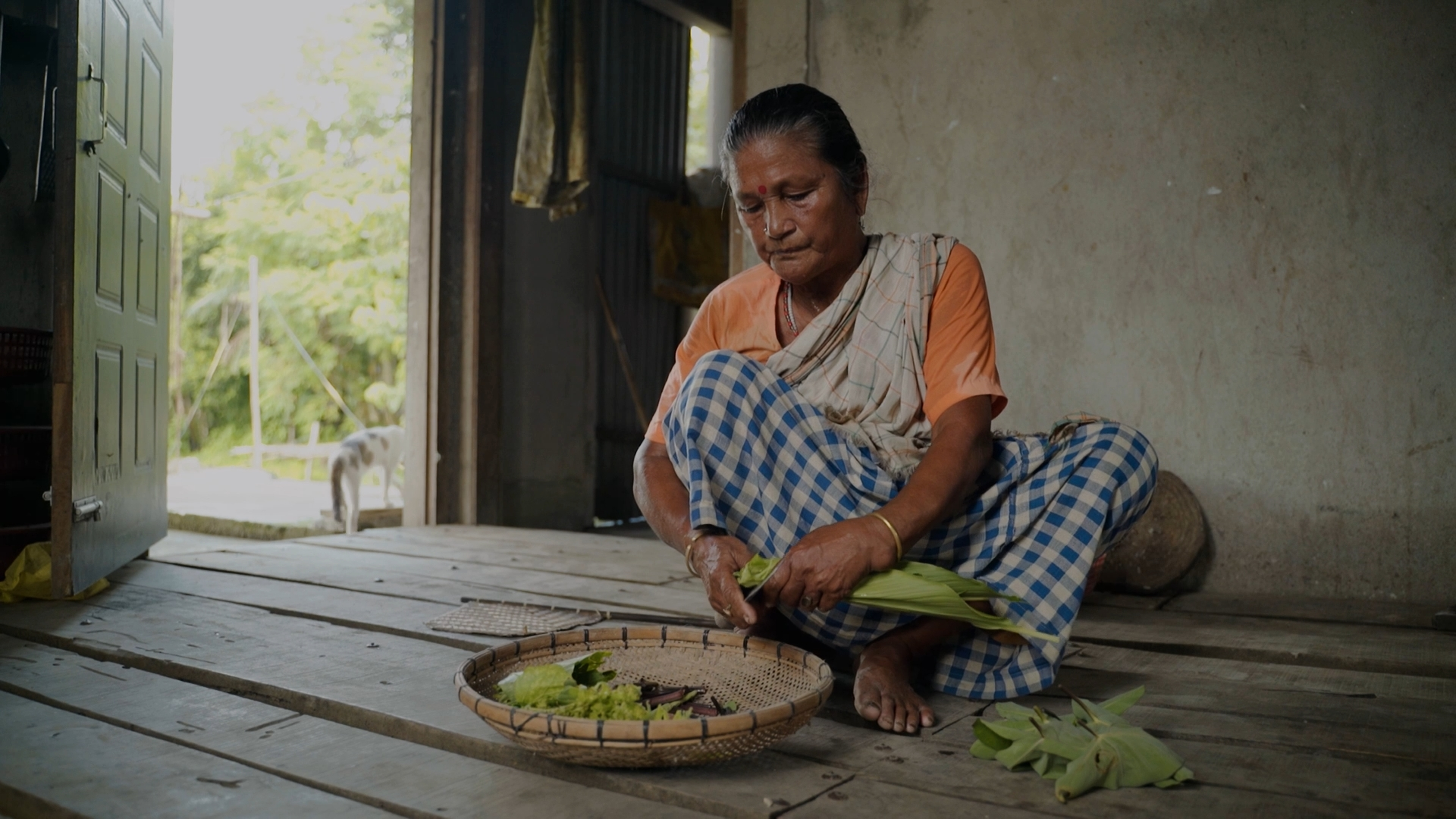
The Mising community thrives in the undulated riverine landscapes drained by numerous rivers and water bodies. Beloguri is a village in Agoratoli situated on the edge of the eastern range of Kaziranga National Park and Tiger Reserve; here, the community prepares fresh batches of Namsing. At community elder Numal Kardong’s house, his wife Muguri is excited to demonstrate how the fish paste is made.
{{marquee}}
Fish at the doorstep
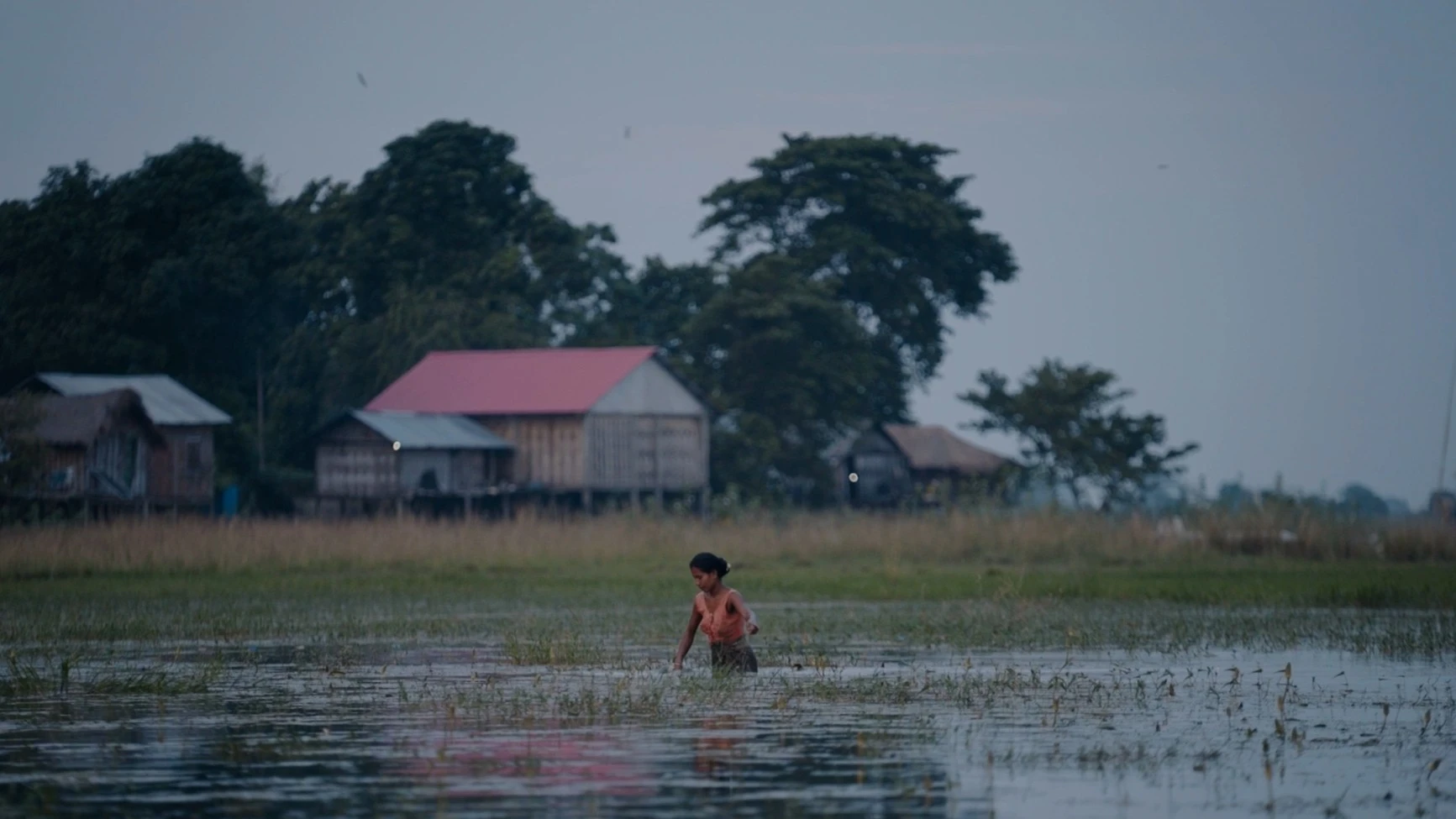
In a year of normal monsoon, torrential rains flood Beloguri and its environs, starting from April all the way to October. “When the rains arrive, fish migrate to the smaller streams, beels (lakes) and ponds to lay their eggs. During the latter part of the monsoon, the hatchlings start to move back to the larger stretches of the rivers. Fish is abundant in this period. During peak floods, you will even find them swimming below my home,” explains Kardong. Due to Assam’s unique riverine landscape, the Mising live in houses that stand on stilts, protecting them from floods. The architecture of these stilt houses or chang ghar—or simply, chang—centres the hearth (meram), where the fish is smoked before being fermented.
Namsing is a fermented fish paste that emerges from the age-old wisdom of preserving different kinds of foods through smoking
Namsing relies on the availability of hatchlings—the young of freshwater carps, barbs, and other smaller varieties of riverine fish. The mix of species used can vary depending on location, but the Mising people usually do not prepare the paste with big fish. A group of fisheries’ industries experts studying the nutritional value of Namsing in 2013 underlined the logic behind selecting small fishes.
“Trash fish (the smaller fish) are highly perishable in nature due to their neutral pH content, and they also fall prey to microbial attacks. In the monsoon season, high valued big fish become comparatively cheaper due to increased supply in the market,” states a 2013 report published by Indian Council of Agricultural Research (ICAR) scientists in the Indian Journal of Traditional Knowledge (IJTK). “Consequently, people opt for bigger fish for fresh consumption and there is a glut of small fish. These fish naturally are preserved for the lean seasons.”
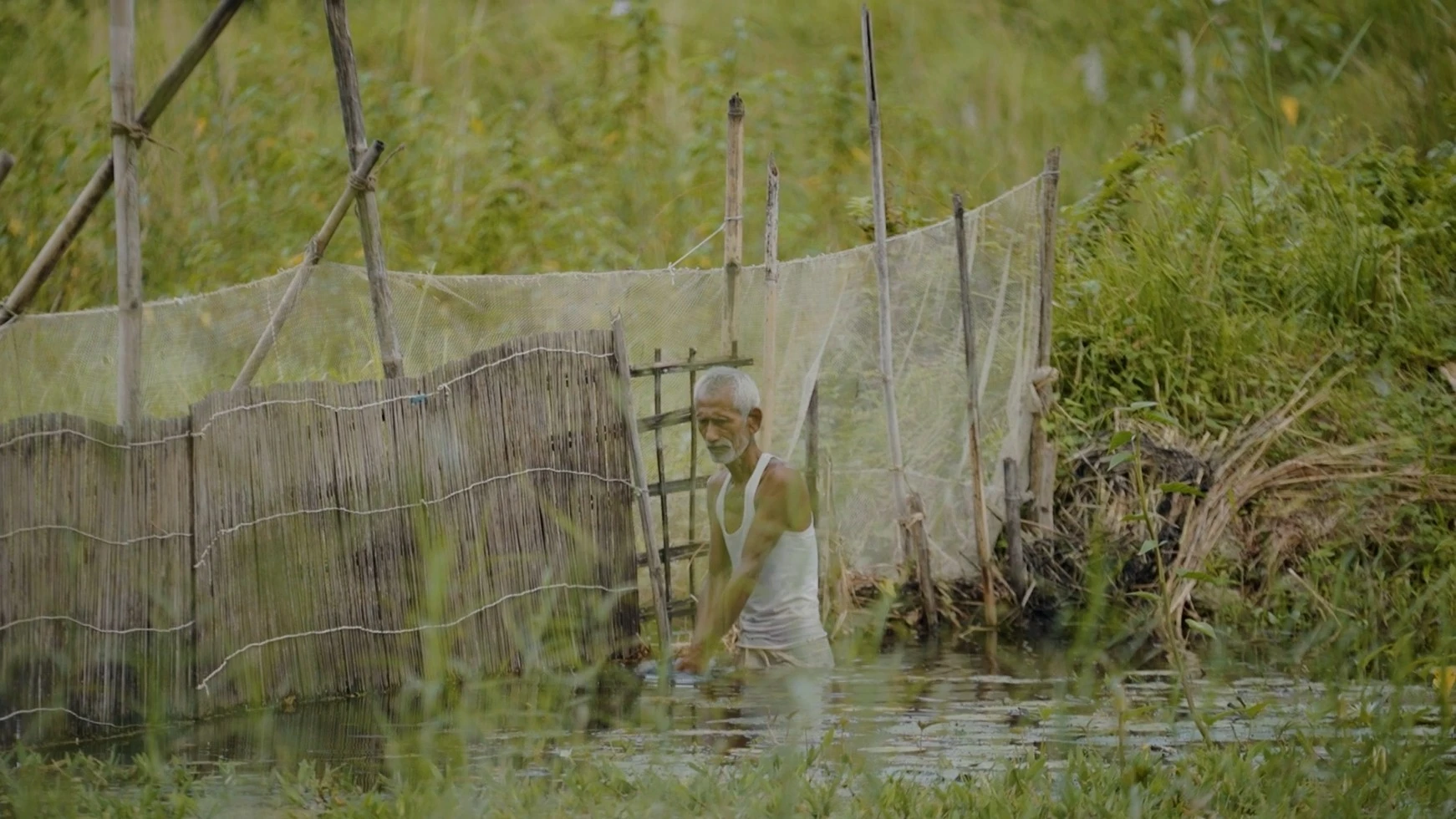
The fish could come from various sources, and during times of flood, one does not have to venture out into the water to catch them. Nets are cast right at the doorstep of homes, and yet, there is enough fish to last an entire month. After the monsoon, when the waters recede, a rivulet or even a paddy field will provide plenty of fish—enough to make several batches of Namsing.
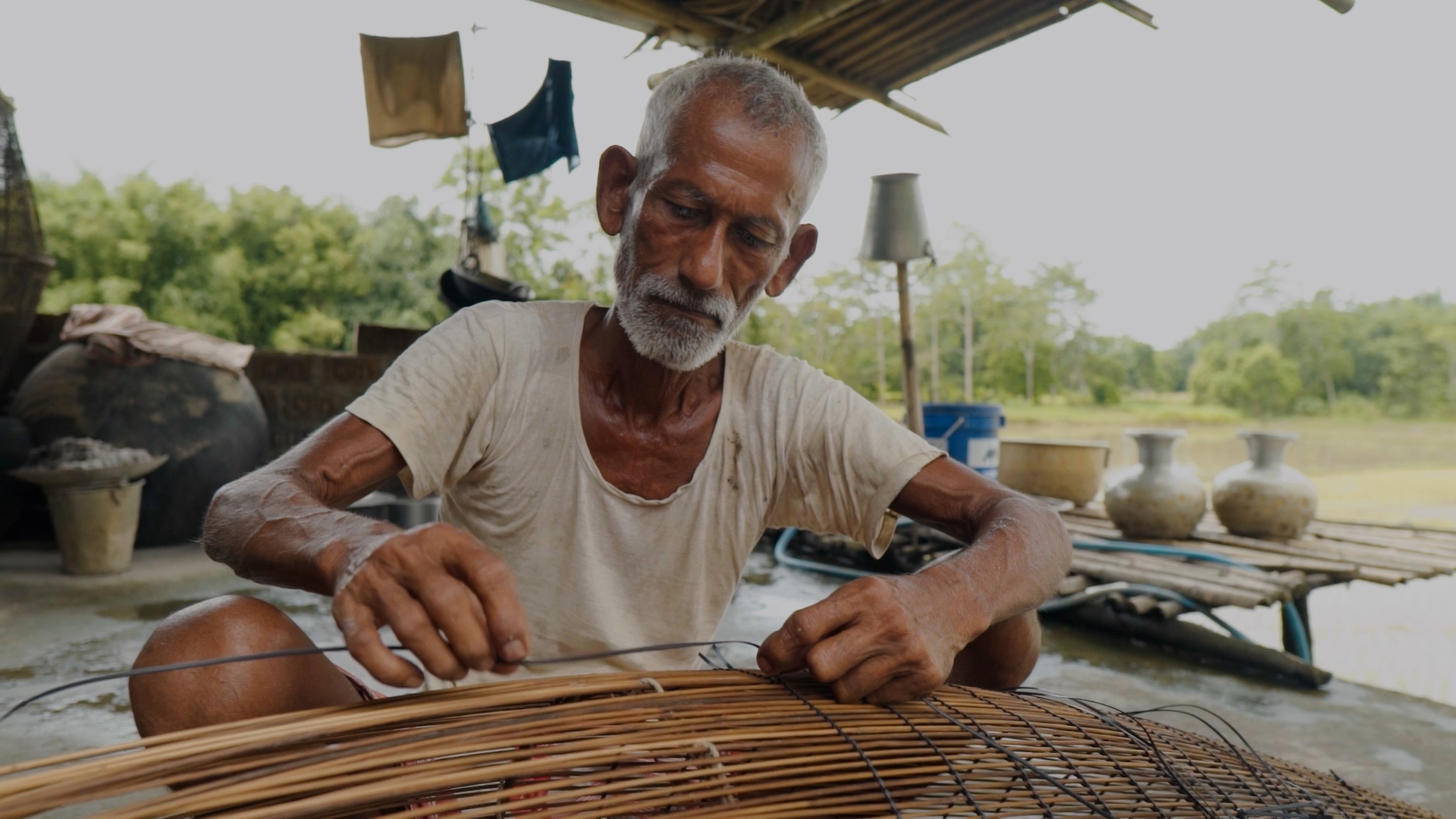
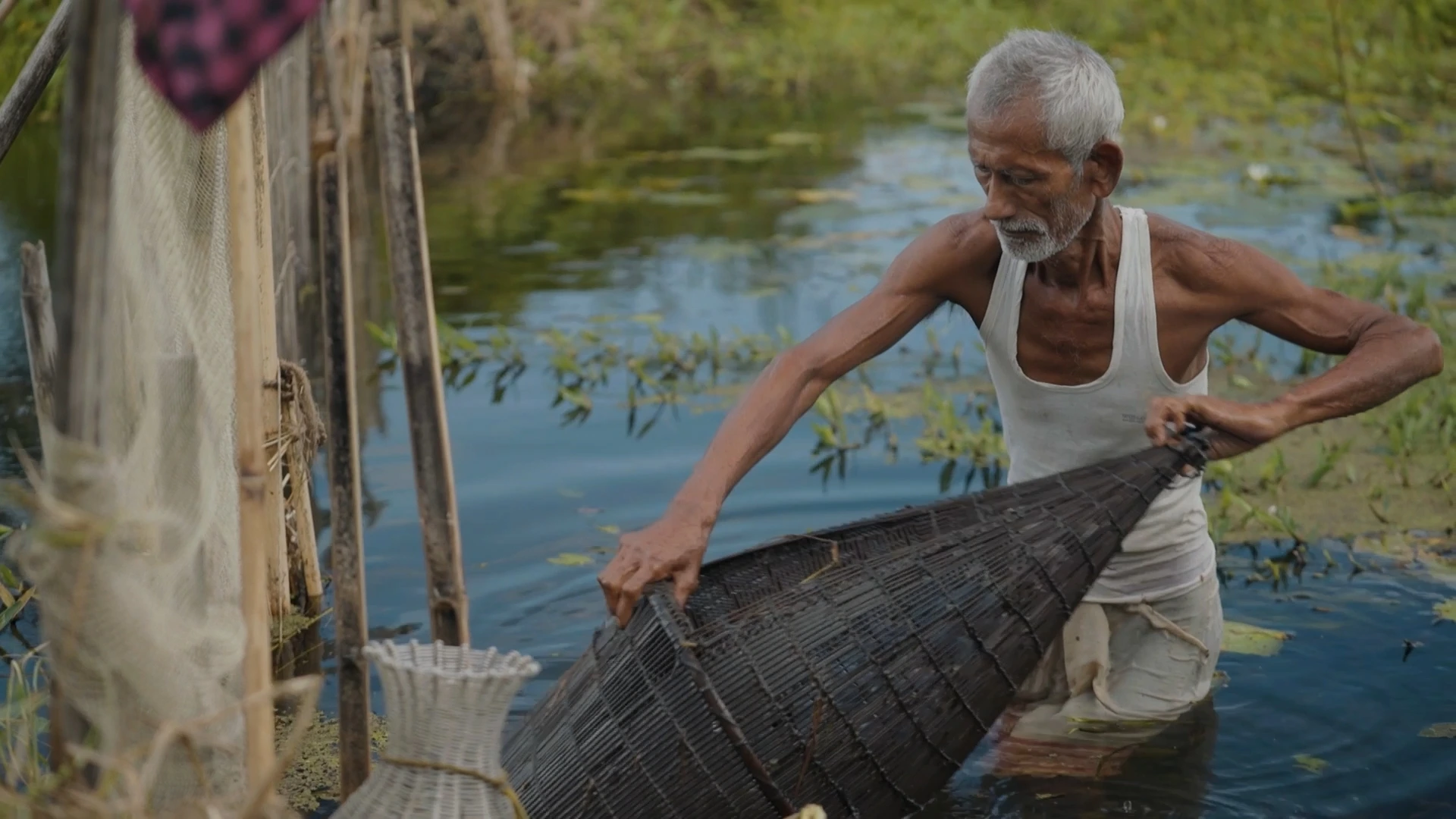
Fishing remains a community activity throughout the rainy season. It starts with the sowing of Bao dhan or deep water rice, an indigenous variety of red rice known for its flood resistance. Since this rice can withstand deep levels of water immersion for extended periods, Bao paddy fields are a natural habitat for several varieties of fish, particularly carps. Numal does not go far and by sundown, he sets the Sepa—a kind of trap to catch fish—in a water body right next to his house. The smaller of these water bodies, including parts of wetlands, are separated by temporary bamboo barricades with openings. When the fish move between the barricades, the Sepa, a bi-conical cylindrical-shaped tool made of bamboo, traps the fish.
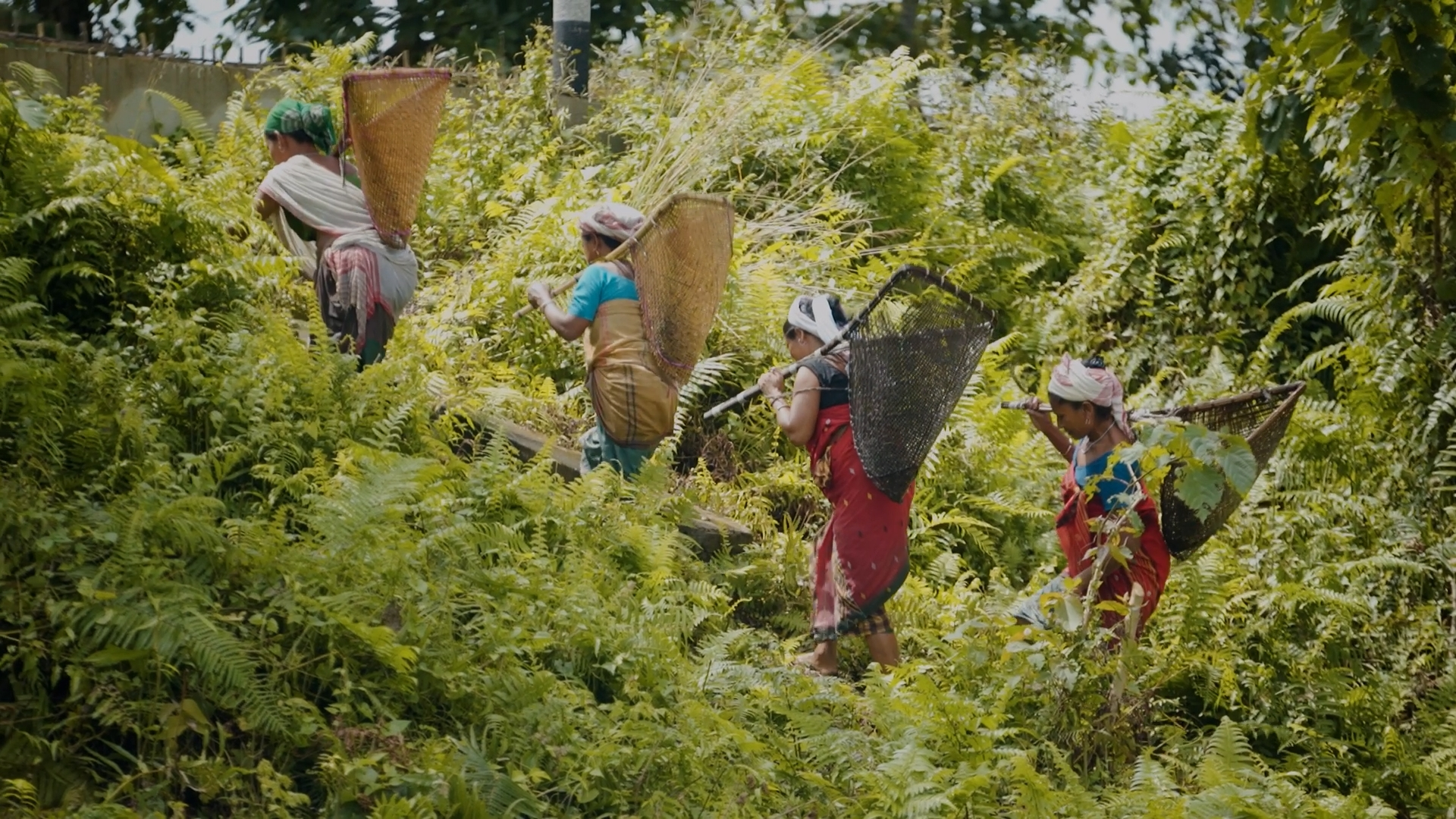
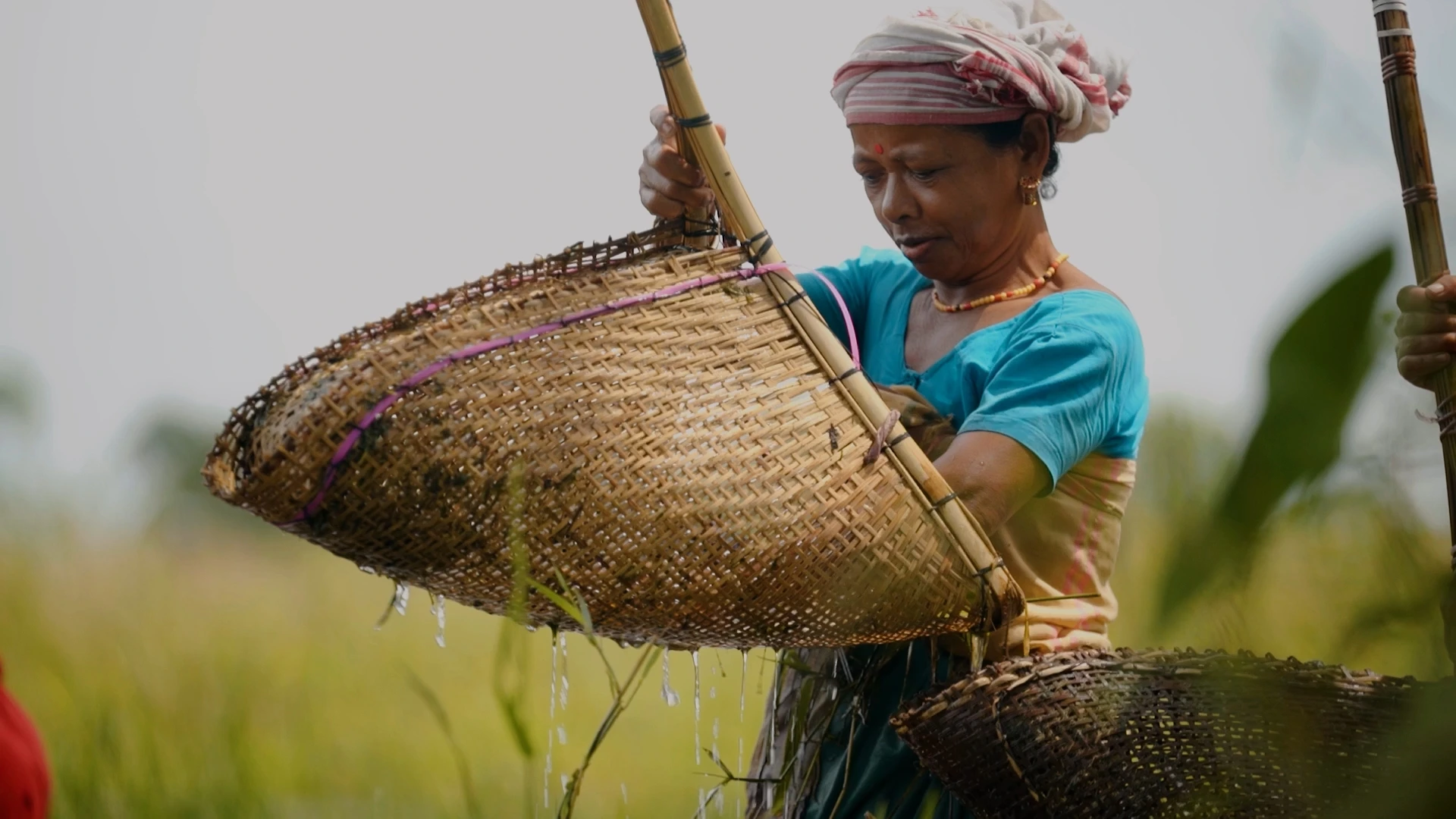
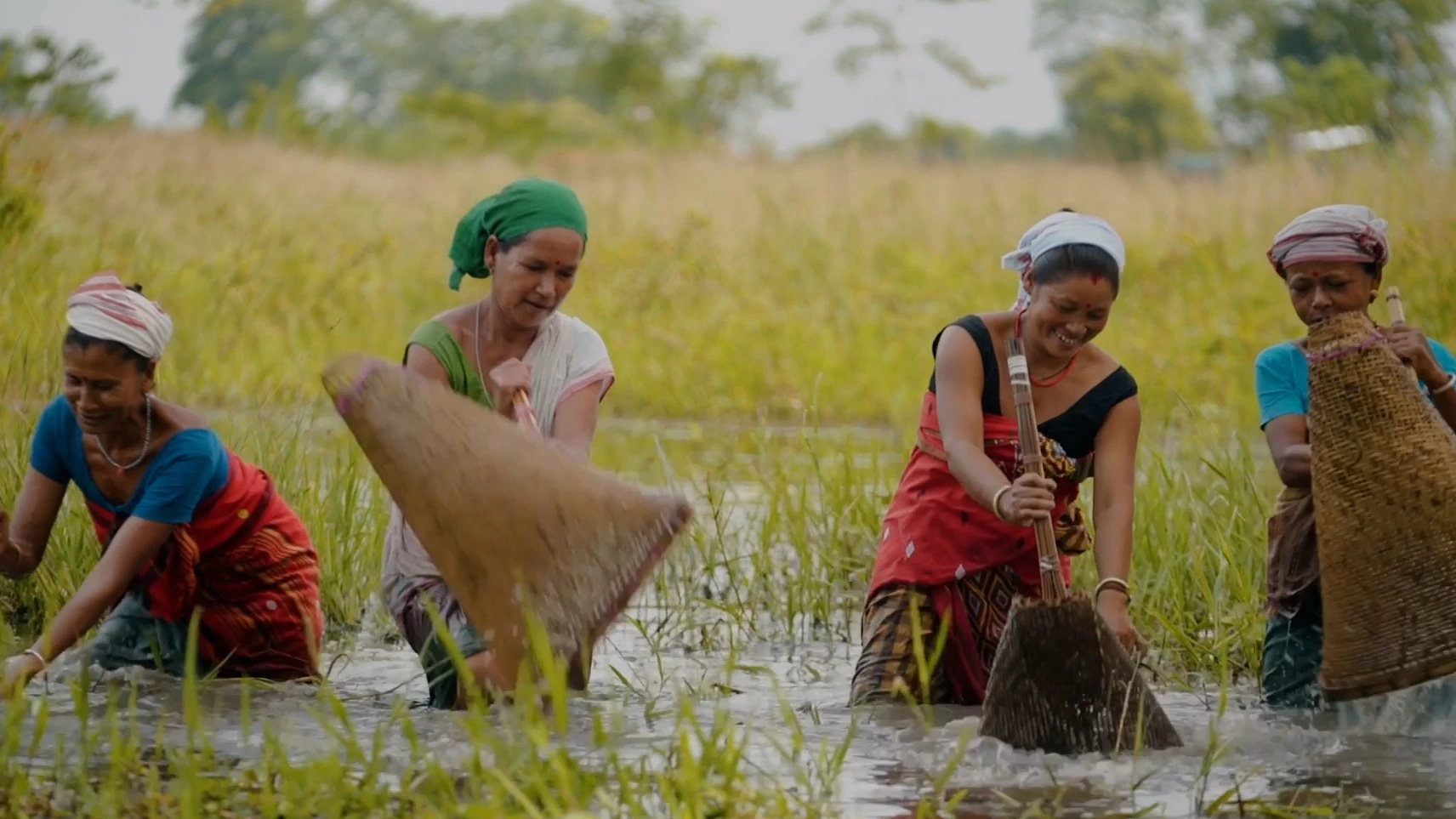
By dawn, Numal has enough for his home; his son and neighbours could still fetch the remainder of the catch and take it to the market. When the women fish, they usually use a triangular-shaped tool (also made of bamboo) called Jakoi that is used to scoop out the fish from shallow pools in the smaller wetlands. Muguri, along with her neighbour and other Mising women, swiftly divide chores among themselves and start the process of preparing the Namsing.
Also read: The uncertain future of Aarey Forest’s tribal agriculture
A community activity
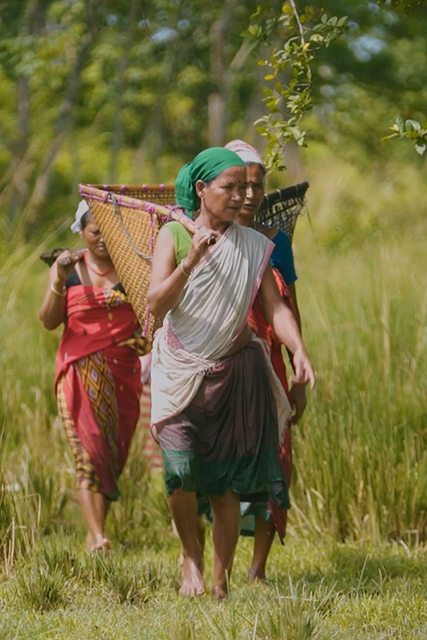
The catch is collected in a woven bamboo basket called Khaloi, one of the most common fishing tools among small fishers across Assam. Each fish is degutted, cleaned with salt water and put out in the sun for three or four days on a Chaloni or bamboo sieve. Community elders say that the sharp sun of the post-monsoon is best suited to dry the catch. At night, the Chaloni is brought to the hearth and smoked on a Perup—a hanging platform made of bamboo—at the height of four or five feet above the hearth.
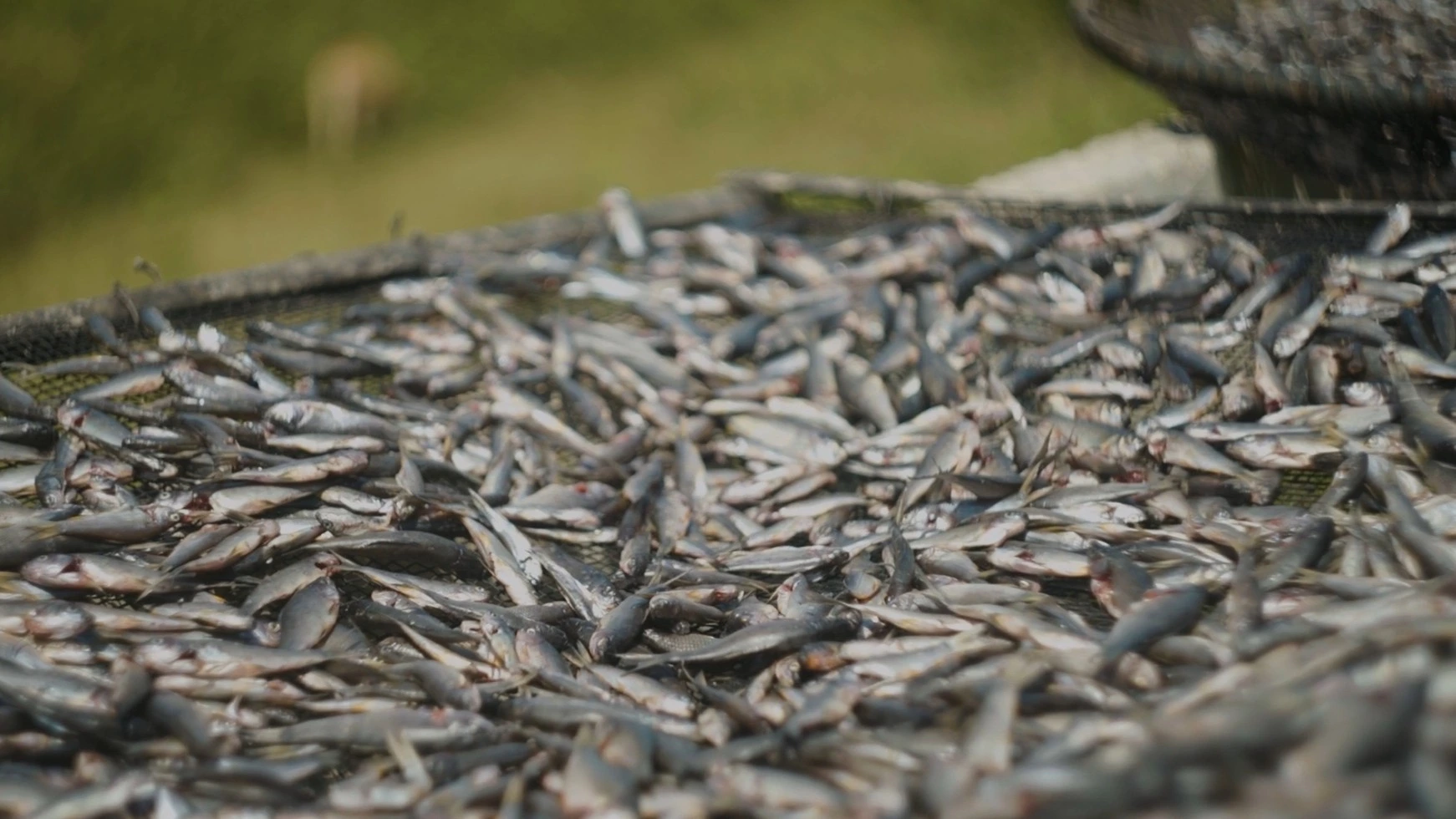
When the smoked and dried fish hardens, it is time to grind it to a paste. The ground fish is combined with local herbs—a mix that typically consists of the leaves of taro, ferns, sponge gourd and turmeric. Muguri’s backyard has all the ingredients except the Bihlongoni or the ferns, which, luckily, are growing close to the water bodies. While the fish was being smoked and sun-dried, she had collected the herbs and let them out to dry in the sun, too. To make her Namsing, she adds Eagle Ferns (Ptridium aquilinum), known to repel insects during the fermentation stage. Taro leaves or Kosu paat (Colocasia esculenta) add body to the mix and aid in fermentation; additionally, locals say that Taro leaves may have benefits for people suffering from anaemia and poor digestion, and who seek relief from pain. Their knowledge broadly matches the findings of various pharmacological studies.
Siju or Indian spurge leaves (Euphorbia neriifolia) are considered beneficial for respiratory disorders, and are believed to relieve jaundice symptoms. Muguri also collects Sponge gourd leaves or Vol from her backyard—known for their anti-cancer properties and used by the community to treat ulcers as well as to relieve pain. Halodhi or turmeric leaves are added for their ability to cure indigestion and heal wounds.
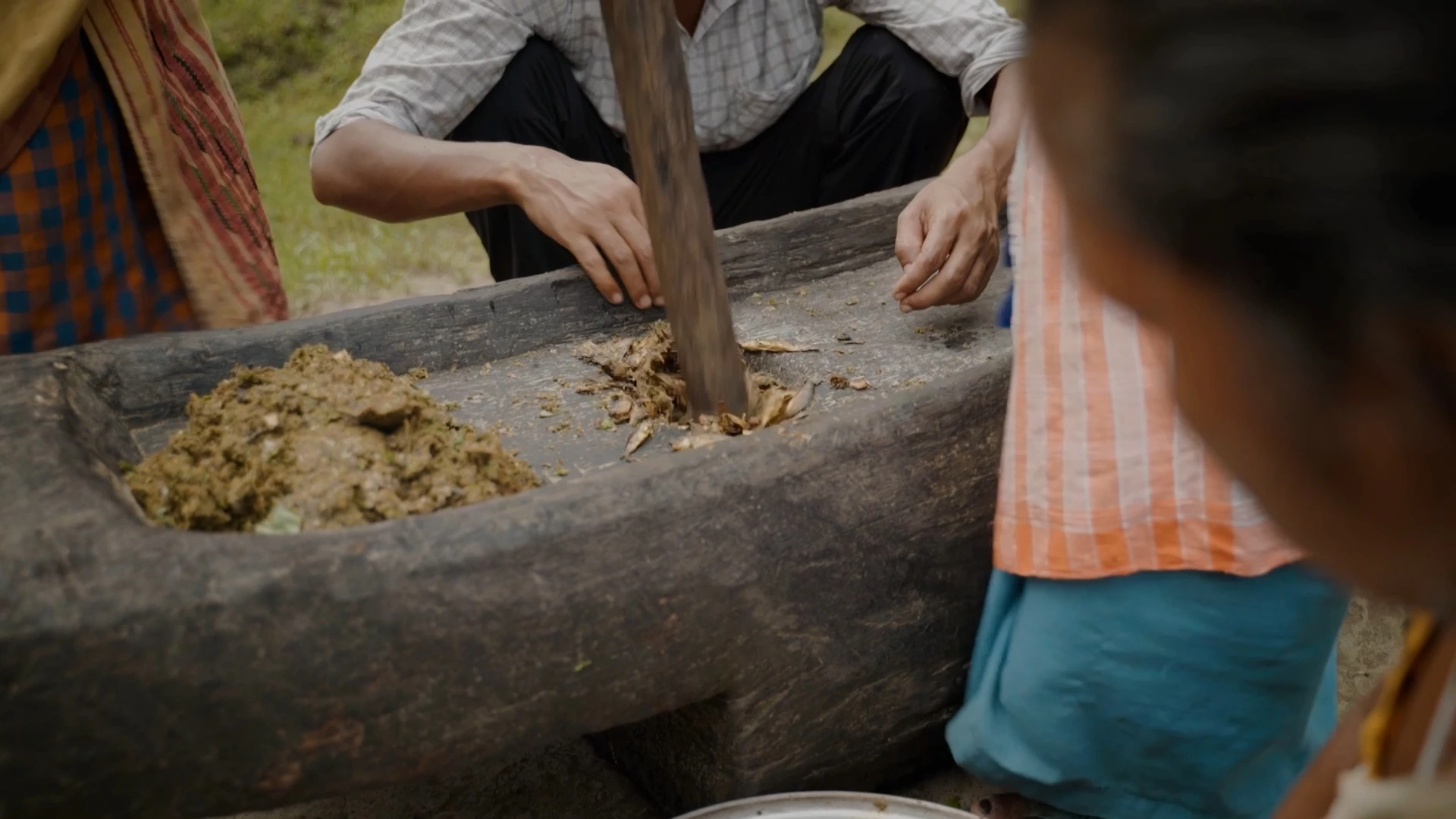
Like fishing, the process of grinding and packing Namsing, too, is a communal activity. Numal identifies an immature bamboo shoot and removes an internode to make chunga or bamboo tubes, which will shortly be used for storing the paste. His young grandnephew, Ritupan Pegu—who also works as a local guide at the Kaziranga National Park—sources a haat-dheki, a traditional husking and grinding tool from the neighbours. Carved out of a large tree stump, haat-dhekis are operated by hand and used to grind staples like rice. The community’s women gather at the Kardong courtyard and prepare the grinder. Muguri first adds in the dried and smoked fish, which is followed by the foraged leaves. She also adds turmeric powder, green chillies and finally, some Beeh jolokia—a fiery local chilly.
Soon, the Kardong courtyard is enveloped in sound: the light thuds of the haat-dheki, where fish mixed with herbs and spices is slowly mashed until it folds together as a coarse paste. The women then stuff the bamboo tube with the paste. A fresh Taro leaf is wrapped around the paste inside the tube, to ward off insects lured by the smell. Next, they use paddy straws to seal the Namsing inside the tube. The paddy straw works as an insulator and provides cushioning when the Namsing expands during fermentation, producing gases like ammonia. Finally, the bamboo tube is fastened firmly with clay, which acts as a sturdy seal to prevent any leakage or insect attacks. The fish-filled bamboo tubes are then placed at the Perup above the hearth in the kitchen, which remains free of any kind of infestation throughout the year.
Also read: In Meghalaya, Mei Ramew cafés keep indigenous recipes, techniques alive
Pungent resilience
Muguri maintains that the mix will be ready in a month or so. During this process, as research shows, the protein content of the fish barely changes, while lipids or fish fats are lost even before paste-making or fermentation to the process of smoking and drying. Mineral analysis of Namsing has shown an increased proportion of calcium, magnesium, potassium, and manganese in the fermented paste than that in raw fish. Experts who have studied Namsing have found the smoking, drying and fermentation process to aid the increase in these crucial nutrients.
When these villages are swamped by floodwater from Kaziranga, a tube of Namsing is finally opened and mixed with steamed rice for a hearty meal. Likewise, during lean months when the fish catch reduces, Namsing becomes the cheapest protein source for the Mising families.
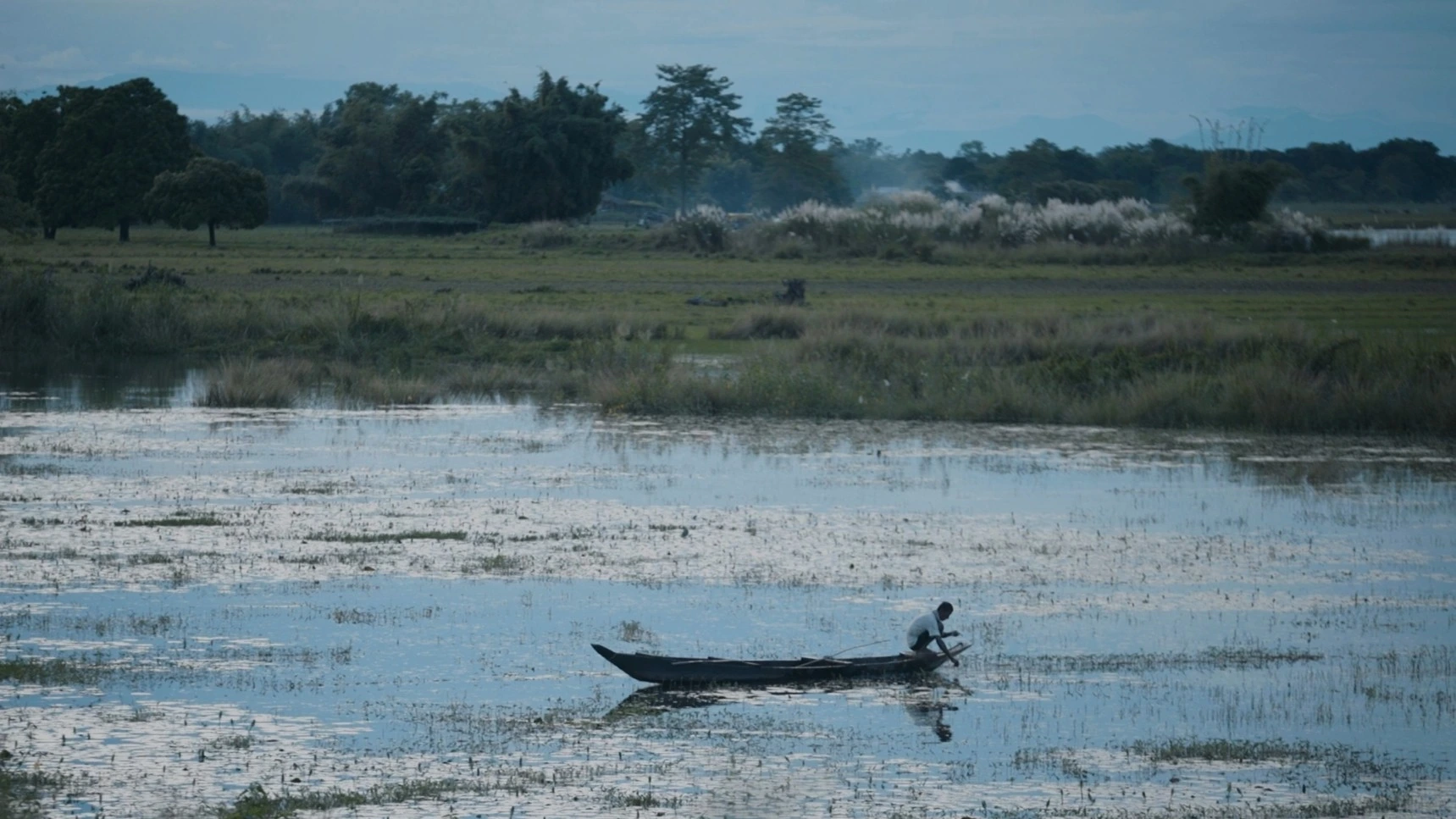
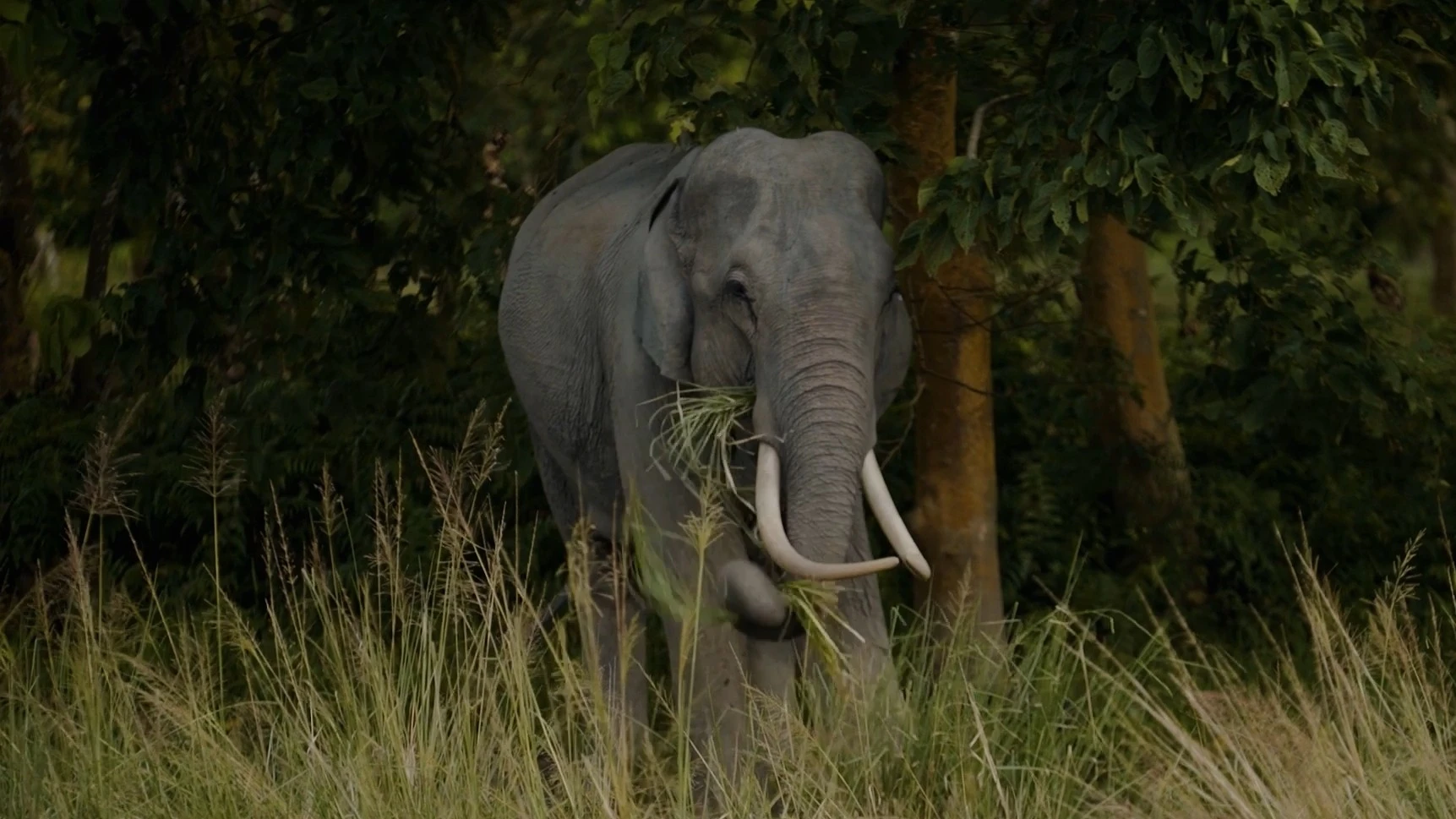
The Misings, who are spread across areas close to the Kaziranga National Park and Tiger Reserve, have recently faced unique threats to their lifestyle. Climate change and infrastructural interventions have reduced the availability of fish; the community worries about the future. Undoubtedly, these changes have impacted the production of Namsing as well. “The floods are not the same. We need the floods to clear out all the debris and bring in the fish hatchlings, but lately extreme floods followed by drought-like conditions and erratic weather have impacted humans and animals in Kaziranga,” says 30-year-old Pegu. Alongside his work as a guide, the Kardongs’ grandnephew is a member of the Greater Kaziranga Land and Human Rights Committee.
To contain the devastating impacts of the floods, large embankments are being built. Despite such measures, these regions are considered to be some of the most precarious places in Assam, a state which is among the most vulnerable in India as it reels from the impacts of an altered climate. Engineering interventions like large embankments have blocked out much of the water bodies which are connected to the Brahmaputra river system, while growing industrial activities in surrounding towns have polluted the rivers—even the ones flowing inside the National Park.
During lean months when the fish catch reduces, Namsing becomes the cheapest protein source for the Mising families.
The Kaziranga Park, declared a world heritage site by UNESCO, follows a militarised conservation model which prevents locals from collecting traditional herbs and fish from inside its boundaries. “We are not allowed inside the park, but it is us who conserve Kaziranga by feeding the animals that stray outside during various calamities. We clear the water bodies of hyacinth, providing breathing space for the fish,” says Numal as he opens a two-year-old tube of Namsing.
Muguri and the women from neighbouring homes are preparing a feast. A small portion of Namsing, coupled with pieces of meat, are served along with Apong, a local rice brew. The chillies in the Namsing have added a bright, spicy edge, but the fermented fish paste still has a sweetness attached to its pungency. The meram is bathed in the aroma of yet another batch of Namsing as everyone savours the strong, heady flavours.
Edited by Anushka Mukherjee and Neerja Deodhar
Also read: For Odisha’s Chuktia Bhunjias, preservation by drying is tradition—and sustenance
{{quiz}}


Explore other topics
References

For how many days are the fish dried in the sun?