At the heart of Bihar’s fungiculture boom, the toil of rural women
Armed with spawn and substrate, these women are turning rooms within their homes into profit-generating mushroom farms


As you make your way to the sprawling village of Madhopur in Bihar’s Nalanda district, you’ll be greeted by rows of pigeon pea (arhar) plants that line the road leading you through thriving green fields. An hour’s ride away from the state capital Patna, the journey is a refreshing contrast to urbanity: ducks quack about in little pools of water, haystacks lie by the side, cows and goats graze, and the walls of houses are fortified with cow dung.
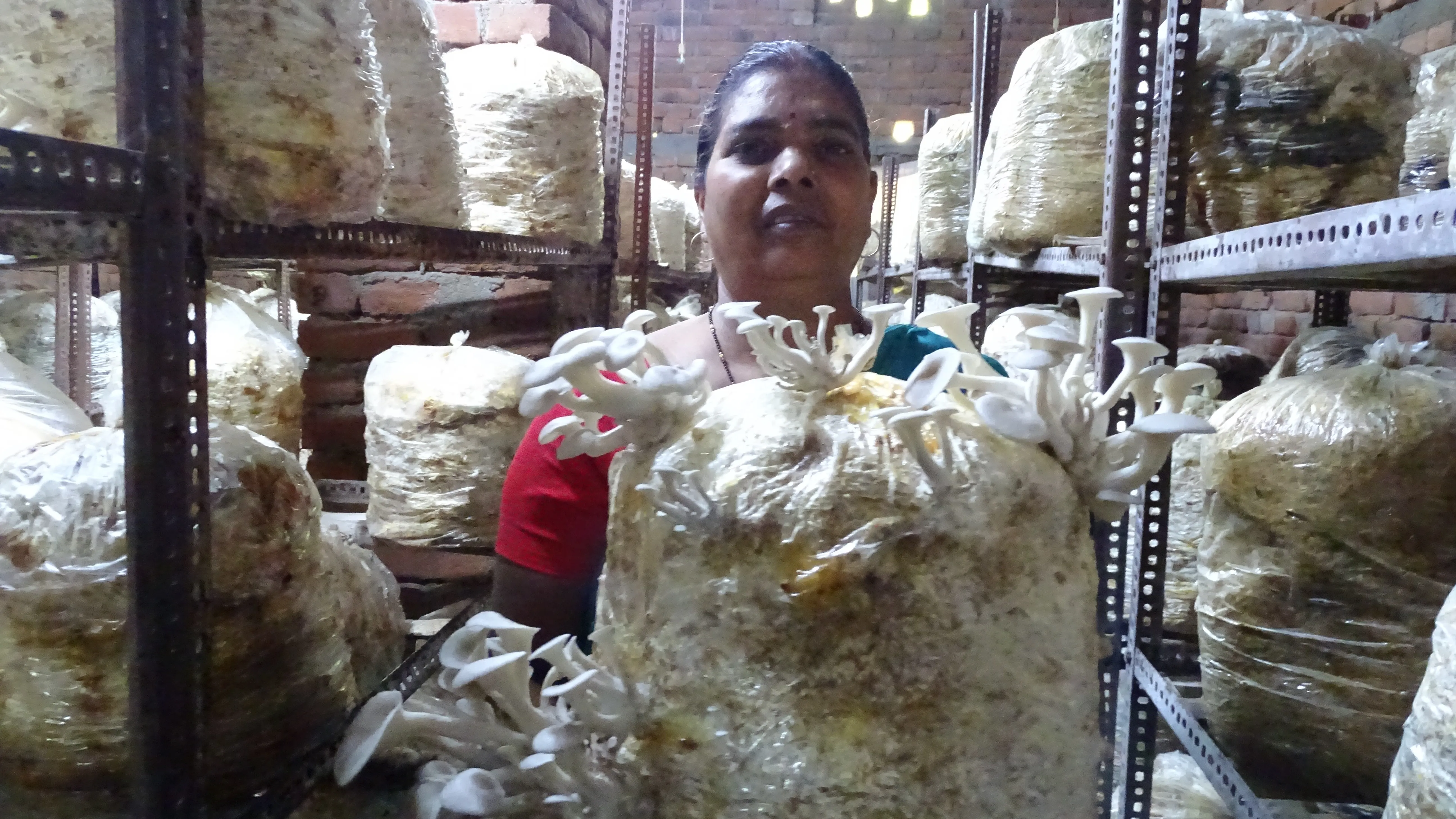
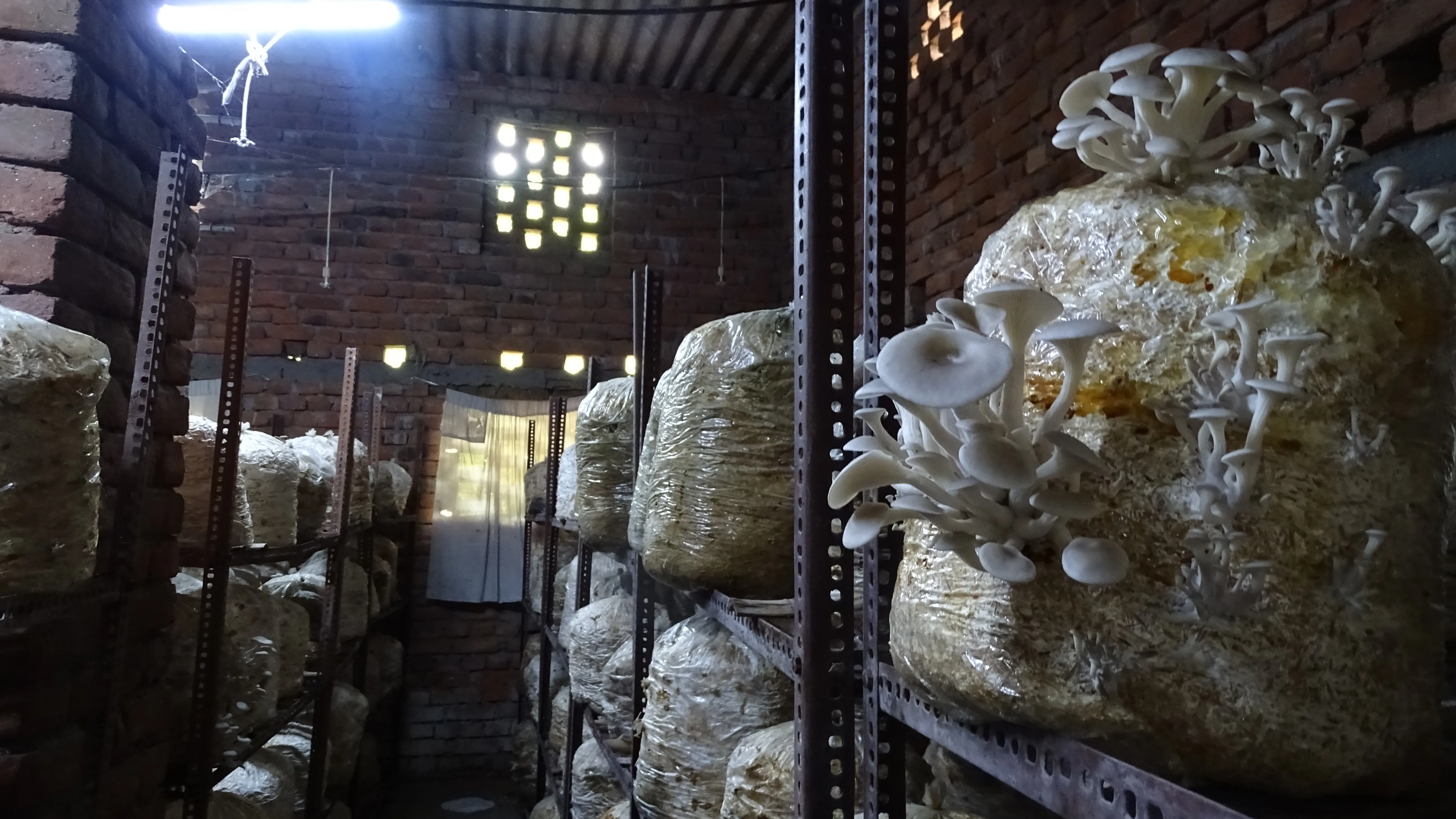
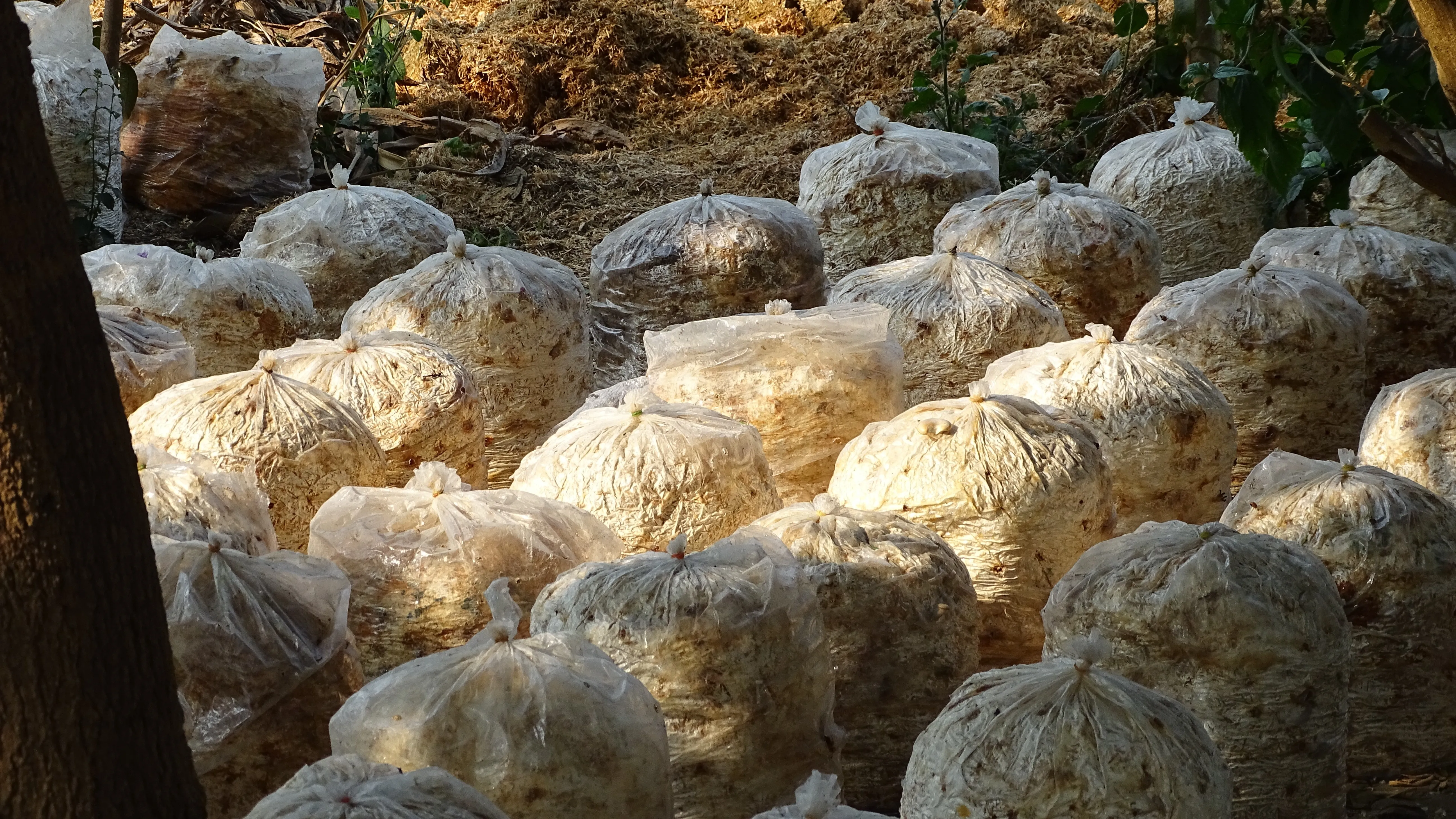
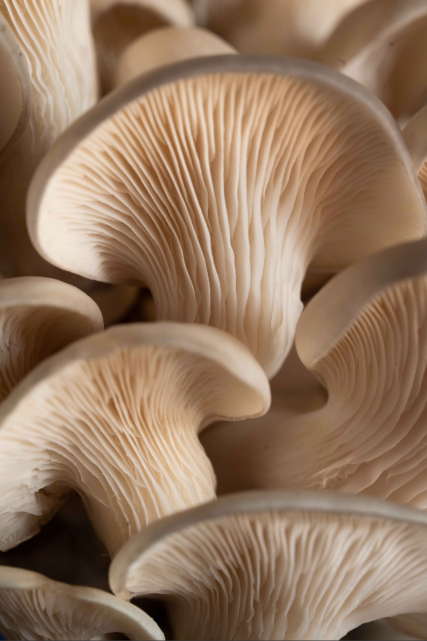
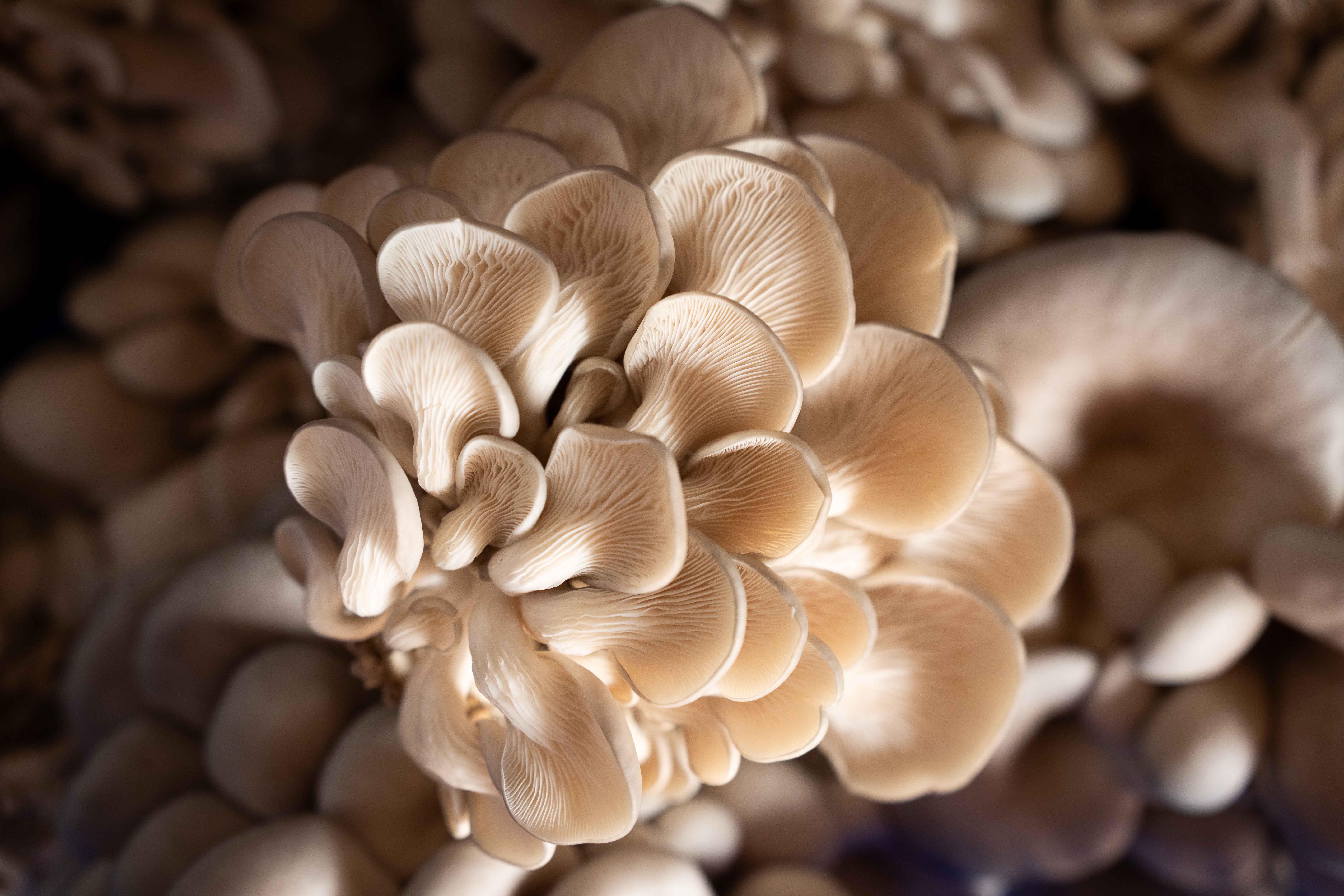
Yet at Sunita Kumari's small home, it is all about mushrooms, not arhar dal. Inhabited by a family of four, with no room to spare, Sunita has earmarked a small area on her verandah for their cultivation in a makeshift, plastic sack-covered space. Several perforated plastic bags containing substrate (straw from paddy or wheat) are stacked on top of each other. Overlapping clusters of oyster mushrooms, shell-shaped with white gills, sprout from these bags in the months between October and April. Delicate and perishable, they must be consumed within a day or two, and sure enough, they find a ready market since they are rich sources of protein and minerals, as well as being easy to cook. Sunita is thus assured that she can sell her produce directly from her home.
For rural women with limited means in Bihar, fungiculture represents opportunity and a broadening of horizons. Among the various fungi grown in the state, the oyster mushroom remains the most preferred: it requires low financial investment, simple techniques, no soil or land—making it a woman-friendly enterprise that can be run from familiar, small domestic spaces.
Among the various fungi grown in the state, the oyster mushroom remains the most preferred.
Sunita, now 40, recalls her early days of economic hardship, when her husband’s pharmacy could not help meet the family’s needs. “With young children, there are always expenses at home. Now I have earnings of my own to spend on their education, and on myself,” she says with satisfaction.
If you arrive at Madhopur in the evening, the village lanes are abuzz with children playing and women chatting in groups. Sunita and other mushroom cultivators instead spend this time tending to their mushrooms, earning Rs. 500–Rs. 1000 per day, depending on the harvest. The following day, some of them will walk to the village haat with freshly harvested produce, while others will wait for their customers—and even vendors—at their homes.
Aside from oyster mushrooms (Pleurotus)—which are known locally as ‘dhingri’ and which dominate rural kitchens—the button (Agaricus bisporus) and milky white (Calocybe indica) varieties are also grown in Nalanda. Each calls for distinct methods of cultivation and preparation for meals.
Also read: The secret lives of fungi: The forest’s invisible architects of survival
The mushrooming of potential
For a long time, mushrooms were not consumed in Bihar. They are not part of the traditional cuisine, and have been perceived as “unclean” from a cultural and religious standpoint. But growing them has altered women’s perception of mushrooms as both an ingredient and source of nutrition. Routinely, families now turn oyster mushrooms into pakodas (fritters), or toss them in curd to make a refreshing raita. Their meaty texture, coupled with their unique, umami flavour, makes them perfect for a stir-fry with peas and onions, or even a simple curry. Bumper harvests are often pickled, too.
In the district’s Saril Chak village, women in nearly every household were knee-deep in oyster mushroom cultivation.
An estimated four thousand women are presently engaged in mushroom cultivation, experts say. The foundation for the district’s capacity was laid in the late 2000s, when Dr. Jyoti Sinha, an expert with the Krishi Vigyan Kendra (KVK) in the area, began training hundreds of women and assisting them in setting up small businesses. By 2010, fungiculture had found acceptance across many villages, and by 2012, Nalanda was on the state’s mushroom map. In the district’s Saril Chak village, women in nearly every household were knee-deep in oyster mushroom cultivation. Alongside Jyoti, it is said that the then District Magistrate Sanjay Kumar Agarwal and Sudama Mahato, Programme Director of the Agriculture Technology Management Agency (ATMA), were also responsible for recognising the potential of Nalanda and its women farmers.
Women associated with ATMA, who underwent training at the KVK, formed a self-help group to encourage others to join them. “One of the reasons why mushroom cultivation by women grew in Nalanda (and Bihar, by extension) was the wise selection of progressive women for training. If you train and support those who command influence, the message spreads to more women,” Jyoti says.
Also read: The fragile future of Guchi mushrooms
A different future is possible
For some women, like Anita Devi, mushroom farming has meant a complete turnaround of their fates, but not without some resistance.
One half of an enterprising couple, Anita and her husband Sanjay Kumar—54 and 56 respectively—were graduates from Anantpur village who struggled to find jobs. In 2010, they took a leap of faith and devoted themselves entirely to mushroom cultivation. Even as she availed of the training being provided to women at the time, Anita faced taunts from other women in the village, who chided her for growing ‘gobar chatta’—wild black mushrooms that grow on cow dung cakes, which are unsuitable for consumption. The stigma surrounding mushrooms was so deep-seated that locals associated even healthy, carefully grown produce with toxic fungus.
A decade and a half later, their farm is an illustrative success story of fungiculture in Bihar, with a newly constructed home, large halls exclusively meant for cultivation, a hall for storing straw, and an air-conditioned room where mushrooms can be grown all year round.
Anita established a company in 2016, with the involvement of women from neighbouring villages. She enabled self-help groups and trained hundreds through ATMA’s rural livelihood programme, proving how the benefits and dividends earned from fungiculture have cascaded from one cohort of women to the next.
The stigma surrounding mushrooms was so deep-seated that locals associated even healthy, carefully grown produce with toxic fungus.
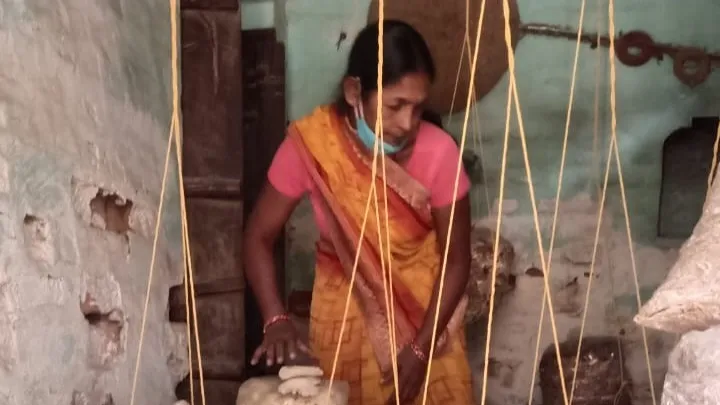
Consider the case of Sarita Sinha from the Kharuara village, who was able to uplift her family and assume the role of its sole breadwinner because of the know-how she gained from Jyoti. Until mid-March this year, the profit she has earned has been up to Rs. 23,000—the result of being an avid, curious learner. “I prepare the substrate in September, so the first flush of oyster mushrooms appears in 21-24 days. I use 400 bags, 200 each in two rooms hung from bamboo poles,” says Sarita. Always glad to help, she shares her knowledge with others from her village via a self-help group.

Saril Chak’s Nirupa Devi, considered a pioneer of mushroom cultivation in the state since 2012, continues to inspire. “I travelled to Solan and Murthal for training. Back home, I used to go from door to door, educating women about mushroom cultivation,” says Nirupa. She has experimented with growing button mushrooms—usually produced by large commercial units rather than individual farmers—harvesting over 20 kg, and selling them at Rs. 200 per kg.
Reflecting on her decade-long journey, she worries that women abandon fungiculture in the absence of subsidies.
The ‘cost’ of success
Though women in Nalanda have widely embraced fungiculture, the work it involves is not easy: mushrooms are fragile, highly perishable and sensitive to the slightest of changes in temperature. They demand care, temperature and humidity control, and constant monitoring. And while large-scale mushroom farms like Anita’s benefit from dark, humid and temperature-controlled rooms, most local women have no choice but to work in accordance with weather conditions.
Mushroom spawn, or fungal mycelium, acts as a seed or starter culture to inoculate the bulk substrate, which is typically made from materials such as sterilised grains and sawdust, as well as agricultural waste. Bulk substrate is the nutrient-rich growing medium that the spawn grows in, and fruits from. Once cultivated, the spawn colonises the substrate entirely, threading through the soft, dark material before finally fruiting. In Bihar’s case, it helps that wheat and rice straw are readily available for use as substrate. But gaining access to good-quality spawn can be challenging sometimes, and a short-lived period of cool weather limits the women’s earnings.
Gaining access to good-quality spawn can be challenging sometimes, and a short-lived period of cool weather limits the women’s earnings.
As per Jyoti, a kilo of spawn inoculates 25 kg of straw, amounting to 8–10 bags, each of which yields roughly a kilo of mushrooms. Under government schemes, the KVK distributes mushroom kits comprising 1 kg of spawn, 10 food-grade polypropylene bags, 125 ml Formalin to sterilise straw, and 7.5 g of Bavastin fungicide.
{{marquee}}
Sunita estimates she has purchased 25 kg of spawn this season. The oyster mushroom is highly productive, with a kilo of spawn yielding up to 10 kg of mushrooms in three batches over a typical cropping cycle, which takes up to two months. When they’re ready, she harvests 5–10 kg per day. If she spends Rs. 60–Rs. 70 per kg (on spawn, straw and plastic bags), she sells produce at Rs. 120-140 per kg.
Ideally, she should have harvested up to 250 kg of mushrooms from 25 kg of spawn, earning her a profit of Rs. 15,000–Rs. 17,500. But this season has brought lower profits than expected.
Also read: Katarni’s comeback: How an aromatic Bihari rice escaped obscurity
Weather woes
If the days were warmer this year, the nights were colder in January and February, resulting in a decline in mushroom production. The cold, dry westerly winds further dried up the pinhead—the earliest stage of the mushroom fruit. Germinated spores form small, pin-like structures before developing into edible mushrooms. Oyster mushroom cultivation specifically requires a temperature between 20-28° C, and humidity between 80-85%.
Cultivators rue the absence of moisture-laden easterly winds that could have benefited their little farms. In this part of India, fungiculture thrives if a balance of pachua (westerly) and purvaiya (easterly) winds blow during the winter, the women remark. “If the weather is cool, we will grow mushrooms every day,” quips Sunita, “But the weather is getting warmer, and we do not have the funds to invest in cool rooms with controlled temperatures.”
Fellow farmers echo the same concerns. Rekha Rani, for example, enjoyed a bumper harvest last year, but has suffered losses this season. Manjula Sinha, on the other hand, was able to cultivate only 3 kg of spawn—enough to fulfil her family's protein requirements.
A blueprint for other states?
Bihar now leads India in mushroom production, with Odisha and Maharashtra ranking second and third. This transformation has been powered by support from agricultural universities, the state government, and schemes like Jeevika (the Bihar Rural Livelihoods Project), which have equipped thousands of rural women with the skills, subsidies and technology to create entire livelihoods out of a food that they knew so little about until a few years ago.
Bihar’s mushroom cultivators are also showcasing ways in which reduced pollution, recycling and adopting organic techniques can be mainstreamed.
Part of the reason fungiculture has taken off in the state is the recognition that mushrooms can address protein deficiency in children in a meaningful way. “Under a KVK scheme, we introduced mushrooms at Aganwadi Kendras in Nalanda, telling them to spread the message in the entire village,” says Jyoti.
Knowingly or otherwise, Bihar’s mushroom cultivators are also showcasing ways in which reduced pollution, recycling and adopting organic techniques can be mainstreamed. Eco-friendly cultivation entails the recycling of wheat straw, paddy straw and other agricultural wastes to create substrate. Spent substrate also contains nutrients, making it suitable for use as organic compost–a rich, earthy mix that improves soil’s texture, nutrient profile as well as its ability to hold water.
The story of the state’s success in fungiculture is now inseparable from the beneficiaries of its early investments.
Carousel Photos by Kavita Kanan Chandra and Sarita Sinha
Edited by Anushka Mukherjee and Neerja Deodhar
{{quiz}}


Explore other topics
References

Which state is India's leading mushroom producer?