
Basanti Devi’s boots are made for walking
The Padma Shri awardee, once a widowed child bride, empowered forest communities and women to protect a river


Editor’s Note: To work in ecology science and biodiversity conservation in India is to undertake the work of a lifetime. For many, but especially women, this work is as much a career as it is a calling, with challenges that pertain to the job itself—such as reasoning with authorities—as well as their personal journeys and identities. In this series, the Good Food Movement highlights female scientists, activists and community builders whose visions and labour have ensured forests, wetlands, and species across flora and fauna live another day.
At one point during our hours-long conversation about saving the Kosi river and conserving forests in Uttarakhand, Basanti Devi pauses to reflect on her seven decade-long life. “What would I have done, if not for this? What purpose would my life have served, if not helping to solve some of these crises plaguing our society?” she asks, as a faint smile crosses her face. My response to her reflection doesn’t matter.
Devi is a petite woman. Age, it seems, has shrunk her further. But there’s a largeness to her warmth: The first time we spoke over the phone, in July 2025, she was worried about where I would sleep, if and when I visited her in Pithoragarh (where she lives now)—because she only has one room, “with a tiny bed.” A few weeks later, when we spoke again, her inimitable sing-song Kumaoni inflection reflected concern as she warned me about the incessant, untimely rains, the resultant landslides, and the traffic snarls that had brought the hills to a crawl. “Come after a few weeks, when it is better to travel,” she advised.
On the day we finally meet, the weather swings back and forth like a pendulum between sunshine, cloudiness and drizzles. It feels like a fitting backdrop to a meeting with a woman whose own life has been marked by periods of extreme darkness and light.
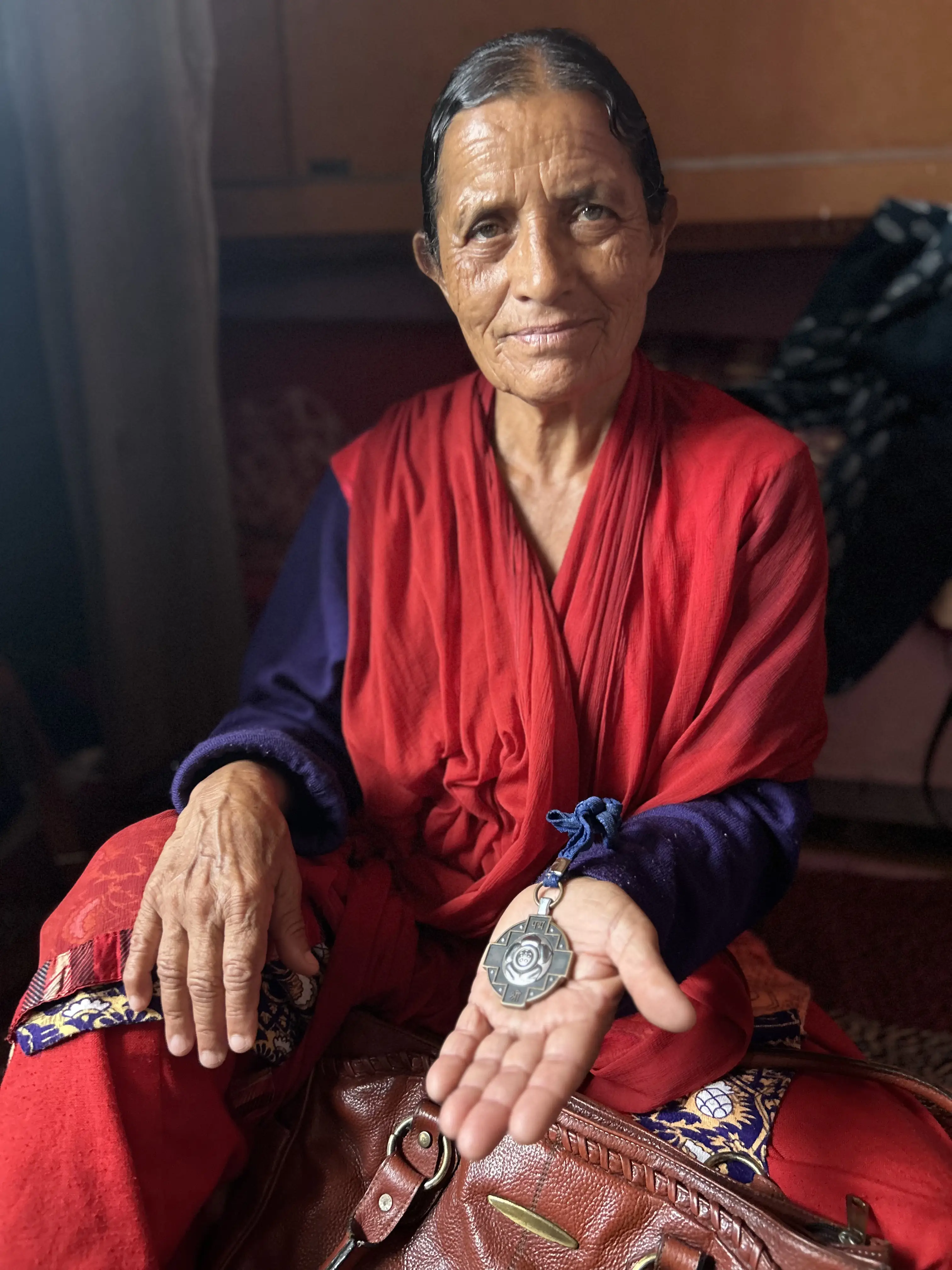
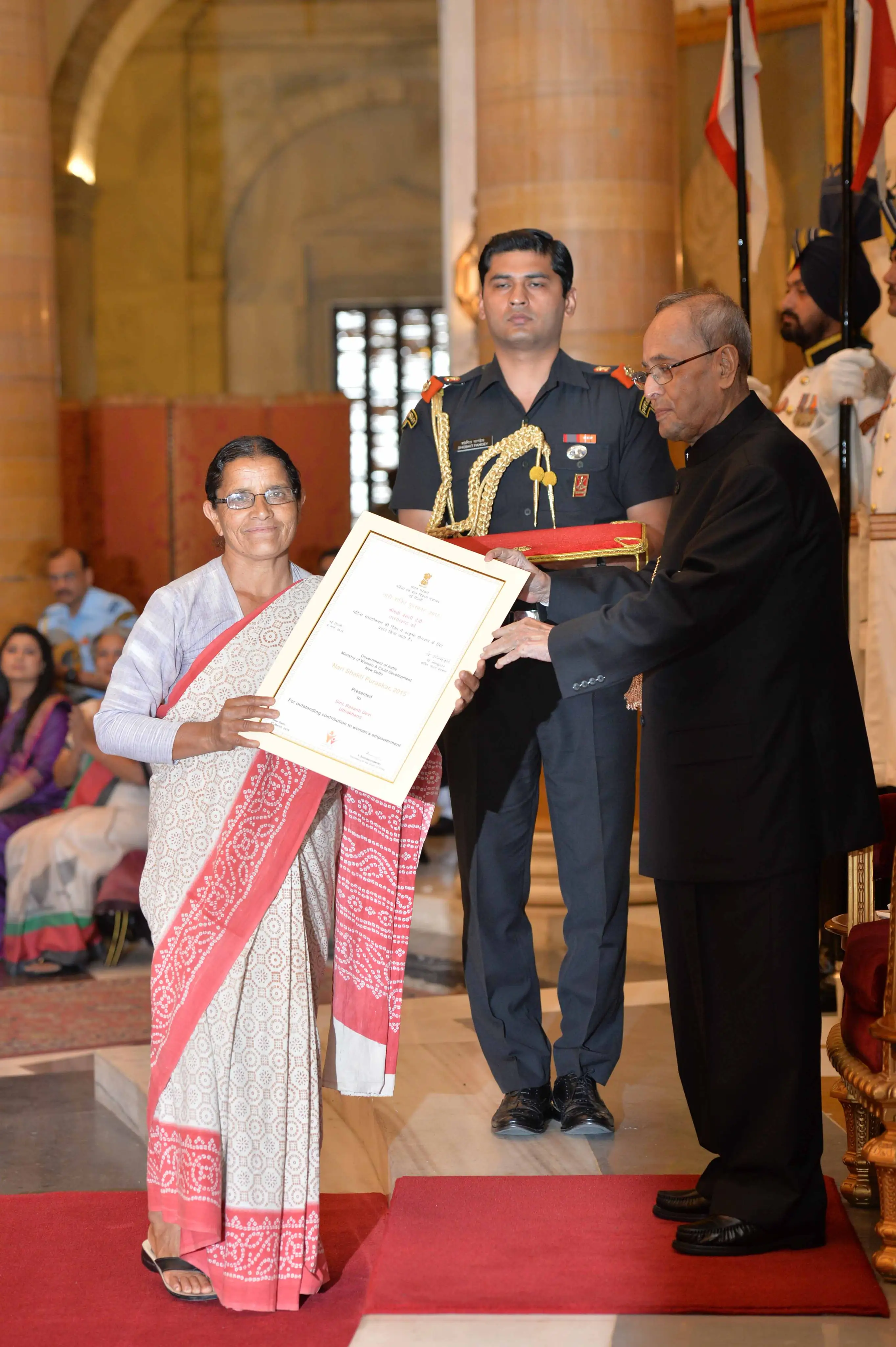
Devi, a widowed child bride who later became a Gandhian social worker, is the recipient of the Nari Shakti Puraskar (2016) and the Padma Shri (2022), honoured for her effort to empower women, educate children, and protect forests and water sources. The most significant of her life’s projects is the revival of the Kosi, an important tributary of the Ramganga in Uttarakhand’s Kumaon region.
Much of Devi’s work unfolded while she was affiliated with the Lakshmi Ashram in Kausani. Founded in 1946 by Sarla Behn (Catherine Heilemann), the ashram educates and organises women in the hills, encouraging self-reliance and care for water, forests and land. The awards were conferred upon her after she had already left the ashram where she had worked for most of her life. Even at that juncture, these national honours evoked pride at her, for this was recognition for decades of focused, dedicated work.
{{marquee}}
A difficult childhood
Devi was born to Kunwar Singh Samant and Tulsi Devi in Digra, a small village tucked in the hills of Pithoragarh, in 1958. At the time, life was simple but bound by custom: at age 12, when she could barely make sense of what the institution meant, she was married off. She had studied till Class 4 but dropped out, because continuing schooling would have meant walking several kilometres from the village she was married into. For girls in her generation in Pithoragarh, travelling such far distances to earn an education was out of the question.
Questions of grief aside, widowhood was cruel to Devi.
The boy she was married to was a Class 11 student. A little over two years later, he passed away; they’d never spent time together during this brief marriage. “For the first two years, he was away for his studies. In the third year, he was away for a teacher training programme in another village in the district. Then, news of his ill health arrived. He had a fever and died,” she says, describing the illness with no expression or emotion, as if the words had been uttered often.
Questions of grief aside, widowhood was cruel to Devi. Her mother-in-law accused her of being a witch; someone else called her a man-eater; and most others cursed her. She was blamed for her husband’s death and kept at a distance, often going days without food or fresh clothes. The world around her, already narrow, seemed to close in further. When life became unbearable, she decided to return to her parents’ home. “At least I’d be fed some food,” she recalls telling herself.
A few months later, “one Bubu (a grandfatherly figure) suggested I visit the ashram.” His physically disabled granddaughter lived there, and he thought it may help Devi, too. “He told me, ‘Do you want to live the rest of your life like this? Go there, study and learn.’” That’s exactly what she did, and never looked back.
Finding a home and hearth
Kasturba Mahila Utthan Mandal, or Lakshmi Ashram as it is better known, was founded in Kausani a year before India attained independence by Catherine Heilemann, better known as ‘Sarla Behn’. Sarla was a Gandhian dedicated to advancing the Mahatma’s constructive programme in the remote villages of Uttarakhand.
Described by historian Dr Shekhar Pathak as “a nursery for social activists” in the foreword to Sarla’s autobiography A Life in Two Worlds (translated from the Hindi by David Hopkins), the Ashram was the first basic education school in the Himalayas. When Devi arrived at its gates in the late 1970s with her father, she was immediately captivated by the atmosphere. At the time, around 40 girls lived there, and they were taught by 10 teachers. By then, Gandhian Radha Bhatt had taken over its leadership.
Once forced to drop out of school as a child bride, Devi had become a catalyst for change, helping educate and empower hundreds of women.
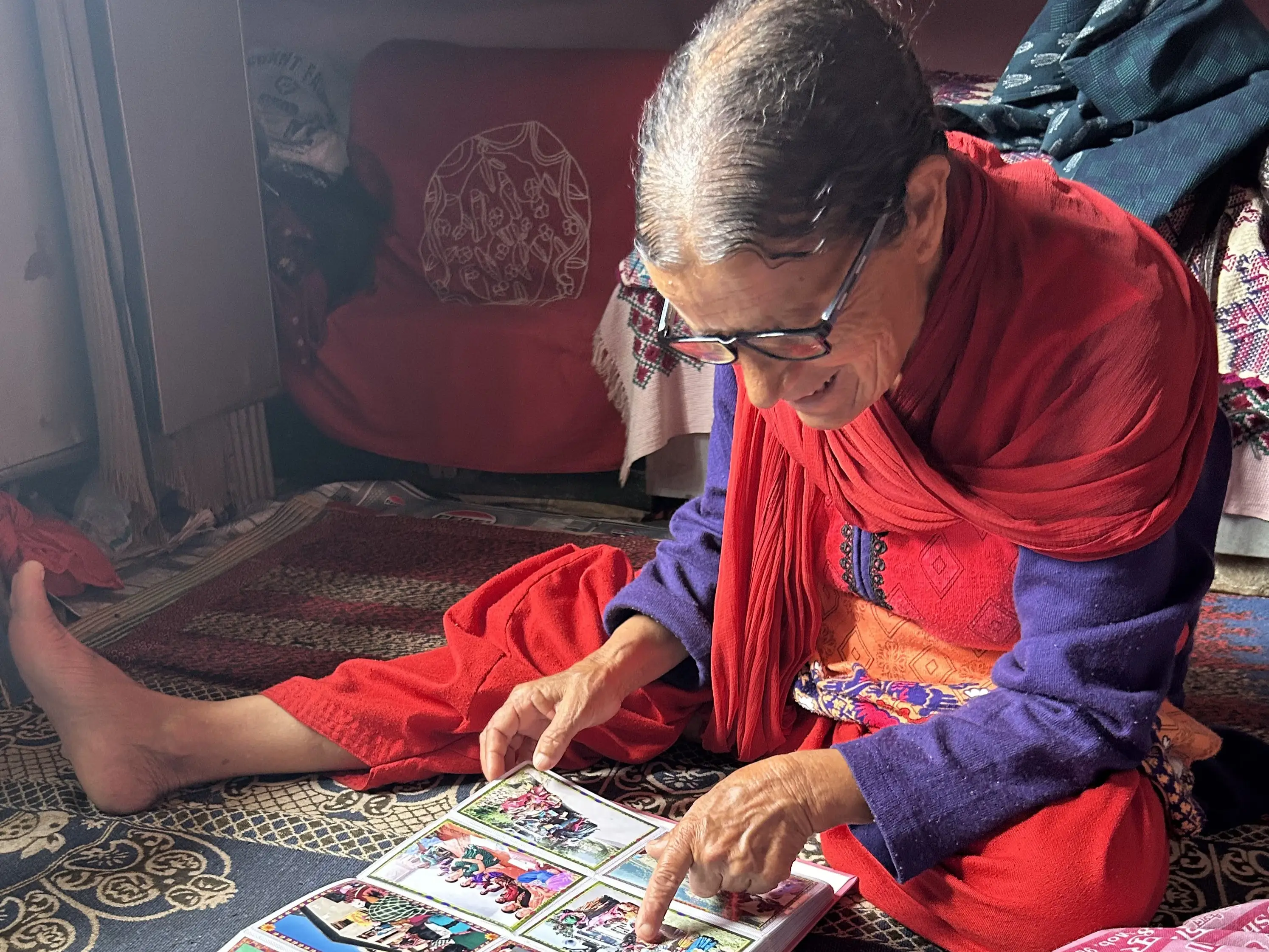
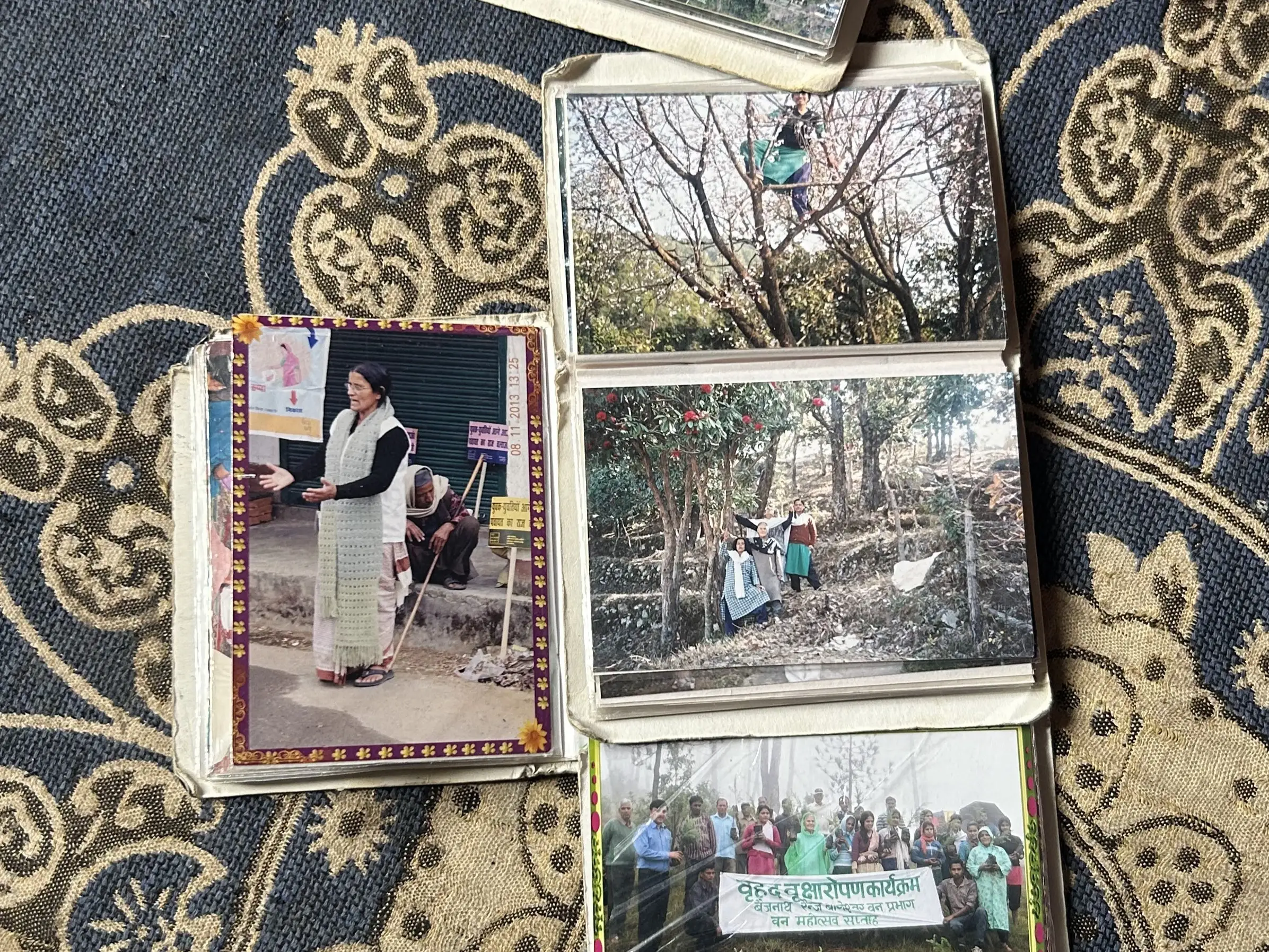
“Girls were studying, farming, working so hard,” Devi recalls, sitting in her small room and poring over old news clippings and photographs. Among them is a sheet of paper scribbled over with short sentences written by girls she once trained and educated: “Basanti didi bahadur hain, himmati hain.” (Basanti didi is brave and courageous.) “Didi karmath hain”. (Didi is relentless in her work.)
It was part of an exercise facilitated during her years at the Ashram, and she has preserved it carefully ever since. After she had settled into the institution, Radha Bhatt instructed her to take up kadhai-bunai (handicraft work including knitting, weaving and embroidery) and oversee other activities. Mentoring young girls was one of her responsibilities. “This sheet of paper is my life’s reward,” she says with pride.
Life at the ashram revolved around self-reliance: growing vegetables, keeping cows for milk, making woollen bedding and clothes, and taking turns to graze cattle, cut grass, and collect firewood from the forest. Grain was carried up from the market and ground at the watermill in the valley. As Sarla Behn wrote in her autobiography, the idea was to combine daily labour with learning so that girls grew in both skill and knowledge.
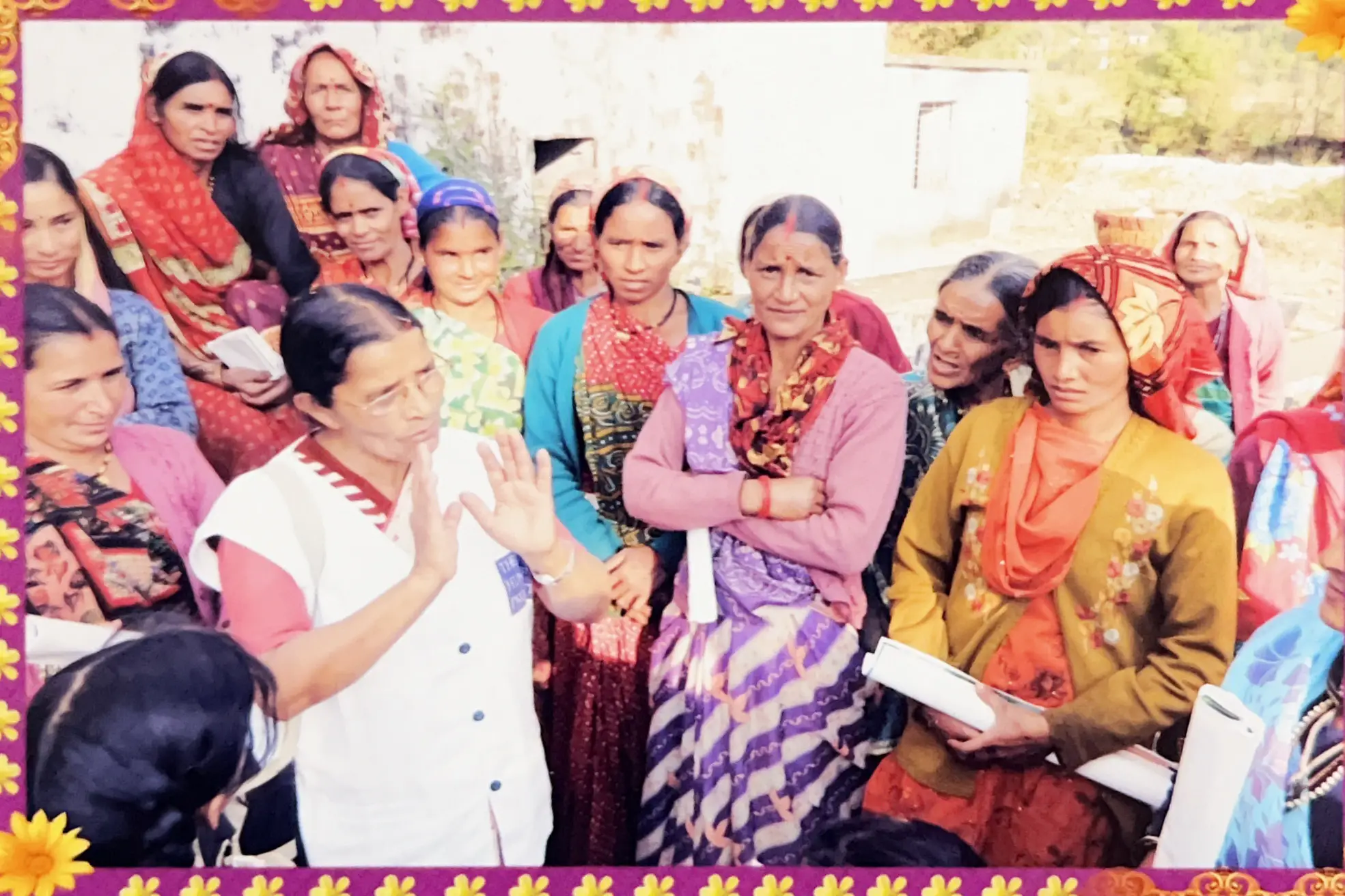
Devi became a pivotal force when Radha Behn put her in charge of addressing families in 200 villages, to convince them to send their girls to school. She went door to door to do just that, and later began opening Balwadis (children’s centres) across villages. Once forced to drop out of school as a child bride, Devi had become a catalyst for change, helping educate and empower hundreds of women. These women later became homemakers, teachers, joined the police force, and took up other public roles. “Some of them still call regularly to check up on me,” she says with a smile.
Also read: How Rahibai Popere built a seed bank with a mother’s grit and love
The making of an activist
In his seminal book, The Chipko Movement, Dr Pathak traces the first environmental people’s movement of India, highlighting the smaller organising efforts that shaped—and continue to influence—bigger, influential ones. Among these is the tale of Khirakot, a small village in the Kosi catchment just before Kausani, where Devi felt the first stirrings of activism that would define the rest of her life.
In the early 1980s, Khirakot was being eaten away from within. A talc mine run by a contractor named Rampal Singh Katiyar had begun spilling waste into the villagers’ fields. The dust and debris smothered crops, and the sturdy banj trees (Quercus leucotrichophora)—the oaks that held the soil and water together for centuries—began to wither. Even the village road caved in, claiming the lives of animals, and disturbing the flow of the river Kosi.
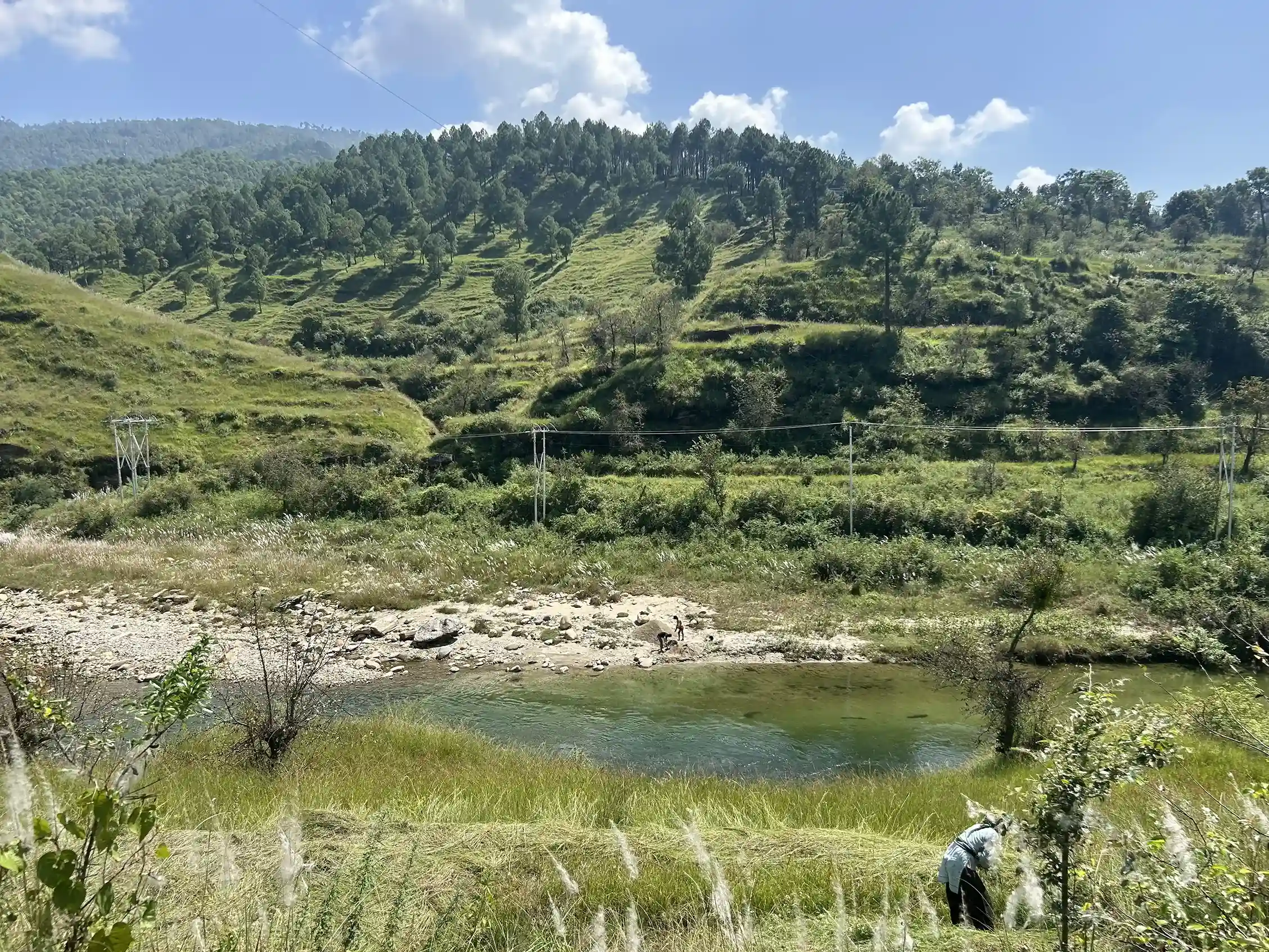
The Kosi winds through the districts of Almora and Nainital in Uttarakhand before descending into the plains of Uttar Pradesh to meet the Ramganga. Its basin stretches from low valleys at around 330 metres to ridges rising above 2,700 metres. For generations, it has sustained life in the region, providing water to drink, fields to irrigate, fish to catch, and a place for final rites.
Amid this crisis, the men stayed silent but the women refused to look away. Malti Devi, who was leading Khirakot’s women, reached out to Lakshmi Ashram for help. Radha Bhatt had put Basanti Devi in charge. What followed were petitions, the confrontation of officials, and even taking down men in fake police uniforms. The mine was shut down. The banj forests slowly began to heal, at least at the time.
The Ashram continued its work, helping banj forests in the Kosi valley and strengthening women’s role in forest management.
Basanti Devi would later head to Danya, the Ashram’s field office about four hours away from Kausani, for almost two decades–to continue her work with local communities on education, eradication of alcoholism, and conservation of water, forests and farmland (jal, jungle, zameen).
A deep-rooted revolution
During the 20 years Devi spent in Danya, the Kosi kept thinning. Illegal mining was part of the problem, but there was more. Climate change, reckless construction, expanding farmland, tree felling and unplanned roads had slowly chipped away at its strength, leaving the river more fragile than ever before.
In the early 2000s, Radha Bhatt asked Devi to make a return. “Basanti,” she said, “you must return now. The forests need saving, the Kosi needs saving. Women must be organised again. Just as you mobilised people in Danya, you must do the same here. The Kosi is drying up.”
Around that time, Devi read a newspaper report about the depletion of water resources across the hills. She soon began to see the strain firsthand during her visits, one of which was to Layshal, a few kilometres from Kausani in the surrounding hills.
Devi’s effort faced strong resistance from conservative villagers who refused to allow women to participate in social or public work.
The forests closer to the villages had already been stripped, forcing women to walk deeper into the forested slopes each day in search of firewood. The same women who had once fought to save forests during the Chipko Movement were now, unknowingly, contributing to the depletion of forest resources. “They were cutting the banj trees for firewood,” Devi recalled, “without realising that banj is the lifeline of the forest.”
Ecologists note that the banj oak’s deep roots draw water from far below the surface, helping retain soil moisture and sustaining the springs that feed rivers like the Kosi. Across the western Himalayas, hydrologists have long warned that natural springs are drying up as groundwater recharge declines. In Kumaon, the rapid spread of chir pine at the cost of the water-retaining oak has further weakened the soil’s ability to hold water, leaving rivers like the Kosi more prone to danger.
Devi recounts a long wait of seven days to meet Layshal’s women; she would show up at the crack of dawn, only to find that they had already departed to cut wood. On the eighth morning, she embarked on the forest route herself, climbing through damp leaves and mist, when she finally crossed paths with them.
This encounter marked the beginning of a long debate with the women. In their exchanges, Devi spoke about her travels over two decades to countries like Bangladesh, Bhutan and Nepal. In parts of those countries, too, she told them, forests had been degraded, water sources had dried up, and greenery had disappeared. But once communities began protecting and regenerating forests, water returned to streams, rivers and springs, and the forests slowly turned green again.
She told the women that if they were willing, she would help them form a ‘Mahila Mangal Dal’ so they could protect the forest instead of wiping it out, using only dry wood for fuel instead. “Protecting the forest,” she told them, “could even bring water back to the Kosi, keep the forest healthy, and help feed animals.” The Mahila Mangal Dals went on to protect the interest of women in all spheres of their lives, including supporting the wife and children of a man charged with life imprisonment, whose crimes the villagers were hesitant to report—exhibiting how community ties could hold together a village in tough times.
Devi’s effort faced strong resistance from conservative villagers who refused to allow women to participate in social or public work. Many husbands and in-laws were irate. “Who is this woman?” they scoffed. “She has no home or family of her own and lives in an ashram, and now she’s turning our women against us.” The accusation followed Devi from village to village.
Building a movement against tree cutting was a slow process. Gradually, the women began to understand and joined Devi, persuading—and sometimes arguing with—their families to support the effort to protect their forests. Now in the winter of her life, Devi struggled to recall the finer details of the movement she had once helped shape. But with a little prompting, the memories returned.
Government officials, she says, would cut green trees from forests and sell the timber outside the village, even selling river water to large hotel establishments. “We stopped them—sometimes with force,” she says. “We imposed fines. If the forest wealth belonged to our region, its benefits should also remain here.” The women confiscated the timber, used it in the village, and the income generated was spent on welfare activities undertaken by the Mahila Mangal Dal.
Also read: Sasbani’s 'fruits' of labour: Reviving hope in rural Uttarakhand
A Behn’s pledge to protect
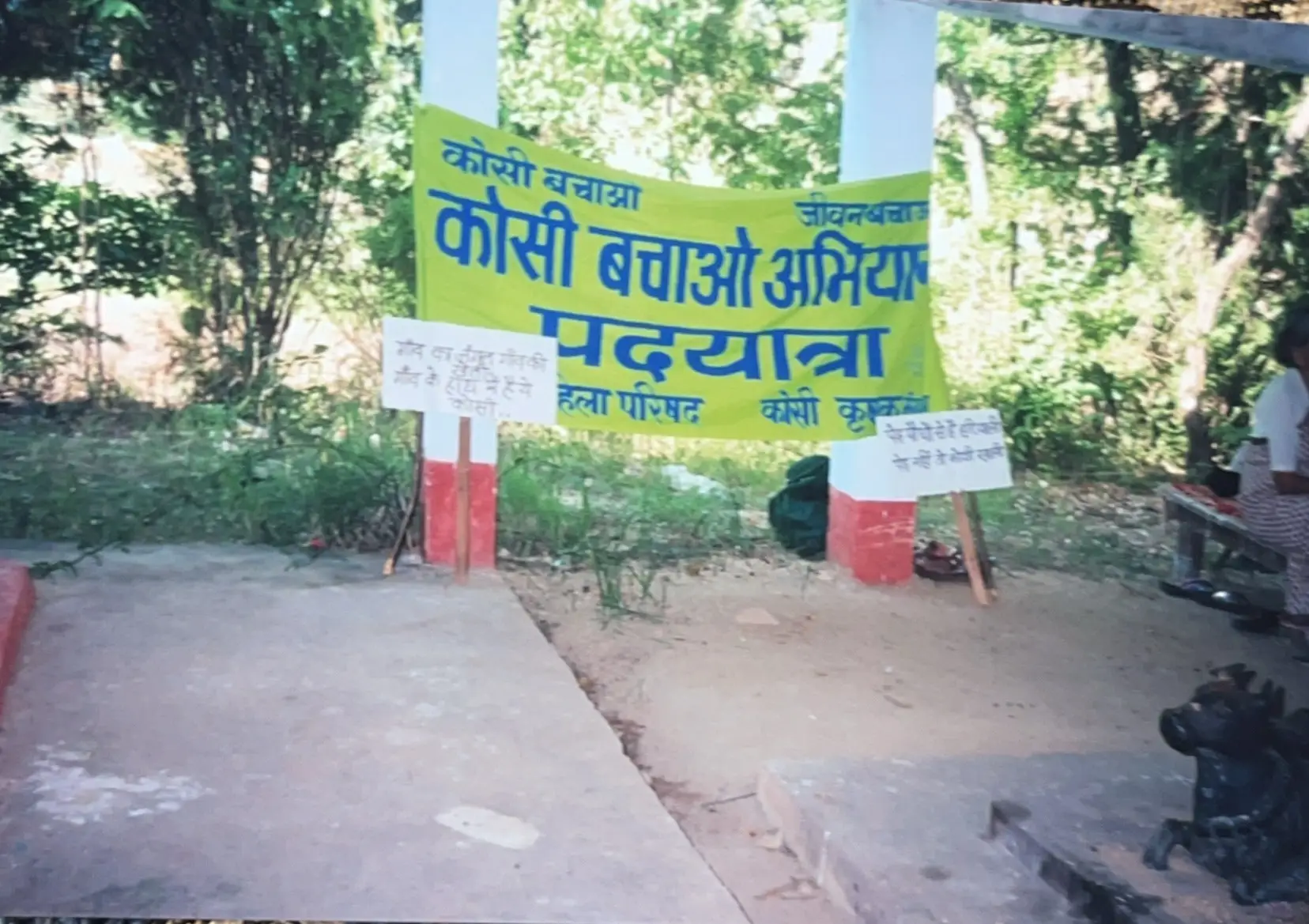
For over a decade and a half, Devi helped organise large awareness marches that brought together women, men, elders and people from the ashram, drawing more villages into the effort to protect forests and water. Wherever they went, she urged people to hold soil from the Kosi forests in their palms and take a pledge: “Until now you protected us, but from today we will protect you.”
The oath included a promise not to cut young, living trees—“not baanj, not buransh (Rhododendron), not kharsu (Quercus semecarpifolia).” If wood was needed for a wedding or to build a house, she told them, they would go together to the Forest Department and seek permission to cut only cheed (pine), never green oak or buransh, because these held the soil and water together.
“If women like Sarla Didi, Radha Didi, and Basanti Didi hadn’t done what they did, walking from village to village, talking to people, mobilising women, we wouldn’t have a reason or even the confidence to keep doing this work today,”
The day the oath was taken, Layshal’s women returned home carrying their sickles and ropes, promising never again to cut live wood. In time, the movement spread to more than 200 villages across the region.
In 2010, the Friends of Lakshmi Ashram–a Denmark-based organisation that provides guidance and financial support to the ashram–sent out an update that affirmed Devi’s ability to understand and organise people as well as win them over. Lone Poulsen, who took over the administration of the organisation in 1991, wrote that over six years, “Basanti Behn had been working tirelessly across the Kosi valley, from its source to Someshwar”.
Also read: How Jayshree Vencatesan got Chennai to finally care for its wetlands
A legacy that inspires future generations
At Lakshmi Ashram, 48-year-old Shobha Bisht, one of the women now carrying forward the legacy of the institution, reflects on the scale of what came before her. “If women like Sarla Didi, Radha Didi, and Basanti Didi hadn’t done what they did, walking from village to village, talking to people, mobilising women, we wouldn’t have a reason or even the confidence to keep doing this work today,” she says over the phone from Kausani.
For Bisht and other Ashram residents and leaders, these women are both mentors to look up to, as well as a North star to lead them in the right direction as they keep up the fight for forests and water, and women’s self-reliance. “Everything that we do today is defined by the work that has been done before. We persist because they did; we follow in their footsteps,” Bisht adds.
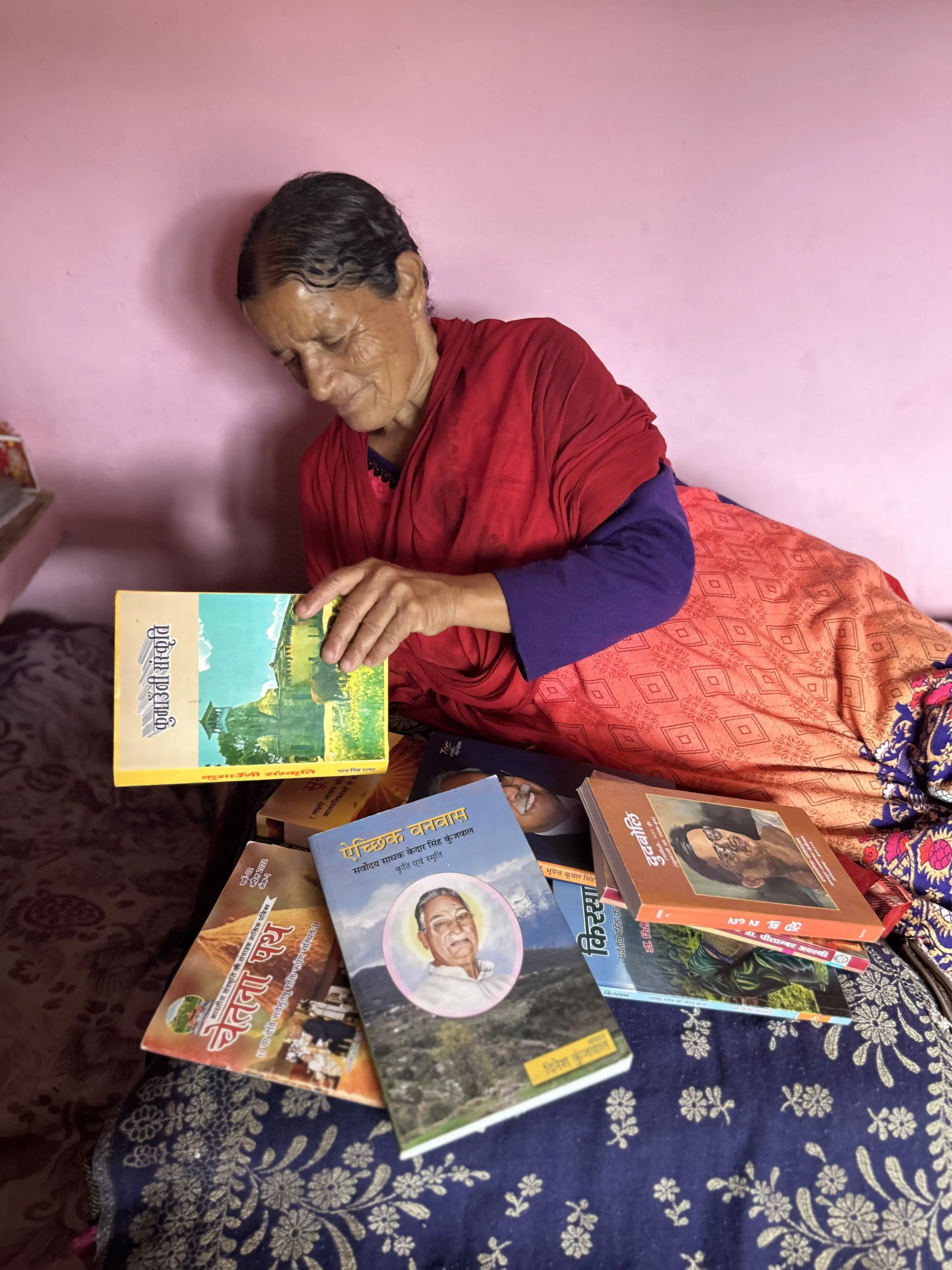
After six decades in activism, Devi returned to her home in Pithoragarh’s Aincholi in 2015 to care for her ailing mother. And though she would continue to go back to the Ashram occasionally, this marked the end of her active service. She takes out pictures from photo album sleeves with utmost care, going down memory lane and speaking of some of the people from the photographs with childlike excitement. “Maybe this is what I was meant to do. That’s why my life turned out the way it did,” she reflects.
Entirely self-aware of her advancing age, Devi laughs easily at her own fading memory. “I forget things these days,” she says, waving a hand as if to brush the thought away. But what she has built over the decades casts a long shadow and won’t be forgotten. Her organising effort, spread across hundreds of villages, rivers and forests, runs deep in the hills of Kumaon.
Edited by Neerja Deodhar and Anushka Mukherjee
Art by Jishnu Bandyopadhyay
All photographs by Priyanka Bhadani
{{quiz}}
.avif)

Explore other topics
References

Which trees did the women pledge never to cut again?