To Tamil Nadu’s fisherwomen, the Cauvery delivers catch and self-reliance
Hailing from the Sembadavar and Meenavar communities, these women have taught themselves how to ride coracle boats and fix nets—all while respecting the Cauvery’s might


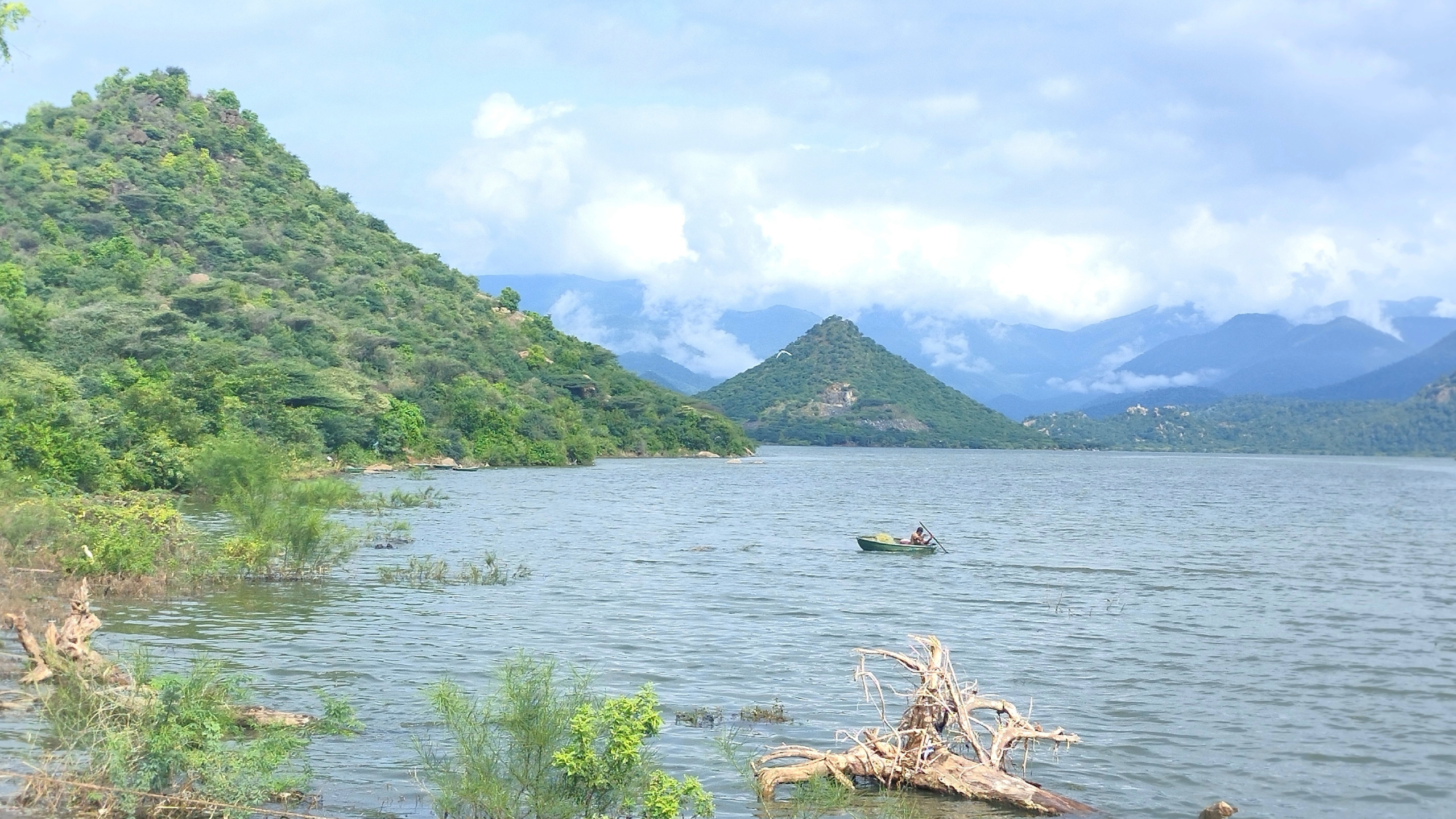
Long before dawn breaks in the villages of Tamil Nadu, a determined group of women begins its journey to the Cauvery. With fish crates tied to their scooters, they ride through narrow paths and dusty roads in the Dharmapuri district towards the river, which is more than a source of water or livelihood to them. Their very lives move to the rhythms of the Cauvery—a companion, guide and shaper of identity.
These resilient, hard-working women, from the Sembadavar and Meenavar communities, have set off in the early hours of the morning to fish. Their profession, linked to their caste, has given them a deep understanding of the Cauvery’s flow, season and moods. With hands shaped by decades of practice, the women—now in their 40s and 50s—cast their nets and wait; much of this work is driven by instinct, memory and respect for a river that has nurtured them for generations. Here, the learning happens by observing, as younger women accompany their elder female relatives to work, who pass down the more technical skills in an informal, everyday manner. Their methods remain traditional, resembling their ancestors, and the main change in their functioning is institutional rather than technological: many fishers are now part of cooperative societies, making them eligible for government support and subsidies.
Much of this work is driven by instinct, memory and respect for a river that has nurtured them for generations.
Also read: What the past, present and future of agriculture owes to women
The realities of fishing by the Cauvery
In the river’s middle stretch (the Dharmapuri and Krishnagiri districts), they find catfish, particularly butter catfish (Ompok bimaculatus). Further downstream (the Erode and Salem districts), the catch largely comprises species introduced into this riverine ecosystem, with the Nile tilapia (Oreochromis niloticus) being the most common, followed by the Olive barb (Systomus sarana) and the Mozambique tilapia (Oreochromis mossambicus). Aside from the monsoon, which represents a lean season to the fishing communities, these species are available year-round, with daily catch rates fluctuating seasonally.
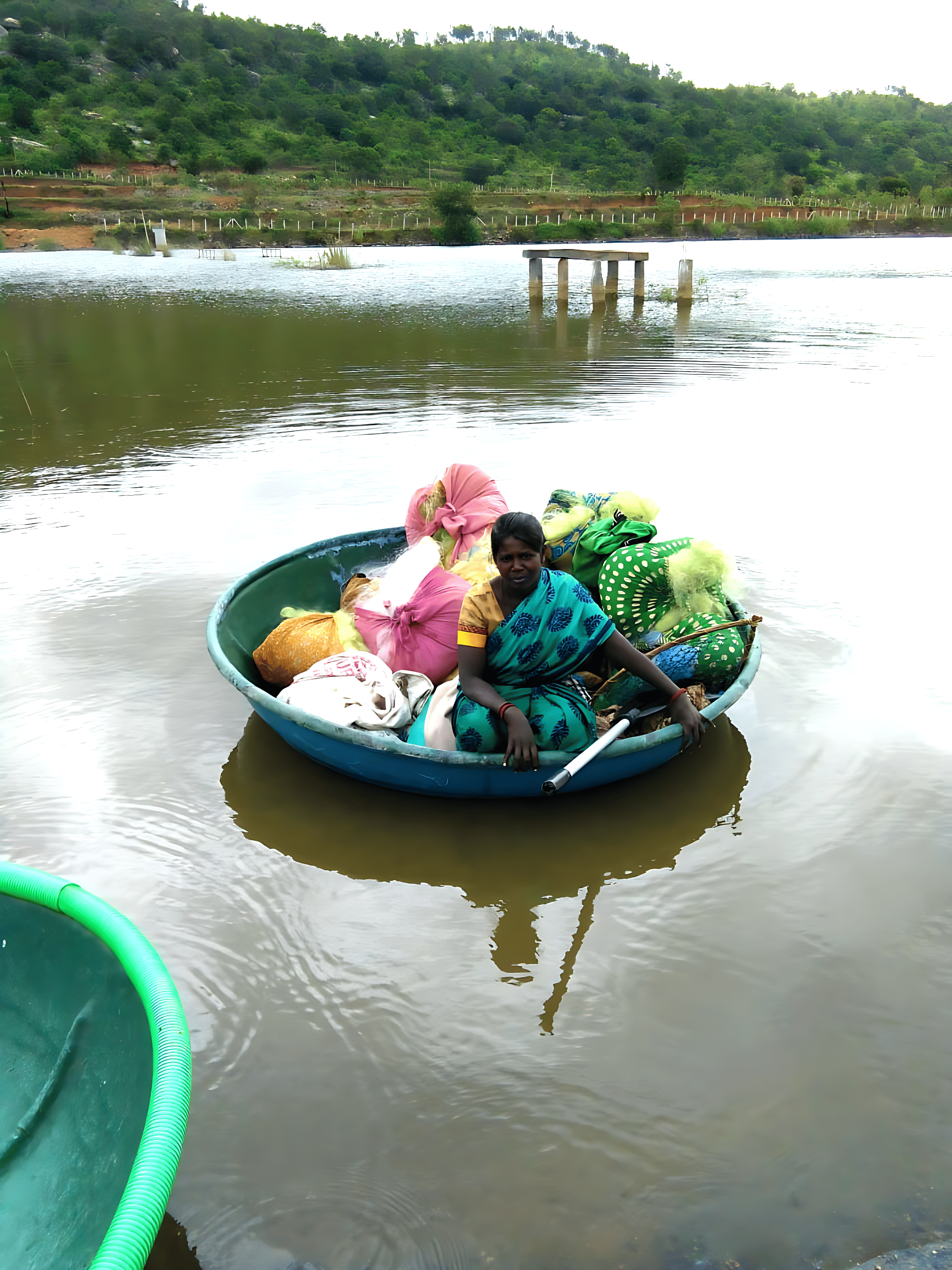
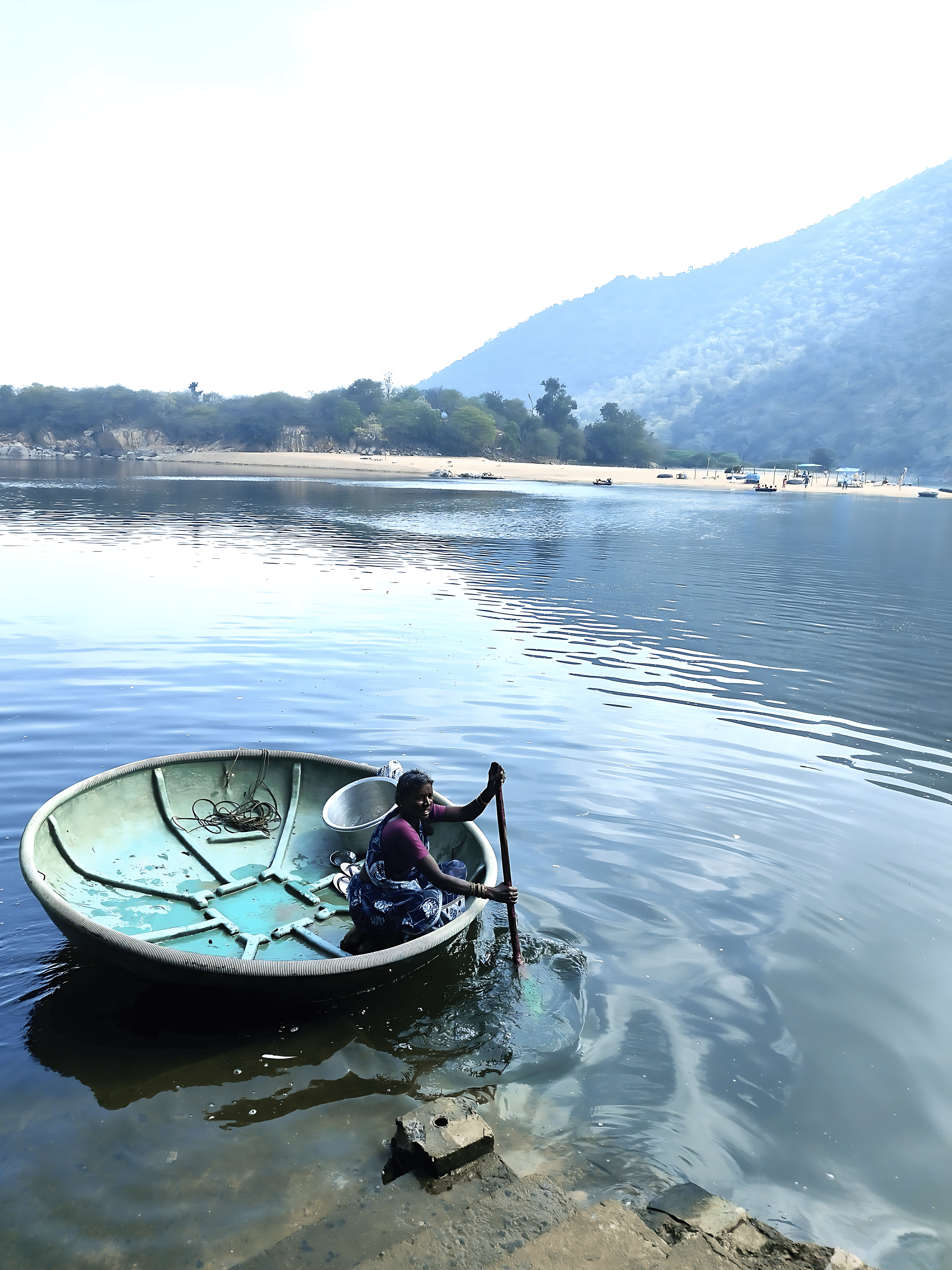
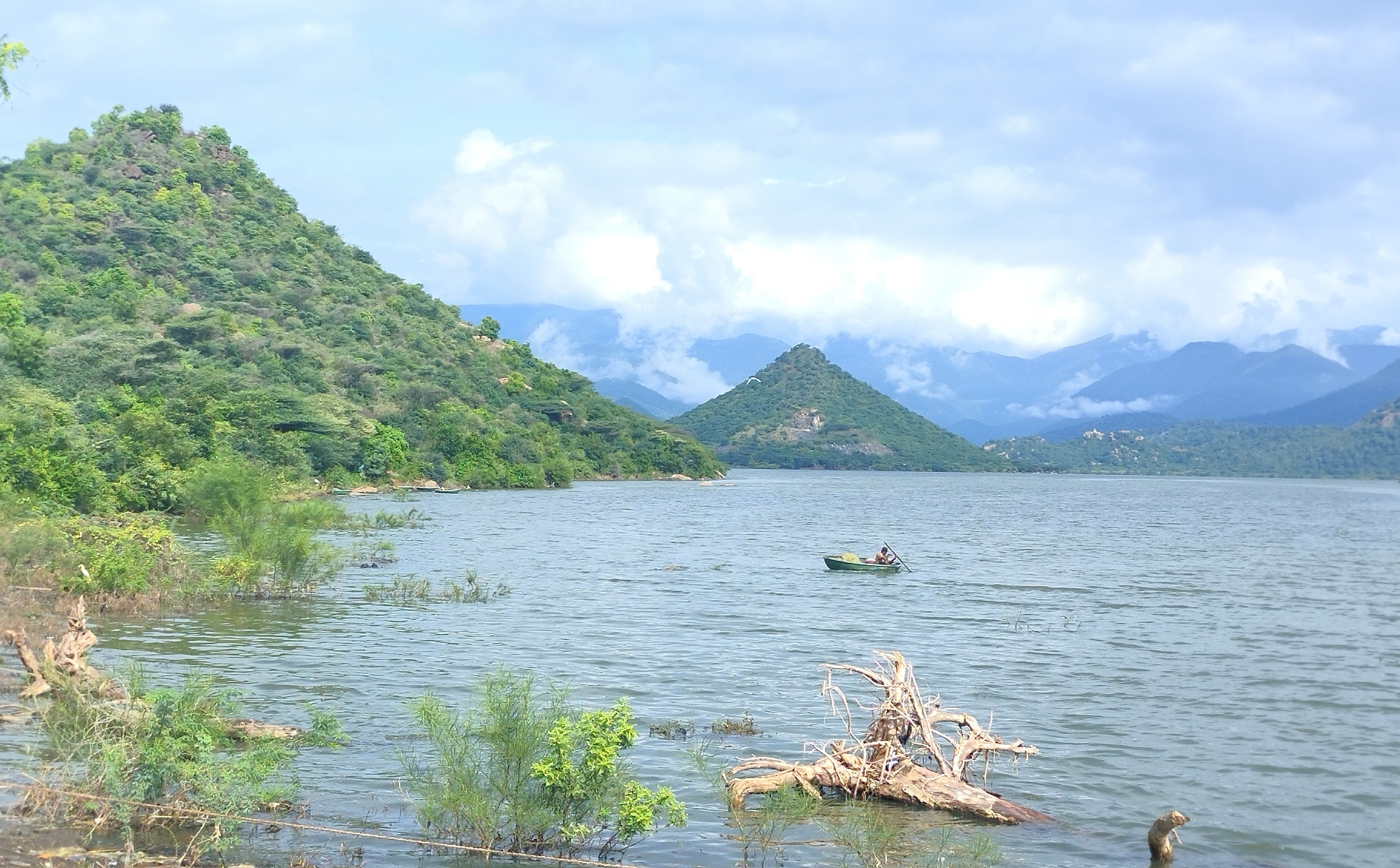
At the riverbank, some women step into round, hand-crafted boats called coracles and glide into the calm waters, often just as the first light touches the hills. In the past, these boats were made from wood and other natural materials. Modern fisherfolk use FRP (fibre-reinforced plastic) coracles, which they purchase with their own funds, or obtain through government subsidy schemes. These modern versions of the traditional round boats are more durable, lightweight, and easier to maintain, while staying true to the purpose of the older wooden design.
At the riverbank, some women step into round, hand-crafted boats called coracles and glide into the calm waters, often just as the first light touches the hills.
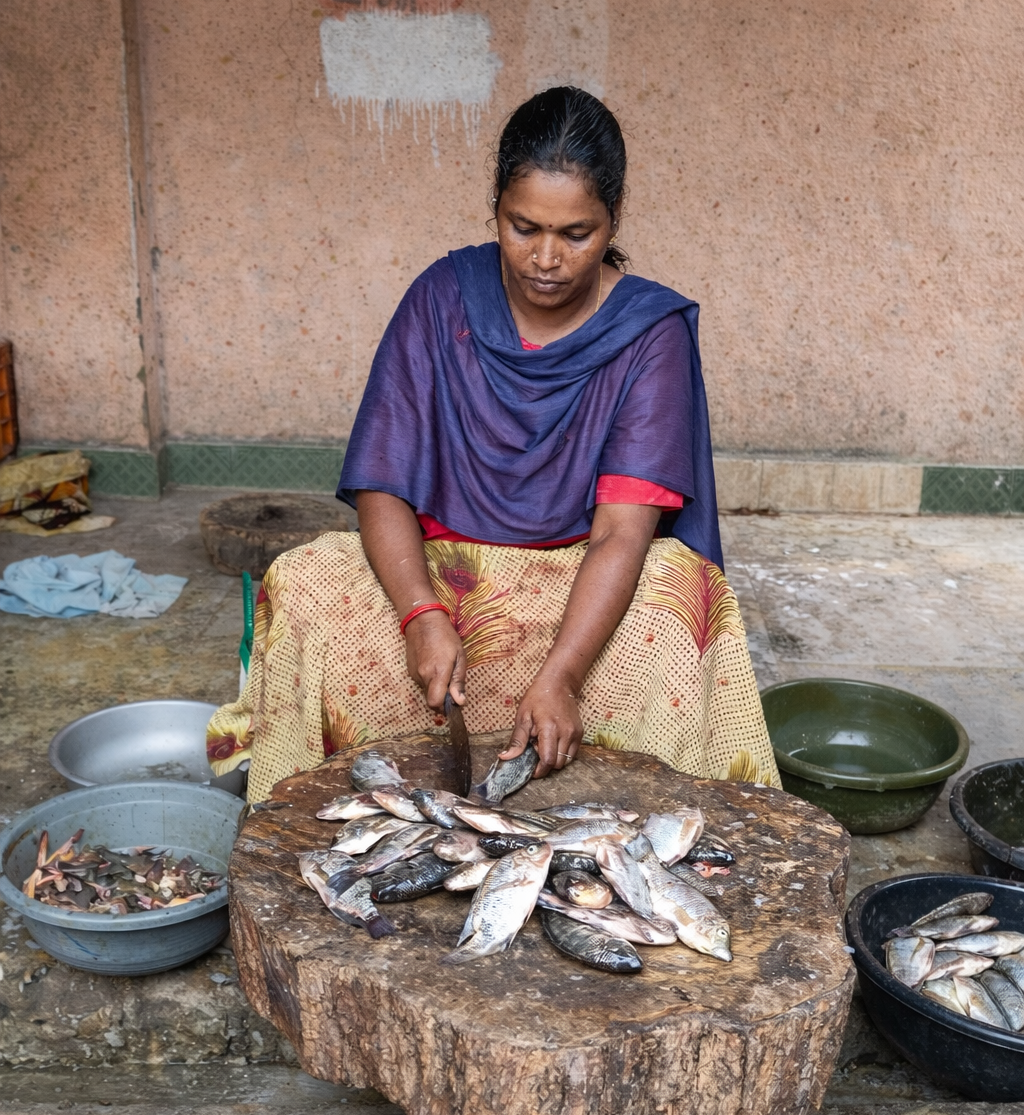
The day does not end at the riverbank; after fishing, they travel to the local market where each woman sorts, scales and slices fish with expert precision against the backdrop of tiled stalls. Here, the fisherwomen transform into processor-vendors. One of them watches over tubs filled with live fish, ensuring they stay fresh for customers. Another, sharpening her knife, works swiftly and efficiently, preparing the day’s catch.
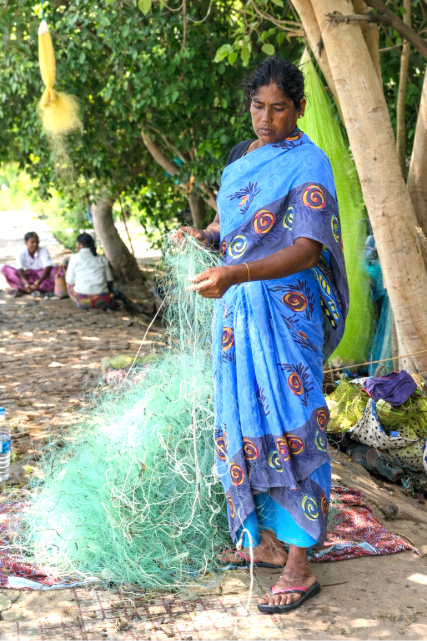
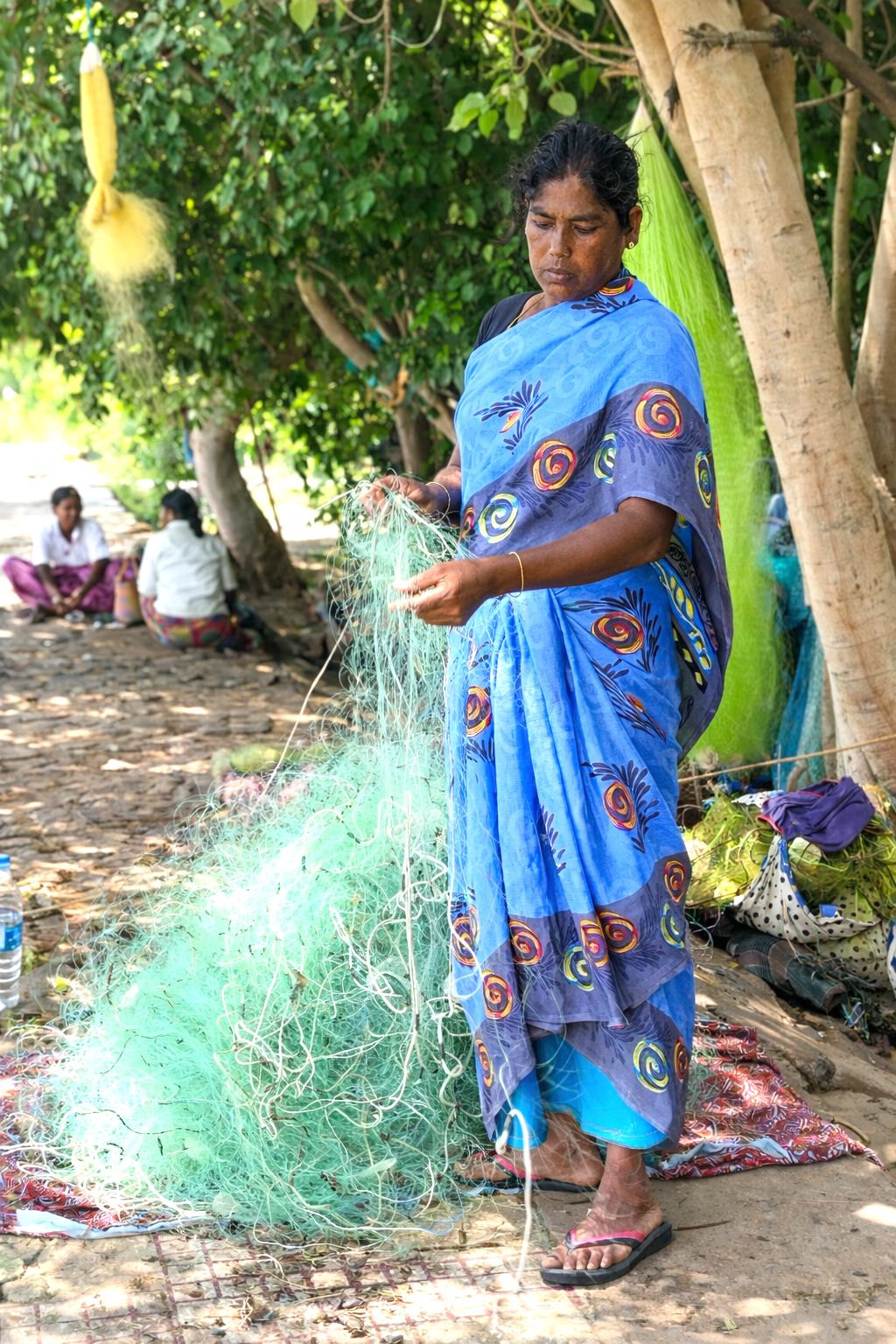
Even as men from their communities participate in fishing, the women have mastered net mending, another skill passed down from mother to daughter. Under the shade of trees, they can often be found sitting together, repairing fishing nets by hand. This is delicate, careful work that requires patience; each knot they tie is customised for effectiveness amid the river’s depth and current.
Also read: How a remote Ladakh village, home to 17 women, embraced polyhouse farming
A fast-changing ecosystem
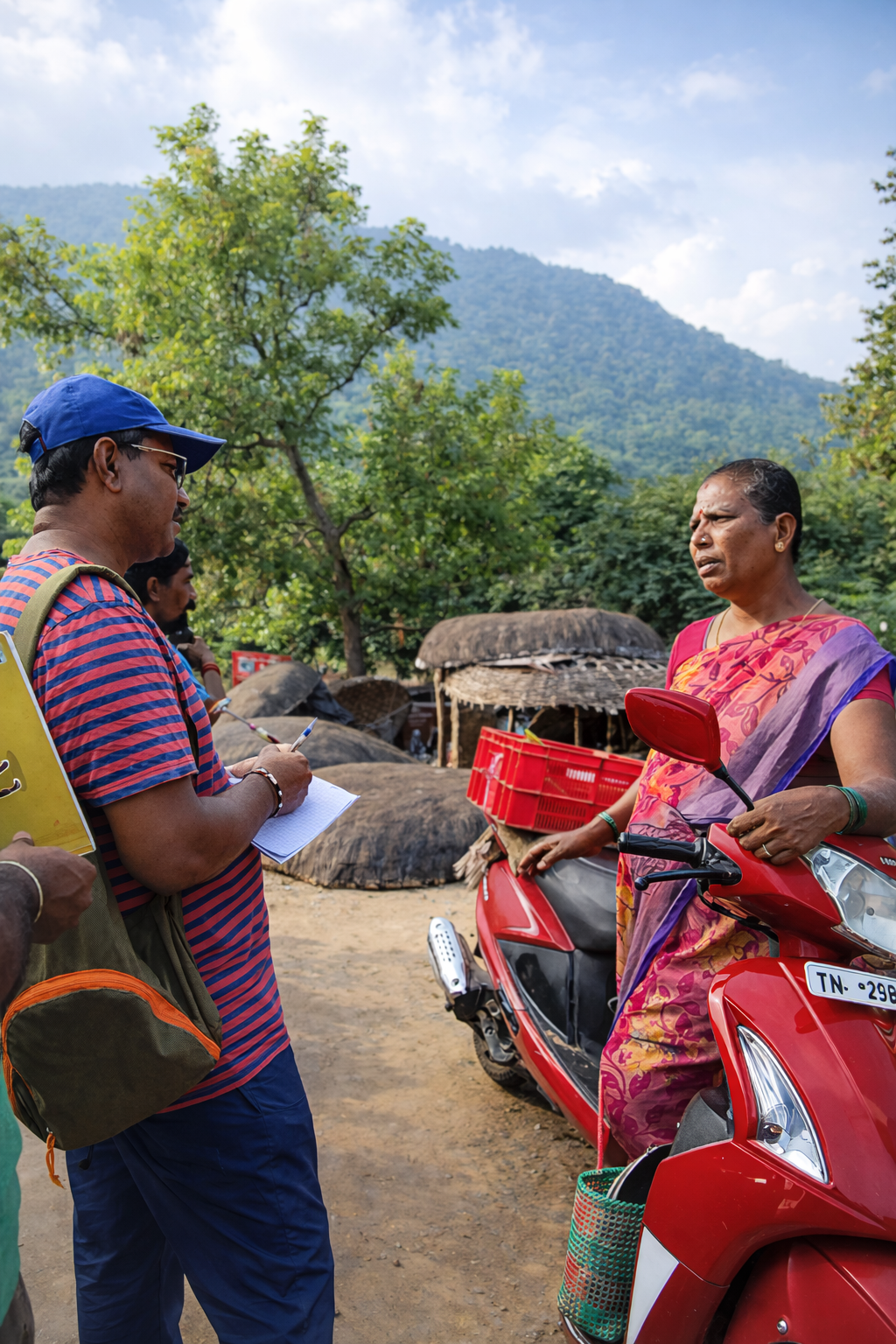
Over the past decade, learning to drive scooters has given them a greater degree of autonomy and mobility in a space typically governed by men. This translates into the confidence they feel about their labour, which is often held back by a lack of financial support, fair prices and recognition. They continue to persist, forming self-help groups, taking part in local cooperatives, and finding ways to speak up and support each other. Many offer coracle boat rides to tourists at nearby waterfalls—a stream of regular work, even when catch rates are low. Another avenue to amplify earnings is by cooking the fresh catch into meals with local spices and traditional recipes for travellers, in makeshift stalls or near their homes by the riverside.
The bigger hurdle before them is climate change, which has altered fishing patterns, rendering them unpredictable. The overall catch has declined, especially for native high-value species, leading to reduced earnings for fishers. Changes in rainfall patterns, including unseasonal and intense rains, disrupt fishing schedules by creating unsafe river conditions, while prolonged low-water periods limit boat movement. As a result, the number of effective fishing days has decreased, making the livelihood more uncertain and vulnerable.
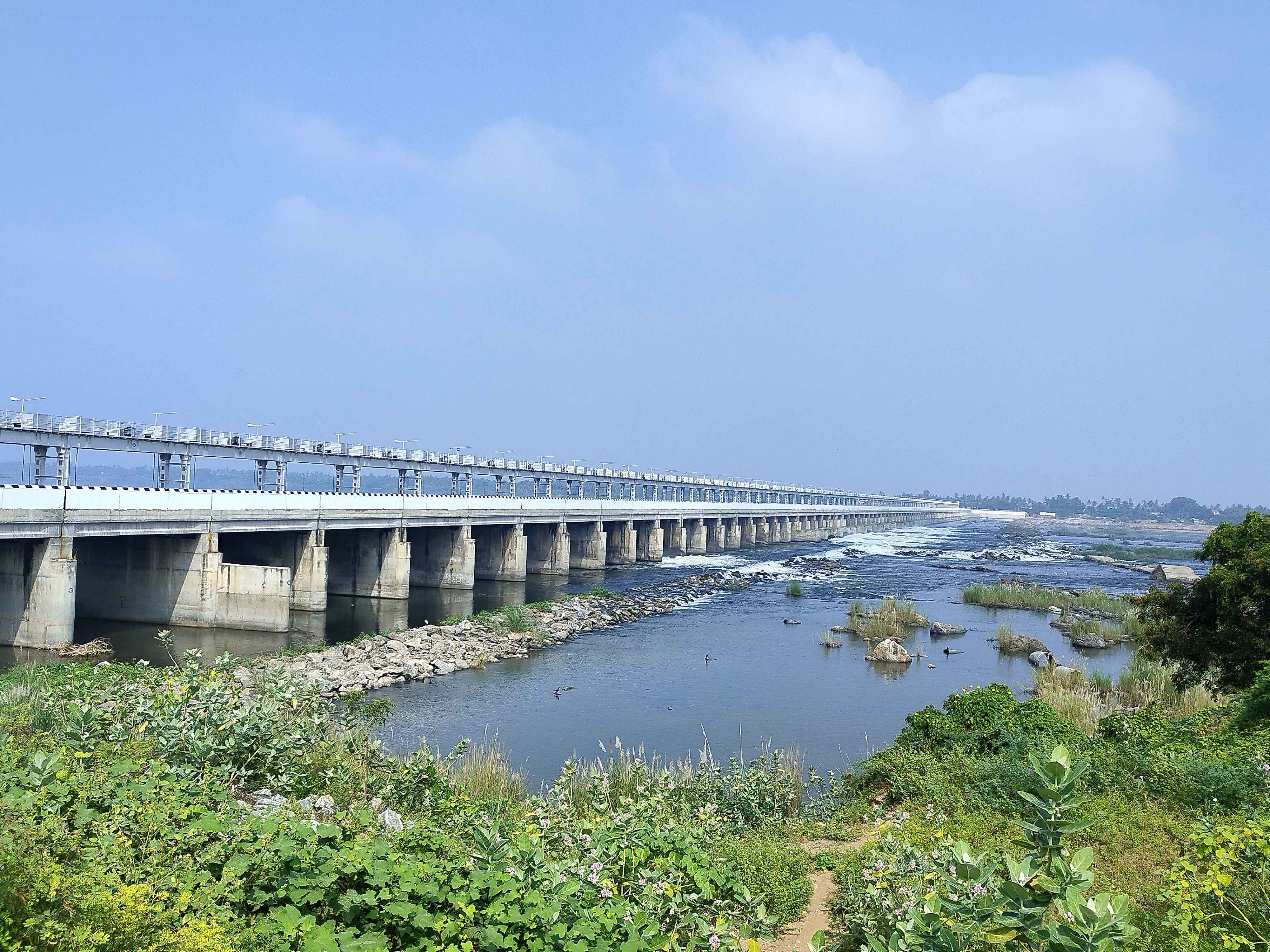
The Cauvery has a long history of dam construction spanning nearly a thousand years. To date, about 97 dams have been built along the river. As a result of extensive upstream regulation, water availability has steadily declined over time. The lower stretches of the river are the first to be affected, where the fishing operations are closed. Reduced river flow has consequences for both fisheries and livelihoods: lower water levels alter fish habitat and migration patterns, which affect the composition and availability of fish species. Indigenous (native) riverine species decline under such conditions, while hardy exotic species, which can tolerate low-flow and disturbed environments, tend to increase.
The bigger hurdle before them is climate change, which has altered fishing patterns, rendering them unpredictable.
Also read: For Assam's Mising community, this fish paste represents tradition, food security
Community leaders in riverine life
Against this backdrop, the fisherwomen of the Cauvery are forced to adapt and persevere. They’re adjusting their fishing practices by changing their fishing zones, targeting whatever species are available and using more durable boats and nets that can handle changing conditions.
To label them as labourers would be to underestimate them; they are keepers of a fragile ecosystem and the guardians of its future. Their work is inseparable from the ebb and flow of the Cauvery: every fish caught, every basket mended, every tide studied is an act of resilience. As we look towards a future shaped by sustainability and social justice, these women deserve to be seen not just as background figures in a fishing economy, but as central leaders in riverine life in rural Tamil Nadu.
Authors: Anjana Ekka, V. L. Ramya, Sangeetha M. Nair, Roshith C.M., Vijay Kumar, S.K. Manna
Acknowledgement: This compilation of photographs and field observations was documented by the research team as part of the institute project funded by the Indian Council of Agricultural Research (ICAR).
{{quiz}}

.avif)
Explore other topics
References