In this Tamil Nadu village, the palmyra has inspired a homecoming
In their fight against stigma and state apathy, a community of palm climbers is finding new relevance in an old profession—climbing trees


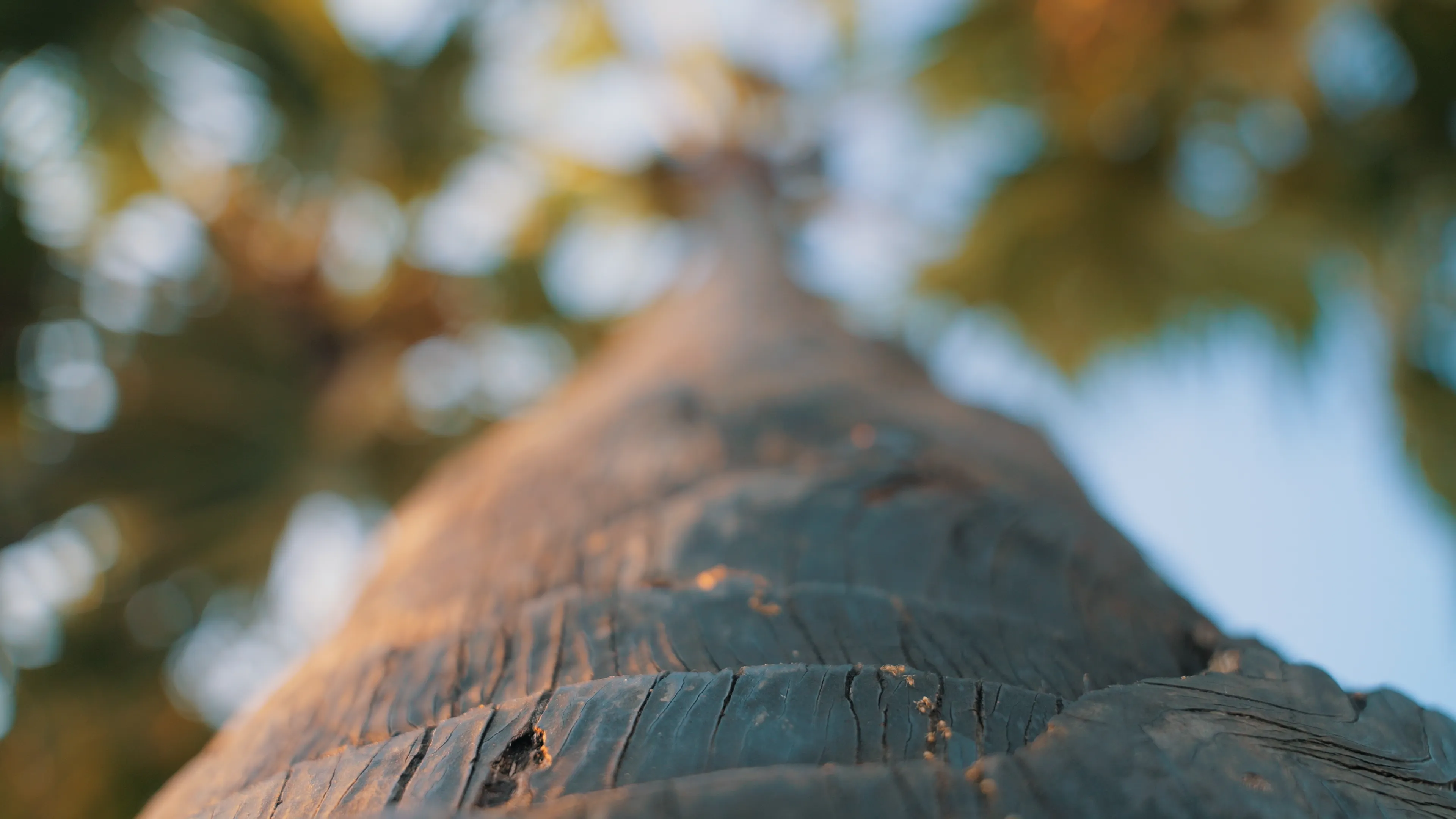
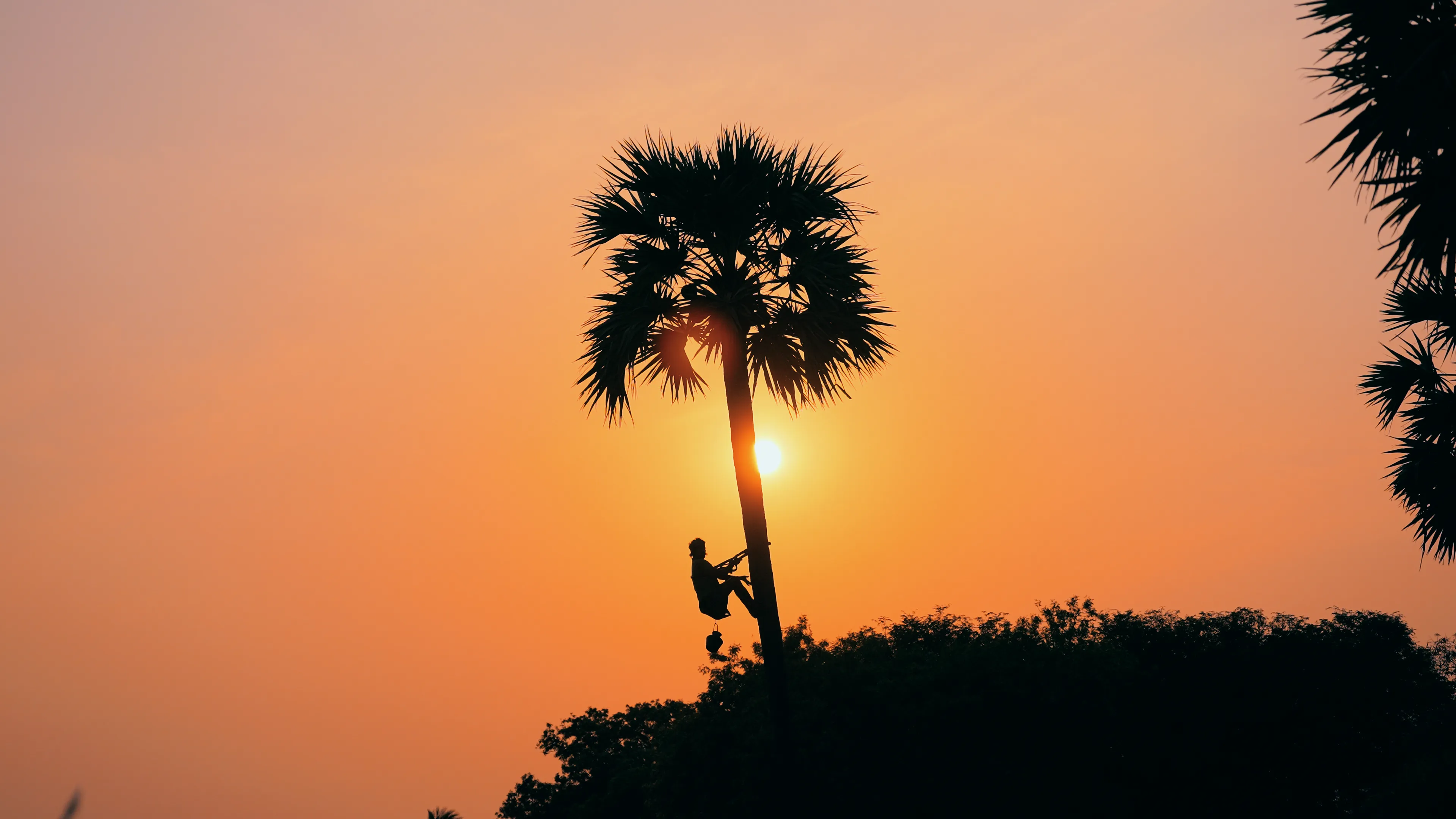
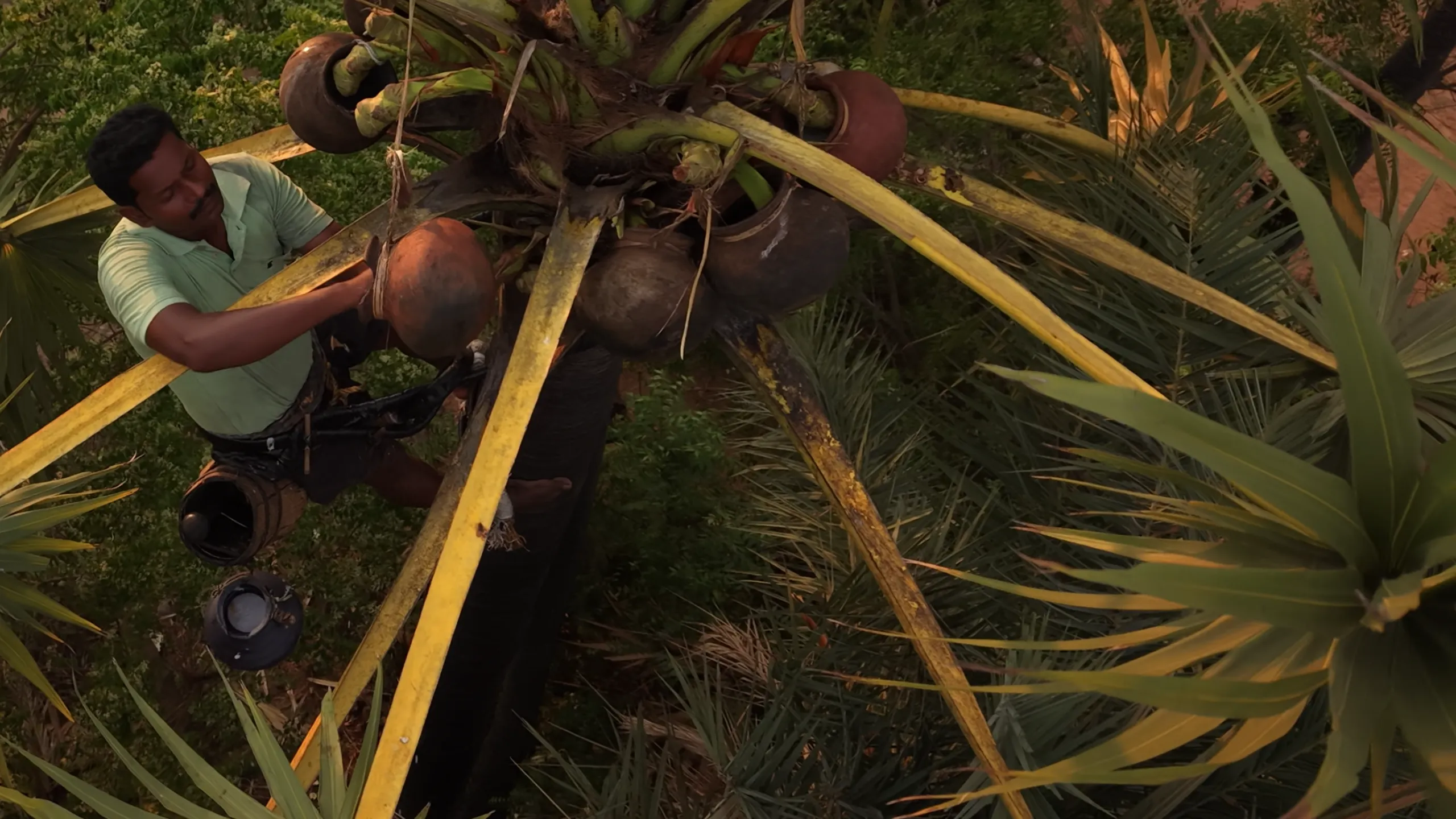
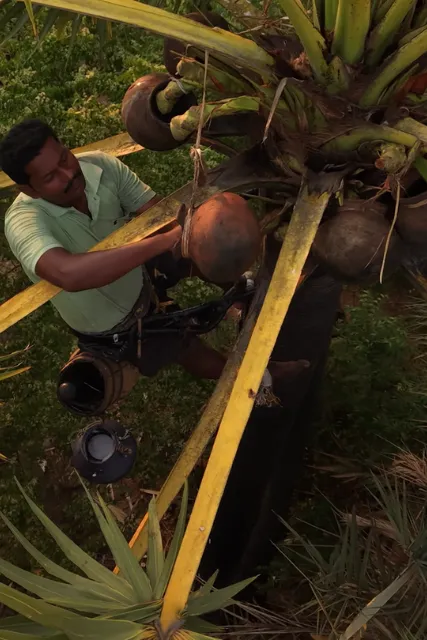
Pandian D. stood barefoot at the base of a towering palmyra tree, its trunk rising like a pillar into the bright, sunny sky. He carefully tightened a rope loop around his ankles and began climbing the tree, moving upward in a quick, practised rhythm. Within moments, the 42-year-old had scaled to the top and balanced himself among its branches. As he emptied freshly tapped padhaneer (sweet palm sap) into a plastic pot tied to his waist, the light of the morning sun unfurled across the fields of Poorikudisai village in northern Tamil Nadu.
It almost seems unbelievable that until a few years ago, Pandian worked as a laboratory technician at a private hospital in Viluppuram, and had never climbed a palm tree in his life.
His parents had witnessed the physical toll it took on previous generations and wanted a different future for their son.
Across much of rural Tamil Nadu, traditional palm-based work, including climbing trees, tapping toddy, collecting sap, making palm jaggery and selling ice apples, came to be associated with poverty, physical hardship and social stigma. Although the palmyra was declared the state tree in 1988, the livelihoods associated with it have been steadily pushed to the margins, especially after toddy tapping was banned under the Tamil Nadu Prohibition Act, 1937. Harassment at the hands of the police, on mere suspicion, became common, and many climbers abandoned the occupation entirely, migrating to cities in search of work.
But in Poorikudisai, something unexpected has unfolded since 2021. Against the tide of migration, palm climbers have begun returning home to take up work that had long been abandoned by the youth. At the centre of this transformation is Pandian himself, whose journey from lab technician to palm climber mirrors the village’s renewed embrace of the palmyra.
A homecoming to tradition
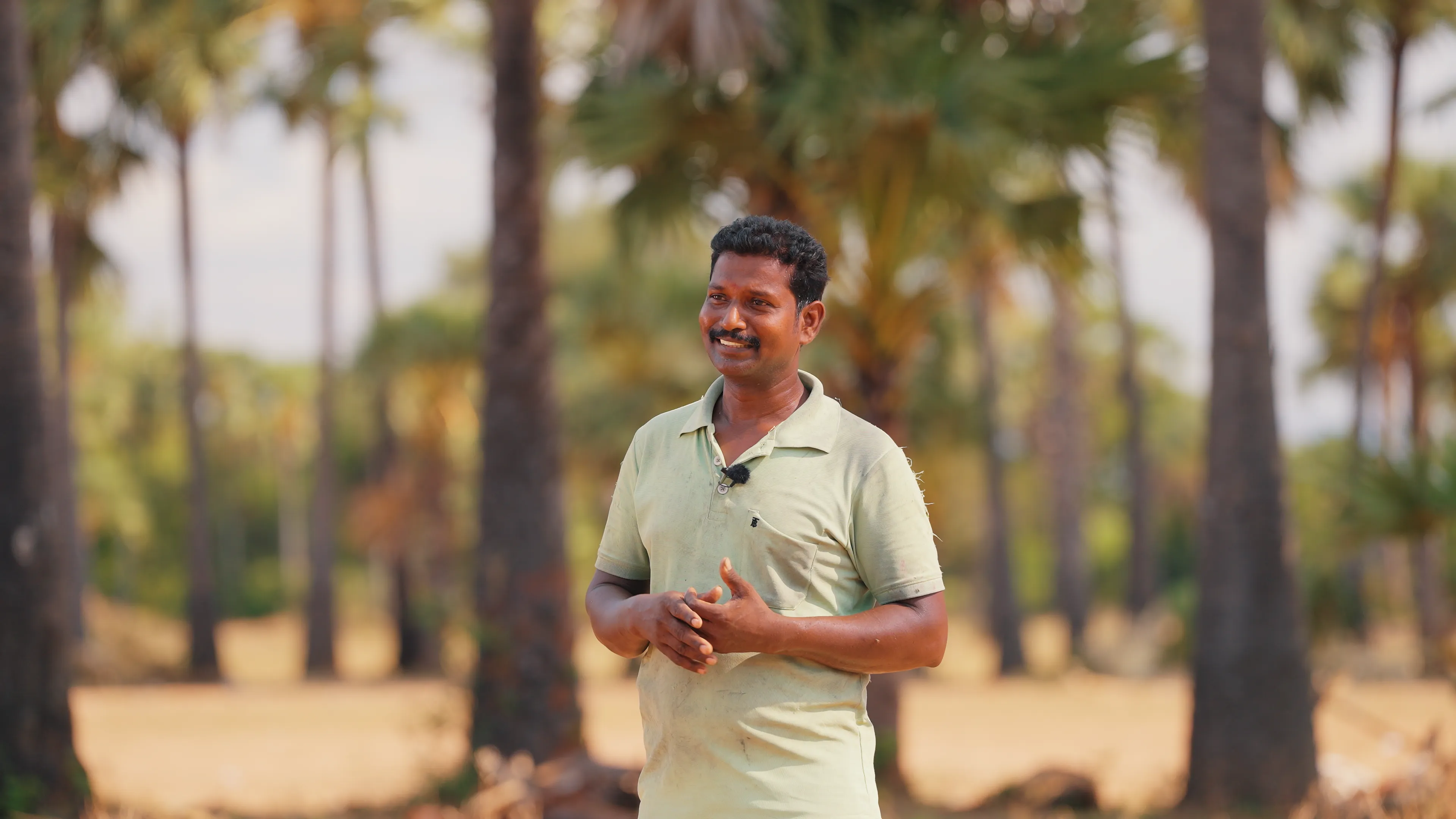
Pandian was born into a family of palm climbers, yet he grew up deliberately shielded from the work his relatives and ancestors had undertaken. His parents had witnessed the physical toll it took on previous generations and wanted a different future for their son. Like many rural families, they believed that education offered the only route out of hardship.
Despite leaving his village behind for better career prospects, he remained deeply drawn to agriculture. As a child, he had watched his maternal grandfather cultivate paddy and oilseeds, and the memories of those fields stayed with him.
It almost seems unbelievable that until a few years ago, Pandian worked as a laboratory technician at a private hospital in Viluppuram, and had never climbed a palm tree in his life.
After marrying his wife Manimegalai in 2004, Pandian returned to Poorikudisai to begin farming full-time—against his parents’ wishes. Initially, he practised conventional chemical-based farming, following methods common across the state at the time. But his approach changed gradually after he encountered the writings of the late agricultural scientist G. Nammalvar, one of the pioneers of organic farming in Tamil Nadu.
Pandian later trained under both Nammalvar and natural farming expert Subhash Palekar, slowly transitioning towards organic methods, growing paddy, vegetables and oil seeds—just like his thatha.
Also read: This farmer builds his own tools—and upskills others, too
Finding hope in palm trees
Farming sustained Pandian’s family for several years, until disaster struck: in 2016, severe floods were followed by a period of intense drought. Crops failed, wells dried up, and debts mounted rapidly. “We reached a point where we thought we may have to sell our land just to survive,” Pandian says.
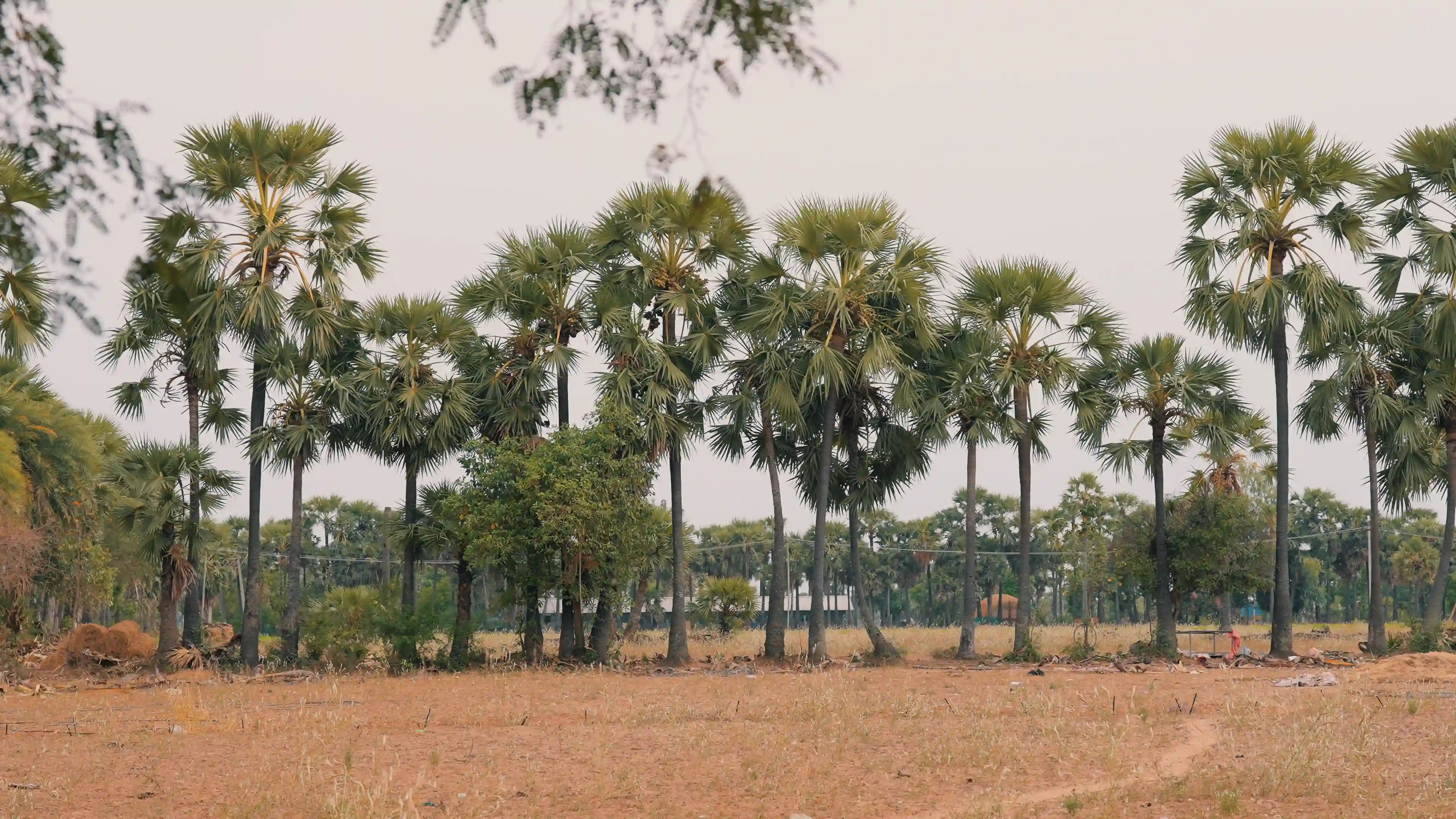
That is when the palm trees on his land, standing tall and green, caught his eye in a renewed light. When everything had dried and withered, these palms symbolised hope for Pandian.
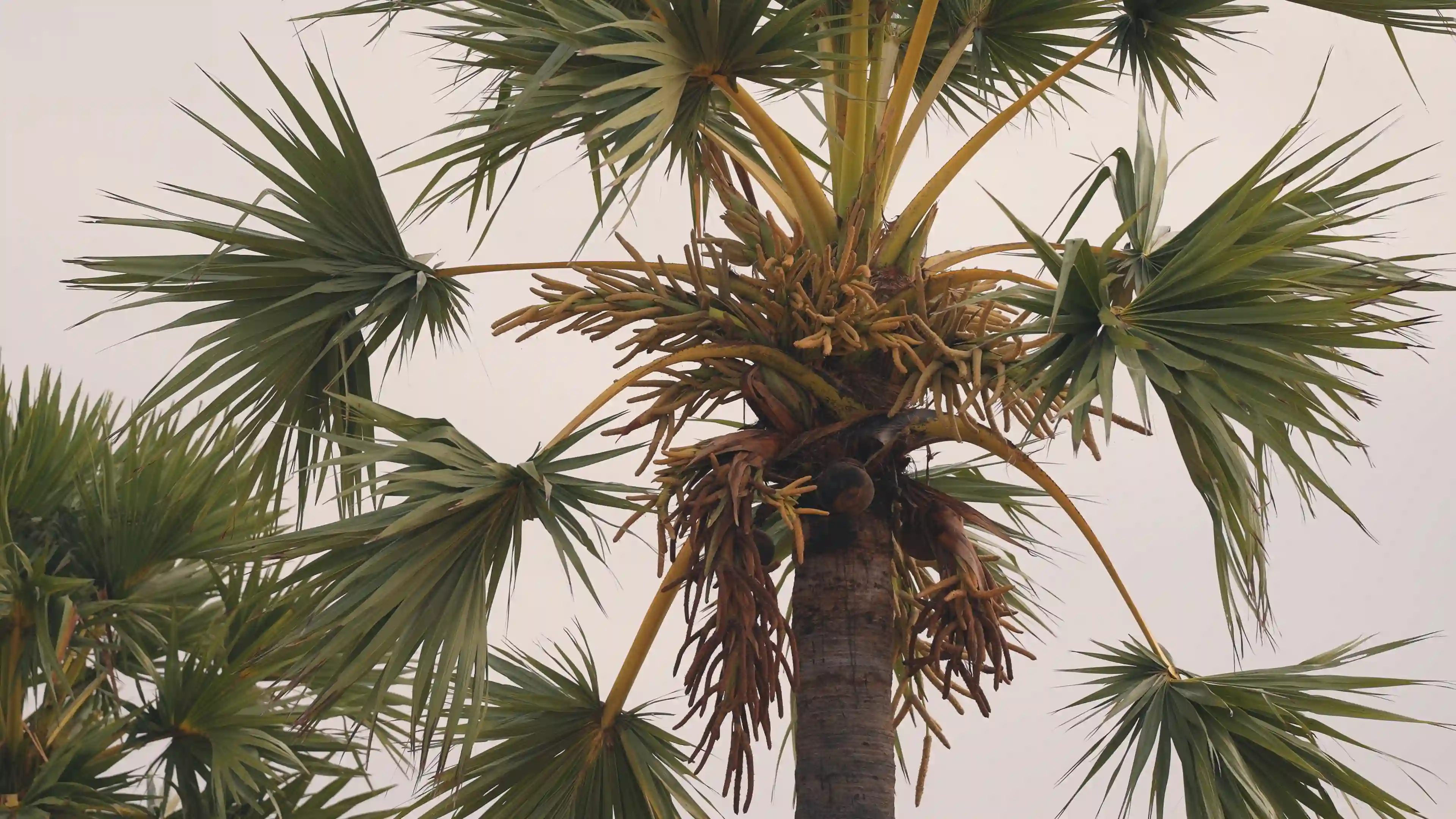
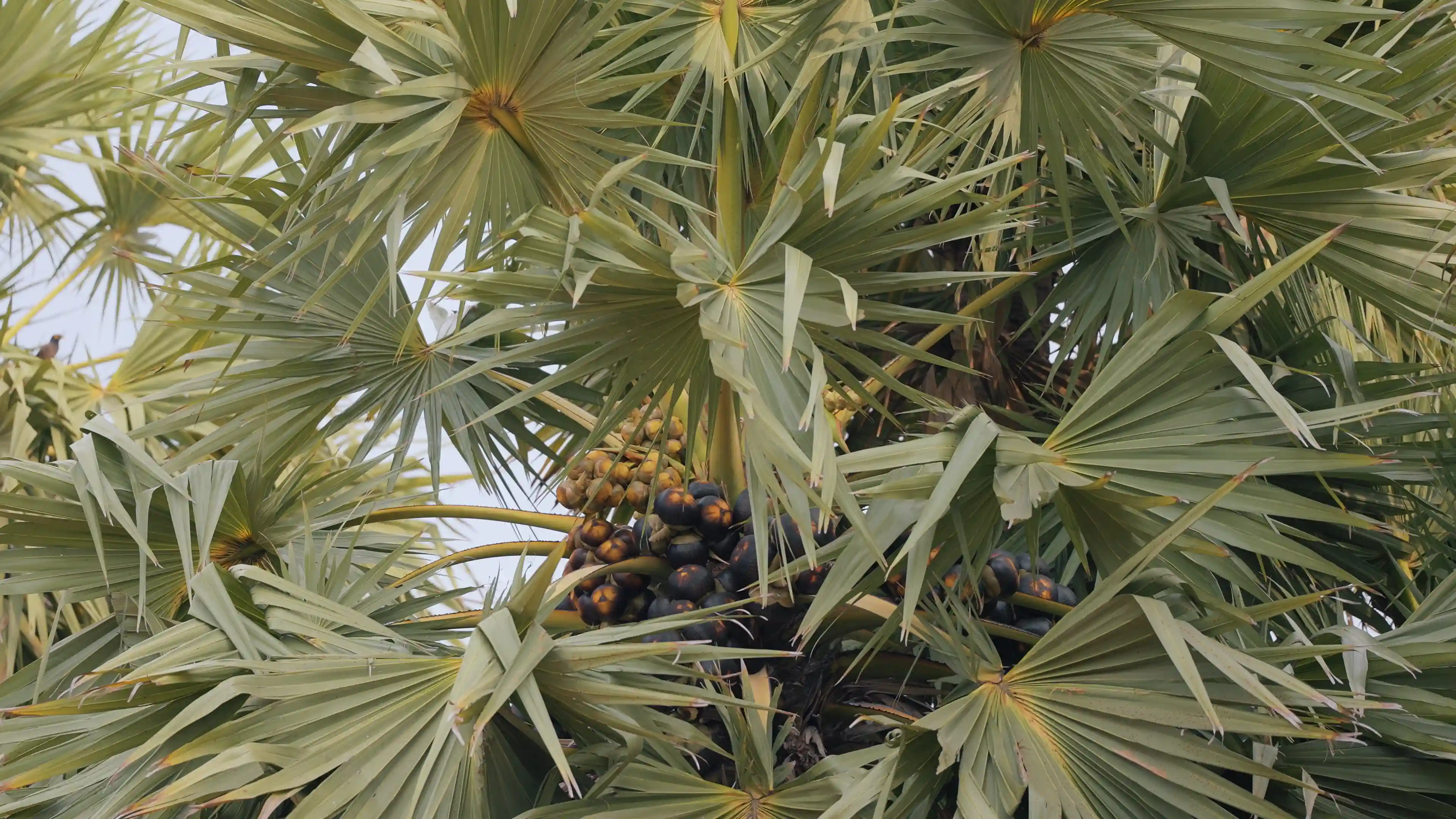
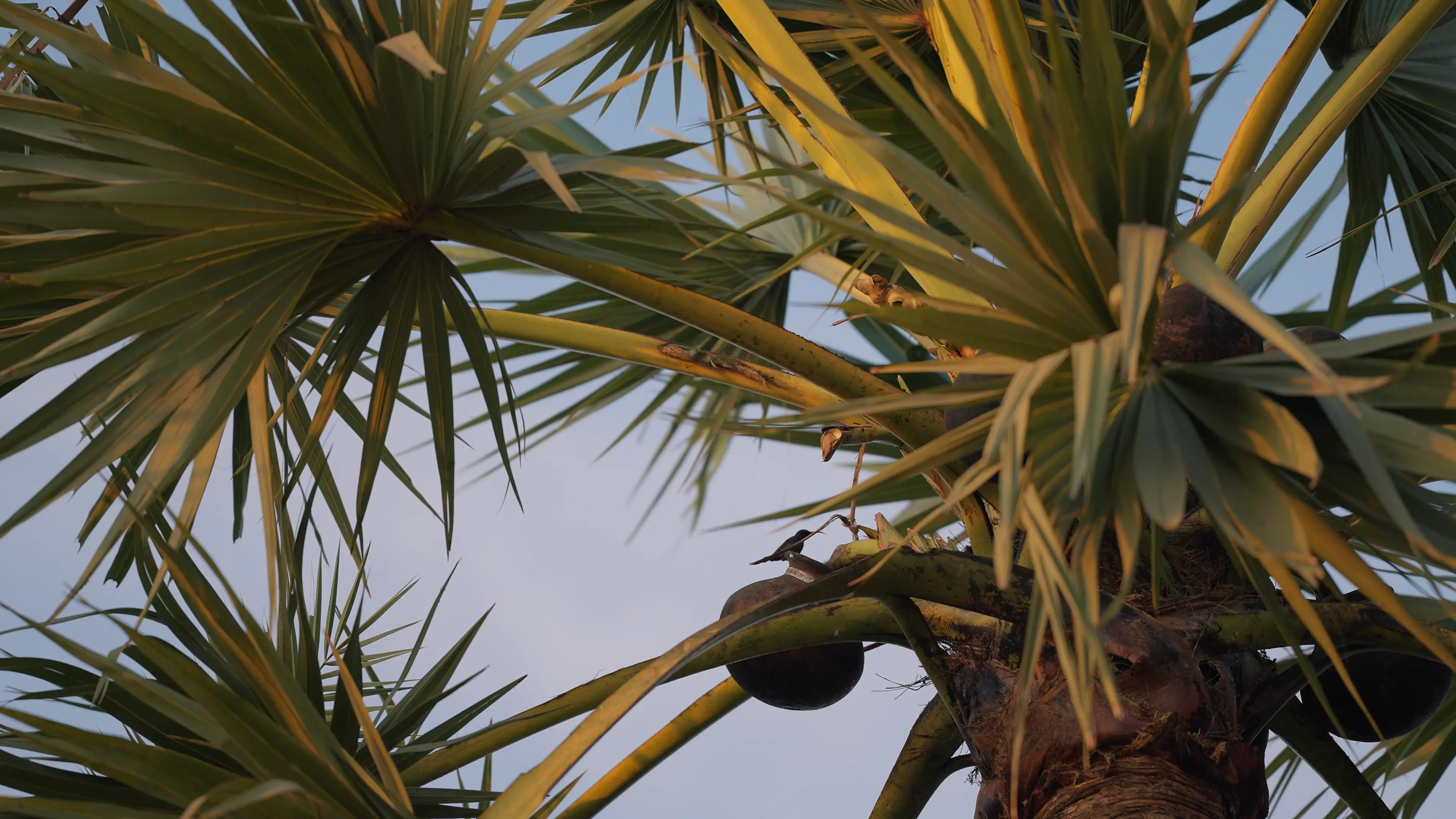
The palmyra palm (Borassus flabellifer) is uniquely suited to Tamil Nadu’s harsh climate. Deep-rooted and remarkably hardy, it can survive long dry spells with little human intervention. Between January and June, the peak harvesting season, climbers tap kallu (toddy), collect padhaneer, and harvest ice apples from the fruiting trees.
Despite having grown up around this knowledge and watching it in action, Pandian realised he knew nearly nothing about the practical skills required to earn a livelihood from palms.
{{marquee}}
Baby steps at age 38
At first, he survived by fashioning small toys and whistles from palm leaves, which he sourced with the help of seasoned climbers. He sold these toys in Chennai’s organic markets, and the income was modest but enough to sustain the family through the drought.
He knew he could not continue indefinitely without learning to climb. By then, he was already 38. “I was embarrassed to ask someone to teach me to climb a tree at that age. So I just prayed to my ancestors and tried it,” he recalls. To his surprise, he did not need any help. “It felt as if my ancestors were guiding me every step of the way. Yet, it was also a physically exhausting process,” he says.
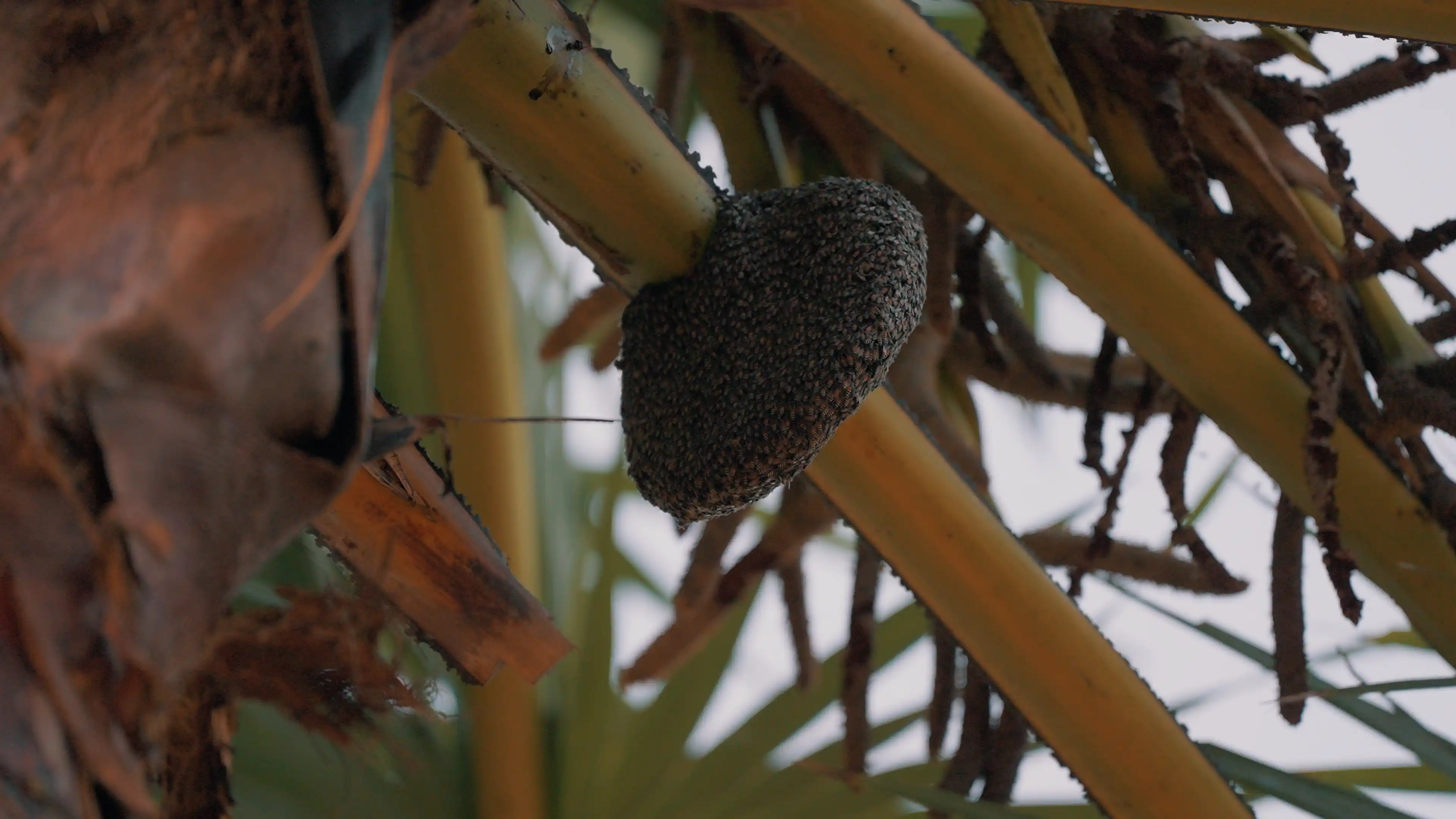
Palm climbing demands extraordinary endurance. The work places immense strain on the legs, back and hands. Isravel A., another climber from the village, explains the routine. To tap padhaneer or kallu, they will have to climb each tree thrice a day—during the morning, noon and evening. “I climb 60 trees daily. This work can be done only if we are mentally and physically fit. Without an afternoon nap, I cannot climb again in the evening.”
Palm climbing demands extraordinary endurance.
The risks are constant. Climbers frequently suffer cuts while slicing into the flower stalks to collect sap. More serious injuries, including severed nerves and falls from trees, can leave workers permanently disabled. Since most families depend on a single climber as the primary breadwinner, accidents often push entire households into crises.
The politics of toddy, and survival
Over time, Pandian began questioning why climbers received so little institutional support. Far from welfare schemes and insurance protections, there wasn’t even official recognition for their labour. He became increasingly aware of the politics surrounding toddy and palm products in Tamil Nadu. (In the past, the profession was associated with marginalised communities and backward castes.)
The distinction between kallu and padhaneer is deceptively simple. Freshly collected palm sap is innately sweet. If stored in plain clay pots, naturally occurring microbes ferment the liquid into kallu, a mildly alcoholic drink. When collected in pots lined with lime, fermentation is prevented, and the padhaneer remains unchanged.
Yet under the Tamil Nadu Prohibition Act of 1937, kallu was classified as liquor and banned. “In our village, the police would sometimes arrest people even for collecting padhaneer,” Pandian says. Fear and harassment drove many families away from the occupation altogether. Of the nearly 300 palm-climbing families once living in Poorikudisai, more than half eventually migrated elsewhere for work.
Rather than give up, Pandian decided to organise.
Also read: On Tamil Nadu’s coast, a living seed bank conserves 2000+ rice varieties
Building a movement from the ground up
In an effort to understand the wider struggles faced by climbers across Tamil Nadu, he embarked on a 4,000-km cycle journey across the state in 2021, meeting palm workers from different regions and documenting their experiences. The trip ultimately led to the formation of the Tamil Nadu Panaiyerigal Padhukappu Iyakkam (The Tamil Nadu Palm Climbers Protection Movement).
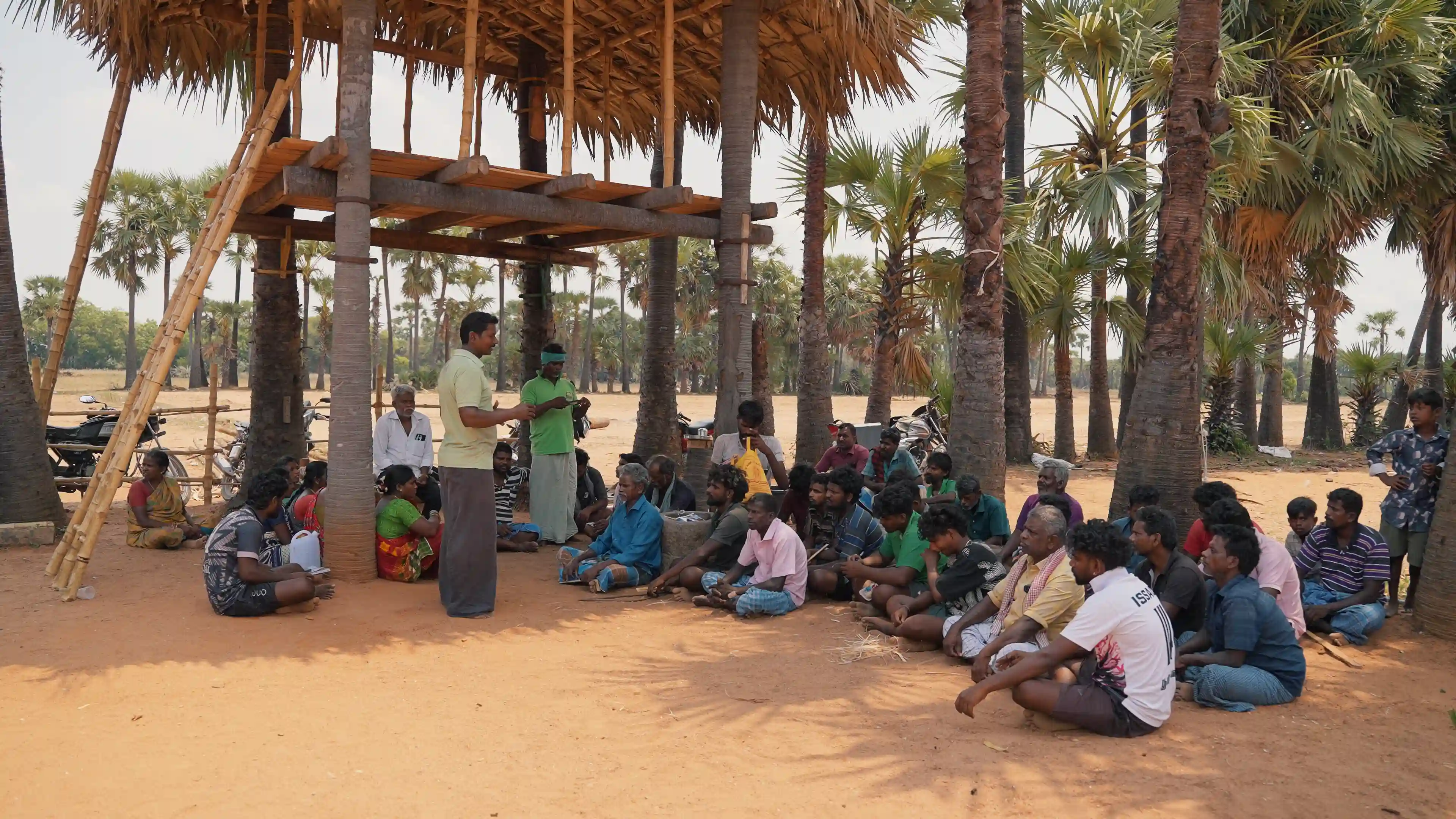
Members meet every Saturday to discuss challenges, address legal cases and make collective decisions. The movement’s strict regulations prohibit adulteration of toddy or palm products. The collective also provides support when climbers face police intimidation or fabricated charges.
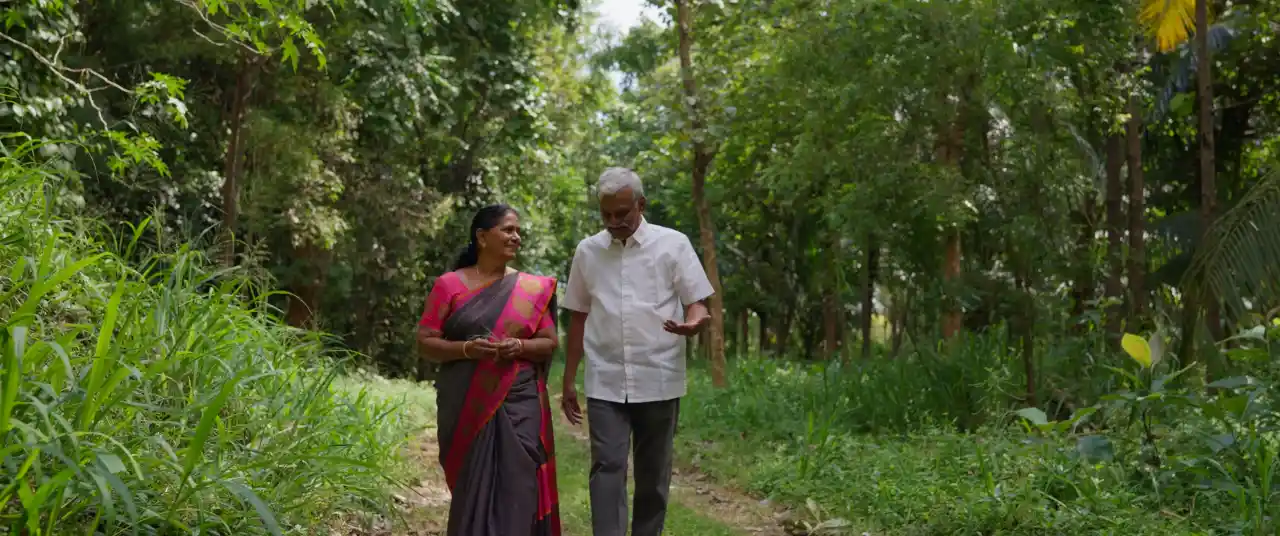
One of their biggest battles has been against middlemen. “For years, traders wanted entire villages to sell only through them. But we believed the people doing the hard labour should control the sale of their own products,” Manimegalai explains.
The collective also provides support when climbers face police intimidation or fabricated charges.
The collective began directly marketing padhaneer, palm jaggery and ice apples to consumers, bypassing exploitative intermediaries. They also launched events like the Panai Kanavu Thiruvizha (Palm Dream Festival) to rebuild connections between urban audiences and palm culture, educating them about the realities of the occupation.
Slowly, the stigma surrounding livelihoods built around the palmyra began to shift.
Nectar becomes livelihood
Palm-based occupations within Poorikudisai now operate collectively, with women shouldering an equally demanding share of the labour.
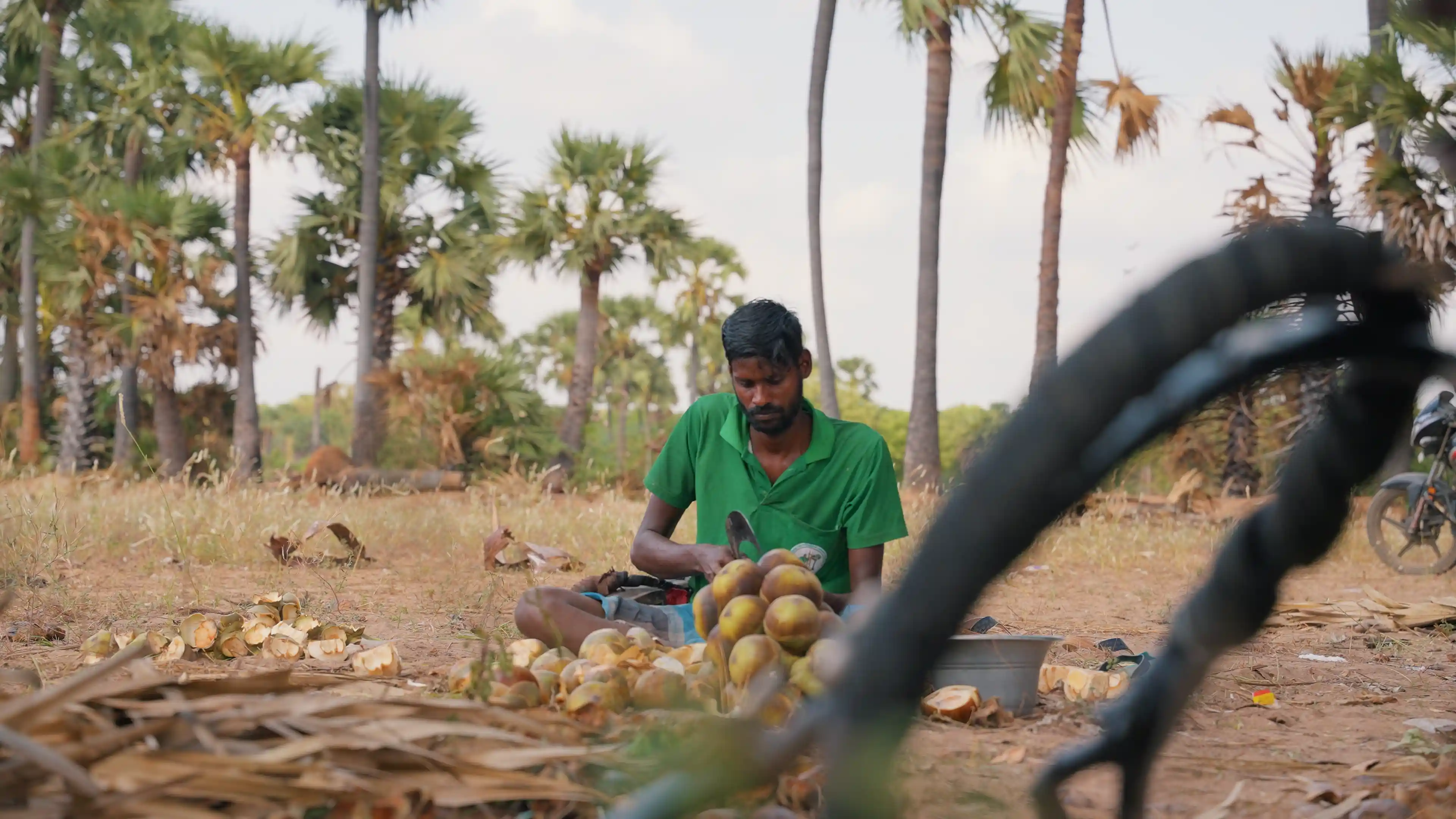
Unsold padhaneer is brought each evening to a common processing area called Panangadu, where Manimegalai boils it down into thick syrup before turning it into panangkarupatti (palm jaggery).
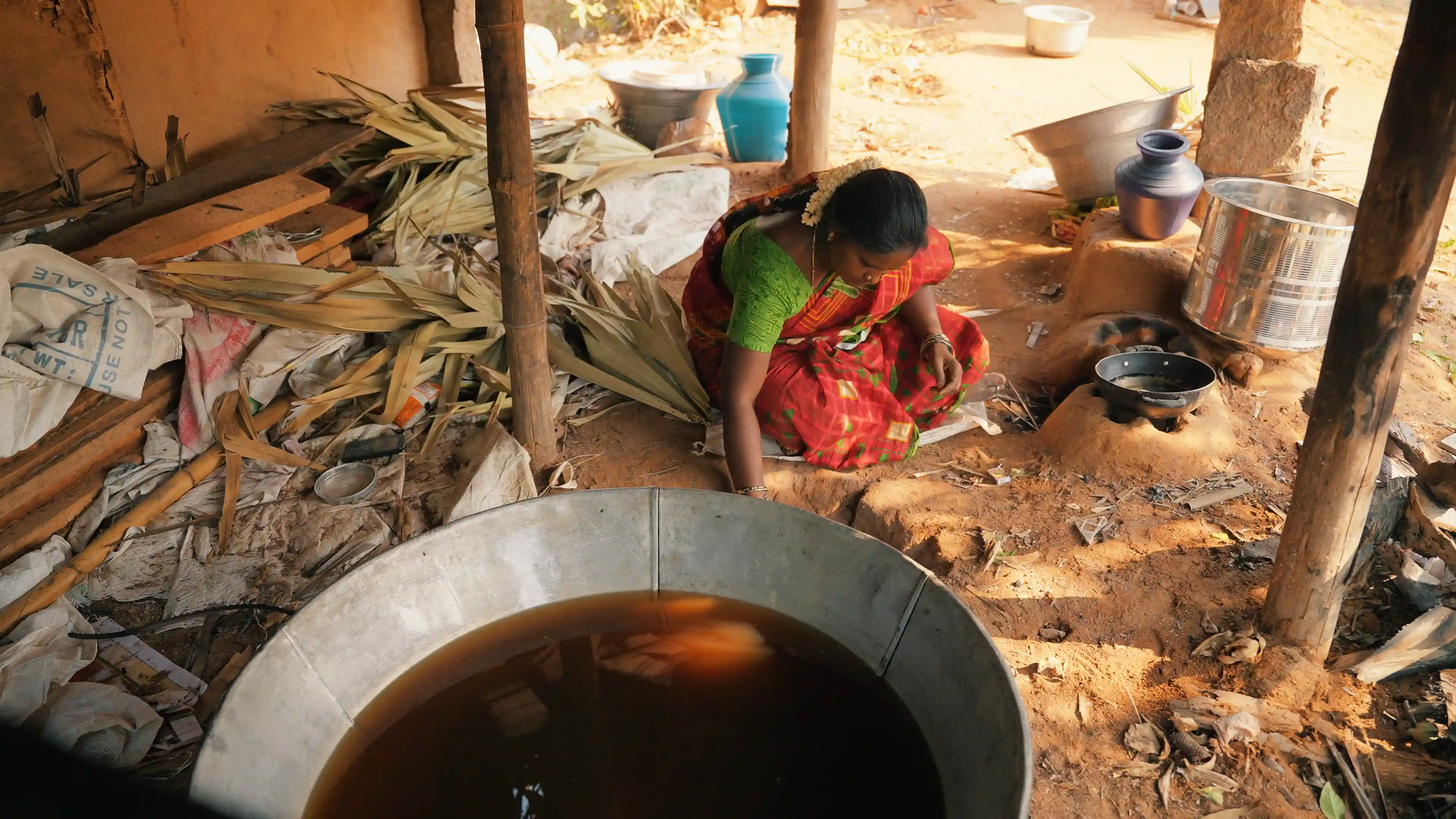
The process is painstaking. Fresh nectar cannot be stored for long without resulting in fermentation, so it must be boiled on the same day it was sourced. Once enough syrup accumulates, it is heated for hours until it thickens into a rich, caramel-like consistency. It is then poured into moulds carved into the floor and left to cool into solid blocks.
Even in selling their products, the women of the village make deliberate ethical choices. Rather than selling jaggery exclusively in bulk to those who can afford it, they package it in small quantities, making it accessible to everyone. “If someone buys huge amounts only to waste them, that disrespects our labour,” Manimegalai says. The profit is also shared among the members of the collective.
Also read: To Tamil Nadu’s fisherwomen, the Cauvery delivers catch and self-reliance
The end of a search for dignity and freedom
What started as a small collective in 2021 with 40 members has now grown into a state-wide movement with over 800 members. “In 2018, there were barely 30 climbers left in this village. Today, more than 150 families depend on palm-based livelihoods again,” says Pandian.
The revival has transformed not only incomes, but also the perception of dignity and autonomy for climbers. Many of those who have returned to their village are educated graduates who consciously chose to leave salaried jobs behind.
Many of those who have returned to their village are educated graduates who consciously chose to leave salaried jobs behind.
On good days during palmyra season, climbers can earn Rs. 250 from one tree—enough, they say, to live comfortably while remaining rooted in Poorikudisai.
Isravel himself once worked in the finance sector after completing his graduation. The 32-year-old finds his life as a palm climber far more freeing than the office-going routine of his past. “Here, I answer to nobody. I decide my own rates for my labour. I have control over my time and life. That freedom matters,” he says.
This freedom is ultimately the most significant part of Poorikudisai’s story.
Across much of rural India, migration is treated as an inevitable, a one-way movement away from villages towards cities. Traditional occupations are often portrayed as relics of the past, incapable of sustaining modern aspirations. But in this small Tamil Nadu hamlet, palm climbers are reimagining development.
Each morning, as they scale another tree against the rising sun, the palmyra continues to stand as both witness and companion to that transformation.
Edited by Aathira Konikkara and Neerja Deodhar
{{quiz}}


Explore other topics
References

How is Palm Jaggery prepared?