On Tamil Nadu’s coast, a living seed bank conserves 2000+ rice varieties
Through its commitment to science and keeping grains accessible, the Arivar Traditional Seed Centre has benefited over a hundred farmers


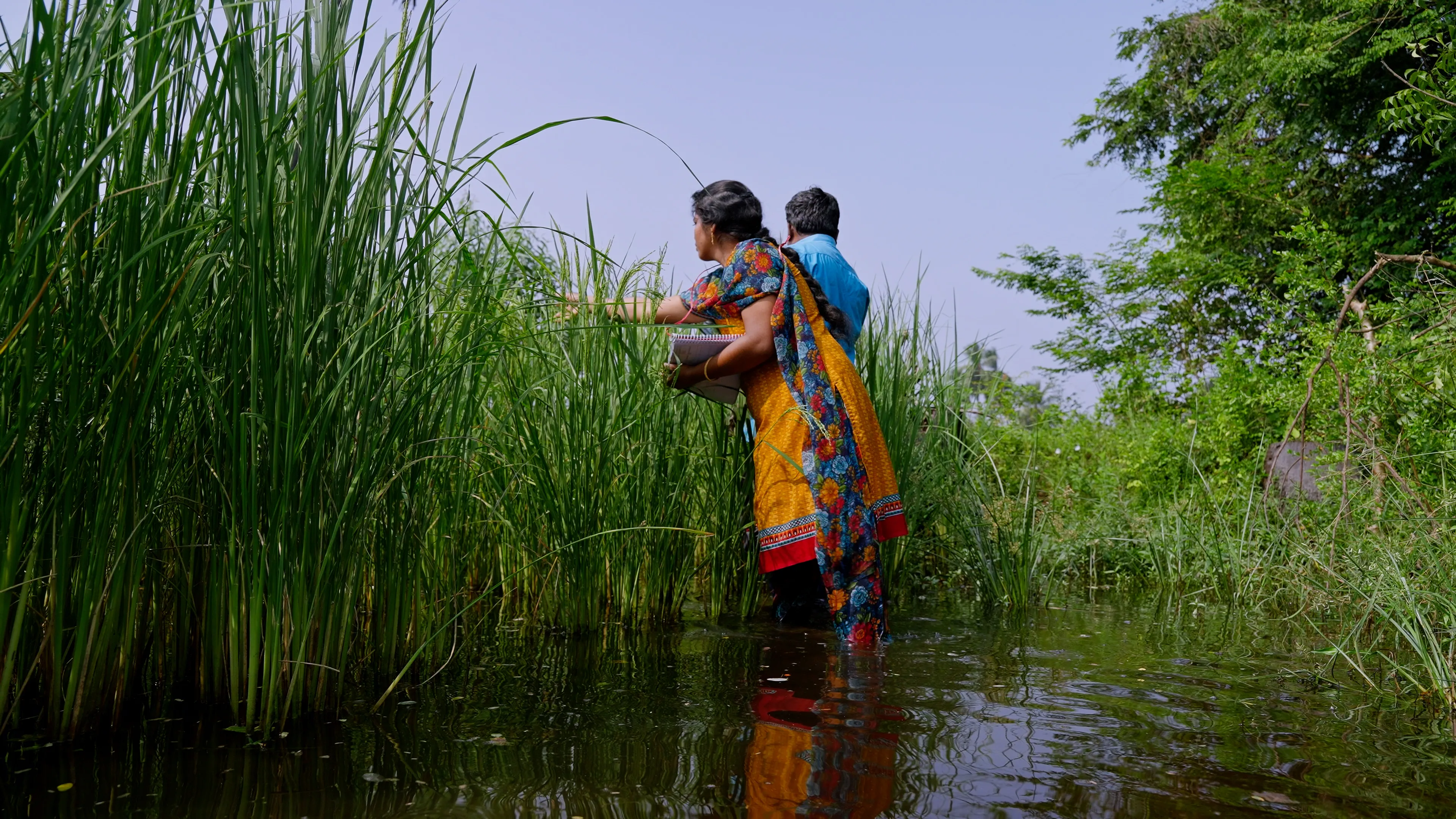
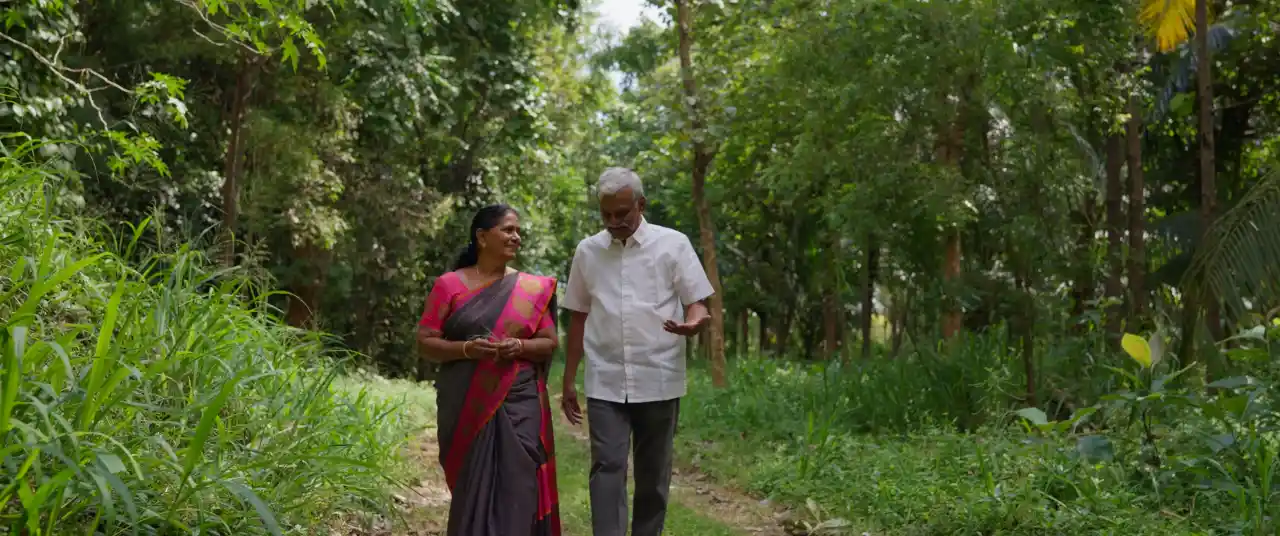
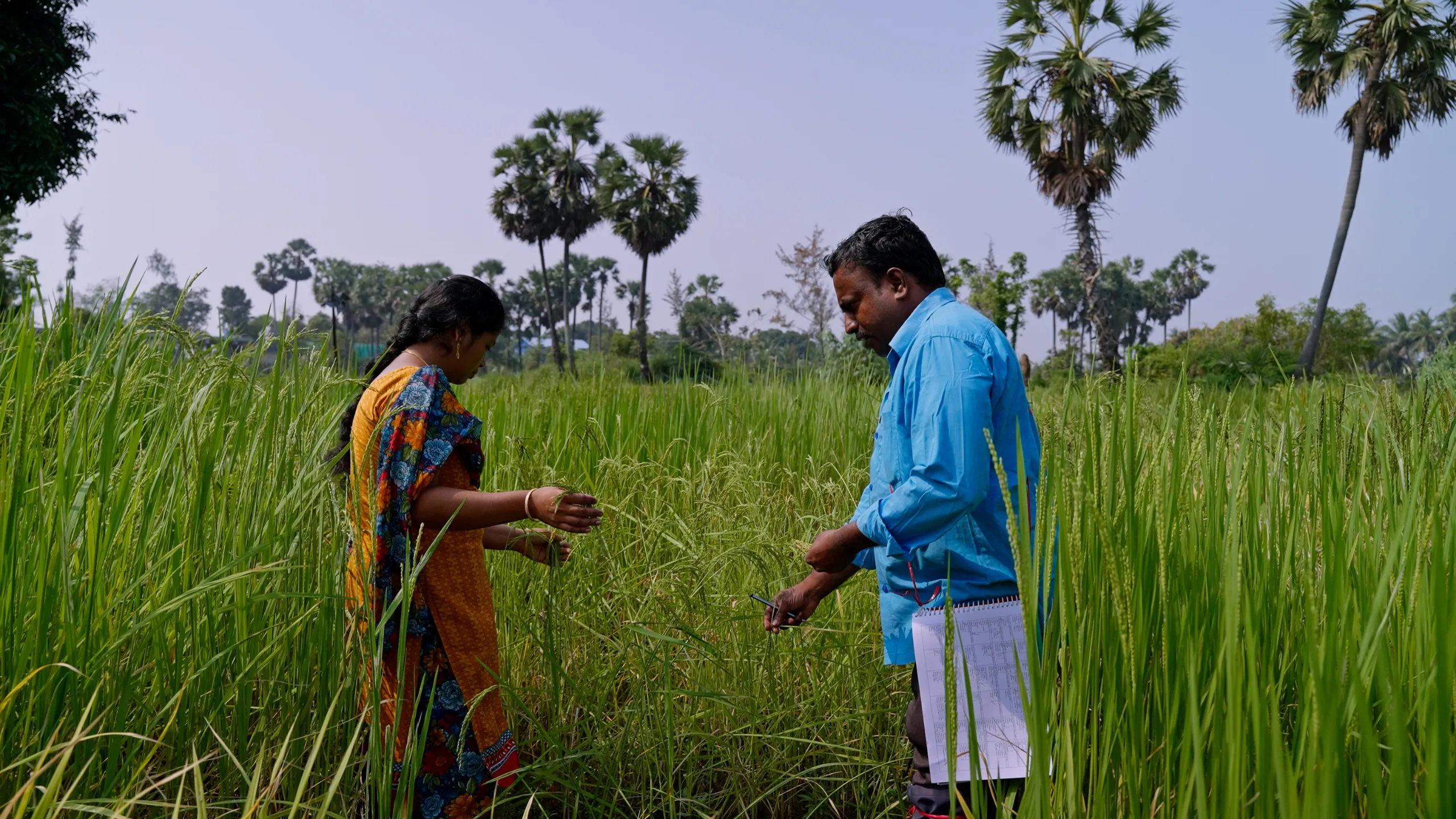
On a bright January morning in Tamil Nadu’s Kuravapulam village, Sivaranjini S. closes the door to her kitchen, picks up a spiral-bound notebook, and walks into the paddy fields adjacent to her home. Her husband, Saravanakumaran P., follows her into the fields, adjusting his blue rubber boots as he walks past a line of palm trees that mark the boundary of their land.
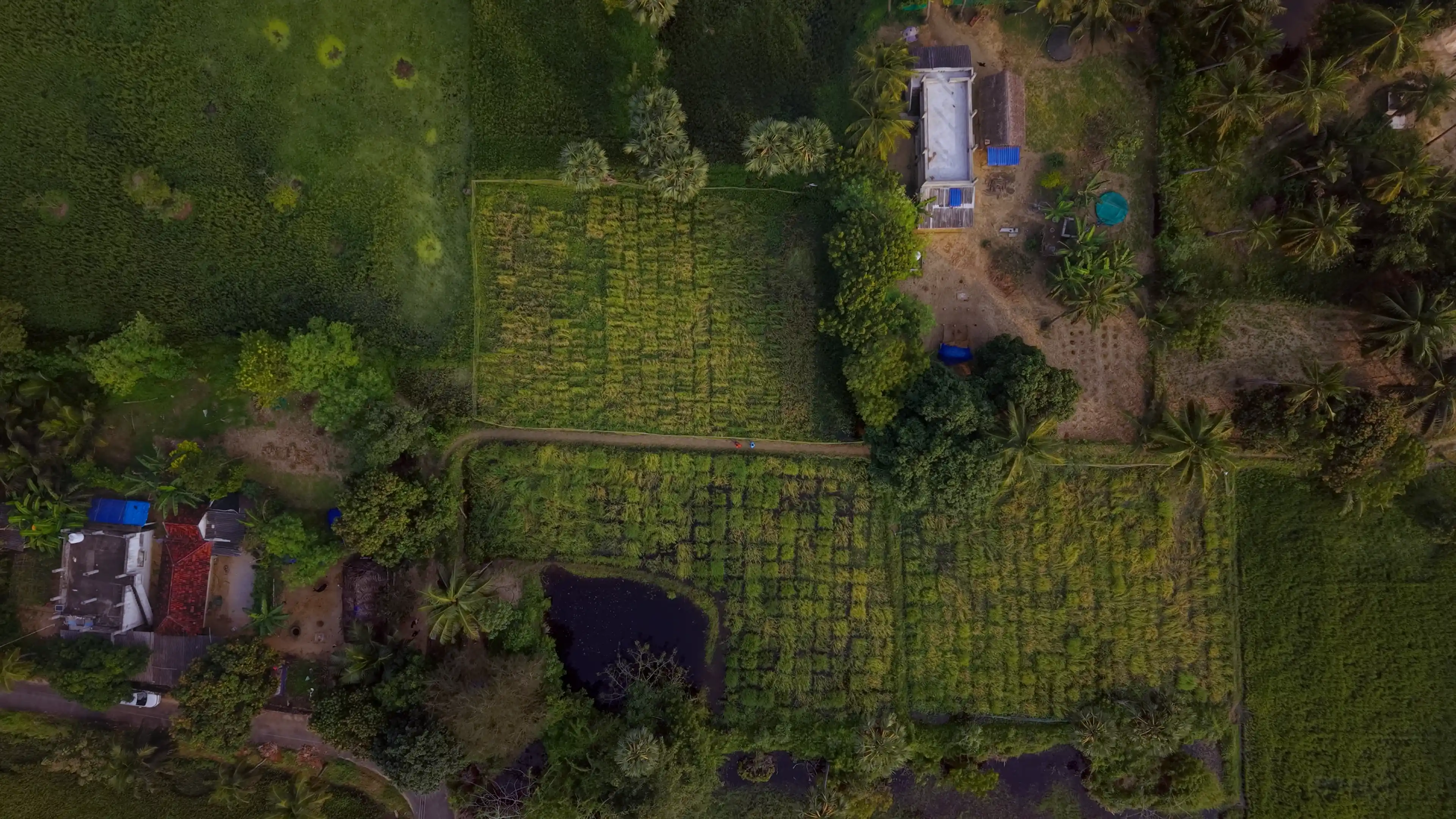
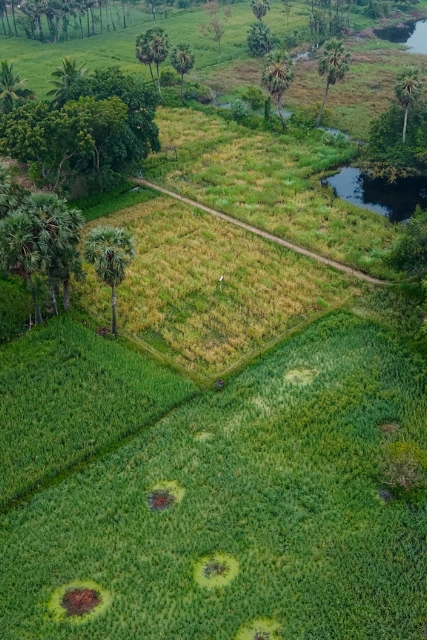
At first glance, this farm in the Nagapattinam district resembles any other paddy field in coastal Tamil Nadu. But a closer look reveals a mosaic of differences. Each small plot on the farm is devoted to a distinct variety of rice: some short and sturdy, others tall and swaying; some with slender grains, others bold; some still green, others gold and amber, ready for harvest.
Thriving amid farmlands that practice monoculture, it is an archive, a laboratory, a protest, and a wager on the future.
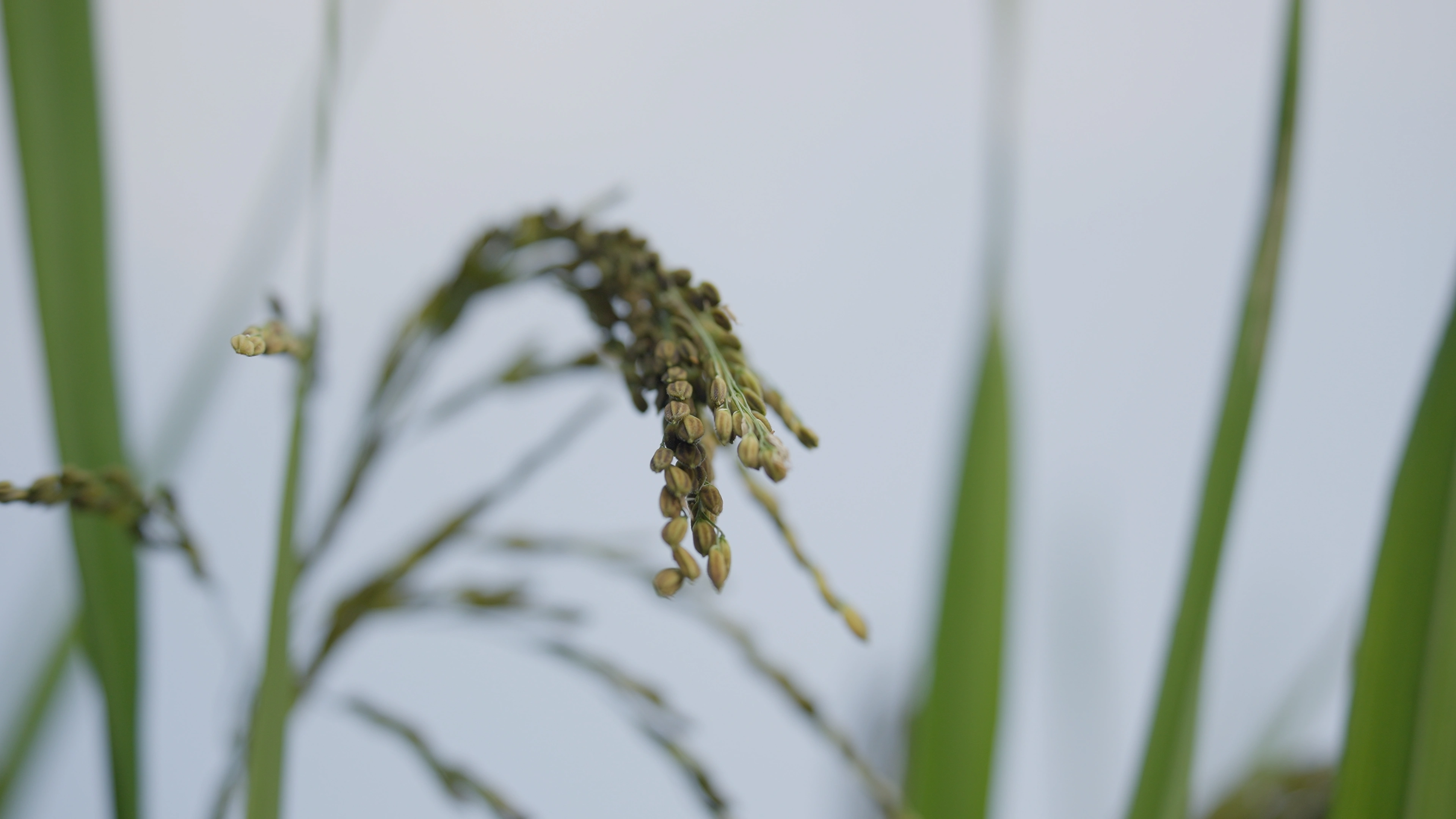
The couple moves methodically from one plot to the next, carefully noting the colour of the leaf sheath (the lower part of a leaf that covers the stem and protects it), the angle of the flag leaf (the final, topmost one), the length of the panicle (a loose branching cluster of flowers), the hue of the grain, and the presence of pubescence (fine hairs) on the husk. Every trait is diligently recorded in the notebook Sivaranjini carries.
Across two parcels of land, they are growing around 2,200 traditional rice varieties—a living seed bank whose treasures are cultivated, documented and regenerated every year. What began in 2015 with 177 varieties collected from their home state has, over a decade, grown into the Arivar Traditional Seed Centre, a self-sustaining collection of seeds from across India. Thriving amid farmlands that practice monoculture, it is an archive, a laboratory, a protest, and a wager on the future.
Seeds that survive the sea
The roots of this effort can be traced back to Sivaji R., Sivaranjini’s 75-year-old father, who has been farming in Karurpambulam, a village 2 km from Kuravapulam, for over five decades. Like many farmers whose approach was shaped by the Green Revolution, Sivaji cultivated high-yielding varieties (HYV) in the initial years of his career, supported by chemical fertilisers. The yields were high, and so was his income. He was also a rice merchant who procured HYVs from other farmers to sell to consumers. “I used to be very proud of the profit margins,” Sivaji recalls.
But his perception changed in 1988, when local fishermen approached him with an unusual request: they wanted traditional rice varieties from the region that would remain unspoiled for three days at sea, unlike their HYV counterparts, which were more vulnerable to humidity and heat.
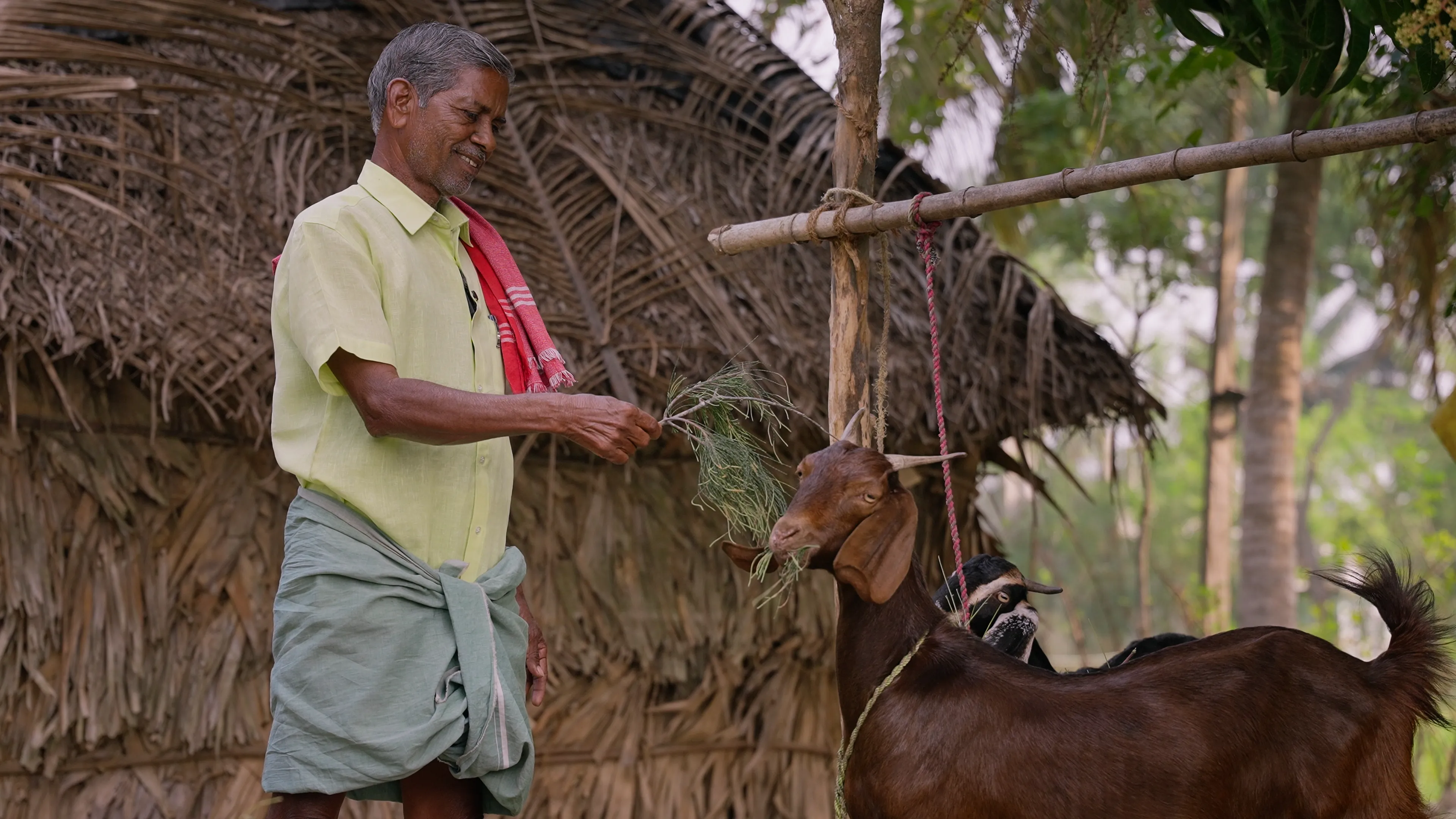
His consequent search for these traditional grains led him to rediscover several native varieties such as Soorakuruvai, Kallurundai, Kulivadichan, Poongaru and Panamarathu Kudavalai—hardy red rices commonly called ‘Karuppu nel’ (black rice varieties). Once grown regularly by farmers in his father’s generation, they were well-suited to the region’s ‘manavari’ (rainfed) conditions. Gradually, he started growing Soorakuruvai and Kallurundai on his land alongside HYVs.
The 2004 Indian Ocean tsunami lent a new urgency to his efforts. When seawater inundated coastal farms, traditional salt-tolerant varieties, once dismissed as outdated, suddenly became crucial for restoring the land. During this period, he interacted with Nammalvar G., an agricultural scientist who played a pivotal role in kickstarting the organic farming movement in Tamil Nadu. At the time, Nammalvar was collecting traditional seed varieties to revive the affected coastal farms. Sivaji offered the Soorakuruvai grown in his farm for the cause. This meeting deepened his understanding of the impact of chemical farming, and the significance of traditional varieties.
A clear-eyed view of a natural disaster’s effects on soil health persuaded Sivaji to shift to a path of preserving seed variants that are intimately tied to the region. By the late 2000s, he had transitioned fully to organic methods. But his investment in seed conservation would start only a decade later, nudged along by his daughter and future son-in-law.
Also read: Babulal Dahiya makes every grain of rice count
A vision to achieve seed sovereignty
In 2012, Sivaranjini and Saravanakumaran got married and moved to Chennai, where he practised Siddha medicine (a Tamil Nadu-based traditional system of healing). Like any urban couple, they led a life of comfort.
In 2014, news reports of farmer suicides in Vidarbha unsettled Saravanakumaran. “Agrarian distress in India is complex,” he says. It is shaped by indebtedness, crop failures, volatile markets, water scarcity, climate change and institutional credit systems. Yet for Saravanakumaran, one element stood out: the increasing dependence of farmers on purchased inputs, particularly seeds. “Earlier, farmers saved a portion of their harvest as seed for the next season. That autonomy has been reduced. We felt seed sovereignty was central to farmer resilience,” he says.
The quest for seed sovereignty drew him to his father-in-law’s experiments with indigenous rice. In 2015, he and Sivaranjini made a decision: they would systematically collect traditional paddy varieties, building on Sivaji’s thriving native ones, and conserve them on the family’s land.
They bartered the traditional varieties of Tamil Nadu for seeds from other states like Orissa, Rajasthan, Kerala and Karnataka, gradually building a bank.
Giving up on urban comforts, Saravanakumaran, now 44, took up teaching at a Siddha college in Nagapattinam four days a week to ensure a steady income. The remainder of his time was spent on the farm. Sivaranjini, who is 35, joined her husband in dedicating her life to rice conservation efforts. Her day typically starts at 5 am, spending the early morning hours tending to household responsibilities before stepping into the farm. Since they choose to harvest manually, Sivaranjini must ensure that each variety is carefully dealt with by agricultural workers.
The family travelled across India, meeting with several farmers through seed festivals, food festivals and farmers’ networks. They bartered the traditional varieties of Tamil Nadu for seeds from other states like Orissa, Rajasthan, Kerala and Karnataka, gradually building a bank. Recently, they also procured a few varieties from Sri Lanka.
{{marquee}}
Building a living, scientific bank
As the number of varieties grew, conserving their seeds became increasingly complex. Unlike conventional cold storage seed banks, the Arivar model relies on in-situ conservation, growing each variety afresh every year, regardless of the vagaries of weather. “One year brings drought, another floods, and then cyclones. Seeds must be cultivated regularly so they are exposed to changing climatic conditions. If we only store them, they lose the strength to adapt,” explains Saravanakumaran.
Every planting season, the couple divides their three acres in Kuravapulam and Sivaji’s two acres in Karurpambulam into hundreds of micro-plots. Though paddy is predominantly a self-pollinating crop, maintaining such vast varieties on five acres comes with challenges like cross pollination and a loss of genetic purity. For instance, the Karuppu Kavuni rice should appear black in colour. If it does not, it signals that the strain may have been contaminated or mixed with another variety.
“Conservationists have a responsibility to ensure seeds retain their genetic purity to preserve their identity and the traceability of their traits. This demands a specific scientific understanding,” says Sivaranjini.
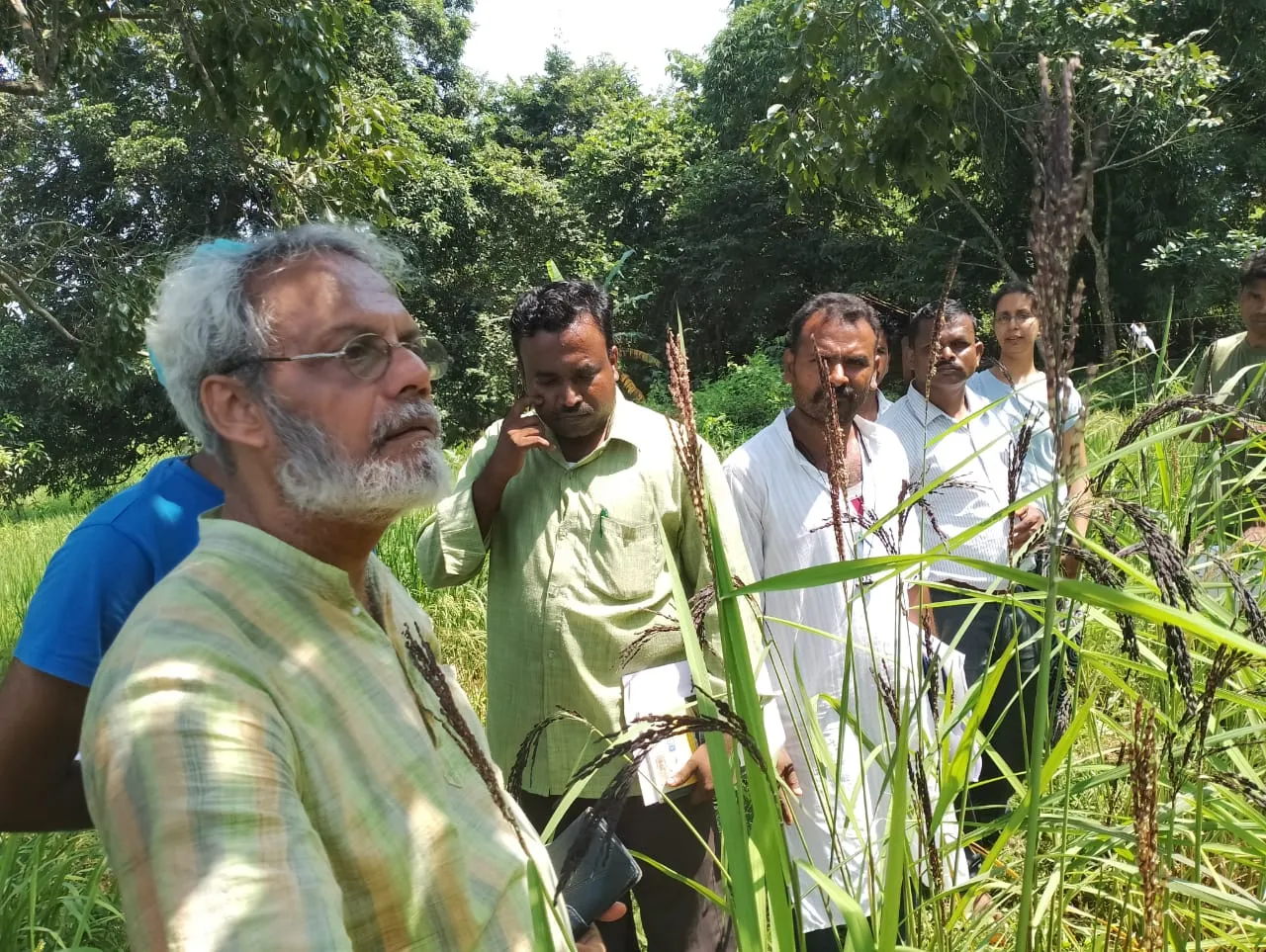
A training session in 2018, led by ecologist Dr Debal Deb, known for his work on indigenous rice diversity, served as an eye-opener. The family learned systematic cultivation and documentation methods based on DUS (Distinctiveness, Uniformity and Stability) descriptors, formalised by the Protection of Plant Varieties and Farmers' Rights Authority. This includes 62 morphological characteristics of rice, such as plant height, grain type, leaf angle, and panicle structure. Since 2018, during each harvest, the Arivar farm has been recording morphological characteristics for each variety.
“Ideally, a three-foot isolation distance should separate each variety. Due to land constraints, this is not always possible. Instead, we stagger the sowing times so that flowering periods differ by 50% between adjacent plots, reducing chances of cross-pollination,” says Saravanakumaran, explaining one of the learnings from Dr Deb’s sessions.
Though paddy is predominantly a self-pollinating crop, maintaining such vast varieties on five acres comes with challenges like cross pollination and a loss of genetic purity.
With traditional paddy, the right intent only goes so far; a scientific evaluation of varieties is a necessity. Consider Seeraga Samba, an upland variety with small grains, best known for its use in biryani. When it is cultivated for years in delta regions such as Nagapattinam, the variety gradually adapts to local climatic conditions and its grains tend to become slightly larger, while still retaining their characteristic incense-like aroma. Over time, such subtle shifts make it harder to distinguish between the original upland variety and those adapted to delta environments.
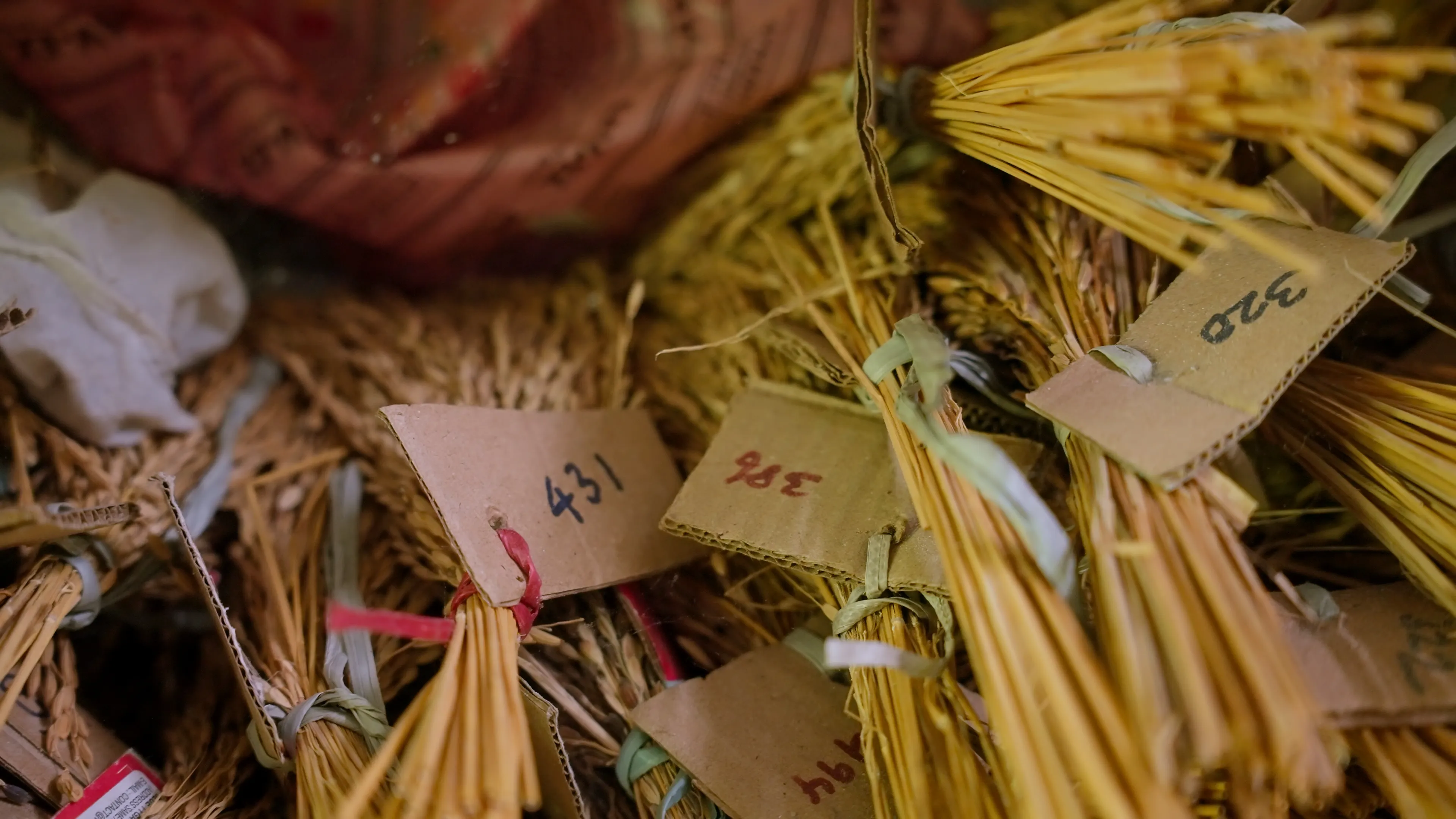
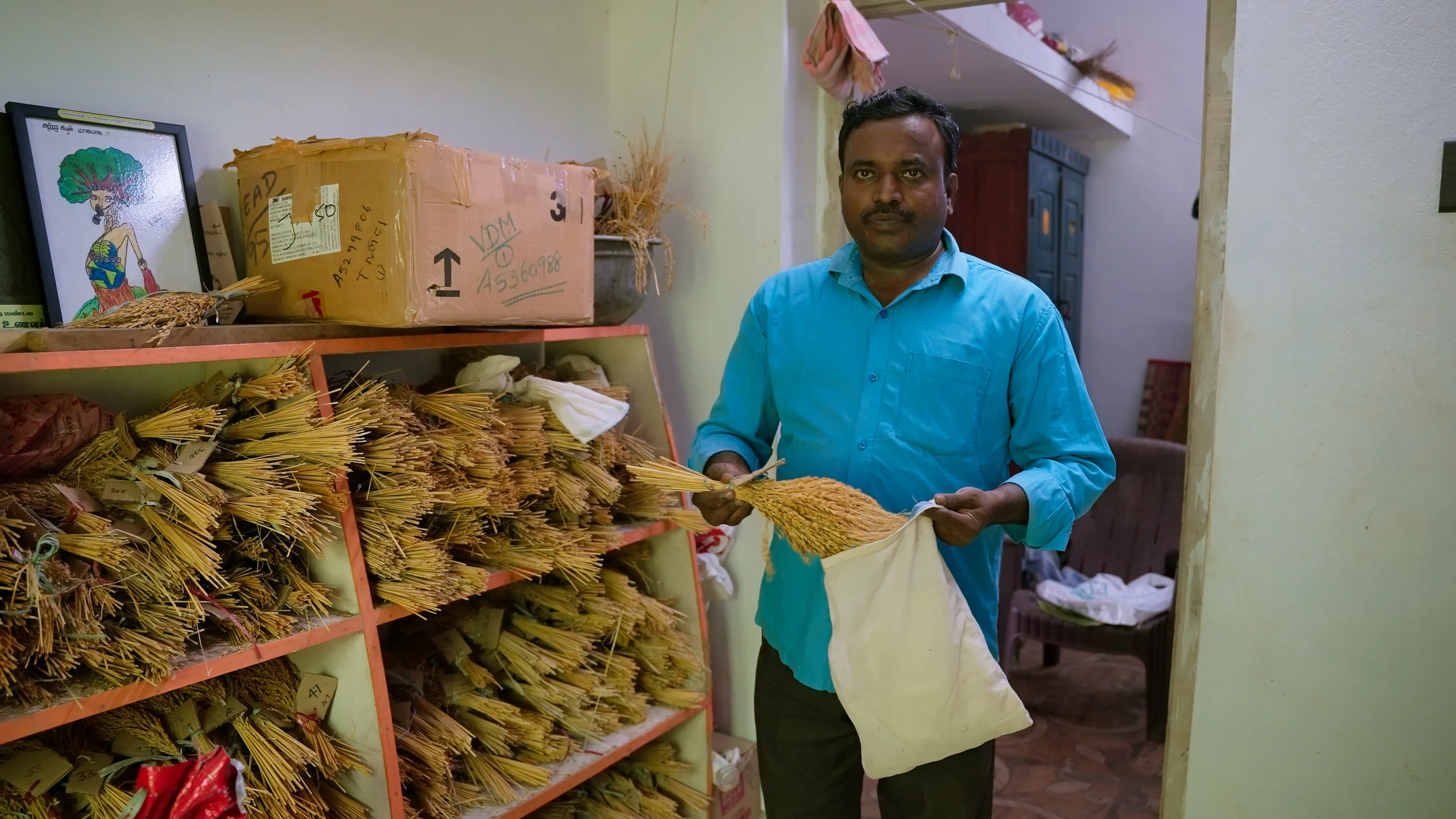
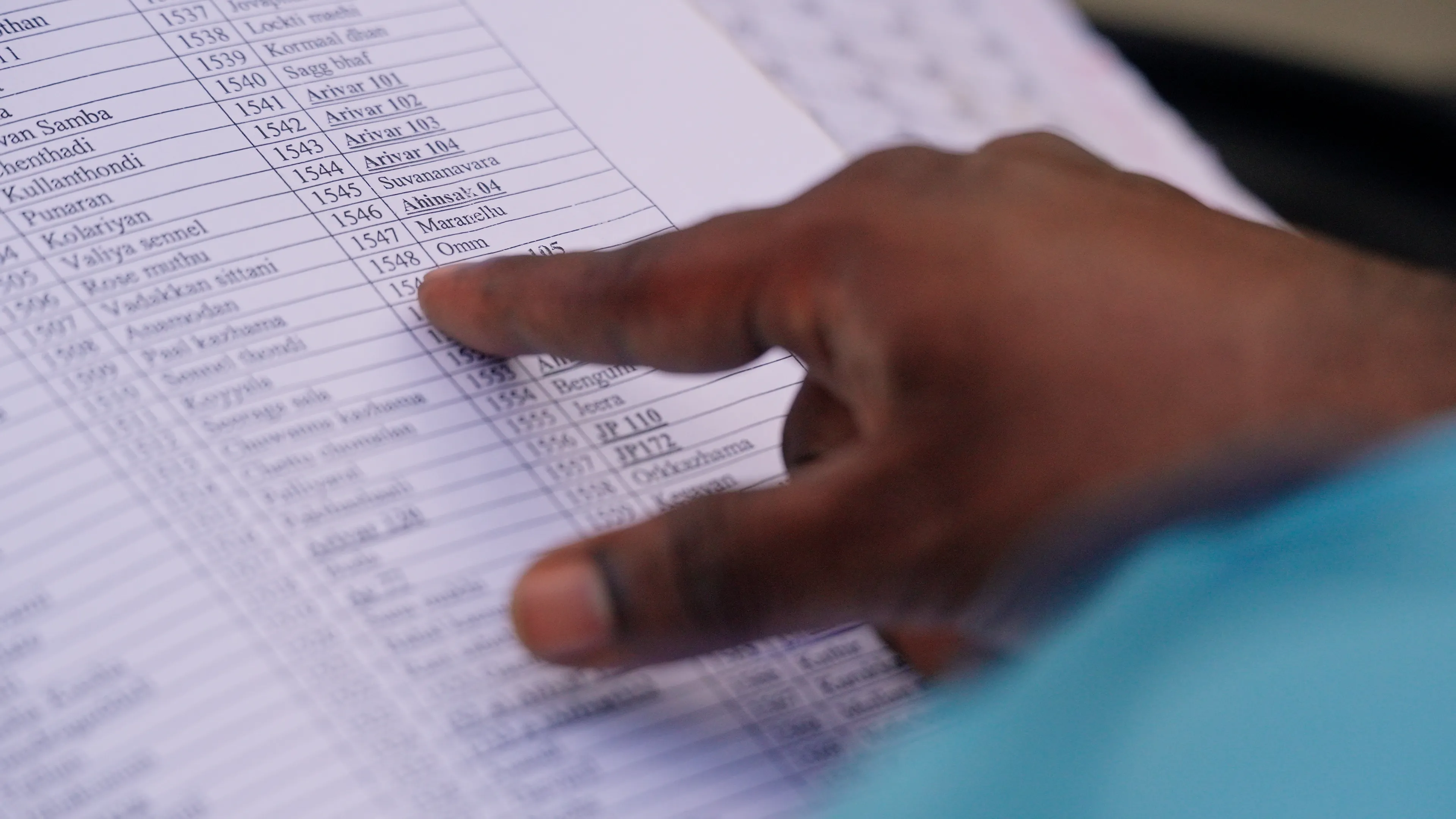
After harvest, seeds destined for the seed bank are carefully sun-dried. Each variety is assigned a tag with a unique number, which is then recorded alongside its name in the family’s meticulous archive. The tagged bunches are carefully packed into white cloth bags and stored in a well-ventilated room. On every new moon day, the seeds are brought out and sun-dried between 9 am and 11 am to maintain the right moisture balance and preserve their germination capacity. “The work is painstaking and repetitive, closer to archival curation than routine farming,” adds Sivaranjini.
Also read: How the 'makrei' sticky rice fosters love, labour in Manipur
Climate uncertainty on the coast
Their journey has not been without setbacks. The farm lies in a rainfed coastal area, making it vulnerable to erratic monsoons and saline intrusion. “The first year tested us severely,” says Sivaranjini. Drought conditions in 2015 forced them to rescue seedlings into grow bags. Of the initial 177 varieties, only 130 survived. Subsequent years brought heavy rains, cyclonic winds and fluctuating temperatures. “It was an early lesson: conserving diversity means accepting loss. We have lost at least 500 varieties due to climate impact since 2015,” says Saravanakumaran.
Largely, the centre exchanges seeds through a barter system, allowing the grains to remain accessible to cultivators regardless of their socioeconomic status.
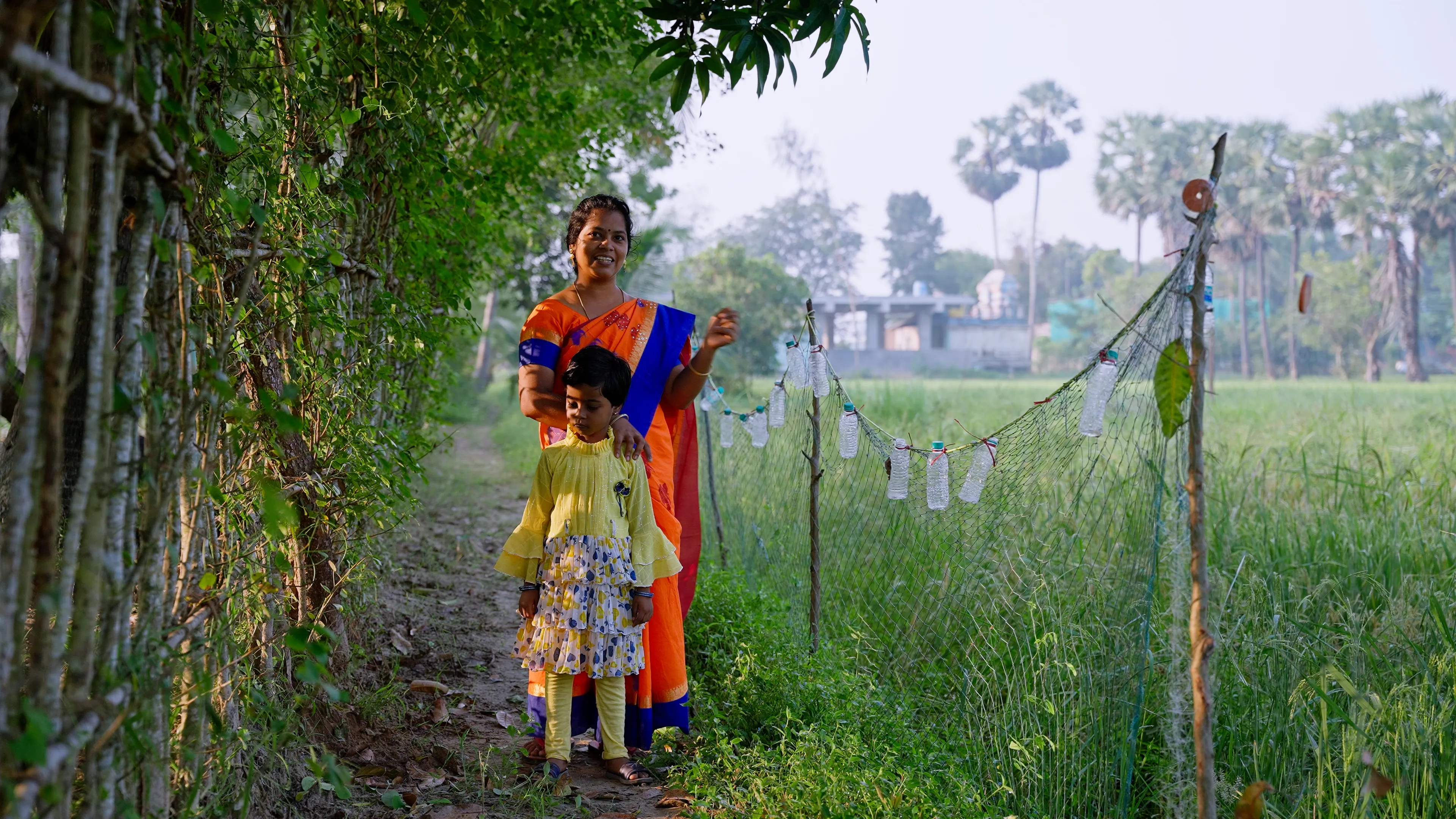
Daily threats from rodents, peacocks, migratory birds and wild boars keep the family busy. “Our crops mature earlier than neighbouring fields, so birds arrive here first,” Sivaranjini says, demonstrating how she claps and crushes plastic bottles tied to fencing nets to create deterrence through sound.
The labour-intensive processes followed at Arivar come at a cost. The Tamil Nadu government provided a one-time grant of Rs. 3 lakhs during its early years. Since then, the centre has largely been self-funded. Saravanakumaran’s teaching income covers the operational expenses.
Largely, the centre exchanges seeds through a barter system, allowing the grains to remain accessible to cultivators regardless of their socioeconomic status. “Financially, it is challenging to run the seed centre with just one person’s income. We are able to meet all our basic needs. We consciously set aside a desire for other comforts as our work at the seed bank is going to ensure food security for our children and their children. This thought helps us lead a content life,” says Sivaranjini.
Also read: Katarni’s comeback: How an aromatic Bihari rice escaped obscurity
Resistance begins at home
Over the past decade, at least a hundred farmers from Tamil Nadu and its neighbouring states have sourced seeds from Arivar, according to the centre’s records. During the harvest period, between December and April, the family organises a ‘Vayal Kankatchi’ (Paddy Field Exhibition) to raise awareness among local farmers. “Many who come for the exhibition gradually start cultivating native varieties, first for their own families, and later on a commercial scale. Over the years, they have gradually expanded the acreage dedicated to traditional seed varieties,” says Sivaranjini.
For the family, seed conservation is inseparable from policy awareness.
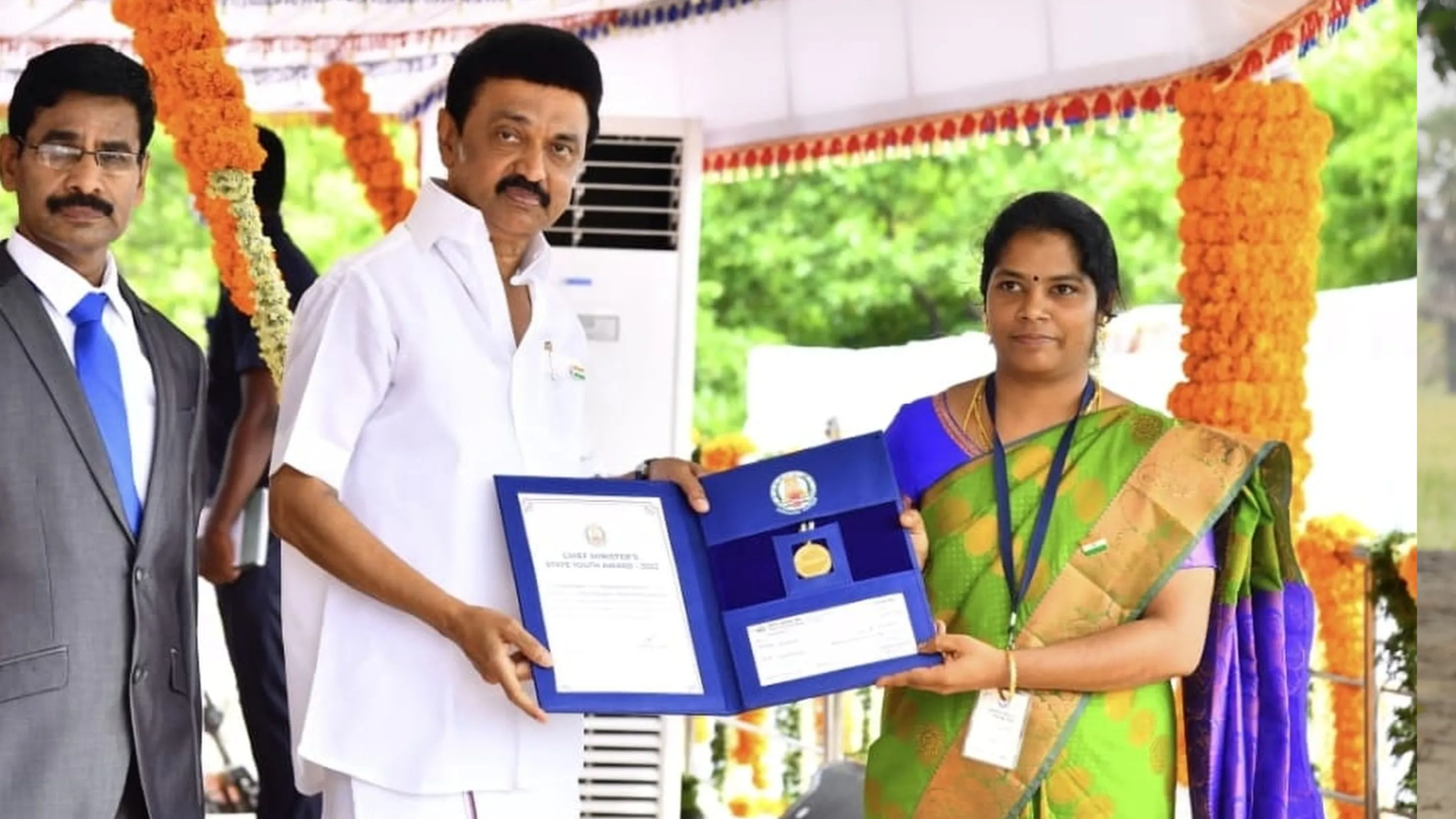
In 2022, Sivaranjini received the Chief Minister’s State Youth Award from the Tamil Nadu government in recognition of her conservation work—a rare public acknowledgement for labour otherwise invisible. The impact of the family’s work extends far beyond their fields, arriving at their own dinner table. They have always relied on regional varieties like Soorakuruvai and Kulivadichan, but today, most of the rice they consume comes straight from their seed conservation efforts. After reserving what is needed for the seed bank, the remaining grains are mixed together and taken to the kitchen, where they are cooked for daily meals, bringing centuries of agricultural heritage to their plates.
For the family, seed conservation is inseparable from policy awareness. Saravanakumaran argues that farmers must understand legislation that affects seeds, water bodies, dams and credit systems. “Self-reliance is not only about cultivation. It is about awareness, and there is a great need to politicise (educate and organise) farmers on these lines,” he says.
Asserting that action itself is resistance, he adds, “Traditional rice varieties were protected for generations by small and marginal farmers. But now they are becoming niche and expensive, sometimes sold in urban organic markets at Rs. 200 per kg or more.”
A five-acre Noah’s ark
Sivaranjini closes her notebook and looks across the mosaic of ripening grain; the fields shimmer, not as a uniform sea of green, but as a spectrum. A spectrum that demonstrates how conservation need not be confined to research institutions or gene banks. In a modest room of her home, every seed stored in a cloth bag carries the potential to thrive in the fields. It will endure owing to daily observation, handwritten notes, and stubborn commitment.
Edited by Aathira Konikkara and Neerja Deodhar
{{quiz}}


Explore other topics
References

When are seeds sun-dried?