Elathur lake: A conservation model focused on nature, not human leisure
Recognised as a Biodiversity Heritage Site, the lake is now protected by locals who were previously unaware of its rich biodiversity


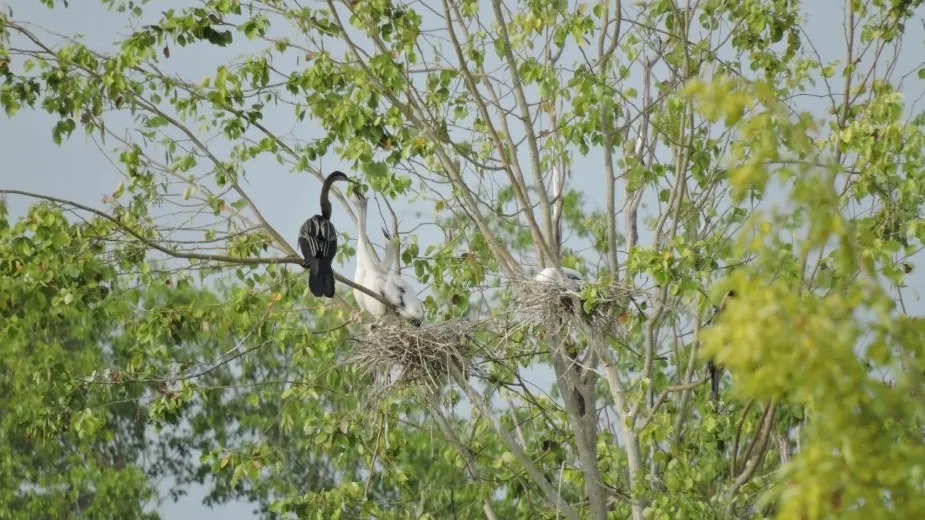
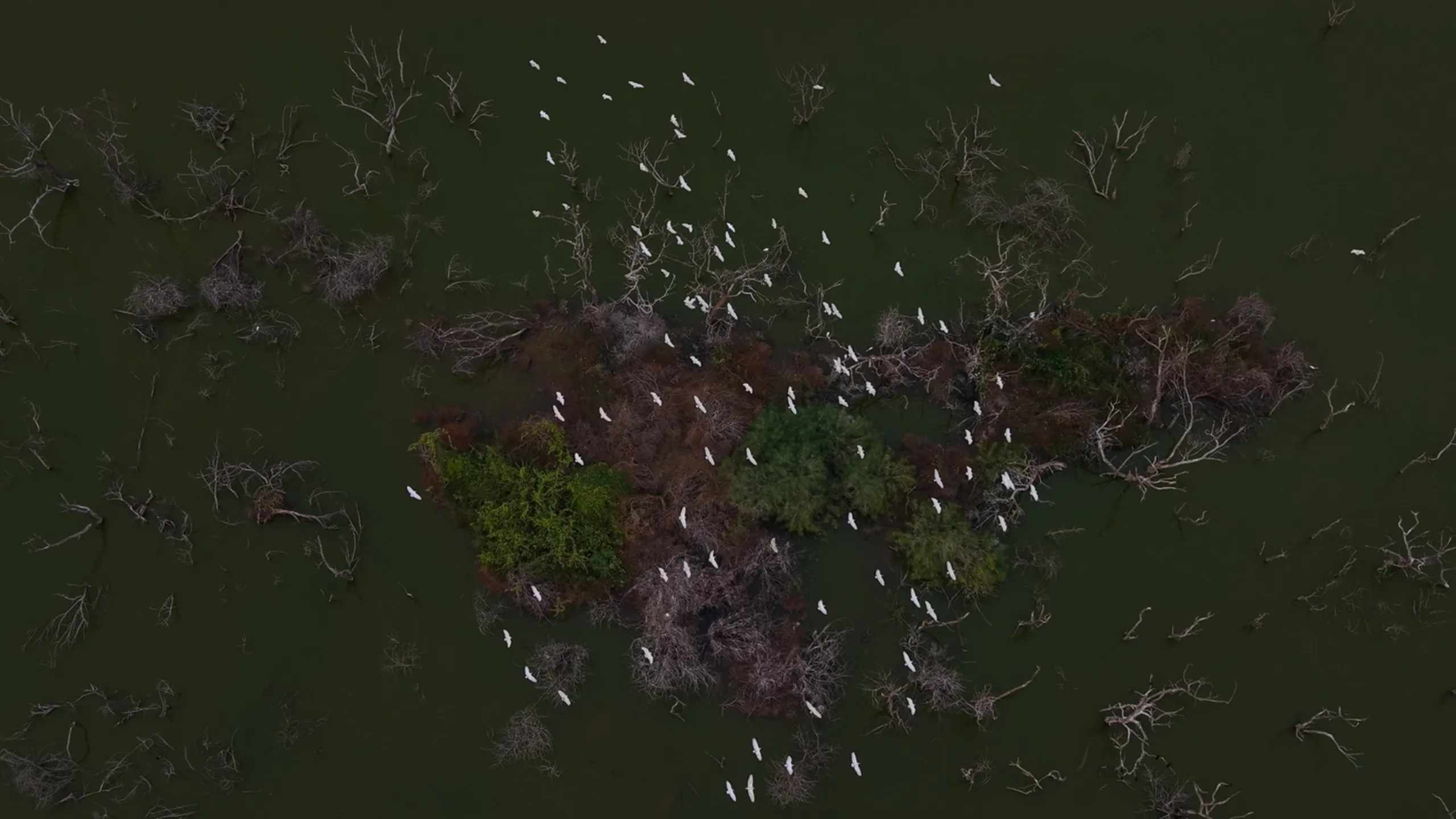
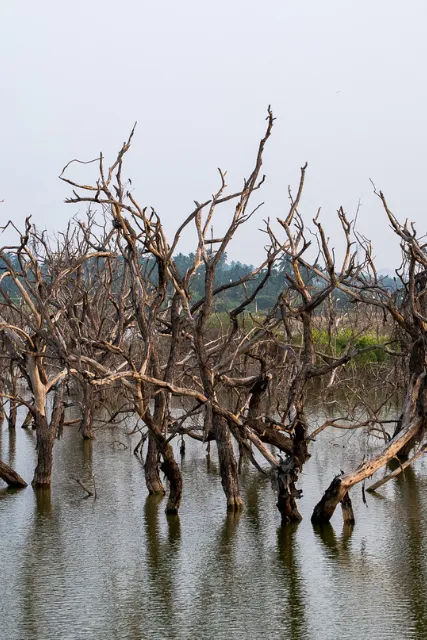
On a Sunday evening, as the sunset’s glow faded over the Elathur lake in Tamil Nadu, a group of visitors gathered for what seemed like an ordinary nature walk. Darkness settled across the water, and thousands of birds appeared in waves across the sky. They circled above the lake before descending onto the branches of dried trees—sentinels rising from the Elathur’s waters. These trees, planted decades ago, had become dense roosting grounds for resident and migratory birds like Egrets and Rosy Starlings. There were no streetlights illuminating the scene, nor paved promenades leading to it, allowing the rhythms of the birds and the landscape to take centre stage.
Stories about conservation efforts often begin with a crisis: a forest is encroached upon, a wetland is threatened by development, or a species edges closer to extinction. The response to these crises usually follows a familiar pattern: resistance, and attempts at restoration. It is for this reason that the Elathur lake in Erode district stands out; its rejuvenation did not begin with a disaster waiting to unfold, but rather because of citizens who paid attention.
A homecoming to Erode
The health of the lake today is, in a sense, tied to the homecoming of one individual six years ago. Deepak Venkatachalam, an IT professional and naturalist, worked in Chennai before the COVID-19 pandemic. The devastating 2015 floods that brought the city to a halt prompted him to get involved in environmental causes. Soon after, he and a group of like-minded individuals started Suzhal Arivom (which translates to ‘know the environment’), an initiative focused on awareness, climate education and ecological documentation. Their work includes the study of fragile ecosystems, such as the Pallikaranai marshland in the south of Chennai.
In 2020, during the lockdown, Deepak returned to Erode, where he grew up. A visit to his wife’s home near the Elathur Lake altered his understanding of the landscape.
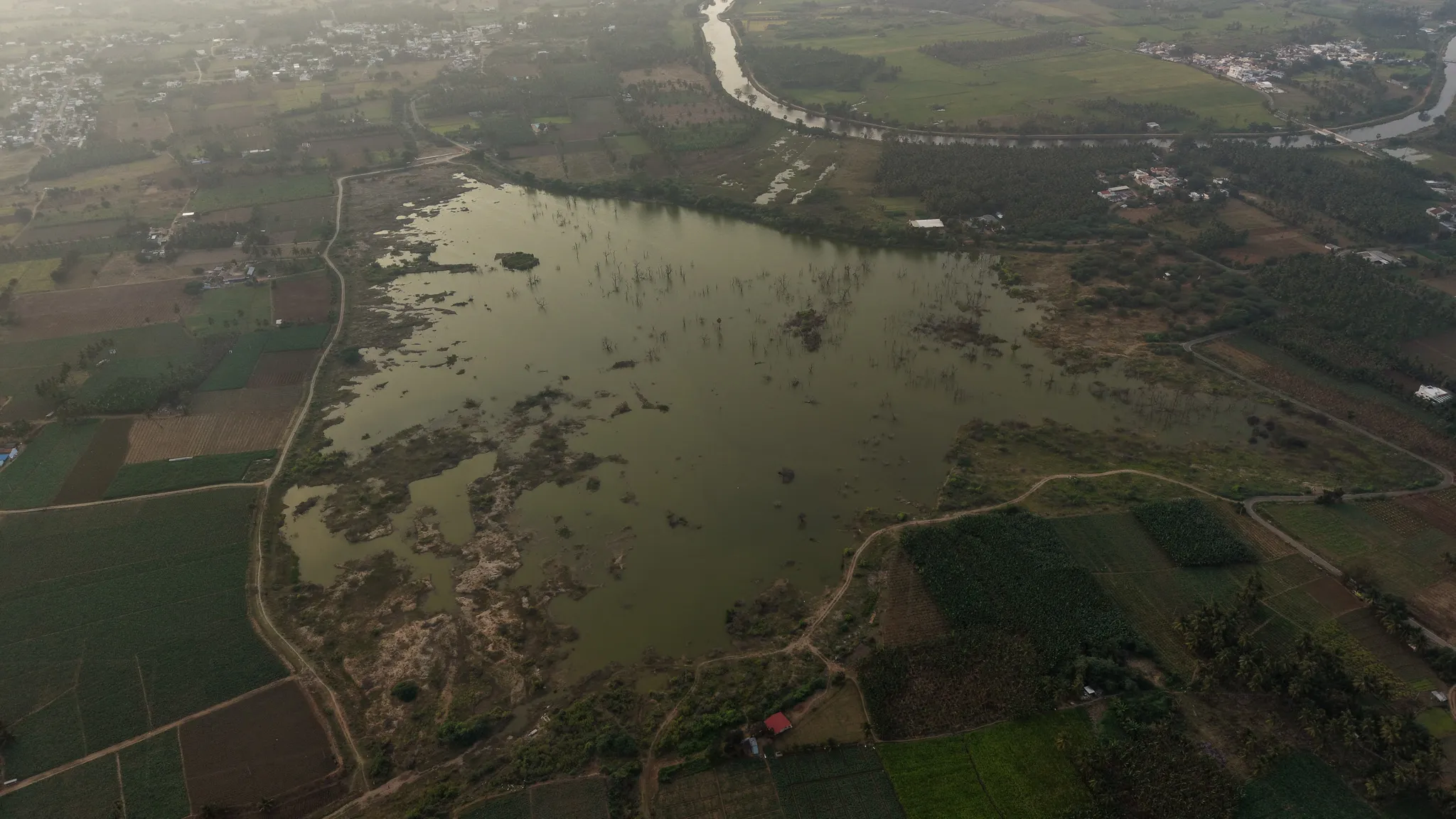
Spanning a maximum of 90.3 acres, it is a naturally formed, rainfed lake that has filled to its full capacity only thrice during the last 25 years. It receives water from around 21 villages on its upstream. For long, it served as an irrigation tank for the farmlands surrounding it. To nature enthusiasts who come from other parts of Tamil Nadu, it is a favoured birdwatching site. Ravindran Kamatchi, President of the Nature Society of Tirupur, says it was akin to a forest in 2008. “One could not see the other end of the lake, it used to have such dense tree cover. Sometimes, we used to get lost amid the trees,” he recalls.
Ravindran rues that over the years, an estimated 90% of the trees surrounding the lake have been cut down. Despite this loss of green cover, it continues to be a rich habitat for flora and fauna.
Deepak saw before his eyes birds whose sightings he associated with Tamil Nadu’s coast. “I was under the impression that birds like the Northern Shoveler, Northern Pintail, and Green-winged Teal would be found only in coastal areas. But here, we saw hundreds of Pintails right behind our homes,” he recalls.
Birds nested across multiple layers—on trees, certainly, but also on mudflats, grasses and shallow ground.
As someone who regularly documented birdlife through citizen science platforms, this stood out to Deepak. He also came across images shared online by ornithologists, including sightings of migratory ducks. Intrigued by the presence of rare species, Deepak chose to pay more attention and study the lake with the Suzhal Arivom team.
Also read: In this Tamil Nadu village, the palmyra has inspired a homecoming
A rich portrait of species diversity
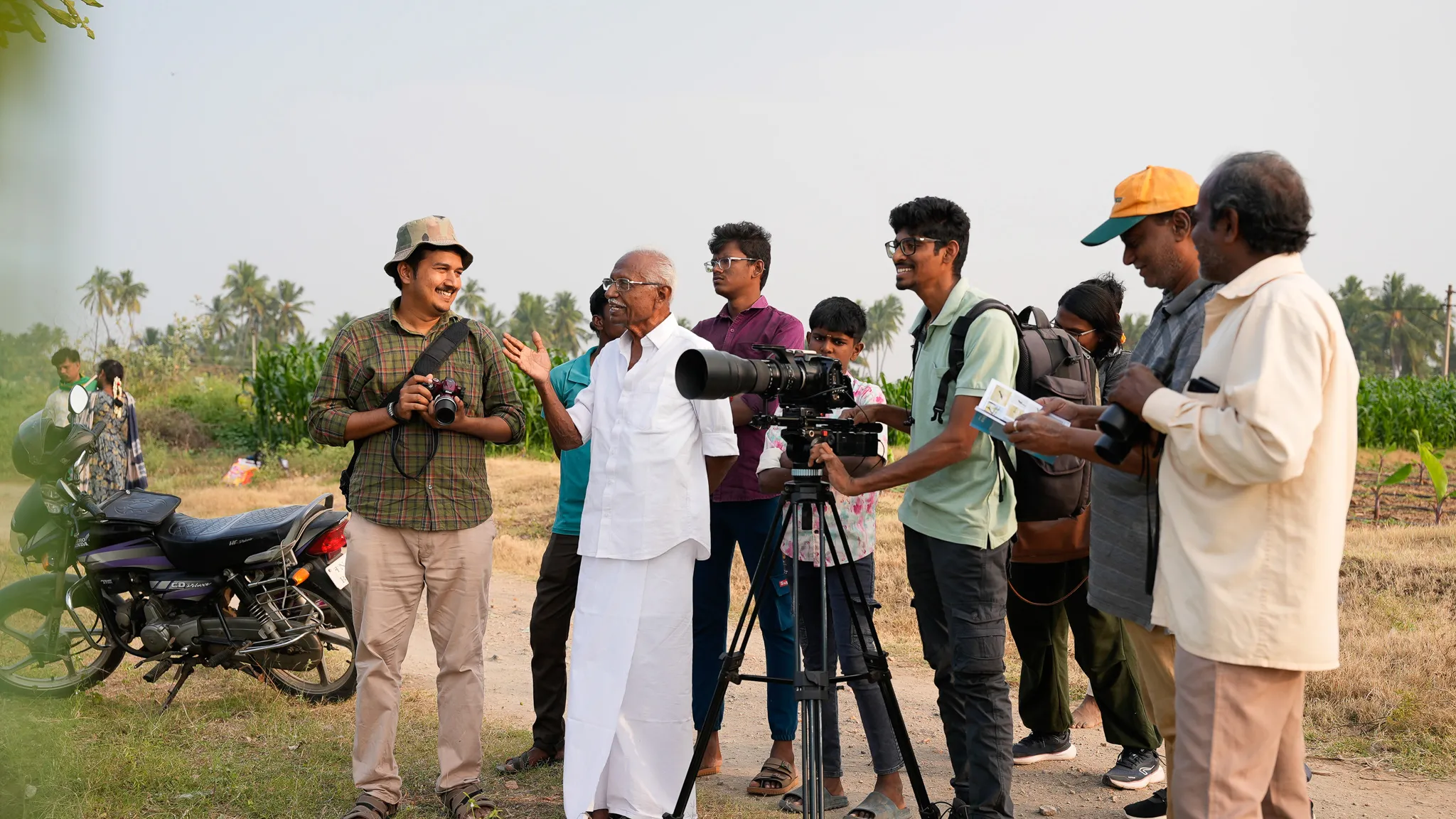
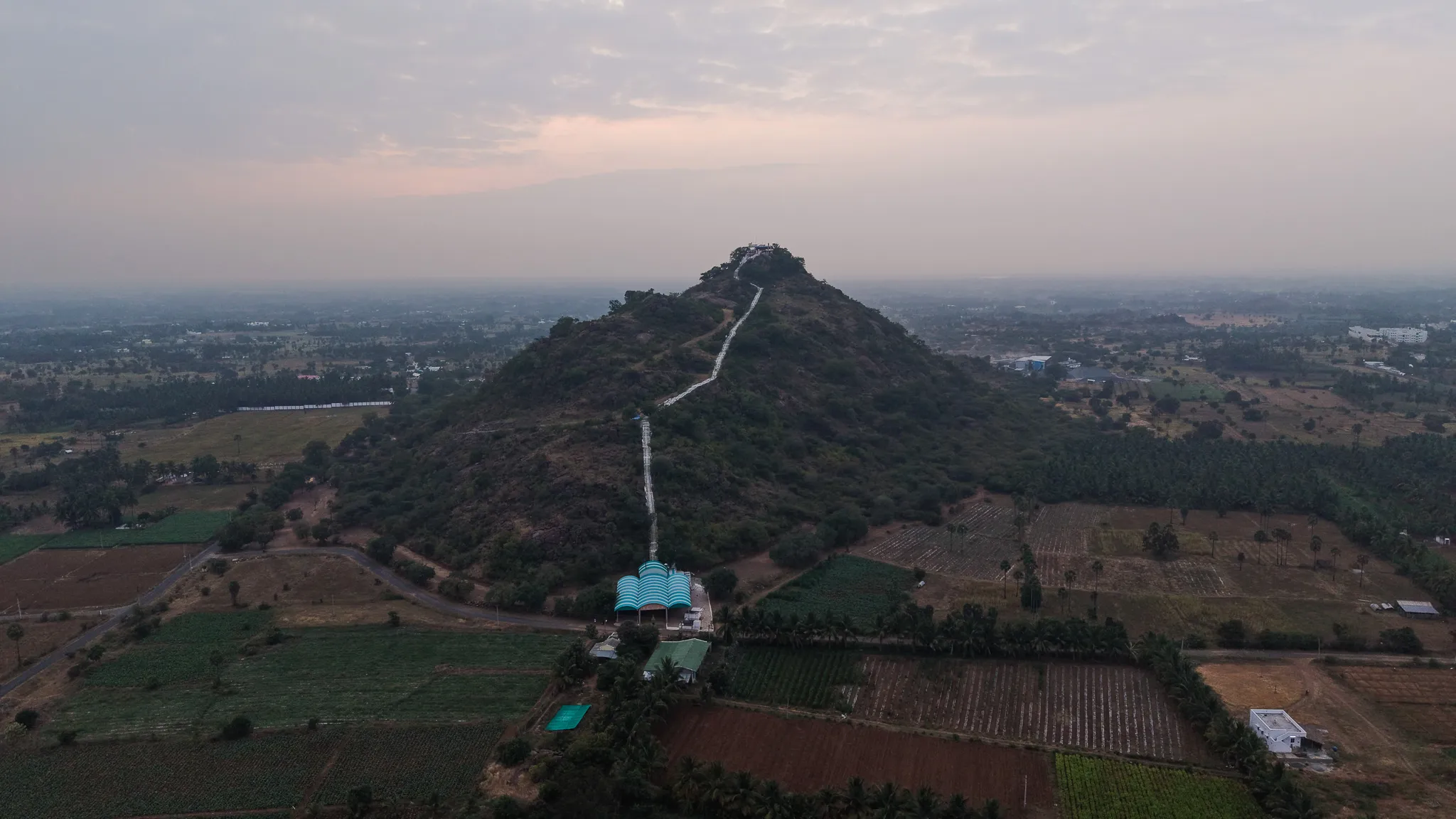
A curiosity to explore lesser-known habitats in and around Elathur lake during the summer of 2020 led the group to the Nagamalai hillock. “The Sathyamangalam Tiger Reserve in Erode is located at the junction of the Western Ghats and Eastern Ghats—older than the Himalayas themselves—imbuing it with rich biodiversity. Nagamalai is a small hillock in this region,” says Deepak.
Since they’re professionals with day jobs, Suzhal Arivom had limited reserves of time to devote to the project. Instead of mourning what was not possible, they devised a focused approach. “Ecologically sensitive areas are lost everyday. We cannot address the issues concerning all of them. We have to choose our battles wisely, so we rely on a systematic, scientific process to decide where to act,” he explains.
For the next two years, in collaboration with local ecologists and bird watchers, they began an ecological and habitat study in Elathur and Nagamalai, conducting periodic field surveys and documenting biodiversity through platforms like eBird and iNaturalist (online repositories of information on natural life). They also participated in global citizen science initiatives such as the Asian Waterbird Census and the Great Backyard Bird Count. The Elathur Lake topped Tamil Nadu in the Great Backyard Bird Count, for the highest number of species at a birding hotspot in the state for two consecutive years (2024 and 2025).
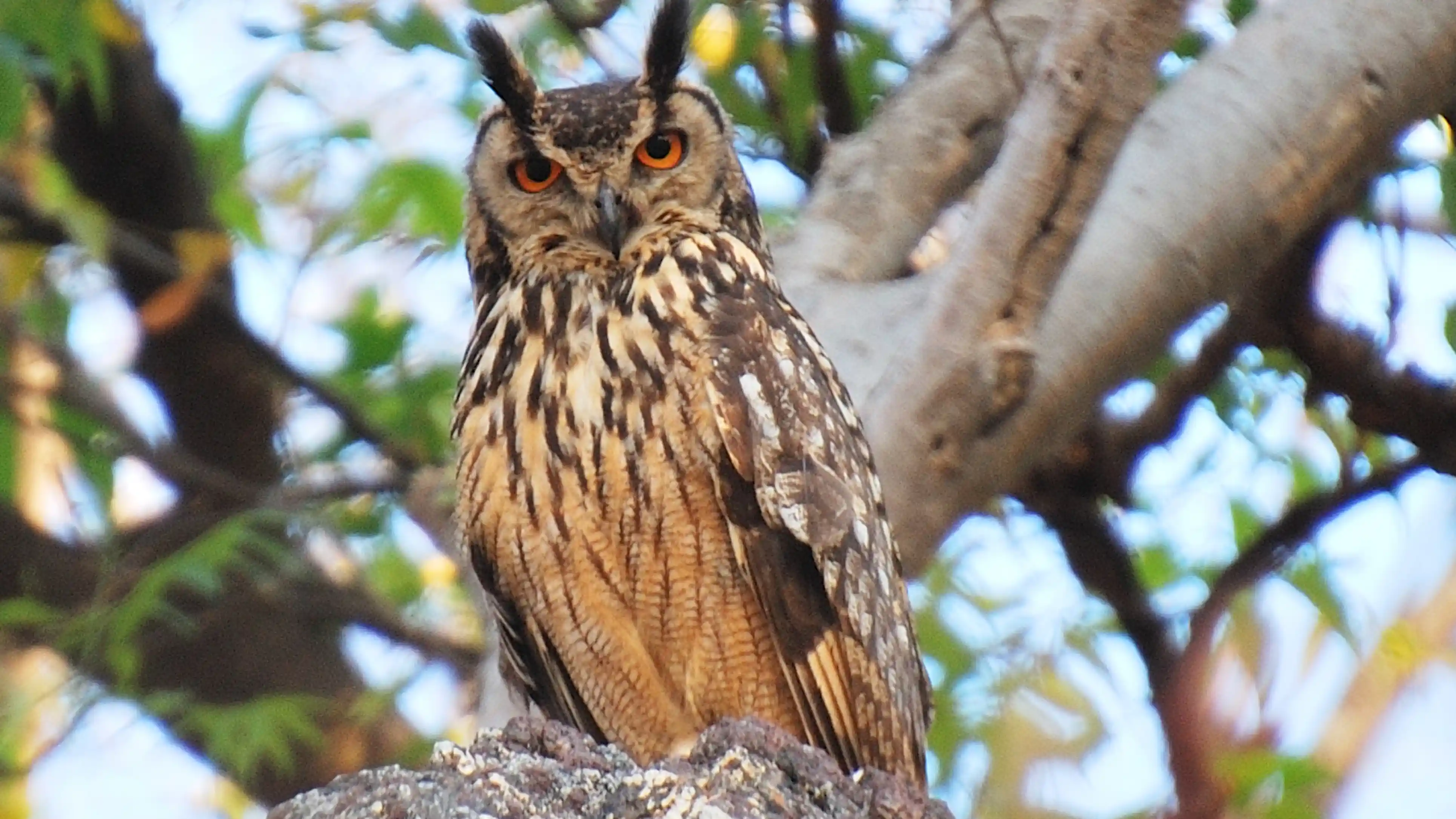
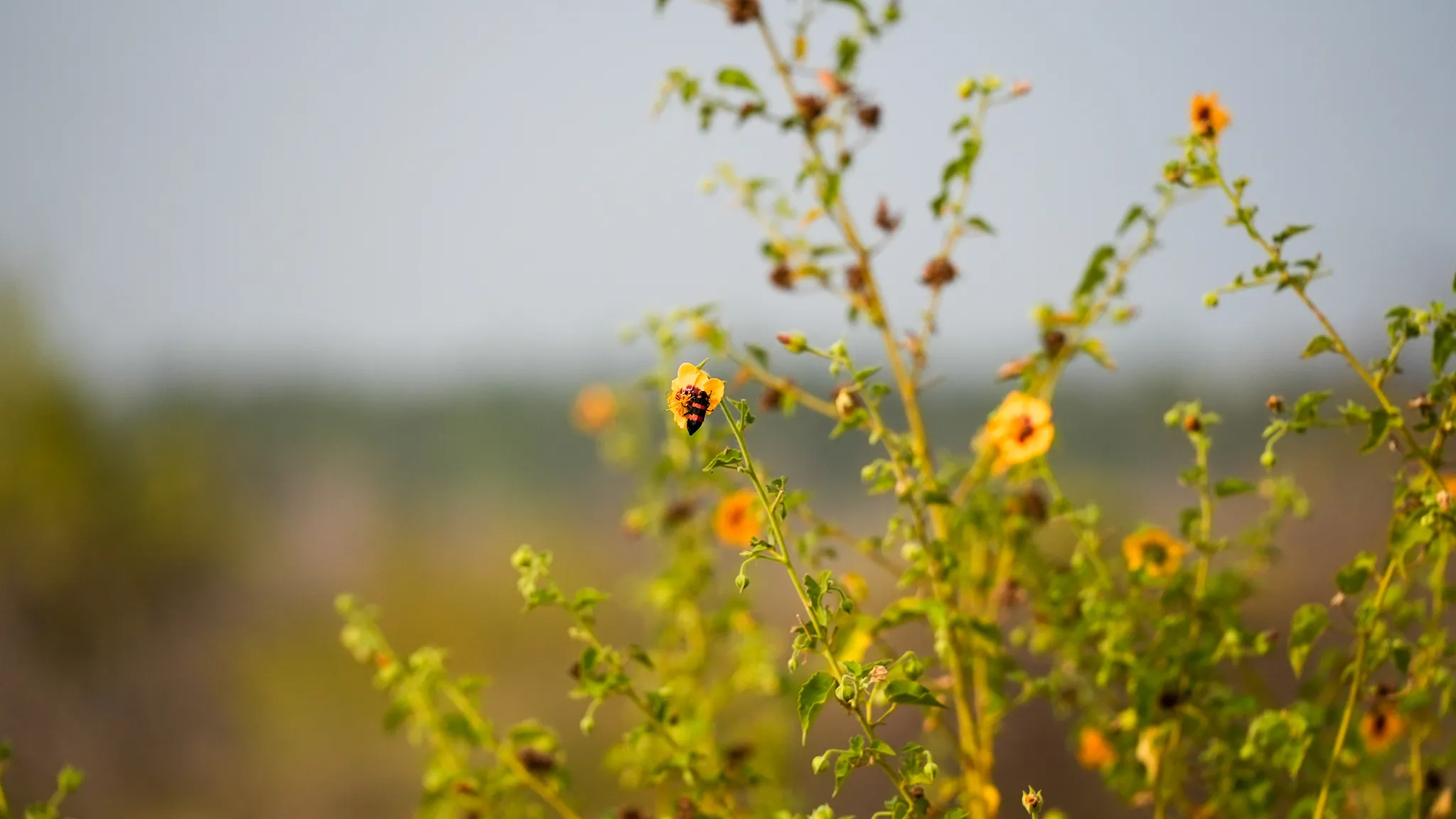
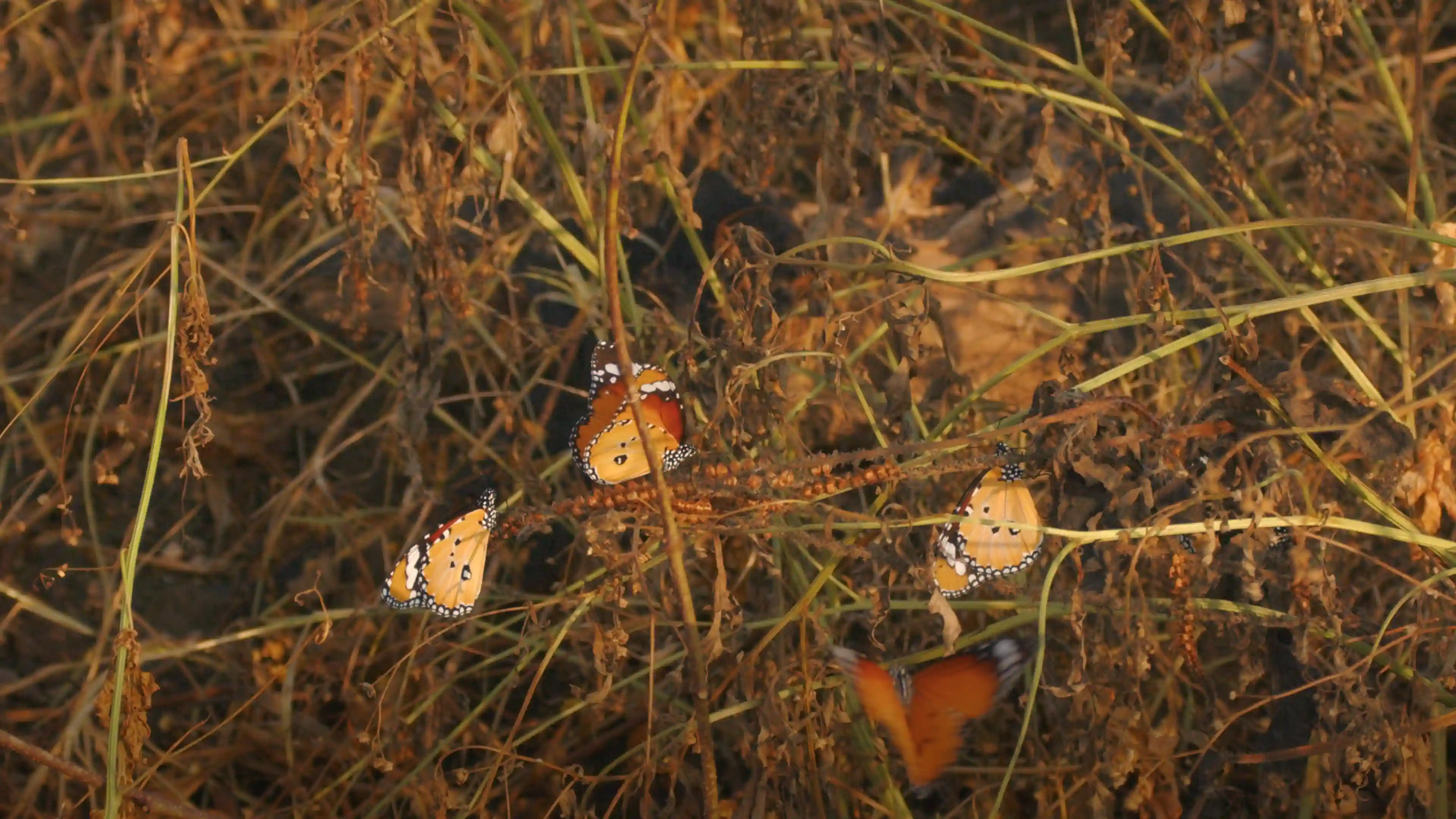
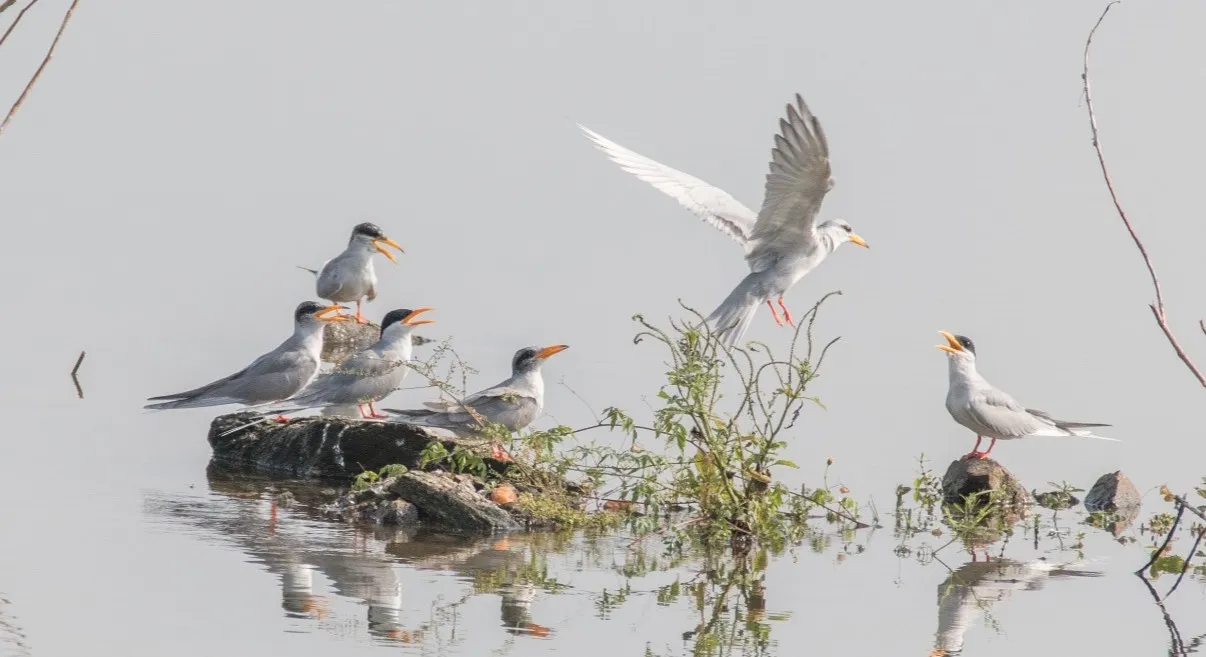
What emerged from this process was a portrait of remarkable diversity: Elathur alone supported over 200 species of birds, including 64 migratory species, with 72 species recorded nesting within the lake. Another factor that stood out was how the natural habitat of the lake was conducive for various species: birds nested across multiple layers—on trees, certainly, but also on mudflats, grasses and shallow ground. Species such as Black-winged Stilts, Red-wattled Lapwings, Little Ringed Plovers and the Ashy-crowned Sparrow-lark depended on these open, exposed areas for breeding. In addition to its birdlife, as of 2025, the Elathur lake was home to 38 plant species, 35 butterfly and 12 dragonfly species, 12 reptiles, seven mammals, and a variety of amphibians, fish, and invertebrates.
{{marquee}}
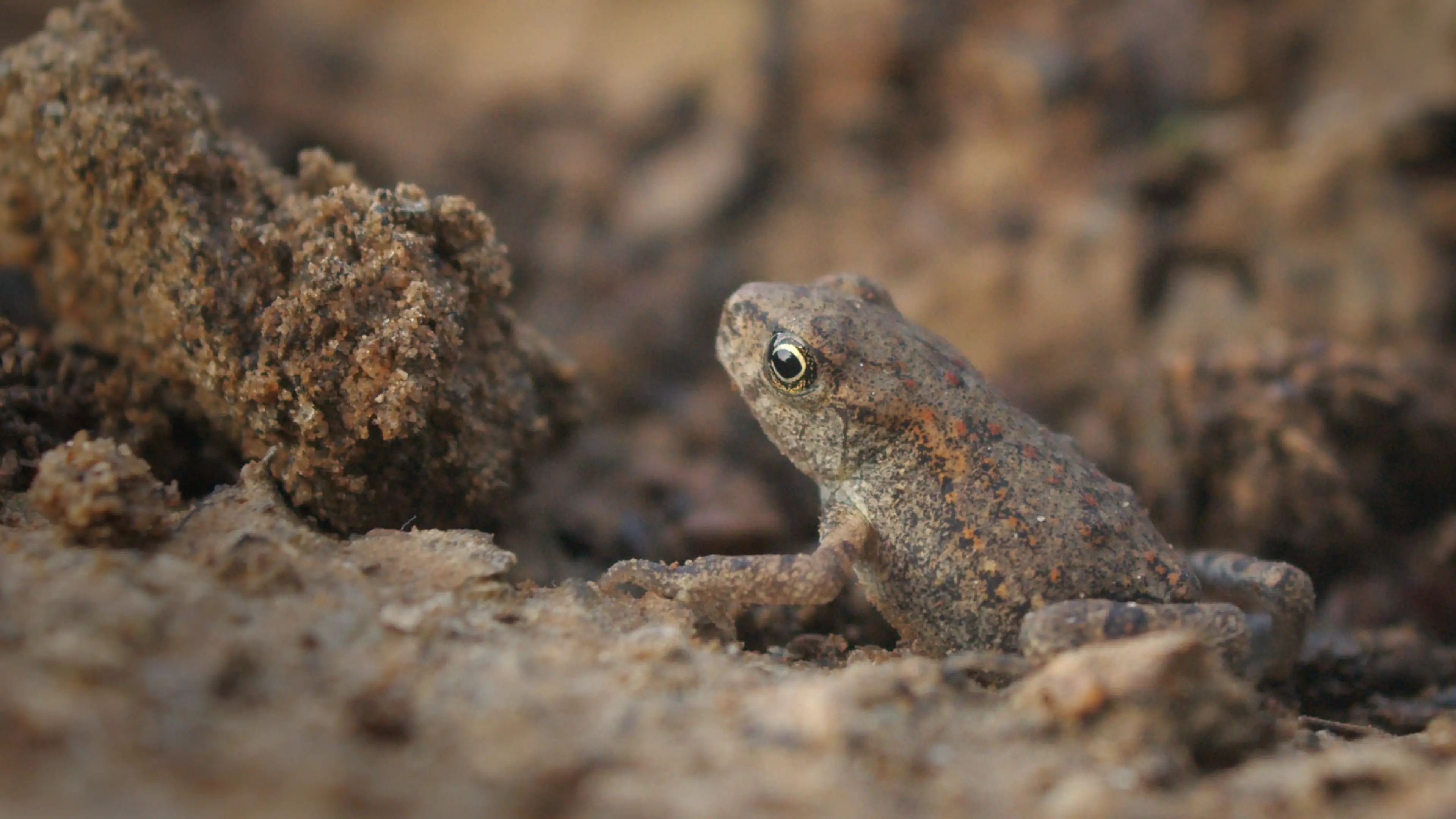
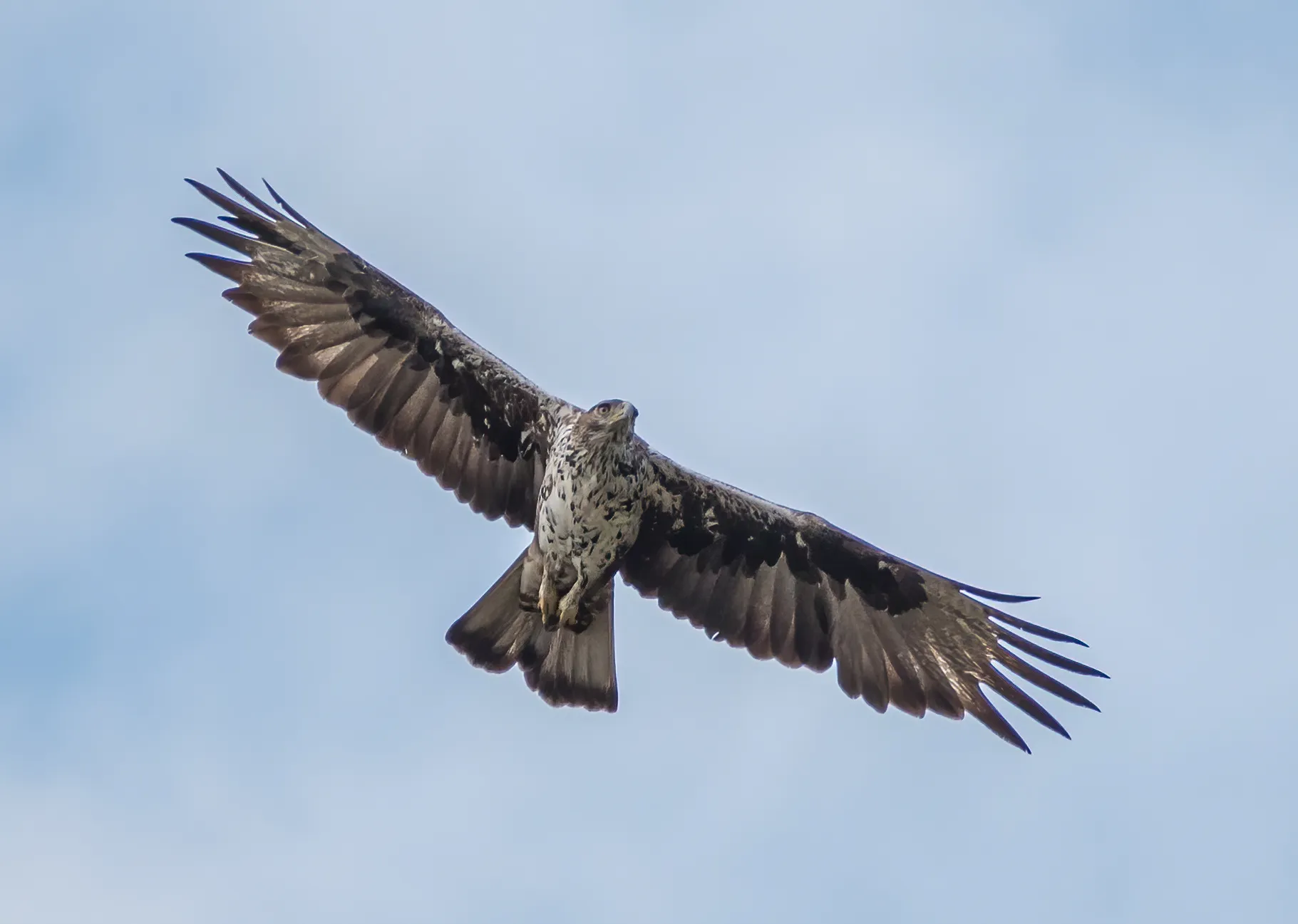
Nagamalai presented a complementary ecological profile. Its rich floral diversity attracted a wide range of insects and butterflies, forming the base of a larger food web. Apex species like the Bonelli’s Eagle were observed nesting consistently over several years, indicating ecological stability. Even incidental observations, such as spotting rare amphibians like the Gunther’s Toad during a sudden rain, added to the understanding of the hillock as a thriving habitat.
Suzhal Arivom’s documentation set off a domino effect, involving local bodies and the state government, changing the fate of the lake itself.
Also read: How Jayshree Vencatesan got Chennai to finally care for its wetlands
A sense of community ownership
When documentation efforts helped establish the ecological value of the lake, the need for community engagement arose, to ensure the lake’s longevity. For many residents, Elathur had always existed in the background. It was familiar, functional, but rarely remarkable. Nature walks emerged as a way to shift this perception.
Instead of conducting ticketed walks centred on jargon-speak and spotting birds with fancy binoculars, Suzhal Arivom decided to simplify things: they made them free of cost, and the people leading the walks spoke in local languages. They also introduced them to a bird identification app, which could be used on smartphones. As a result, the local residents began to witness and recognise the region’s ecology. Over time, this awareness evolved into participation.
Today, any change in the lake or hillock requires the consent of the BMC.
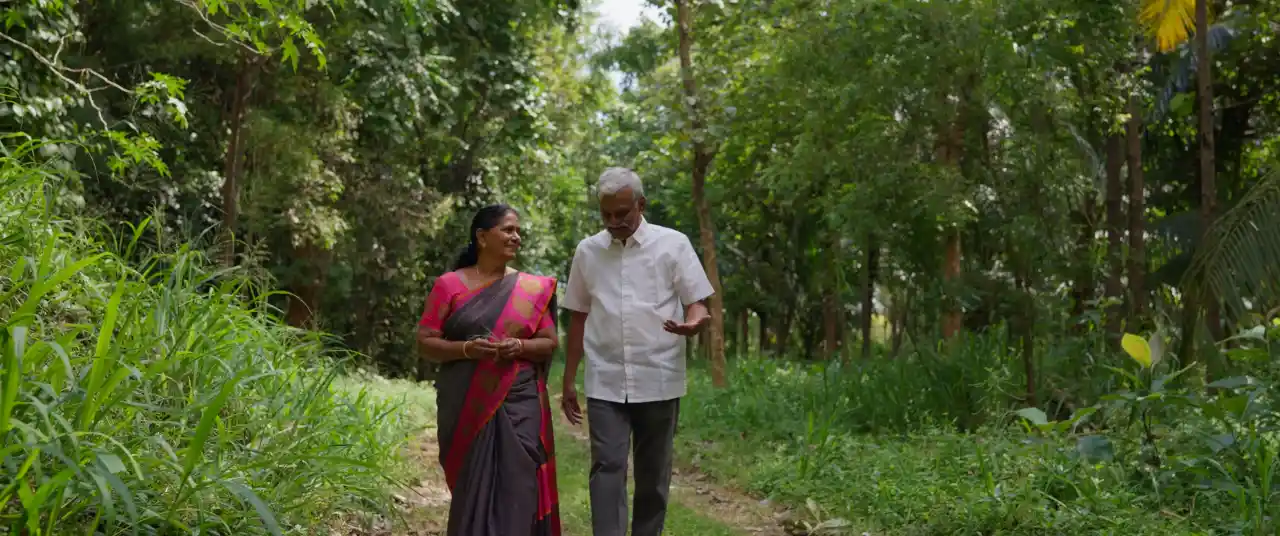
Since 2022, Suzhal Arivom has conducted over 50 nature walks, engaging more than 1,500 participants, including students and teachers. Among the walks’ most active attendees is Nagarajan P. “I have lived near this lake for almost the entirety of my life. But growing up, I never realised how rich it was in biodiversity until I attended these walks,” he says.
This community participation took a more formal shape in November 2024, with the reconstitution of the Biodiversity Management Committee (BMC), comprising seven local representatives, including two women and two individuals from scheduled castes. Nagarajan became its Chairperson.
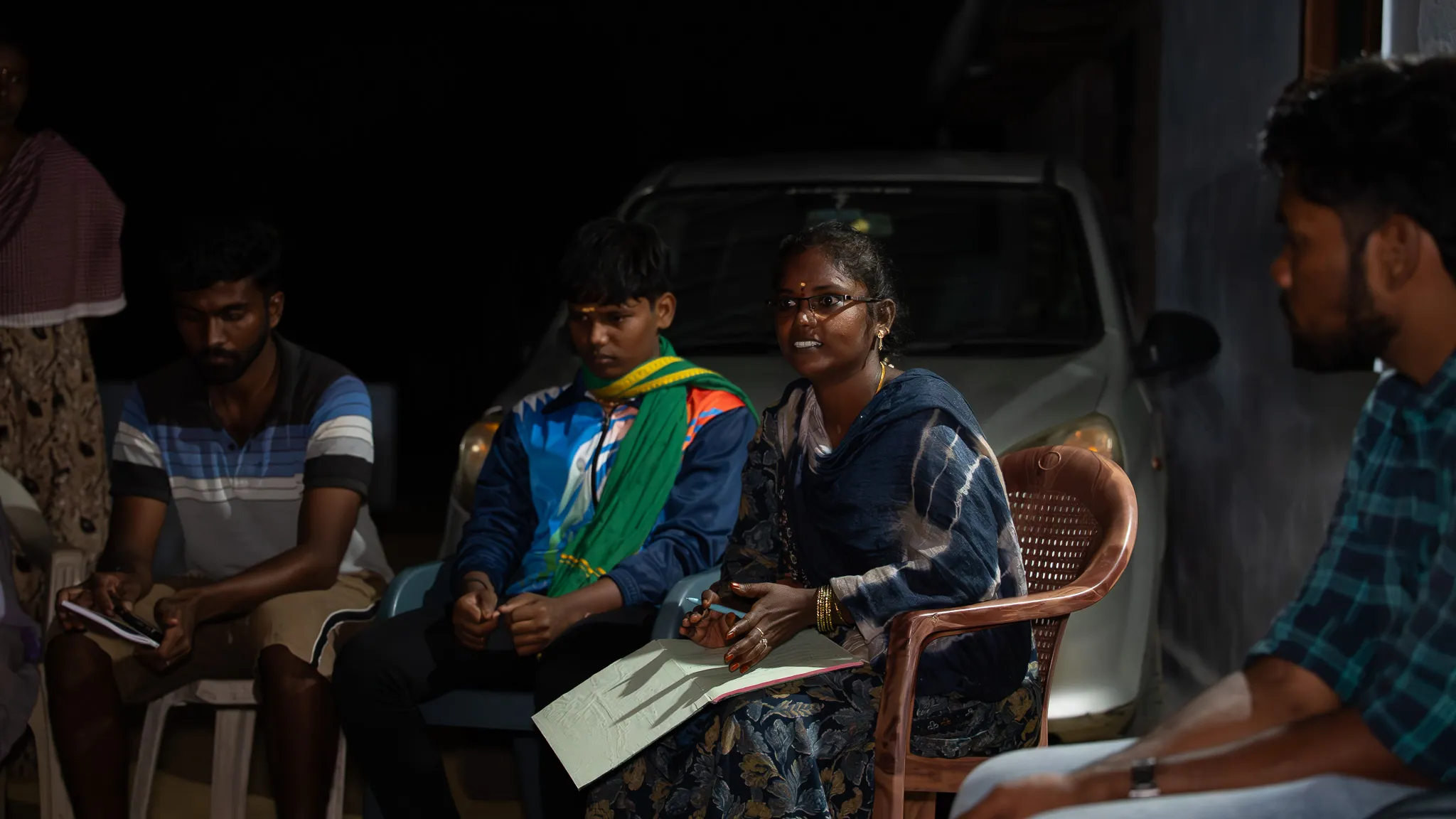
“Under the Biological Diversity Act, 2002, every local body is mandated to establish a Biodiversity Management Committee (BMC). These committees are entrusted with preparing People’s Biodiversity Registers to document indigenous knowledge and resources, and to ensure the conservation and sustainable management of biodiversity in their respective regions,” observes Deepak.
The first major resolution passed by the BMC was to seek ‘Biodiversity Heritage Site’ status for both the Elathur lake and Nagamalai hillock. The Biodiversity Heritage Site conservation approach was recognised under Section 37 of the Biological Diversity Act, 2002, defining these sites as having “wild as well as domesticated species; high endemism; rare and threatened species, keystone species, species of evolutionary significance, wild ancestors of domesticated/ cultivated species; fossil beds” among other criteria.
What may appear 'untidy' from a design perspective is, in ecological terms, essential habitat.
By late 2025, both were formally recognised, making them the state’s third and fourth such sites alongside the Arittapatti hillock in Madurai (declared in November 2022) and Kasampatty grove in Dindigul (declared in March 2025). Ecologist Reveendran Natarajan is of the opinion that the awarding of this status is more meaningful than if the site was declared a bird sanctuary. “That would have cut off the locals’ access to it. If natural ecosystems have to be protected, community ownership is necessary,” he says.
“Today, any change in the lake or hillock requires the consent of the BMC. The community, once a passive observer, now plays a central role in decision-making,” says Dhivyapriya S., a committee member who keeps record of all activities in the area. The will of the BMC, combined with Suzhal Arivom’s fight against beautification drives, has ensured that the lake does not fall prey to damaging practices.
Also read: In this Konkan coast town, women rock the boat with their mangrove safaris
A ‘non-anthropocentric’ project
What distinguishes Elathur from other lake revival/rejuvenation initiatives, Deepak asserts, is not the interventions undertaken, but rather what has been left untouched. A conscious decision was undertaken to ensure it does not conform to more conventional models of restoration which prioritise human activity and leisure. For instance, there are no concretised walkways, no decorative lighting, no engineered islands. Instead, its mudflats, marsh vegetation and natural ecotones (vibrant biodiverse transitional zones between land and water) have been retained.
Notably, desilting activity—typically undertaken to increase a lake’s capacity—has come to a halt. Documentary filmmaker Janardanan R., who has been documenting the biodiversity in the lake and nearby hillock for close to two years, even spotted the Eurasian spoonbill here in 2025—indicating the natural recovery of silt in Elathur, and how this has encouraged the arrival of newer species.
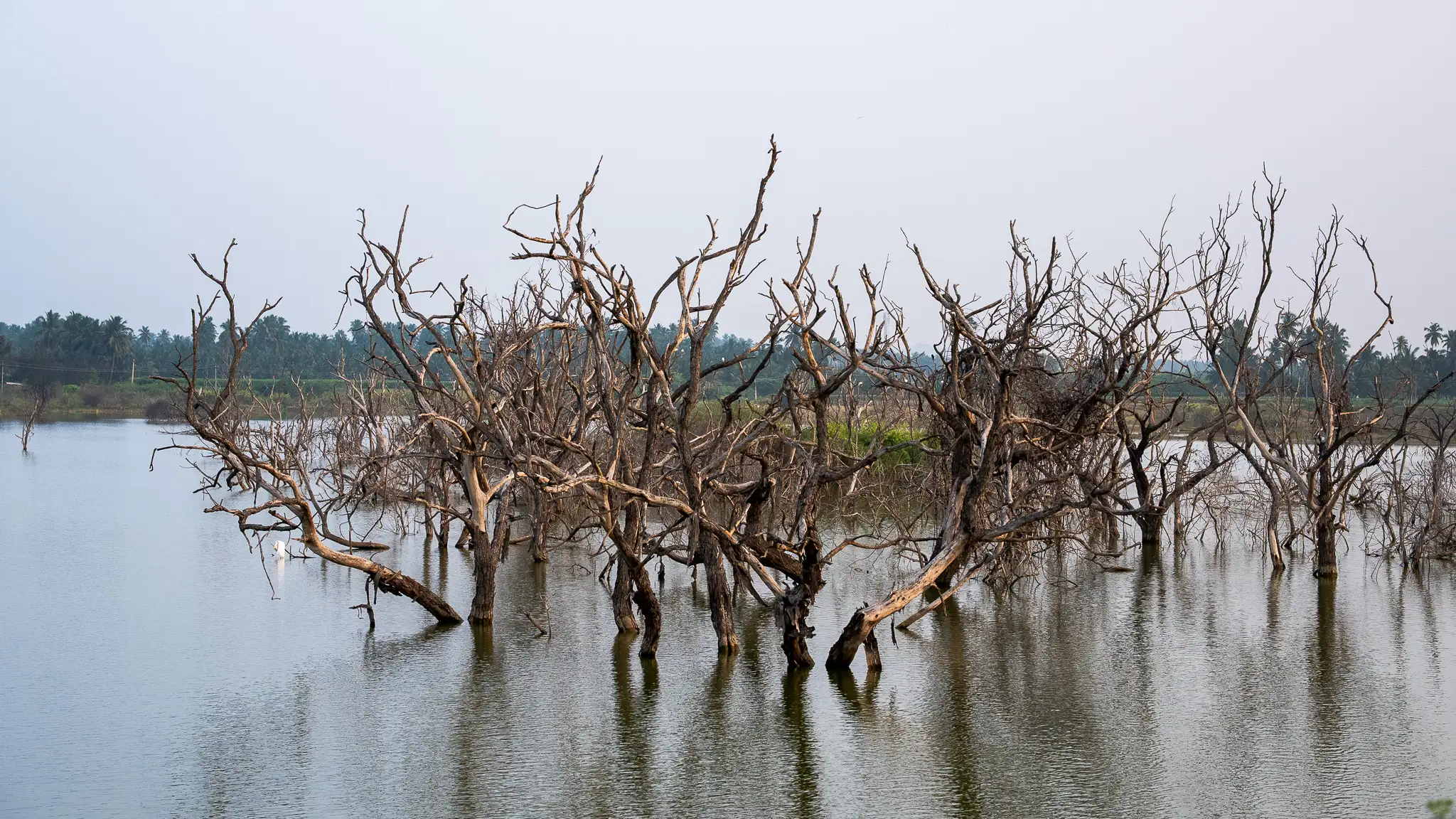
Indigenous plants have been introduced along the lake’s edges, creating a potential seed bank for the future. “What may appear 'untidy' from a design perspective is, in ecological terms, essential habitat. Even when we planted trees, we made sure the ecotones were not disturbed,” says Deepak.
Individual choices, once seen as being inconsequential, are now part of a broader pattern of conservation. For instance, Ravikumar P, Treasurer of the BMC, underwent a transformation: from being unaware of the rich biodiversity around him, to actively caring for it. “Our fellow villagers used a part of the lake as a cremation ground. When my grandmother died, we decided not to cremate her there,” he says. Though it may seem like a small decision, it set off a ripple effect, with others following suit. The declaration of the lake as a Biodiversity Heritage Site further protects it from such previously accepted practices.
As the birds return each dusk to an unaltered landscape, the lesson is clear: conservation is not always about ‘adding’ more; it is often about knowing when it is best to leave nature alone.
Edited by Neerja Deodhar and Aathira Konikkara
Cover photo by Harishanker KP
Carousel images by Sundaramanickam, Deepak, Jagan, Ravindran Kamatchi, Janardanan and Suzhal Arivom
{{quiz}}


Explore other topics
References

The rejuvenated Elathur lake has