Turn left for Mumbai's concrete jungle. Turn right for its thriving food forests
Food forests take root wherever Mumbaikars envision them—in parks, near health centres, and even in college campuses


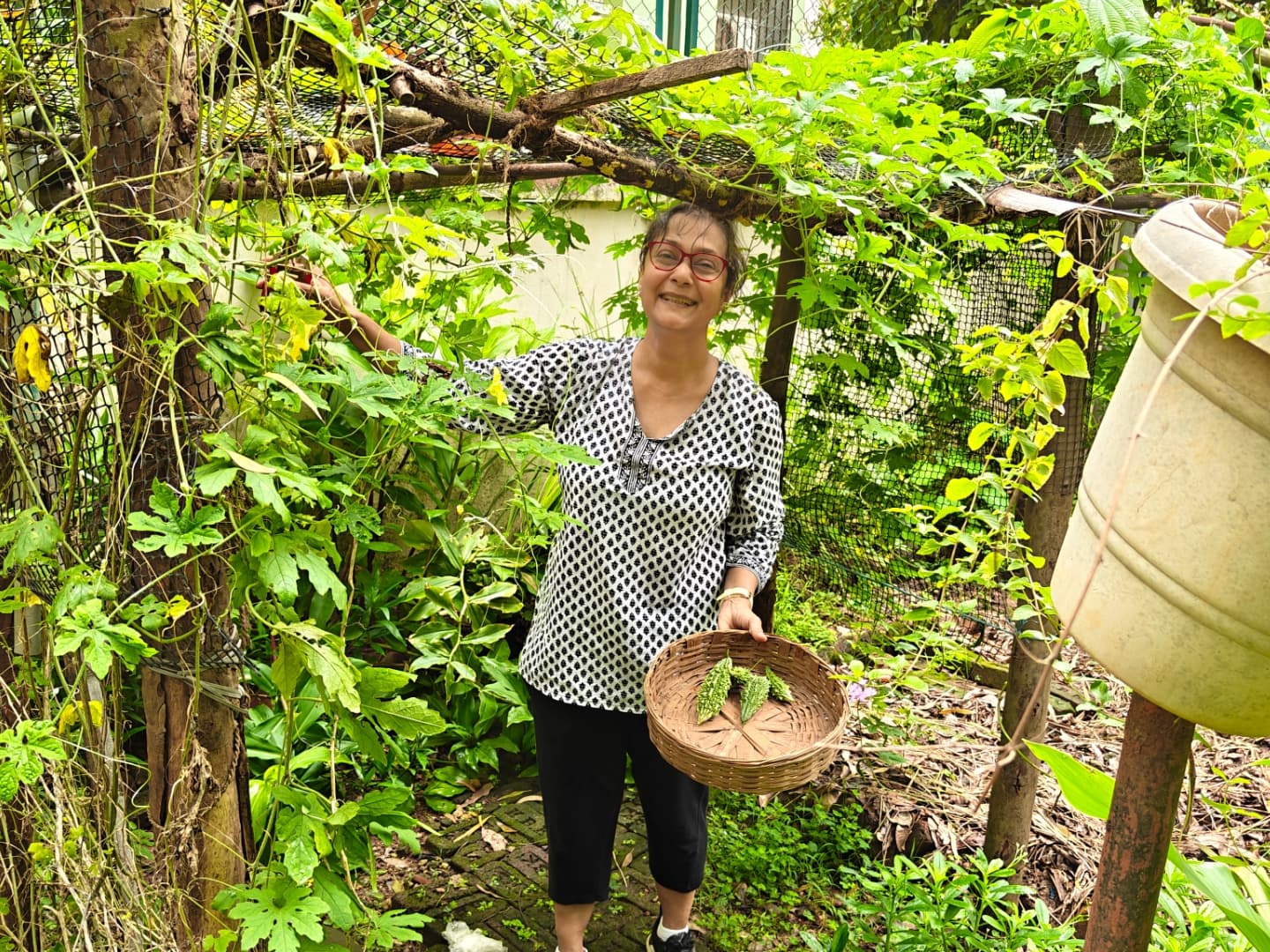
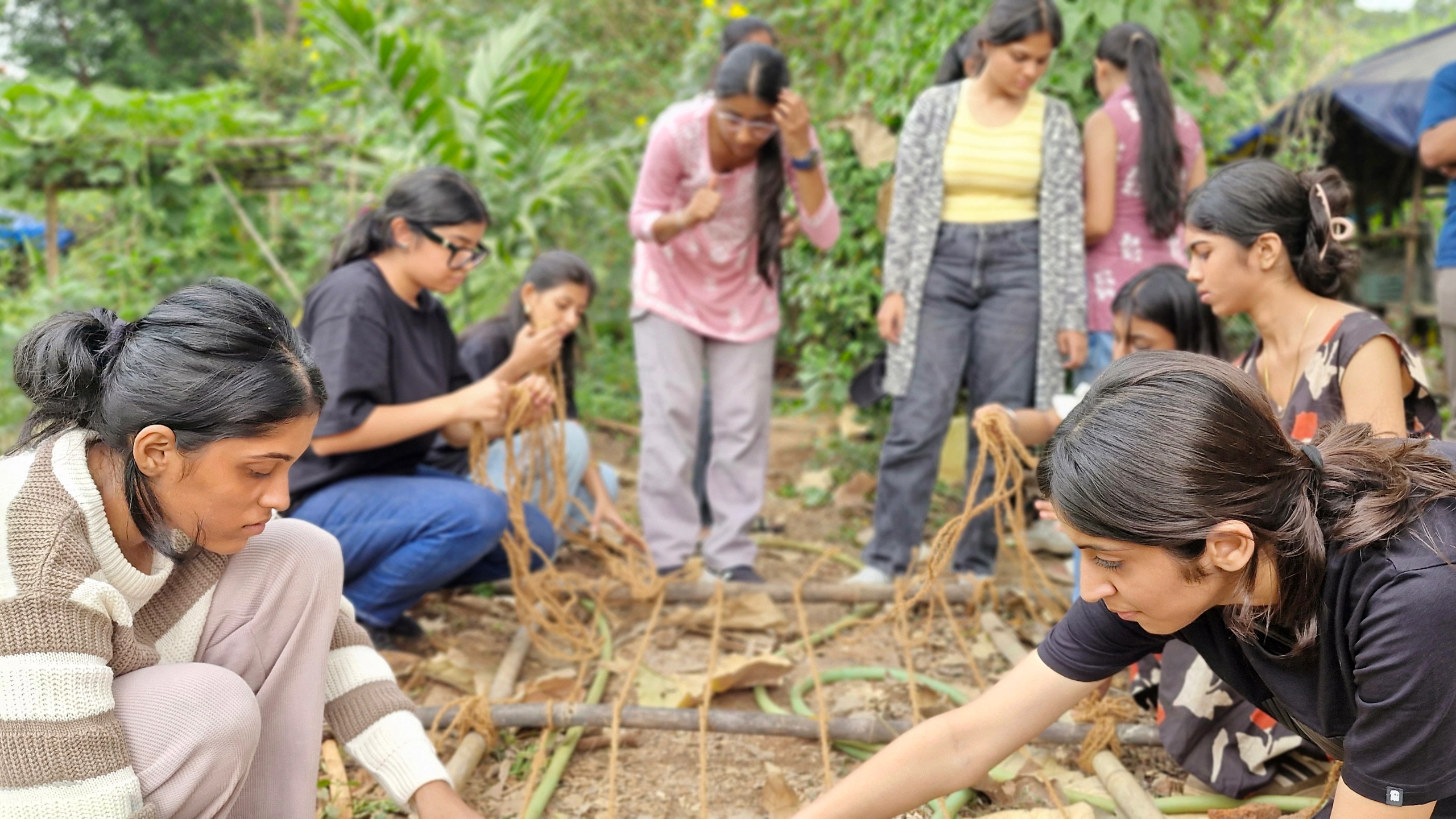
Every Wednesday and Saturday, a small park in Mumbai’s suburb of Bandra comes alive with volunteers in shirts, cargo pants and hats, ready to brave the heat and grow food. Here, they spend their mornings tending to trees, carefully harvesting Malabar spinach, bananas, lemongrass, and bird’s eye chillies (among other produce), and breathing in the scent of earthy compost as they open a fresh pit. Located in the heart of a neighbourhood otherwise populated by coffee shops, restaurants, and boutique stores, this food forest, known as Dream Grove, stands apart: since 2018, it has welcomed people from all walks of life who have an inclination to learn. For some, it is a short jog away from home; for others, it is an initiative worth travelling to from far-flung suburbs.
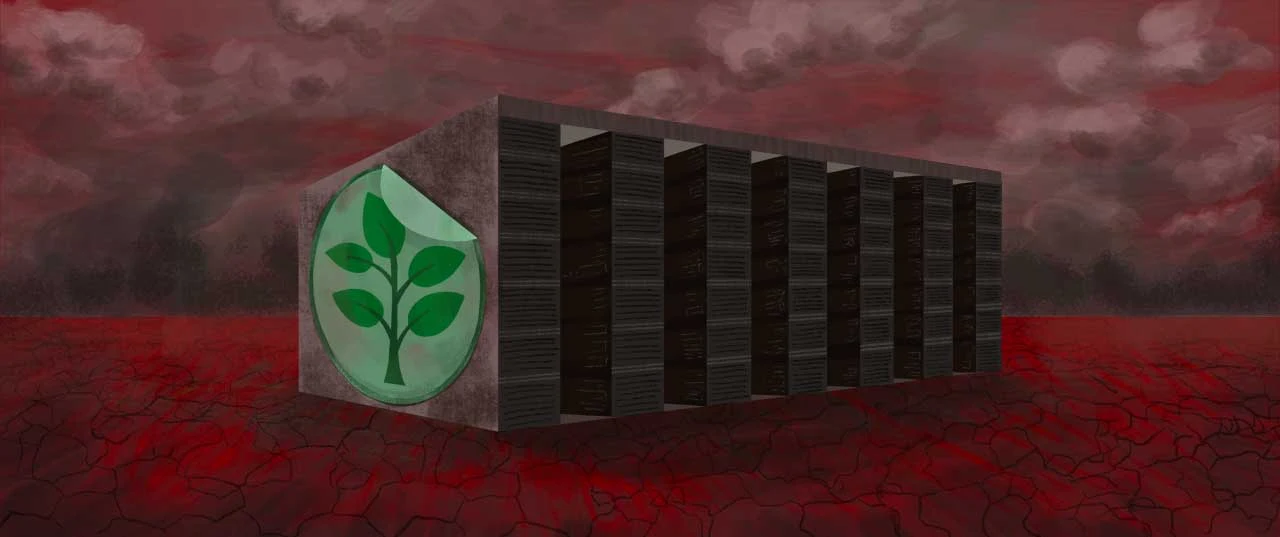
Dream Grove is just one among many food forests that have sprung up across a city whose green cover has been shrinking for decades. A study found that Mumbai lost 42.5% of its green cover between 1988 and 2018. More recent estimates from the Mumbai Climate Action Plan suggest the decline has worsened, with over 2,000 hectares of urban tree cover lost between 2016 and 2021. In a city where every square metre is staked, urbanisation, land reclamation projects and vertical expansion have left its residents with an alarming 1.2 square metres of open space per person (a figure that does not account for how much of it is actually green)—almost nine times lower than the minimum amount of urban green space recommended by the World Health Organization.
The Brihanmumbai Municipal Corporation (BMC) has undertaken several greening projects, such as approving nearly 1,25,000 square metres of land to be converted into lawns, the Coastal Road Landscaping Project and converting Mahalaxmi Race Course into a 'Central Park'. However, all these will feature promenades, manicured lawns, hedges and gardens as prominent parts of their design, focussing on aesthetic landscaping and beautification while guzzling water and giving little in return to the land.
They tend to be modest in size, occupying a few hundred square metres, shaped by urban land constraints.
In this extractive landscape, enter the urban food forest: an ecosystem designed to mimic the natural architecture of a forest, with multiple layers and canopies—mycelial networks, underground tubers, grasses, vines, shrubs, short and tall trees. Everything inside it is edible, and it is possible to plant diversely in a compact space. In a world where farmland has been so fixedly differentiated from urban spaces, where food supply chains grow increasingly fragmented and consumers drift away from where their food comes from, urban food forests provide a restorative and sustainable solution to growing green things in a warming world.
While there is no official count, Mumbai is home to a small but growing number of such food forests, often tucked into housing societies, parcels of land on institutional campuses, or reclaimed public parks like in the case of Dream Grove. They tend to be modest in size, occupying a few hundred square metres, shaped by urban land constraints. Most are initiated by individuals or collectives—ecologists, educators, or citizens who care about the world—rather than commercial farmers.
Also read: Home gardens enrich the soul. Can they improve urban biodiversity too?
The past and present of Mumbai’s foodscape
While the term ‘forest garden’ was coined by Robert Hart in the UK only in the 1980s, and the term ‘food forest’ emerged from the Australian permaculture movement around the same time, both terms were shaped by observing traditional practices that integrated trees into agriculture. Urban food forests are a conscious return to permaculture, an approach to agriculture that integrates land, water, other environmental resources and people, and minimises waste.
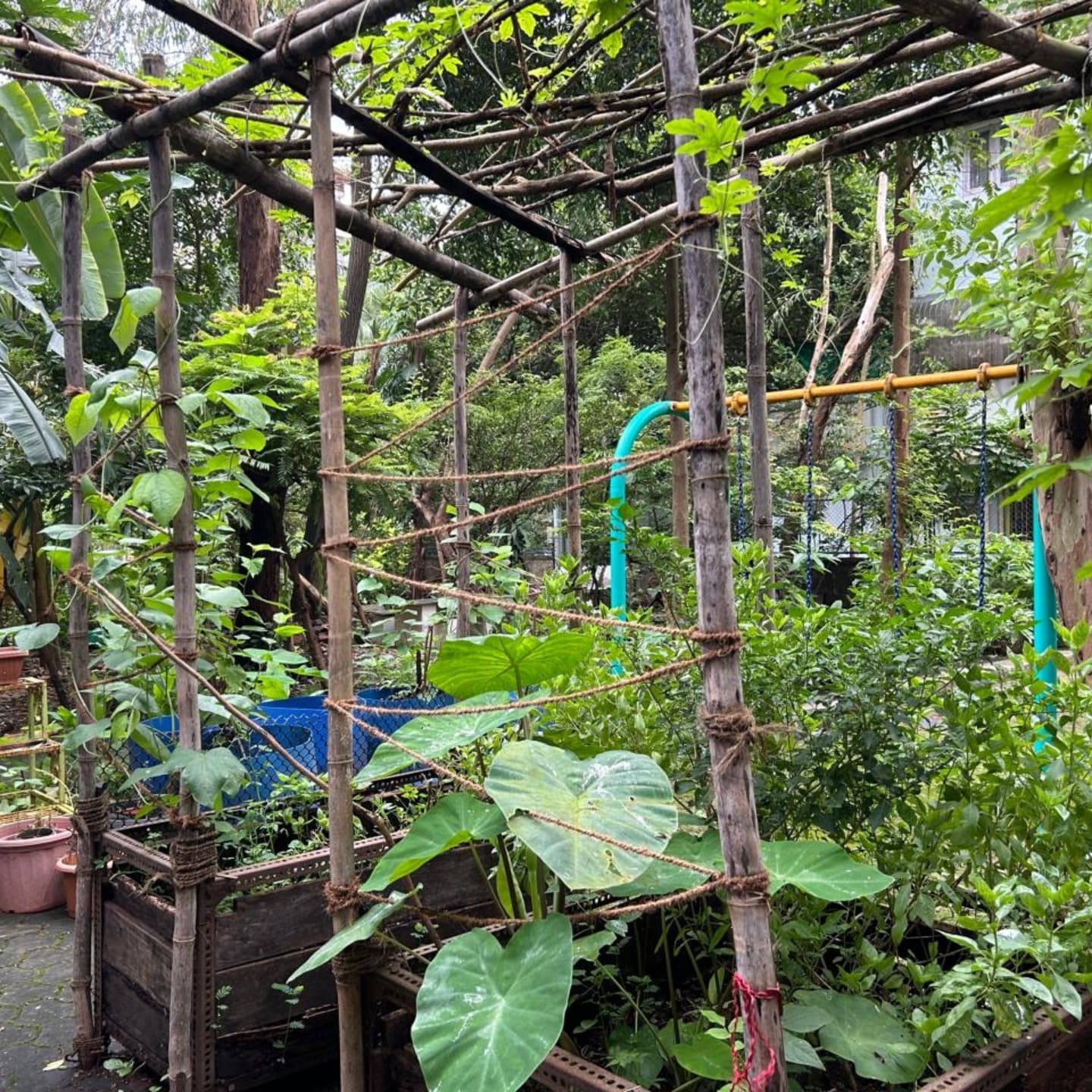
Most urban food forests are intentionally designed ecosystems that emulate natural forests. They are typically distinguished by their layered planting (from ground cover to canopy), high species diversity, and reliance on natural processes—like mulching and microbial activity—rather than external chemical inputs. Even young plantations growing in as small a space as a parking lot or a rooftop can be categorised as a food forest. What distinguishes them most is the combination of ecological design, biodiversity, and low-input, self-sustaining growth.
Urban spaces and farmlands weren’t always as rigidly separated as they are now. Indian cities, including Mumbai, also have a long farming history—reminders of a time when the wadis and gaothans that now form part of a thriving metropolis were home to thriving fields. Sun-drenched fields of paddy and vegetables, including okra, tomatoes, coconut and spinach, once stretched across modernised Bandra. The residents of Mulund, a suburb in Mumbai’s northeast stretches, recall climbing up trees of cashew, bor (Indian gooseberry) and jackfruit to pluck fruit as children. Data shows that groundnuts, nachani, tur, urad and other pulses were widely cultivated in nearby Thane in the ‘90s, along with other horticultural crops such as chickoos, bananas and mangoes.
Urban spaces and farmlands weren’t always as rigidly separated as they are now.
These food forests seem to pop up in corners which are vacant or in disuse. Access to land is one of the biggest challenges, so people work with what’s available: spaces that are easier to access, or where someone is willing to take ownership. Schools and orphanages, for instance, often double up as learning spaces, while neglected plots—dirty, overlooked, written off—end up becoming the easiest to reclaim and slowly coax back to life.
The very nature of urban food forests—nourishing spaces brought alive with toil and care—allows them to bloom in the most unexpected of landscapes. When the St. Jude India Childcare Centre (part of the Tata Advanced Centre for Treatment Research and Cancer Education), a residential facility for children undergoing cancer treatment, was established in Kharghar, the idea was to repurpose some of the neglected space on campus, run over by construction dumping. “We suggested that instead of an ornamental garden, why not create an edible forest?” Manasvini Tyagi, a permaculture practitioner attached to the project, recalls.
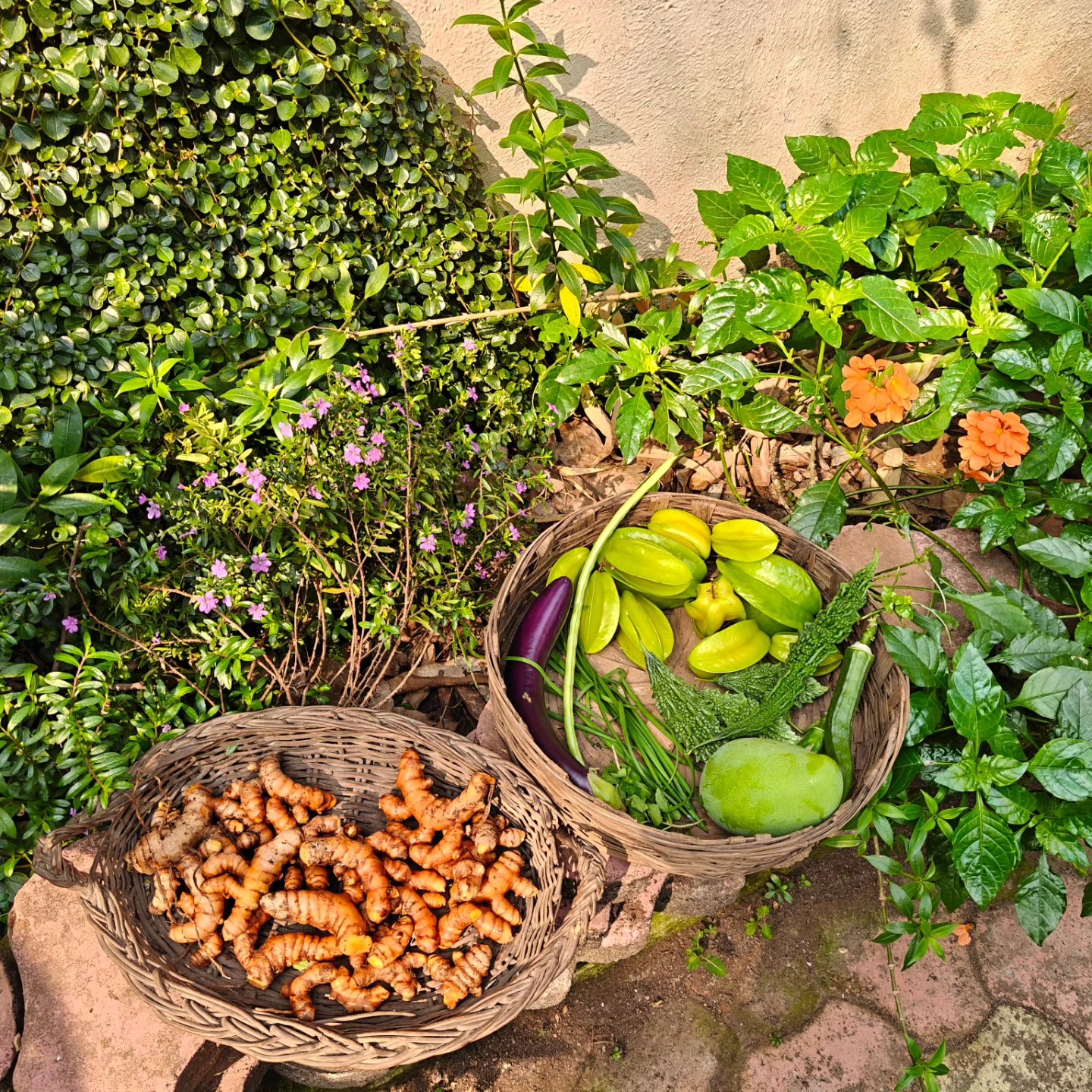
And thus, Earthen Routes (previously Green Souls) was established in 2013: a community food forest farm on a small part of this campus. It began modestly, with just 500 square metres, but served a greater purpose. “Its fruits, vegetables, flowers, and herbs could provide fresh, nutritious food for the children undergoing treatment,” Tyagi adds. While accommodation at the centre was free, families still had to arrange their own food, making the idea both practical and urgent.

Why food forests?
What significance do food forests hold, particularly in urban spaces, as opposed to regular tree plantation? While any tree can support some biodiversity, food forests are designed to generate it—abundantly and continuously. “Because every fruiting tree is first a flowering tree, everything planted in a food forest is either a host tree or a feed tree to pollinators,” says George Remedios, who has spent over a decade working on food forest and ecological restoration projects across Maharashtra, Goa, Andhra Pradesh and Tamil Nadu.
He observed how the presence of flowering plants quickly attracted sunbirds, garden lizards, spiders, and other insects. Unlike conventional plantations—often made up of a few species planted in uniform rows—food forests bring together a diversity of flowering, fruiting and understory plants (the layer of vegetation located under the main canopy but above the ground, comprising saplings, shrubs, herbs and young trees). This layered mix creates continuous sources of nectar, food and shelter, allowing more complex food webs to form.
Shweta Wagh, an ecologist and professor at the Kamla Raheja Vidyanidhi Institute for Architecture and Environmental Studies (KRVIA) in Mumbai, has been involved in developing part of the campus into a food forest. A space that was once overflowing with debris, that quickly became water-logged in the monsoon and buzzed with mosquitoes, is now teeming with an entirely different kind of life. Pollinating insects are regularly seen in the space, while birds such as bulbuls and flycatchers visit the trees and water sources placed around the garden.
Unlike conventional plantations—often made up of a few species planted in uniform rows—food forests bring together a diversity of flowering, fruiting and understory plants.
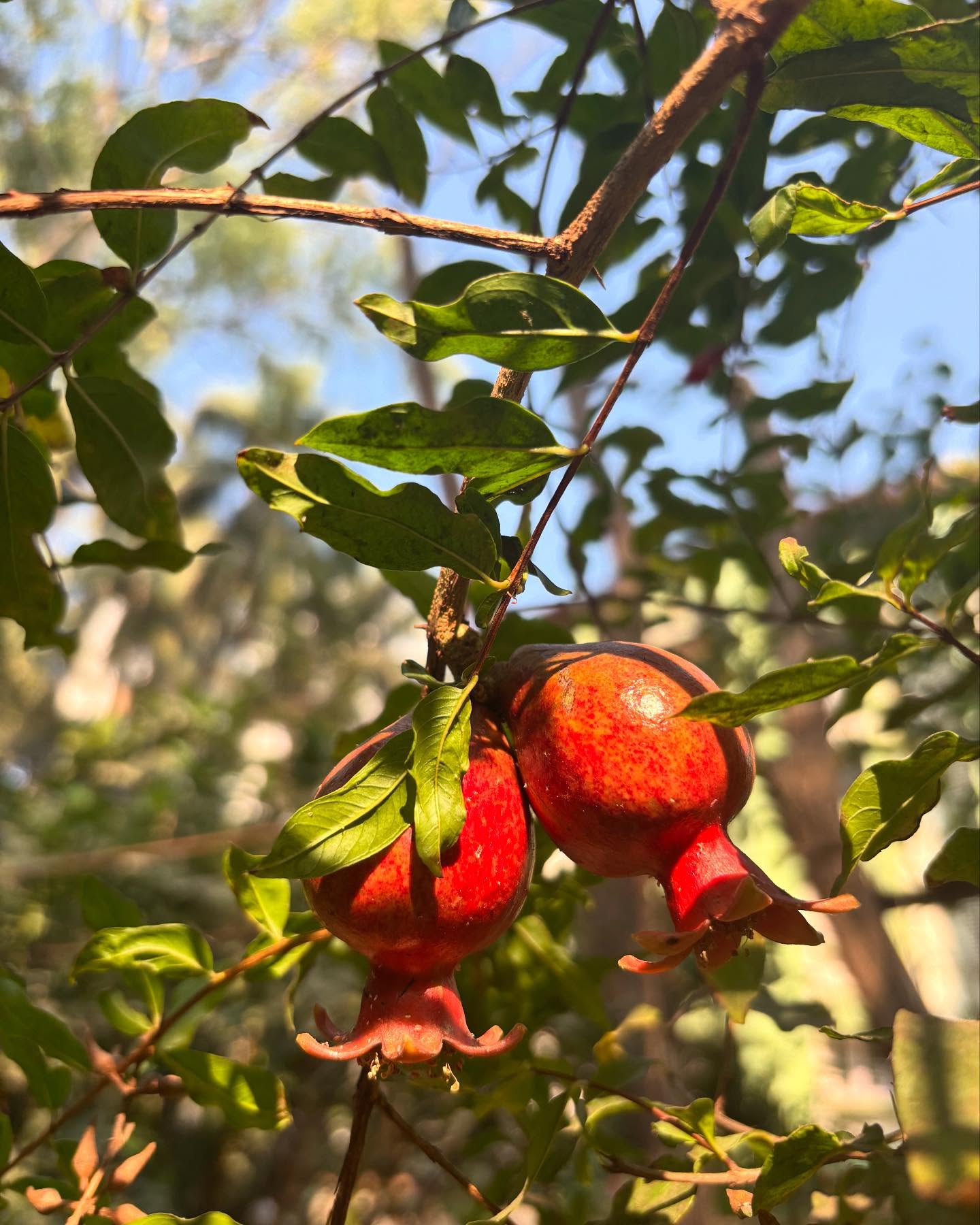
Both Wagh and Remedios point to how conventional urban greening emphasises a manicured aesthetic and avenue trees which have large canopies and provide shade, like the Gulmohar and ornamental Ficus species. Food forests, on the other hand, are an opportunity to gently re-introduce native species, and plant them alongside other trees. The planting palette at KRVIA reflects a mix of native and useful species. Trees such as Arjun, Umbar (wild fig), Chukrasia, and Ritha contribute to ecological diversity, while fruiting species like mango, guava, jamun, banana, mulberry, and lemon provide food. Herbs and medicinal plants, including tulsi, lemongrass, shatavari, and khus are grown. “We also grow seasonal crops such as pumpkin, beans, snake gourd, radish, spinach, and mustard greens,” says Wagh.
Food systems scholar Dr. Madhura Rao sees urban food forests as most valuable when they complement, rather than replace, existing food systems. Their strength lies in proximity—offering hyperlocal produce, creating shorter supply chains, and enabling people to build more intimate relationships with the food they eat. In a metro city like Mumbai, land scarcity and regulatory entanglements make institutional support all the more important for food forests to flourish. With supportive policies, such as easier access to land, clearer regulatory pathways, and links to community kitchens or schools, these spaces could contribute in small but meaningful ways to urban nutrition.
In a metro city like Mumbai, land scarcity and regulatory entanglements make institutional support all the more important for food forests to flourish.
What it takes to grow an urban food forest
Dream Grove, once a dumping ground for construction waste, has now become a refreshing patch of green. Fruiting trees, tubers, herbs and spices all grow alongside each other. “The first fundamental of designing it was that no biomass should leave the premises,” says Premila Martis Parera, the co-founder of Dream Grove. An ex-banker turned environmental-care advocate, she observed eight years ago that leaf litter across the city was usually incinerated or carried away to landfills. Parera stepped in as a mentor, while co-founder Marie Paul emerged as the community anchor, who mobilised the neighbourhood and built local support. With her roots as a church gospel singer, she brought a strong connection to the community along with the ability to rally people. Together, with local governmental support and a dedicated team, they committed to doing things differently.
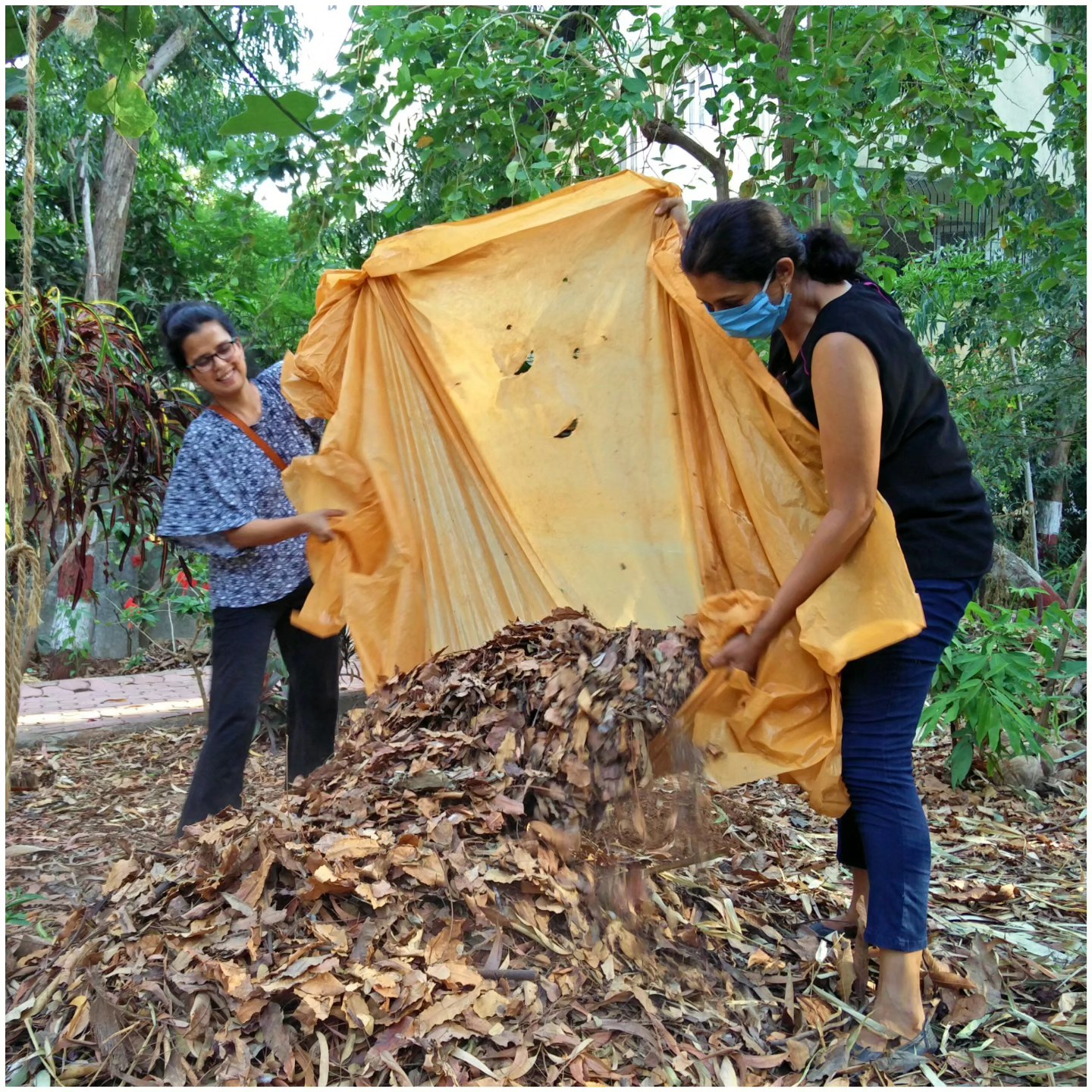
The park had been dumped with construction rubble and poor soil, which created a hard, alkaline foundation with poor drainage. To restore the soil, Team Dream Grove began rebuilding it manually. They dug trenches and filled pits with fallen leaves and other organic waste. These layers acted like underground sponges, improving drainage, storing water, and creating a habitat for microorganisms. “Soon after our initial effort, Marie saw a mulberry tree fruiting for the first time. It was a marvel!” she says.
Its democratic ethos invites people across class and caste lines to come into its fold and learn about new methods of organic growing, care and sustainability.
As important as soil revival is a continued effort to nourish it through processes like growing compost. Dream Grove volunteers line the pits with dry leaves, vegetable waste, soil and a sprinkling of earthy, black compost from the previous batch, which acts as a ‘starter,’ like in bread-making.
{{marquee}}
At Earthen Routes, seeds are treated with care. “I use heirloom seeds. I save them from what I eat and grow them again—brinjal, tomato, bhindi, and plant different varieties of the same vegetable.” Tyagi sources seeds from trusted networks, including farmer-led seed festivals.
The progress and nature of an urban food forest is also determined by who comprises its stakeholders. Its democratic ethos invites people across class and caste lines to come into its fold and learn about new methods of organic growing, care and sustainability. “We deliberately involved our gardeners in the process. There was a learning curve in the beginning: we’ve been trained to use pesticides at the first site of an infestation. But if people find practical value in the landscape—through fruits, leaves, or herbs—they are more likely to care for and sustain it,” Wagh says.
Also read: What it takes to feed India's growing cities
Growing food with one’s hands
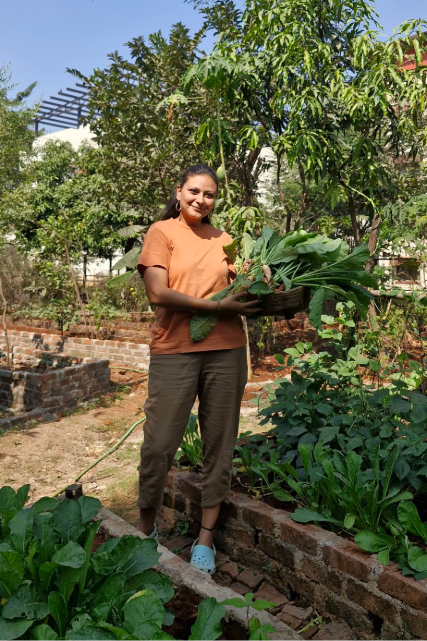
Food forests provide a variety of produce while being a means to re-acquaint oneself with the earth, and get one’s hands dirty. The yields are fairly small, ranging from a few handfuls (think a few sprigs of lemongrass or a couple of bananas each) to a few kilograms every week, depending on seasonal challenges and how well trees and shrubs flourish.
Growing food also means being respectful of the ecosystem one is building. Parera says Dream Grove’s volunteers often find leaves and fruit that have been bitten into, before harvesting them. “This is the first share—of the insects and other pollinators. We, those who work the earth, get the second share. Where produce is sold, it then goes to consumers in markets.” Wagh also nods to this sentiment of communally sharing what you grow. “We distribute the produce among students, faculty and our campus staff and gardeners who help us maintain the forest. Often, it is simply placed on the table for anyone to take.” The shares are small but deeply gratifying.
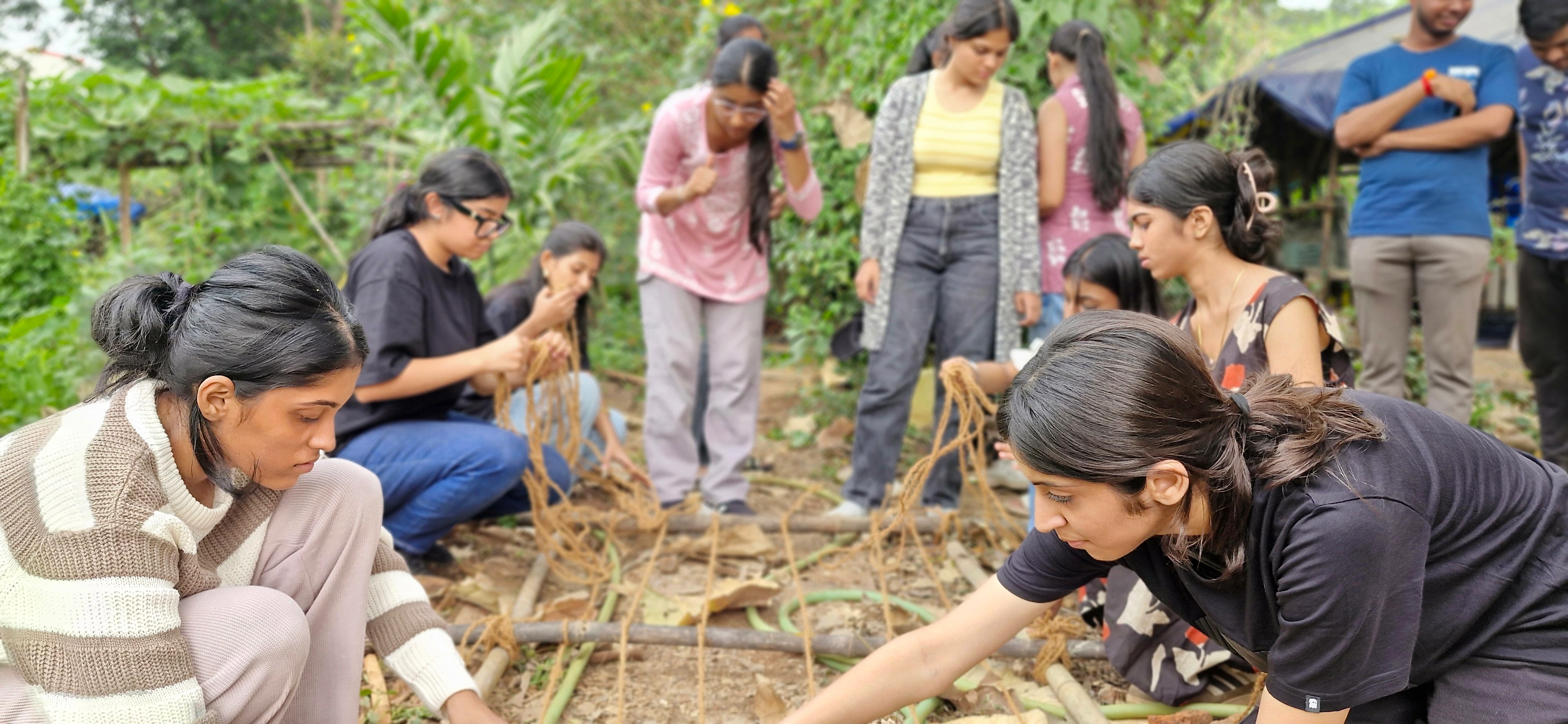
In this way, the urban food forest remains inclusive: complete strangers arrive at its gates to learn composting and to start vegetable gardens of their own. For example, strangers visit the KRVIA campus to ask for leaves of banana and turmeric for their own kitchens.
Growing food also means being respectful of the ecosystem one is building.
Trouble in the Garden of Eden
There are many challenges to growing and sustaining a food forest in urban areas. For starters, they are volunteer-based, which means that there is often a shortage of hands on deck. “Volunteer participation is inconsistent,” says Parera, “which is a major limitation of community-led initiatives. Many people are moved by and appreciate the space but cannot commit time regularly.”
In cities like Mumbai, where real estate is its own currency, every bit of land is sought to be made economically productive and viable. For some initiatives, navigating bureaucracy and red tape is an inevitability. Securing land permits, for example, can be a slow, uncertain process, often involving multiple approvals and constant follow-ups. Also, local authorities’ understanding of greening initiatives often stands asymmetrical to what may benefit local neighbourhoods.
For some initiatives, navigating bureaucracy and red tape is an inevitability.
These plantations require upfront investment and sustained care in their early years—costs that can be difficult for individuals or small community groups to bear alone. “We’ve stopped valuing the land in ways that aren’t immediately economic. Green cover, soil, all of that gets pushed aside, but the cost doesn’t disappear. It just shows up later, be it in terms of climate emergencies or natural disasters, in ways we’re not really accounting for yet,” says Parera.
This is where institutional support becomes crucial. Trusts, foundations, CSR initiatives and governmental support, as Dr. Rao points out, can help fund not just the initial planting, but also soil restoration, maintenance, and on-ground staff during the critical first few years. Their involvement can turn what might otherwise remain short-term experiments into stable, long-term ecological spaces.
Also read: Mumbai’s mill-era ‘khanavals’ fuelled a workforce with affordable, homely meals
Under the forest’s shade
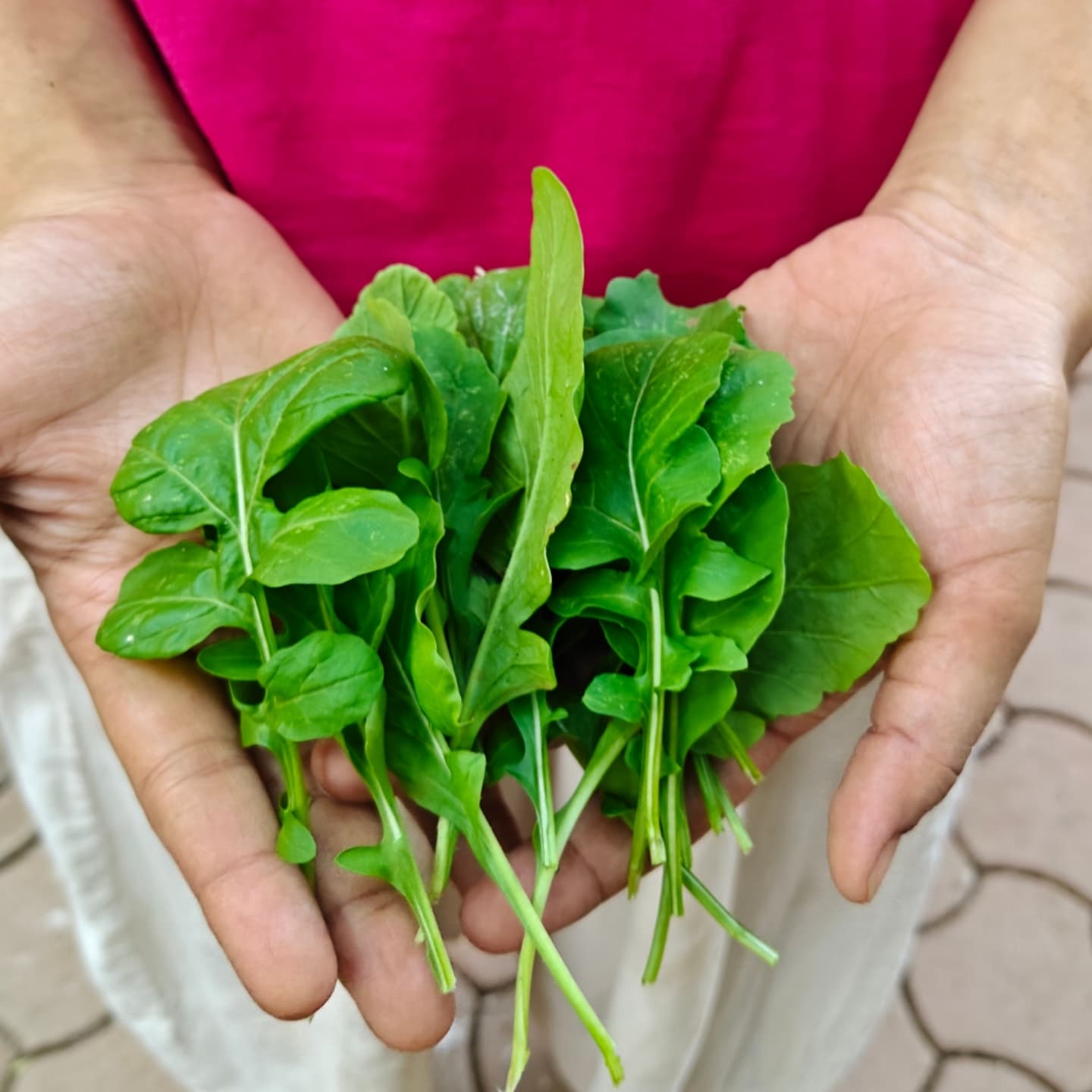
An urban food forest can be an opportunity to introduce forgotten or heritage crops. “There is potential for much diet diversification,” says Wagh. “While pruning, you already get a handful of stems and leaves which you can use in everyday cooking. We’ve planted fennel and mustard greens here for instance, which you won’t always find in markets.”
Rao also emphasises their pedagogic value. Participation in growing food—especially among children and young adults—can reshape how people understand food systems, from production to nutrition. “Even when a food forest isn’t highly productive, it has immense educational potential,” she notes, pointing to emerging evidence that such engagement fosters a deeper awareness of food’s role in health and wellbeing.
At a time where cities are becoming sterile and sanitised landscapes, where sunlight bounces off of the glass and metal of buildings and concrete structures, even small patches of green can help.
The banana trees which sway in one corner of Dream Grove were planted at the very inception of the food forest by a young boy, who delighted in seeing their growth when he returned as a teenager. The original plant may be gone, but its saplings—its grandchildren—have taken root, carrying the cycle forward. We grow up and grow older alongside the forest.
At a time where cities are becoming sterile and sanitised landscapes, where sunlight bounces off of the glass and metal of buildings and concrete structures, even small patches of green can help, says Remedios. For Wagh, the KRVIA project remains an evolving landscape rather than a finished garden. As trees grow, soils improve, and species interact, the space continues to change. The food forest is less a fixed design than a space in continuum. It would perhaps do us good to carry some of its playful messiness into our sterile cities.
“With all the environmental damage in the world with continual wars, we must be heartened by this opportunity to build deep soil and rejuvenate a little corner of the earth. That is why we named it Dream Grove Bandra, a dream to create Bandra's sacred grove that serves as a model for the rest of the city,” Parera says.
Edited by Anushka Mukherjee and Neerja Deodhar
Marquee photo credit: Team Dream Grove
Cover photo credit: Manasvini Tyagi
{{quiz}}


Explore other topics
References

How much open space does the WHO recommend per capita in urban areas?