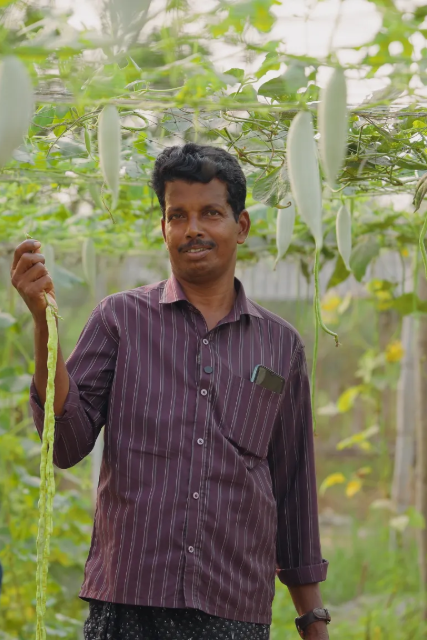
In every household, a vegetable farmer: The Kanjikuzhy story
Soil infertility and limited success in farming did not hold back Kanjikuzhy’s panchayat and community, who became pioneers in cultivating crops like beans


Alappuzha is famed for its verdant scenery of lakes and lagoons, perennially drawing heavy tourist footfalls to Kerala. Only 15 km from the district’s headquarters is a village that has earned widespread attention and acclaim of its own, despite having neither beaches nor backwaters.
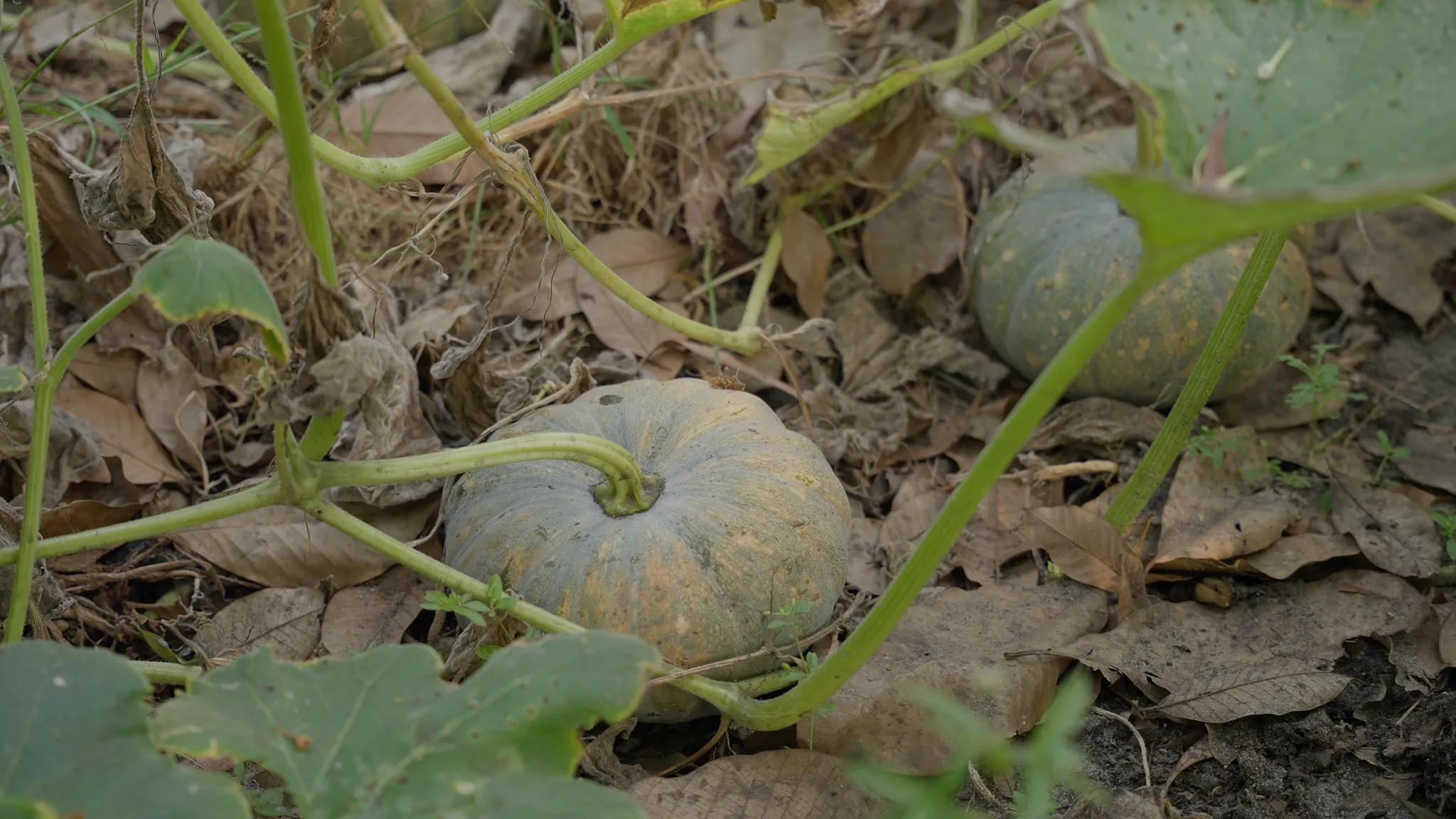
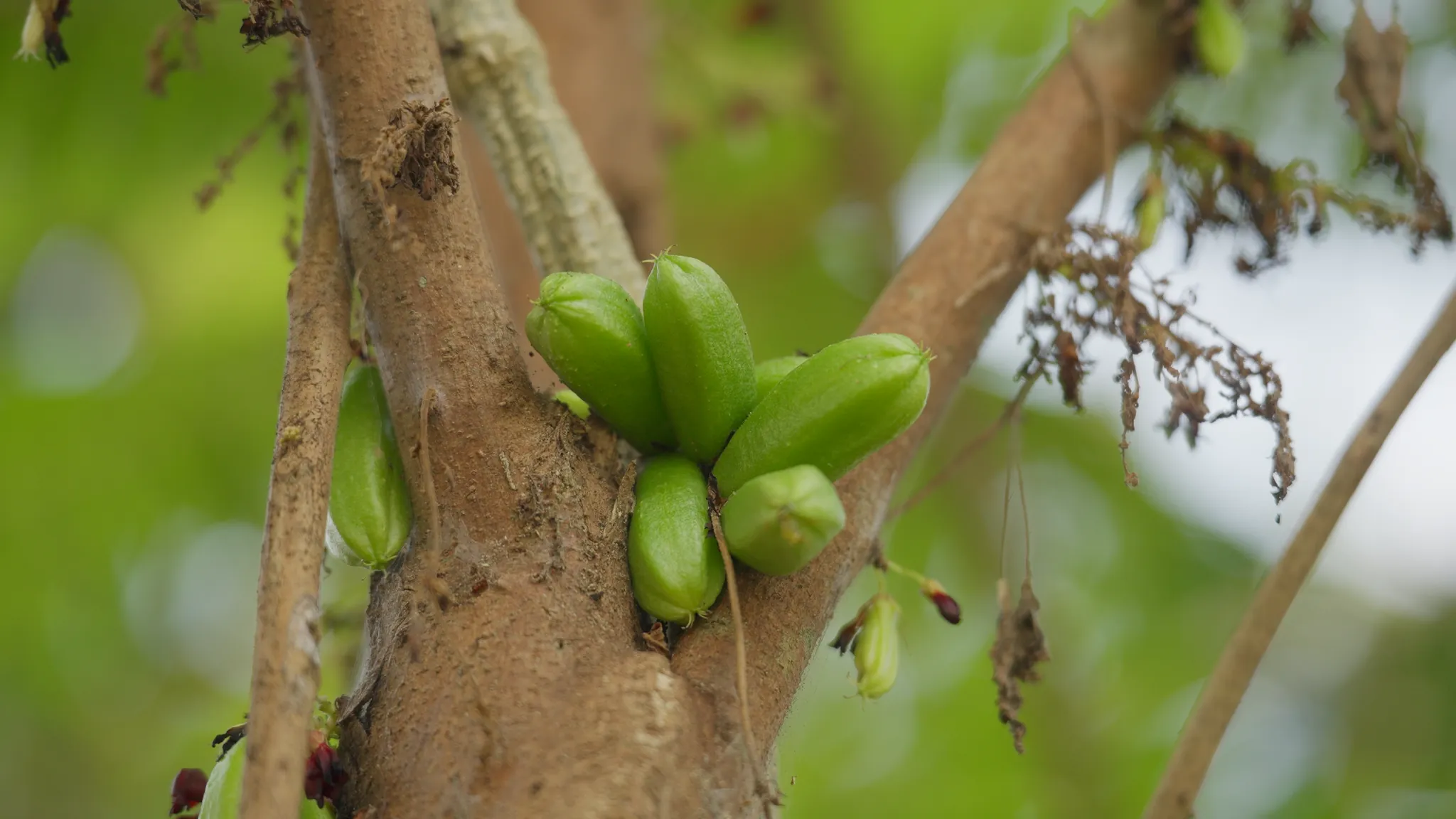
Here, the front yard of a typical household is dotted with a diverse vegetable bed—featuring steadily growing okra, or bitter gourds hanging off a trellis. It’s not uncommon to cross paths with residents who have won state awards in recognition of their efforts in sustainable agriculture; many are full-fledged farmers by profession. Customers from near and far-off areas purchase vegetables or their seeds here, with the complete faith that not a trace of anything harmful will have found itself on any crop grown in this panchayat.
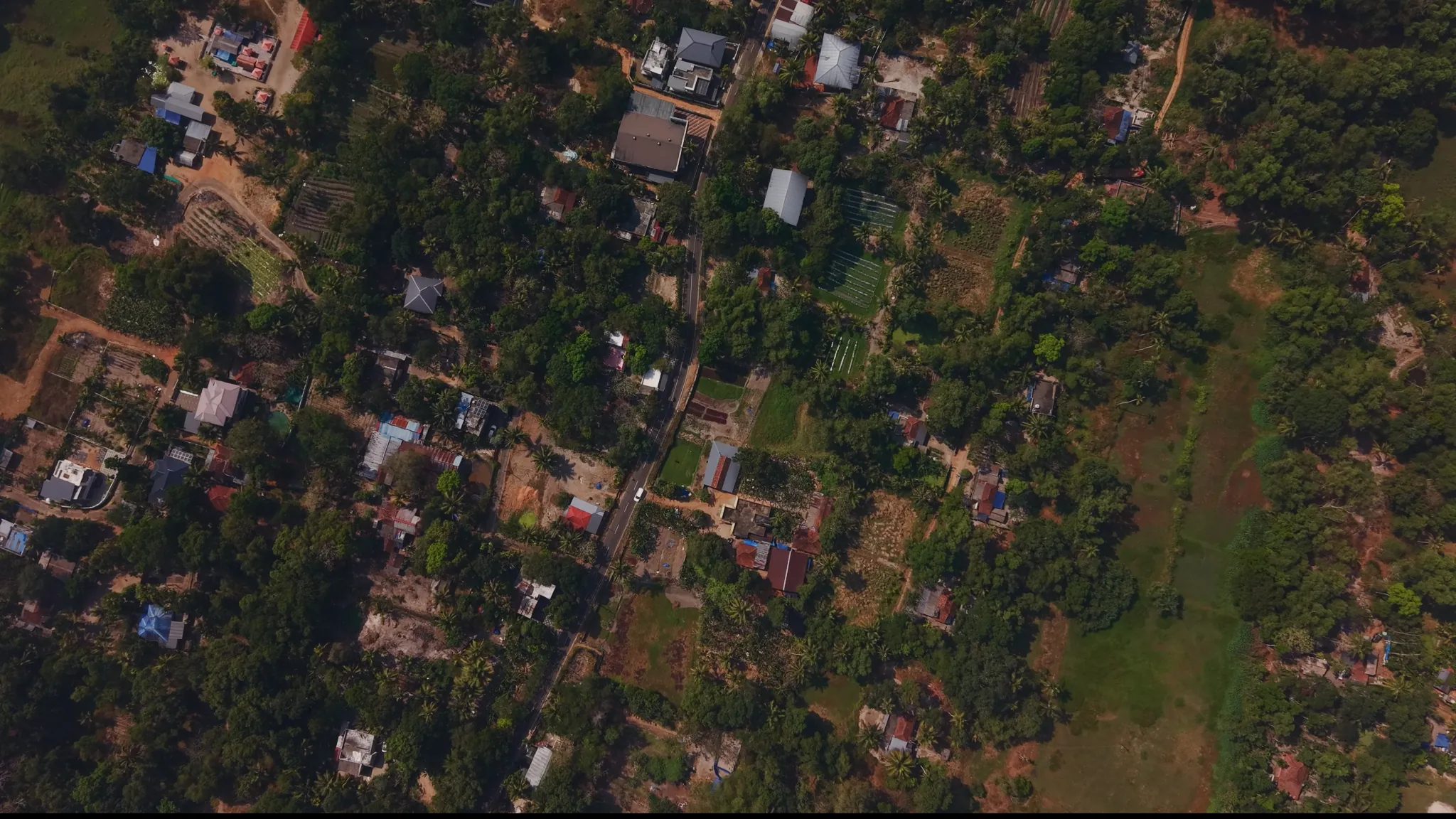
During the period between 1994-95, when organic farming had yet to become a catchphrase, Kanjikuzhy achieved the feat of becoming Kerala’s first vegetable-sufficient village, growing every crop using an approach that shunned chemical fertilisers and pesticides.
The village, with close to 9,000 households across 18 wards, has imbibed a culture of farming at home, even if it may only be a vegetable or two, even if they may only have a small plot of land. Farming does not entail a commercial intent for everyone here. Their enthusiasm for it stems from a collective desire to ensure that the food that makes it to their plates is safe to consume. It is to do away with the dependency on a market where produce often carries the residue of chemicals.
Their enthusiasm for it stems from a collective desire to ensure that the food that makes it to their plates is safe to consume.
Finding possibility in futility
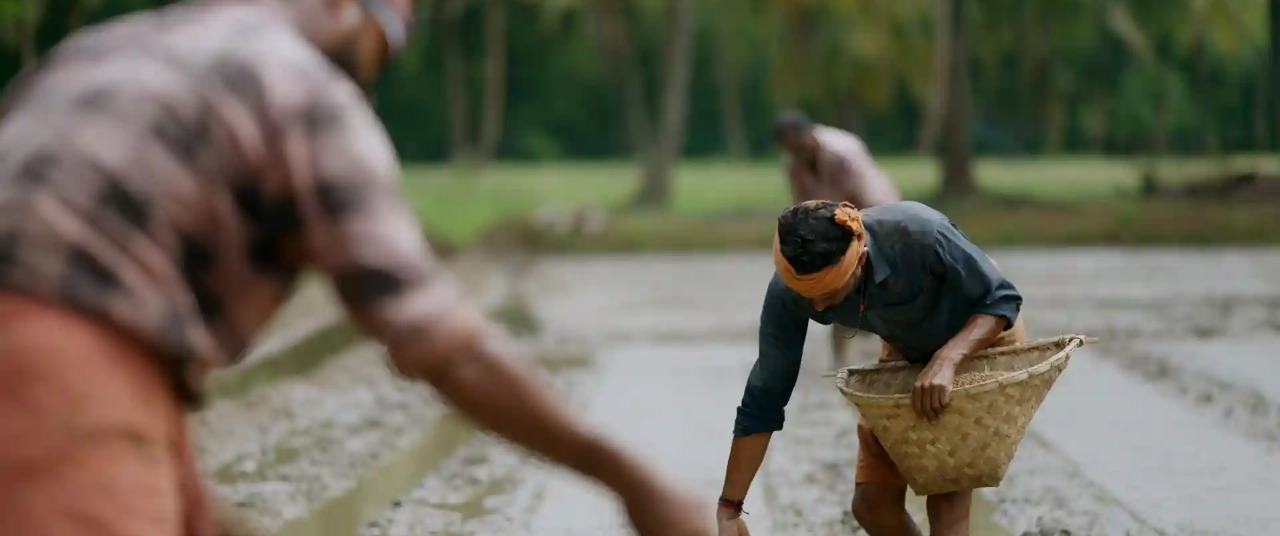
Once upon a time, the pursuit of farming was an inconceivable idea for the people of Kanjikuzhy. The sandy, dry texture of the village’s soil had proven itself incompatible with agriculture. Although farming was not absent, it was limited to families which were already pursuing it for generations. The majority of the village’s population was engaged in coir-related occupations. But this had to change in the 90s, when the coir economy began to decline. Kanjikuzhy needed to find new sources of livelihood. The panchayat saw a solution in undertaking a goal that was ridden with risks—lead the village towards becoming entirely agrarian.
Under president P. Swathanthryam’s leadership, the panchayat announced the Janakeeya Pachakari Krishi (meaning, vegetable cultivation by the public) program in 1994. This involved the formation of neighbourhood clusters which went door to door and distributed booklets explaining how farming could be possible in the region. Under the program, the panchayat distributed a variety of seeds and organic fertilisers to residents.
The public initially responded with scepticism. For one, they had no experience with the profession. And the soil in Kanjikuzhy lacked the capacity to retain moisture. This meant constantly watering the land—a physically laborious exercise before mechanised methods like drip irrigation were adopted. There were nagging doubts as to whether farming in such a topography would bear worthwhile results.
It is the prompt availability of resources and advice that gradually encouraged more and more people here to take up farming.
“It was very tough in the beginning. People had the perception that only those from a traditional farming background were capable of it,” says G. Udayappan, a farmer and the convener of the Kanjikuzhy Karshika Karmasena, a support group set up by the panchayat to oversee and advise farmers in the village. They educated residents about the potential for farming by nourishing the soil with the right fertilisers. About 25% of the population agreed to participate, sowing the seeds provided by the village body on a designated date. The neighbourhood clusters made regular follow-up visits to the participating households to check on the progress of the crops.
“The Karmasena (task force) was set up because the farmers raised the need for labour. They had the funds and the land, but no workers to help them out,” says Udayappan. The support group deploys volunteers to households requesting assistance with preparing the soil or constructing raised beds. A farmer can also reach out to the Karmasena if they notice signs of a disease on a crop. The group’s members will suggest antidotes that will work. It is the prompt availability of resources and advice that gradually encouraged more and more people here to take up farming.
Also read: How a shared love of the humble jackfruit transformed into a movement in Kerala
A fairer price for labour
Udayappan’s daily routine involves making the rounds of the village on his two-wheeler, stopping by a number of homes to check on the health of the crops. And when he is not on the road, he can be found in the Karmasena's office, its entrance stacked with bundles of fertilisers. “We are currently using bone meal, neem cake, fish remains, vermicompost and cocopeat,” Udayappan says.
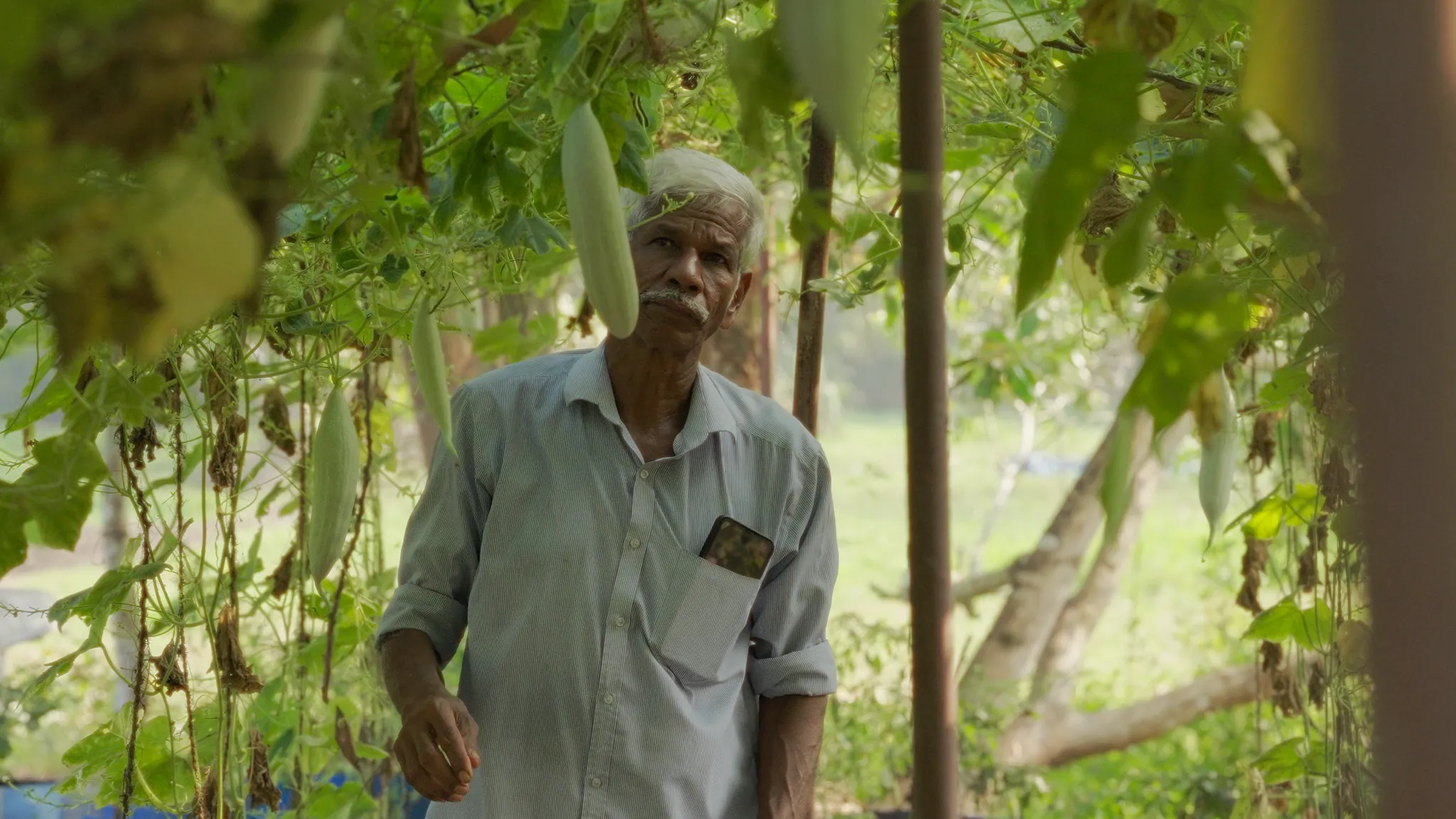
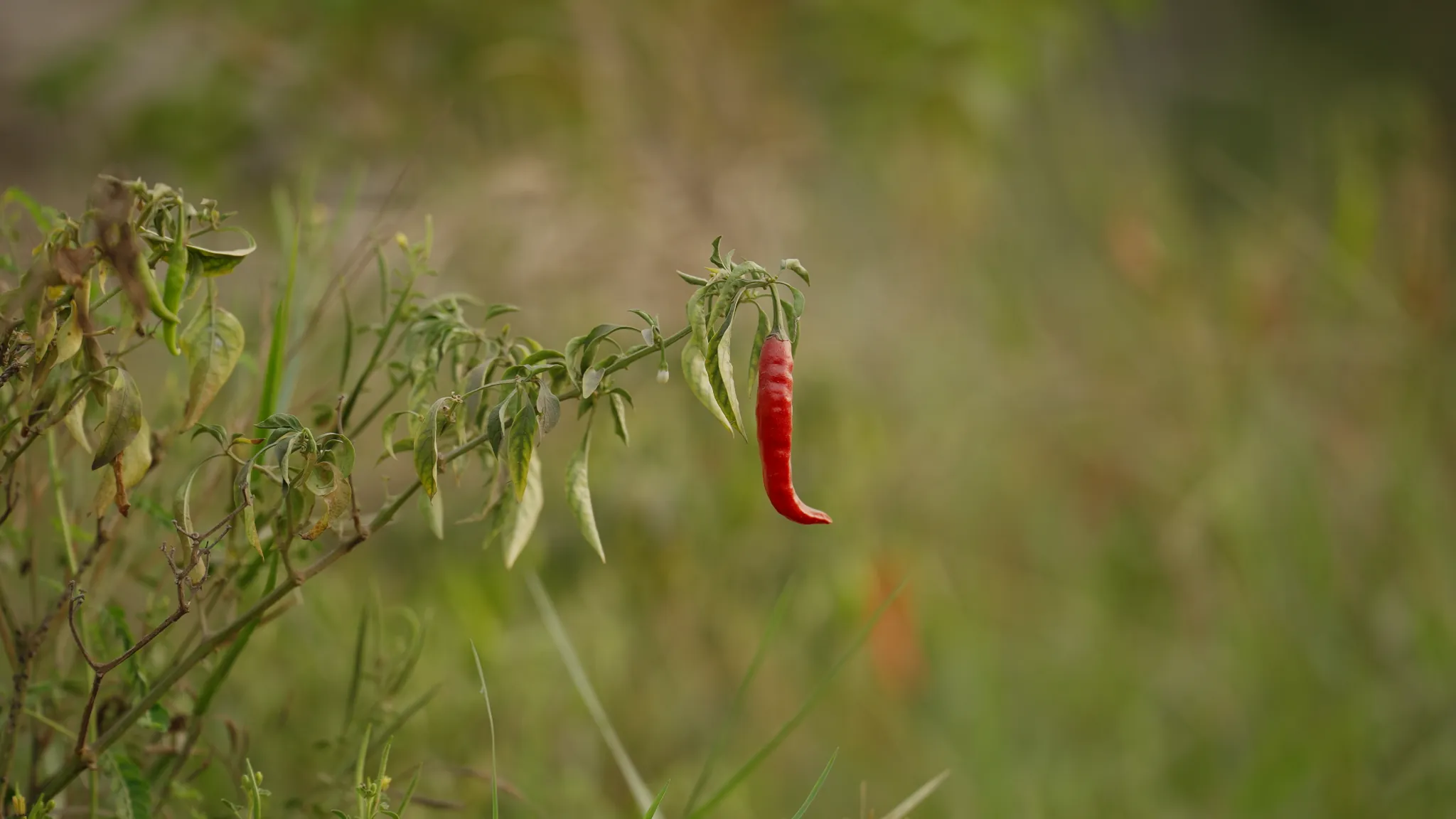
The panchayat also set up four outlets exclusively for the sale of the produce grown in Kanjikuzhy. “The vegetables cultivated here are sold at the prices quoted by the farmers and not the rates set by retailers,” says Udayappan. “For example, if the market price for green chillies is Rs. 50, we sell it for Rs. 100 here. At first, the customer will find it hard to accept the idea of spending Rs. 100 on green chillies. But he is sure to come back and buy them again,” he says.
Also read: In this Kerala village, amaranth is a labour of love, and a crop that uplifts
The vegetables cultivated here are sold at the prices quoted by the farmers and not the rates set by retailers.
This year, the panchayat set aside a budget of Rs. 5 lakh for seed preparation. “We prepared three and a half lakh seeds of different vegetables and distributed them across households. You can walk into any house here and find vegetables growing. The panchayat supports the residents to cultivate them, even if they are only for their personal use,” Udayappan explains.
{{marquee}}
Farming as an aspirational profession
A major catalyst in Kanjikuzhy’s success is that its farming activities are anchored by a celebratory spirit. The panchayat’s Facebook page is replete with images of residents, including children, posing with the produce they have grown. Farming is an expression of happiness and pride, and this is not a sentiment that emerged in the era of social media. When the panchayat took off with its organic farming initiatives in the mid-90s, it hosted events that rewarded the best of efforts and experiments in the fields. In one such competition to encourage vegetable cultivation, the gold medal was awarded to K. P. Subhakesan, one of the busiest farmers in Kanjikuzhy today. The medal sits among a number of state and national honours in Subhakesan’s home. His quiet demeanour is in stark contrast to his fame, reflected in his many framed photographs with Kerala’s political leaders and movie stars.
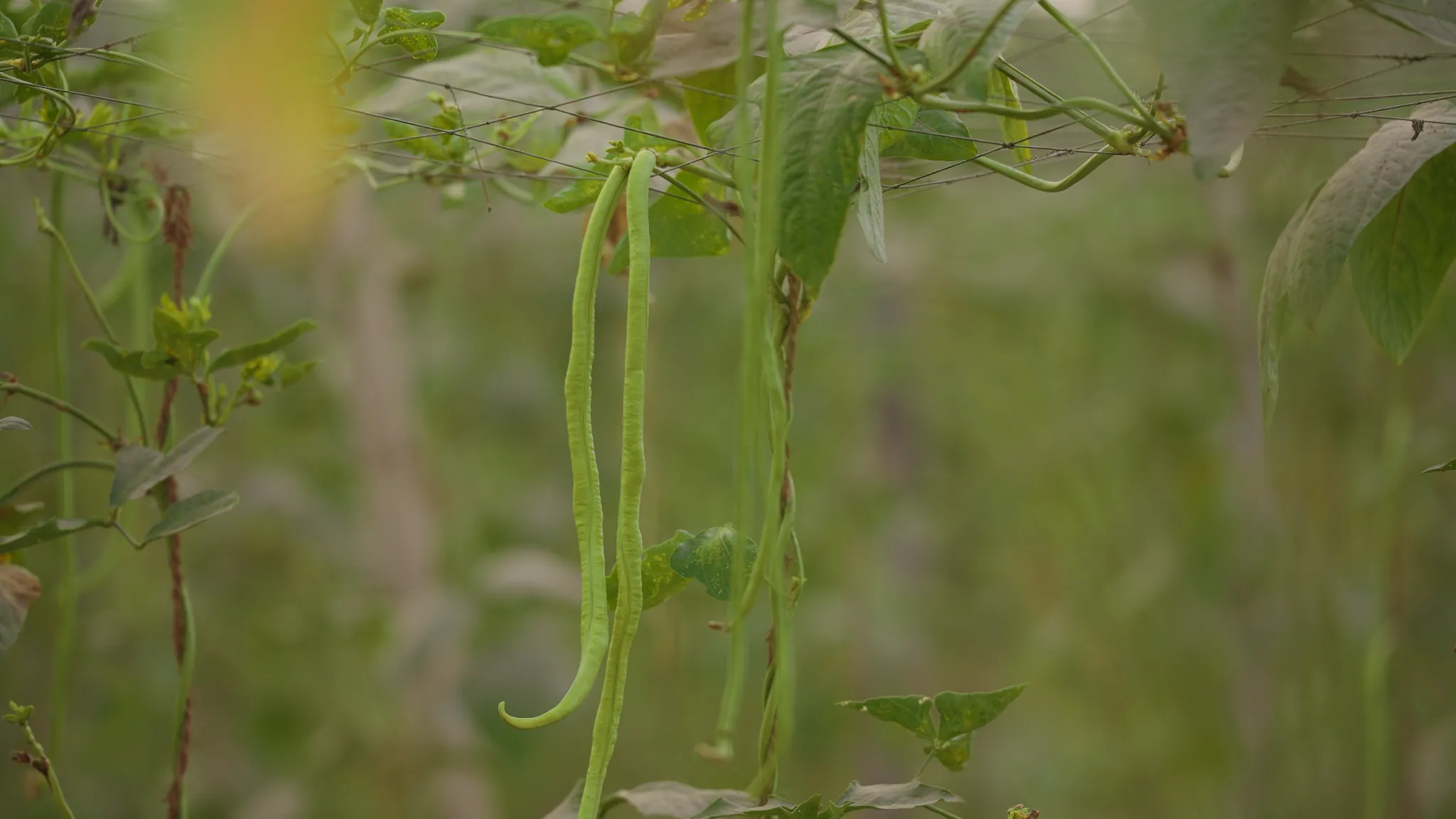
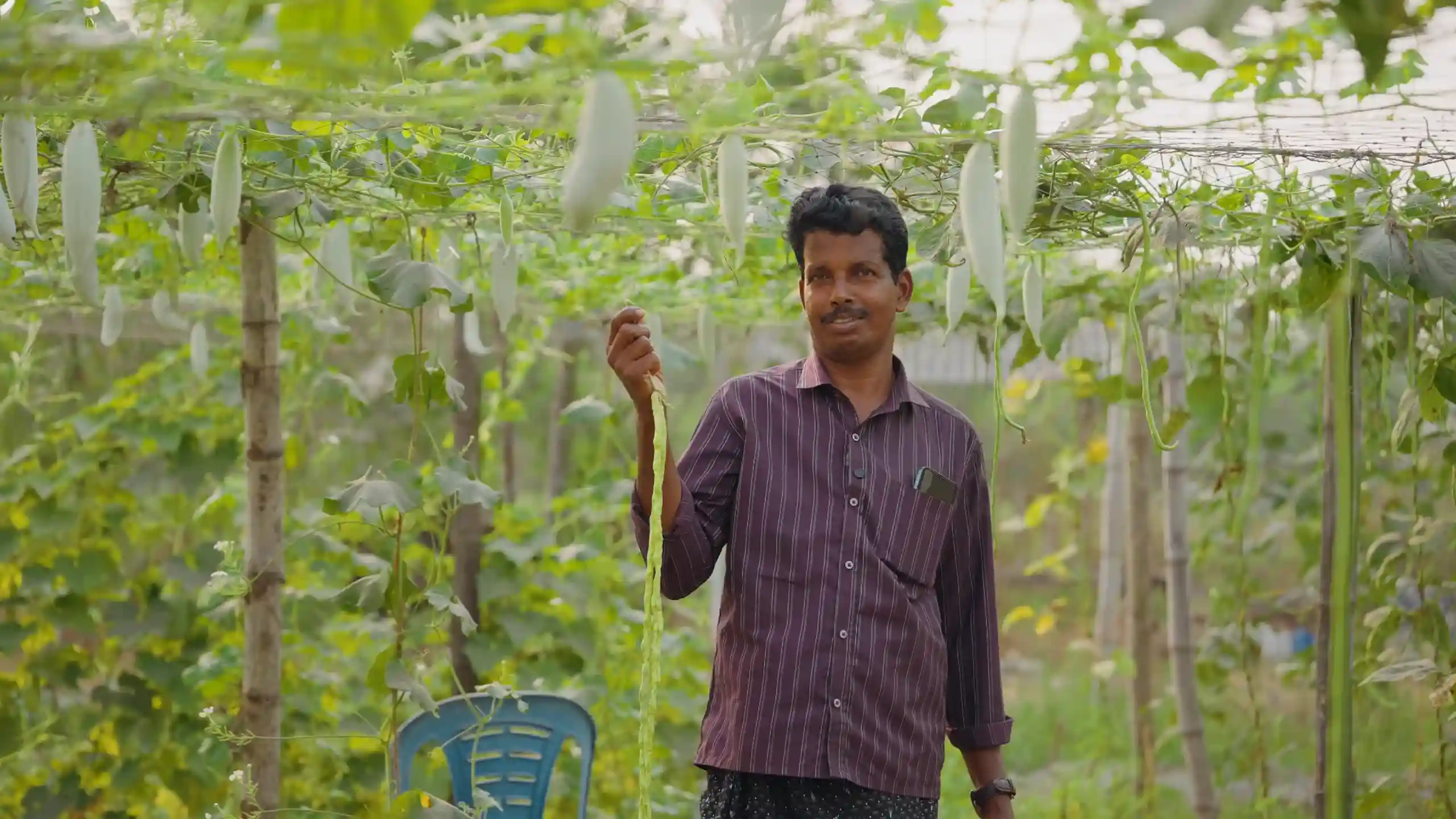
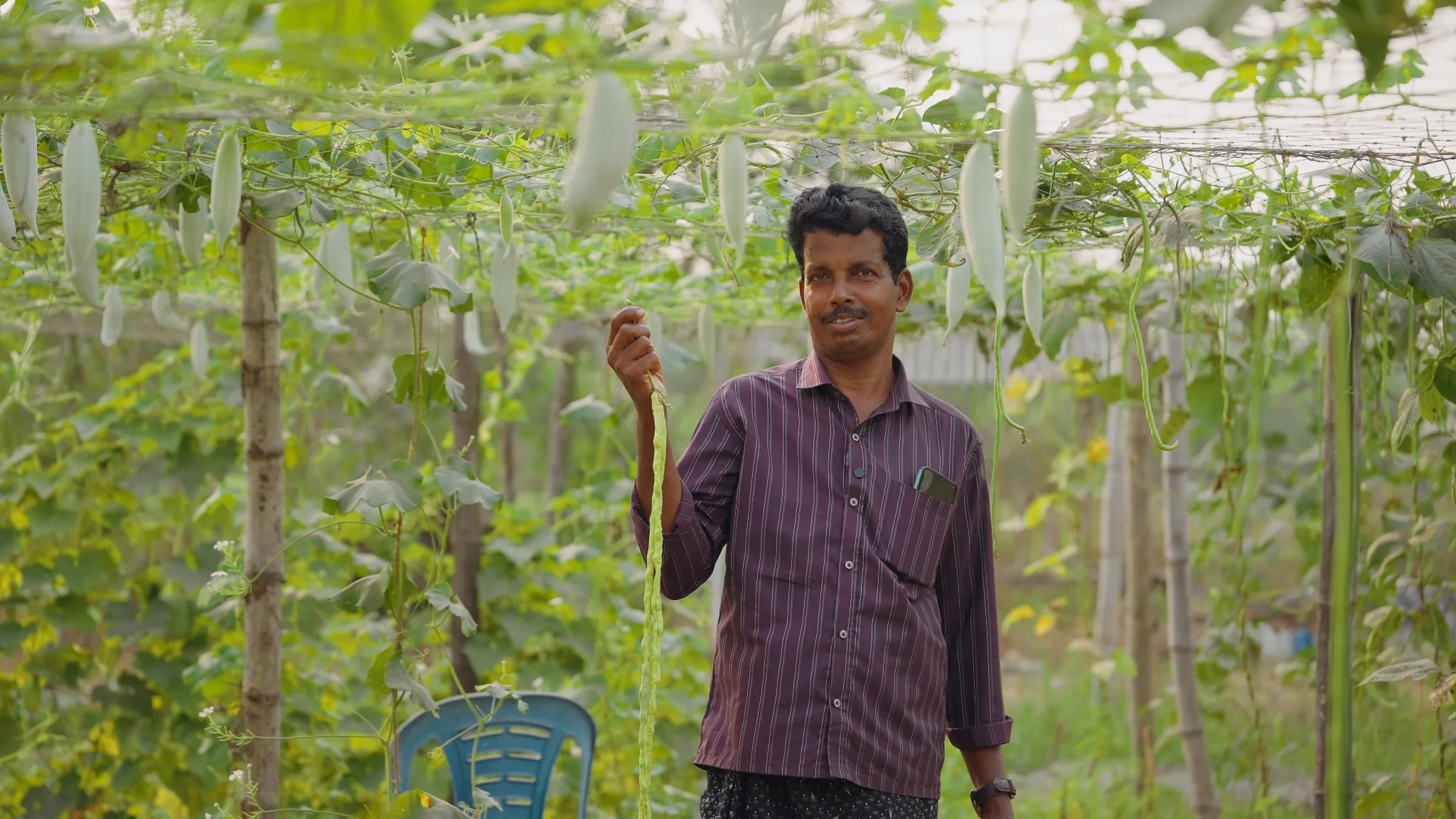
Subhakesan shot to prominence in the early stage of the panchayat’s push towards organic farming. Sometime in 1995, he developed the ‘Kanjikuzhy payar’—a variety of long beans produced from the cross pollination of Lima beans and a local variety named Vellayani. A single pod is 36-37 inches long and weighs 80 gm. “The beans are soft. It is a resilient crop, so it can be grown during any season,” says Subhakesan as he stands under trellises of the beans in a plot owned by the Steel Industrials Kerala Limited (SILK), a public sector unit. In 2019, the 15-acre barren plot was entrusted to Subhakesan with the objective of providing safe, organic produce to terminally ill patients supported by the KK Kumaran Pain and Palliative Care Society in Kanjikuzhy. He has transformed the plot into a farm with more than 10 varieties of fruits and vegetables.
A portion of the plot is dedicated to watermelon cultivation. Subhakesan taps the exterior of each of them, drawing attention towards the difference in the sound. “Did you hear that? It means the fruit is ripe,” he says. He slices open a couple of the watermelons; they were not red as one would expect. One was yellow, and the other revealed an orange hue.
“I started farming on two cents of land. When I was in school, we were growing vegetables in our kitchen garden,” says Subhakesan. He is now taking care of farming activities across 21 acres. He also has a shop adjoining his home which stocks seeds of native vegetable varieties and an array of materials needed to run a farm. “I am not saying this out of arrogance, but I had turned down a government job to choose farming instead. It gives me great satisfaction to be able to provide vegetables of good quality to people,” Subhakesan shares.
Kerala has had a high dependency on the neighbouring states of Tamil Nadu and Karnataka to source vegetables, including staples like onions and tomatoes. In recent years, there has been a growing sense of alarm that this dependency is attached with the risk of consumption of pesticide-laden produce. The Kerala government itself took cognisance of this, writing to the Tamil Nadu government in 2015 about the presence of pesticides in the vegetables exported from the state. Since 2016, the government has expressed intentions to lead Kerala towards becoming entirely self-sufficient in vegetable production, announcing schemes to be executed at the local body level. Kanjikuzhy stands as an example of how a proactive panchayat can lead a village towards this collective goal.
A model shaped by individual resolutions
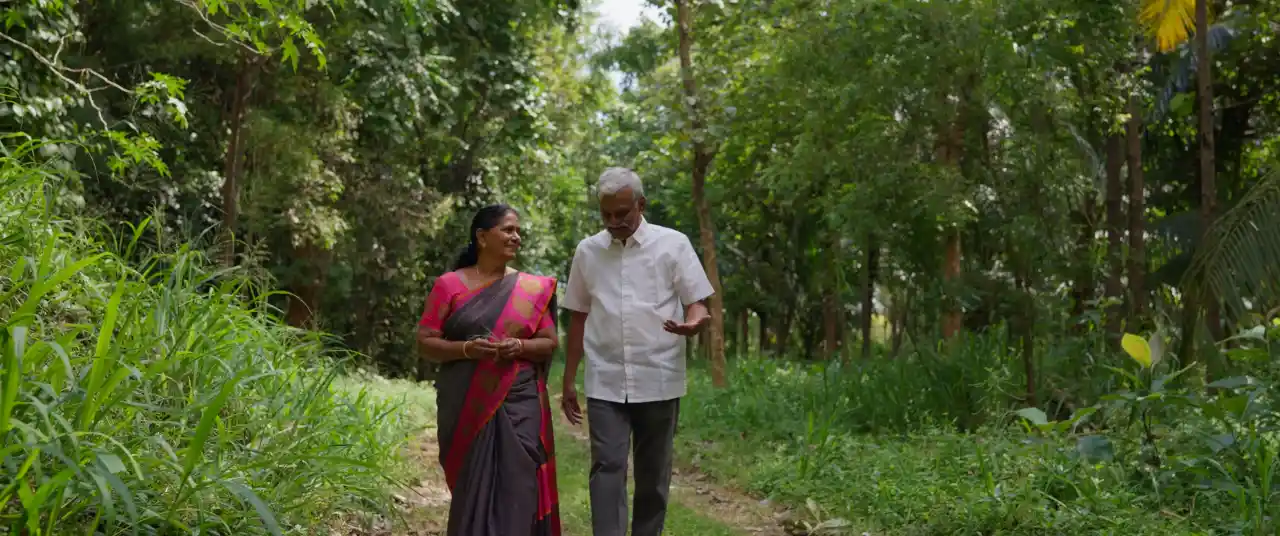
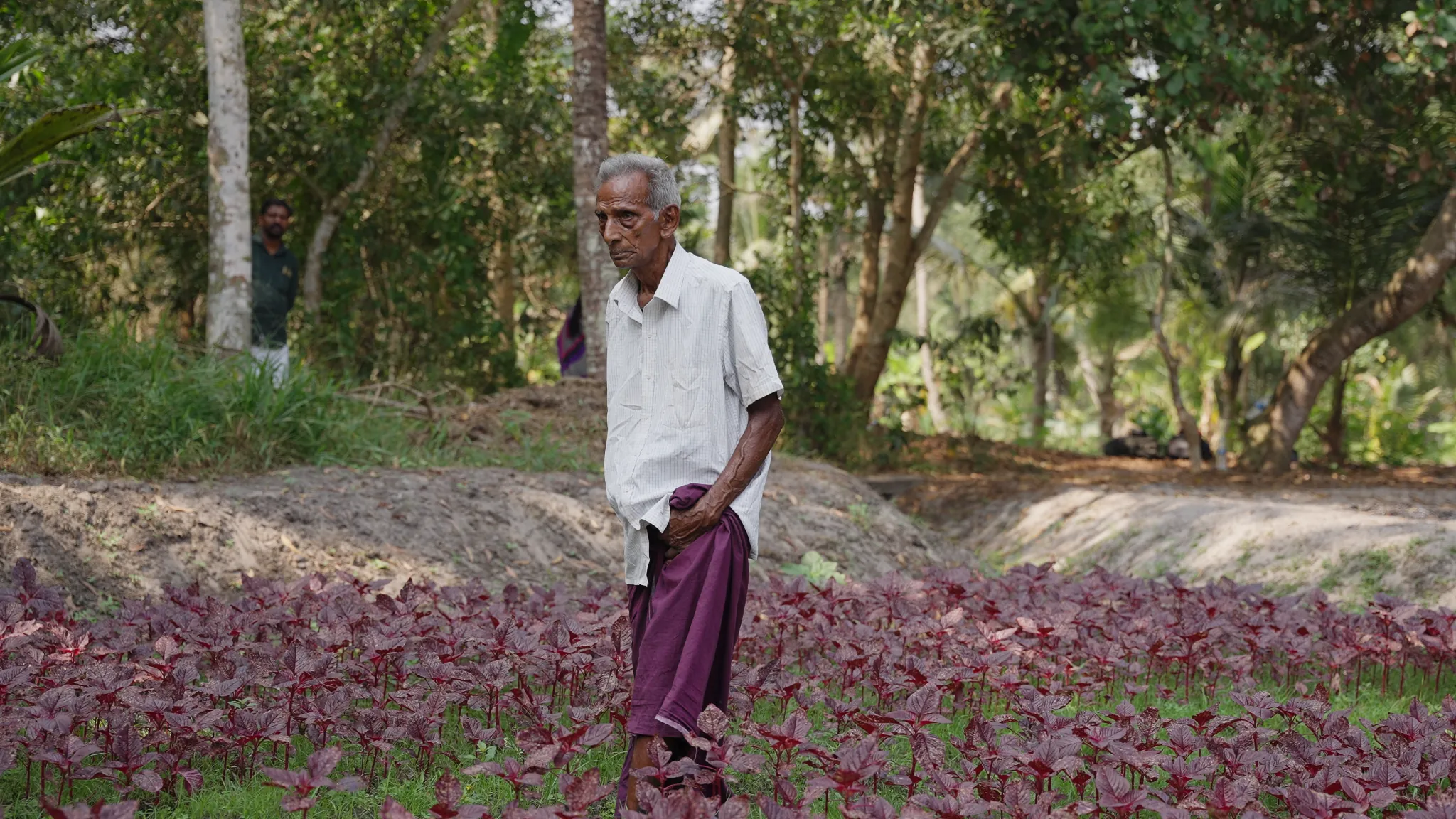
Different personal circumstances convinced Kanjikuzhy’s residents to choose farming. M. Sekharan was drowning in debt incurred from failed business decisions when the village was at the juncture of transforming into an agrarian mini-economy. He turned to farming on the advice of the former panchayat president Swathanthryam. “I repaid all my debt in three-four years,” says Sekharan, who at 85 is still tending to amaranth and banana plants, as much as his health permits.
And then there is Sasikala, who moved to Kanjikuzhy after marrying a coir factory worker. “As we grow vegetables suitable for each season, the panchayat and the Krishi Bhavan hold classes to guide us on how to go about their cultivation,” says Sasikala. The entrance to her home is lush with flowers, besides the many vegetables growing in her backyard. She sells them to neighbourhood outlets or accepts orders through a WhatsApp group. Sasikala beams bright while sharing instances when she was featured in the media. “We are known to the outside world because of our panchayat,” she says.
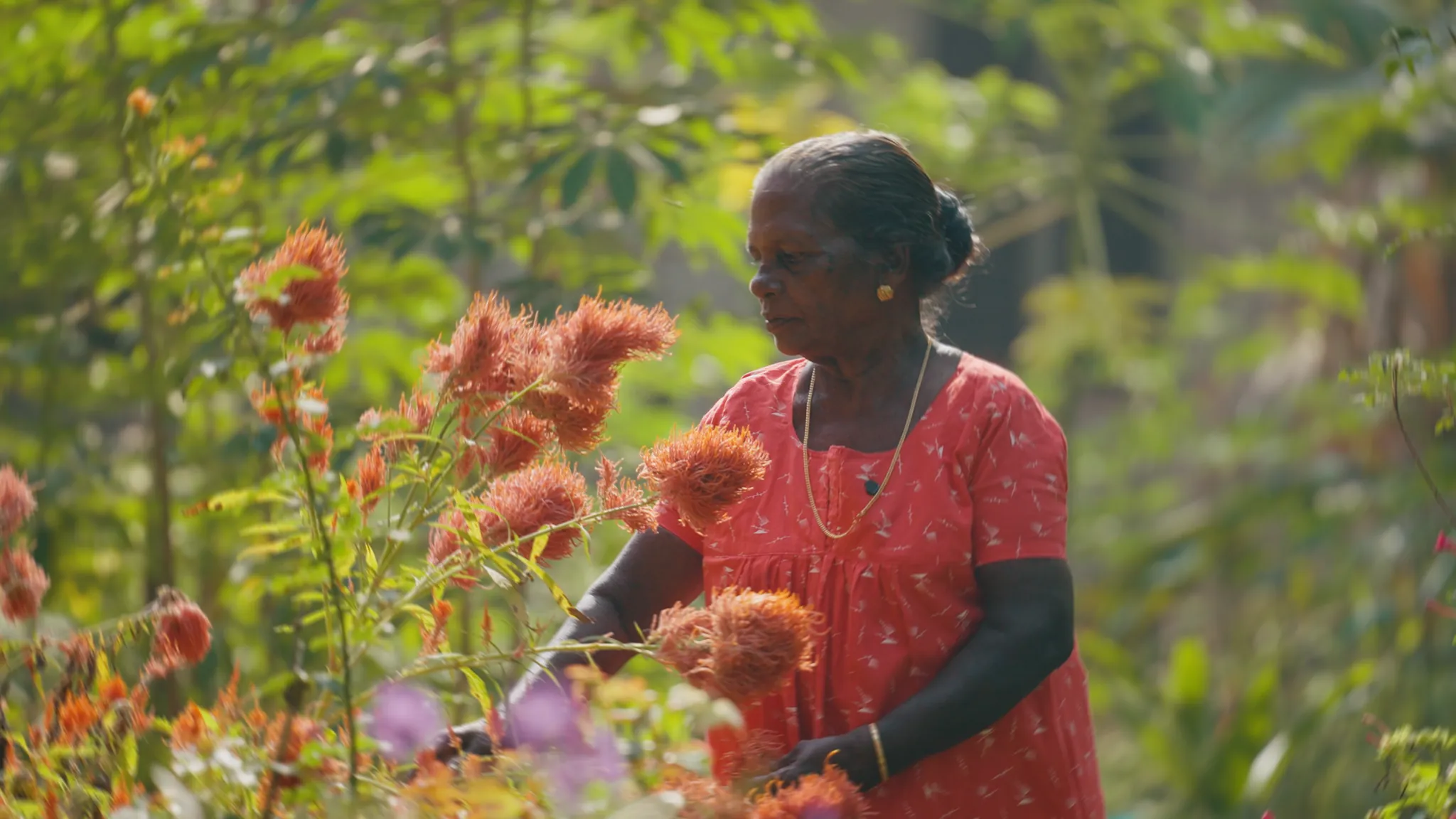
Sasikala’s husband passed away 26 years ago, and her children are settled elsewhere. Farming is not just an independent source of income for her but is also a task that keeps her busy in a house where she is left all to herself.
“In Kanjikuzhy, in every single house, be it in a pot or a bucket, something or the other is grown. This is what makes the village special,” says Mini Vijayan, a retired school principal who is now completely occupied by the goats, chickens and crops on her farm. But in her view, Kanjikuzhy’s self-sufficiency is also its weakness. “Since everyone grows what they need, they don’t have to purchase vegetables from the market. So there is little scope for commercial profit from farming here,” she says. Since tending to the crops takes up several hours of her day, there is no time to travel outside the village to sell her produce. The Gandhi Smaraka Grama Seva Kendram, a non-profit organisation located near Kanjikuzhy, comes to her farm to collect the harvested vegetables. This, she says, is a helpful intervention.
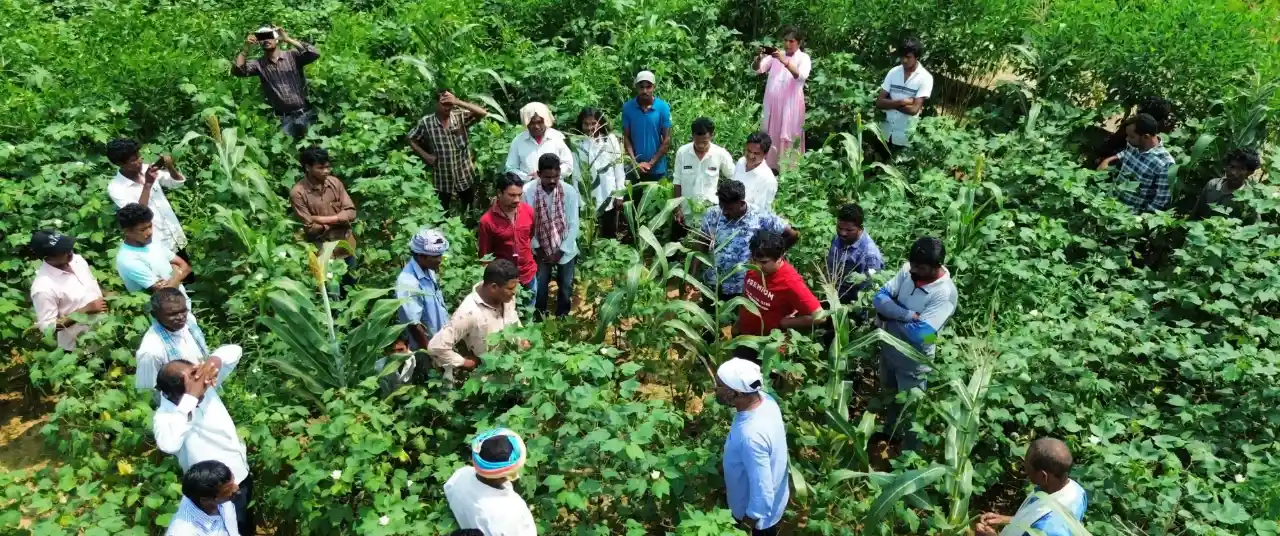
Many from elsewhere in Kerala and beyond have visited Kanjikuzhy for hands-on training in its fields, once dismissed as barren.
M. Santhosh Kumar, the current president of the Kanjikuzhy panchayat, says that they are carrying forward Swathanthryam’s vision for a community of self-reliant farmers.
They are perceived as authorities on the subject, with Subhakesan being regularly invited by educational institutions to offer lectures on organic farming. Many from elsewhere in Kerala and beyond have visited Kanjikuzhy for hands-on training in its fields, once dismissed as barren.
In Santhosh Kumar’s words, a person who does not engage in any farming in Kanjikuzhy feels a sense of void. When the panchayat initiated the vegetable cultivation programme three decades ago, it was not just Kanjikuzhy’s economy that underwent a conversion. It was the temperament of an entire village that changed for good.
Also read: Why Karimeen, Kerala's favourite, is a fish out of water
{{quiz}}


.avif)
Explore other topics
References

Which vegetable was developed by farmer K.P Subhakesan?