Tomato truths: Growing your own food is a radical, rewarding thing
To learn to farm as a city dweller is to learn how little you know, and how much the seeds and soil can teach you


Editor’s note: Urban farmer Simran Moorjani is the founder of Simbiosis, a regenerative farm on the outskirts of Mumbai, where she grows tomatoes and salad leaves while maintaining a symbiotic relationship with the land. In this column, she reflects on the realities of farming—sometimes with humour, sometimes with candour, always with curiosity.
On a hot April morning during the COVID-19 lockdown, I sat squatting on the terrace of my apartment building, staring at my plants in disbelief. I’d forgotten to water them the day before, and they all looked miserably limp. I’d assured my mother that they’d been dutifully watered, of course. So when she came upstairs for her evening walk and saw them dead, I knew that would be the end of me. In a panic-fuelled jugaad move, I took a big bucket and threw a tumbler-full of water into each pot.
Like everyone else who was homebound, I, too, had a long list of chores to finish everyday, from washing the dishes, to sweeping the floor. Watering plants was as dreary a chore as any, until that particular morning: I waited, and watched, and continued to watch—in disbelief—as each plant slowly came back to life. Within an hour, the plants looked somewhat energetic again; their leaves went from limp and lifeless to turgid and alive.
The relief I felt was immense. But I also felt another thing—curiosity. How quick these plants were to react to me, or my absence for a mere 24 hours. I began to observe them more each day. I noticed new leaves unfurling on the Monstera, a little each day, until a glorious, glossy new leaf emerged. I observed the jasmine go from tiny buds to proud, fragrant blooms. I watched the chilli plant’s fruit go from green, to yellow, to orange, to gleaming red. The terrace became a place of infinite wonder, and my haven during those months.
The sight of earthworms wriggling in the potting mix made me as delighted as the first shoots pushing their way through the earth.
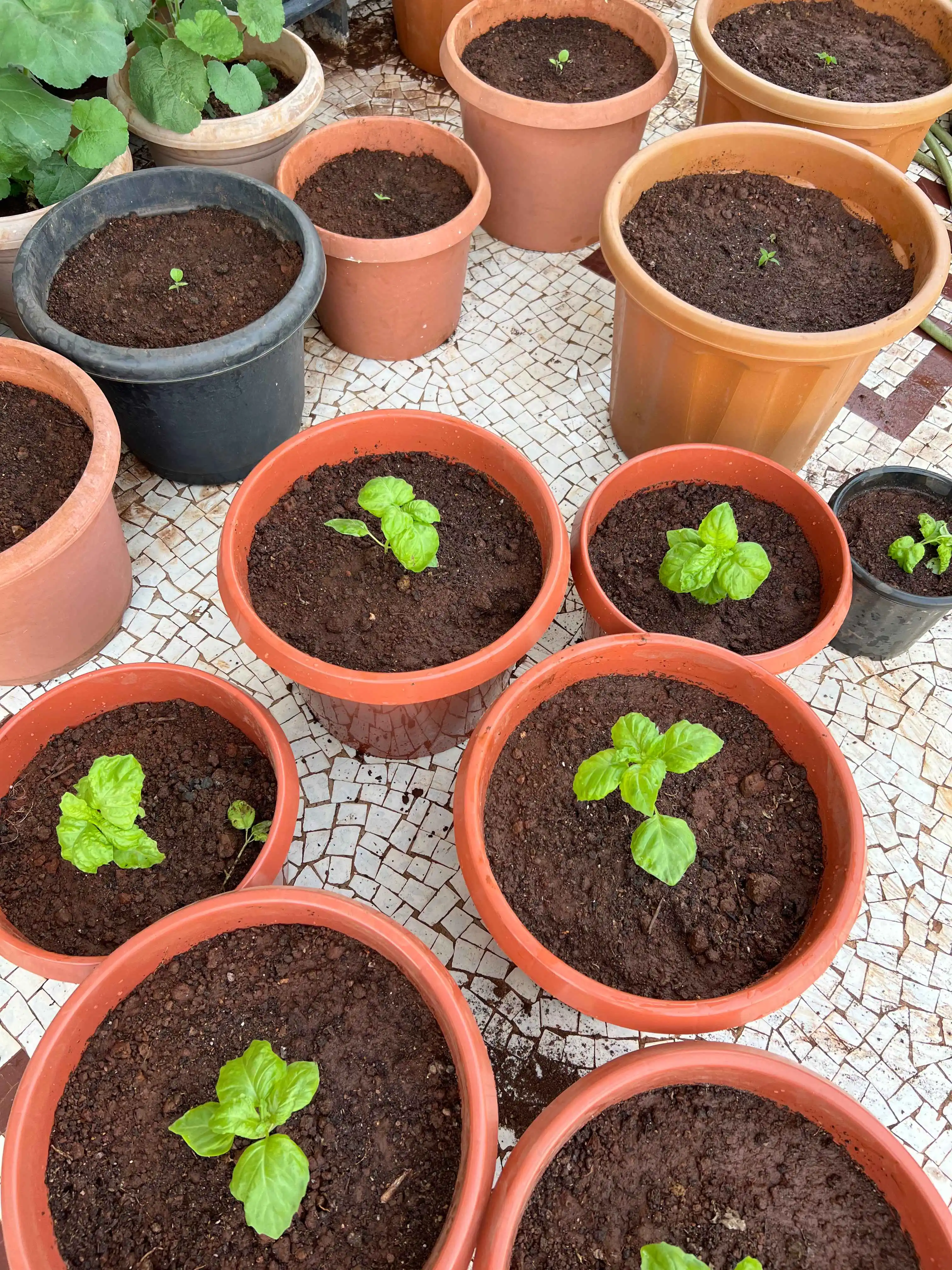
But there was only so much fun to be had if I couldn’t actually taste the fruits of my labour (pun entirely intended), and so, I gathered a few empty pots, some soil, and seeds of spinach and tomato. From resenting having to make trips to the terrace, to rushing upstairs the moment I woke up in the morning, my routine had entirely changed. The sight of earthworms wriggling in the potting mix made me as delighted as the first shoots pushing their way through the earth. I waited, impatiently, for a pair of leaves to turn into a bush. Nothing in this life has excited me the way that growing my own food has.
Around this time, I began watching gardening videos on YouTube, and even took an online masterclass by Ron Finley—a fashion designer to professional athletes, and the original ‘Gangster Gardener’. He made growing food sound like the coolest thing. "Take the power back," he insisted. "If it can hold soil, it can grow food." I took that advice to heart, and soon enough, I was turning old shoes, tin cans, takeaway containers, and just about anything else I could find into makeshift planters. Every spare corner became an opportunity to grow something.
Knowing what you don’t know
In those early days of experimentation, some plants thrived, some more failed, and a few vanished entirely, thanks to pests, the weather or my own inexperience. The few successes I’d earned, however, were enough to make me forget the many losses that accompanied them.
How have we normalised this way of existing, so detached from that which nourishes us—mind, body and spirit?
What quickly became evident was just how little I knew. How had I gone through 25 years of my life not knowing that growing your own spinach can be so easy, and that it can be harvested in as little as 30 days? How did I not know that ferns unfurl, cucumbers climb, pumpkins conquer ground at unimaginable speeds, and that ginger magically multiplies underground? Oh, and those green things popping out of an old potato are not fungi? They’re just roots—called the ‘eyes’ of the potato—looking for a place to anchor themselves.
How have we normalised this way of existing, so detached from that which nourishes us—mind, body and spirit?
Also read: Tomato truths: What this novice farmer learnt and unlearnt about the fruit

Scratching the novice farmer’s itch
Simbiosis, or the adventures on the piece of land I call my farm, began in the summer of 2023. To me, farming is gardening—without the limitations of a pot. It’s watching your plants grow to their full potential, spreading their canopies as wide as they can, throwing roots as far as they want to, with no plastic walls holding them back. It felt like a natural progression after three years of rooftop farming in Mumbai, which left me with an itch to test out theories and ideas on a bigger, more substantial scale. It also marked the first time I felt I was good at something, like this was a pursuit that I should allow to consume me whole.
{{marquee}}
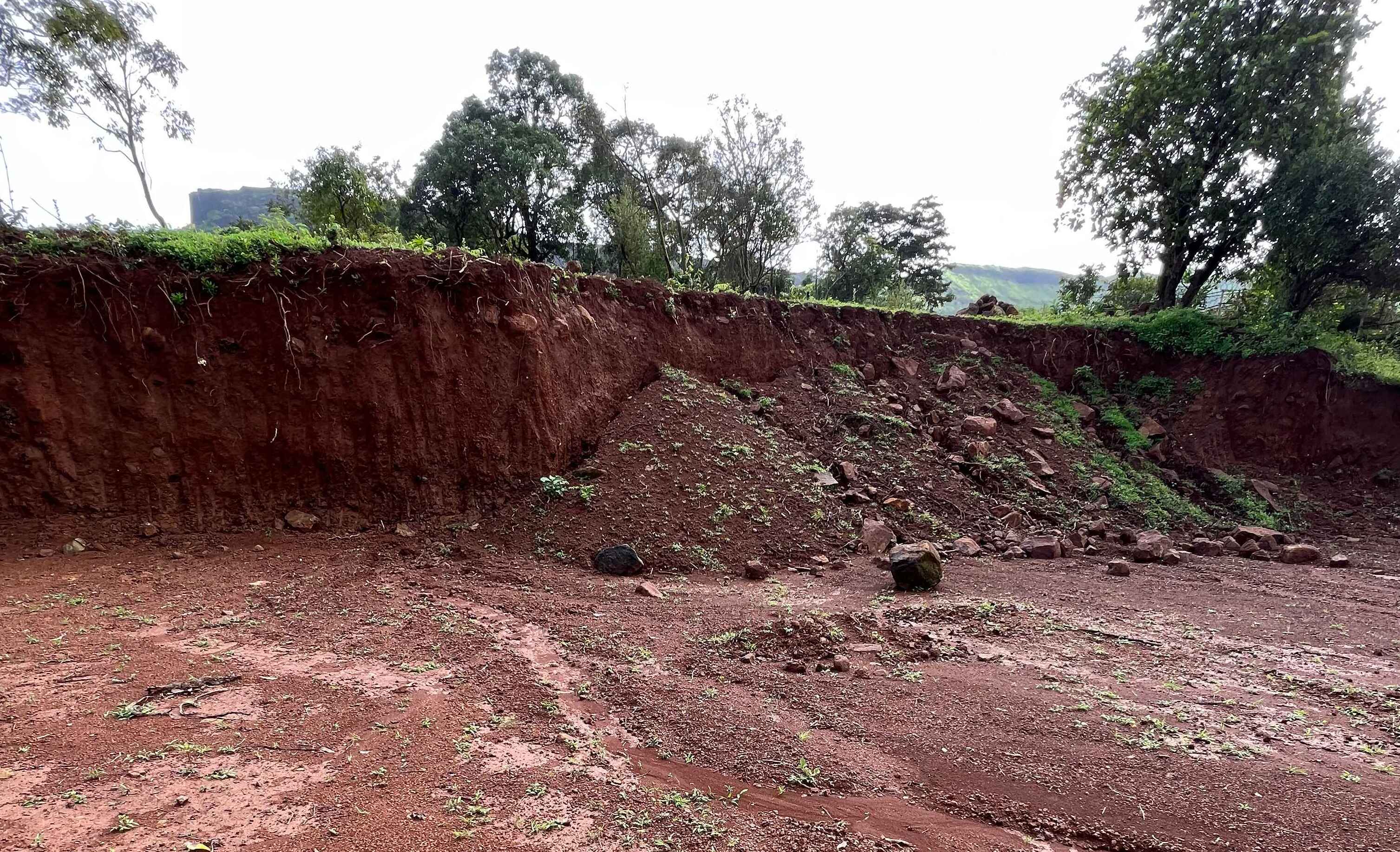
It was my good luck that I had access to space where I could scratch the proverbial itch—a piece of land my family has in the hill station of Lonavala, near Mumbai. The only trouble with this land was that it was entirely razed of all its top soil.
It also marked the first time I felt I was good at something, like this was a pursuit that I should allow to consume me whole.
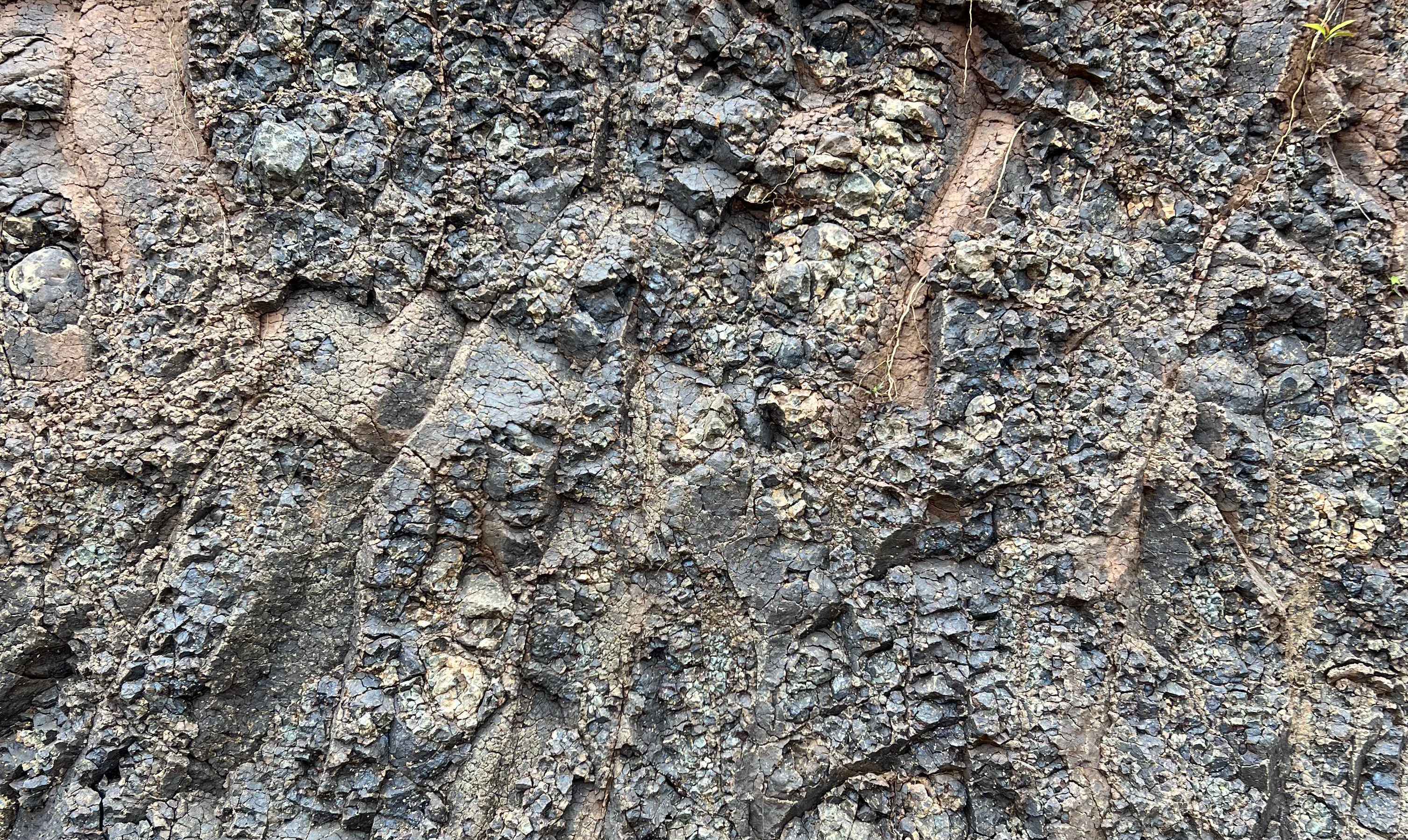
Top soil is the good stuff, the loose two to 12 inches of soil that’s rich in nutrients and organic matter, and that hosts almost all biological activity, making it the essential foundation for growing just about anything. In its absence, we had to build our own—and that was the most intimidating step. Soil formation is a process that takes thousands of years; how could I mimic it, or something like it, in a matter of a few months, or even years?
Having your lasagna, and eating it too
The vision with any regenerative farm is to mimic the forest floor, a place where everything grows with zero human intervention. A forest floor is less like a lawn, and more like a living system that auto-generates compost. Layers of fallen leaves, twigs, fruit, and organic matter settle over each other, with a steady supply of new additions while older layers slowly return to the earth. Undisturbed and untillled, the forest nourishes itself, and the ecosystems that live within it.
We used rice straw (our carbon source) instead of twigs and leaves, and chicken manure and home-made compost (our nitrogen source). Combined with the existing soil on the land, we stacked alternating layers as high as we could go—a process that is aptly known as lasagna mulching. We let this ‘lasagna’ slow-cook through one summer and monsoon, and just as the weather started to improve, we sowed our very first seeds.
Not just ‘a phase’
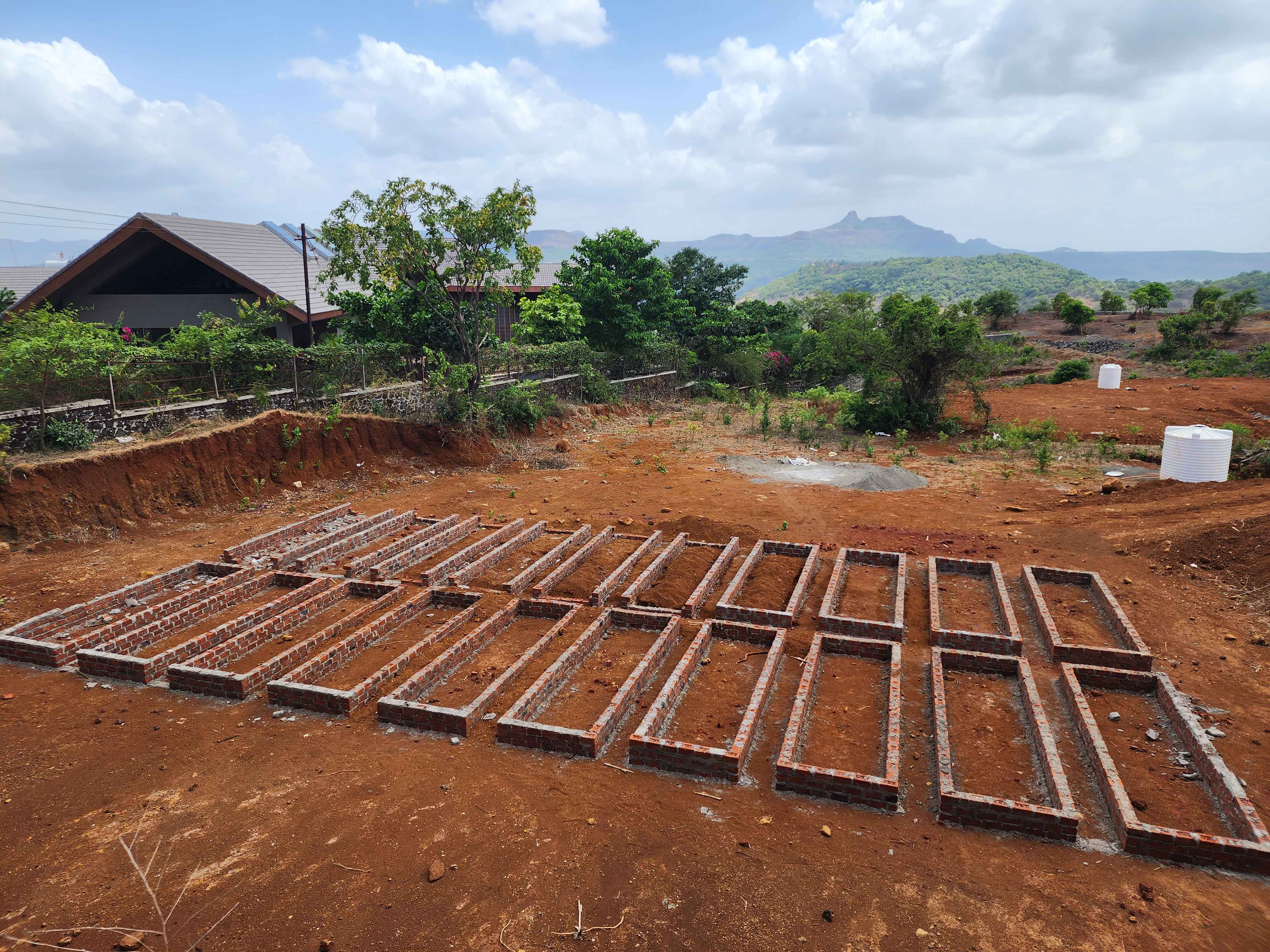
I had the courage to cultivate in only eight beds that first season, and when the crops grew as beautifully as they did, I started dreaming bigger dreams. During this time, I noticed a recurring, reassuring fact: plants want to grow. A seed’s life’s purpose is to grow, flower and fruit. To reproduce, and to spread itself as wide as it can. All we have to do as farmers is provide the conditions for its success: darkness when sown, sunlight when it germinates, a steady supply of water, and some food. Besides that, a plant can truly do everything on its own. It’s a lesson I apply to many situations and contexts, trying to surround myself—as much as I can—with environments, work, and people that feel conducive to my growth.
A first season is pivotal to a new farmer. It’s a test of one’s knowledge and instincts, and a map for the projects that can be scaled up in the near future. It’s also a juncture to ask yourself the tougher questions: to ascertain if farming is just a phase—a fleeting infatuation—or a life you want to commit to.
For me, there was only one answer.
It’s also a juncture to ask yourself the tougher questions: to ascertain if farming is just a phase—a fleeting infatuation—or a life you want to commit to.
Life, too, has its own seasons
Two years ago, during my first monsoon season, I was desperate to maximise and make productive the farm I was putting all my financial resources into. I pushed myself to grow all year round, come what may. The summer was alright, with gourds and cucumbers giving fruit, but I’d made big plans for the rains. In June, I tried to sow a diverse set of seeds across raised beds. We’re on a hillside, 950 m above sea level. We get battered in the monsoon with strong rains and even stronger winds.
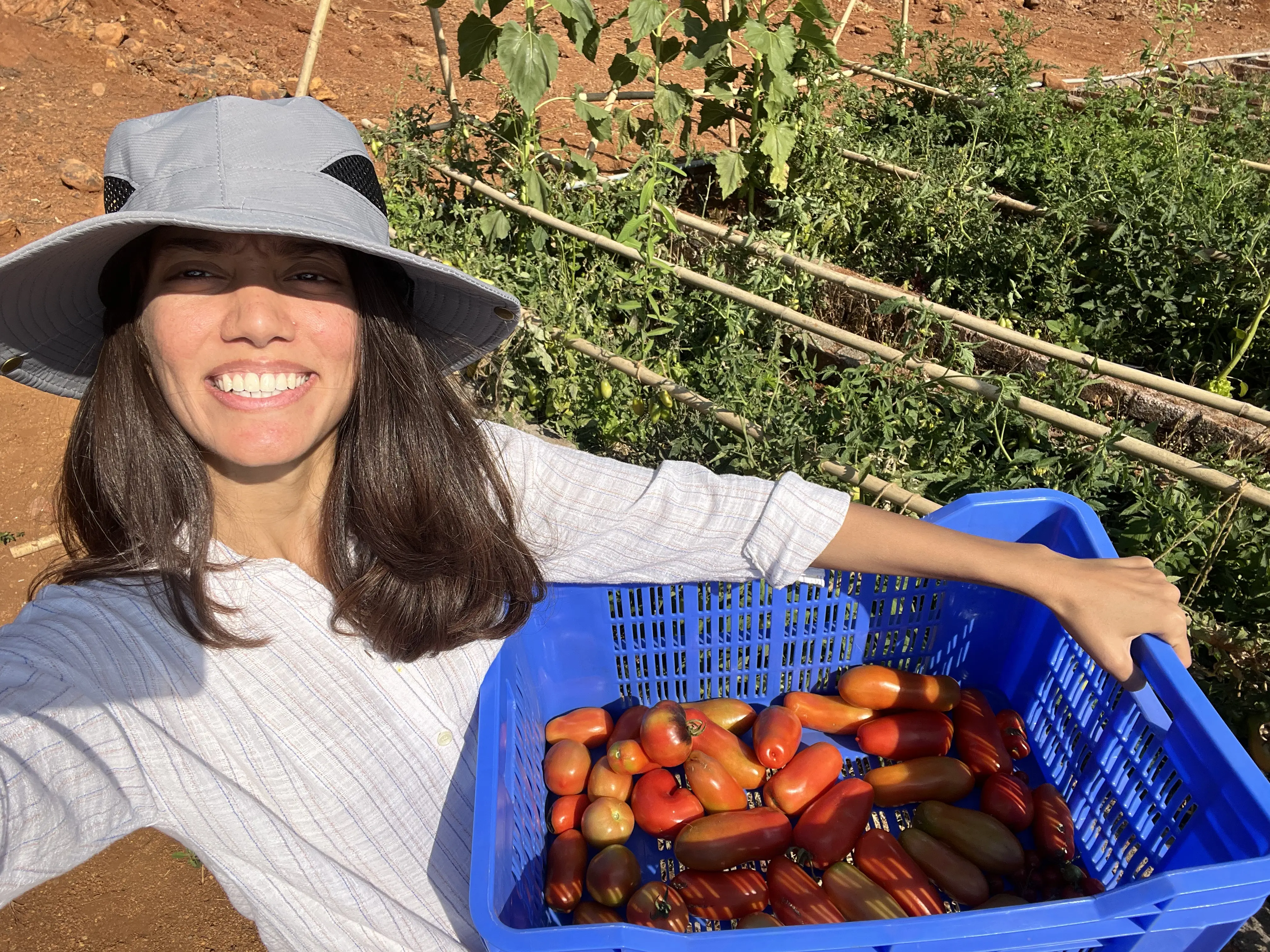
Turns out, I’d focused on water retention so much, I forgot to plan for how the water may escape. At the height of the monsoon, the beds turned into little mucky pools, and the stagnant water suffocated everything that was growing inside the soil. Plants were uprooted in storms, and two papaya trees even broke in half.
I’d spend entire days on the farm, getting drenched in the rain, and shivering on my way back. This was in tune with the fast-paced, corporate rhythms of city life, where days and months seem to blend into each other. It took falling seriously ill for me to learn that there is a time to work hard, and there is a time to rest. Work at the farm is, after all, intertwined with harvest cycles and the climate.
Maybe life, too, should be lived in seasons.
The lessons time teaches
One of the more critical decisions I’ve had to take is minimising my financial expectations from the farm thus far. One day, it’ll be all I do, but until then, I’m aware I need to learn more. I need to try more things, I need to fail some more. None of this is possible without the luxury of time, and the cushioning from a day job.
Though I’m no expert in financial investing, I have witnessed the power of compounding come to life on the farm, from widespread barrenness to nurturing even those seeds which have naturally tumbled into the soil.
My brother, who is an avid investor, speaks of investing as a way to prepare for the future. He preaches about the power of compounding like it’s a gospel. Though I’m no expert in financial investing, I have witnessed the power of compounding come to life on the farm, from widespread barrenness to nurturing even those seeds which have naturally tumbled into the soil. I see the work we’ve undertaken adding up—in the presence of earthworms and termites—and multiply at rates I didn’t think were possible.
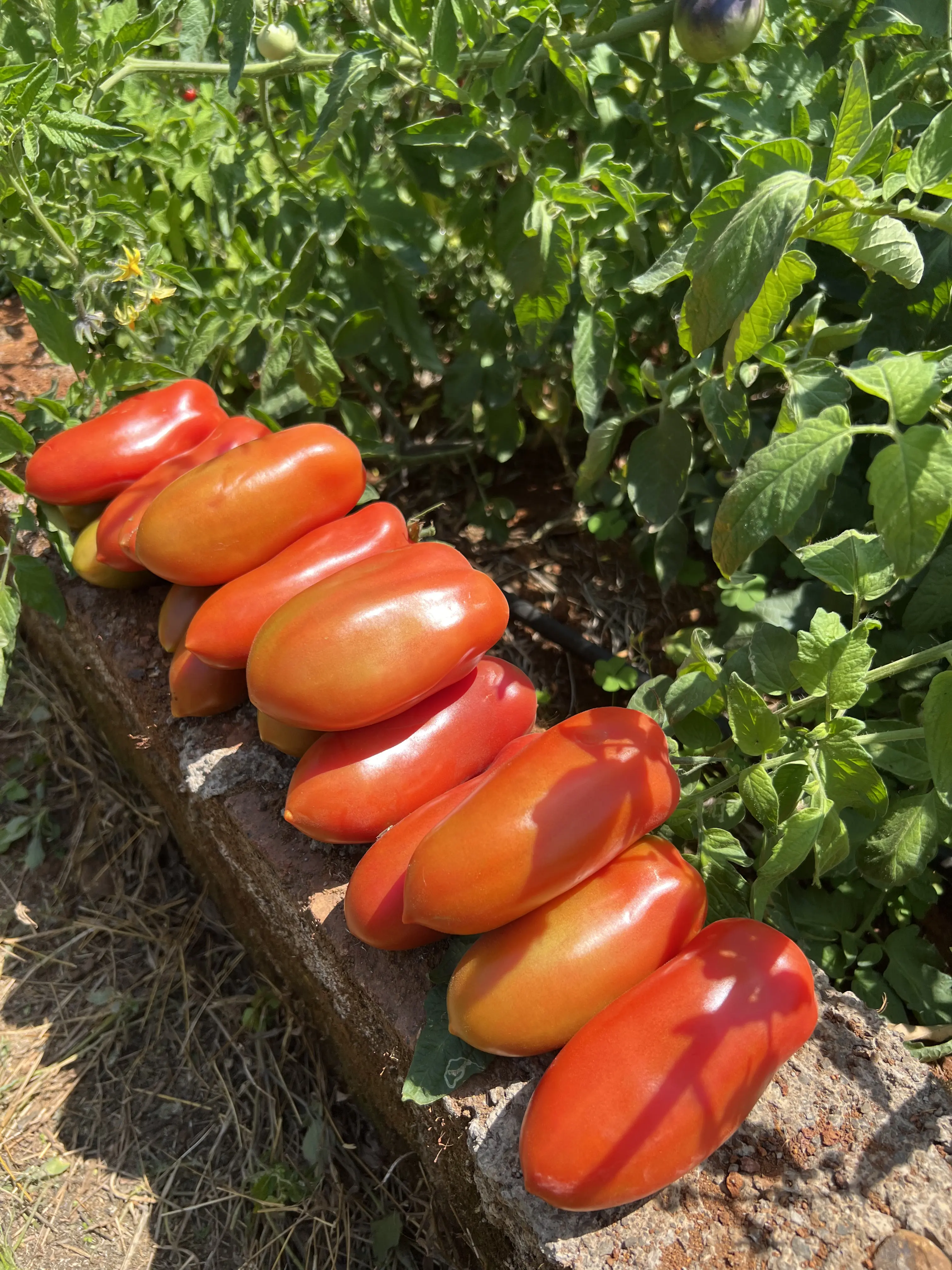
In a fast-spinning world where the most frightening of news events, like the depreciation of currencies and blockages in world trade, feel intangible and unknowable, farming offers a comforting contrast. It encompasses wins and losses that I can touch, see, smell, hear, and taste. That’s why I grow food—it makes me feel real.
Carousel Photos by Simran Moorjani
Cover Art by Pearl D'Souza
{{quiz}}


.avif)
Explore other topics
References

What are the greenish-brown protrusions of a potato called?
.jpg)