At this ‘poison-free’ farm in Tamil Nadu, nature is an equal partner
Dr. Manickaraj and his wife Nagarathinam work in tandem with the rain, earthworms and elephants to grow a variety of crops


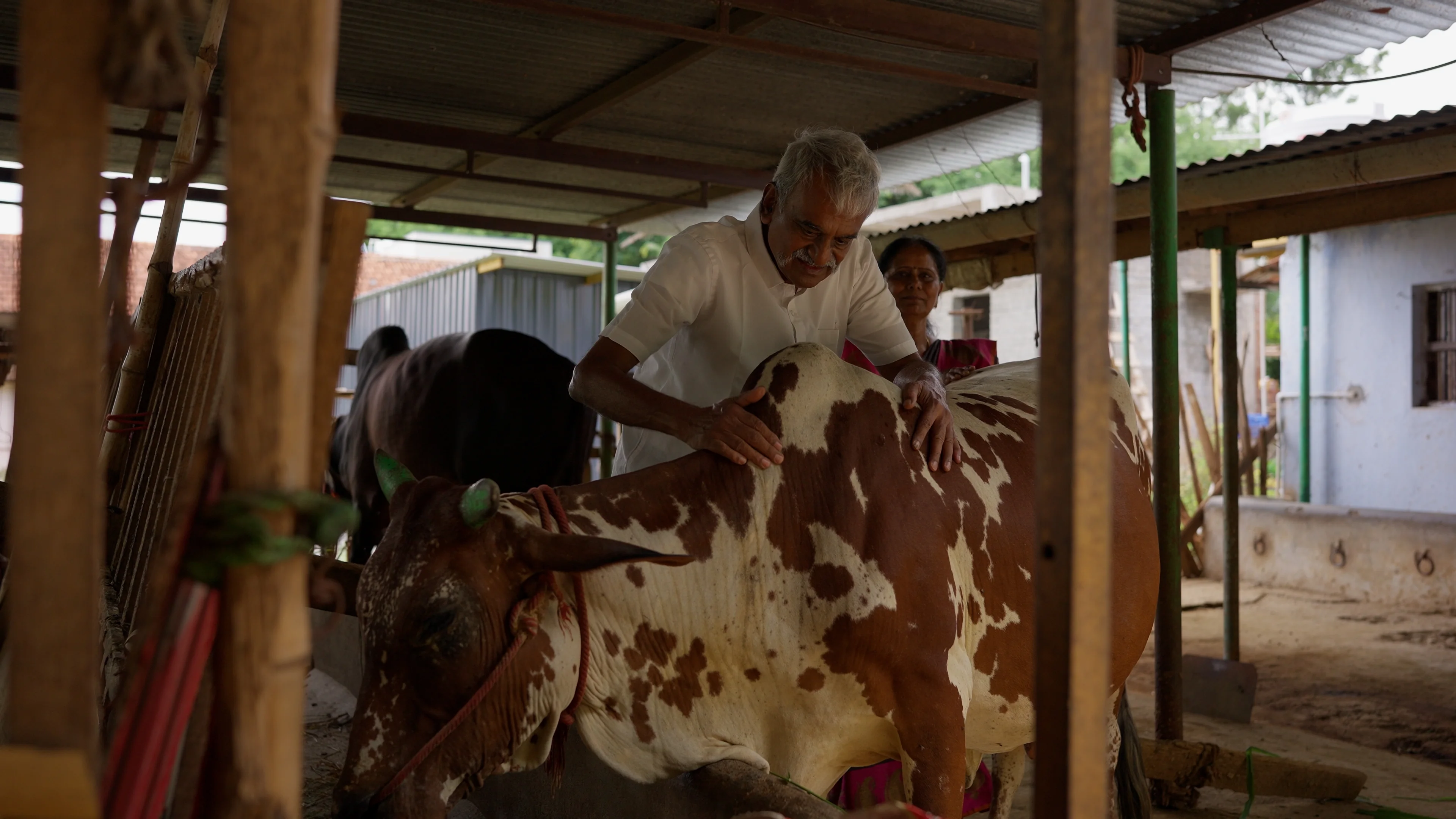
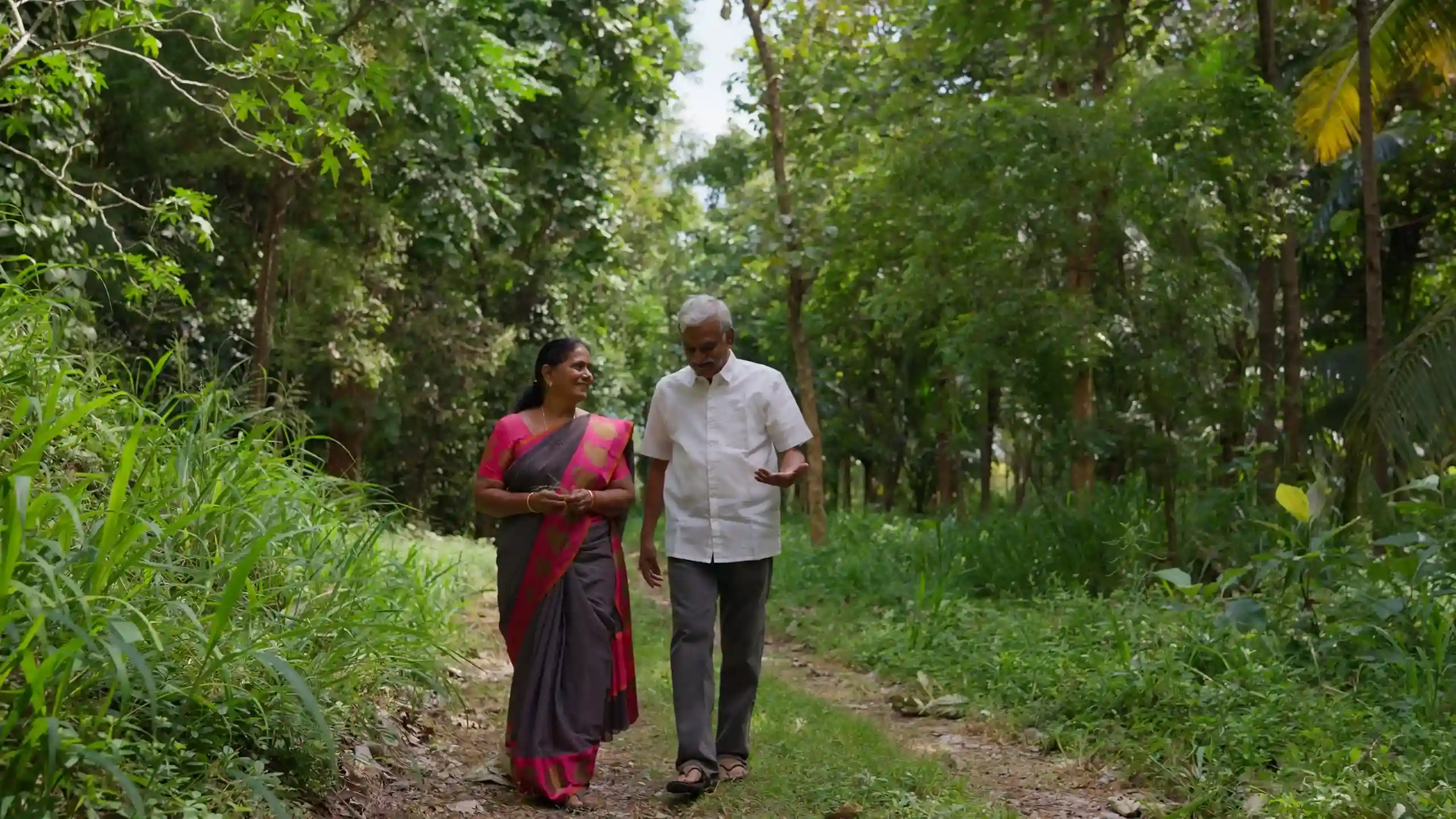
“We did not inherit this world from our ancestors; we have borrowed it from our children. We must return it far better than we found it,” says Dr T. M. Manickaraj. His stance towards the fate of the Earth could be attributed to his training and career as a pediatrician, but the sense of intergenerational responsibility that he and his wife Nagarathinam feel goes beyond that: their 23-acre farm, split across two parcels of land in Coimbatore’s Dheenampalayam village, is ‘poison-free’.
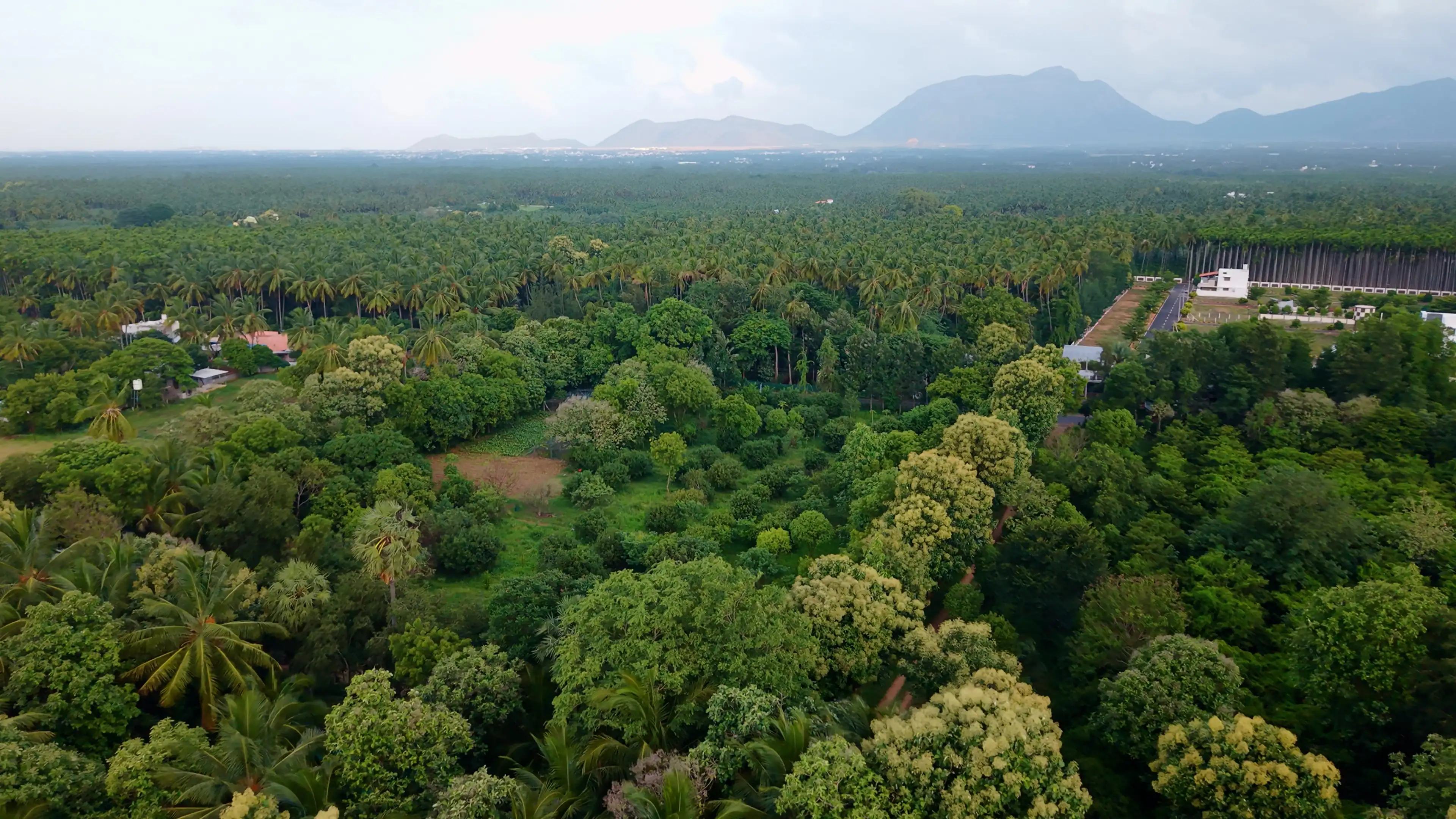
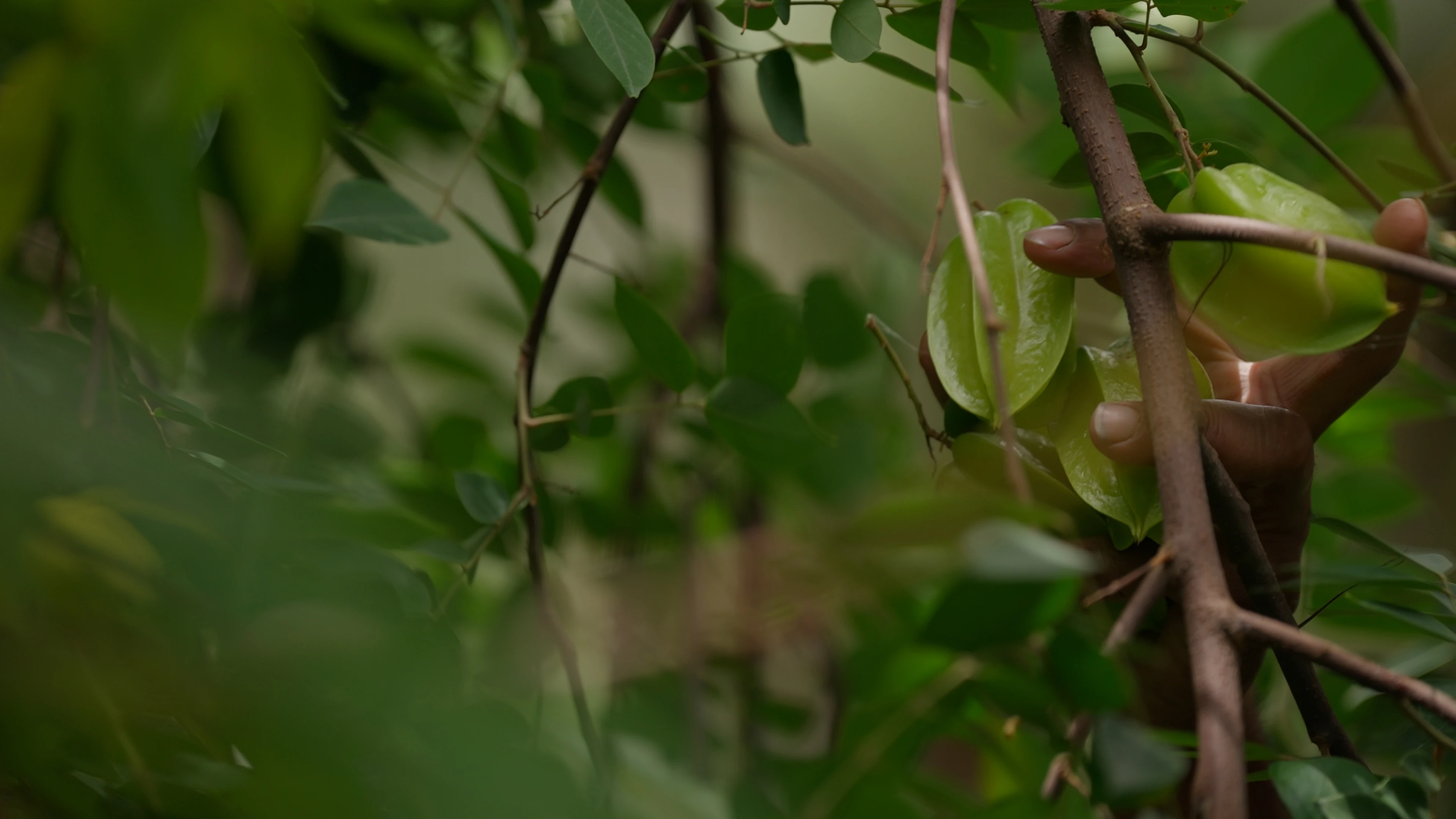
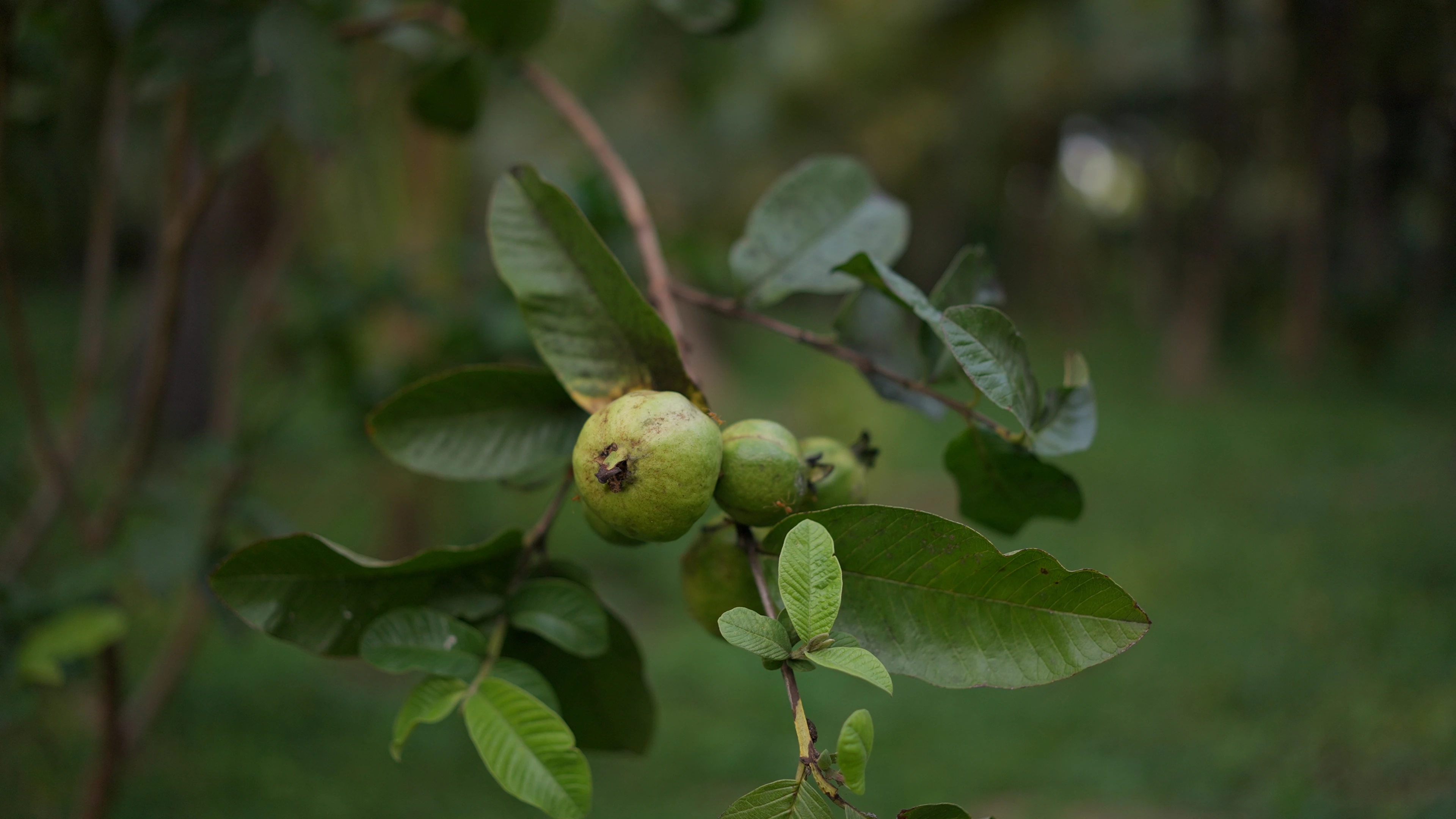
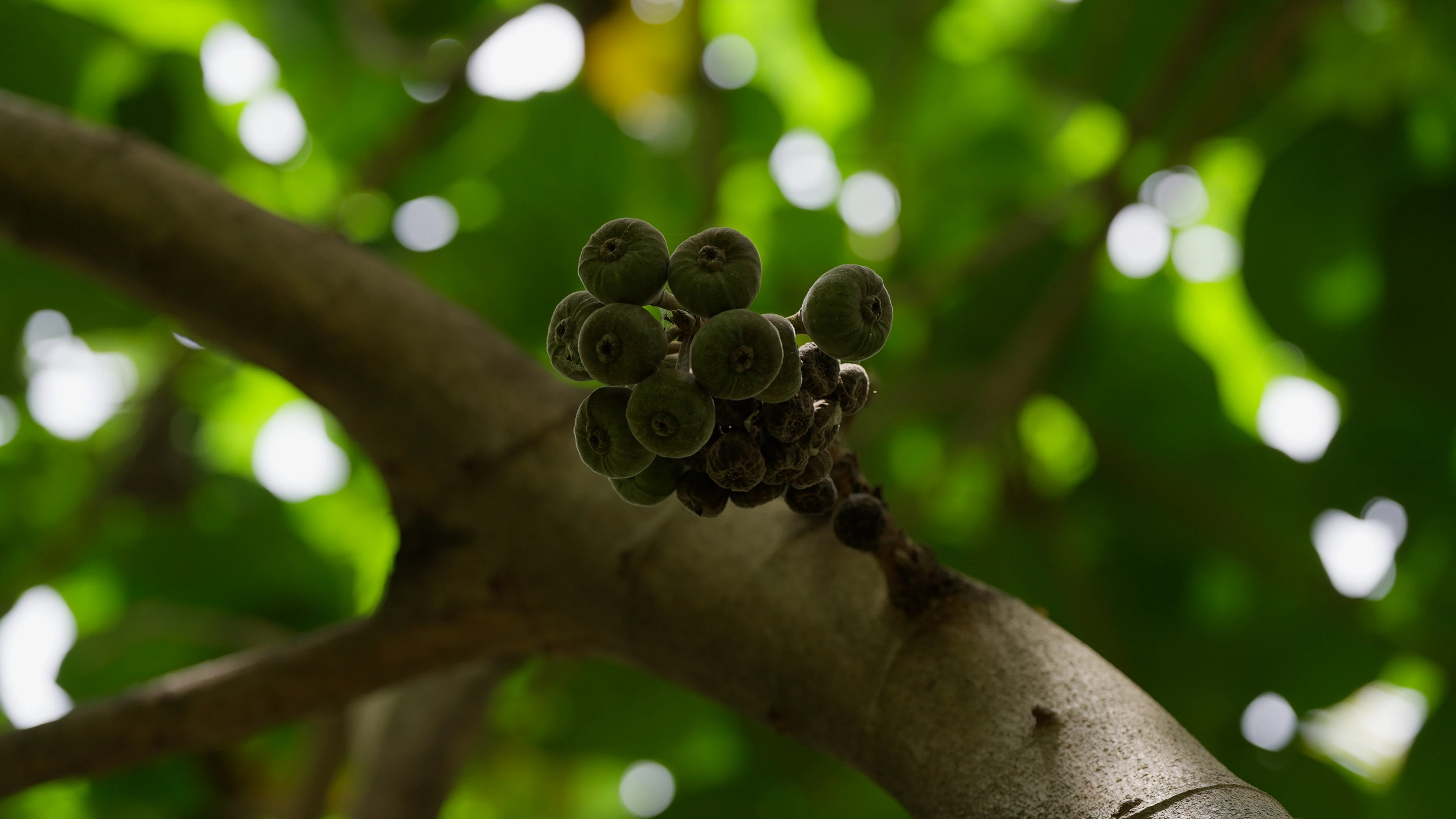
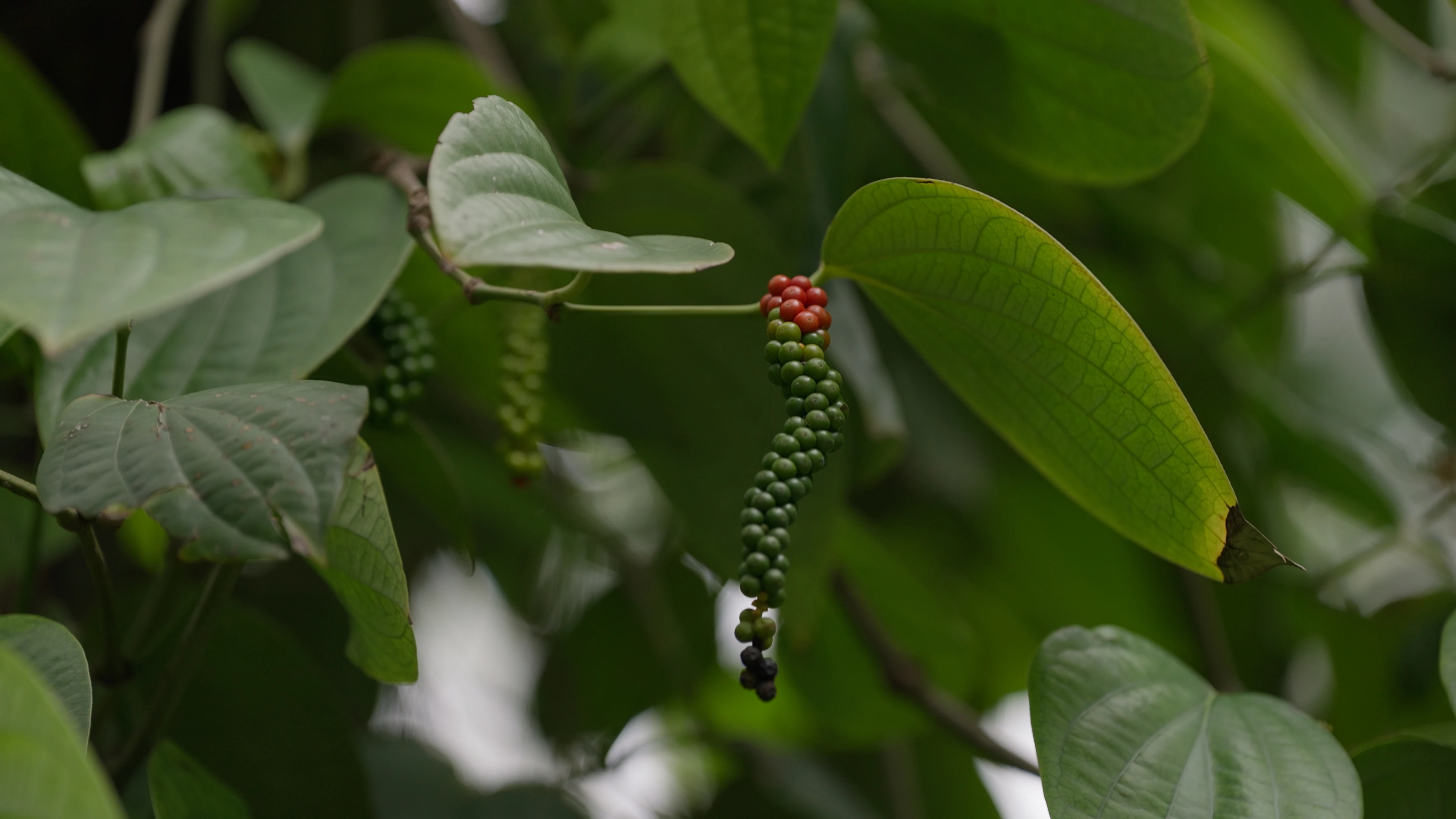
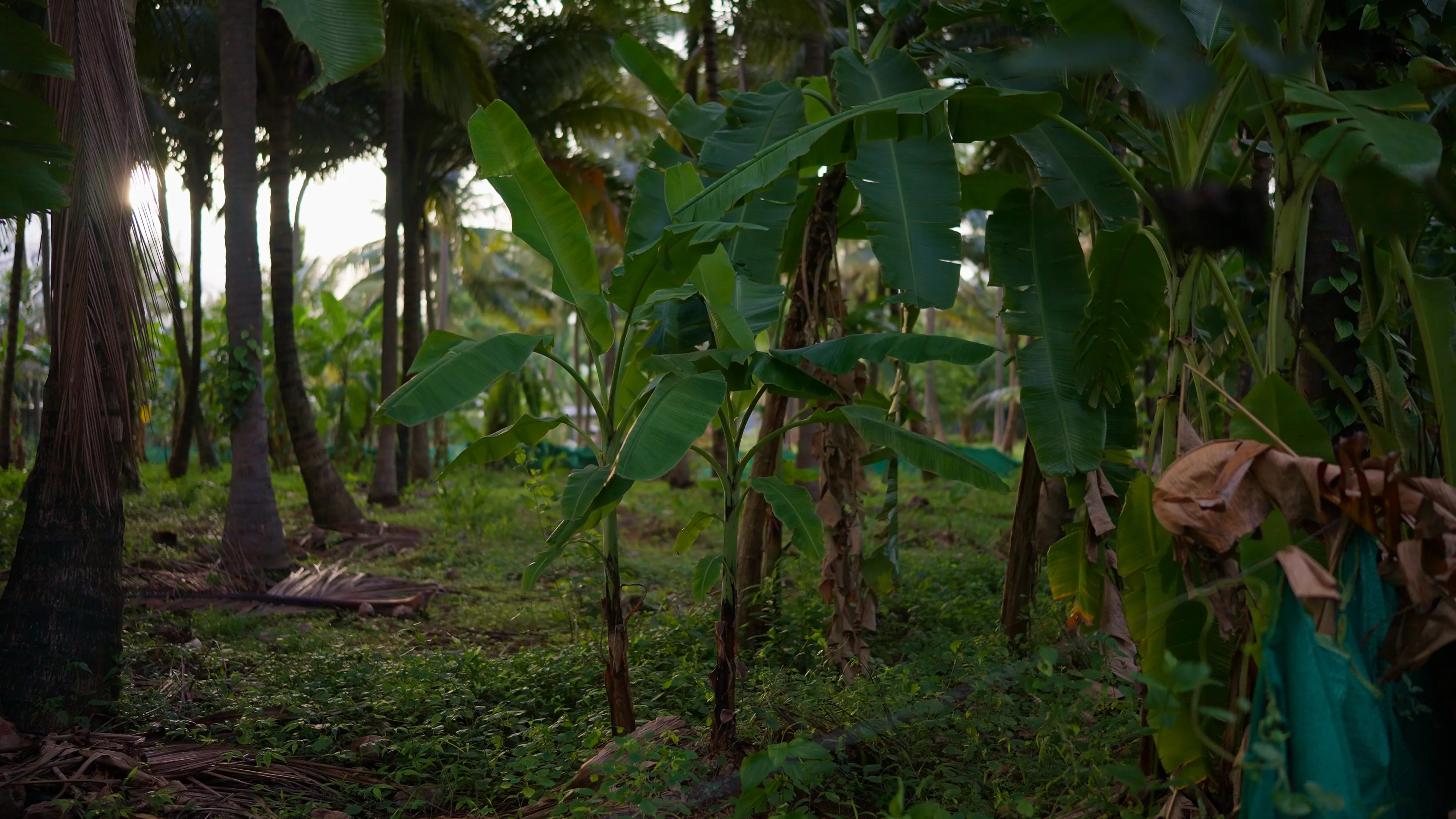
Named ‘Marudha Vanam’ and ‘Seetha Vanam’, the first thing one notices upon arriving here is how alive it all feels. Coconut palms and their long fronds cast broken patches of shade across the ground. Between them, bananas, pomegranates, papayas, figs, lemons, pepper vines and star fruit live in equanimity.
After 10 years of engaging in conventional chemical-based agriculture, they made a switch to the Subhash Palekar Natural Farming (SPNF) method. The benefits of this transition is best reflected in the difference it has made to the couple’s health.
We did not inherit this world from our ancestors; we have borrowed it from our children. We must return it far better than we found it.
The early days
Dr. Manickaraj inherited this land in Tamil Nadu from his parents in 1990. As a paediatrician, he had spent little time on agricultural work before this. By the time the couple took over the farm’s running, his father had converted 11 acres into a conventional coconut plantation. For the first decade, they maintained these standard practices, applying synthetic fertilisers across this parcel of land while leaving the remaining 12 acres of sandy soil untouched.
As he devoted more time to the land, Dr. Manickaraj observed that he had developed persistent health issues, including allergies, itching, vomiting, and occasionally, wheezing. “The only reasonable explanation was my close exposure to the farm’s chemical sprays, alongside those used on neighbouring plots,” he explains.
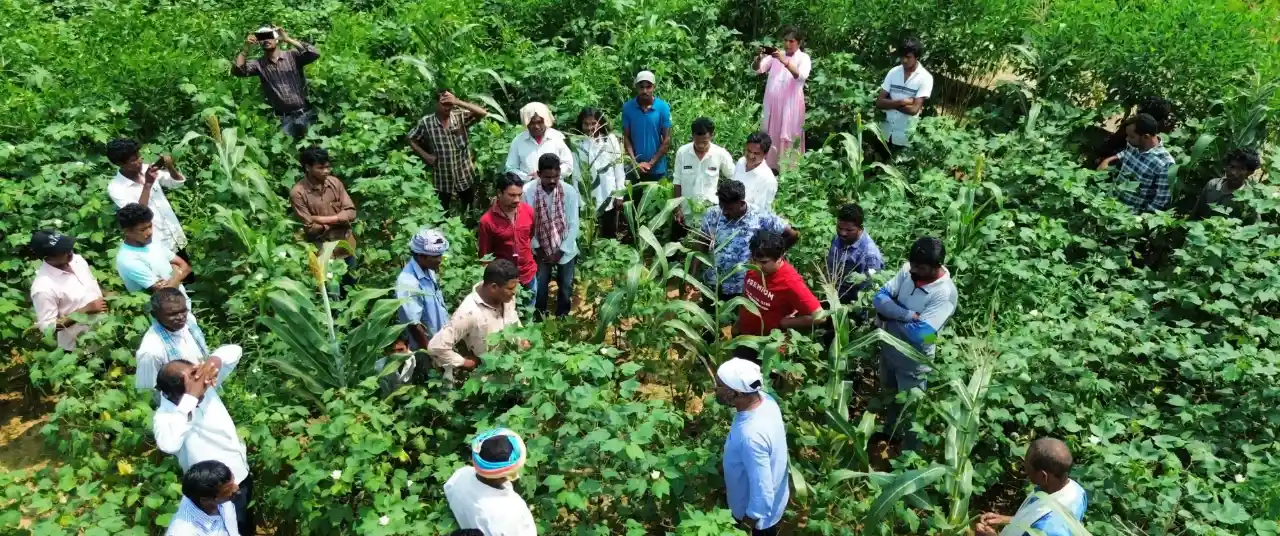
Simultaneously, Nagarathinam embarked on a journey of learning about organic farming and attending workshops led by pioneers like Palekar. In the early 2000s, there were few in their corner of Tamil Nadu who had committed to organic methods; even if they found a farmer far away, they made the effort to establish contact and visit them for a hands-on learning experience. “This opened our eyes to how severely synthetic chemicals degrade both the land and human health,” Nagarathinam says.
The realisation prompted an immediate shift in their ways. “We owned the land, so we took it upon ourselves to cultivate safe food for our family and the people around us,” adds Dr. Manickaraj. When the question of picking trees and plants for intercropping arose, they opted for more fruit trees so that the change would translate into their own diets, as well as allow them to sell fruits and create value-added products like pickles.
Also read: Trash threatens to swallow Chennai up. This citizens’ initiative won’t allow it
Revitalising the soil
Decades of widespread chemical use had left the coconut grove’s soil depleted and resistant to supporting life.
The transition away from synthetic inputs, however, was far from straightforward: “For a farm of this scale, we could not instantly manufacture all our own organic feeds and remedies. Buying off-the-shelf organic alternatives actually cost more than the chemical ones,” Nagarathinam recalls.
We don't remove dry leaves or animal waste from the farm. Everything is returned to the land to improve soil health.
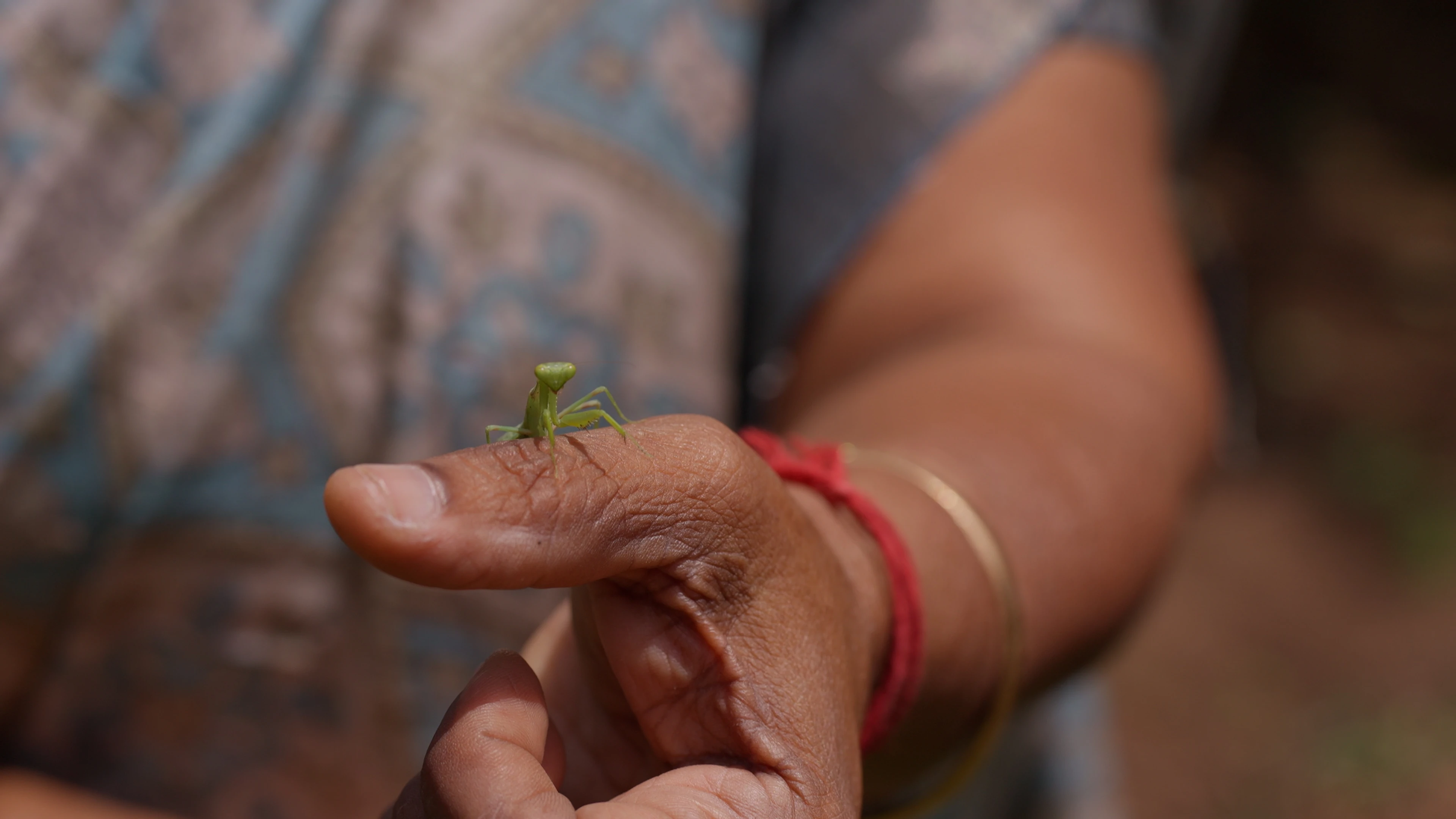
When they stopped spraying chemical pesticides, damage by insects became a major challenge. But over time, the farm—and nature—found its own balance: beneficial predators such as spiders, ladybugs and praying mantises gradually returned, naturally controlling pest populations. “We simply had to give beneficial insects time to establish themselves,” she says.
{{marquee}}
In adopting Palekar’s four principles of natural farming, the couple employed the use of beejamrutham (treating seeds before sowing to protect them from fungal, bacterial and viral diseases) and jeevamrutham (a natural microbial culture that enriches the soil and encourages beneficial microorganisms to multiply).
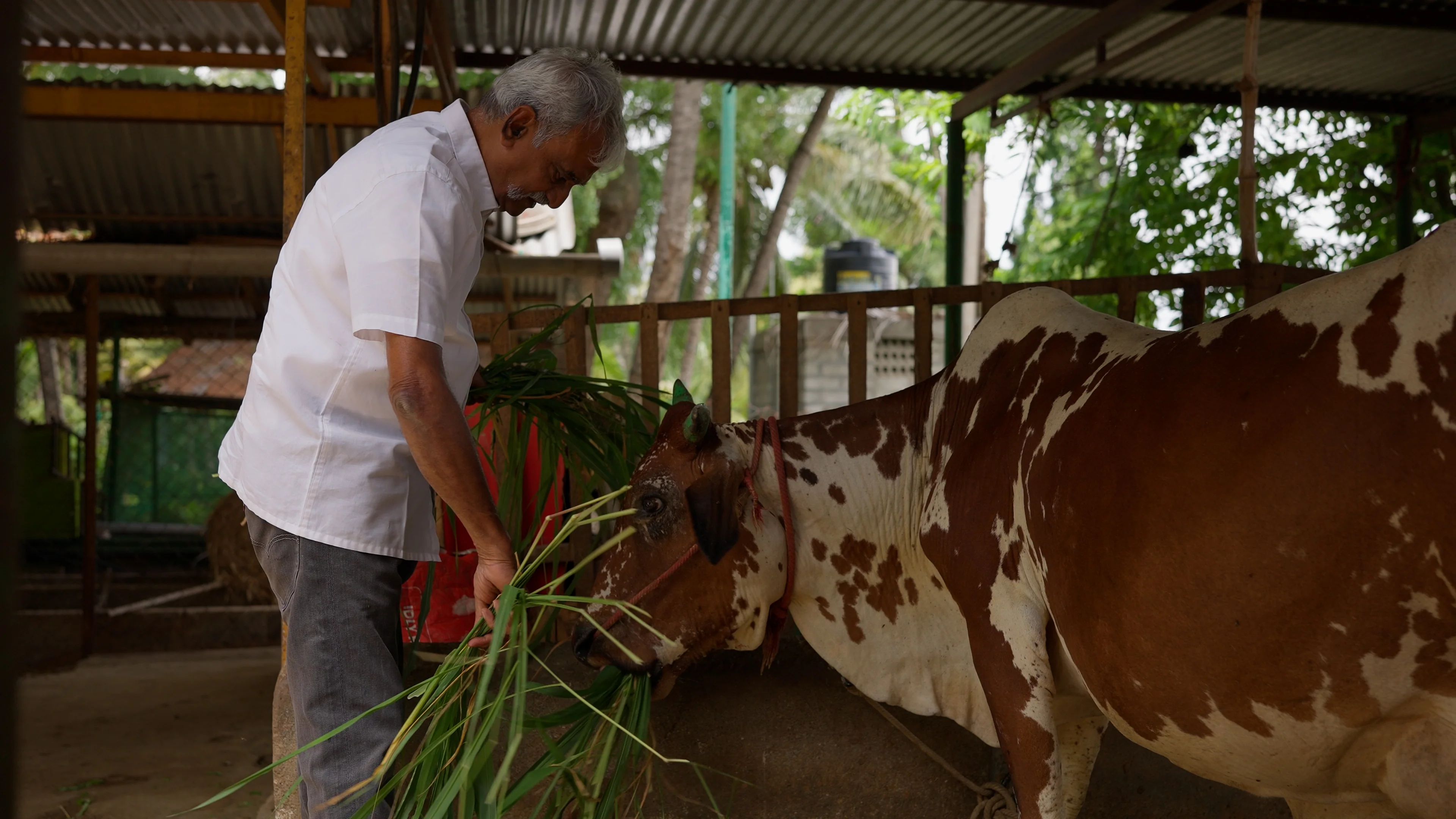
The third principle is mulching. Instead of bringing in external inputs or removing organic matter from the farm, everything is recycled back into the soil. "We don't remove dry leaves or animal waste from the farm. Everything is returned to the land to improve soil health," she says. For this reason, she believes an integrated farm is essential. Their land supports cows, goats, sheep, chickens, ducks and fish, all of which contribute to a self-sustaining ecosystem.
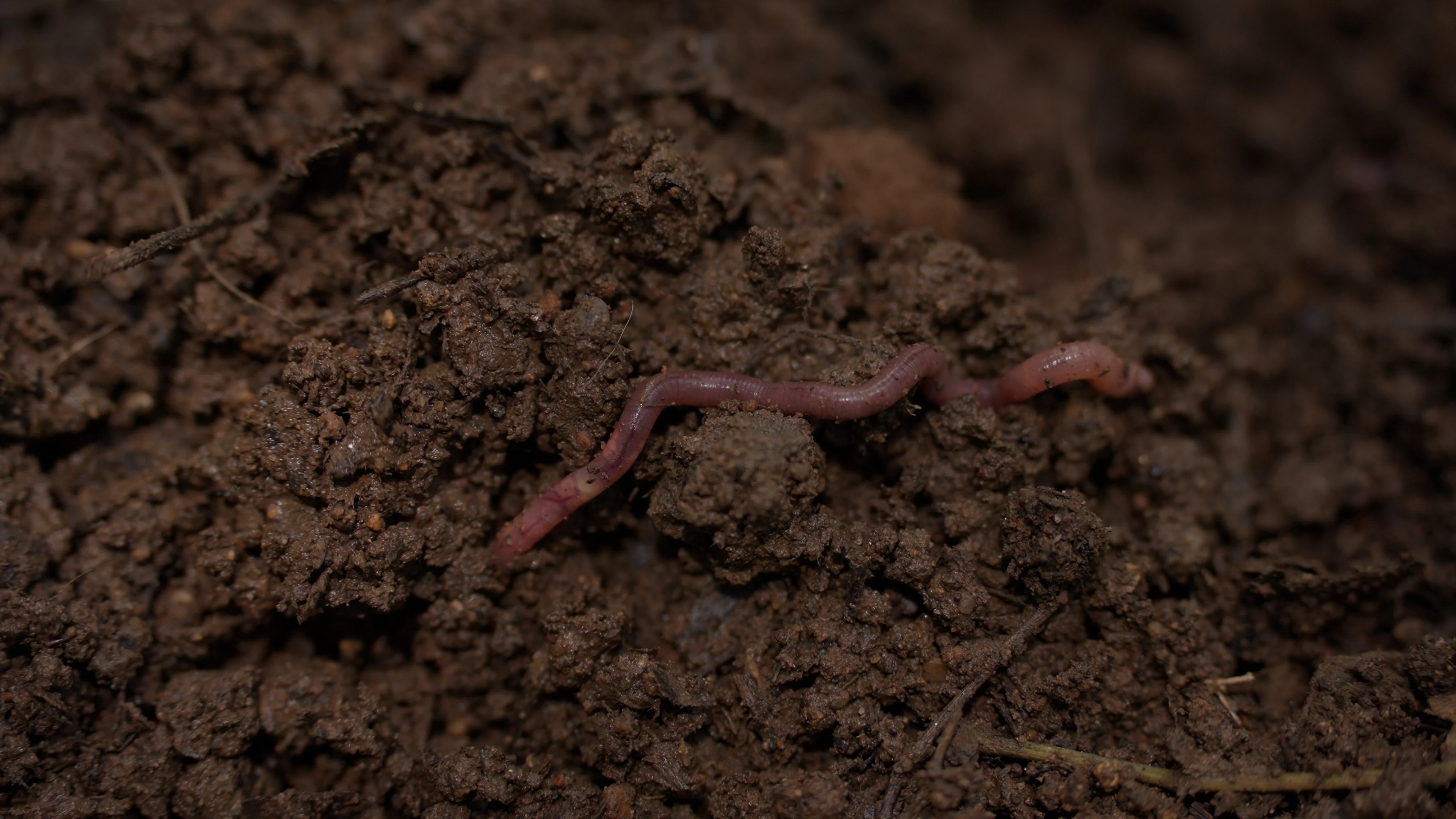
The fourth principle, Whapasa, focuses on maintaining the ideal balance of air and moisture within the soil—work undertaken by earthworms who create channels that improve aeration and allow water to penetrate deeper into the ground.
Also read: In this Tamil Nadu village, the palmyra has inspired a homecoming
Experiments with water management
The fruit trees that punctuate the coconut grove require a reliable supply of water. Although drip irrigation using borewell water helped, Dr. Manickaraj soon realised it was not a sustainable long-term solution. They decided instead to capture every drop of rain that fell on the farm. "We dug a series of trenches—each about four feet wide, three feet deep, and between 12 and 15 feet long," he explains.
Today, the farm has 45 such trenches. "The water slowly percolates through the soil for 10 to 12 metres, keeping the land hydrated for up to six months of dry weather. Over the years, the collective yield from all the plants has drastically improved,” notes Nagarathinam.
In partnership with nature
The remaining 12 acres of sandy land presented a different challenge.
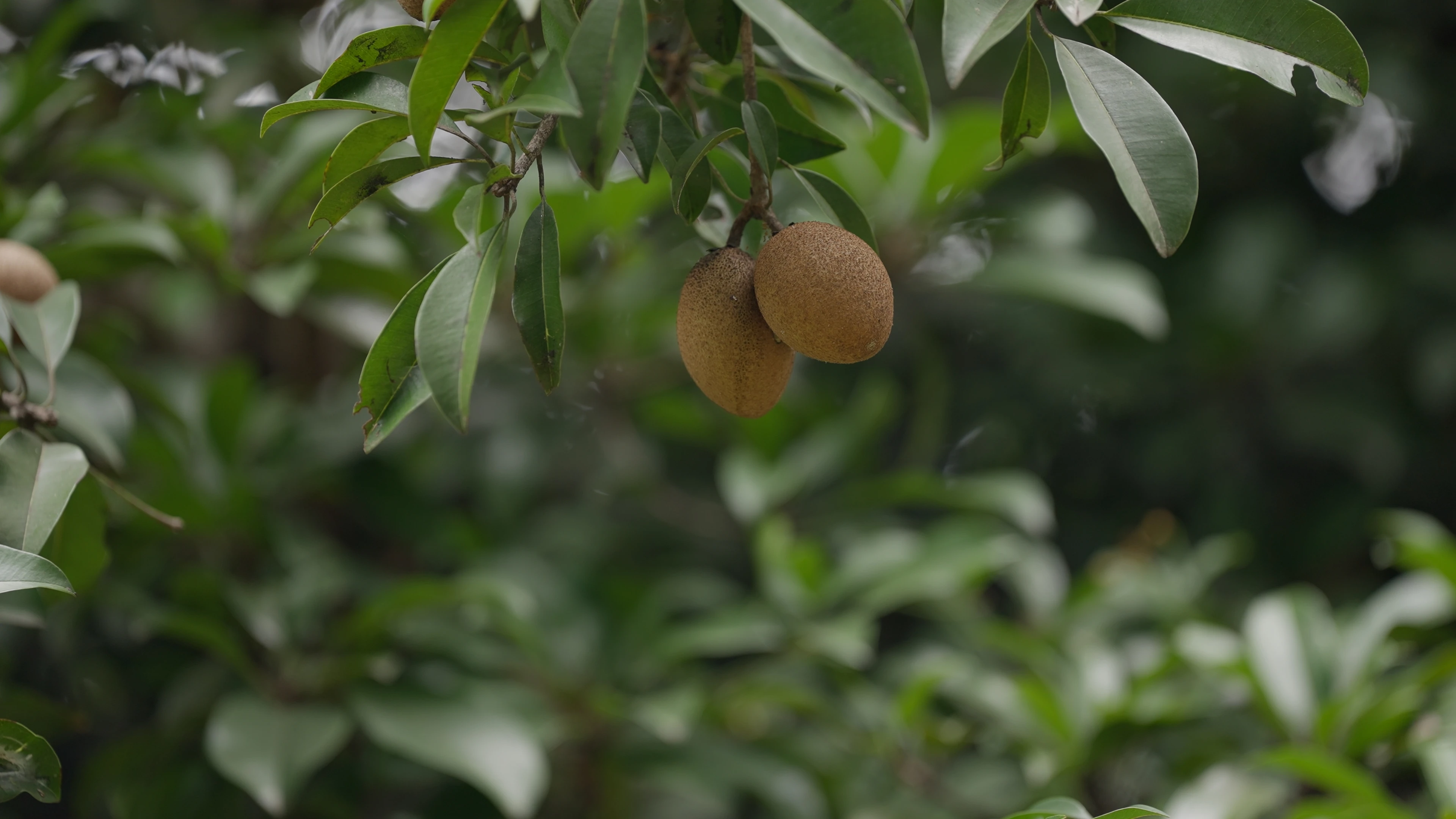
Rather than forcing intensive cultivation, the couple chose to restore the landscape by planting a diverse mix of trees, including mango, sapota, teak, mahogany, rosewood and sandalwood. Most required little more than seasonal rainfall once they took root.
Over time, nature began doing much of the work itself. Elephants wandering down from the nearby Marudhamalai Hills regularly left behind dung containing wild grass seeds. Those seeds have transformed around seven acres into lush fodder grass, eliminating the need to purchase feed for the farm's cattle.
Dr. Manickaraj sees the farm not simply as a source of food, but a testament to the rewards of working in harmony with nature.
Birds have also played an unexpected role. "When we started, we had only three sandalwood trees. Birds dropped seeds onto our land, and today we have more than 300 sandalwood trees growing naturally, along with countless neem trees. Every year, nature gives us around 50 new trees," says Dr. Manickaraj.
The farm provides nearly everything the family eats, with rice being the only staple they still source externally. Dr. Manickaraj sees the farm not simply as a source of food, but a testament to the rewards of working in harmony with nature. "At 77, I do not take a single medicine. I believe that has much to do with the poison-free food we eat from our farm,” he says.
Also read: On Tamil Nadu’s coast, a living seed bank conserves 2000+ rice varieties
{{quiz}}


.avif)
Explore other topics
References

How many principles does Subhash Palekar's model of natural farming have?