.jpg)
Tomato truths: Seed saving is serious business
Seed saving helps farmers to invest in their success. Why then are we aspiring to a “seedless” future?


Editor's Note: Urban farmer Simran Moorjani is the founder of Simbiosis, a regenerative farm on the outskirts of Mumbai, where she grows tomatoes and salad leaves while maintaining a symbiotic relationship with the land. In this column, she reflects on the realities of farming—sometimes with humour, sometimes with candour, always with curiosity.
It’s a known fact that to this day, we depend on plants for most of our needs. Yet we tend to confuse our needs—for food, oxygen, and healing—with the plants’ very existence. Even in school, when we learnt about “the role of plants”, their importance was explained keeping in mind their usefulness to us, the supposedly superior species!
Despite our self-centred worldview, and beyond the scope of domestication, the plants on this planet aren’t for us (we've reportedly tamed only 1% of them anyway). They happen to have been here far before us, and will be here long after us. Their purpose has never been to be an endless supply of oxygen for silly ’ole you. They happen to produce oxygen by virtue of simply existing.
I’ve often found myself wondering about this question of “purpose”, and I’m not alone in this endeavour; scientists like biologists have been studying it for centuries.
Despite our self-centred worldview, and beyond the scope of domestication, the plants on this planet aren’t for us.
Seeds: origin, and legacy
From an evolutionary standpoint, the answer is: to survive, reproduce, and successfully pass on genes to the next generation. To grow each day, photosynthesise and produce food. To spread roots deep into the soil, in search for nutrients to grow healthier. To build a defence against pathogens, animals, and the environment. To flower, brightly and beautifully, to attract pollinators such as bees and butterflies.
Through these processes, the plant learns, adapts to its surroundings, and makes itself stronger so it can bear fruit. Inside that fruit lie seeds, carrying very specific genetic instructions coded with everything the plant has learnt during its lifespan. Its goal here is to disperse the seeds far and wide, hoping its successors have the best possible chance at taking its genes forward.
Almost exactly like humans, if you think about it.
Knowing me, knowing you
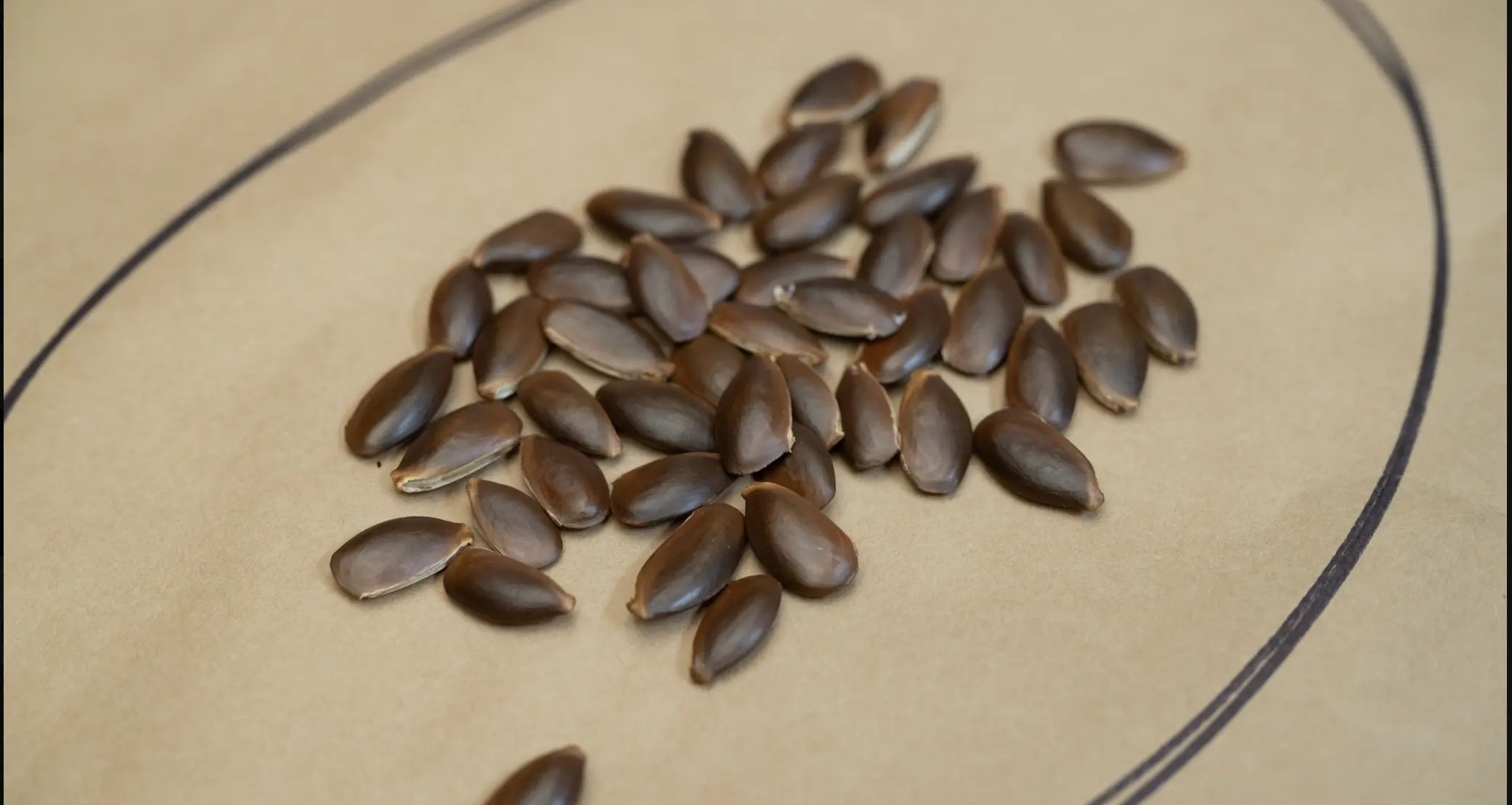
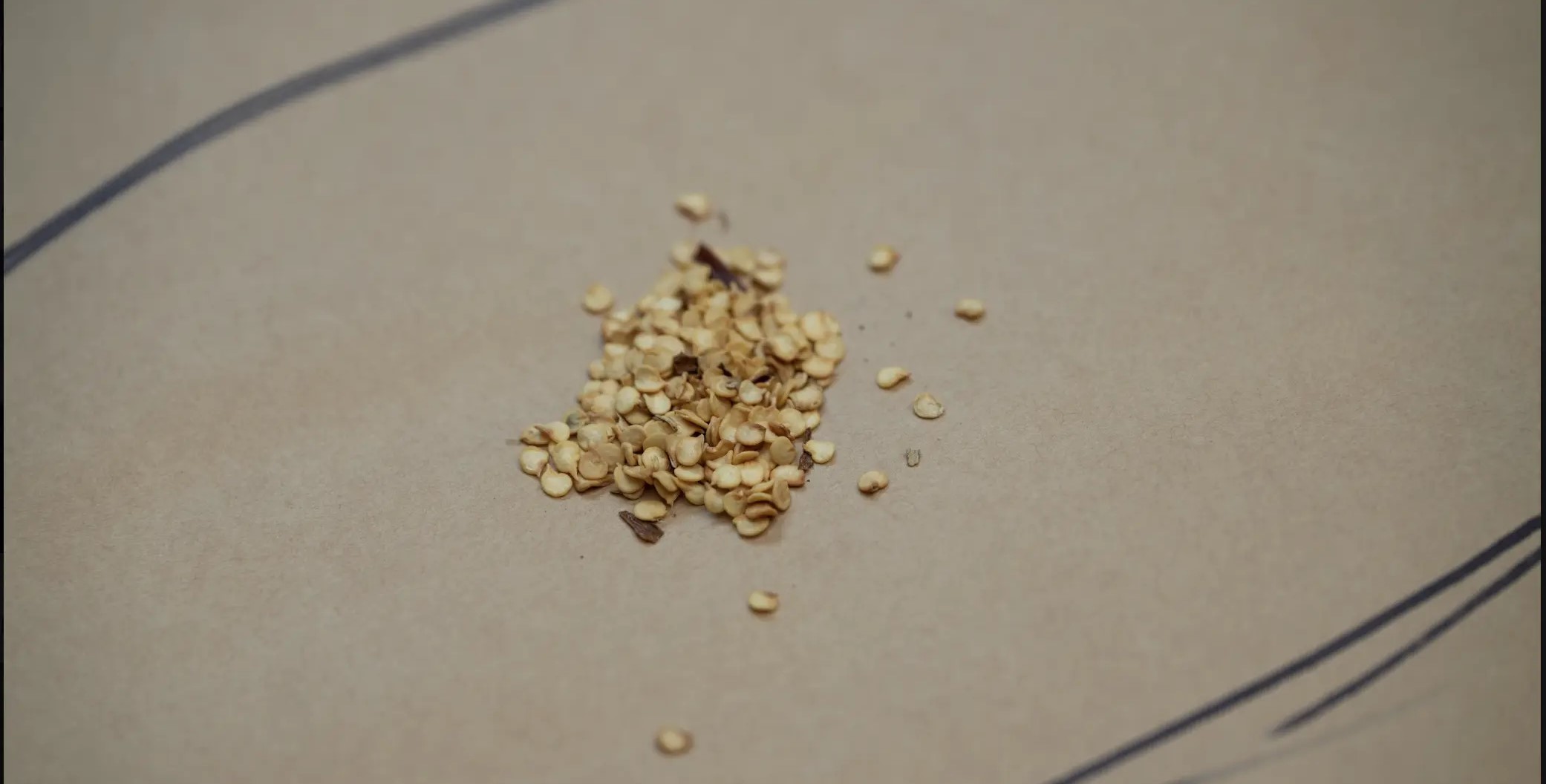
In 2021, after a nourishing stint at Vrindavan Farm on Mumbai’s outskirts, I received my first batch of their tomatoes. Stuck at home during the COVID-19 lockdown, I was excited to hold fruited versions of the flowers I had last seen on the farm. With little to no wisdom about how tomato seeds are saved, I just plucked them from the fruit and dried them on toilet paper and saved them in a zip-lock packet for a few months, before I could plant them in the upcoming winter. To my surprise, they actually grew!
{{marquee}}
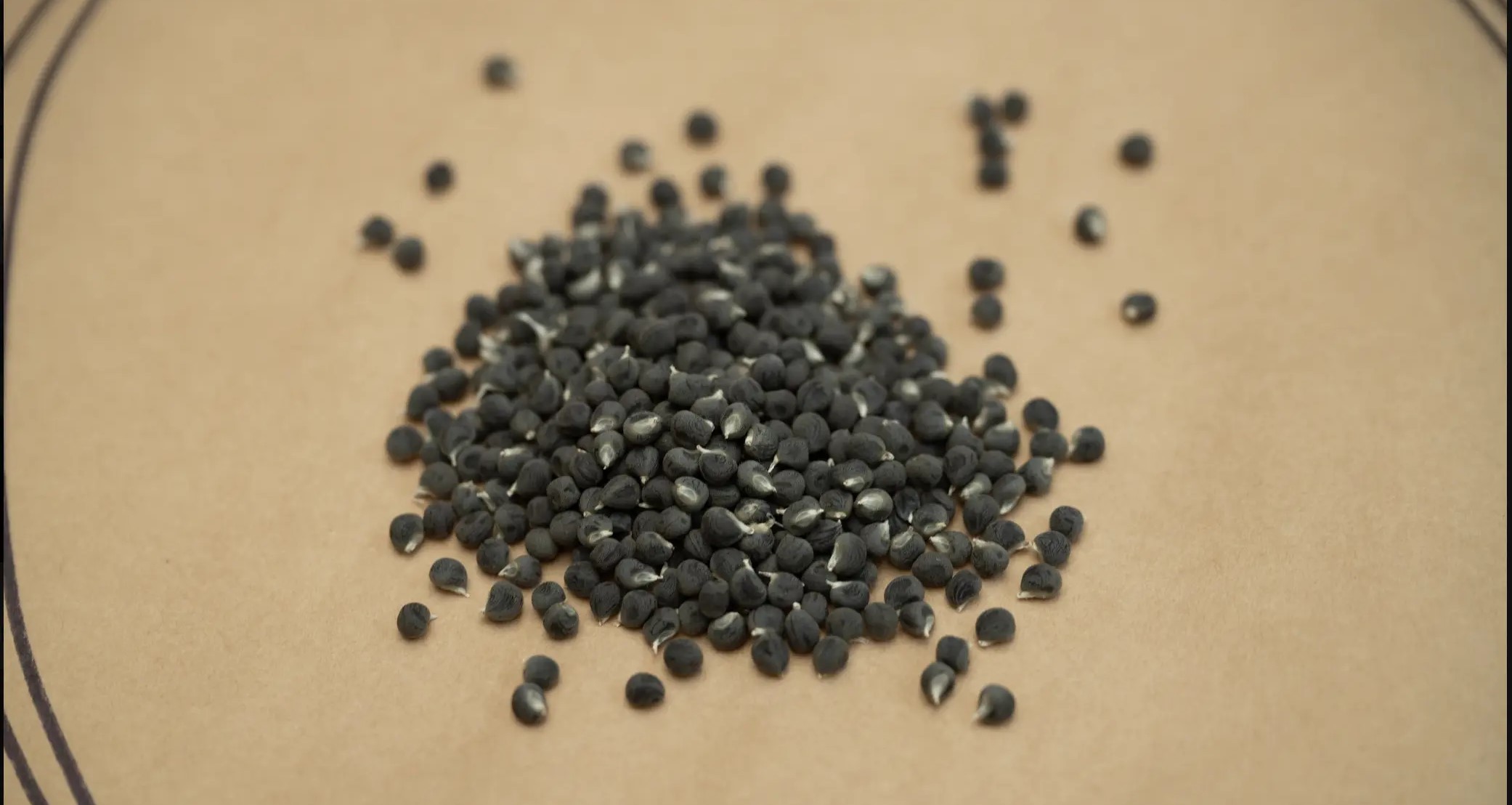
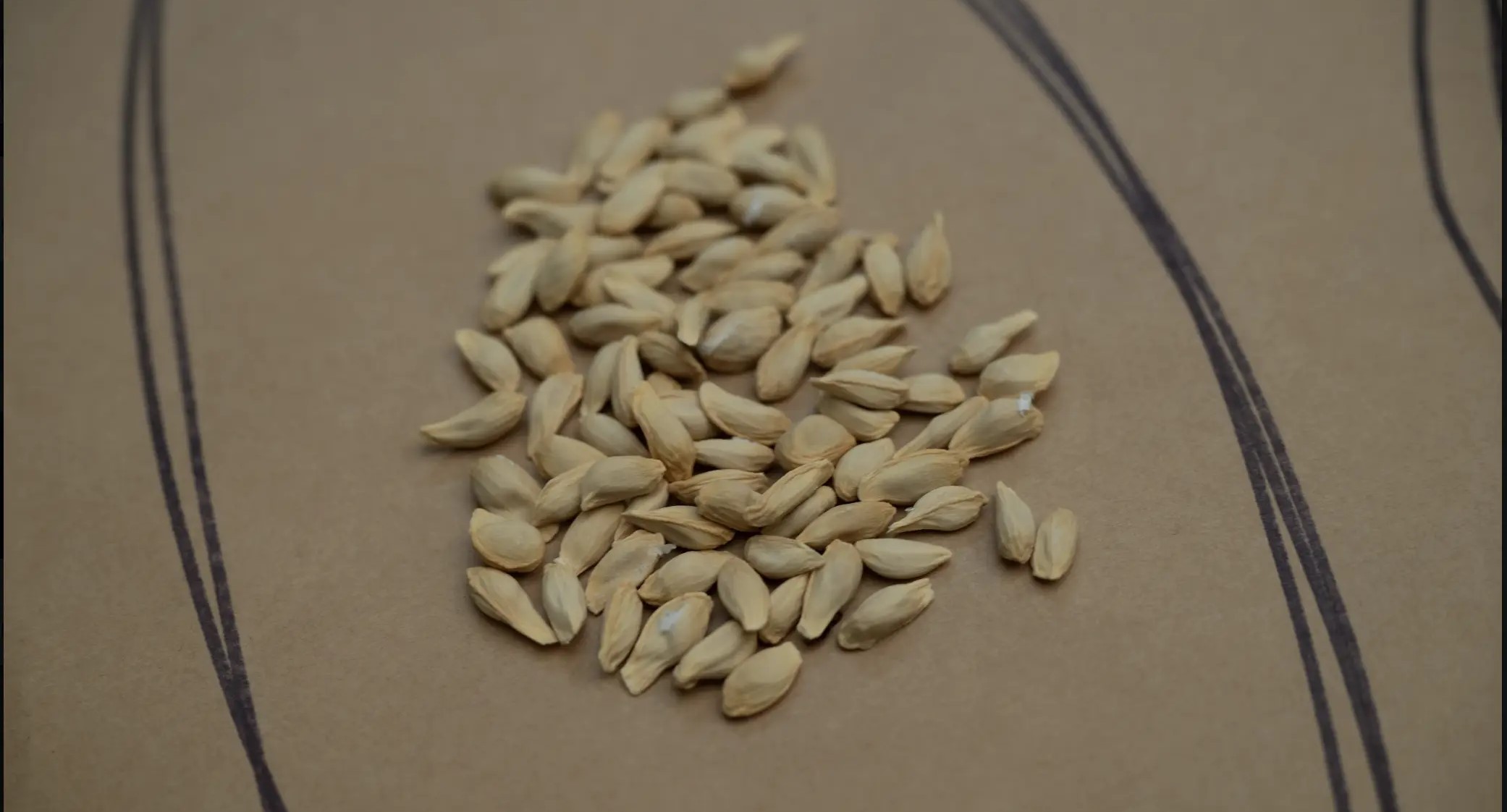
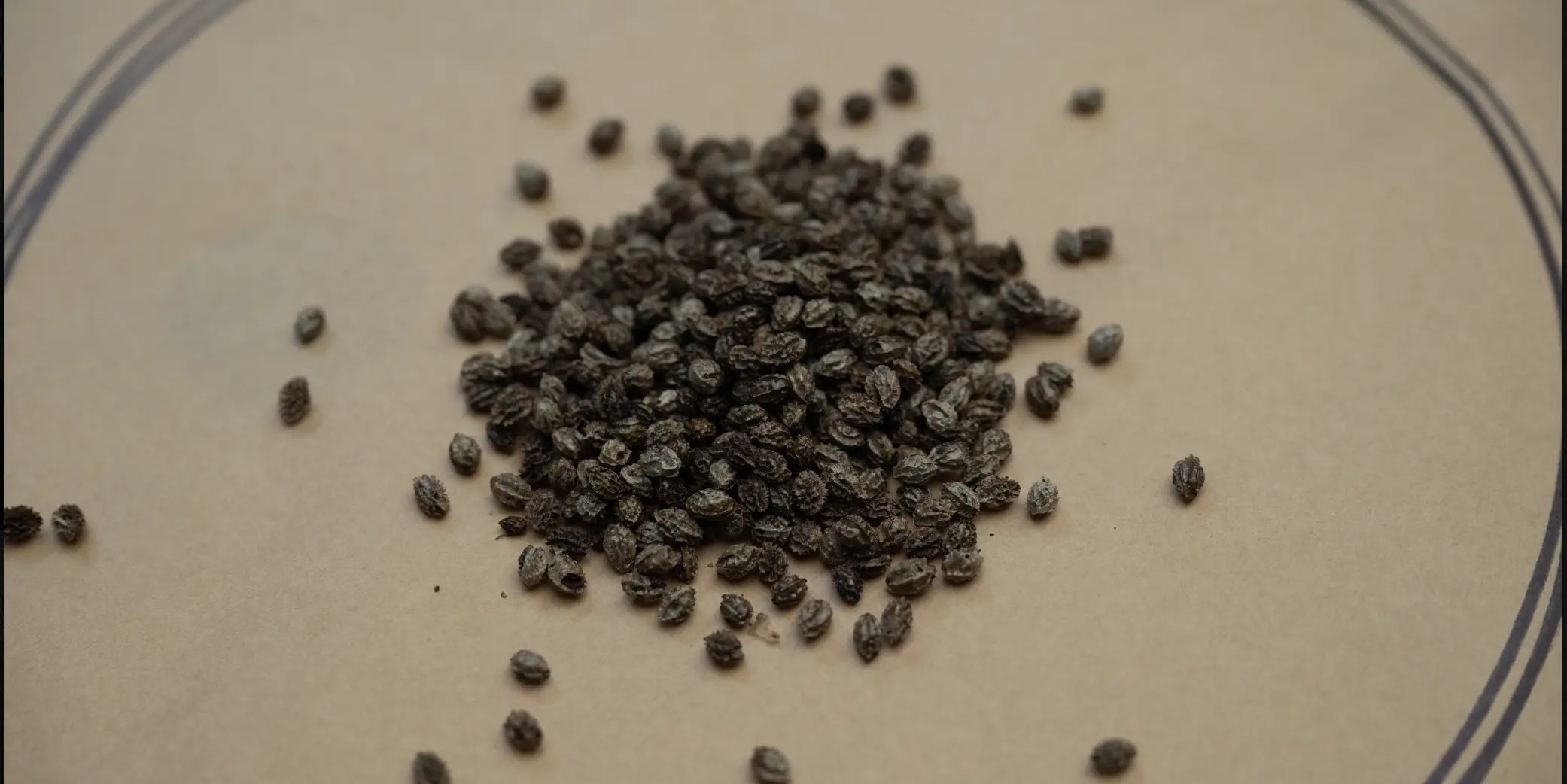
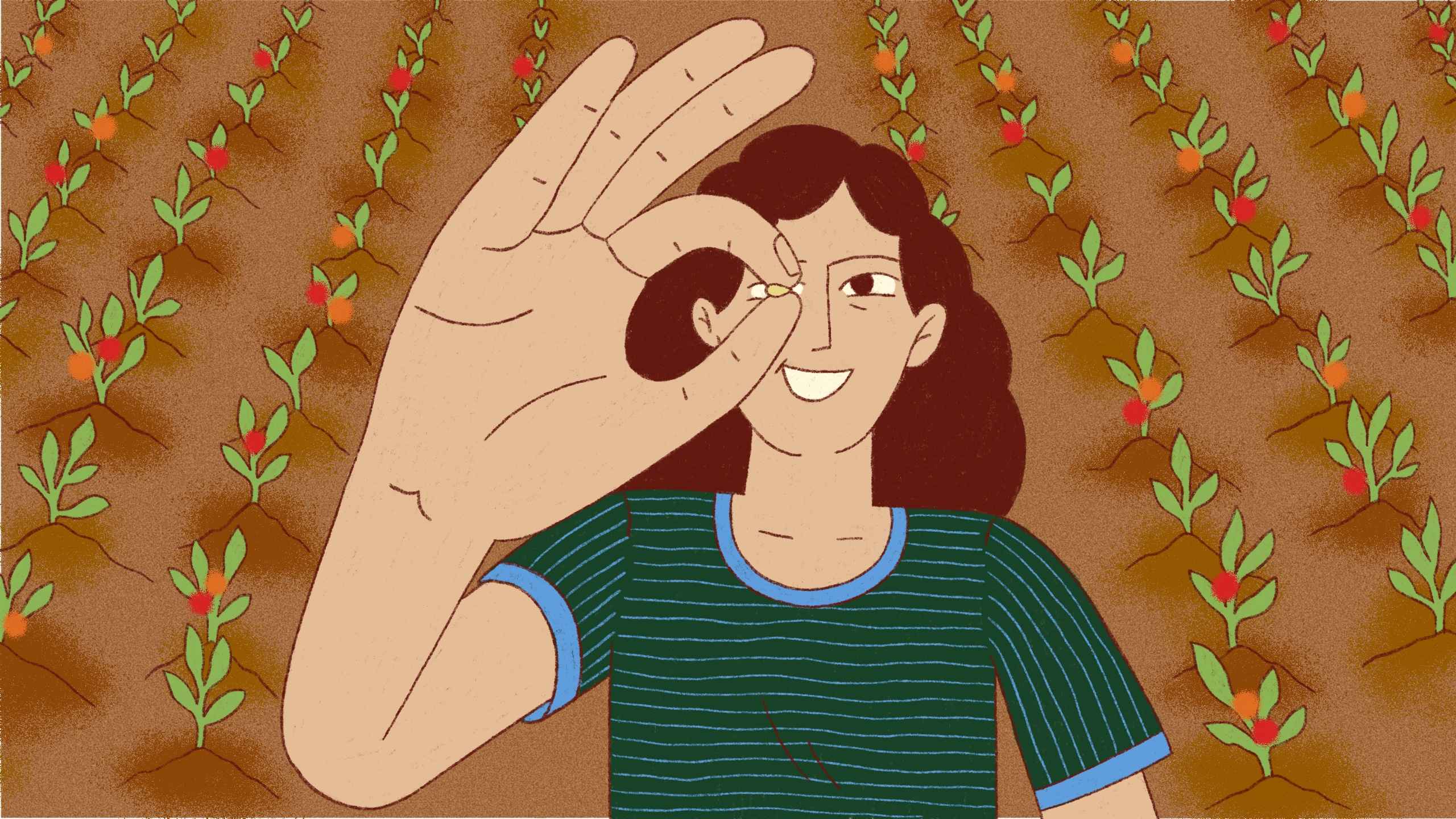
Every season since, we’ve been saving the seeds of the tomatoes we grow, while adding some new ones from reliable sources to the mix. It was a really pleasant surprise to me this year when I laid all the seeds we are going to plant—over 50 varieties. I’ve watched them naturalise in my fields (learn to survive in a new environment), and gotten to know them better each year. With every season, my knowledge about them grows, and so does this little seed bank.
Every season since, we’ve been saving the seeds of the tomatoes we grow, while adding some new ones from reliable sources to the mix.
Though the process of saving seeds can be as simple as drying them on tissue paper like I first did, that’s not what we do at Simbiosis anymore. I found that there was a better way: fermentation.
Also read: Tomato Truths: With a little help from my friends
The magic of fermentation
We begin by picking the right tomato to save. Yes, a mother isn’t supposed to choose from among her children, but we know there’s always a favourite. In our pragmatism, we pick the strongest, biggest, juiciest tomato we see. If you go for one that’s diseased or limp, there’s a chance that the plant born from it will yield the same diseases. Personally, I’ve noticed that the first to flower and fruit usually happen to have the best qualities. Through the fruiting season, tomatoes also tend to get smaller, so I prefer to set aside the first few for saving.
In our pragmatism, we pick the strongest, biggest, juiciest tomato we see. If you go for one that’s diseased or limp, there’s a chance that the plant born from it will yield the same diseases.
Now comes the fermentation: in any glass jar, squeeze the tomato so that the pulp falls in, mucilage and all. (This mucilage, the slippery, jelly-like layer surrounding the seed, serves a function, too—to stop the seed from germinating while inside the tomato.) Fill about half of the jar with water, cover its mouth with a tissue or cloth, and place it in a warm spot (but away from direct sunlight), where you can look at it every day.
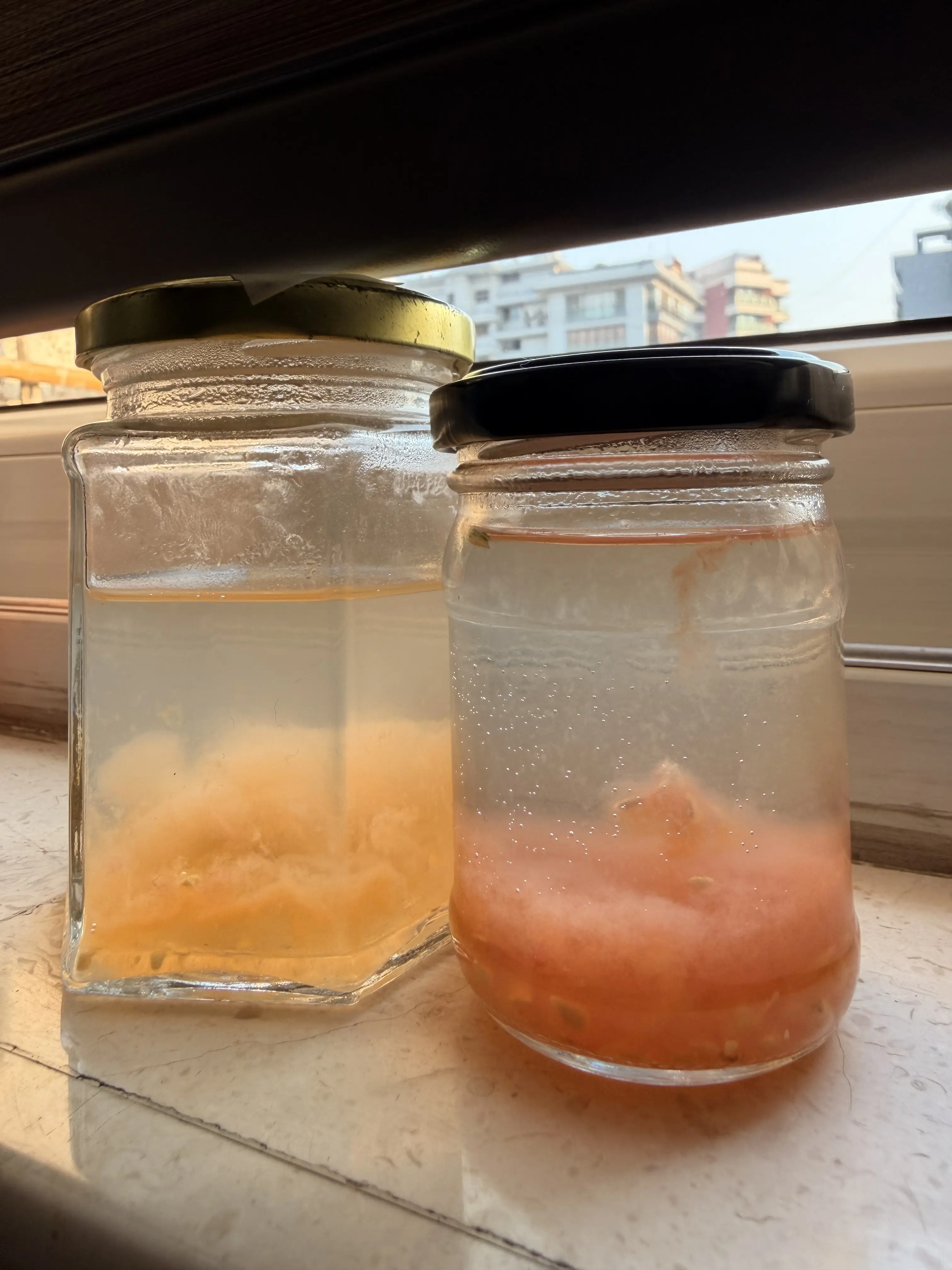
We then let microbes do their magic: healthy, dense, fully-developed seeds sink to the bottom of the jar, while empty or dead seeds remain light and float to the top. The fermentation process also breaks down the mucilage completely. And finally, it creates an acidic environment that naturally sanitises the seeds, making them ideal for saving and banking.
It typically takes 3–4 days for the seed to separate from the pulp, after which they can be washed and strained using a sieve. The seeds can now be put to bed till you next need them, and their fate hereon depends on storing them correctly. I prefer to use waterproof environments (like zip-lock). Some farmers store seeds in wood ash, because it is hygroscopic (naturally moisture-absorbing) and acts like a DIY silica gel packet. It pulls excess dampness out of the air inside the storage container, keeping the seeds completely dry and preventing them from prematurely rotting or sprouting. The priority is keeping seeds away from heat and water, in whose presence most pathogens breed. I’ve seen some people store their seeds in their refrigerators as well; I simply keep them in a box under my bed.
Also read: Tomato Truths: To know your farmer is to know your food
A seedless dystopia?
In large-scale seed banks, seeds are stored in highly secure, climate-controlled repositories designed to preserve plant genetics for decades, or even centuries. The standard international temperature for long-term storage in vaults is -18°C, or about 0°F. At this sub-zero temperature, the seeds' metabolic activity slows down to a near-complete halt, effectively putting them into a state of suspended animation so they can remain viable for long periods.
Given Simbiosis’ scope and values, neither do I have the facility for such storage, nor the need for it. I aim to grow crops annually, and the dip in seed potency isn’t significant in tomatoes for the first couple of years, though a gradual decrease is visible even in the short term. I sometimes dip into an old packet of seeds, just to see what they’d grow to be!
Historically, seed saving preserved power in the hands of farmers, enabling them to be autonomous and self-reliant. Season after season, year after year, heirloom seeds were passed down from one generation to the next—an inheritance of its own kind. Seed exchanges or barters of produce between people in the same geography also fostered a sense of community. Some seeds have even been instrumental to beloved crops shaping a region and its inhabitants’ lives, like the San Marzano tomatoes of Italy’s Campania, or even the Ratnagiri alphonso mangoes closer home.
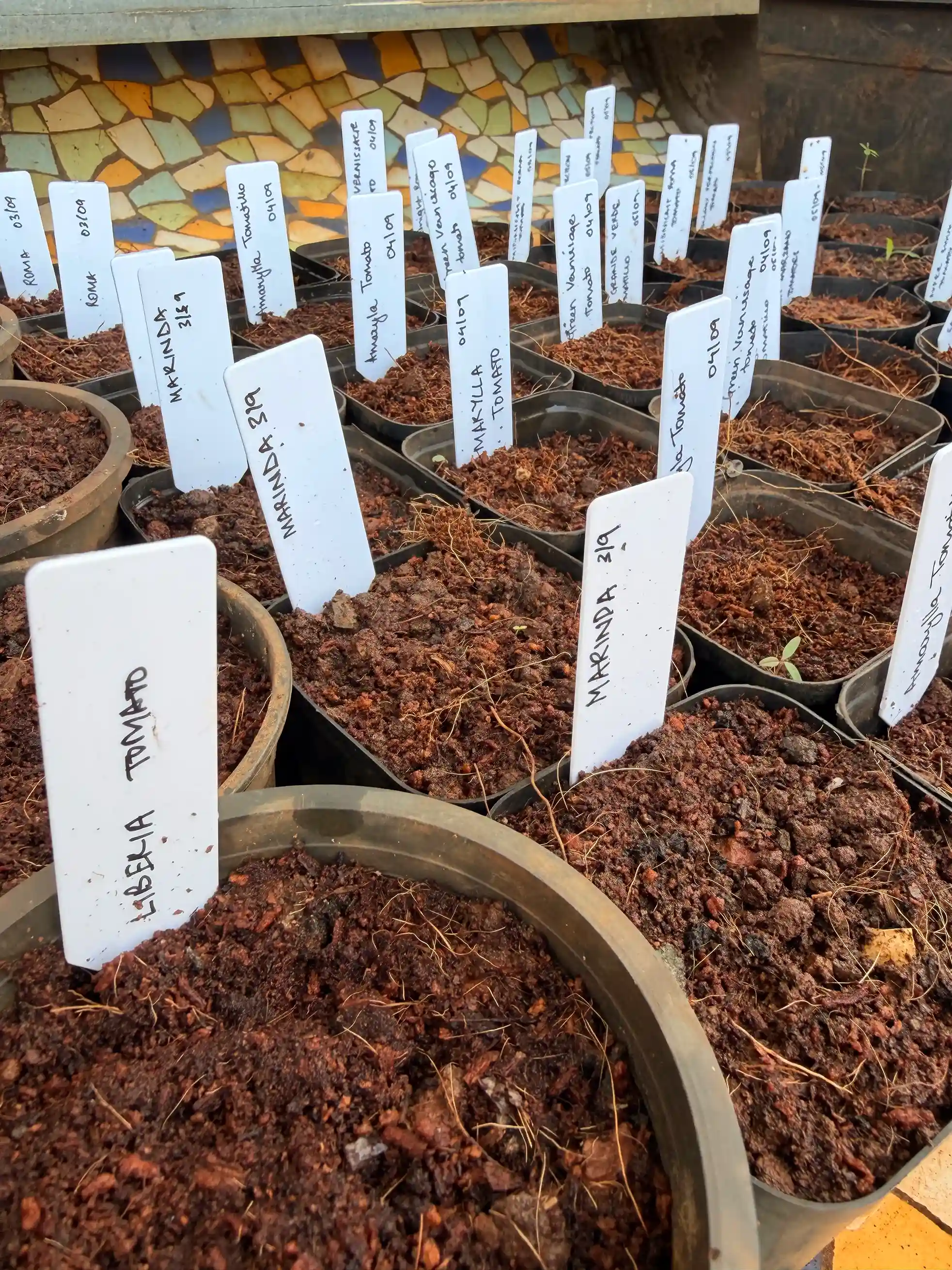
As vital as seeds are to the very first steps a farmer may take, they are being painted as an “inconvenience” to modern consumers. “Seedless fruits” have infiltrated the mainstream fruit and veggie market, with the promise of doing away with the tediousness of de-seeding. Yet, this is not merely about benefits to consumers. Corporate profitability is a big driver of seedless produce, especially when 3–4 big players now have control over more than half the world’s commercial seed supply. These players enter into exploitative relationships with farmers, forbidding them from seed saving and forcing them to buy new stores each year. What does this mean for the future of food and food security? And how will it change the ordinary farmer’s relationship to their fields?
As vital as seeds are to the very first steps a farmer may take, they are being painted as an “inconvenience” to modern consumers.
Ever since I grew my first batch of tomatoes, I learnt that their seeds admittedly require more TLC than other crops. Lady fingers, for example, dry in their fruiting bodies themselves; you have to just resist the urge to pluck them before they entirely dry out. So is also the case in most pulses and beans. Seeds for flowers are also pretty similar: the flower head is dried out, and what’s left in the central cluster is saved. Even if the seeds of the Marinda or cherry tomatoes I choose to grow require more care and work, they seem inextricable to me from my identity as a farmer. My collection of seeds feels like my IP, each one a little, living witness to my own growth.
Also read: Tomato Truths: Growing your own food is a radical, rewarding thing
Cover Art by Pearl D'Souza
Carousel Photographs by Simran Moorjani and G5A


.avif)
Explore other topics
References