In life and death, bamboo sustains Assam’s Karbi Anglong
The number of bamboo craftsmen is dwindling, and an industrial demand for the crop puts pressure on farmers. But it remains rural Assam’s lifeline


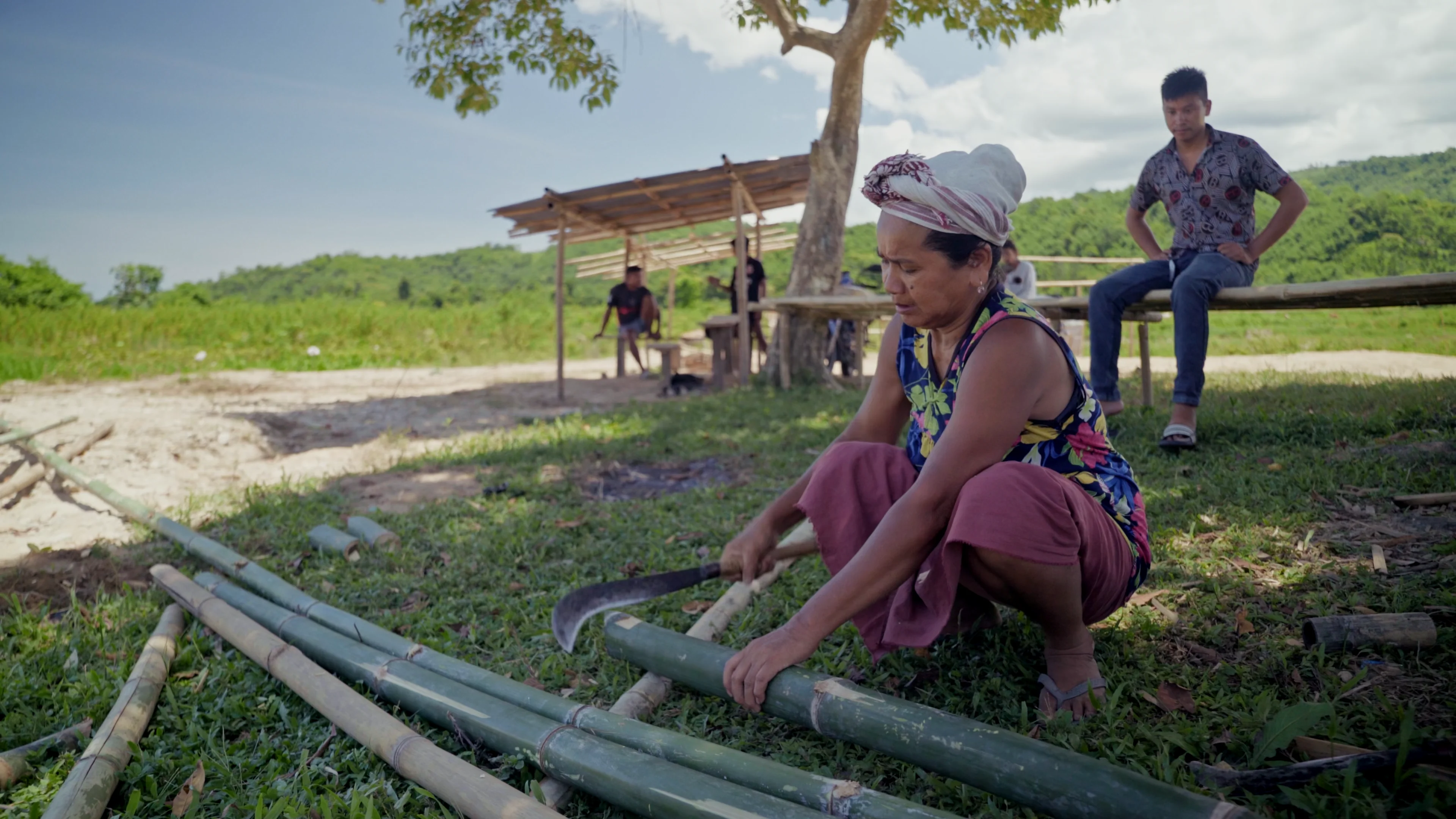
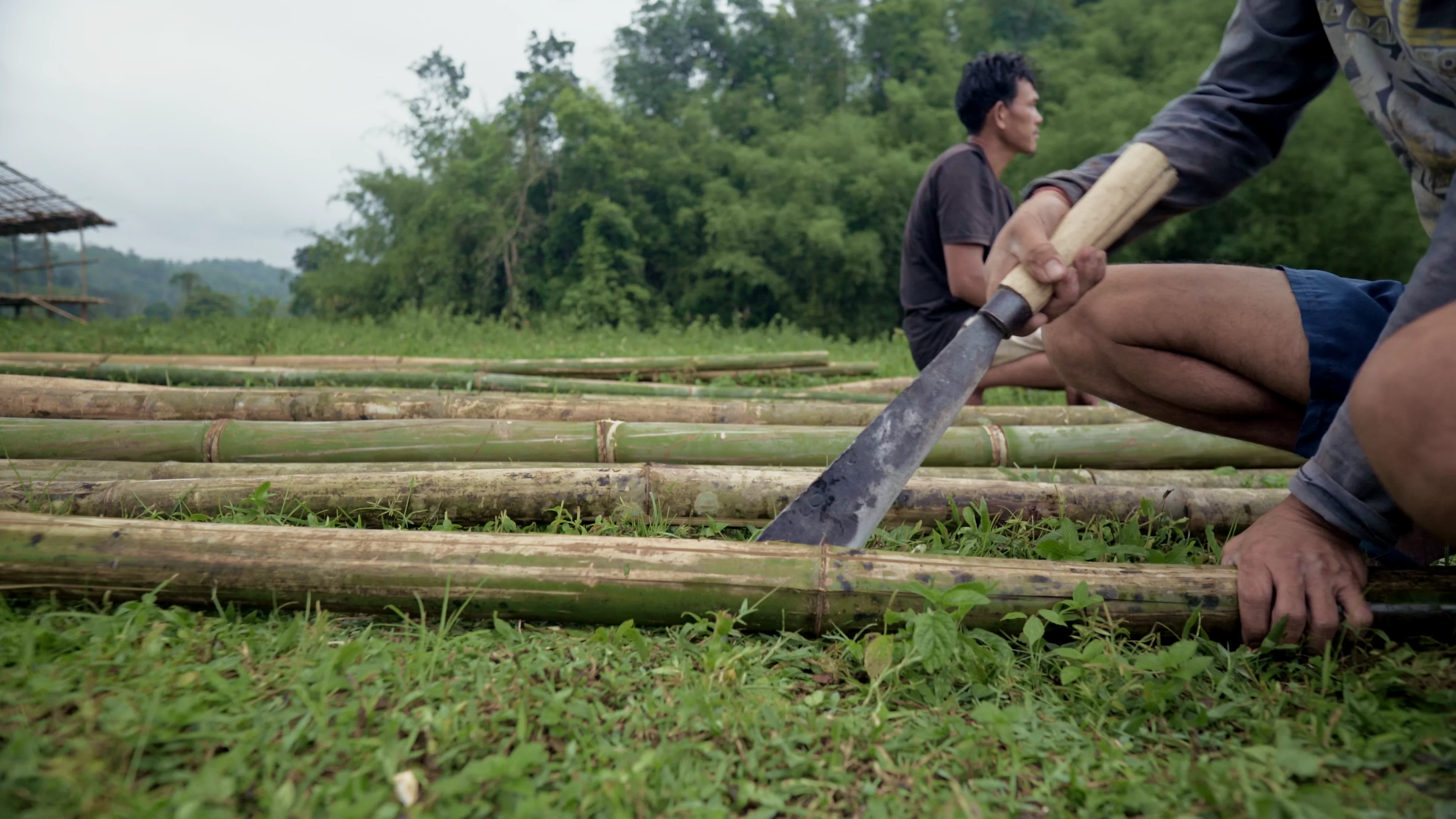
Mehang kethek ta kaipho pen, kithi ta kaipho pen. “Born with bamboo, died with bamboo—it’s a saying in our language Karbi, passed down generations,” says Mohen Ingti. Even as the 55-year-old trader chops and untangles a 40-foot pole, a smile appears on his tired face the moment we speak of the bamboo’s significance. The pole he is working on has been harvested from a grove next to his paddy field in the Malasi village of Karbi Anglong, a hill district governed by an autonomous council in Assam.
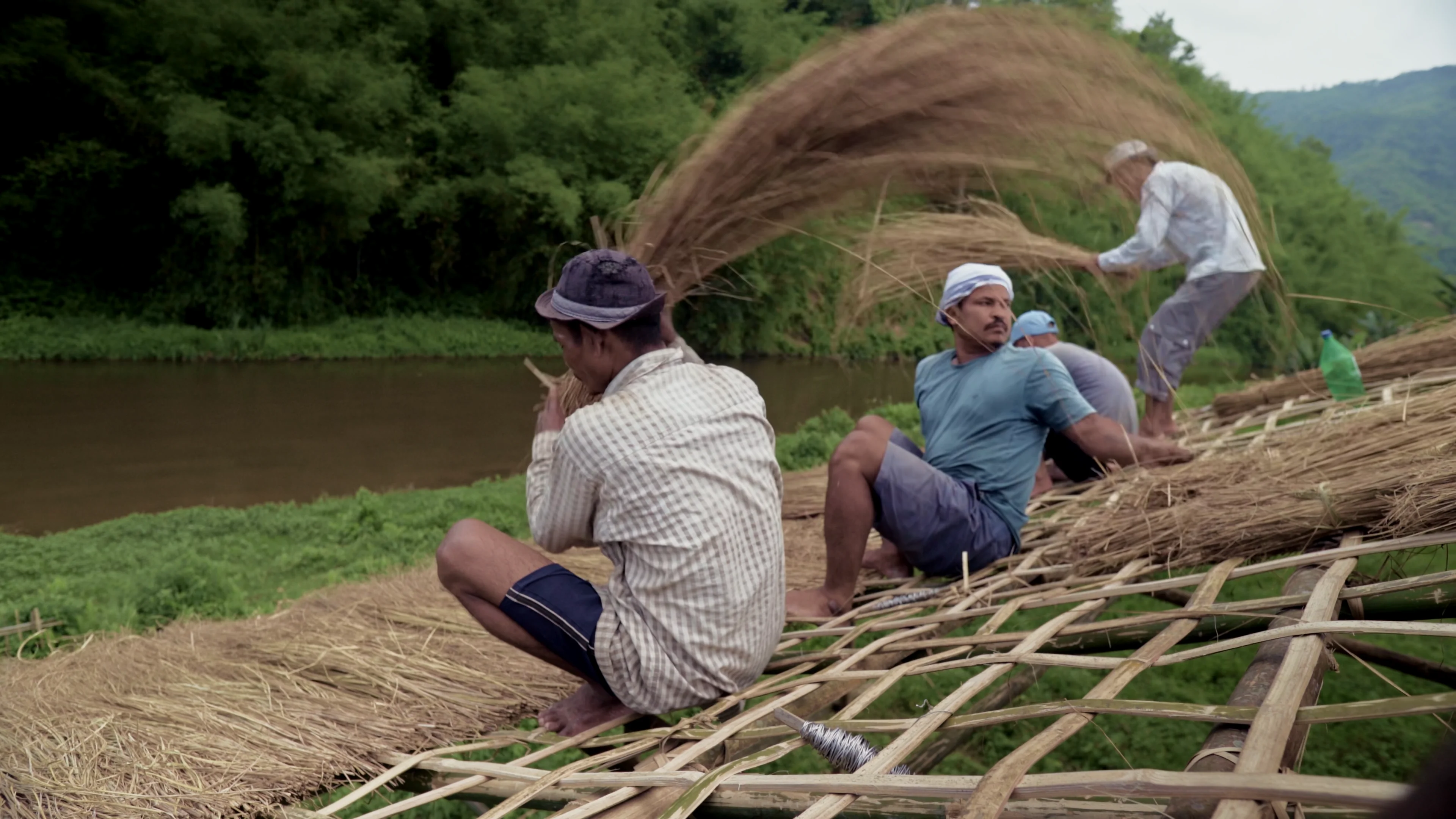
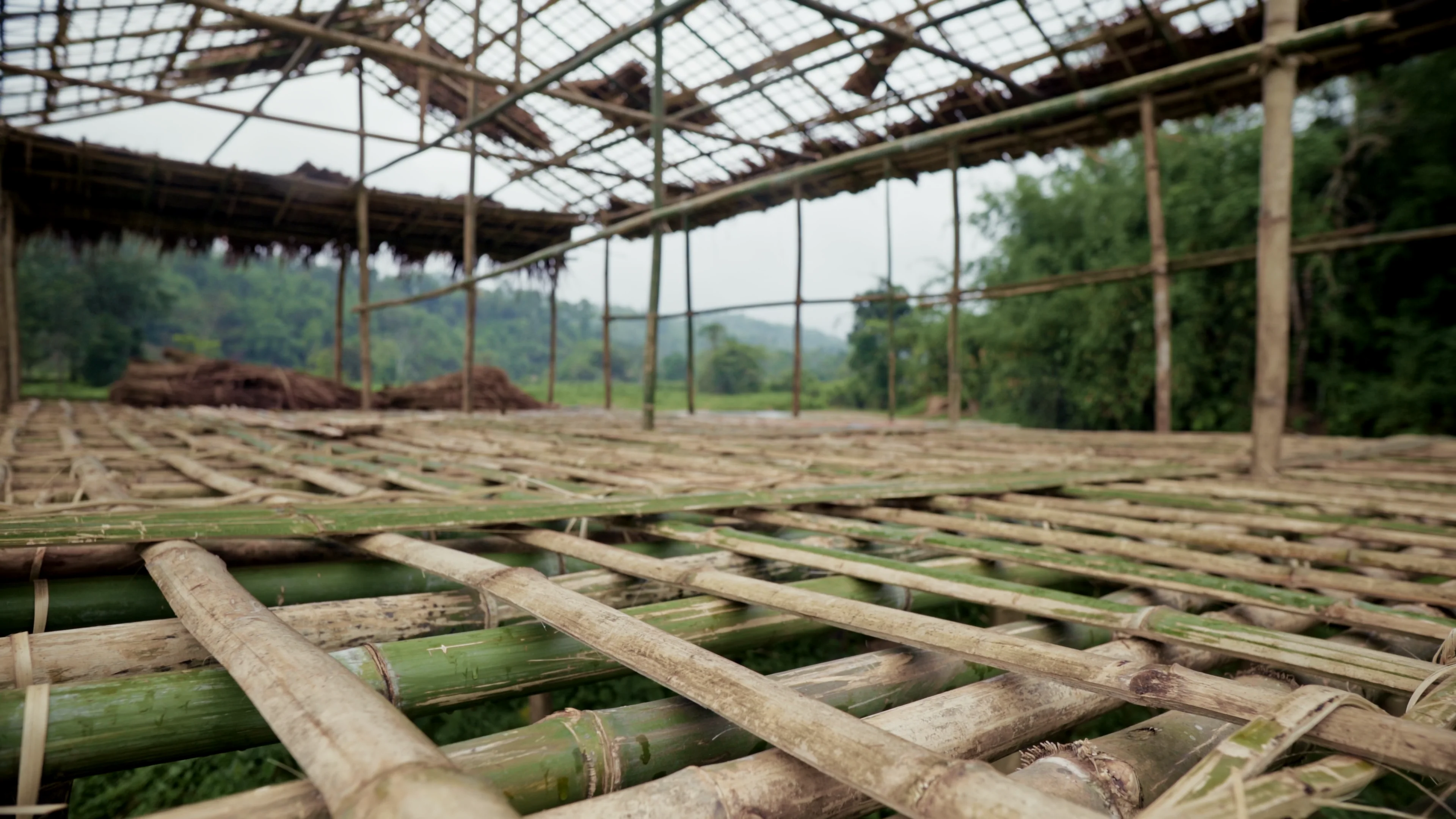
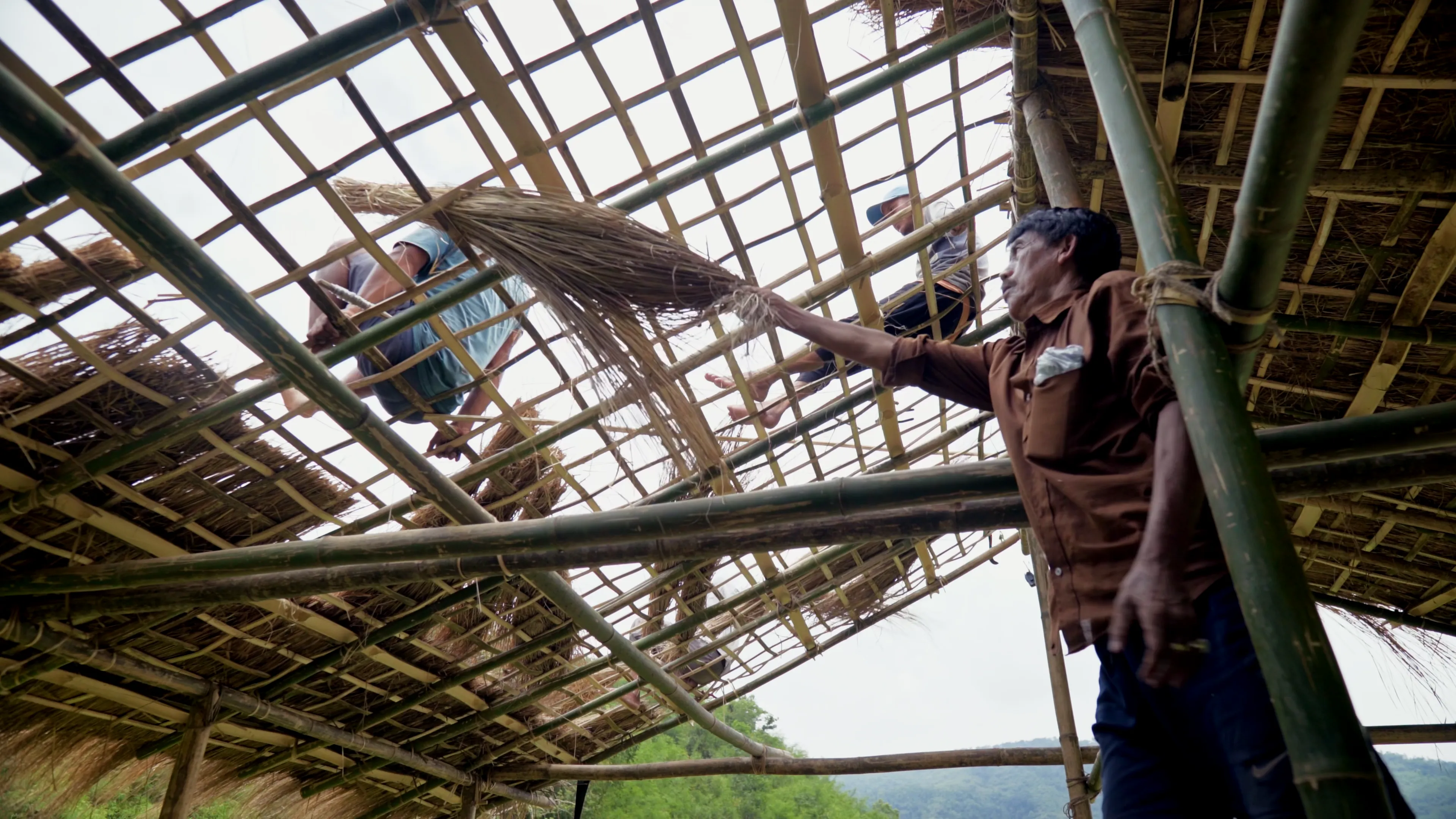
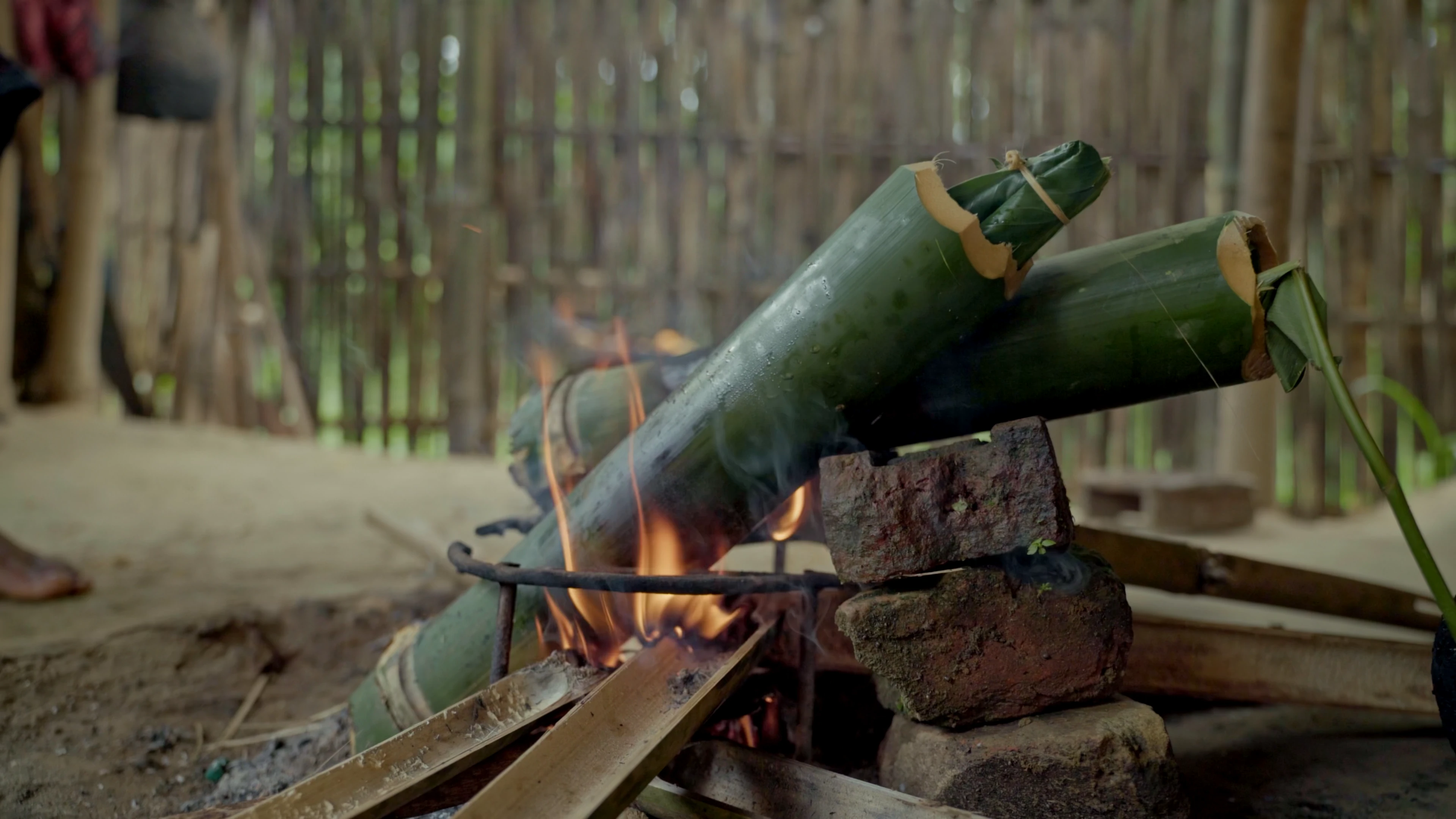
To say that bamboo is intricately woven into the lives of the Karbi tribe would still be under-writing its significance. In the local tongue, the summer months are named to match corresponding stages of the shoot’s growth. The presence of bamboo groves on land to be used for traditional jhum (shifting) cultivation is indicative of the earth’s fertility. Farmers rely on it to build watchtowers, so that their fields get undivided attention during—and in the aftermath of—sowing. The flesh of its shoots is used as an ingredient in meals, and its stumps are turned into steaming utensils. Granaries, piggeries, hatcheries, baskets, sieves, silos to store grains, ploughs, bridges, gates, doors, windows, fans, entire houses can be built using parts of the kaipho that abundantly grows in the hills next to the Karbi villages.
The presence of bamboo groves on land to be used for traditional jhum (shifting) cultivation is indicative of the earth’s fertility.
After the birth of a child, Karbi women elders fashion a tarno (blade) from its stem to cut the umbilical cord, says Robindra Teron, Assistant Professor, Department of Life Science at Assam University. After death, the deceased body is carried on a palanquin made of a particular variety of bamboo, and the rituals of death, such as the burial, call for objects made of it, too. The bamboo is not merely a crop; it is a companion for life.
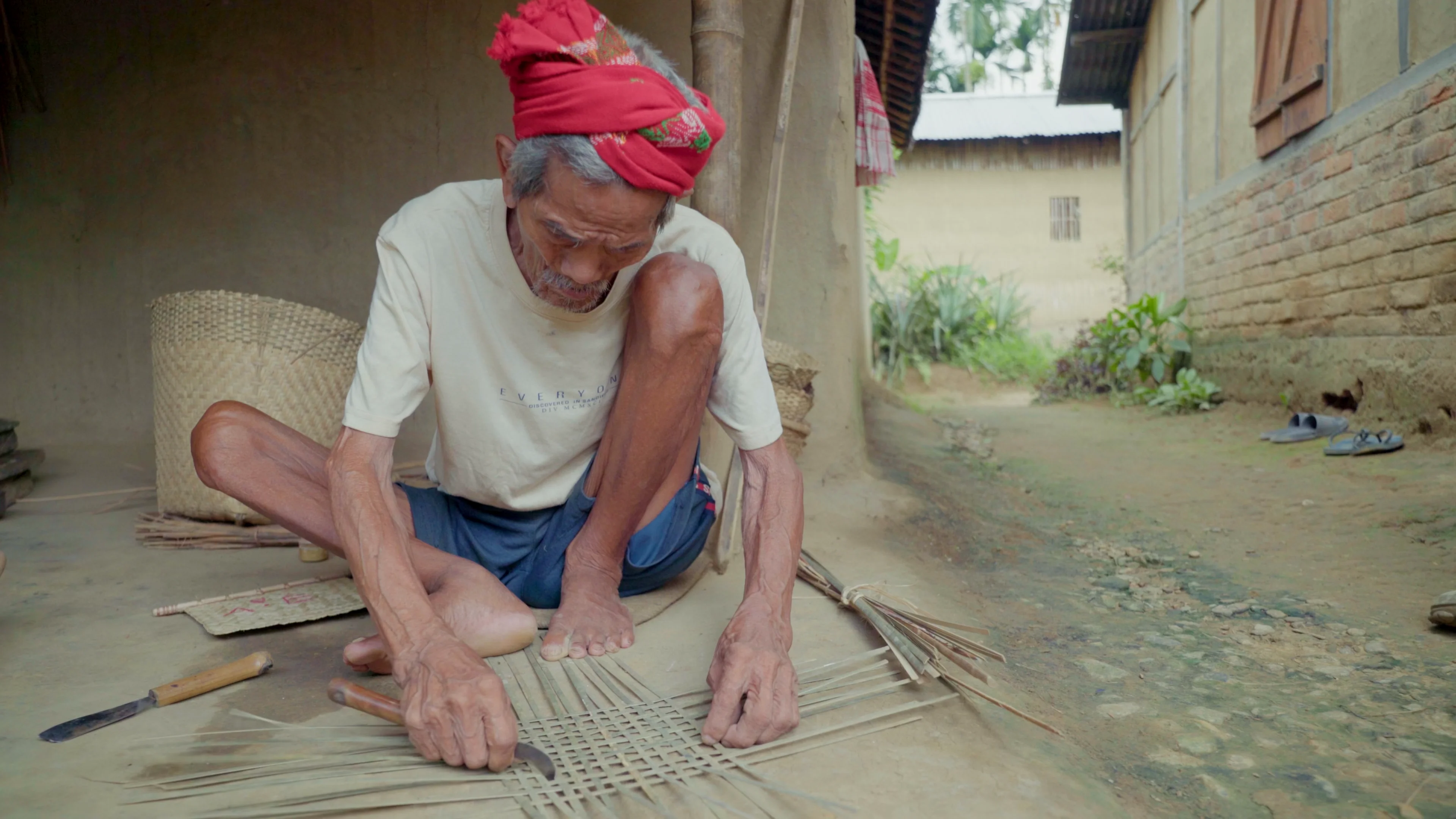
Masters of the craft
In the Karbi Anglong hill district, bamboo grows wild and is cultivated, too. A healthy grove takes seven years to grow, says Ingti, and can command a good price. With a little maintenance, the grove will fetch profit year after year (an estimated Rs. 4,000–Rs.6,000 from sales per season). When new shoots are cultivated, typically in April before the rains begin, farmers make sure they remain undisturbed—free from any other creeper or plant, or even the touch of human hands or animals. “If it is disturbed at this stage, it will grow crooked, making it unusable. Sometimes, it may not develop at all. But if all goes well, in six months, you will have a pole that can be harvested,” Ingti explains. His village Malasi is close to the Kaziranga National Park and Tiger Reserve.
{{marquee}}
The bamboo growing within people’s homesteads is typically used for making household objects, with utility driving their design. Longki Terang, a master bamboo craftsman from Dadhara, a village near Malasi, used to make baskets, sieves, and fans. His craft supported his family of nine (five of whom were his dependents). Terang, a septuagenarian who passed away in June 2026, said that his baskets would sell in the weekly markets at nearby Dolamara, as well as the district headquarter in Diphu, in towns like Nagaon. “There is an abundance of bamboo. What concerns me is how the next generation will take this craft forward, since there are only a few of us [craftsmen] left,” Terang said in an interview with the Good Food Movement. He noted that the shift away from weaving as a sole livelihood began with the arrival of schools and the promise of jobs in Dolamara around late 1990s.
Knowledge about bamboo and its usage is passed down orally, sometimes through stories, and sometimes through song; often from father to son.
Sarthe Ingti, a skilled bamboo artisan, says that an initiation into the craft begins early in life, typically during teenage. “I was 15 when I was weaving baskets,” he explains, as he shows us a basket meant for storing grain; over time, it has acquired a dark hue. “If it wasn’t for rodents, the basket would have stood the test of time,” he adds. Depending on the size of the object, he takes about four to five days to weave one, with his son helping out occasionally. “They fetch up to Rs. 300 to 400 in the market,” he adds.
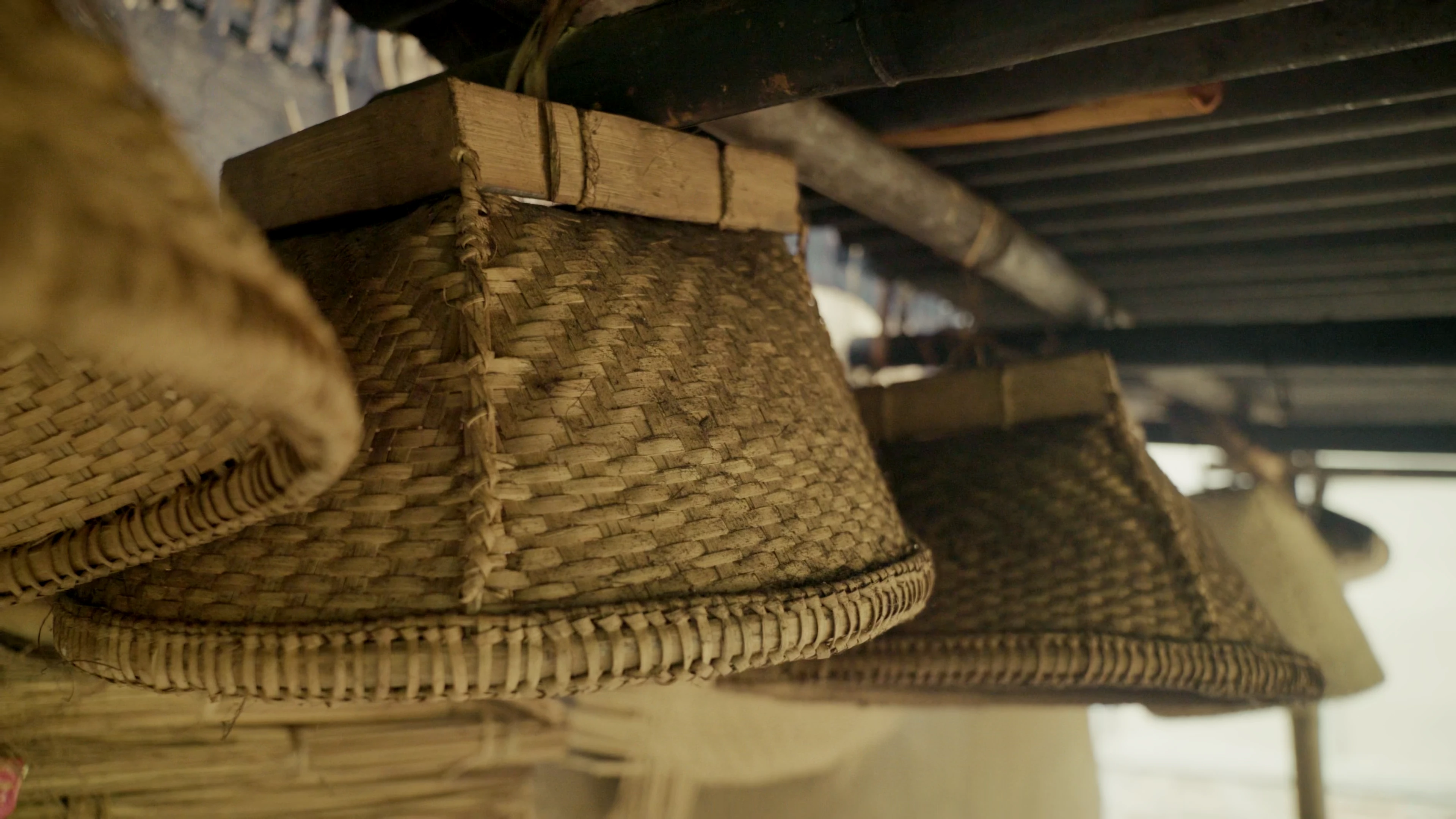
Knowledge about bamboo and its usage is passed down orally, sometimes through stories, and sometimes through song; often from father to son. "There were no schools when we were young,” says Ingti, “We learnt at home. Weaving, farming, fishing and foraging—these were the things that occupied our days.” The craftsmen from these villages can identify various species of kaipho growing on these hilly slopes, as they have different uses, from Arthem (Melocanna baccifera), to Wadroo (Schizostachyum dullooa), Jati Baah/Chek (Bambusa tulda), and Kappa Kapiho or Sil Borua (Bambusa balcooa).
Dances like Lengpum Sokchon Kekan and festivals such as Han-up Ahi Karcho are codified knowledge sources which talk about bamboo, but also migration and cultural history, subsistence practices, traditional ecological knowledge, past environment and resource management. During the Han-up Ahi Karcho festival, the community undertakes the fermentation of bamboo shoots in a special bamboo basket called han-up ahi, Prof. Teron explains.
Also read: The meagre morsels swallowed by Assam’s tea workers
Harvesting the grove
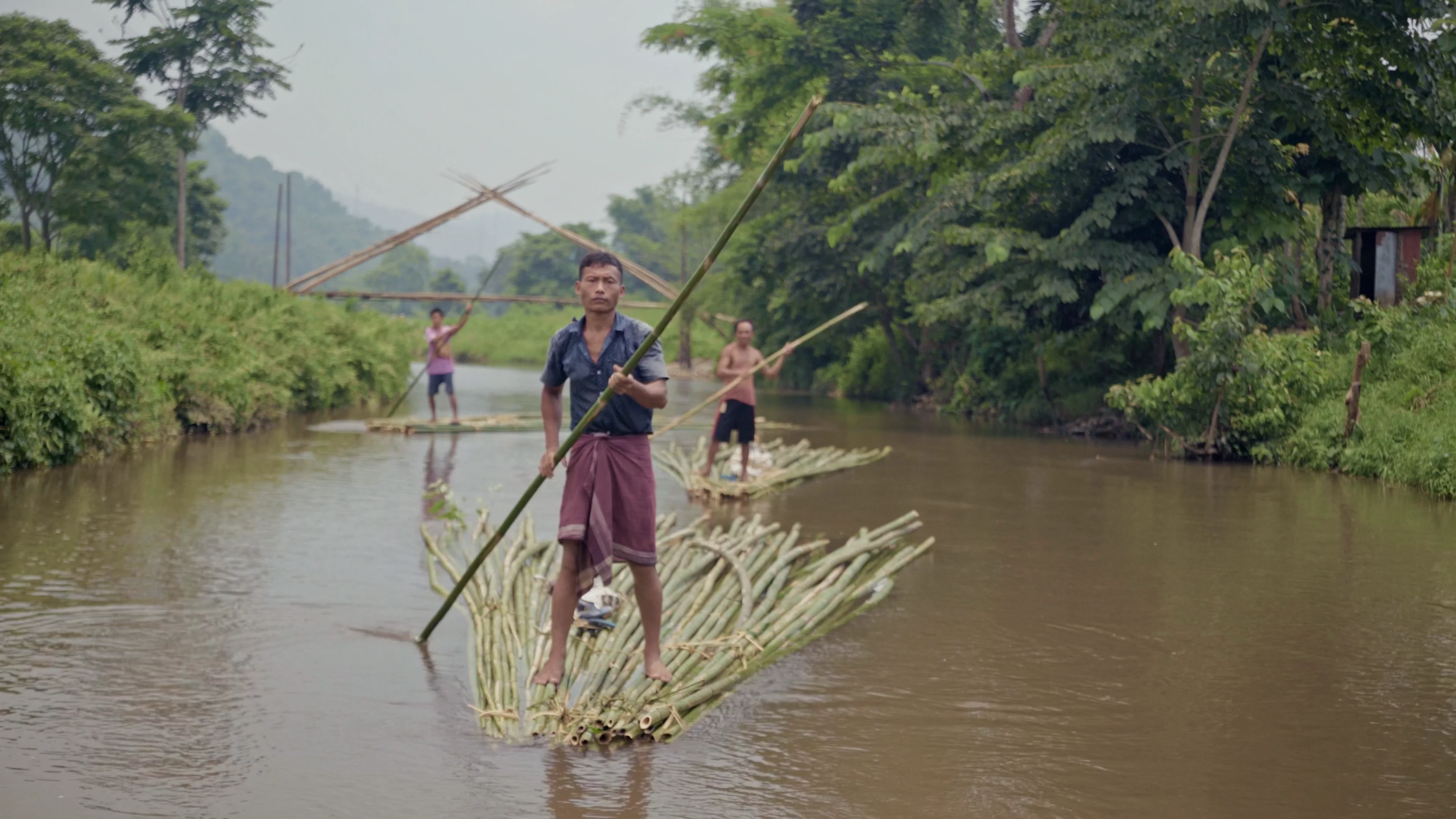
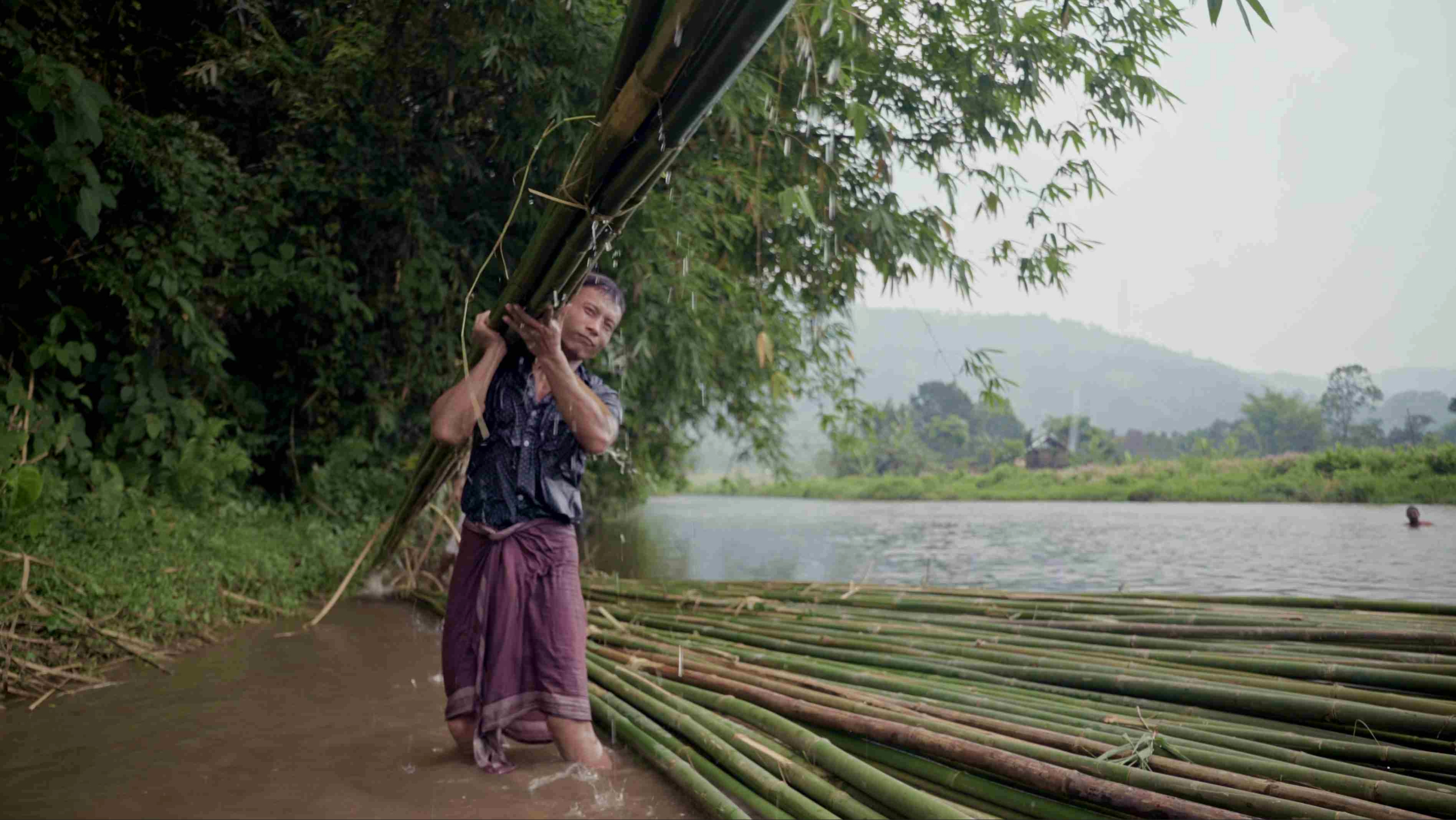
As a community trade, the bamboo business is lucrative, says Sing Ingti, Sarthe Ingti’s son and a farmer from Diffolu Sow, a village situated further upstream of Malasi on the Diffolu river, a tributary that meets the Brahmaputra in Kaziranga. Like many other farmers in the hill district, Ingti engages in the practice of Meleng, whereby harvested bamboo poles are transported downstream by turning them into makeshift rafts. A Meleng in Diffolu consists of 50 to a hundred poles, depending on the river’s water level. They are taken to the nearest weekly markets, or to a point where vehicles can carry the produce. “Meleng brings down transportation costs. Most youngsters start early in the profession by steering Melengs during the hot and humid summer months. Since our rivers are not deep, they enjoy partaking in this activity while taking a dip in the river to cool off,” Ingti says.
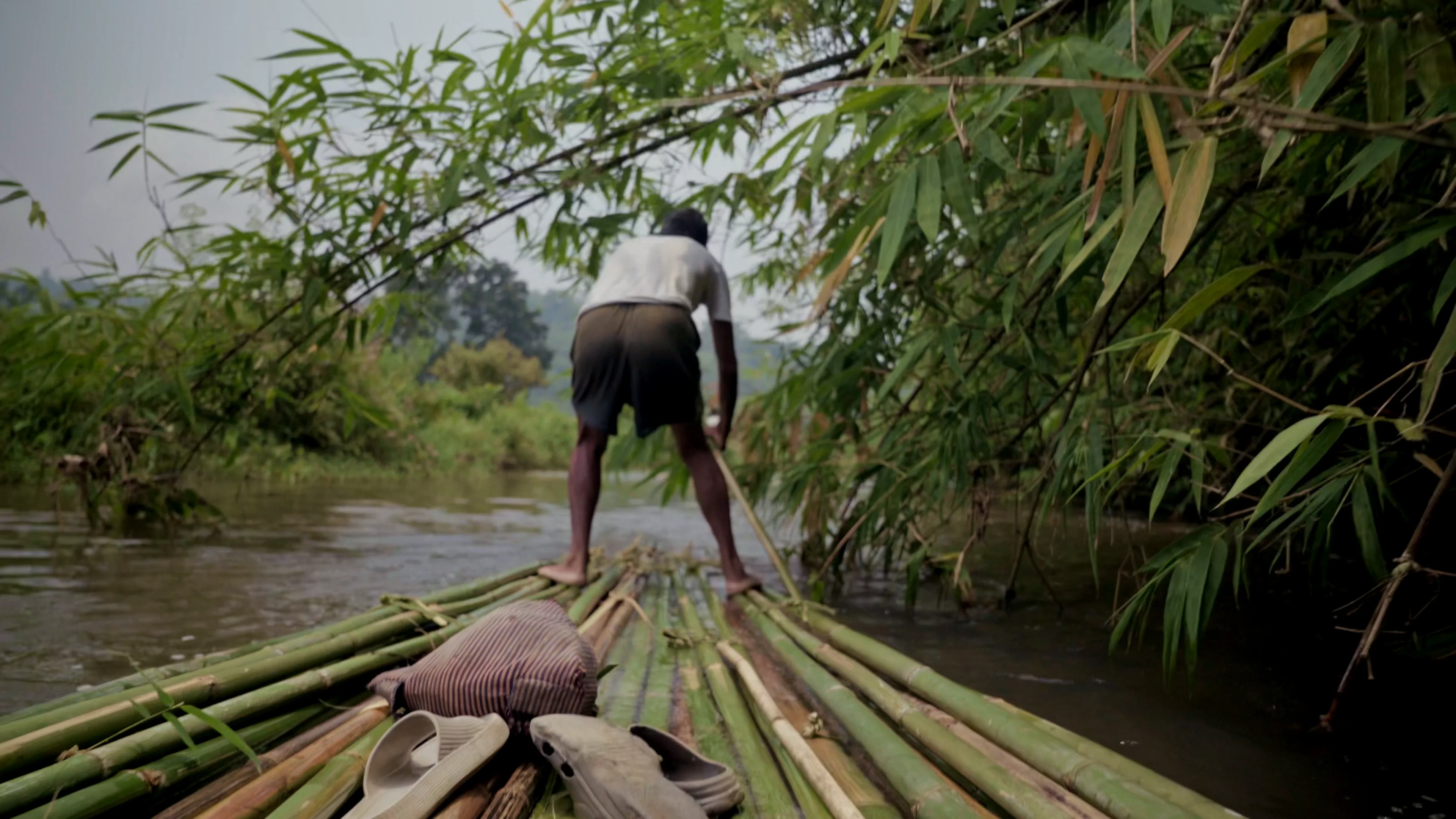
Traders like Mohen Ingti and Sing Ingti can get up to Rs. 120 per pole, which is further divided among the workers for Rs. 5 to Rs. 10 per pole. Trucks from faraway states, like Uttar Pradesh and Andhra Pradesh, come all the way to Dolamara and sometimes even further, parking their vehicles next to the river. A truck load of bamboo poles could mean 1,200 harvested poles, ready to be shipped at one go.
Industrial demand, local struggles
Bamboo is a crop of plenty, with enough growing in the hill district to meet individual household’s consumption demands. "It is like a gift that keeps giving once matured," says Mohen Ingti, adding that attempts to formalise its trade worry farmers about taxation. The Karbi Anglong Autonomous Council administration recently attempted to introduce taxes on collected bamboo produce, he says—a decision that was opposed by farmers near the district headquarter in Diphu.
Traders like Mohen Ingti and Sing Ingti can get up to Rs. 120 per pole.
The Karbis’ relationship to bamboo has undergone a transformation, as farmers migrate from jhum cultivation to a plantation economy, wherein land is repurposed as tea gardens or areca nut fields, notes Mohen Ingti. His observation is corroborated by a 2025 study which posits that Karbi Anglong has gone through a massive change in land use. In 1993, the landscape was dominated by forests (49%) and jhum fields (26.96%), with smaller areas under built-up land (12%), agriculture (8.58%), and water bodies (5%). In 2023-2024, bamboo stabilised, covering around 25% of the district, while new land-use categories emerged, reflecting diversification into cash crops such as rubber (13.3%) and tea/arecanut (9.5%) while built-up areas expanded further to 14.4 percent.
By 2014, land use patterns reflected the peak of this industrial demand. “Bamboo emerged as a distinct land cover class, occupying 24.72% of the district while jhum cultivation declined by 18.59%,” the study reads. However, 2014 was also the year the Cachar paper mill shut down. As the Nagaon mill followed, industrial demand collapsed and supply began to exceed it.
In 2017, the Indian government promulgated the Indian Forest (Amendment) Ordinance, whereby bamboo growing outside reserve forests and other protected areas was opened up for commercial cultivation. In other words, bamboo stopped being a ‘tree’ and was regarded instead as ‘grass’. The major objective of the amendment was to promote cultivation in non-forest areas, to achieve the twin objectives of “increasing the income of farmers and also increasing the green cover of the country”.
In Assam, Karbi farmers like Mohen Ingti and Sing Ingti were told to prepare for the big shift, as recently as last year. A new bio-ethanol plant–part of the refinery in Numaligarh, less than 30 km away–would require at least five lakh metric tonnes of raw bamboo annually for ethanol. The refinery was part of the central government's push to blend ethanol with petrol; bamboo had been identified as a a viable source crop. However, the promises soon fell flat. “I was making Rs. 70 per bamboo pole. At the refinery, I would make only Rs. 10 per pole. It did not work for me,” says Mohen Ingti. Sing Ingti along with a group of farmers wanted to supply bamboo as the new industry sounded promising. “However, we were told that we have to pay for transportation to the refinery, which drastically increased the costs, so from our area we decided not to supply the bamboo to the refinery,” adds Sing Ingti.
Alongside the boom in plantations across the region, traders say that the traditional use of bamboo will continue. “Outside Karbi Anglong, bamboo is needed everywhere, from construction to furniture,” Mohen Ingti observes, “There is always a demand for bamboo—locally or universally.”
Also read: For Assam’s Mising community, this fish paste represents tradition, food security
Edited by Anushka Mukherjee and Neerja Deodhar
{{quiz}}


Explore other topics
References

How does the Karbi tribe use bamboo?