River vs swamp buffaloes: The role of domestication in adaptation
While river buffaloes are essential to milk production, their swamp counterparts are pivotal in rice fields


Across Asia’s farms and wetlands, the water buffalo is an unmissable presence, standing knee-deep in ponds, hauling ploughs through rice fields, or returning home at dusk to its shed. The animals we loosely call the ‘water buffalo’ in India are actually categorised into two distinct types—the river buffalo and the swamp buffalo. They differ in their genetics, appearance, histories and the roles they play in agriculture.
Both belong to the same species (Bubalus bubalis) but thousands of years of domestication in different parts of Asia have prompted them to evolve into animals suited to very different livelihoods. One became a master milk producer, forming the backbone of large dairy economies. The other evolved into a powerful draught animal, indispensable in the floodplains and rice fields of South and Southeast Asia.
Wandering across different terrains
Scientists believe the two types represent the different domestication pathways of wild buffalo populations thousands of years ago. River buffalo domestication likely began in northwestern India around 5,000–6,000 years ago, while swamp buffalo domestication occurred later in the China–Indochina region.
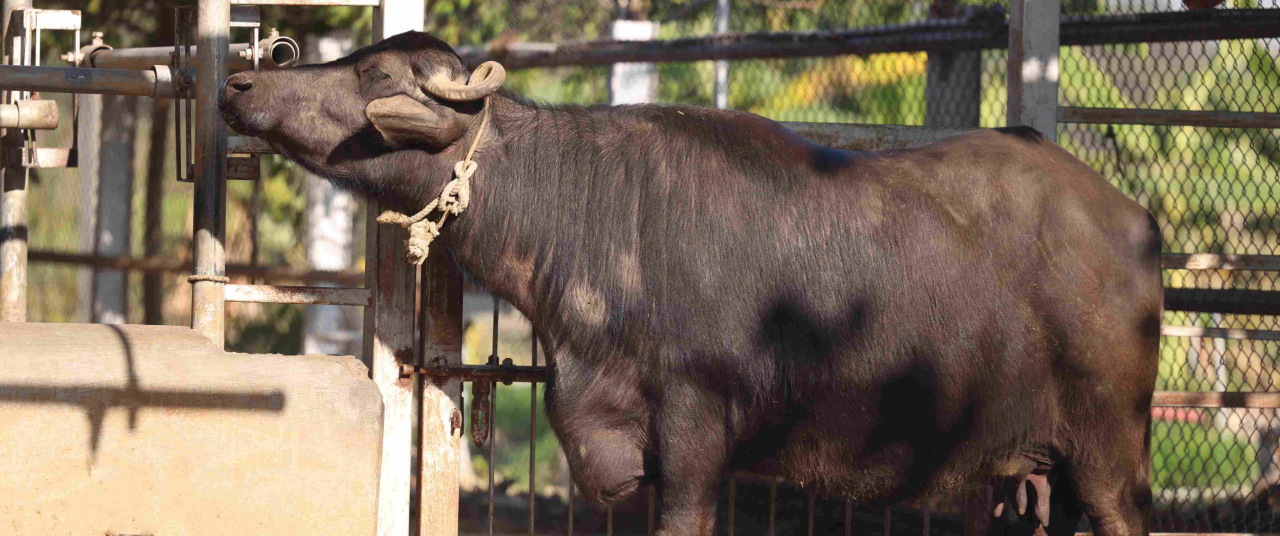
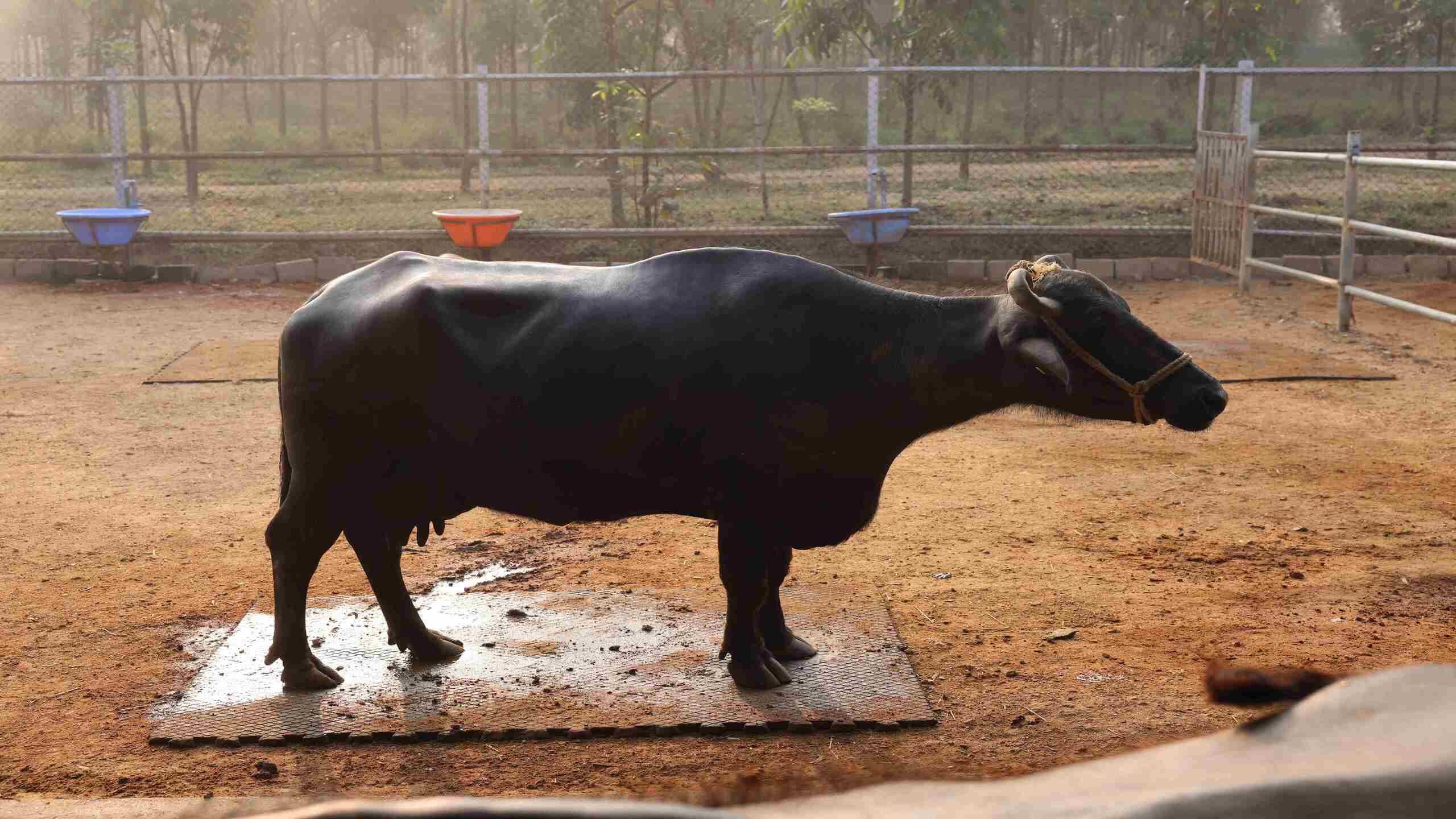
The river buffalo evolved primarily in the Indian subcontinent and constitutes nearly 70% of the world’s water buffalo population. Over centuries of interactions with humans, it became closely associated with dairy farming. Today, most of the world’s buffalo milk—from India’s village dairies to mozzarella production in southern Europe—comes from river buffalo breeds.
The swamp buffalo, on the other hand, emerged further east, along the Indochina region and parts of Southeast Asia. Instead of dairy production, these animals became indispensable draught animals in wetland agriculture, especially in paddy cultivation. In countries like Vietnam, Thailand, and the Philippines, swamp buffaloes are still used to plough flooded rice fields where tractors often struggle to move through the mud.
Also read: Water buffaloes: A historical look into their role in agriculture
These two distinct animals are fascinating examples of how a single species can adapt and evolve according to different landscapes and human needs. In regions where dairy economies flourished, buffaloes were bred for milk. Where wet rice agriculture dominated, strength and endurance mattered more. River buffaloes became milk specialists, and swamp buffaloes, the hardy agricultural workers.
These two distinct animals are fascinating examples of how a single species can adapt and evolve according to different landscapes and human needs.
It’s in the genes
Although they belong to the same species, river and swamp buffaloes are genetically distinct. River buffaloes typically have 50 chromosomes, while swamp buffaloes have 48. This difference is the result of a chromosomal fusion that occurred in the swamp buffalo lineage.
To put it simply, imagine two separate chromosomes in the river buffalo ancestor gradually joining end-to-end to form a single, larger chromosome in swamp buffaloes. Instead of carrying the same genetic material on two smaller chromosomes, swamp buffaloes carry it on one fused chromosome. Because of this, their total chromosome count drops from 50 to 48, even though most of the underlying genetic information remains largely the same.
Farmers in parts of Asia have occasionally crossbred them to combine desirable traits.
Such fusions occur when two chromosomes join end-to-end during evolution. Over generations, this fused chromosome becomes stable and inherited as a single unit. The genetic material is still largely the same; it is just packaged differently.
Interestingly, the two types can still interbreed. Their offspring usually have 49 chromosomes and are generally fertile, though sometimes with reduced reproductive efficiency. Farmers in parts of Asia have occasionally crossbred them to combine desirable traits.
Also read: Decoding buffalo behaviour: Why the domesticated beast wallows in water
Milk versus muscle
The most striking difference lies in productivity.
River buffaloes are the foundation of the global buffalo dairy industry. India alone hosts over half the world’s buffalo population, and most of them belong to river buffalo breeds such as Murrah, Nili-Ravi, and Jaffarabadi. They produce between 1500 and 2500 litres of milk per lactation and can remain productive, calving and yielding milk, for up to 20 years. Their milk is rich in fat and protein (7-10% fat, nearly double that of typical cow milk), making it ideal for products like ghee, paneer, khoya, and cheese.
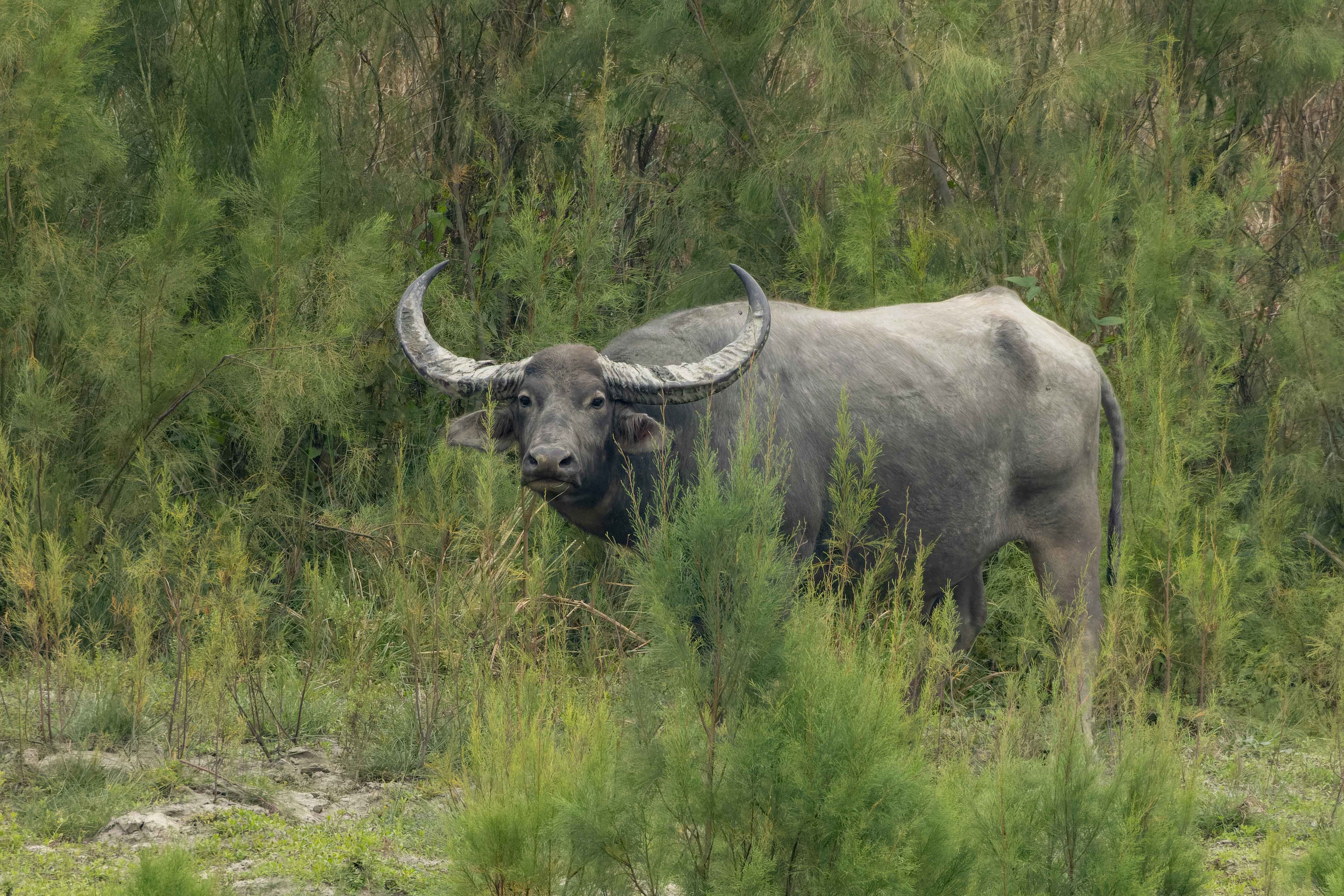
Swamp buffaloes, by contrast, produce very little milk—often just enough for their calves. Their value lies instead in physical strength. In flooded rice fields, their wide hooves and sturdy build allow them to move through thick mud without sinking, pulling ploughs through soil that would stall machines.
Also read: Mumbai's Nagori dairies are a living archive of milk, migration and memory
How to tell them apart
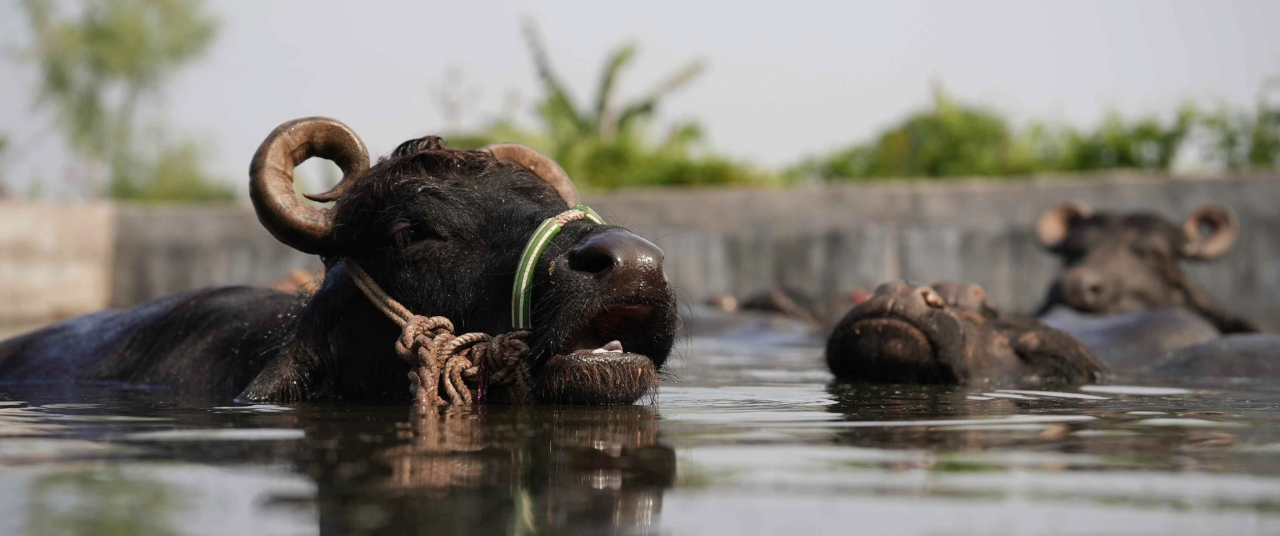
While a buffalo lounging in a village pond may look like just another bhains, it might belong to one of two very different worlds. So next time you encounter a buffalo, pay attention. Both animals play an important role in the journey of your food from the farm to the plate.
{{quiz}}



Explore other topics
References