Water buffaloes: A historical look into their role in agriculture
Making up nearly 50% of the country’s milk production, this domesticated animal has called the Indian subcontinent its home since ancient times


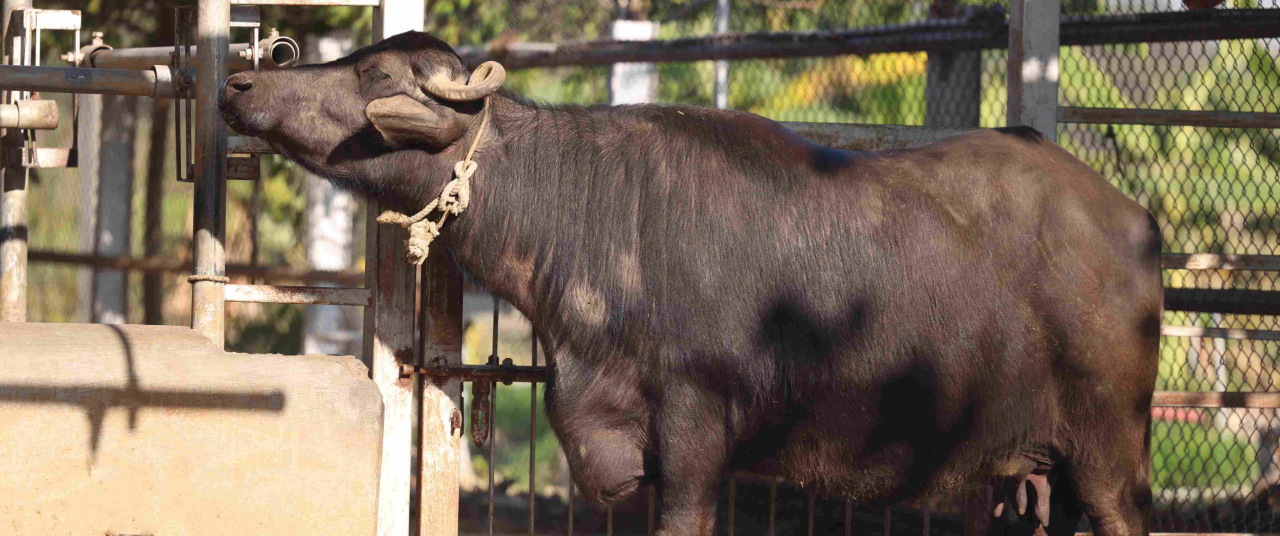
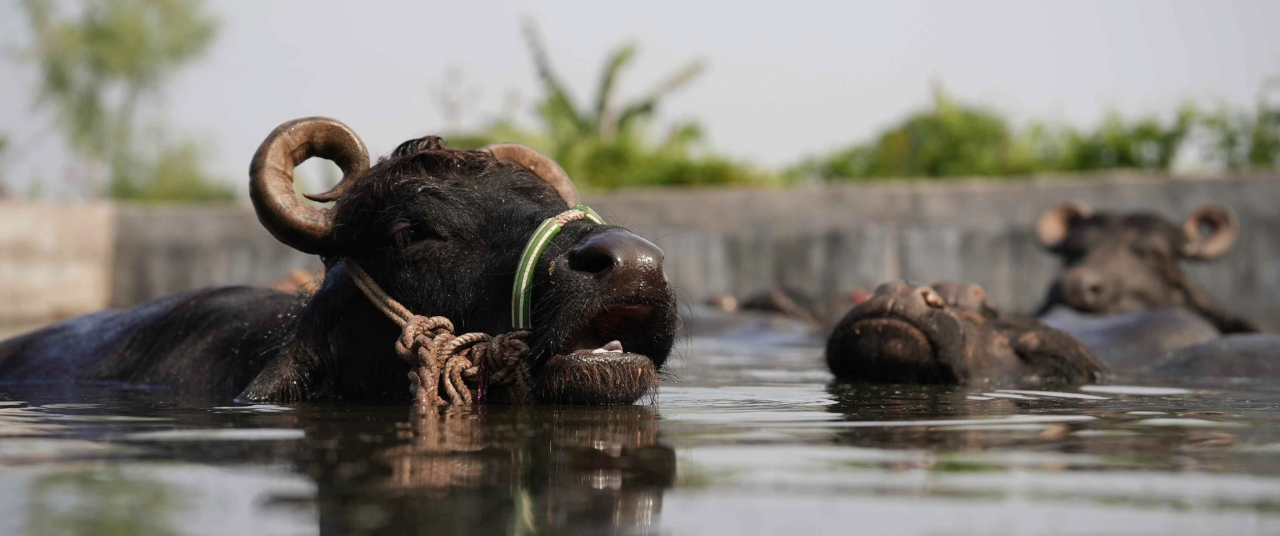
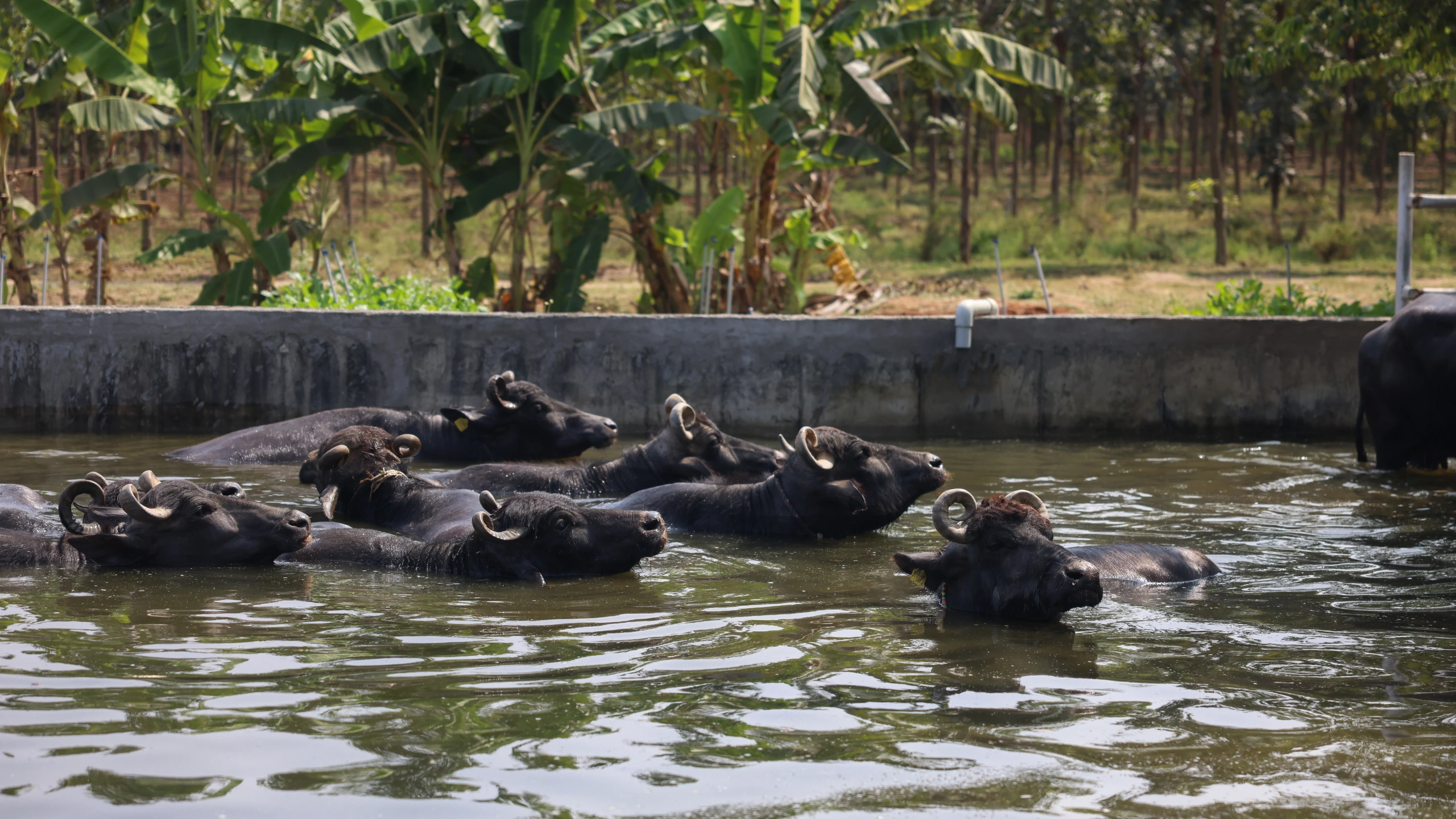
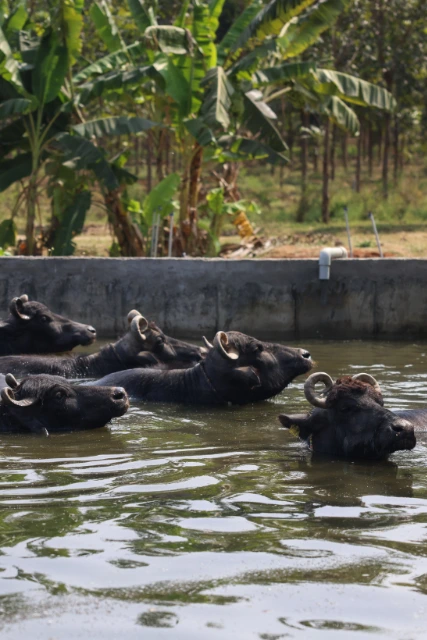
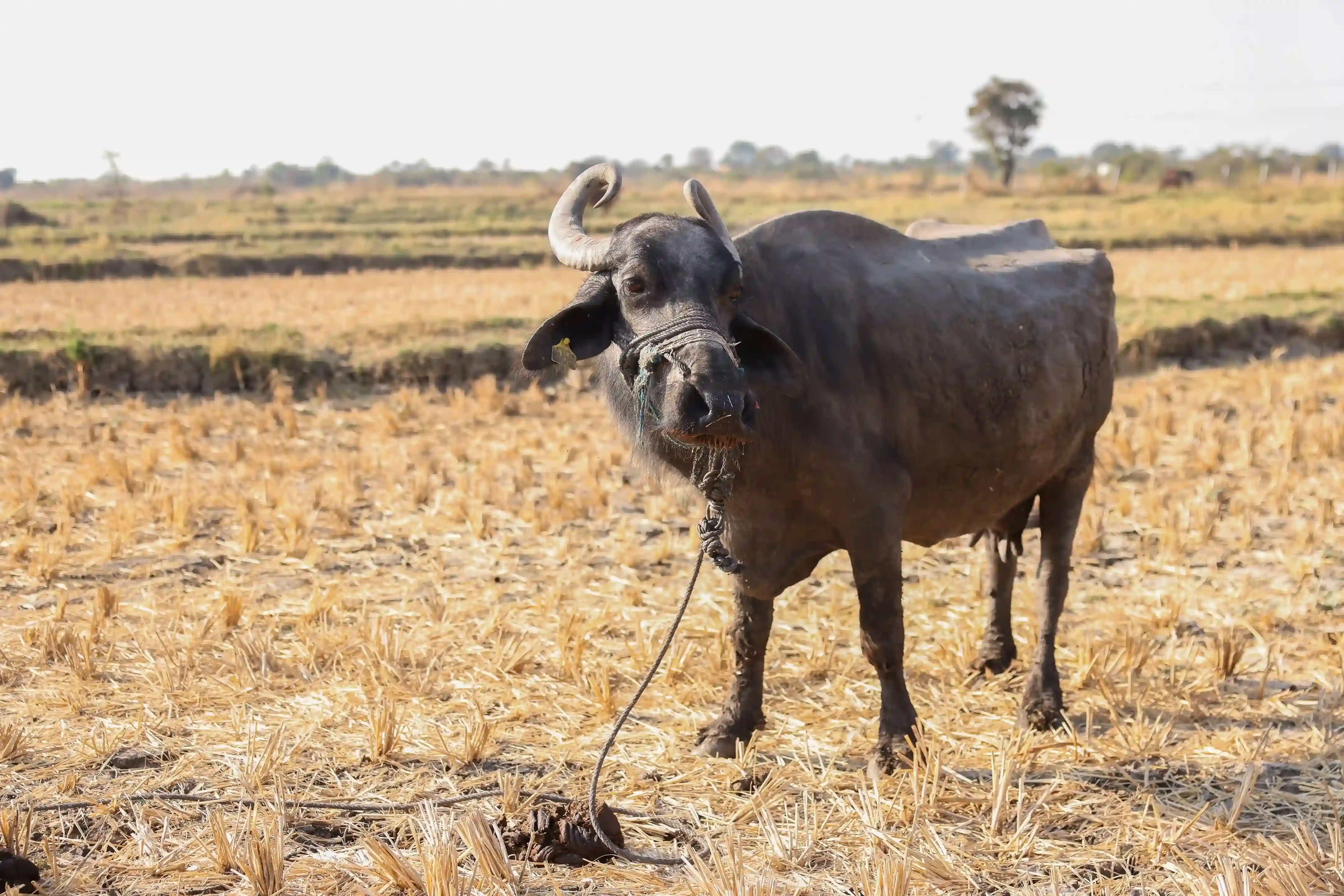
A sturdy broad-shouldered build, nearly six feet tall, a greyish black coat, two formidable horns, steady two-toed hooves, and an endearing affinity for water. The domesticated water buffalo—called bhains in Hindi, gedhe in Telugu, erumai in Tamil—is instantly recognisable across the country. The scientific community delightfully christens it Bubalus bubalis.
Wild water buffaloes are native to the Indian subcontinent. Around 6,000 years ago, some of them were domesticated in northwestern India. They evolved into present-day 'river buffaloes' (B. bubalis bubalis), reared primarily for milk production. A couple thousand years later, along the Indo-China border, the same species evolved into a different domesticated animal: the swamp buffalo (B. bubalis kerabau). These buffaloes love muddy swamps and make for great draught (or working) animals for ploughing paddy fields. Many Southeast Asian countries continue to rely on swamp buffaloes.
What’s in a name?
Why do we go through the trouble of calling them ‘water buffaloes’ when we could just say ‘buffaloes’? One might first assume that their name stems from their tendency to wallow in water on hot summer days. But by that logic, why are crocodiles not called water crocodiles?
The truth, like the water that buffaloes tend to wallow in, is muddied—by history. The buffaloes Indians know and love are not the only ‘true’ buffaloes. Water buffaloes have a land-loving (and somewhat violent) wild cousin called the African buffalo (Syncerus caffer). To add to the confusion, Americans (misled by some 17th century French fur-trappers) mix up bison (which are native to the region) and buffaloes.
Despite sharing the same colloquial name, these are three distinct species and fairly easy to distinguish from one another. African and Asian buffaloes belong to one lineage within the bovine subfamily (Bovinae), while bison—though related—form a separate branch. Both types of true buffaloes prefer the clean-shaven look, while bison are easily identified by their beard. The African buffalo and water buffaloes are most easily differentiated by their horns: if the horns emerge directly from the head in a crescent shape, you are looking at a water buffalo. If the horns are fused to a shield on the buffalo's head (called a boss), then that’s an African buffalo!
Also read: Mumbai’s Nagori dairies are a living archive of milk, migration—and memory
Travelling the world
Very early into its domestication journey, the river buffalo discovered its penchant for travelling. The Arab conquests of Egypt and Italy introduced river buffaloes there as early as the 8th century. Their extensive travel led to widespread cross-breeding and a high genetic diversity: there are over 120 recognised breeds of the river buffalo.
It has been sought after because both its milk and its meat are considered nutritionally superior to that of cattle: the fat content of buffalo milk is nearly twice as much as cow milk, and its total solids are nearly 30% higher. This has made it a preferred choice for many countries invested in dairy farming and making processed products from buffalo milk. Over the past century, many of these river buffaloes have also been crossbred and selected specially to give more and better milk, notably in Bulgaria and Italy. The milk of the Italian Mediterranean buffalo is used to make the authentic mozzarella cheese in the Campania and Lazio regions of Italy.
Back home, the cow tends to outshine the buffalo in the public eye. But India remains the water buffalo’s first home. The animal’s presence is firmly etched in both history and mythology. Seals from Harappa, the walls of the Ajanta, folk tales in Jain, Hindu, and Buddhist mythology all make for colourful documentation of our history with the animal.
India continues to house the largest water buffalo population—over 11 crore buffaloes according to FAO 2024 data. In terms of milk production, too, buffaloes nearly equal cows, accounting for almost 44% of the country’s milk production. It would be fair to say then, that these creatures are the invisible engines of one of the largest dairy economies in the world.
The buffalo may not look like the focus of farms, but if you observe closely, you’ll see an animal that is treasured and adored for existing in our landscape.
Also read:The science behind high-protein milk: How it differs from whey powder
{{quiz}}
.avif)


Explore other topics
References