The last keepers of Odisha’s wild mushrooms
Will the wisdom of harvesting and cooking nutritious fungi disappear with present-day Adivasi elders?


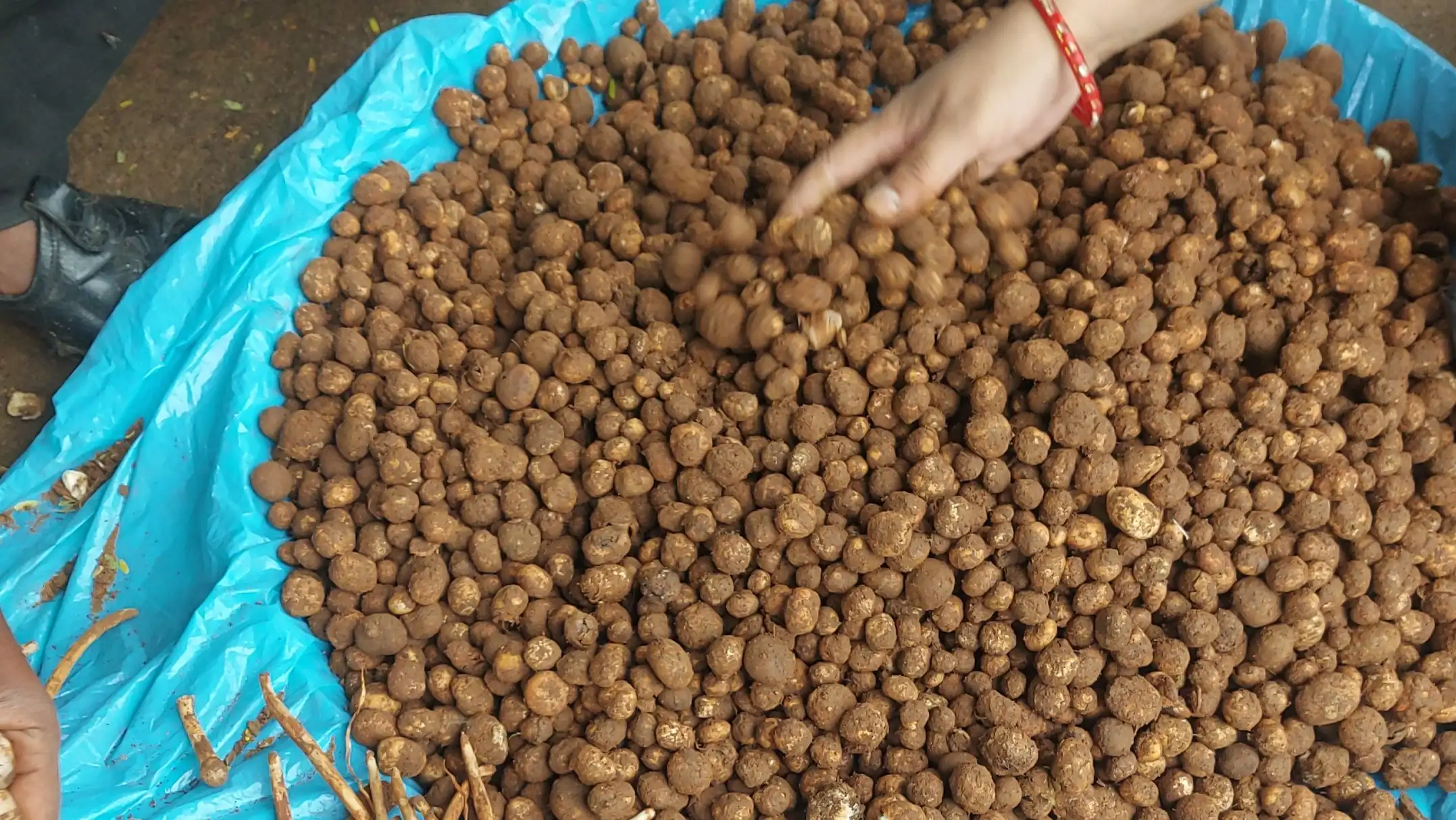
The first showers of rain in June have barely settled over Rayagada district in southern Odisha when Sabani Majhi picks up a bamboo basket and a hoe, and embarks into the nearby sal forest. The 52-year-old Paroja Adivasi woman is in search of the Sargi Chhatu (Astraeus hygrometricus) hidden beneath the soil.
Found near the roots of sal trees, the mushroom resembles a small, dusty potato buried under fallen leaves. This is the stage at which it is picked, when it is young, and still closed. As it matures, its hard outer skin splits open like a star, revealing a dark, powdery centre. With its nutty flavour and meaty texture, Sargi Chhatu is a seasonal delicacy that families eagerly await every monsoon.
"If Sargi Chhatu is part of our meal, we don't miss meat. It is the tastiest mushroom we get from the forest," says Majhi. "Finding it takes patience. We look for tiny cracks or raised patches in the soil before digging carefully with a hoe. Sometimes, it takes nearly an hour to collect just a kilo."
{{marquee}}
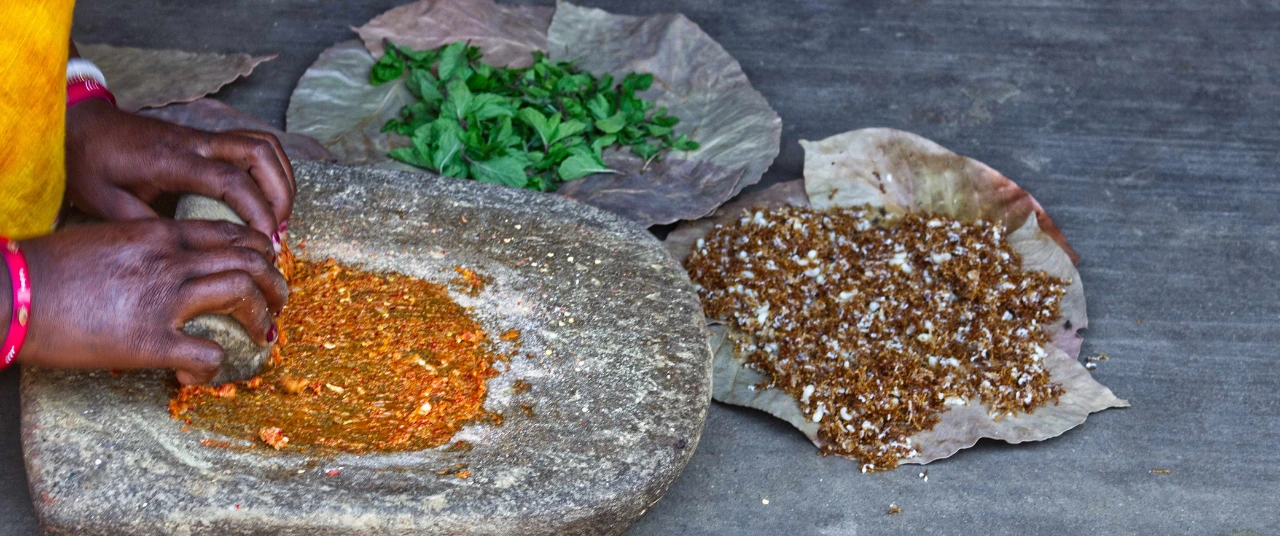
The mushrooms are washed, peeled and cut into pieces before being boiled once to reduce their bitterness. They are then cooked with mustard oil, onions, garlic, ginger, green chillies and local spices. During a productive season, part of the harvest is also sun-dried for the months ahead.
Majhi is one of thousands of Adivasi women across Odisha who enter forests every monsoon to gather wild edible mushrooms hidden beneath leaves, inside termite mounds, under sandy soil and on decaying logs of wood. This seasonal harvest feeds families and brings home a modest income. It is made possible through years of observation and learning, and an intimate understanding of the forest.
If Sargi Chhatu is part of our meal, we don't miss meat. It is the tastiest mushroom we get from the forest
The indigenous knowledge about foraging and harvesting, preserved orally and learnt by doing, is becoming harder to pass on. Fewer young women now accompany their mothers on monsoon foraging trips, while changing rainfall patterns are making wild mushrooms harder to find. They have not disappeared, but do they grow farther inside the forest, turning picking into a more time-intensive process. As the forests change, so does the wisdom that has long helped Adivasi communities to live with them.
The forest’s generosity
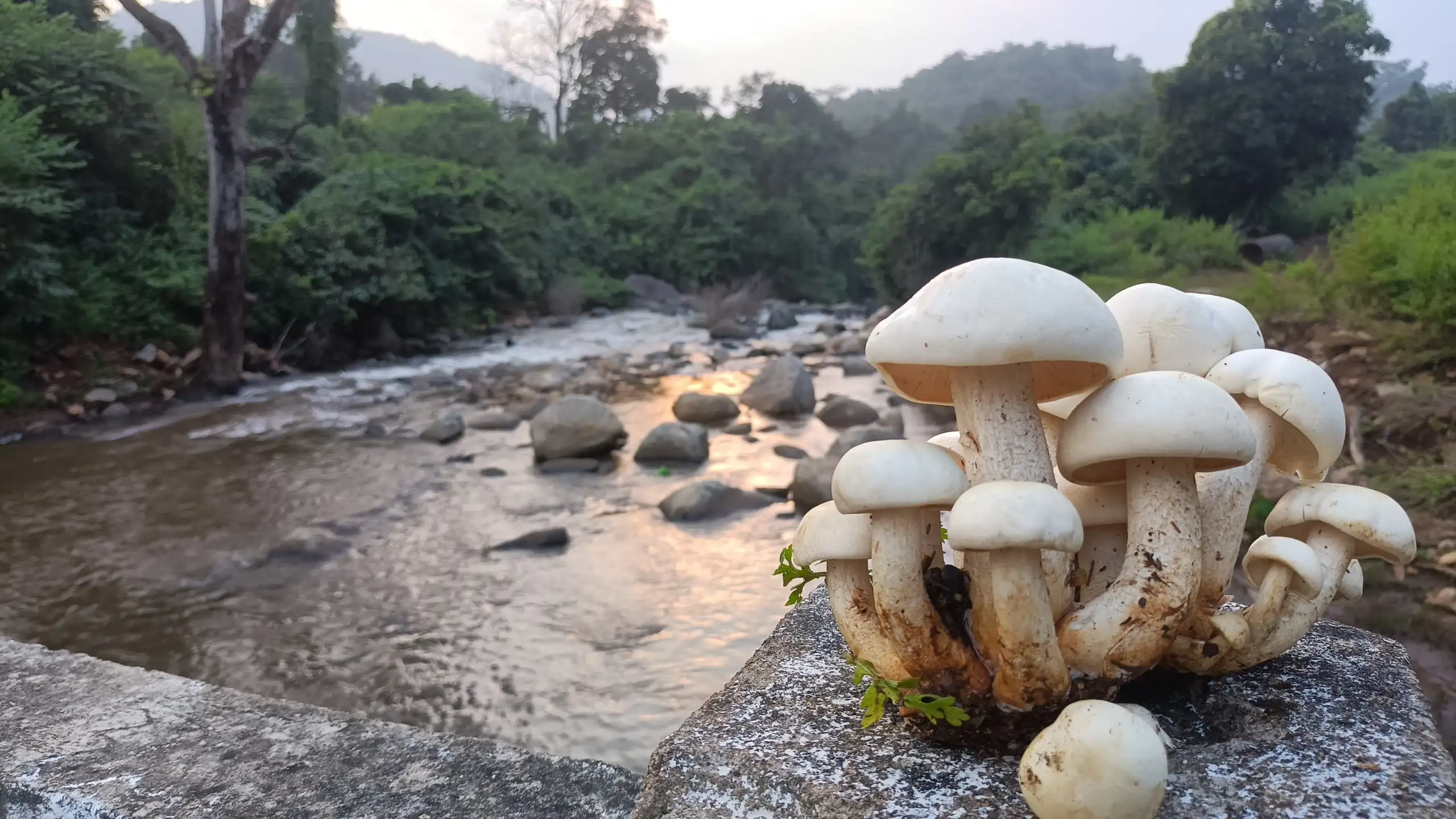
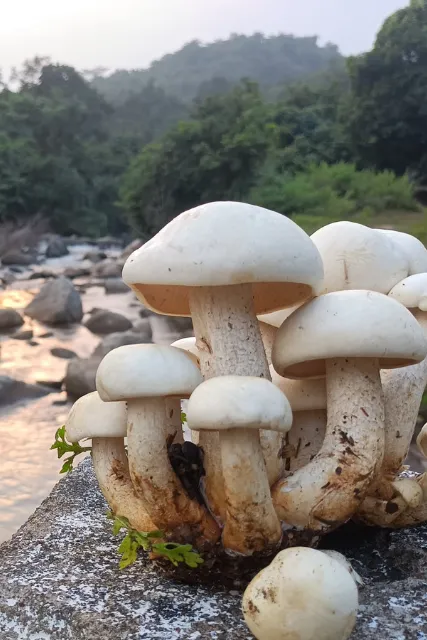
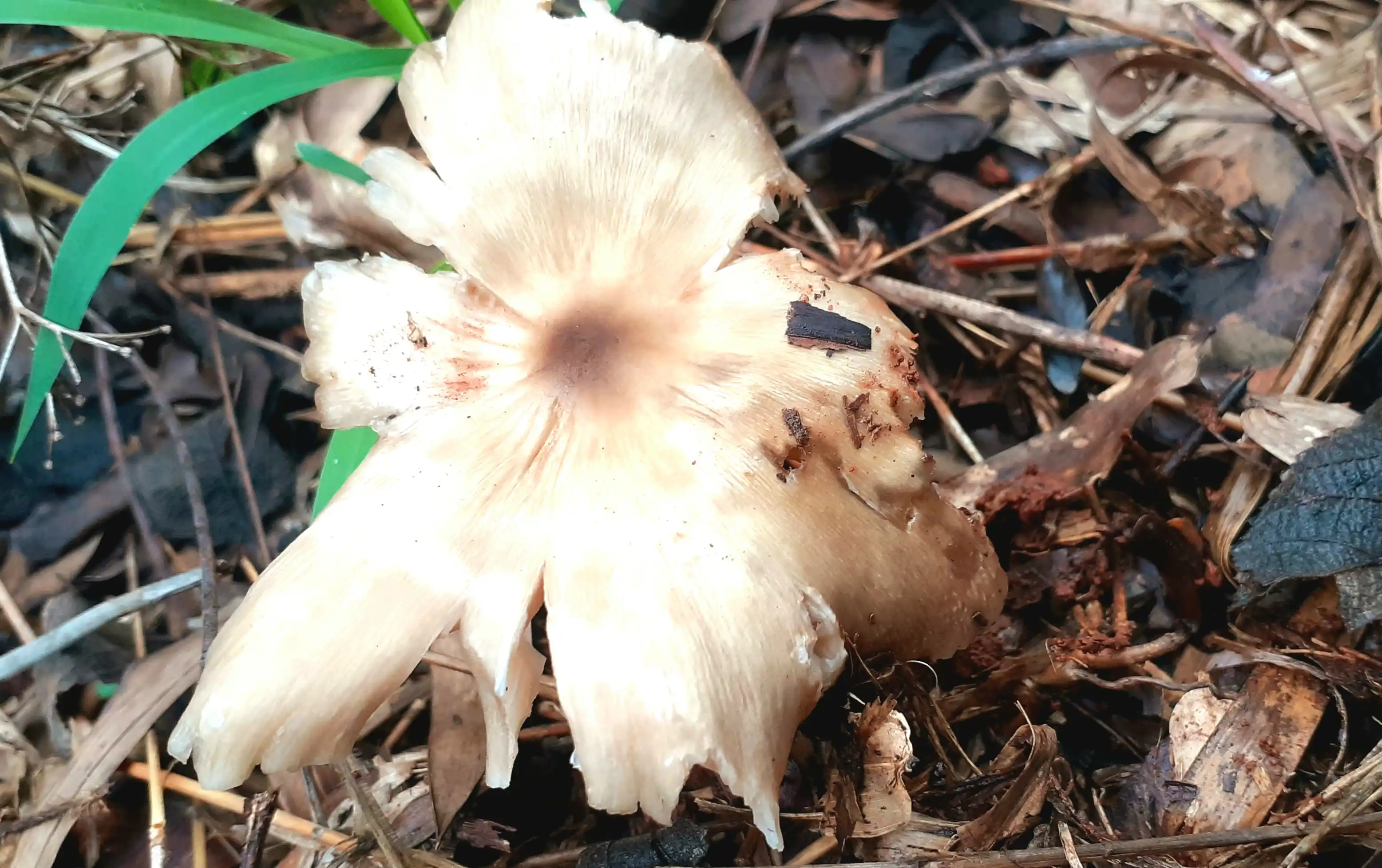
One of the first mushrooms to emerge after the monsoon is Benua Chhatu (Termitomyces heimii), which pushes through termite mounds after the first steady rain. Large, umbrella-shaped caps rise above the forest floor on long, slender stalks, sometimes dozens from a single mound. The mushroom survives through a close partnership with termites, which create the conditions it needs to grow, while the fungus breaks down dead leaves and wood into nutrients that feed the colony.
For 79-year-old Surumani Mankidia, no other mushroom captures the spirit of the monsoon quite like Benua Chhatu. "When it appears, we know the rains have settled," she says with a smile. "And when it cooks, the whole house is enveloped in a mutton-like aroma," says the resident of Dengam village on the fringes of the Similipal Tiger Reserve in the Mayurbhanj district.
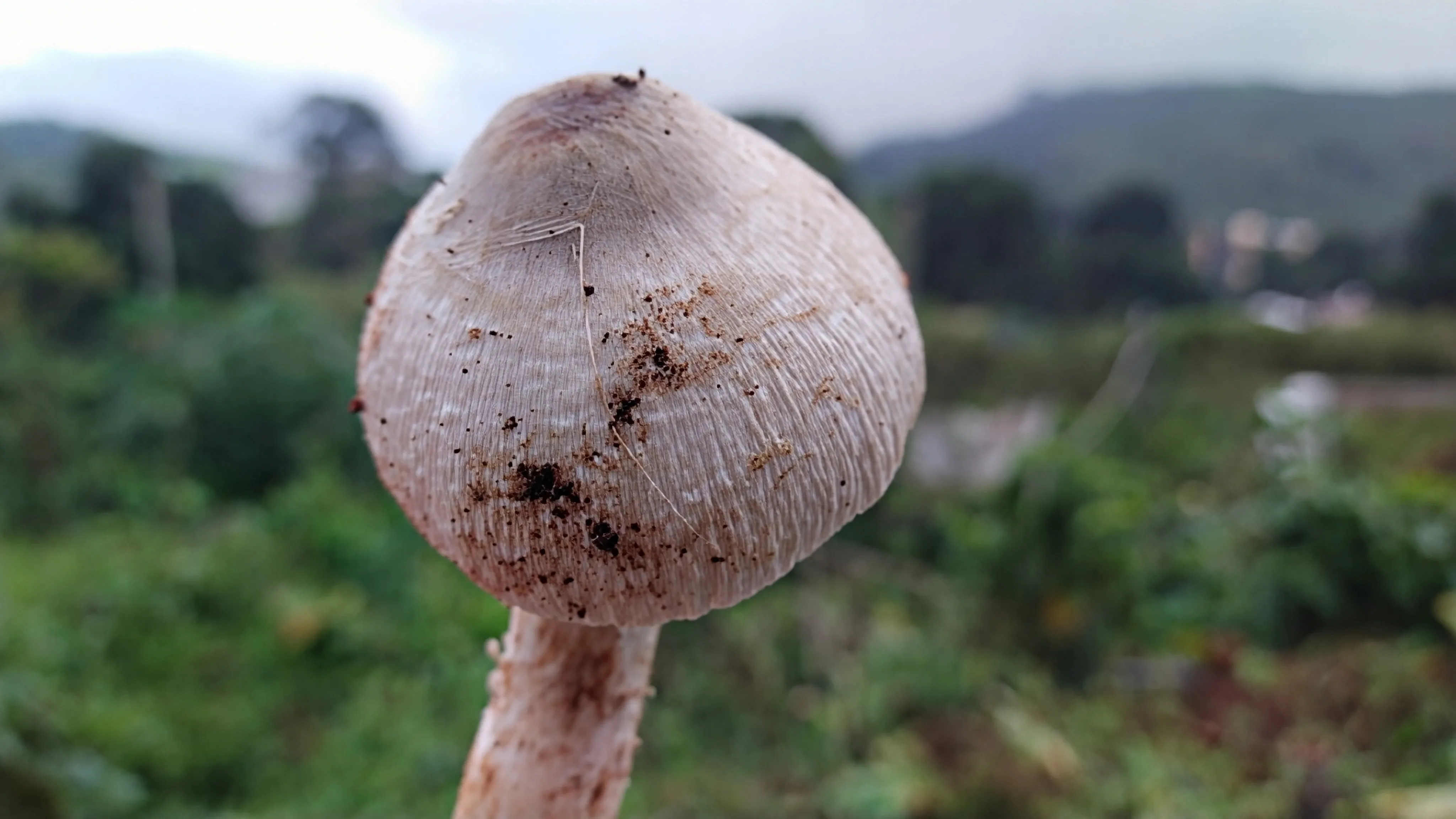
The mushrooms are washed thoroughly to rid them of mud before being rinsed again in turmeric water—a traditional practice believed to cleanse them before cooking. They are usually prepared as a light stew or seasoned with salt, turmeric and crushed garlic, wrapped in sal leaves and slow-cooked over a gentle fire. Among the Dongria Kondh community in Rayagada district, boiled Benua Chhatu is also used as a traditional herbal remedy for fever, colds and certain skin ailments.
As the monsoon gathers strength, other mushrooms begin to appear across the forest. Bali Chhatu (Termitomyces microcarpus) grows in dense clusters around termite mounds and bamboo groves after heavy showers. Its tiny, cream-coloured caps are tender and quick to cook, making it a regular feature in Adivasi kitchens during the farming season. Women often collect it in large baskets and cook it with simple spices, believing it gives them strength for long days of agricultural work.
Among the Dongria Kondh community in Rayagada district, boiled Benua Chhatu is also used as a traditional herbal remedy for fever, colds and certain skin ailments.
Unlike mushrooms that emerge from the forest floor, Lathi Chhatu (Lentinus tuberregium) grows on decaying logs from a large underground tuber-like structure. Its firm, chewy texture makes it well suited to slow-cooked curries, and many Adivasi communities consider it a nourishing food for people recovering from illness.
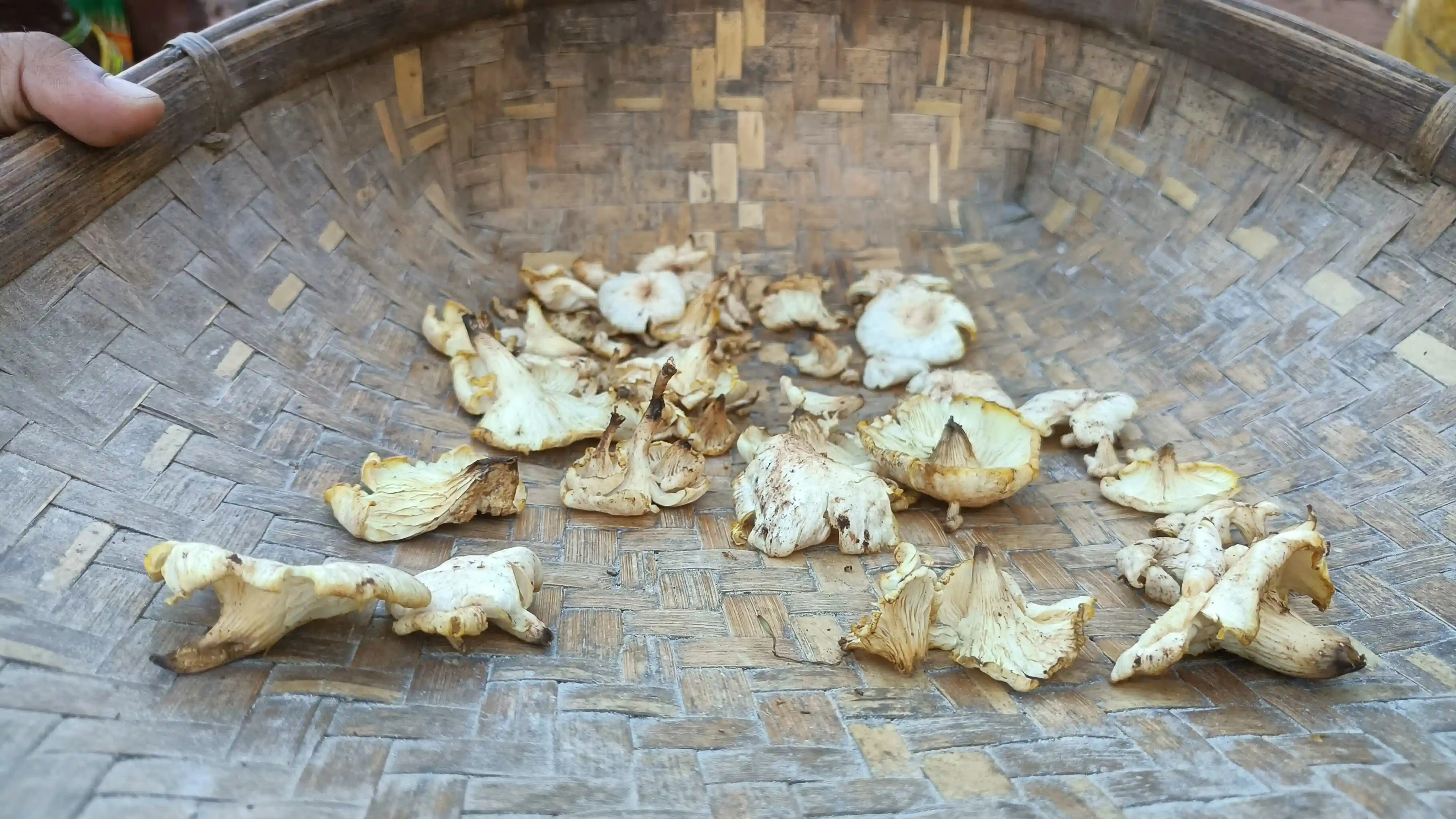
In the bamboo forests of southern and western Odisha, women search for Banji Chhatu, the bamboo mushroom (Schizophyllum commune), which appears in clusters of dead and decaying bamboo. Small, fan-shaped and mildly earthy in flavour, it is usually cooked fresh, while part of the harvest is sun-dried and stored for the lean period from March to May.
"For Adivasi families, wild mushrooms are more than a seasonal delicacy. Rich in protein, fibre, vitamins, minerals and essential amino acids, they provide nutrition and have long been valued for their medicinal properties," says Dr Srikanta Dhar, an internal medicine specialist at the All India Institute of Medical Sciences, Bhubaneswar.
Also read: In Odisha’s insect eating traditions, a blueprint for a food-secure future
Life-saving, enriching knowledge
Foraging is about ‘reading’ the forest rather than simply collecting food, says Mangi Gomango, a 63-year-old Saura Adivasi woman from Raldipanka village in Gajapati district. "The forest gives us food, but only when we understand its ways," she explains. "Every mushroom has its own season and its own place. We don't grow them. We simply know where to find them. That's how our elders taught us to forage."
Not every mushroom that emerges after the monsoon is safe to eat. Hidden among the edible varieties are poisonous species, some so similar in appearance that only experienced foragers can tell them apart. Recognising them takes years of distilled learning and instincts.
Hidden among the edible varieties are poisonous species, some so similar in appearance that only experienced foragers can tell them apart.
"You can't identify a mushroom by its colour alone," says Saibeni Majhi, 42, a Kondh Adivasi farmer from Talbora village in Kalahandi district, who has spent over two decades foraging wild mushrooms in the foothills of the Niyamgiri Hills. "We look at everything, the cap, the stem, its smell, the tree or termite mound nearby, even how old the mushroom is. If something doesn't feel right, we leave it where it is."
Tragically, the community elders who are keepers of this knowledge are now aging. Migration, access to education, changing livelihoods and a reduced dependence on forest foods mean that fewer young women are incentivised to accompany their mothers and grandmothers on foraging trips.
Madhabi Jani, a 20-year-old from Siriguda village in Rayagada district, still relies on her mother’s skills. "My mother notices things I don't. She can tell where a mushroom might grow just by looking at the soil and the trees. I still follow her whenever we forage because I'm afraid of making a mistake."
For Sukanti Majhi, 22, from the neighbouring Koraput district, the challenge is finding time to learn. "Many of us are in school or college, and some leave the village for work," she says. "Because of that, many young people know much less about wild mushrooms."
The consequences of a knowledge system with gaps can be deadly. Every monsoon, Odisha reports cases of mushroom poisoning after unidentified wild mushrooms are consumed. In September 2024, six people died in Malkangiri district after eating wild mushrooms and bamboo shoots. Similarly, in August 2025, eight people were hospitalised in Gajapati district. Health officials routinely advise people to avoid produce unless they are certain of its identity.
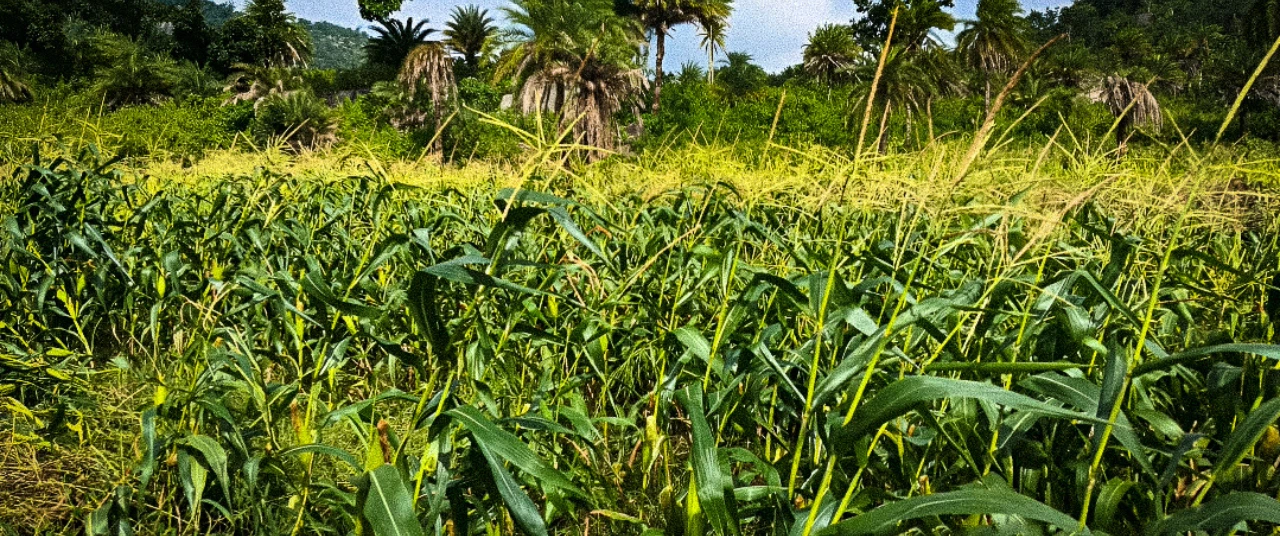
Also read: A push for hybrid maize is driving Odisha’s resilient ‘maka’ out of fields
The forest becomes unrecognisable
Surumani the septuagenarian, who lives near the Similipal Tiger Reserve, has watched the forest change over the years. It no longer follows the established rhythms that she recognised in her childhood. "The denser the forest, the more mushrooms it gave us. But the forests are shrinking, and so is the harvest," she says. "There used to be many termite mounds around our village. That's where we found plenty of Benua Chhatu. Now we have to walk much farther into the forest to find them."
Surumani believes the growing use of chemicals on nearby farms has impacted the number of termite mounds. "Earlier, we knew exactly when and where wild mushrooms would appear. Now the rains are unpredictable. Some years, we return from the forest with only a small basket full."
Migration, access to education, changing livelihoods and a reduced dependence on forest foods mean that fewer young women are incentivised to accompany their mothers and grandmothers on foraging trips.
Her observations are echoed by scientific research. Studies carried out in and around Similipal in Mayurbhanj show that wild edible mushrooms are highly sensitive to rainfall, humidity and temperature. Even small shifts in weather can shorten their fruiting season and reduce their abundance. Researchers who have documented a rich diversity of wild edible mushrooms across the forested landscapes of Mayurbhanj, Keonjhar and Balasore districts caution that the depletion of forest habitats and changing land use threaten mushroom diversity.
The fate of mushrooms is crucial not merely because of culinary history and diversity; wild mushrooms also fill an important seasonal gap in the diet of many Adivasi households. "When we talk about minor forest produce, wild mushrooms are rarely recognised as part of the forest economy," observes Abhishek Pradhan, an agriculture expert at Watershed Support Services and Activities Network (WASSAN). "Unless we value both these forest foods and the indigenous knowledge that helps communities harvest them safely, we risk losing an important livelihood and a rich food tradition," says Pradhan.
When we talk about minor forest produce, wild mushrooms are rarely recognised as part of the forest economy,"
During a good monsoon, Adivasi women stand to earn between Rs. 15,000 and Rs. 18,000 across three months through mushroom sales in weekly haats and along the roadside. Through these sales, they earn enough to buy essentials such as cooking oil, salt, vegetables and school supplies. But that income is becoming increasingly uncertain as rainfall patterns shift, forests come under greater pressure and mushroom harvests decline.
Pradhan believes that for younger Adivasi community members to continue foraging and develop a curiosity for the wisdom at its foundation, it must have value from a cultural, culinary and economic perspective. Better market opportunities could make it more attractive to young people, while community-led learning could help pass on knowledge. “Elders can train younger people through community foraging walks, teaching them to identify, harvest and cook different varieties,” he says.
It is not impossible for traditions rooted in sustenance to endure, even as the circumstances around them change. For women like Sabani Majhi, gathering mushrooms is a way of staying connected to a changing landscape. As the morning sun filters through the sal trees, she bends down one last time before beginning the walk home. A faint crack in the damp earth catches her attention. She brushes aside a thin layer of leaves and smiles as another Sargi Chhatu emerges from the soil.
"The forest still teaches us," she says. "But our children must keep coming here to learn."
Also read: In rural Odisha, the Juang community’s seeds are gifts from ancestors
Edited by Anushka Mukherjee and Neerja Deodhar


Explore other topics
References

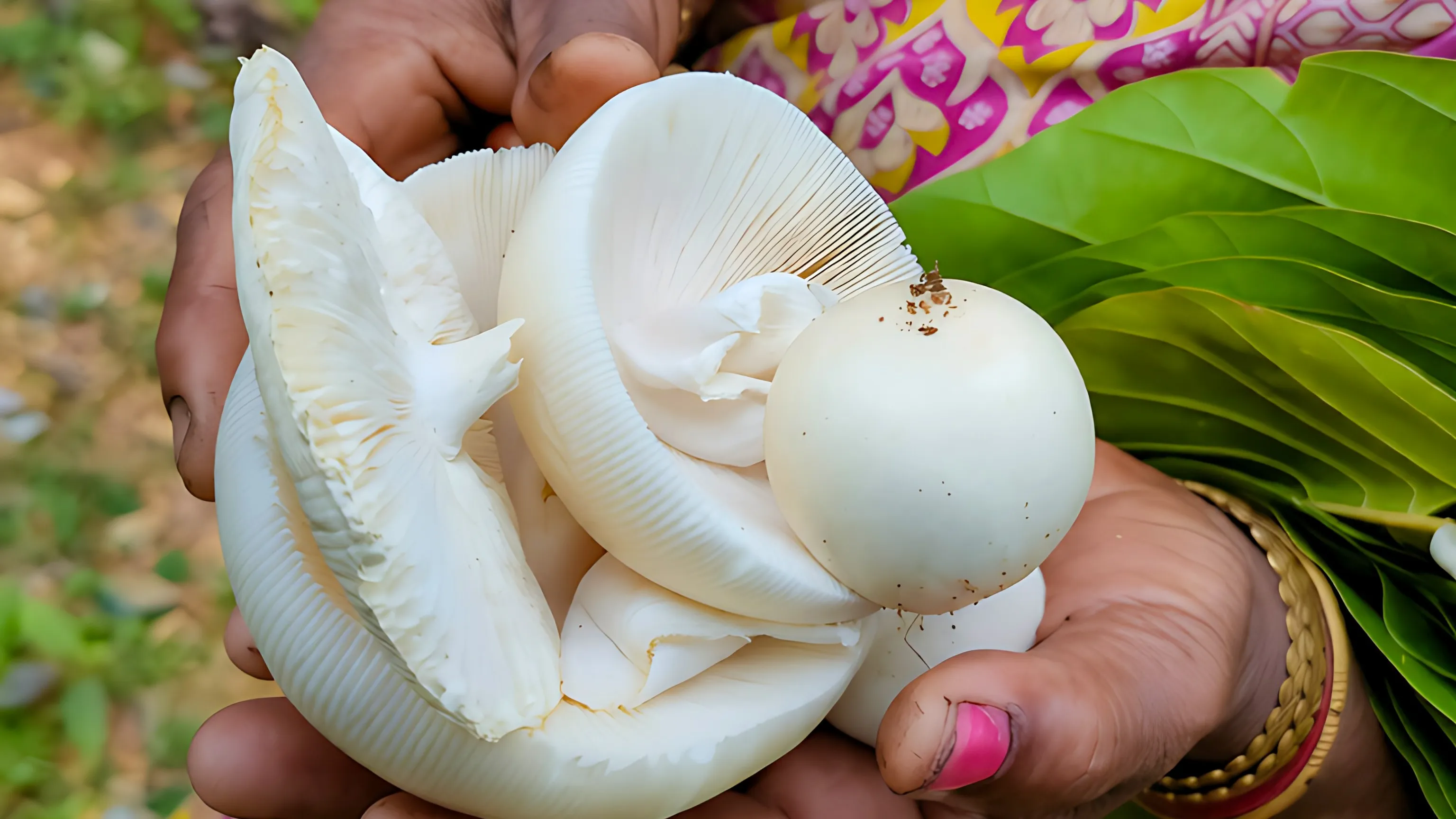
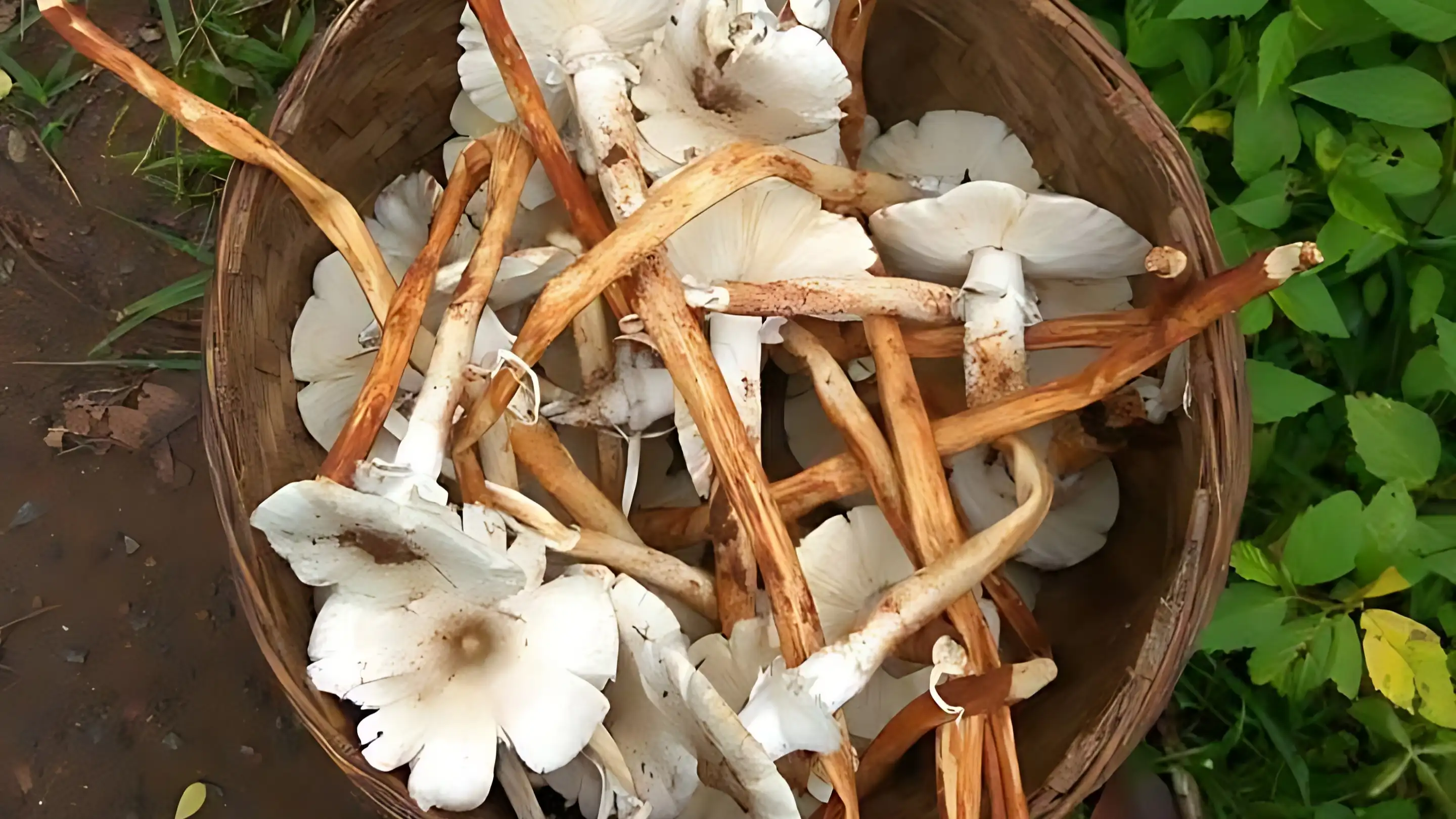
_Photo-Abhijit%20Mohanty.webp)