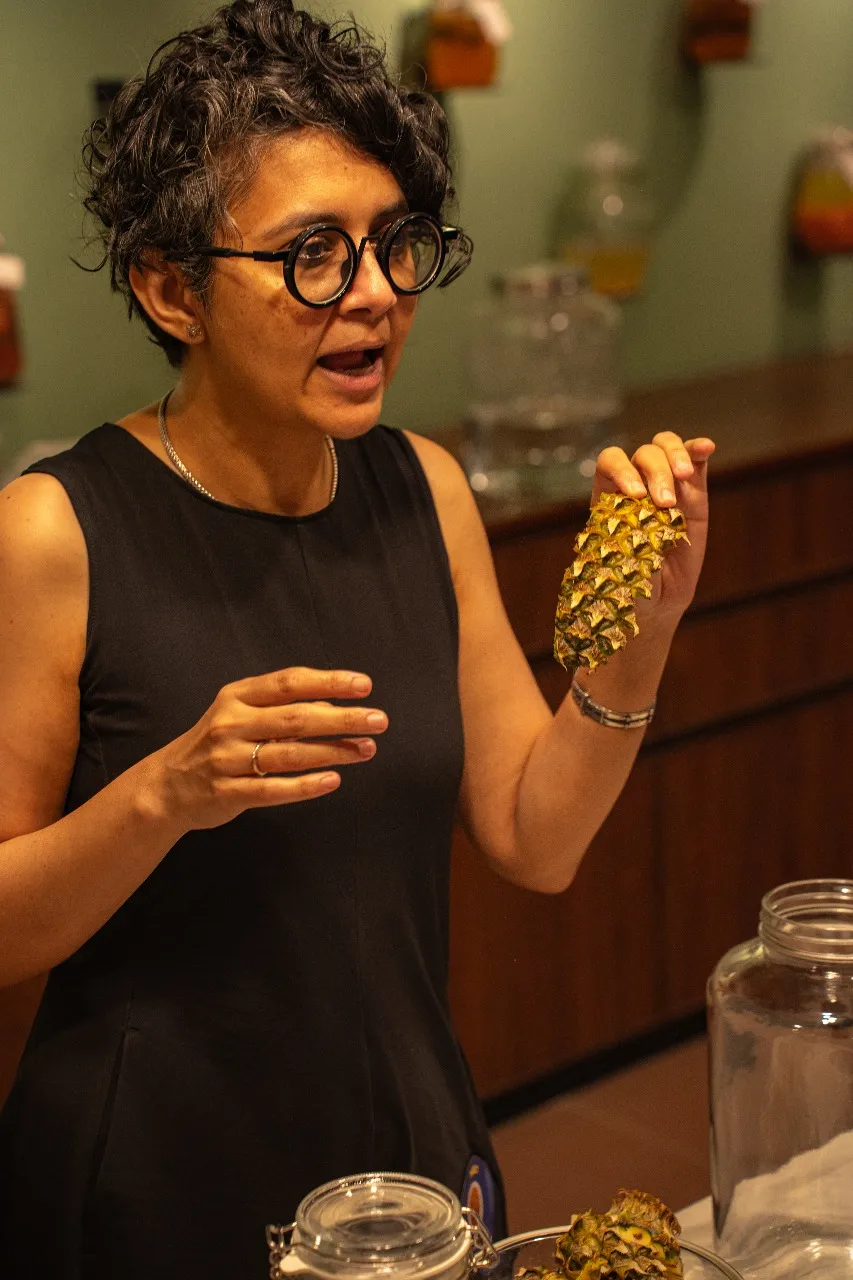
To Kōbo Fermentary founder Payal Shah, microbes are the boss
Shah’s fascination with fermentation over 25 years is distilled into a generous, hands-on endeavour to share her learnings


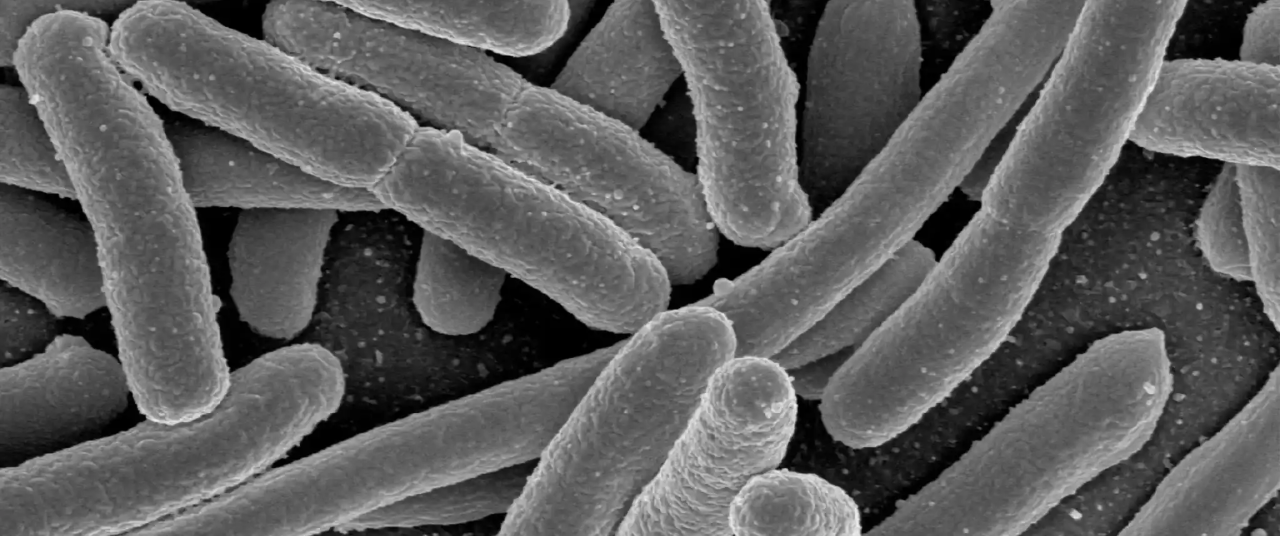
"Fermentation is older than humans," says Payal Shah, in a matter-of-fact manner. "Microbes were here long before we were. Animals ferment, nature ferments. We've simply found new ways to work with something that has always existed."
Shah speaks of fermentation with this familiarity because she has long been listening to microbes. She has watched them, played with them, and witnessed them transform. Today, she is one of India's most respected voices on the subject, consulting with chefs, mixologists, farmers and food producers, all while championing a practice that is at once ancient, scientific and deeply intuitive.
Yet she doesn’t see herself as a fermentation expert in the conventional sense. Instead, she calls herself a "shepherd of microbes"—someone who creates the right conditions for life to flourish, while accepting that the microbes themselves ultimately decide the outcome. "It's the microbes who choose what they want to become," says Shah, "You're simply providing the environment."
It's the microbes who choose what they want to become. You're simply providing the environment.
Her philosophy is rooted as much in humility as it is in science, and I find that fascinating. Perhaps even spiritual. Shah agrees with this assessment, drawing parallels with gardening, where one plants the seeds, nurtures them with water, sunshine and nutrients, but really doesn’t know when or how the plants will yield, if at all.
She founded Kōbo Fermentary in 2018 after her passion evolved into more than a hobby and could be channelled into something with a more expansive scope. Kōbo is a multifaceted endeavour, imagined as a think tank, flavour lab and creative studio. In the early days, Shah was invested in real-time fermenting and retail products. After the COVID-19 pandemic, much of her work migrated online, assuming a wider knowledge-sharing format via Youtube videos, Substack posts and a range of playbooks available on Kōbo’s website; these playbooks are step-by-step guides to prepare kombucha, pickles and other fermented foods.
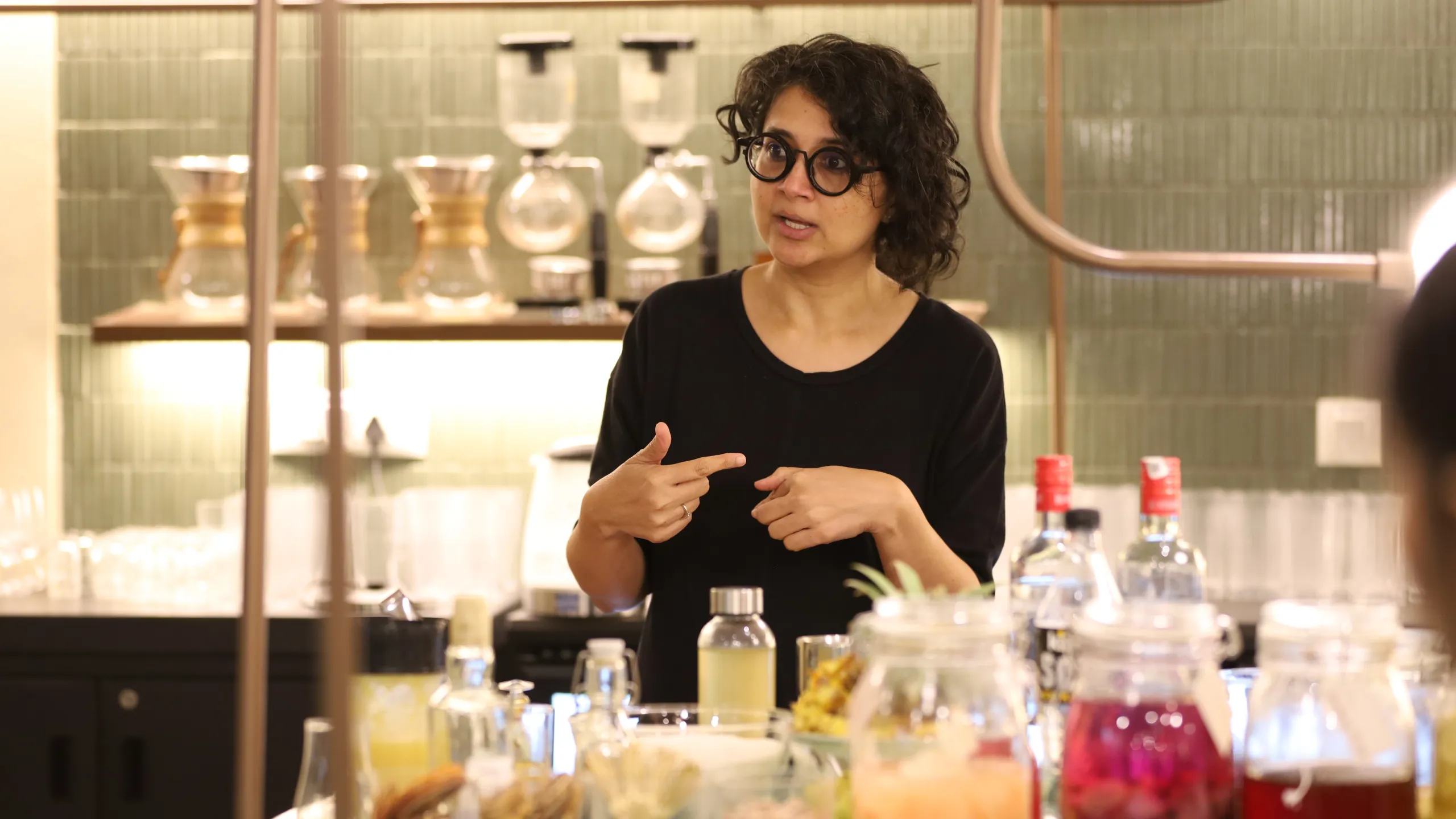
I met her last year in Bengaluru at The Good Craft Co., where she seemed very at home: standing before a stretching wall mounted with jars and jars of fermenting ingredients, leading us through a tasting of the various stages of fermentation.
First forays
Shah isn't a microbiologist by training. Her academic background is in Psychology, and she readily admits she has been a self-taught fermenter for the last 25 years. Everything she knows about fermentation has been painstakingly learned through experimentation, observation and, sometimes, failure. Her first obsession was wild-fermented ginger ale. At 18, she brewed more than a hundred batches in a single year, fascinated that no two were ever alike. "Some were brilliant, some failed spectacularly. But every batch taught me something," she says.
Unlike baking or classical cooking, fermentation resists precision. Temperature, humidity, geography, ingredients, even the microbes present on the hands of the creator shape the final result. The same recipe can produce entirely different flavours depending on where it is made.
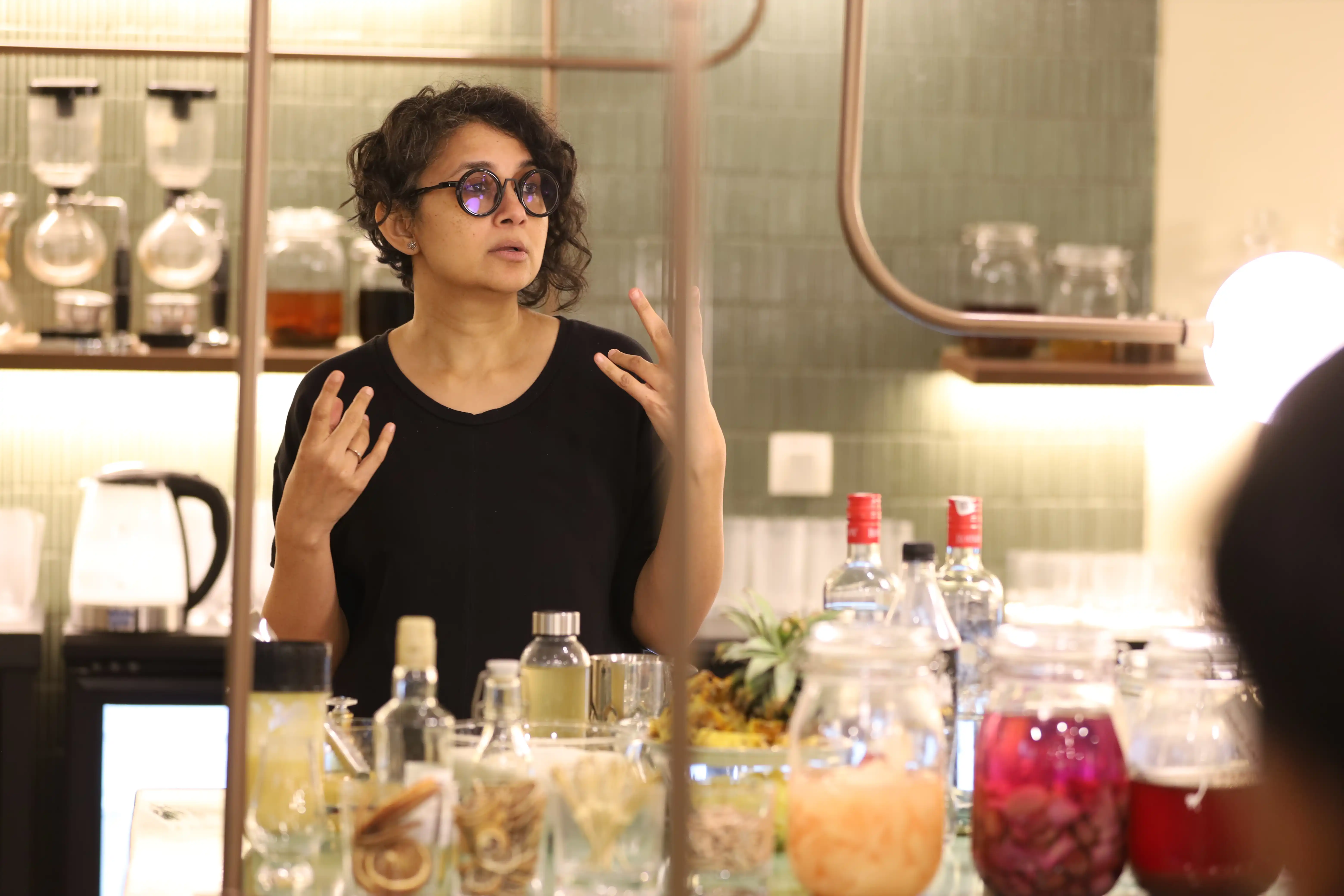
Growing up in Bengaluru in a Gujarati household where her grandmother was a central figure, fermentation wasn't a niche culinary pursuit. It was simply everyday life. Summers revolved around pickle-making, butter was churned at home, and handvo, idlis, dosas and countless seasonal preserves bubbled away in the kitchen.
Like many children, Shah was entrusted with small but essential jobs: carrying jars into the sun, stirring mixtures, and bringing them indoors before dusk. At the time, she thought little of it. But, looking back, she realises how those rituals introduced her to a world where patience mattered more than speed, and that deep observation resulted in the most valuable lessons.
Inspired by ancient Indian practices
“India's relationship with fermentation stretches back thousands of years, long before the process acquired its modern scientific vocabulary. Across the country, communities developed fermented foods as a practical response to climate, preservation and nutrition, creating a remarkable diversity of regional traditions,” shares Shah.
Unlike baking or classical cooking, fermentation resists precision.
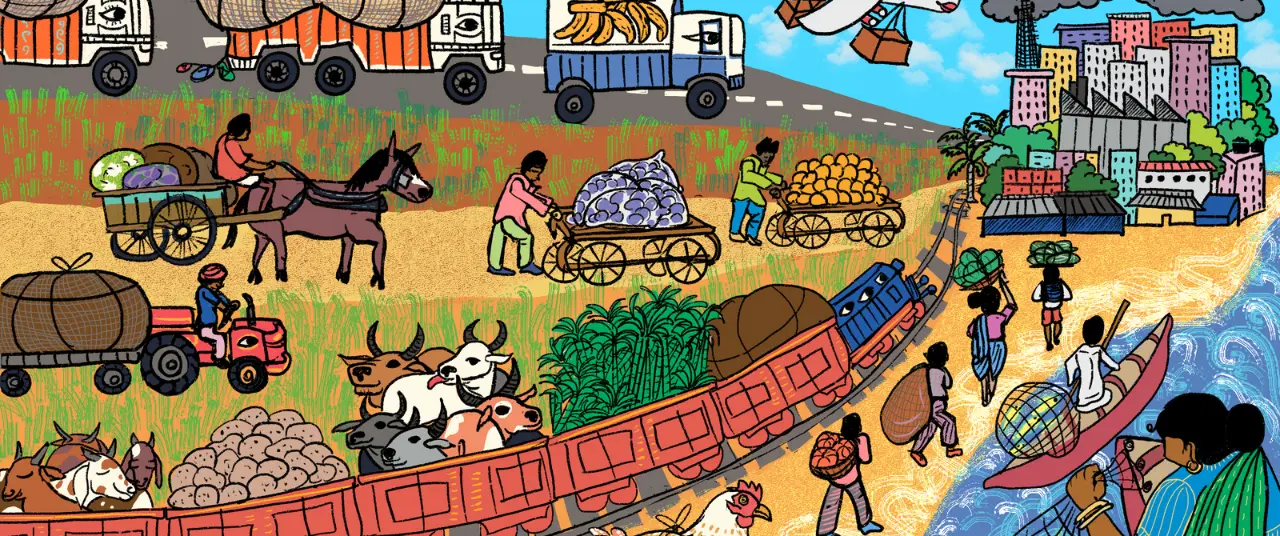
From idli and dosa batter in the South, to dhokla in Gujarat, kanji in North India, panta bhat and even kasundi in Bengal, appam batter in Kerala, bamboo shoot ferments in the North-East, homemade curd, pickles and rice beers, fermentation has long been woven into everyday cooking. Before it found a place on fine-dining menus, generations of grandmothers around the world were naturally fermenting foods in their home kitchens, making it one of humanity's oldest and most enduring culinary traditions. “These living foods not only enhanced flavour and extended shelf life, but also nurtured beneficial microbes that support gut health,” she adds.
Fermentation has found a new audience through contemporary restaurants, craft beverages and wellness culture, but Shah believes the revival is already well underway. Indigenous techniques are appearing on restaurant menus, in specialty stores, and increasingly, in conversations about nutrition, biodiversity and sustainable food systems.
Her involvement as co-curator of Desi Cultures 2026, a festival celebrating India's fermentation heritage, reflects this broader vision. The conversations went far beyond recipes, exploring how fermentation intersects with coffee, cacao, cheese and spirits, while also examining questions of labour, caste, gender and cultural knowledge.
Spreading the gospel
“‘Kōbo’ is Japanese for yeast, like a mother enzyme; you can't have fermentation without it, so that is the genesis of the name. That is where it all started,” says Shah, reflecting on how the fermentary has grown over the years.
The impact of its knowledge sharing initiatives is most palpably felt in the response to Shah's weekend ‘AMA - Ask Me Anything’ sessions, which encouraged many of Kōbo’s Instagram followers to take up fermentation at home during the COVID-19 lockdown. The regularity and generosity with which she shared tips, tricks and details during these sessions helped many to unpack the subject.
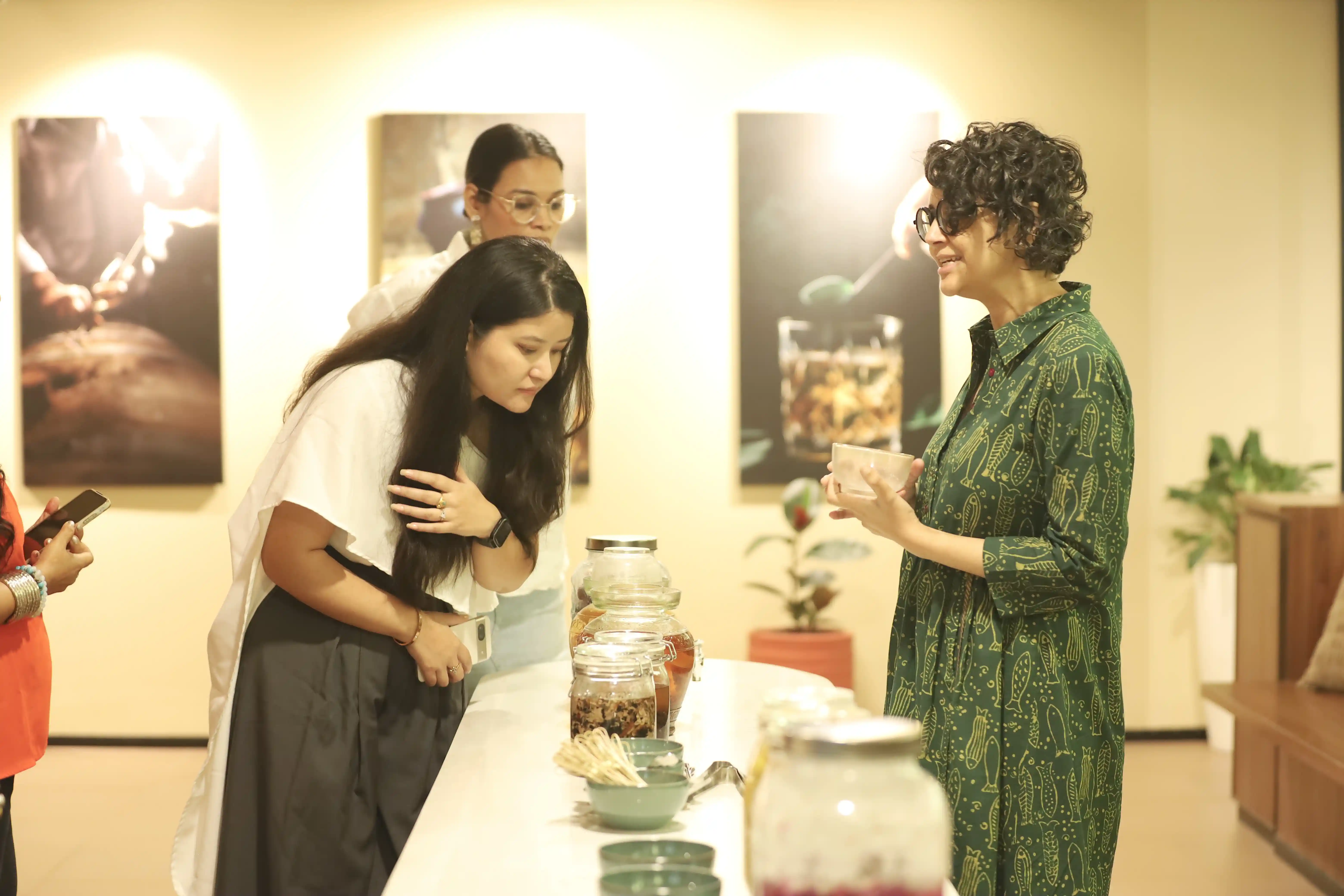
Shah uses her gut instinct to rustle up ferments, even during her travels. Guided purely by intuition and with the knowledge that no list of steps undertaken can ever be fail-safe, Shah prefers to label them “non-recipes”. Having gradually shifted from the production of fermented foods at Kōbo, she spends most of her time teaching, consulting and establishing fermentation programmes for restaurants, bars and food businesses across the country. Her clients range from progressive chefs seeking deeper layers of flavour, to mixologists experimenting with naturally fermented ingredients for cocktails. Farmers approach her to help preserve surplus harvests through fermentation, reducing waste while creating products with longer shelf lives and greater value. Restaurants work with her to rethink kitchen waste, transforming leftovers into intensely savoury condiments rather than sending them to landfills.
Shah has worked closely with Kikui Farm near Coonoor, the Vivekananda Estate in Coorg, alongside restaurants like Brik Oven, where her insights also inform pantry ingredient planning.
An answer to food waste?
For those curious about experimenting with fermentation at home, Shah recommends beginning with something almost impossible to get wrong: ginger or garlic fermented in honey. "You don't even have to measure anything," she says. Simply submerge the ginger or garlic completely in honey and allow nature to take over. The ingredients already contain the microbes, sugars and nutrients required for spontaneous fermentation, making it an ideal introduction for beginners. Better still, the jar becomes a living project: one can replenish it with more honey or fresh ginger and garlic.
At her own home, Shah uses fermentation less as a culinary experiment and more as a solution to food waste. She has devised an elaborate fermentation system that transforms leftovers into a richly savoury tamari sauce. Almost anything destined for compost, from vegetable scraps, to stale pizza crusts, leftover mint chutney, aloo buns or even sushi, finds its way into the process. Using koji, the Japanese fermentation mould, along with salt, the ingredients are slowly developed into a miso-like mixture. Through a multi-tiered system of nested containers, the intensely flavourful liquid, or amino sauce, gradually drains into the bottom vessel. The result is a deeply umami condiment that keeps for months and can be used just like soy or fish sauce.
For Shah, the real magic lies not in the technique itself, but in its ability to turn food waste into flavour.
The Desi Cultures 2.0 festival was held on 18–26 July, 2026.
{{quiz}}

.avif)
Explore other topics
References