Understanding fermentation: Did humans ‘domesticate’ microbes?
Fermentation at the hands of microbes sustained human life long before we learnt to bake bread or brew wine


domesticate ᛫ verb ᛫ to tame
We usually imagine domestication to be an act of selection. The fastest horse. The friendliest dog. The sweetest fruit. In plants, it reveals itself in larger, more visually appealing produce. In animals, it is a gentler temperament that can be moulded to suit agriculture and human domesticity.
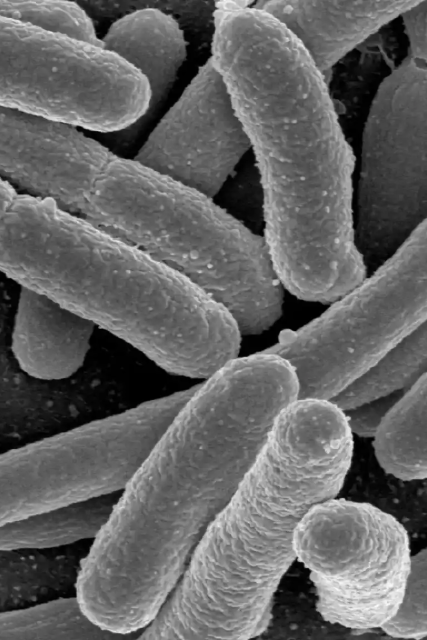
Microbial activity, on the other hand—let alone its domestication at the hands of humans—is harder to spot. Microbes occupy an uneasy place in our imagination, embedded more in the language of sickness, germs and contamination than of co-operation and creation. Unlike plants and animals, microbes are invisible to the naked eye. Our ancestors couldn't see bacteria, yeast or moulds, let alone deliberately choose the ‘best’ ones to breed. So how can we say that microbes were ever domesticated?
The answer lies in one of the world’s oldest human practices: fermentation.
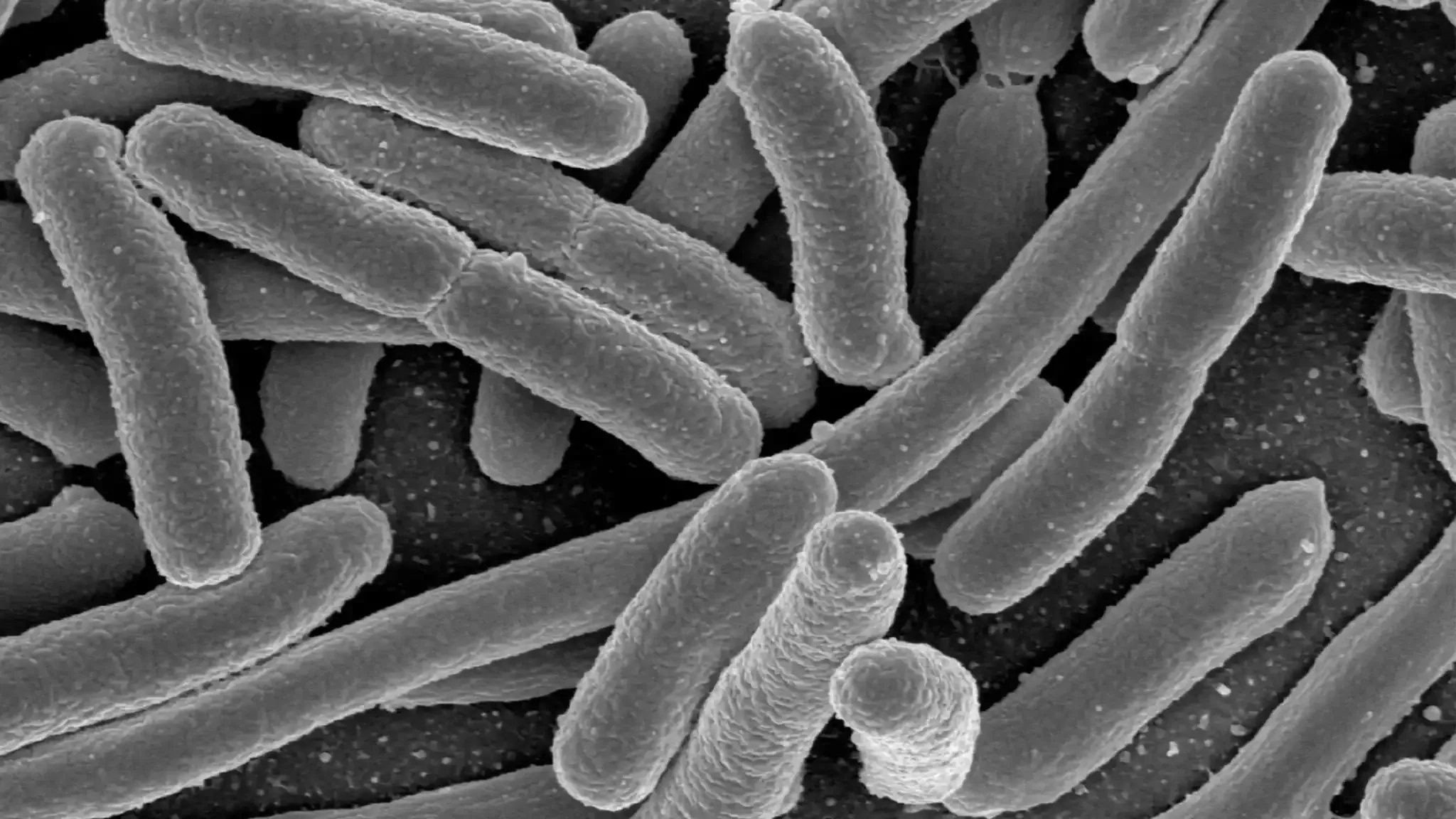
We may intuitively recognise fermentation as the process which makes our dosa batter fluffy, or lends a tangy hit to our pickles. But it is also the primary metabolic activity of the human gut microbiome! At any given time, nearly 40 trillion bacterial cells are busy fermenting within our bodies. The products of this process (nutrients, lactate, energy, short-chain fatty acids, among others) nourish our cells, regulate our immune systems, and protect our tissues.
So deep was the human fascination with fermentation that we actively sought to incorporate it within our culinary practices. This domestication process was rather unusual, occurring not by selecting individual organisms, but by repeatedly recreating the environments in which certain microbes thrived. We cannot see bacteria, yeasts or moulds as they transform milk into yoghurt, dough into bread or soybeans into miso. Every pot of milk left to sour, every batch of fermented rice, every loaf begun with yesterday's dough starter favoured some microbes over others, forging one of humanity's oldest—and most invisible—relationships.
So who really domesticated whom? Is there any hierarchy at play in this relationship at all?
This domestication process was rather unusual, occurring not by selecting individual organisms, but by repeatedly recreating the environments in which certain microbes thrived.
Travelling companions
“Most of the strains of bacteria that make up the human gut microbiome have been with us for more than 1,00,000 years,” says archaeologist and culinary anthropologist Dr. Kurush F. Dalal. When the first humans migrated from Africa about 60,000-70,000 years ago, and when they fanned across the globe in different terrains, they diversified genetically—and so did the microbial strains in their bodies. In other words, hundreds of generations of humans and microbes have co-diversified together, keeping each other company in the journey of evolution. Many of these became dependent on their host environment (aka the human body). They shed genes not required outside the gut and became sensitive to sudden changes in oxygen and temperature.
Culinary fermentation was simply an extension of an already intimate partnership we had shared with microbes inside our body.
History suggests that our animal ancestors and other creatures had already tapped into the nutritional properties (and deliciousness) of fermented foods. Ethanol—which is present in the alcohols consumed today, like beer and wine—occurs naturally when yeast grows in fruits, saps, or nectars. And so, many of our predecessors encountered it everyday in the wet, wild jungle. Several species of extant apes and chimpanzees knocked fruit off the branches, and returned to them once they had reached their boozy afterlife. Tree shrews spent many hours feasting on the naturally fermented nectar of the bertam palm while pollinating it.
The ADH4 gene, which has a much greater propensity for metabolising ethanol (up to 40 times more), evolved in the last common ancestors of humans, apes, and chimpanzees, over 10 million years ago. This was before humans diverged from other African apes, and therefore, much before fermenting technologies like brewing were invented. Because of genes like these, humans developed a greater tolerance to fermenting bacteria and their by-products. This proved especially useful as we moved towards more open grasslands and terrestrial environments, where we were more likely to be exposed to fallen fruit, which had a higher percentage of ethanol than those still on trees.
The presence of ethanol-metabolising enzymes in our bodies (like the ADH4 gene) largely boosted our chances of survival and gave us an edge during ecological upheaval and climate change-driven alterations in habitat. By the time we intentionally started fermenting our alcohols, our bodies had naturally been processing ethanol for years. We were well-adapted and ready to party!
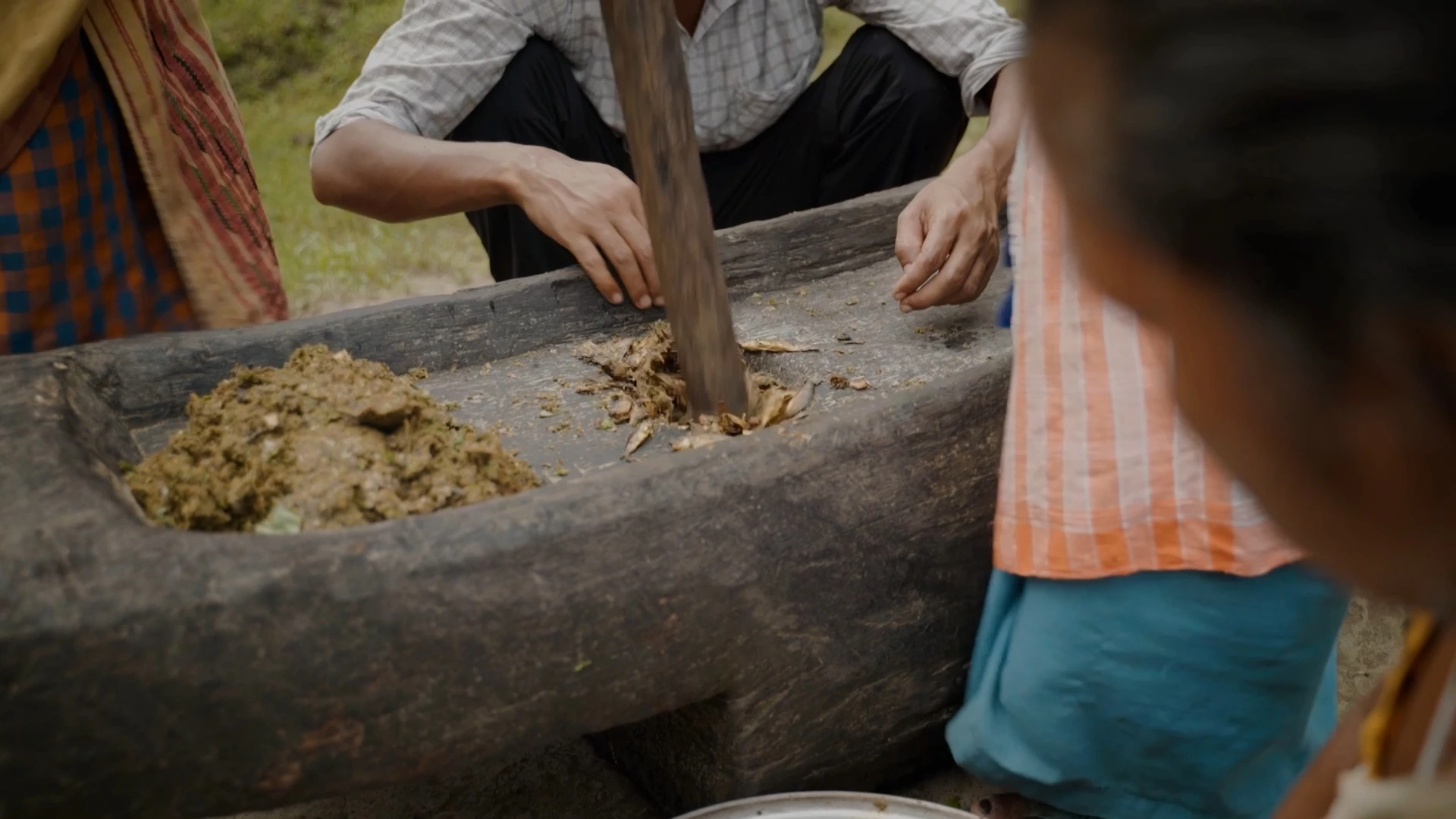
Just as microbes inside our bodies were already fermenting our food, microbes outside our bodies were transforming the foods around us. As humans moved into terrestrial lands, fermentation also became valued because of its ability to externally ‘predigest foods.’ Fermentation broke down the tough mesocarps of certain fruits (the thick, fleshy edible layer) and reduced secondary plant compounds such as tannins and saponins, making them safer and easier to digest. Humans eventually travelled to grassier territories, which were plentiful in underground tubers. Environmental fermentation broke down the tough starches and fibres present in these, enabling us to keep expanding our dietary niche even through harsh climatic transitions.
Long before humans understood the microbial process inside our bodies or learned to ferment, they were already benefitting from fermentation naturally occurring in the environment, incorporating these fermented ingredients/items into their diet. Culinary fermentation was simply an extension of an already intimate partnership we had shared with microbes inside our body.
Also read: Crop domestication: A brief history of how humans made plants edible
Early experiments
Fermenting bacteria (single-celled organisms that break down sugars or energy in the absence of oxygen) are thought to have emerged relatively early from the primordial prebiotic soup, before the atmosphere had a sufficient concentration of oxygen to support or enable the evolution of aerobic life-forms like mammals. For many million years, bacteria were Earth’s first and only inhabitants. According to biologist Lynn Margulis, the evolution of complex life was driven not just by competition but by cooperation. Her research suggests that symbiotic relationships between fermenting bacteria and other primitive single-celled organisms became so deeply intertwined that they evolved into the first eukaryotic cells, from which plants, animals and fungi eventually emerged.
We did not ‘invent’ fermentation—rather fermentation created and sustained human life. The ferments, in spontaneously occurring forms, predate our consciousness. Humans eventually learned to nurture these invisible microbial partners, making fermented foods the outcome of a shared evolutionary history rather than a unilinear domestication. Today, nearly a third of all the food that is consumed globally, across cultures, are ferments!
Fermentation predates empires and supply chains. It includes delicate processes which have been perfected and transmitted over generations, and whose traditional custodians have been women and indigenous communities. Fermented products, at heart, contain a sea of microbial diversity. While humans have found ways to standardise and bottle many of them by introducing lab strains in precise industrial environments, this often requires narrowing that diversity into predictable microbial cultures. Left to themselves, ferments resist being easily standardised, labelled and transported. They demand care and time—and a relinquishing of complete control.
We did not ‘invent’ fermentation—rather fermentation created and sustained human life.
A Swedish Mesolithic settlement is the earliest known evidence of fermentation being deliberately used to preserve food, says Dr. Dalal. While excavating a 9,200-year-old Mesolithic site in southern Sweden, archaeologists encountered an unusually dense layer of fragile fish bones (which would otherwise normally decompose long before they can enter the archaeological record). Sifting the soil through fine mesh, they recovered tens of thousands of bones along with fragments of pine bark. Clues suggested that the fish had been wrapped in pine bark and seal fat, and buried to ferment.
Early fermentation was likely a process of trial and error. As humans became agro-pastoralists and settled down, new questions arose. How was surplus food to be stored so that it could tide communities over during harsh seasons of scarcity? Seeds, grain and fruit possibly changed during conditions of moisture; fruits, grain and vegetables at times decomposed, at times soured and transformed in different environments of heat, cold and compression, and meat and fish fared differently and lasted longer based on dampness and salinity. Foods changed colour and smell, which our ancestors were likely puzzled by; they experimented with what lasted longer and tasted better in this hitherto unknown, liminal space between freshness and rot. Communities gradually learned that some transformations which looked like spoilage were, in fact, preservation. Pacific Islanders fermented surplus breadfruit in underground pits so it could sustain villages through lean seasons, while in Iceland, generations later, people learned to ferment toxic shark into an edible—if notoriously pungent—food. Thus, Neolithic humans were harnessing the metabolic capacities of certain bacteria, yeasts and moulds in an effort to control the digestibility, palatability, and longevity of their newly abundant foods—not fresh but safe to eat, not just tasty but sustainable.
Communities gradually learned that some transformations which looked like spoilage were, in fact, preservation.
Fermentation also shaped the technologies around it. Microbes inhabit the earthen pots, wooden barrels, bamboo baskets and cheese caves in which ferments are made. “Some of the earliest fermentation likely happened in natural depressions in cave floors, before pottery became widespread. Once clay vessels appeared, they offered more than just storage: porous walls that regulated moisture and oxygen exchange,” says Dr. Dalal. This is why the same recipe can produce different flavours in different homes, and why traditional fermenters often resist sterilising their equipment. Pottery also likely gave us different mediums to play with the knobs of fermentation—how varying levels of oxygen, compression, time and porosity could change the ferment. "A good fermentation vessel has to be porous—but not too porous. After the first batch, you don't need to keep adding the starter. Enough bacteria remain inside the microscopic pores of the vessel itself to inoculate every subsequent batch," he adds.
Also read: For Assam’s Mising community, this fish paste represents tradition, food security
Takes two to tang-o
Microbes have repeatedly demonstrated that they resist being ‘domesticated’ in a straightforward way, or being bred through a simple act of selection. We didn’t engineer microbes directly, but repeatedly created specific environments which would favour the growth of different strains. For instance, wild Lactobacillus species, a form of which we now associate with turning milk into curd and cheese, wasn’t always a dairy specialist. Lactic acid bacteria naturally existed in the soil and on plants. Fresh milk, once milked from cows, was a highly perishable food. People stored milk in containers made from the stomachs of young ruminants (goats, sheep, calves). These stomachs naturally contain rennet, an enzyme whose biological function is to help young animals digest milk.
When fresh milk sat inside these stomach bags, rennet coagulated the milk proteins, naturally occurring lactic acid bacteria (LAB) fermented lactose into lactic acid, and the milk separated into curds and whey.
Once people discovered that the curds lasted much longer than fresh milk and were easier to transport, they began recreating this ecosystem. Every day, they milked cows, stored the milk in vats, and saved some portion of the yoghurt or cheese to inoculate the next batch. Milk was a remarkably stable habitat, containing only lactose, proteins and fats, as compared to the complex cellulose, diverse sugars, and nutrients found in plants. Eventually, LAB became so specialised that traces of their plant-dwelling ancestry remain only as pseudogenes (broken genes) in their genomes.
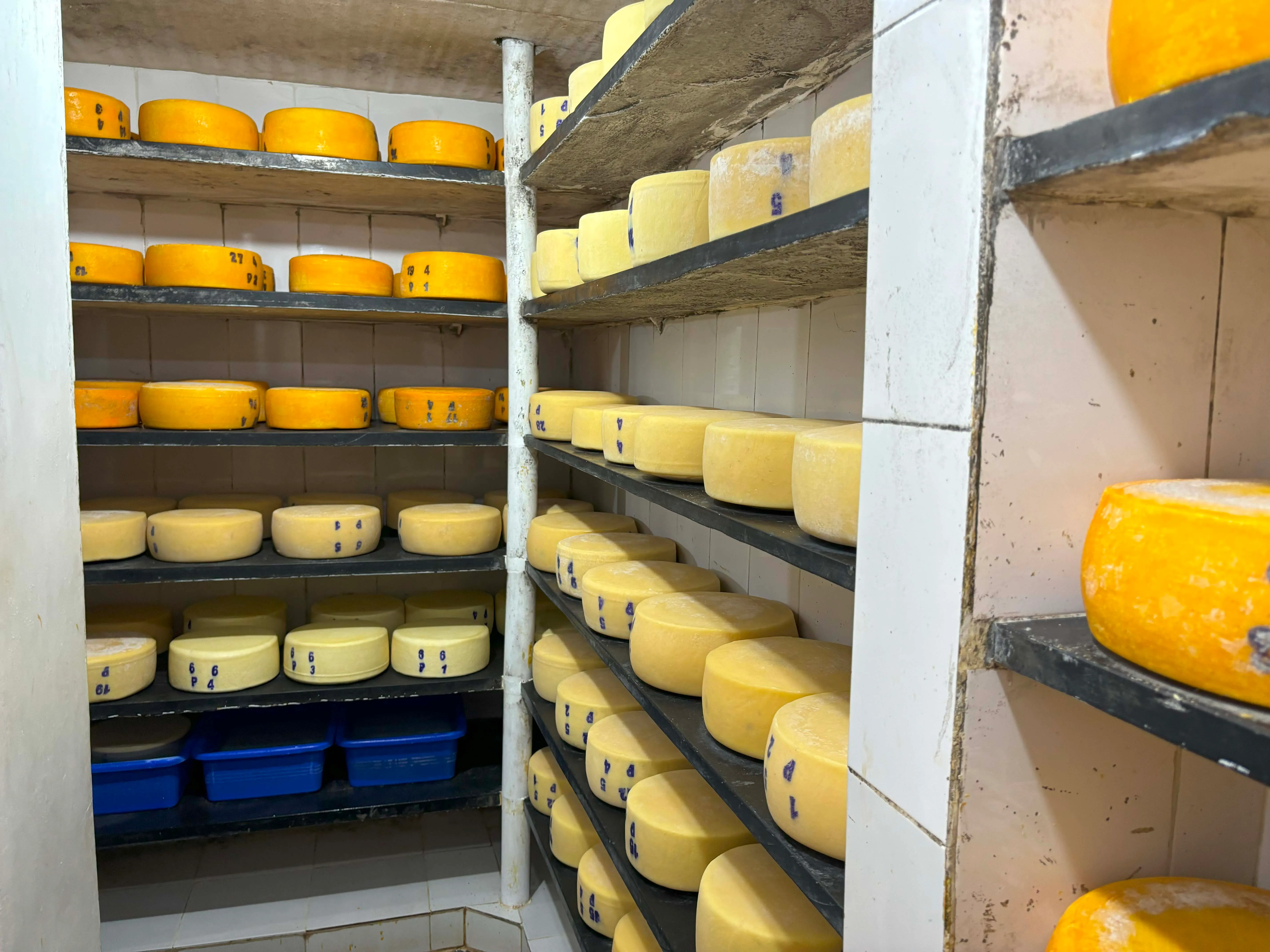
Cheese moulds followed a similar journey. The ancestor of the white mould that gives camembert and brie their snowy rind once grew on decaying plants and spoiled food. By repeatedly choosing moulds that spread quickly, formed an even white rind and produced better-tasting cheese, cheesemakers unknowingly reshaped the fungus over centuries. The result was Penicillium camemberti—a domesticated mould that produces fewer toxins, has much less genetic diversity, and is now so specialised for growing on cheese that it struggles to survive in the wild. The koji mould, which ferments sake, miso and soy, evolved from the wild fungus Aspergillus flavus, a crop pest capable of producing dangerous aflatoxins. By repeatedly selecting strains that worked well with yeast and efficiently broke down starch into sugars, sake brewers transformed it into Aspergillus oryzae—a safer mould that is highly specialised for fermentation and co-exists with yeasts.
Also read: The secret lives of fungi: The forest’s invisible architects of survival
A chicken and egg situation
Microbes took their own sweet time (literally, as they broke down sugars) to play and marinate leisurely in the ferments, keeping us constantly guessing. These processes evolved and became more fine-tuned over thousands of years—a horror that may have driven today’s modern human over the edge.
Backslopping was one of the primary evolutionary engines of fermentation. By saving some portion of a successful ferment and adding it to the next batch, each cycle favoured microbes better adapted to that particular environment—be it milk, alcohol, rice or bread. Over generations, specific environments became safe habitats for microbes gradually being domesticated. This is not unlike the process of saving seeds from a previous harvest to sow during the next season.
Unlike plants and animals, where it is essential to identify progenitors to target preferred genes, the size and diversity of microbes makes domestication much more complex. Humans participated more in ‘ecological selection,’ creating stable environments (with much lesser competition) with similar temperatures, moisture levels, ingredients and vessels. These in turn would select microbes that would thrive, and nudge them to shed some genes and take on others, becoming more human-friendly in the process.
Fermented foods are highly nutritious and have immense health benefits, especially for the gut and immune system. Today's diets, primed by technological interventions, are disrupting that partnership. A starter culture which may vary with each household is now relegated to being grown in a laboratory, and produced in factories. Fermentation knowledge, traditionally held by indigenous communities, as sacred as a family cookbook, has been co-opted by multinational companies, bottled, labelled and sold under ‘superfood,’and ‘probiotic’ labels.
To ferment your own food is to lodge a protest of the senses against the homogenisation of flavours and food experiences.
We are shifting away from a diet which prioritises eating local and in harmony with nature to a dependence on a fragile global infrastructure of monocultures, homogeneity and synthetic chemicals. "Processed foods tend to be low in fibre and high in sugars, unhealthy fats and additives," says Dr. Dalal. "As a result, we now have fewer microbial species and less diversity overall."
To soak in the world of ferments then, is to return to the interconnected world of humans and microbes. To ferment your own food is to lodge a protest of the senses against the homogenisation of flavours and food experiences. It is also a declaration in an economy that would much prefer we were all passive consumers of its commodities, rather than creators of unique products expressive of ourselves and the places where we live.
The question of who serves whom, then, actually serves no one. Are the acidifying bacteria in milk or the yeasts in grapes bending to our will, or are we doing their bidding by creating the specialised environments in which they can proliferate so wildly? As Dr. Dalal says, the story of human civilisation and microbial evolution is intensely symbiotic. We are participants in interdependent evolutionary stories that sustain each other—with creatures that came much before us who continue to keep us alive, and will be fermenting our bodies even in death’s wake.
Dr. Kurush Dalal delivered a talk titled 'Origins: Archaeology of Fermentation' at the Desi Cultures 2.0 festival, held on 18–26 July, 2026.
{{quiz}}


.avif)
Explore other topics
References