Kiwi cultivation calls for patience. This Nagaland farmer took up the challenge
In Ngupetso Kapfo’s orchard, time and seasons determine when fruit is ready for harvest


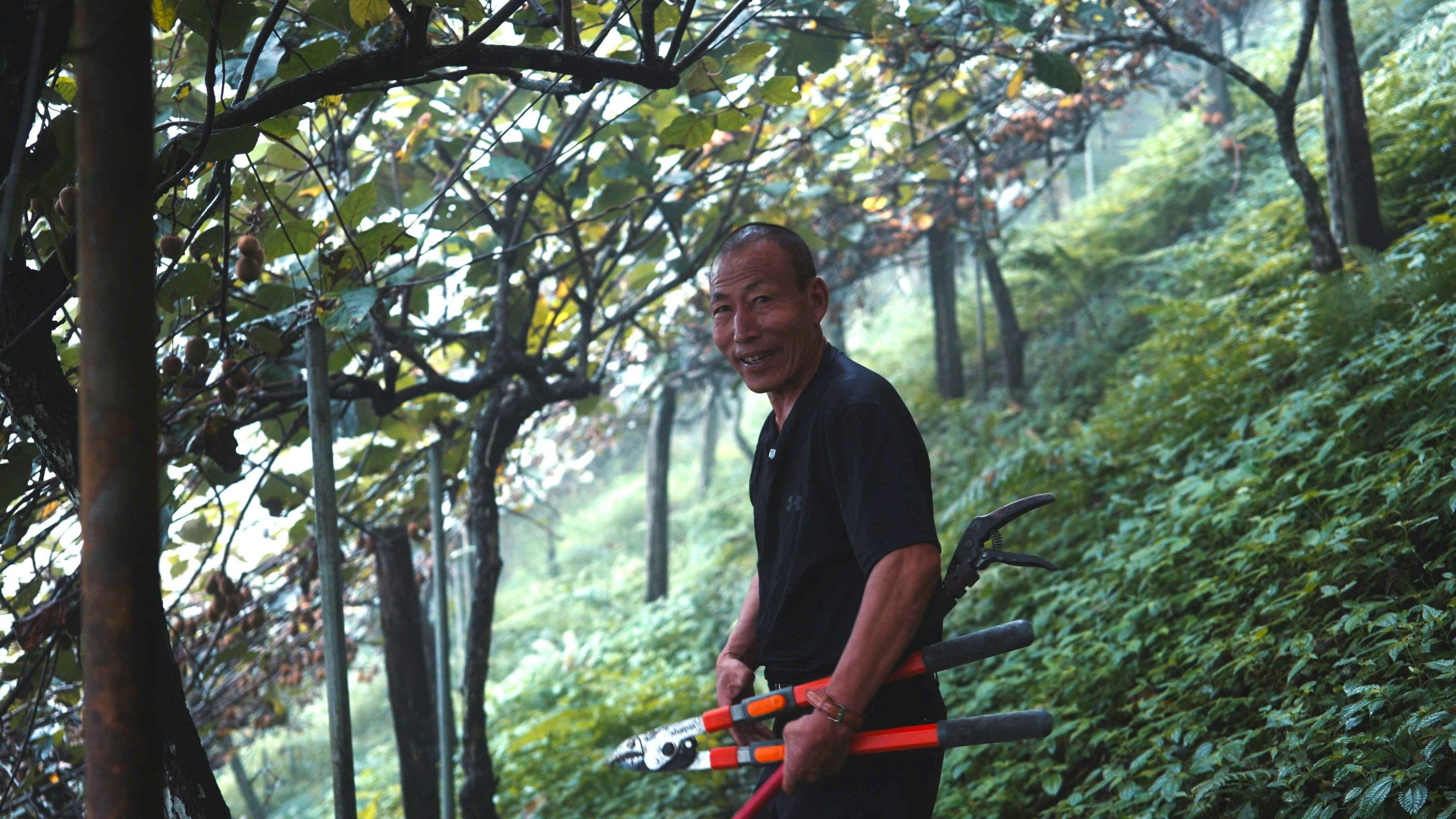
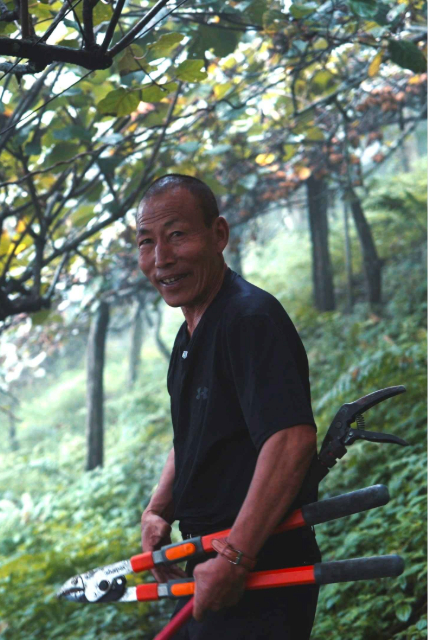
Ngupetso Kapfo has worn many hats over his lifetime—government servant, carpenter, timber merchant. But none lasted long enough to feel familiar and instinctive. The work was steady, sometimes profitable, but it stirred a restlessness in him that did not leave him. The timber business felt neither economically nor ecologically sustainable, taking more from the hills than it returned. At that crossroads of his life, he turned uphill, to the mist.
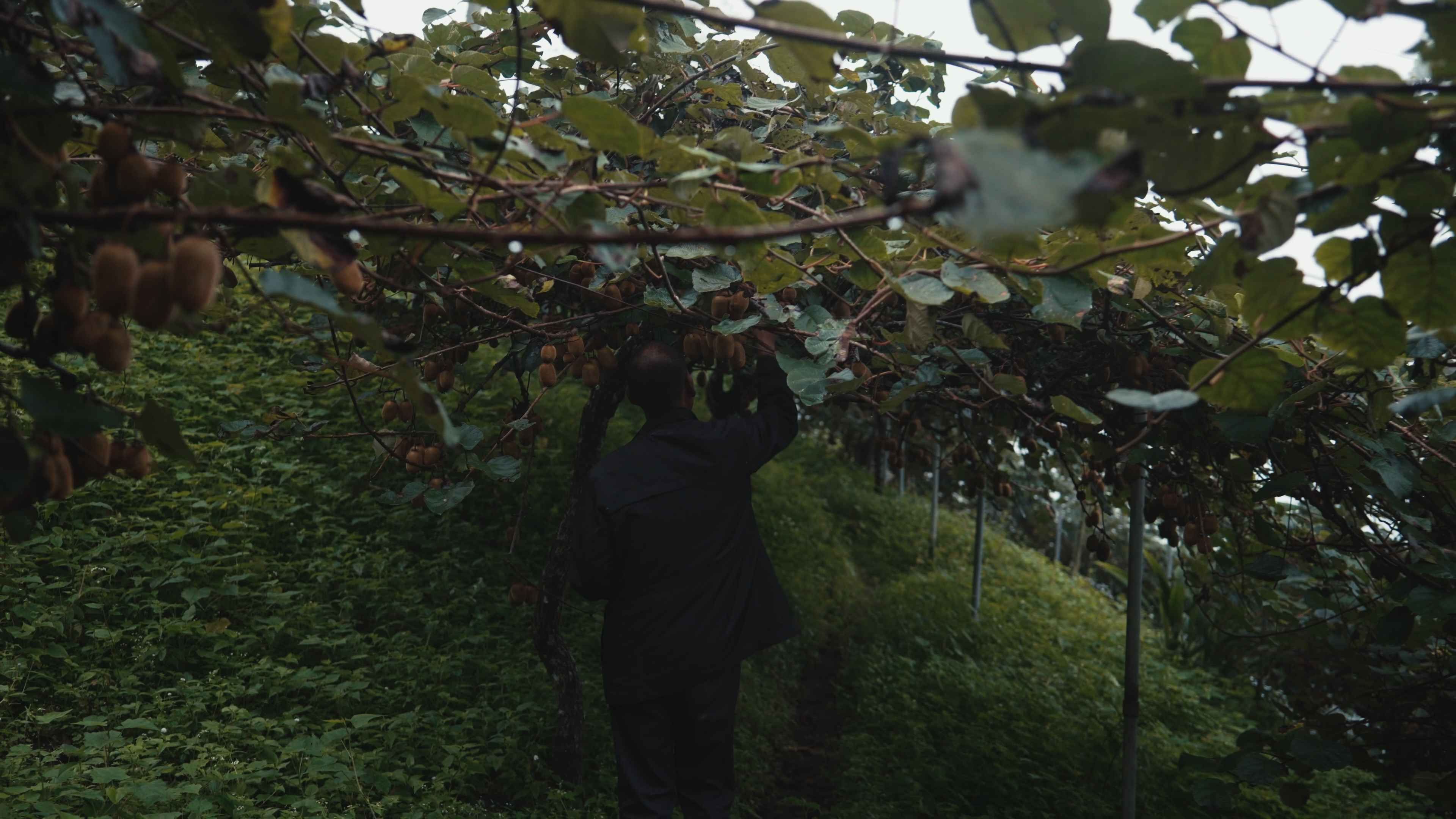
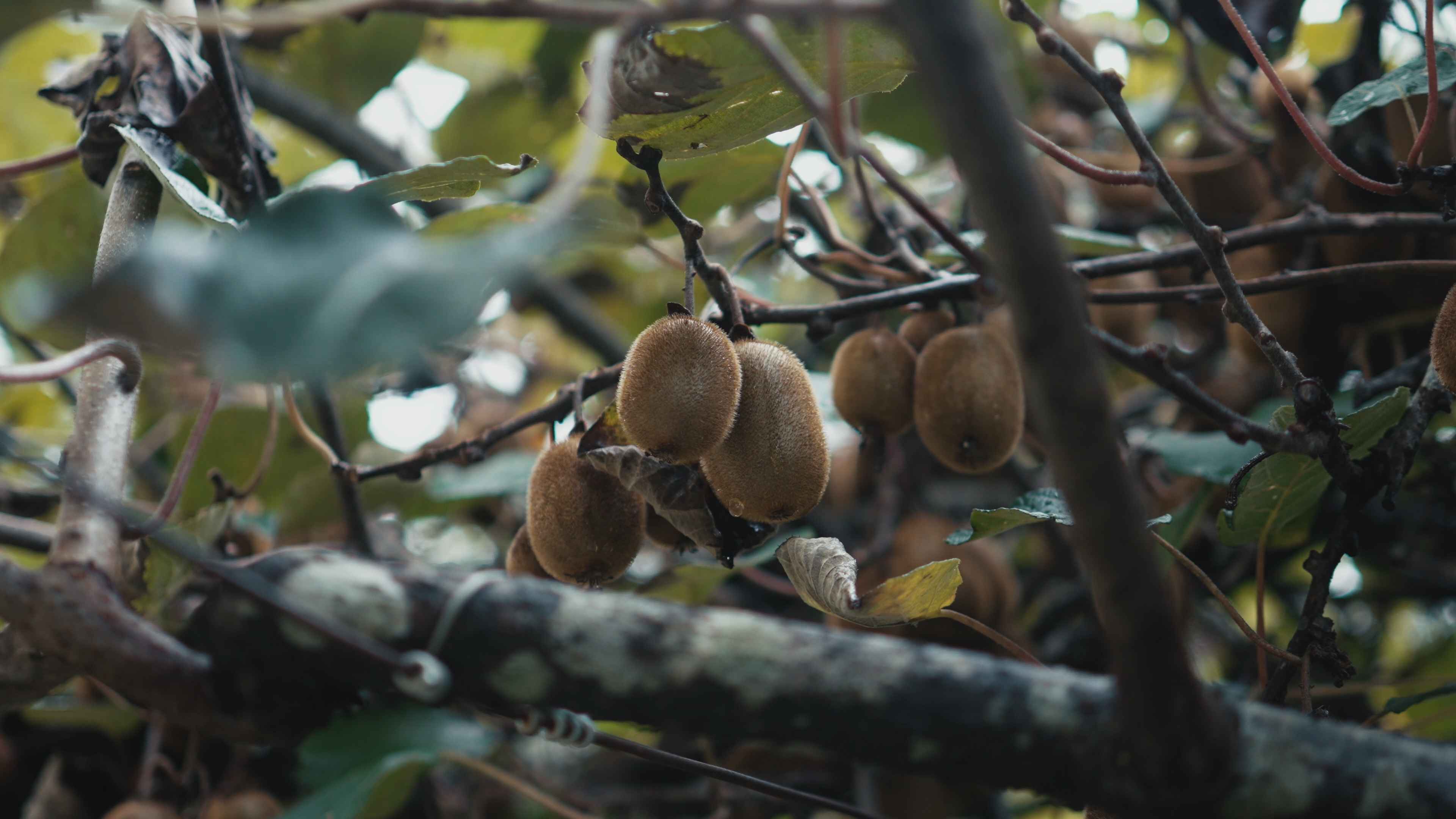
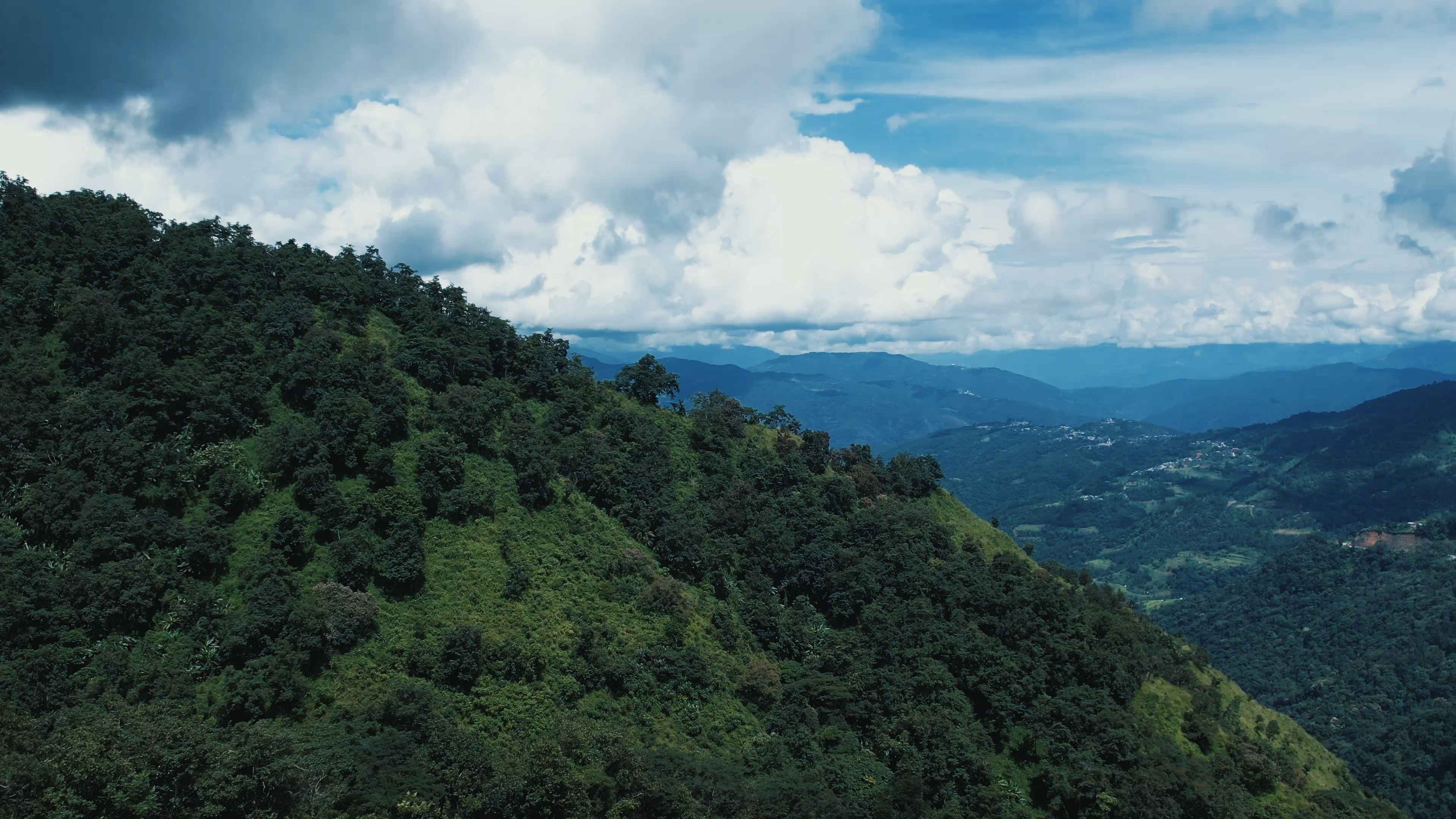
Today, his kiwi orchard has grown to over a thousand trees and is two decades old. It grows on the slopes of Phek district in Nagaland, where clouds sit low and the air stays cool—producing around 75,000 kg of fruit every seas “Kiwis need the mist to grow,” he says simply. The fruit needs these high altitudes, cold winters, and slow seasons. It is here, among curling vines, that Kapfo found steadiness, and something close to joy.
Also read: No monkeying around on this kiwi farm
Mastering the fruit and the slope
Kapfo’s first encounter with kiwi came at the Pfutsero Horticulture Farm, not far from Phek, where he learnt about both the promise that the fruit held and the discipline it demands. “In 2007, I planted my first hundred saplings, beginning from the top of the slope and working my way down,” Kapfo says. He gradually expanded the orchard each year and the land revealed its rhythms to him.
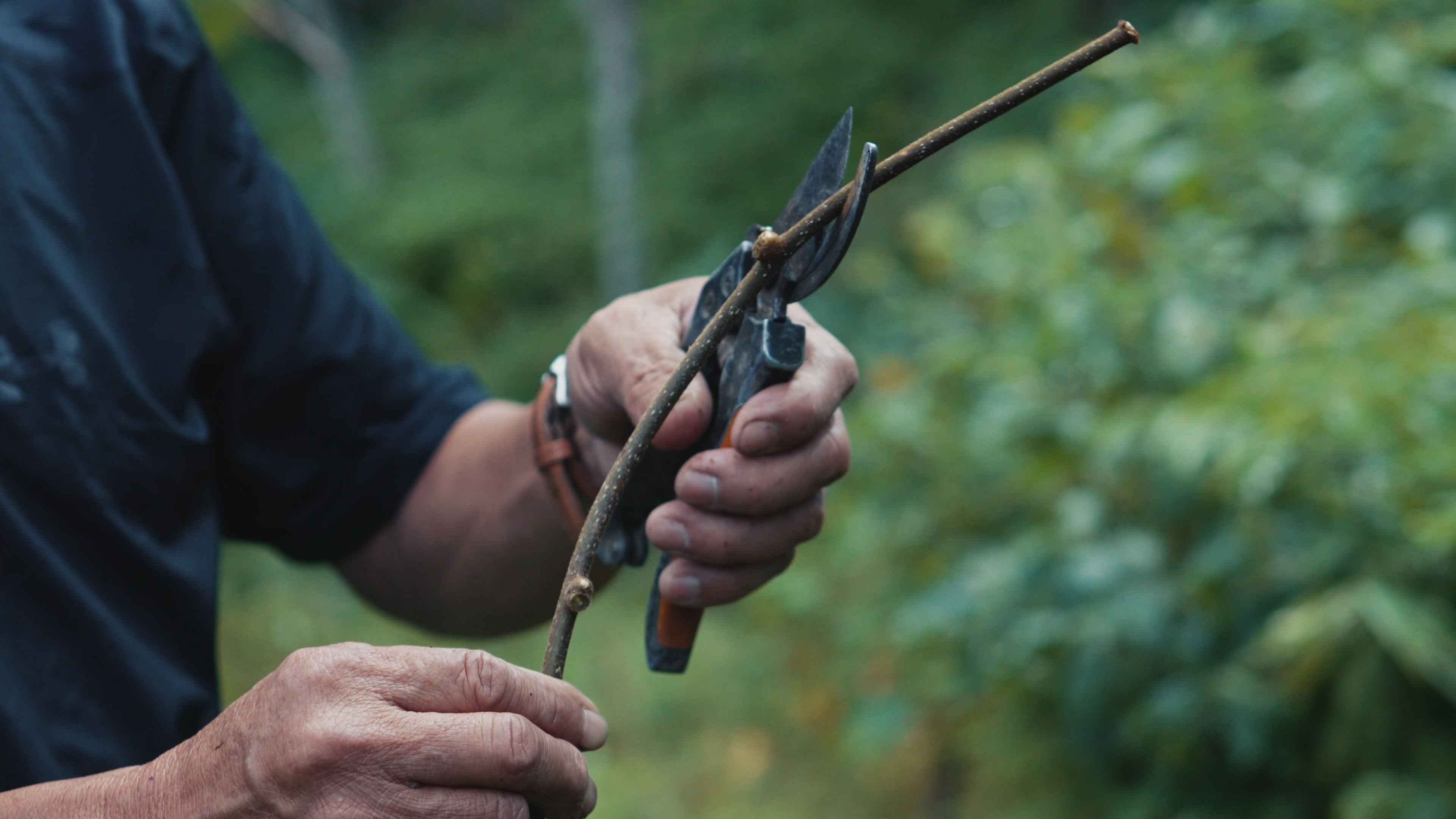
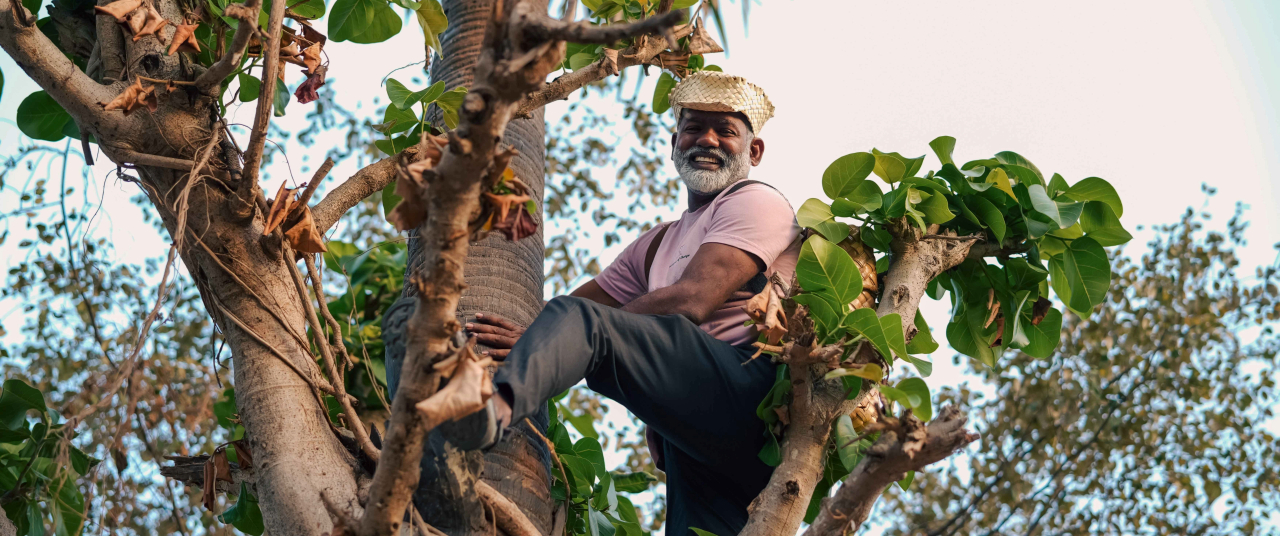
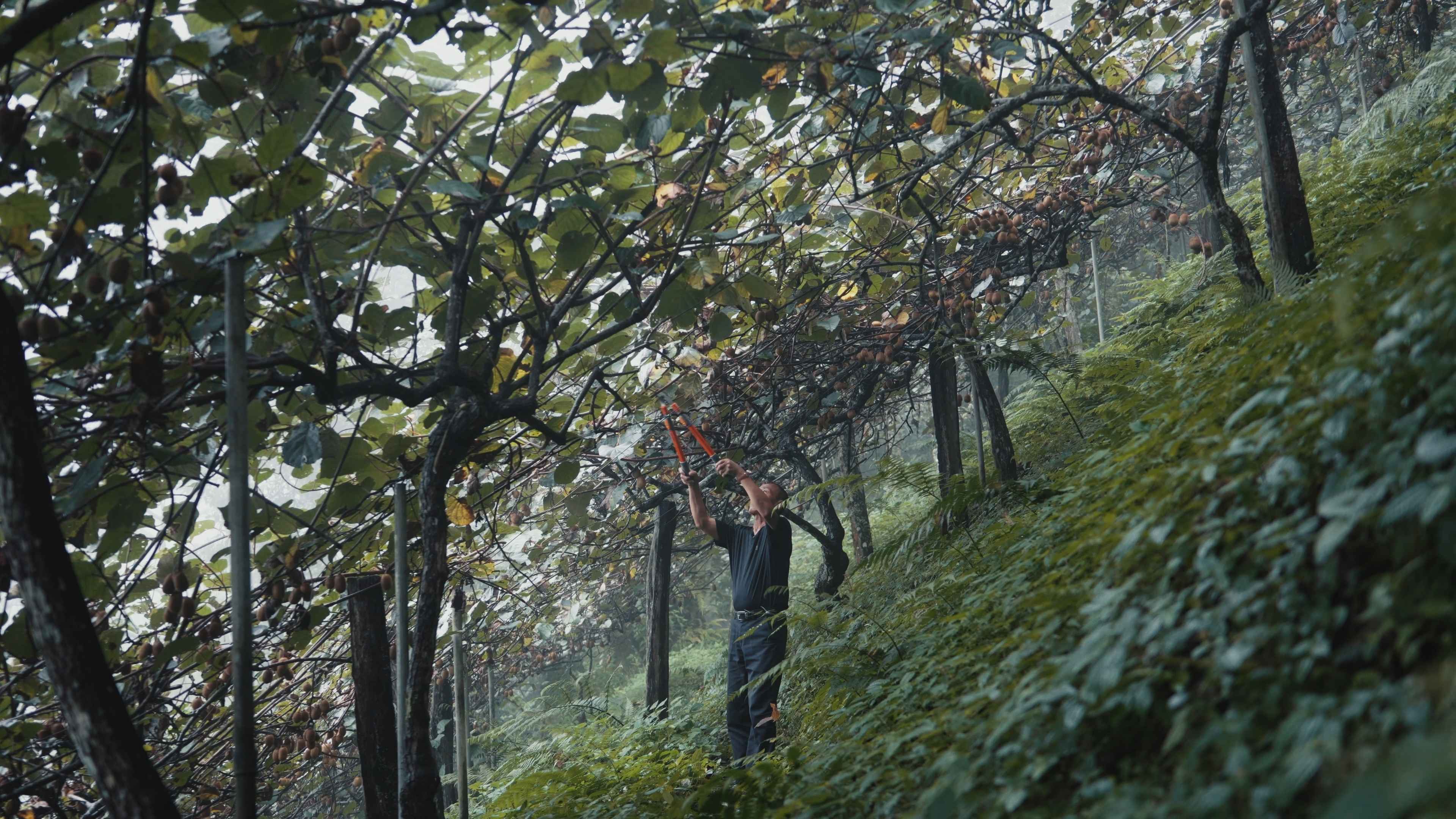
Much of that rhythm is shaped by pruning. “Pruning is one of the most important parts of ensuring a healthy yield,” he says. In summer, Kapfo trims the excess leaves and branches so that sunlight and air can circulate freely through the trees. In winter, the cuts are more deliberate. They help train the tree’s structure, spacing out branches and directing the plant’s stored energy toward timely flowering and better-quality fruit—especially important in Phek’s cold, short growing seasons. Years of working with wood have contributed to Kapfo’s intimate understanding of the trees; his arms move robustly and the light ‘dhak-dhaks’ of the shears echo in the hills.
Nothing here is wasted—weeded plants, pruned branches, and organic matter are all used to build soil fertility.
From the beginning, Kapfo chose to farm organically. An NGO trained him in better soil practices, teaching him vermicomposting and ways to return all of the field’s produce into the earth. Nothing here is wasted—weeded plants, pruned branches, and organic matter are all used to build soil fertility. He also uses makhruvu, a locally found plant ground and mixed with water, to nourish the vines and keep pests at bay.
“Fertiliser is slow poison for men,” Kapfo says. “It may offer short-term gains, but it harms the soil, the farmer applying it, and the people who eat the food.” Organic farming, for him, is a way of staying true to all three. This circularity is aligned with Kapfo’s practised belief of mindful living . His orchard is now certified organic by the Nagaland State Horticulture Department.
Also read: How lemon groves turned Manipur’s Kachai into a citrus empire
{{marquee}}
Growing with the times
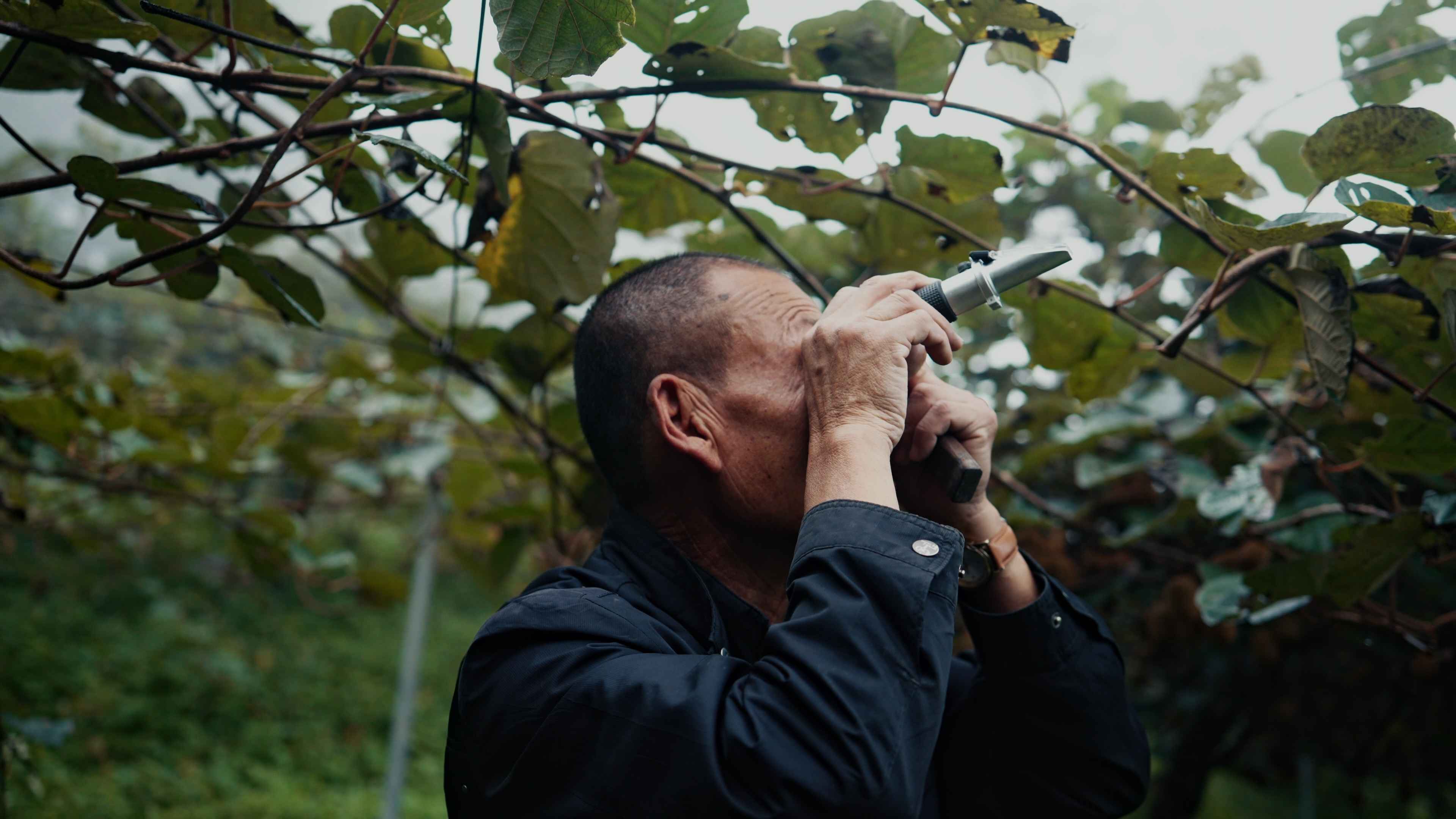
Earlier, Kapfo harvested the fruit by following his experience and instinct. Now, he carries a small but telling tool: a hand refractometer. He slices a kiwi, rubs a drop of juice onto the lens, holds it up to the light, and checks the sugar levels. If the reading is low, the fruit isn’t ripe enough. It stays on the tree.
In these hills, modern tools are not replacing traditional wisdom; they are sharpening it. Precision becomes a way to protect quality without chemicals.
He also demonstrates his grafting process. “I cut a two-knot branch to act as the scion [the desired portion to be grafted]. Don’t slice too close to the soil.” He makes incisions on the rootstock [the bottom portion of a grafted plant] and the branch—“Join it with tape and make sure to align both sides carefully so that the tree grows upright,” Kapfo adds.
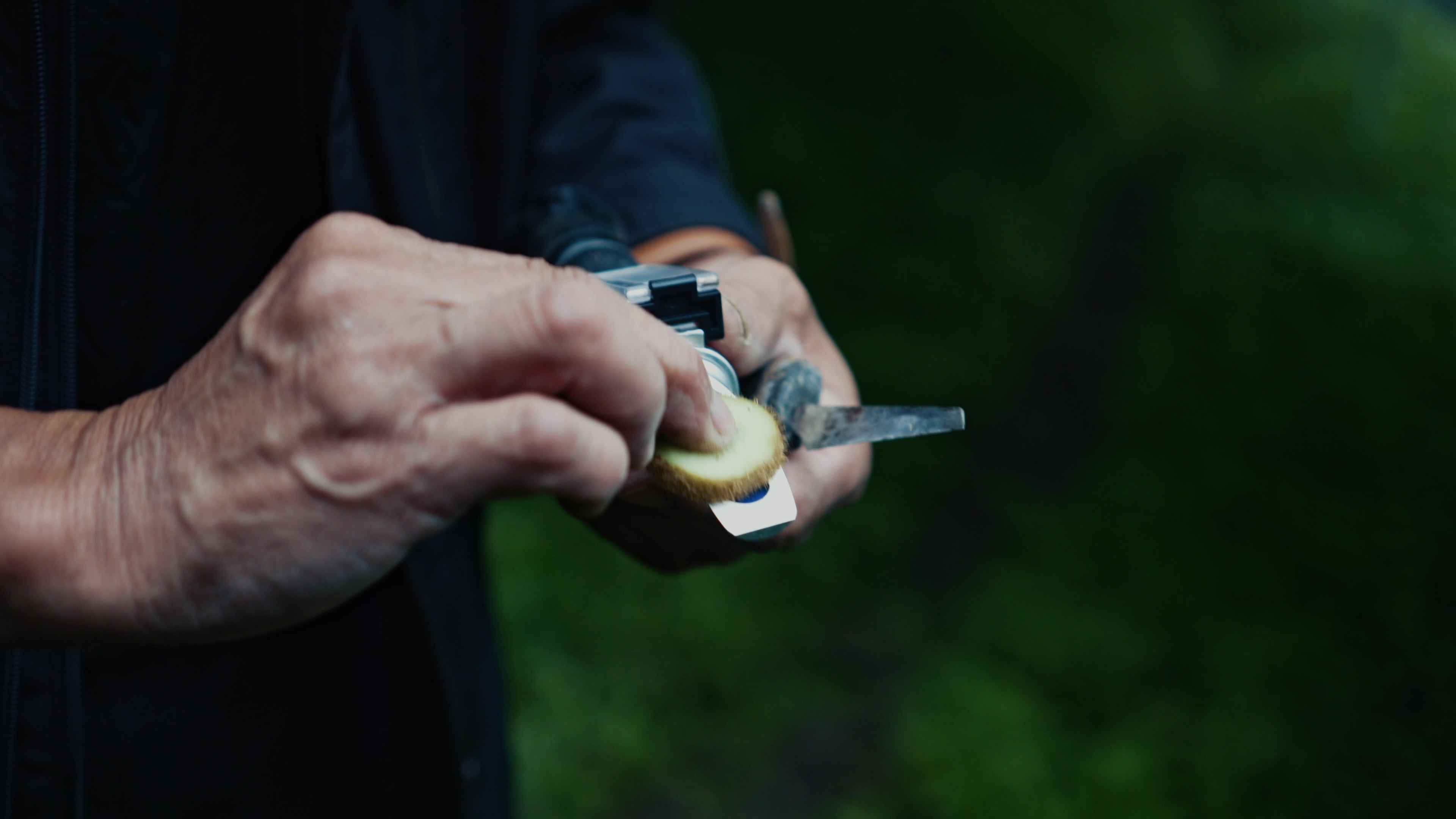
He slices a kiwi, rubs a drop of juice onto the lens of the refractometer, holds it up to the light, and checks the sugar levels.
A fruit in demand, a hill still waiting
Kiwi cultivation has grown steadily across India, evolving from a niche segment to a highly desired product because of its nutritional benefits. By 2024, growing health consciousness, greater exposure to global food cultures, and improvements in cold-chain infrastructure had already accelerated kiwi consumption across metropolitan and tier-1 cities. By 2025, the market was valued at ₹54.4 billion. But domestic demand still far outpaces supply. Most kiwis eaten in Indian cities are imported, even as places like Phek offer the ideal conditions for their cultivation: high altitude, cool temperatures, and heavy rainfall.
Nagaland’s kiwi story began in villages like Thepfume and Thipuzu, with varieties such as Hayward and Bruno.The state produced 1650 tonnes of kiwi in 2023-24. Yet farmers continue to face challenges and much of the harvest struggles to reach markets efficiently as a result of poor transport, lack of cold storage and small landholdings. What is grown with care often loses value after harvest.
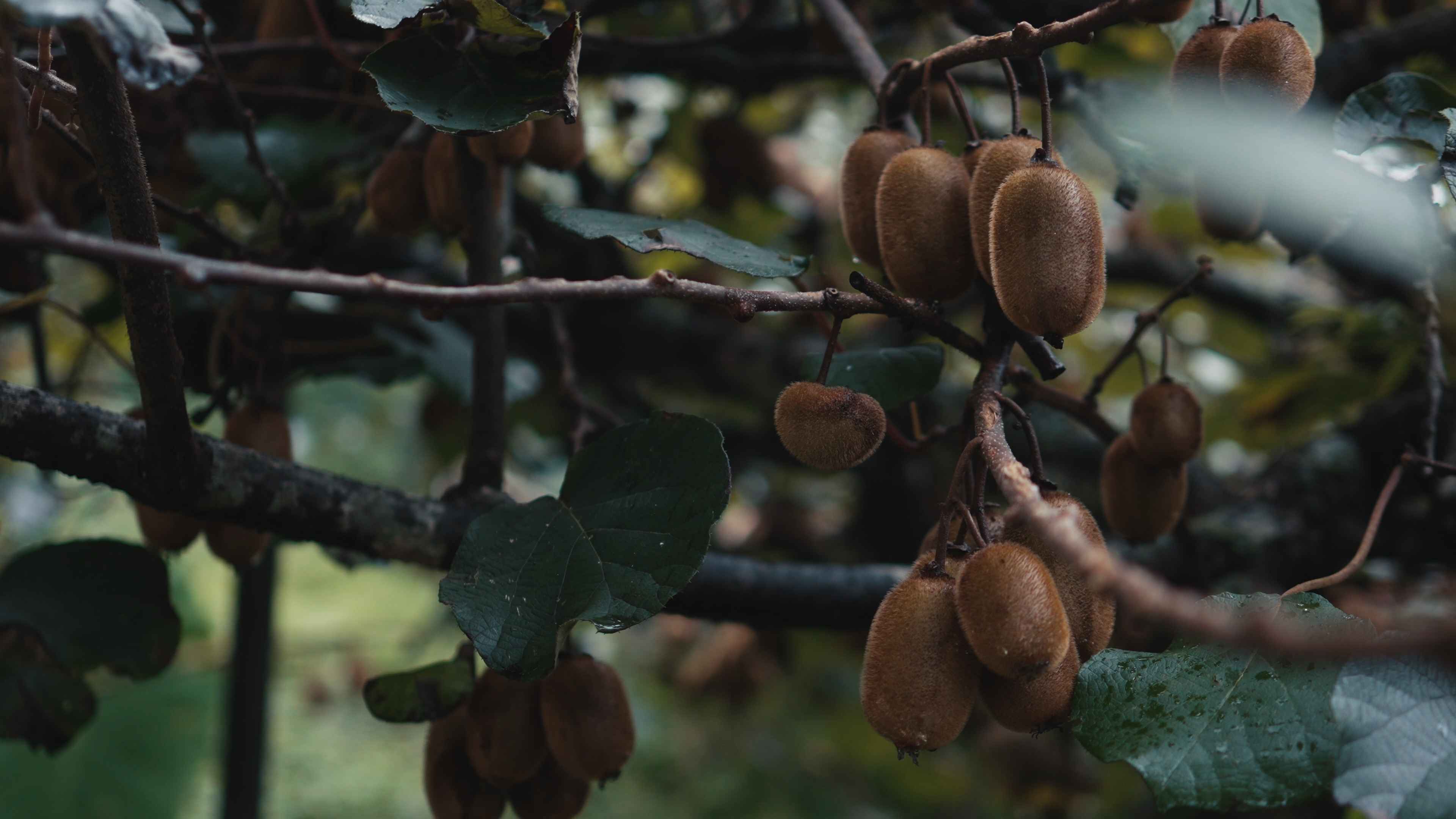
Most kiwis eaten in Indian cities are imported, even as places like Phek offer the ideal conditions for their cultivation: high altitude, cool temperatures, and heavy rainfall.
Recent exchanges with New Zealand—the world’s leading kiwi exporter—have opened up conversations around better orchard management, post-harvest systems, and branding. But for farmers like Kapfo, the future still unfolds one season at a time.
Also read: In Uttarakhand’s Shama, kiwi cultivation has restored faith in agriculture
In his orchard, the vines curl slowly, the mist settles gently, and sweetness is measured drop by drop. Kiwi may be putting Nagaland on the global map, but here in Phek, it is still a deeply meditative act. It is visible in how Ngupetso Kapfo explains his process of growing, pruning, and waiting, and in the way he shuffles around the orchard, attentively tending to every tree. His work is a testament to slower, steadier ways of growing. In these hills, patience is not a virtue. It is the method.



Explore other topics
References

What regions do kiwis grow best in?