
Fish and seasonality: How year-round demand and extraction hurt our seas
Refrigeration, long-distance transport, and export markets make supply chains smoother, creating the illusion that every species should be available year-round


Editor's Note:The planet we inherited as children is not the planet we will someday bid goodbye to. The orchestral call of cicadas in the evenings, the coinciding arrival of the monsoon with the start of the school year, and the predictability of natural cycles—things we thought to be unchanging are now at risk. An altered climate, declining biodiversity and warming oceans aren’t distant realities presented in news headlines; they affect us all in seen and unseen ways. In ‘Converging Currents’, marine conservationist and science communicator Phalguni Ranjan explores how the fine threads connecting people and nature are transforming with a changing planet.
Nature does not understand calendars or supply chains. Animals and plants follow natural rhythms of seasonal–and even daily–changes. For a long time, our traditional food systems reflected this reality.
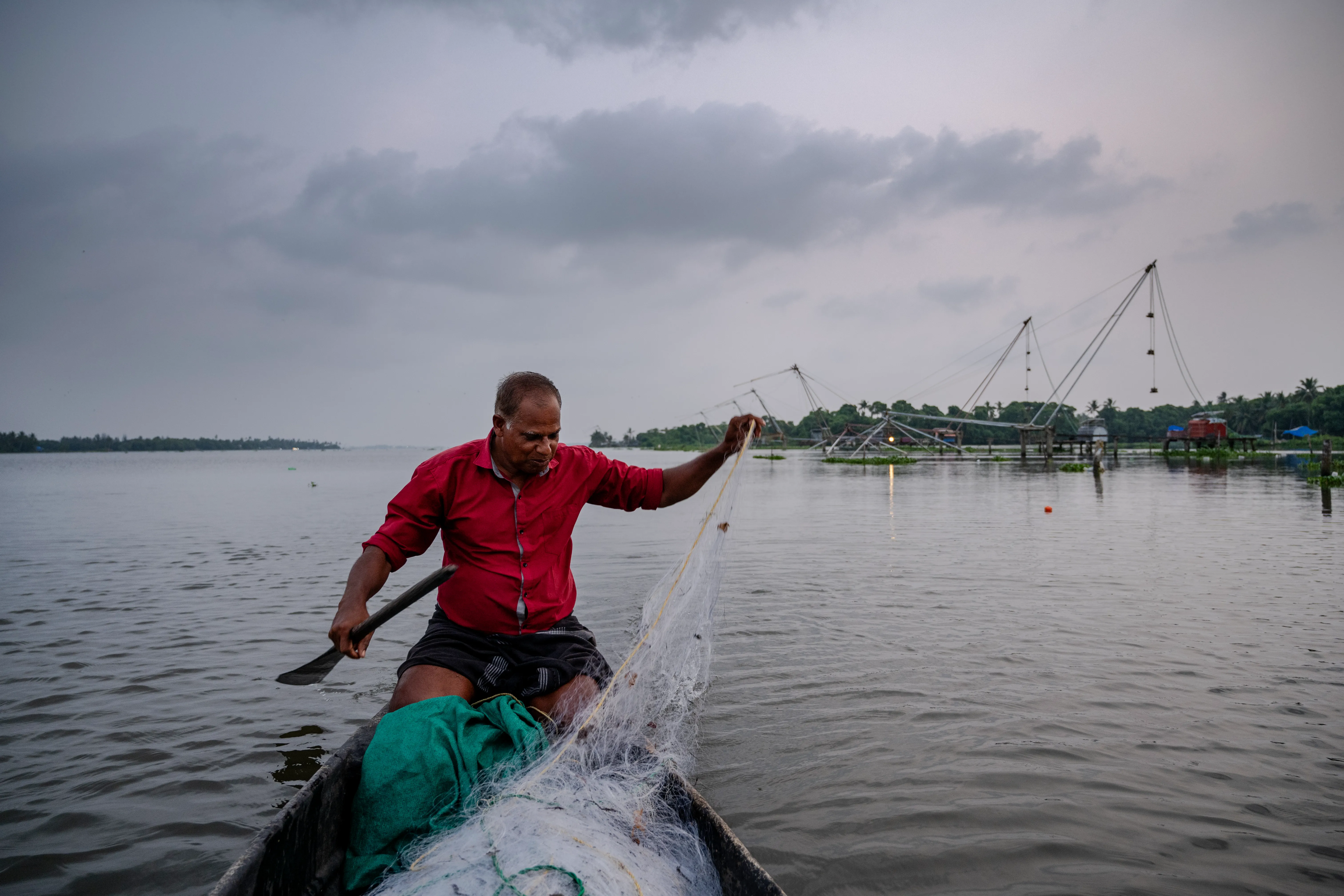
For centuries, coastal fishing communities organised their lives around these seasons. Fishers understood tides, winds, lunar cycles, and changes in fish catch not as scientific concepts, but as lived ecological knowledge. And the plate of the fisher and buyer was defined by it.
Now, most consumers know seafood only as a readily-available commodity, for purchase in fish markets, specialised online stores and quick commerce platforms, rather than a part of a seasonal ecosystem. As seafood becomes further integrated into highly commercialised supply chains, it is becoming easier to forget that seafood is marine life that also follows ecological rhythms. It is not an infinite resource.
What fisherfolk knew
Traditional fishing communities across the world possess a highly sophisticated body of Local and Traditional Ecological Knowledge (LEK/TEK) that has evolved through generations of interacting with marine ecosystems.
Indian fishers, too, demonstrate a detailed understanding of fish behaviour, when and where they are found, ocean currents, tidal and lunar cycles, monsoon dynamics, and weather forecasting based on environmental cues.
For large mechanised trawlers with freezers and strong engines, the concept of ‘enough’ is absent.
Before monsoon bans were introduced, they commonly reduced fishing activity during peak monsoon due to rough sea conditions, the limited capability of non-mechanised and artisanal boats, and seasonal ecological knowledge related to fish breeding and migration.
Periods when the sea was too rough were understood to be times when some fish should be left undisturbed to spawn and recover. This knowledge is still deeply embedded within local fishing practices today.
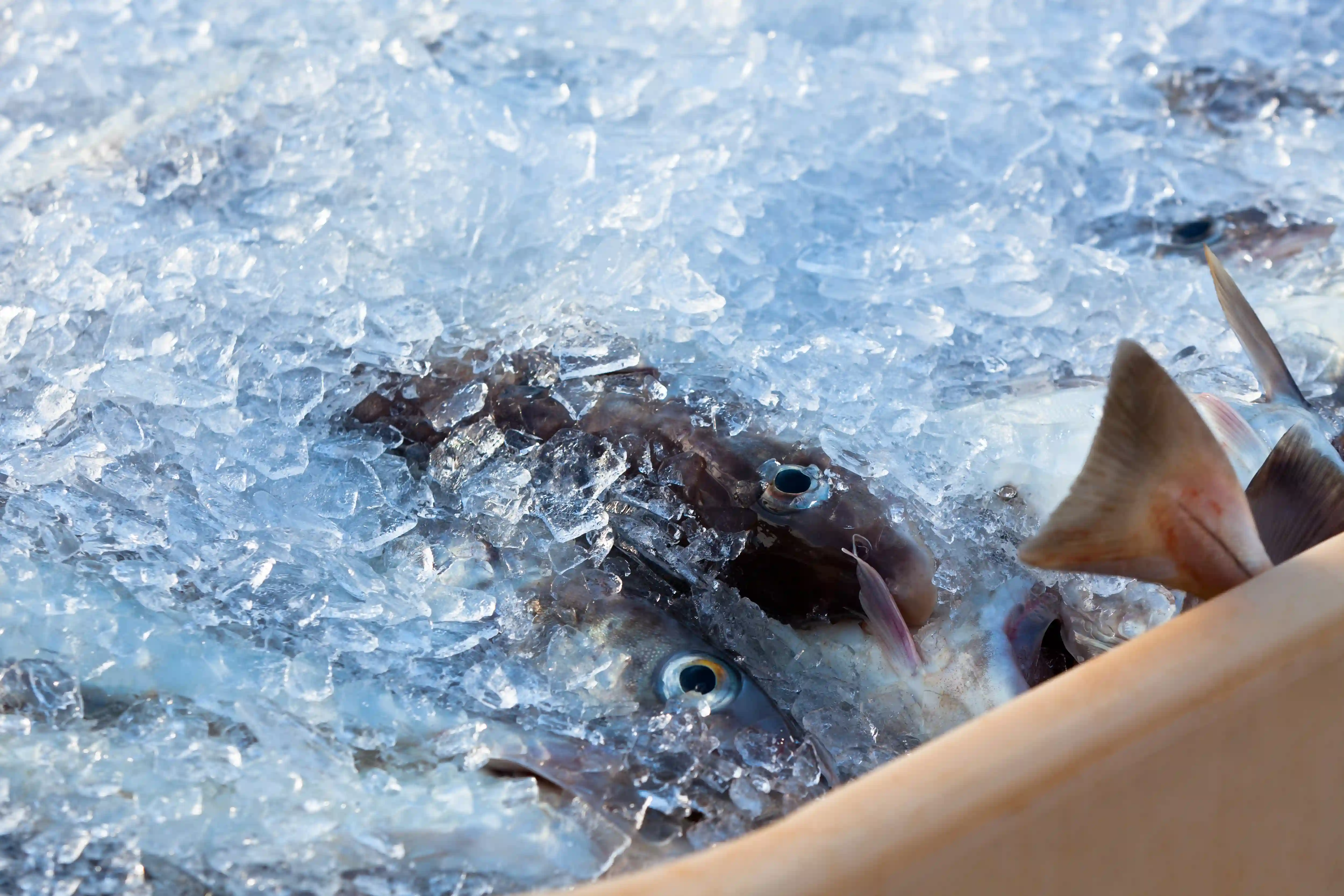
But at large, things have changed in recent decades. Fisher communities have observed long-term changes including irregular monsoons, as well as rising temperatures, rougher seas, shifting fish distribution, vanishing species, and declining catches. They attribute declining fish catches not only to climate change, but also to overfishing. Artisanal boats, typically small, low-capacity ones meant for fishing, were built locally with limited capital investment and technology, to be operated in relatively calm coastal waters. By design, how much fish the average artisanal boat could catch and transport fresh was limited. But for large mechanised trawlers with freezers and strong engines, the concept of ‘enough’ is absent.
Also read: From traditional medicine to global markets, a storm in the humble butterfly pea teacup
Monsoon bans and fish consumption
When natural rhythms are disrupted, fish populations can shift or dwindle. Common examples include tuna, pomfret, sardines, hilsa, Bombay duck, and some shellfish. Breeding cycles can becoming unpredictable. Additionally, some fish may breed less frequently than others, needing more time to replenish populations, contributing to the declining catches consistently reported by fisherfolk.
In this context, seasonal fishing bans have become a fisheries management tool grounded in the principle that fish populations need uninterrupted breeding periods to replenish themselves.
Fishing bans are not new. India introduced monsoon trawl bans beginning in the 1980s, with Kerala pioneering one of the earliest formal seasonal bans in 1988.
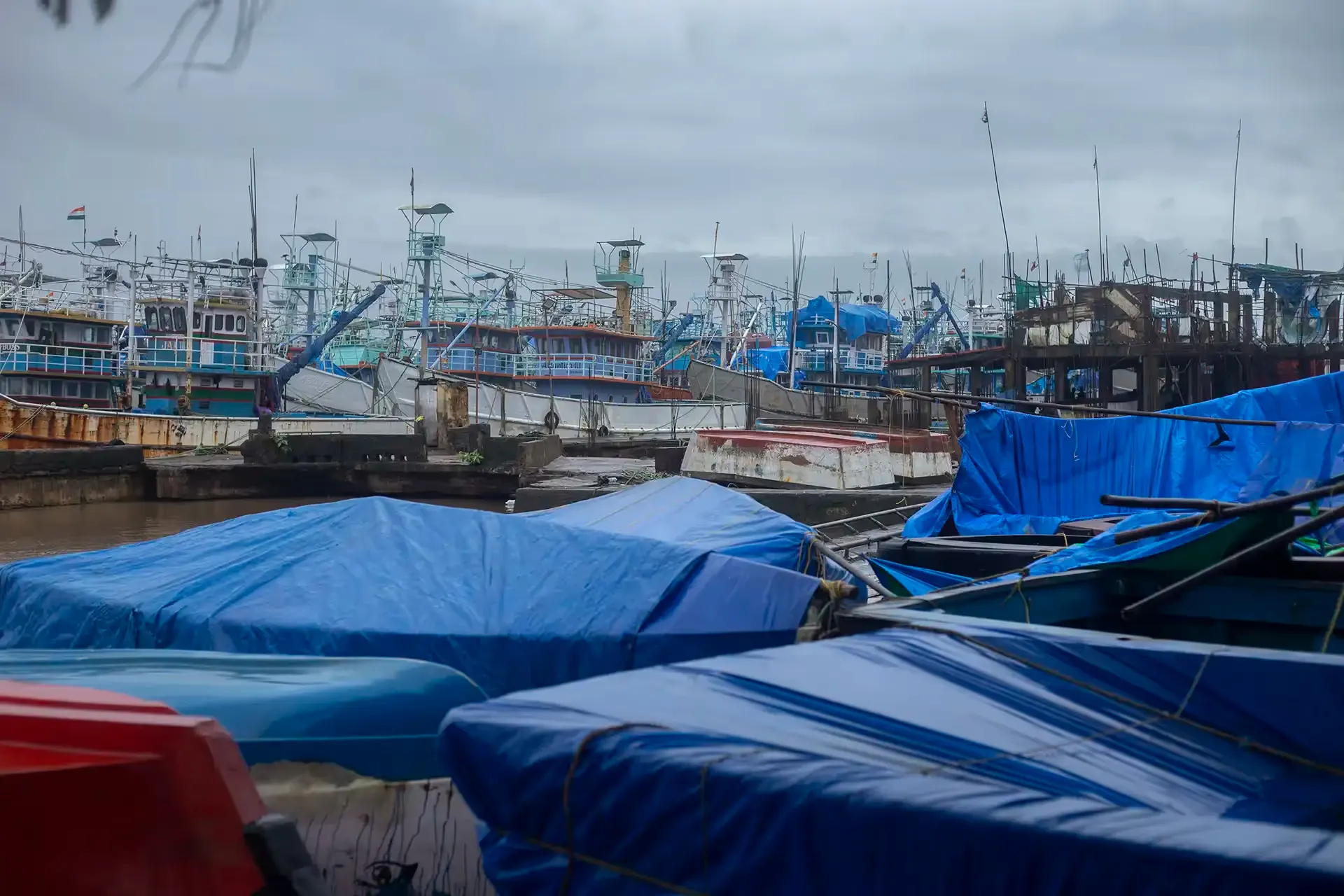
Today, coastal states implement monsoon fishing bans ranging from 45 to 75 days, which in theory coincide with breeding season. The timing and duration may vary between states along the east and west coasts, but artisanal and non-motorised boats are usually exempt from this ban; the focus is mainly on mechanised gear and larger boats like trawlers. In a way, these bans essentially give small-scale fishers a fair chance, as mechanised boats can harvest more and faster, leaving the small-scale fishers at a disadvantage.
Different species spawn at different times, but tropical monsoons play a major role in altering nutrient cycles, water temperature, currents, salinity, and food availability—all of which can create ideal conditions for breeding. Some species have been observed moving to deeper, farther spawning grounds, and their diversity and abundance in near-shore waters drops.
Seasonal fishing bans have become a fisheries management tool grounded in the principle that fish populations need uninterrupted breeding periods to replenish themselves.
In India, spawning peaks differ between the east and west coasts. Studies find that spawning peaks along the west coast between March to May, followed by a secondary peak in November to December. Off the east coast, spawning peaks in March to April. However, the annual fishing bans typically run from April to June along the east coast, and June to July end along the west coast, usually averaging 61 days.
Now, this variability poses a question: are these temporal fishing bans enough?
The problems with bans
During spawning periods, some fish species aggregate in large numbers, making them an easier target to catch. Females release eggs into the water while males simultaneously release sperm to fertilise those eggs externally. Overfishing during these periods can remove too many spawning adults, thereby reducing the number of offspring, and eventually, future fish stocks.
Extraction has already tipped beyond a sustainable point. Globally, overfishing is rising by about 1% per year; the proportion of sustainably fished stocks, on the other hand, is decreasing steadily. Over one-third of global fish stocks are already being harvested at biologically unsustainable levels, where they’re extracted faster than they’re able to replenish. And while Indian assessments claim 91% of India’s fish stocks are healthy (population, fish size, and robustness), the ground reality seems to suggest otherwise.
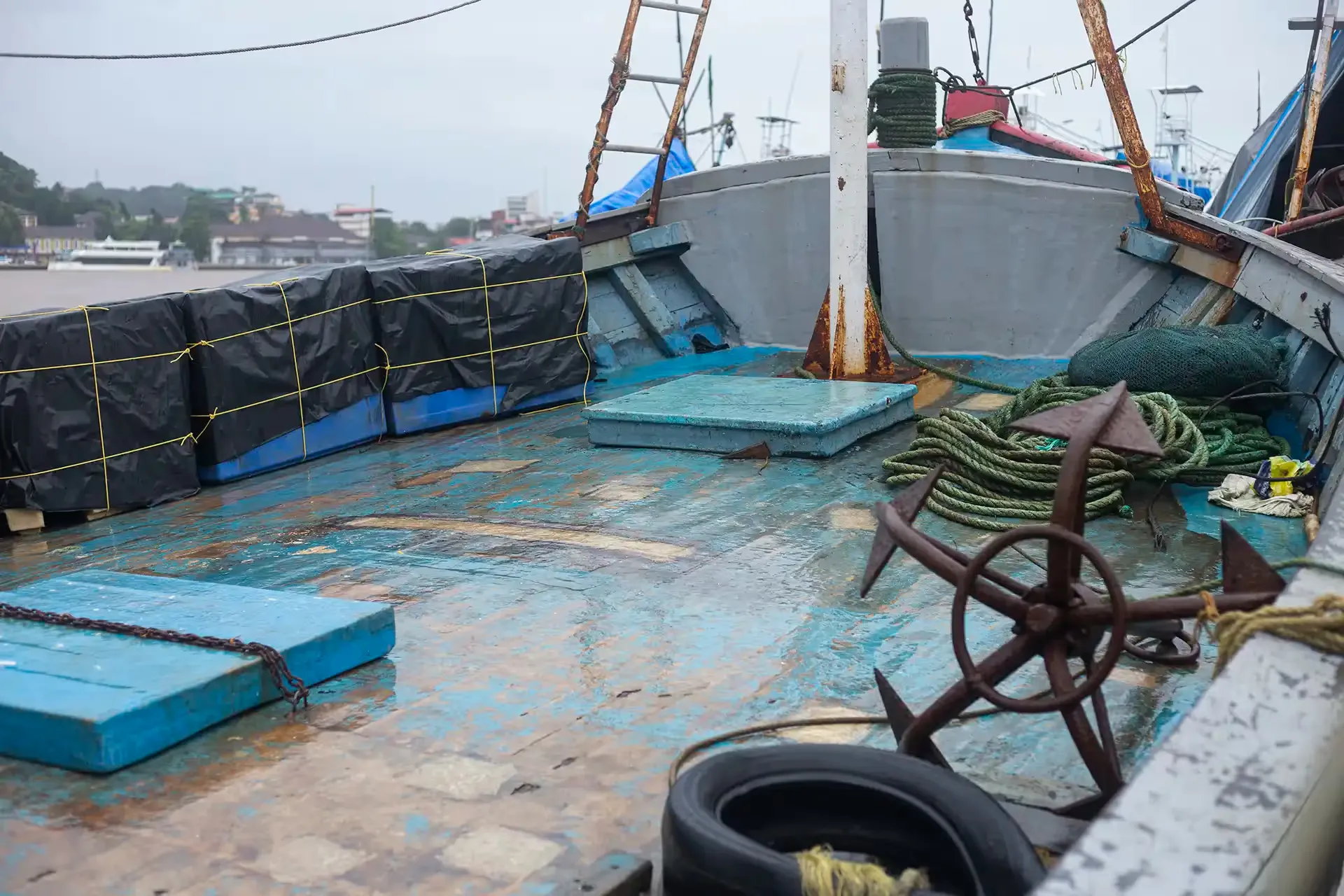
Trawlers scrape and decimate the seabed, generating enormous bycatch, capturing juveniles, and damaging entire benthic ecosystems
The Blue Revolution, enacted during the 7th Five-Year Plan from 1985 to 1990, dramatically altered the playing field in India. Mechanised trawlers, diesel subsidies, export-oriented seafood markets, refrigeration systems, and global demand transformed fisheries into high-intensity commercial extraction industries. Artisanal fishers, who generally exert far less pressure on marine ecosystems, lose out the most.
Bottom trawling, in particular, has become a major ecological concern. Trawlers scrape and decimate the seabed, generating enormous bycatch, capturing juveniles, and damaging entire benthic ecosystems (found on or near the sea bed)—ultimately impacting the small-scale fishers’ livelihood, and resulting in continuing conflict between the two groups.
Local ecological knowledge (LEK), while important in charting out an effective strategy, is rarely factored into policies that frame a top-down regulatory system that impacts local communities as well. Indian fisheries policy remains more focussed on boosting productivity, and has significant gaps. Given the current state of overfished global and domestic stocks, the policy needs to incorporate fisheries biology and updated data from the field to meet sustainability goals.
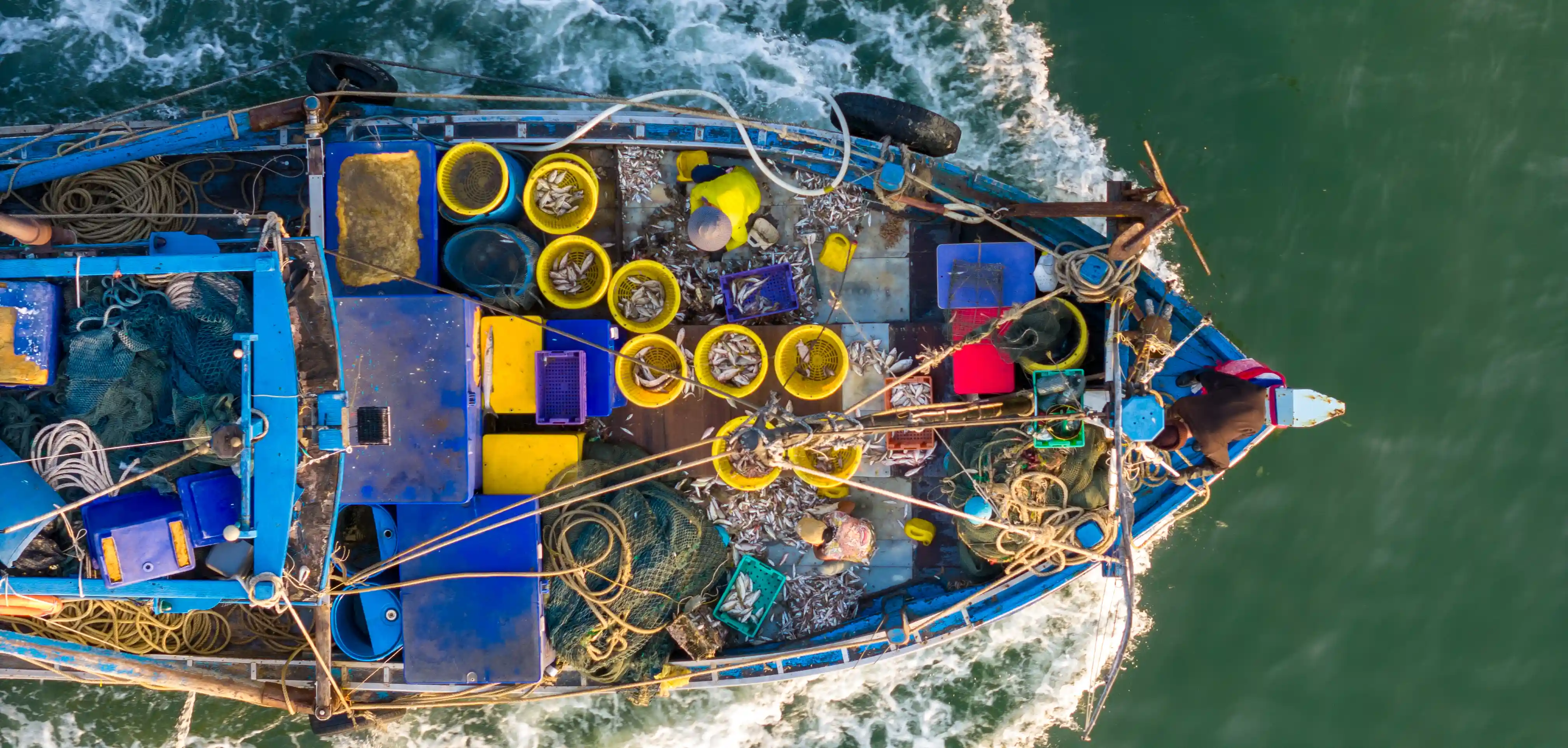
India’s annual fishing bans still operate on the assumption that most commercially important fish reproduce during the southwest monsoon, which is not the case, and a standardised ban is limited in effectiveness. Studies further find that these bans can have unintended consequences and weak enforcement, leading to intensified fishing effort immediately after the ban and increased illegal, unreported and unregulated (IUU) fishing during the ban.
Seasonal bans alone are insufficient without proper implementation, gear regulation, and policies that account for socioeconomic realities. Small-scale fishers, while still able to access the waters legally, are left with limited means of income during this period, affecting their food security and livelihoods. Existing government support schemes like the Pradhan Mantri Matsya Sampada Yojana (PMMSY) and the Centrally Sponsored National Welfare Scheme for Fishermen seem to be insufficient or have a very patchy impact on-ground.
Fishers themselves believe that fishing bans should be supplemented with regulations on fishing gear, species, and practices to support sustainable fisheries.
Also read: Bugging out: Why declining insect populations in India spell doom for agriculture
Feeling the heat of climate change
Climate change is further complicating fisheries management worldwide. Rising ocean temperatures alter geographic distribution and spawning times, trigger plankton blooms, and impact oxygen availability. Marine heatwaves have become more frequent, and long-term warming is affecting breeding success, reducing biomass in warm waters, and shifting fish distribution toward cooler waters.
Marine heatwaves have become more frequent, and long-term warming is affecting breeding success, reducing biomass in warm waters, and shifting fish distribution toward cooler waters.
Studies have quantified that a 1°C increase in annual temperature can result in a 0.63% decline in fish biomass. Furthermore, every 0.1 °C increase per decade in seabed temperature can result in fish biomass declines by 7.22%.
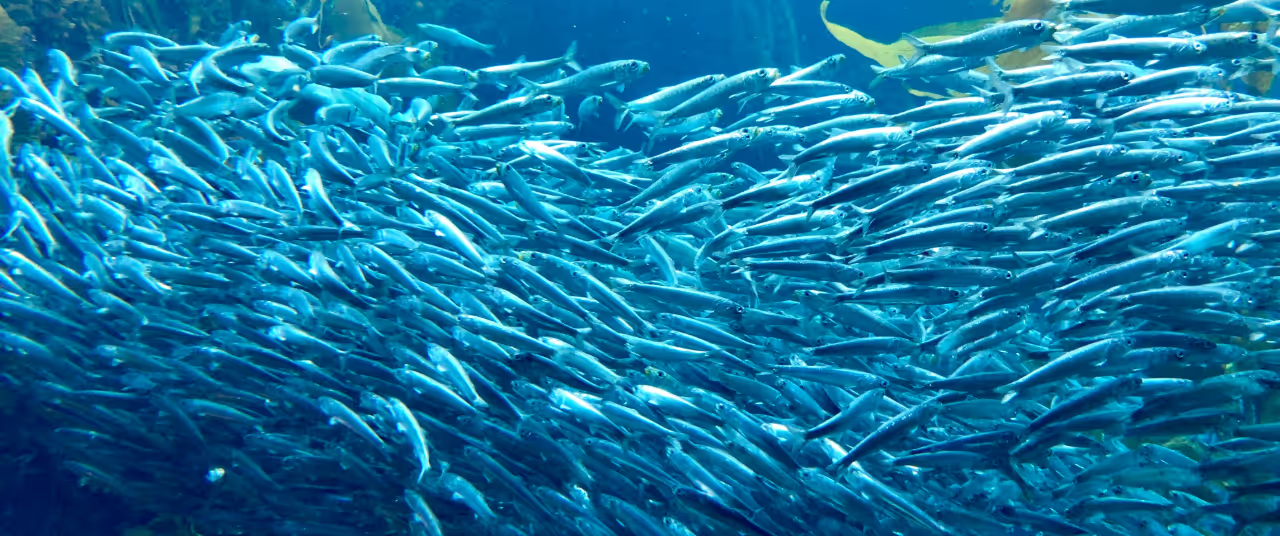
Tropical marine fisheries are among the most vulnerable sectors because many species already live close to their thermal tolerance limits. Along Kerala’s coastline, the 2024 monsoon caused an unusual surge and mass die-off of juvenile sardines due to a combination of factors, including marine heatwaves and nutrient enrichment-related plankton blooms. With reduced food, larger fish were impacted, ultimately affecting fisheries.
Also read: Climate change in my cup: Why India’s cocoa and coffee production is at risk
Initiatives and gaps
India, with a total coastline of over 11,000 km has more than 3.5 million people depending on coastal fisheries for livelihoods. Unsurprisingly, India is also among the world’s largest fish producers, with production having doubled over the decade.
All of this just highlights the fact that the country needs a change: a robust fisheries policy that factors in science and sustainability, and responsible choices on the consumers’ part.
In recent years, several Indian initiatives have attempted to reconnect consumers with marine seasonality. Know Your Fish is a public awareness and citizen science initiative that shares calendars marking fish species that are okay to eat each month, factoring in breeding periods and harvesting techniques for India’s west coast.
InSeason Fish offers similar awareness around sustainable seasonal seafood choices, encouraging consumers to understand breeding periods, and responsible consumption, along both coasts.
These initiatives are significant because they shift responsibility beyond fishers and regulators toward consumers themselves, and consumer demand plays a major role in shaping fisheries pressure.
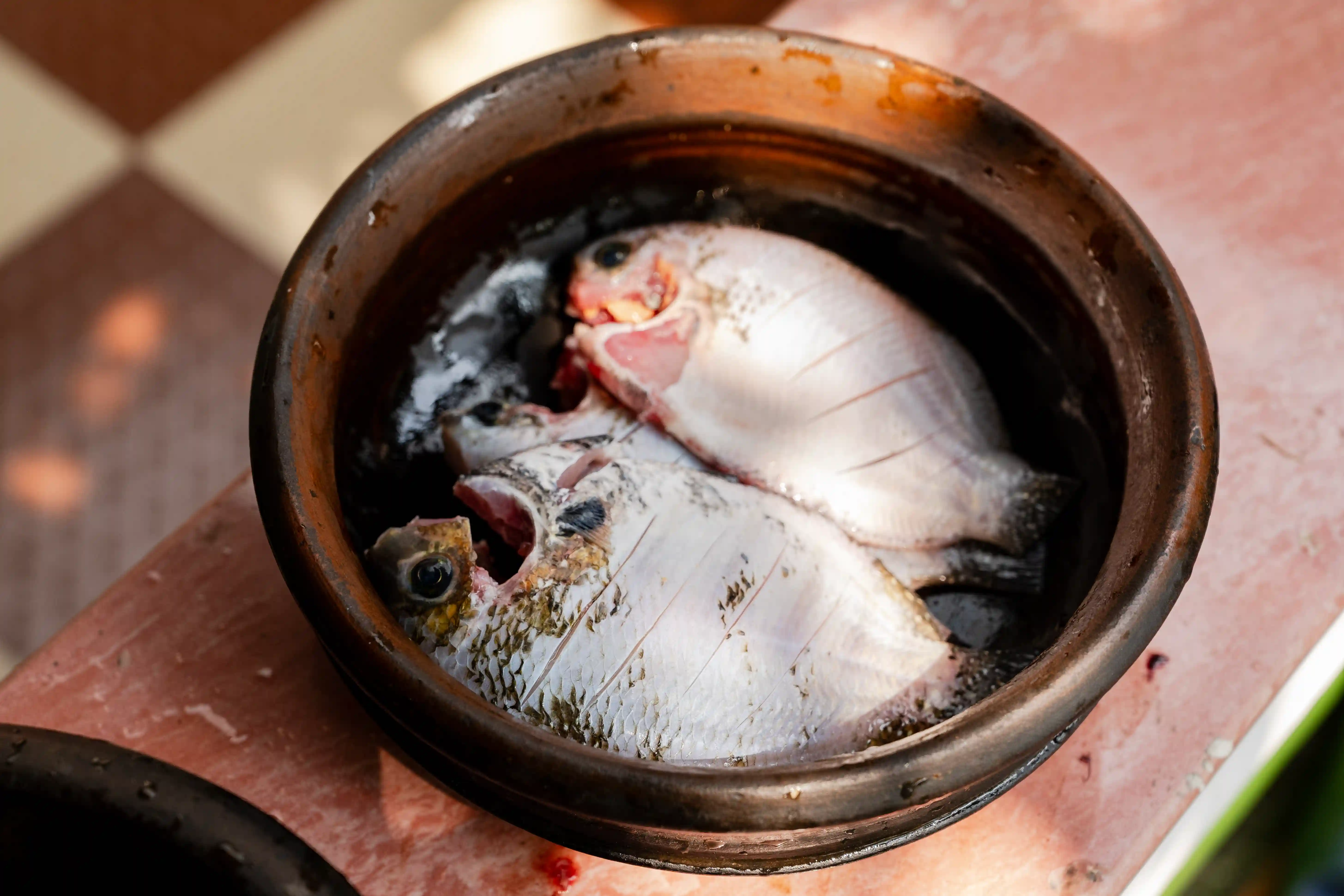
Restaurants across cities like Mumbai and Goa have become part of this conversation: some now highlight seasonal catches and calendars for diners to make a sustainable choice rather than relying solely on commercially dominant species which are already stressed.
***
One of the biggest cultural shifts in recent decades has been the disappearance of seasonal food literacy. Seafood consumption was naturally tied to ecological availability, and harvest didn’t go beyond ‘enough.’ Modern supply chains have largely erased that awareness.
While many of us enjoy being able to eat our favourite seafood at anytime, anywhere, some of that privilege comes at great ecological and socio-economic cost to others.
Refrigeration, freezing, long-distance transport, and export markets make supply chains smoother, and create the illusion that every species could and should be available year-round. This constant demand encourages exploitative fishing practices, and pressure even during ecologically sensitive periods.
Through all this, we consumers often remain disconnected from critical questions the commercial seafood industry rarely prioritises, because year-round availability is more profitable. Is this species currently breeding? How was it caught? Is it a juvenile fish? Is it locally abundant this season?
While many of us enjoy being able to eat our favourite seafood at anytime, anywhere, some of that privilege comes at great ecological and socio-economic cost to others.
Edited by Anushka Mukherjee and Neerja Deodhar
Cover Art by Pratik Bhide
{{quiz}}
.jpg)

Explore other topics
References